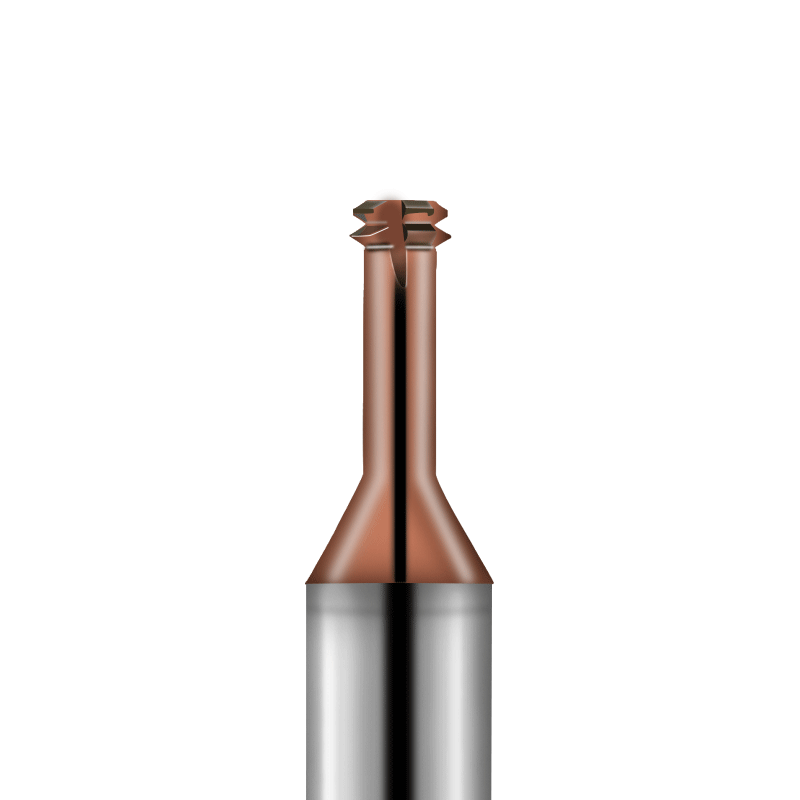
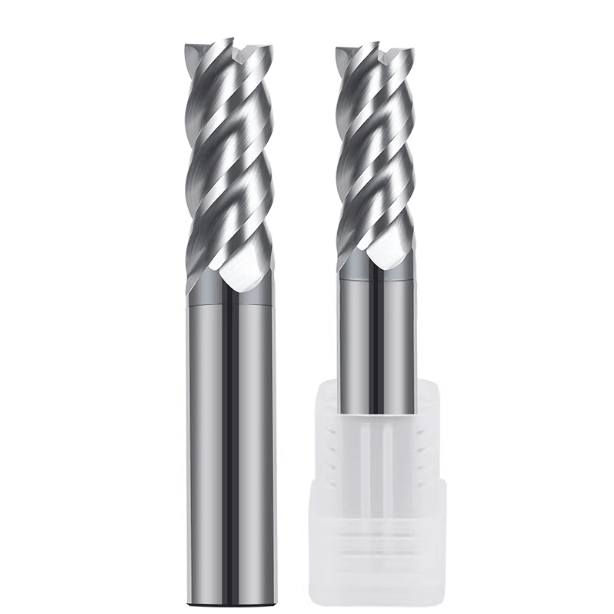
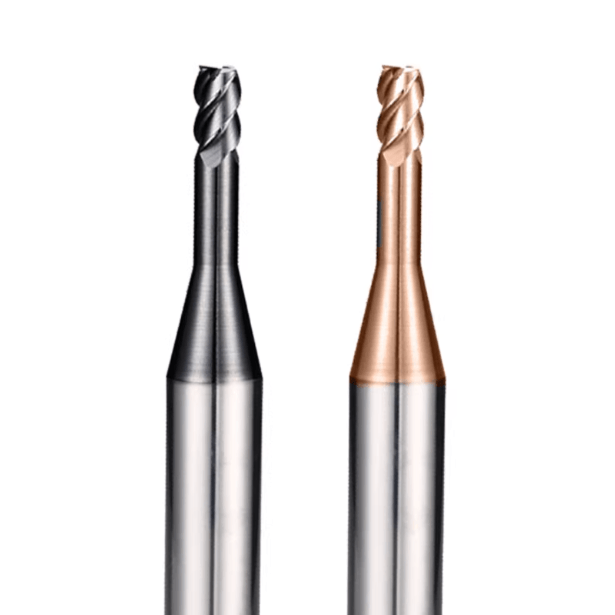
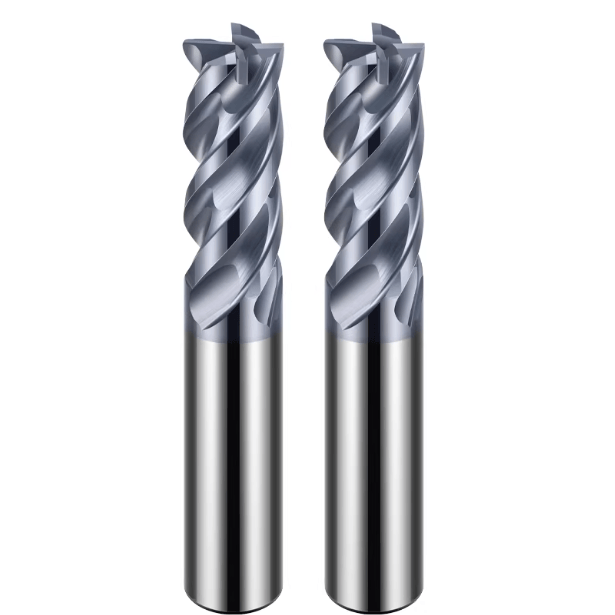
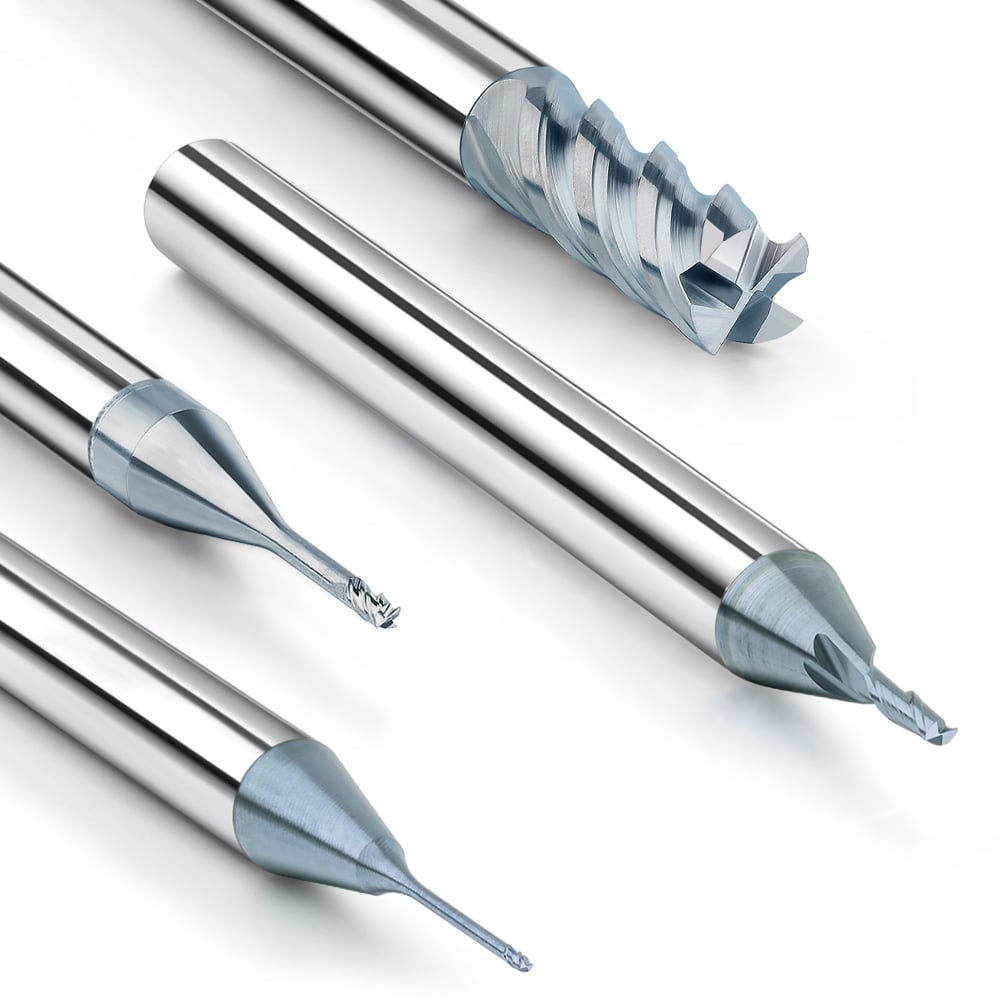
Choosing the right milling tool cutter is a critical factor that affects production efficiency, product quality, and overall operational costs in any CNC machining operation. Whether aiming for high-speed cutting, extending tool life, or achieving optimal workpiece surface finish on various materials, selecting the appropriate tool can offer significant advantages.
For industrial applications, carbide milling tool cutters are particularly valuable due to their wear resistance, hardness, and stability, which often determine machining costs and yields. Many engineers and procurement specialists also reference the milling tool cutter vs. drill bit comparison when choosing tools, helping prevent premature tool wear or compromised part accuracy.
High-speed applications rely on high-speed milling tool cutters to boost efficiency and shorten lead times. Buyers must consider workpiece material, tool geometry, coating, and practical cost-effectiveness. Additionally, a variety of milling tool cutter manufacturers, from internationally renowned brands to OEM suppliers offering customized tools, play a key role in purchasing decisions.
What is a Milling Tool Cutter?
A milling tool cutter is one of the most essential cutting tools in CNC machining, widely used for shaping metals, alloys, and composite materials. It removes material using rotating cutting edges, achieving precise dimensions and superior surface finish. Compared to other CNC cutting tools, milling cutters provide flexibility, performing a range of operations from roughing to finishing.
Carbide milling tool cutters have become indispensable in precision machining due to their high hardness and excellent wear resistance. Selecting the right milling tool can enhance cutting efficiency, extend tool life, and reduce production costs in both large-scale manufacturing and custom batch processing.
Definition and Basic Functions
A milling tool cutter removes workpiece material using high-speed rotation and multiple cutting edges. Unlike drills, it can cut axially, radially, and circumferentially, making it ideal for:
-
Flat milling, slotting, contouring, and 3D surface machining
-
Optimizing workpiece surface finish, reducing polishing or finishing steps
-
Efficient cutting of steel, stainless steel, aluminum alloys, and titanium alloys
-
Supporting high-speed milling tool cutter applications to improve overall productivity
Application Scenarios in CNC Machining
Milling cutters are central to CNC operations, used in nearly every cutting scenario:
-
Roughing: Removing large volumes of material for rapid prototyping
-
Finishing: High-precision cuts for mirror-like surface quality
-
Moldmaking: Complex 3D surfaces with ball-end cutters or carbide tools
-
Aerospace and automotive parts: High-speed machining of high-strength materials
Proper tool selection and cutting parameters are critical to balancing efficiency and tool life. Engineers often apply the principles of how to choose a milling tool cutter based on material hardness, geometry, and coating.
Overview of Common Types
Common milling cutter types include:
-
End mills: Standard choice for flat surfaces, slots, and sidewall cutting
-
Ball nose end mills: Ideal for molds and 3D surfaces with excellent finish
-
Chamfer cutters: Used for deburring and edge preparation
-
T-slot and keyway cutters: For specialized groove machining
Carbide milling tool cutters are preferred for stainless steel and titanium alloys, while traditional HSS cutters suit low-speed, light-load applications. Proper selection enhances efficiency and tool longevity.
Milling Tool Cutter vs Drill Bit: What’s the Difference?
In CNC machining, milling tool cutters and drill bits are both commonly used cutting tools, but they differ significantly in design, cutting methods, application range, and precision. Understanding these differences is crucial for engineers and industrial buyers to make informed tool selection decisions.
Milling cutters are ideal for multi-directional cutting and complex shape machining, while drill bits are primarily used for axial drilling. Confusing the two can lead to reduced machining accuracy, excessive tool wear, and potential workpiece failure.
Cutting Method Comparison
Milling cutters use rotating cutting edges to perform facing, radial cutting, or contouring. They enable flat machining, slotting, contouring, and three-dimensional surface machining. High-speed milling tool cutters, in particular, achieve high cutting efficiency and superior surface finish at elevated cutting speeds.
In contrast, drill bits cut primarily along the axial direction, removing material along the tool centerline. Drills are suitable for through holes or blind holes and provide stable machining in deep drilling applications. However, they cannot handle lateral cuts or complex curved surfaces like milling cutters can.
Differences in Processing Range and Applicable Materials
-
Milling cutters: Suitable for flat surfaces, grooves, contours, and 3D surfaces. Compatible with steel, stainless steel, aluminum alloys, titanium alloys, and some cemented carbides. Depending on the material, engineers may choose a carbide milling tool cutter or an HSS cutter to optimize cutting efficiency and tool life.
-
Drills: Primarily used for hole machining in metals and some non-metallic materials. Drills are limited in lateral cutting or shaping complex surfaces.
In precision machining, mold making, and complex part processing, milling cutters cover a broader application range, whereas drills are specialized for hole creation and positioning.
Common Misconceptions and Selection Recommendations
-
Misconception 1: Drills can replace milling cutters for lateral machining.
→ In reality, drills are unsuitable for radial cuts and may lead to tool breakage or hole diameter deviations. -
Misconception 2: Ignoring material and coating compatibility.
→ For instance, using a standard HSS milling cutter on hard steel or titanium alloys can cause rapid tool wear. Carbide milling tool cutters or high-speed milling cutters with wear-resistant coatings are preferred.
Selection Recommendations:
-
Use milling cutters and drills according to the type of machining task.
-
Prefer high-speed or carbide milling cutters for hard materials or high-speed operations.
-
Consider machining accuracy, tool life, and cutting efficiency to minimize waste and avoid costly errors.
By understanding the differences between milling cutters and drill bits, CNC companies and industrial buyers can make more informed, rational decisions that improve machining quality and productivity.

Advantages of Carbide Milling Tool Cutters
Carbide milling tool cutters are among the most widely used cutting tools in modern CNC machining. Their primary benefits include high wear resistance, stable cutting performance, and broad applicability. For industrial users seeking high-precision machining and productivity, carbide tools extend tool life, reduce replacement frequency, and maintain smooth workpiece surface finishes.
These cutters perform well at high-speed cutting and can efficiently machine a variety of materials, including steel, stainless steel, aluminum alloys, and titanium alloys. They are indispensable in mold manufacturing, aerospace component production, and precision machinery.
Wear Resistance and High Hardness of Carbide
Carbide tools consist of tungsten carbide or titanium carbide with a metal binder, delivering exceptional hardness and wear resistance. Compared to traditional HSS (high-speed steel) tools, carbide resists edge wear and chipping under high-temperature, high-speed cutting conditions, extending tool life.
Their hardness ensures stable cutting at elevated speeds, improving efficiency. For precision machining tasks such as micro-grooving, 3D surface machining, and mold & die work, carbide cutters maintain dimensional accuracy and surface quality while minimizing the risk of rework or scrap.
Applicable Material Range
-
Steel and Stainless Steel: Excellent wear resistance, withstands high cutting forces and temperatures.
-
Aluminum and Light Metals: Low friction, rapid chip evacuation, minimizes material adhesion and surface scratches.
-
Titanium and Difficult-to-Machine Materials: Maintains stability for high-temperature, high-strength materials, suitable for high-speed, precision machining.
Selecting carbide cutters with optimized edge profiles and coatings (e.g., TiAlN, CVD) allows engineers to fine-tune cutting parameters for each material, maximizing efficiency and tool life.
Comparison with HSS Tools
| Comparison Dimension | Carbide Milling Tool Cutter | HSS Tool |
|---|---|---|
| Hardness | High hardness (approx. 1600–2000 HV) | Lower hardness (approx. 600–650 HV) |
| Wear Resistance | Excellent, maintains cutting performance at high temperatures | Wears easily, short tool life under high-speed cutting |
| Cutting Speed | Supports high-speed milling | Best for low-speed operations |
| Precision Machining | High precision with superior surface finish | Moderate precision, prone to burrs |
| Cost | Higher initial cost, but longer service life | Low initial cost, frequent replacement increases long-term cost |
Analysis:
From the comparison, for CNC machining tasks that demand high precision, high efficiency, and long tool life, carbide milling tool cutters clearly outperform traditional HSS tools. In practice, engineers following how to choose milling tool cutter principles generally prioritize carbide tools to enhance machining stability and productivity.

The Value of High-Speed Milling Tool Cutters in Modern CNC Machining
High-speed milling tool cutters are critical for enhancing CNC machining efficiency and product quality, especially when machining precision parts and hard-to-cut materials. High-speed cutting shortens machining cycles and improves surface finish, reducing the need for additional finishing operations.
When selecting a high-speed milling tool, engineers should follow how to choose a milling tool cutter principles, considering tool material, geometry, coating type, and machining parameters to ensure stability and long tool life under high-speed conditions.
Improved Productivity from High-Speed Cutting
High-speed milling cutters increase spindle and cutting speeds, enabling higher material removal per pass. Compared to traditional low-speed cutters, they reduce cutting and cycle time, particularly in high-volume production.
They also provide stable cutting for light metals like aluminum alloys and difficult-to-machine metals such as titanium alloys and hardened steel. By reducing tool vibration and minimizing jumping, they help maintain machining accuracy and surface quality.
Balancing Tool Life and Cutting Parameters
Tool life in high-speed machining is closely tied to cutting parameters—cutting speed, feed rate, and depth of cut. Selecting appropriate carbide or coated tools ensures longevity while maintaining efficiency. Engineers optimize performance by:
-
Adjusting speed and feed to maintain tool load within optimal range;
-
Choosing tool geometry and coatings suited for the material to minimize wear;
-
Applying high-efficiency coolant or gas cooling to control heat generation.
This balance allows high-speed milling cutters to maximize efficiency while maintaining stability, reducing production costs and equipment downtime.
Common Problems and Solutions in High-Speed Machining
High-speed milling may face challenges such as:
-
Premature tool wear or chipping: Caused by excessive speed or hard materials. Solution: use carbide or coated tools and optimize parameters.
-
Chatter marks or rough surfaces: Caused by unstable clamping or uneven feed. Solution: use precision fixtures and optimize feed strategy.
-
Heat buildup affecting accuracy: Caused by high-speed cutting. Solution: implement efficient cooling and control cutting depth/speed.
Proper tool selection and process optimization maximize the benefits of high-speed milling cutters.

How to Choose a Milling Tool Cutter
Selecting the right milling tool cutter is essential for CNC engineers and industrial buyers. Proper selection influences machining efficiency, tool life, surface finish, dimensional accuracy, and overall costs. It requires assessing workpiece material, processing method, tool geometry, and machining parameters.
Selection Based on Material
Matching cutter material to workpiece ensures stability and tool longevity:
-
Steel/Stainless Steel: Carbide cutters offer high hardness and wear resistance, handling high forces and temperatures.
-
Aluminum/Light Metals: Coated or uncoated carbide cutters improve chip evacuation and reduce material adhesion.
-
Titanium/High-Temperature Alloys: High-performance coated cutters or high-speed milling cutters maintain cutting stability and surface accuracy.
Different materials require tailored cutting parameters and tool designs.
Selection Based on Processing Method
Tool choice also depends on processing type:
-
Roughing: Deep-cut, wear-resistant cutters for rapid material removal.
-
Finishing: Rigid cutters ensuring surface finish and dimensional accuracy.
-
Contouring/3D Surface: Ball-nose or spiral-edge cutters for complex geometries.
-
Chamfering/Deburring: Specialized cutters to improve part quality and assembly.
Impact of Tool Geometry on Performance
Tool geometry affects cutting forces, temperatures, tool life, and surface quality:
-
Flute number: More flutes improve feed efficiency but may hinder chip evacuation.
-
Helix angle: High angles suit high-speed/light metal cutting; low angles suit roughing hard materials.
-
Diameter & cutting length: Affect rigidity and vibration; select according to depth and stability.
-
Coating type: TiAlN, TiN, and CVD coatings reduce friction, extend life, and support high-speed cutting.
Common CNC Tool Selection Examples
-
Aluminum Mold Machining: 4-flute carbide cutter with high-speed parameters for smooth finish.
-
Stainless Steel Roughing: 2-flute carbide roughing cutter for deep cuts and extended tool life.
-
Complex 3D Surface Machining: Ball-nose carbide cutter with optimized feed and spindle speed.
-
Chamfering/Deburring: Dedicated chamfer cutter for smooth edges and reduced secondary operations.

Milling Tool Cutter Manufacturers: How to Choose a Reliable Partner
In CNC machining and industrial production, choosing a reliable milling cutter manufacturer is just as important as selecting the right cutting tool. A manufacturer’s technical expertise, material quality, machining precision, and service level directly affect tool life, cutting efficiency, surface finish, and overall production costs. Whether purchasing standard carbide cutters or custom OEM milling tools, partnering with the right supplier is key to ensuring machining quality and a stable supply chain.
Overview of Globally Reputable Milling Cutter Manufacturers
Worldwide, several leading milling tool manufacturers from Germany, Japan, Switzerland, and the United States set industry benchmarks with advanced technology and high-quality products. These manufacturers typically offer:
-
High-performance carbide milling cutters for durability and precision;
-
High-speed milling cutters that support both precision machining and high-efficiency cutting;
-
A diverse range of tool types, including end mills, ball-nose mills, and chamfering cutters, to meet various machining needs;
-
Internationally certified quality management systems that ensure product consistency and reliability.
Understanding the technical advantages and product ranges of these global brands helps industrial buyers make informed decisions when choosing reliable milling cutter suppliers.
Advantages of OEM and Custom Milling Tools
For special machining requirements or non-standard workpieces, OEM and custom tooling provide unmatched flexibility and performance benefits:
-
Tailored tool design: Geometry, coating, and dimensions can be customized to match the workpiece material and machining method;
-
Higher efficiency and tool life: Custom cutters maintain stability in high-speed cutting and complex surface machining;
-
Improved workpiece quality: Precision tools achieve superior surface finish and tighter dimensional tolerances, critical in mold making and aerospace applications;
-
Competitive differentiation: Companies can gain a market edge by using tools designed for their specific machining processes.
By leveraging custom and OEM milling tools, manufacturers can enhance efficiency, extend tool life, and improve overall production outcomes.
Key Factors in Evaluating Milling Tool Suppliers
When selecting a milling cutter manufacturer, industrial buyers should carefully evaluate across several dimensions:
-
Tool Quality: Material hardness, wear resistance, coating process, and geometric accuracy directly determine tool life and cutting performance.
-
Delivery Reliability: Timely delivery is essential for large-scale production and urgent orders.
-
Technical Support: Value-added services such as tool selection guidance, cutting parameter optimization, and after-sales training can significantly improve shop efficiency.
-
Customization Capability: The ability to produce tools for special materials or complex parts ensures advantages in specialized machining processes.
-
Reputation and Stability: Supplier size, industry reputation, and quality management systems are strong indicators of long-term reliability.
By considering these factors, CNC machining companies and industrial buyers can choose a milling cutter manufacturer that delivers both high-performance tools and dependable service—ensuring stable production, consistent quality, and reduced long-term costs.
Practical Tips for Industrial Buyers Choosing Milling Tool Cutters
For industrial buyers, selecting a milling tool cutter requires considering not only tool performance but also cost, machining efficiency, and tool life. The right selection strategy helps companies achieve precision, superior surface finish, and stable cutting results in CNC machining while reducing tool change frequency and production costs. Following how to choose a milling tool cutter principles ensures more informed and effective tool selection.
Key Parameters for Selecting Milling Tool Cutters
When choosing a milling cutter, focus on the following parameters:
-
Tool Material: Select carbide or HSS cutters according to workpiece material and machining requirements. Carbide is recommended for high-speed or hard material machining, while HSS is suitable for low-speed, light-load tasks.
-
Tool Geometry: Consider the number of flutes, helix angle, tip shape, and cutting length. These factors affect cutting forces, machining accuracy, and chip evacuation efficiency.
-
Coating Type: Coatings such as TiAlN, TiN, and CVD enhance wear resistance and support high-speed cutting performance.
-
Application Range: Match the cutter to workpiece material (steel, stainless steel, aluminum alloy, titanium alloy) and machining method (roughing, finishing, contouring, 3D surface machining).
-
Supplier Cutting Parameters: Use recommended spindle speed, feed rate, and depth of cut to ensure efficient operation of high-speed milling cutters.
Paying attention to these factors ensures consistent performance and minimizes machining defects, including tool wear, part scrapping, and surface inconsistencies.
Balancing Cost and Performance
Industrial buyers aim to optimize both performance and cost:
-
Carbide Milling Tools: Higher upfront cost, but long lifespan and high machining efficiency lower long-term expenses.
-
HSS Tools: Low initial cost, suitable for light-load, low-speed operations, but frequent replacement increases overall cost.
-
Custom/OEM Milling Tools: Tailored for special materials or complex workpieces, improving machining efficiency and yield. Slightly higher initial investment yields significant benefits.
-
Bulk Purchasing & Tool Management: Planning tool inventory and usage strategies reduces procurement and production costs.
Combining tool performance with machining requirements allows companies to achieve the ideal balance between cost and efficiency.
Maintenance and Tool Life Management
Extending cutter life and maintaining machining stability requires a structured tool management approach:
-
Inspect Tools Regularly: Replace or resharpen worn cutters to prevent reduced accuracy and part scrapping.
-
Adjust Cutting Parameters: Optimize speed, feed rate, and depth of cut according to material hardness and tool type.
-
Use Cooling/Lubrication: Minimize thermal wear, reduce temperature rise, and extend tool life.
-
Categorize Tools: Organize by material, application, and machining task to improve shop floor efficiency.
-
Track Tool Life Digitally: Record usage cycles to guide future procurement and selection.
A scientific maintenance strategy not only prolongs the life of carbide and high-speed milling cutters but also ensures stable CNC machining performance, precision, and high-quality surface finishes.

Future Trend: Intelligent and Sustainable Milling Tool Cutters
With smart manufacturing and green machining on the rise, milling tool cutters are evolving toward high performance, intelligence, and sustainability. Modern industry demands tools that support high-speed, high-precision machining, extended tool life, energy efficiency, and minimal waste. Future development will focus on innovative materials, digital management, and environmentally friendly designs, offering CNC companies optimized machining solutions.
Innovations in Milling Tool Materials and Coatings
Future milling cutters will continue to advance in materials and coatings:
-
Multi-layer composite coatings: TiAlN, AlCrN, and CVD coatings improve wear resistance, heat resistance, and high-speed cutting performance.
-
New hard materials: Nano-composite carbide, PCD, and CBN tools further enhance wear resistance and machining accuracy.
-
Tool structure optimization: Enhanced tip shapes, helix angles, and edge designs ensure smooth chip evacuation, reduce cutting forces, and improve surface finish.
These innovations enhance the performance of carbide and high-speed milling cutters for complex materials while extending tool life and reducing costs.
Intelligent Tool Monitoring and Digital Management
Smart manufacturing enables digital and intelligent tool management:
-
Tool life monitoring: Sensors track wear, temperature, and vibration, providing real-time alerts and predictive maintenance.
-
Data-driven process analysis: CNC systems record cutting parameters and tool status to optimize machining processes.
-
Automated tool handling: Intelligent tool magazines and automatic tool changers improve production line automation, reduce manual errors, and enhance stability.
Intelligent systems improve surface quality, machining accuracy, and high-speed cutter efficiency while minimizing downtime and scrap.
Sustainable Milling Tools and Green Manufacturing Trends
Environmental sustainability is shaping tool development:
-
High-efficiency, low-energy tools: Optimized geometry and materials reduce energy consumption.
-
Eco-friendly coatings and recyclable materials: Minimize environmental impact of production.
-
Waste reduction and extended tool life: Optimized processes and tool management decrease scrapping and material waste.
Green machining aligns with industry sustainability goals while reducing costs and enhancing competitiveness.
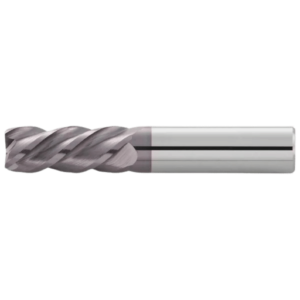
Key Insights and Best Practices for Choosing Milling Tool Cutters in CNC Machining
Milling cutter selection—including material, geometry, and supplier choice—directly impacts machining efficiency, tool life, and workpiece surface quality. From material matching and machining methods to high-speed applications and intelligent, sustainable trends, understanding milling cutter performance is key for industrial buyers and CNC manufacturers to achieve efficient production.
Key Points in Milling Tool Selection
-
Material Selection: Match steel, stainless steel, aluminum alloy, titanium alloy, and other materials with appropriate carbide or coated cutters.
-
Processing Method Selection: Use roughing, finishing, contouring, or surface machining tools with suitable edge profiles and geometry.
-
Tool Geometry and Coating Optimization: Number of flutes, helix angle, tip design, and coating influence cutting efficiency and surface quality.
-
Cost-Performance Balance: Proper tool choice in high-speed or complex processes optimizes long-term costs.
-
Tool Maintenance and Management: Regular wear inspection, cutting parameter optimization, and proper storage extend tool life.
Value and Benefits for CNC Processing Companies
-
Boost efficiency: High-performance carbide and high-speed milling cutters reduce cycle times and increase capacity.
-
Ensure accuracy and finish: Properly matched tools produce high-precision parts with superior surface finishes.
-
Lower costs: Extended tool life, reduced scrap, and optimized cutting parameters decrease long-term expenses.
-
Enhance competitiveness: Advanced tools and intelligent management support precision machining and high-value part manufacturing.
Focus Areas for Buyers
-
Adopt tool innovations: Multi-layer coatings, nano-composite carbide, PCD/CBN, and high-speed cutters enable complex machining solutions.
-
Apply intelligent monitoring: Real-time tracking of tool wear, temperature, and vibration improves stability and productivity.
-
Partner with reliable manufacturers: OEM customization and reputable suppliers ensure tool quality, timely delivery, and technical support.
-
Integrate sustainable practices: Choose energy-efficient and environmentally friendly tools to support intelligent, green manufacturing.
By considering tool performance, machining processes, supplier quality, and emerging technologies, industrial buyers can optimize milling cutter selection, achieving efficiency, precision, and cost-effectiveness in CNC machining.