SAMHO

graphite end mill

Cost-Benefit Analysis: Premium Carbide vs. Economy Graphite Milling Cutters

In the world of graphite machining, there is a common saying: “The money you save on cutting tools today, you will pay back—with interest—in the scrap bin tomorrow.” This isn’t fear-mongering. It represents the “disasters” we’ve witnessed over the last 16 years on the shop floor. Recently, a long-standing client—a precision automotive mold manufacturer—tried to

Cost-Benefit Analysis: Premium Carbide vs. Economy Graphite Milling Cutters Read More »

end mills 3 flute

Optimizing Feed Rates for 6061 vs 7075 Aluminum End Mill Cutters

Just last week, we resolved an urgent request from a long-standing client in Boston. While machining a batch of 7075-T6 aerospace components, he tried to meet a tight deadline by applying the same feed parameters he used for 6061. The result? In less than two hours, his expensive 3 flute milling cutter aluminum suffered a

Optimizing Feed Rates for 6061 vs 7075 Aluminum End Mill Cutters Read More »

slot cutter milling

Best Practices for Using T-Slot Milling Cutters for Steel (40+ HRC)

When machining hardened steel or mold steel at 40+ HRC, we frequently hear the same complaint from the shop floor: “Why do these T-slot cutters keep snapping inside the part without any warning?” Last month, a long-standing North American client reached out about a production run of 42 HRC alloy steel parts. They expected each

Best Practices for Using T-Slot Milling Cutters for Steel (40+ HRC) Read More »

graphite end mill

Mastering Graphite Machining: Why Diamond Milling Cutters are Essential

To be honest, in the world of graphite machining, the last thing we want is a phone call from a client saying: “The electrode isn’t even finished, and the tool has already chipped.” Last month, a mold-making client in Detroit sent us an urgent project involving high-density, complex-geometry graphite electrodes. To save on upfront costs,

Mastering Graphite Machining: Why Diamond Milling Cutters are Essential Read More »

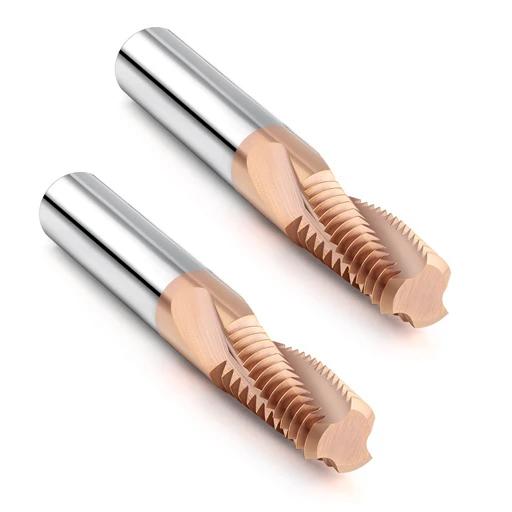
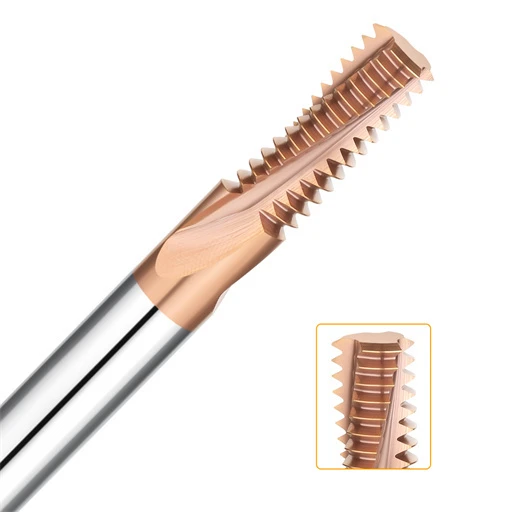
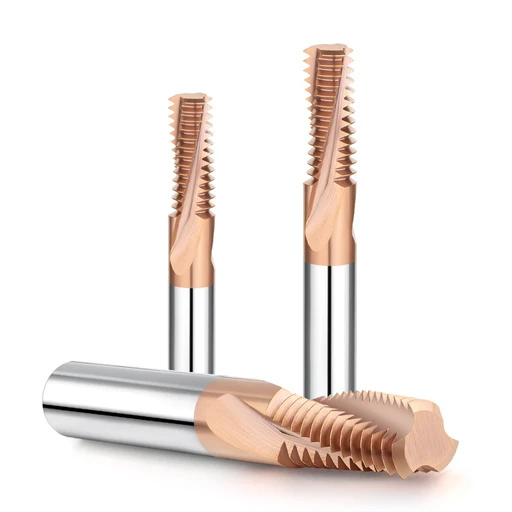
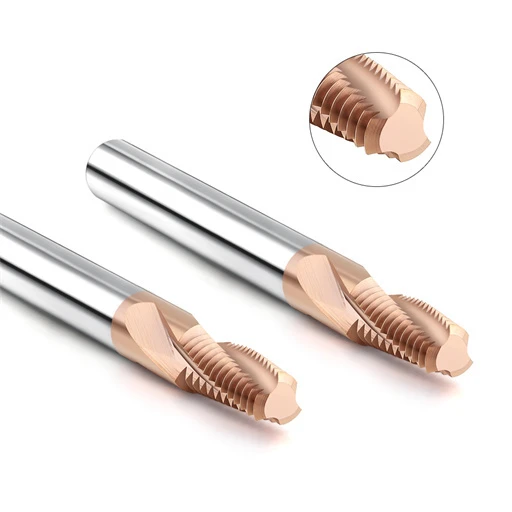
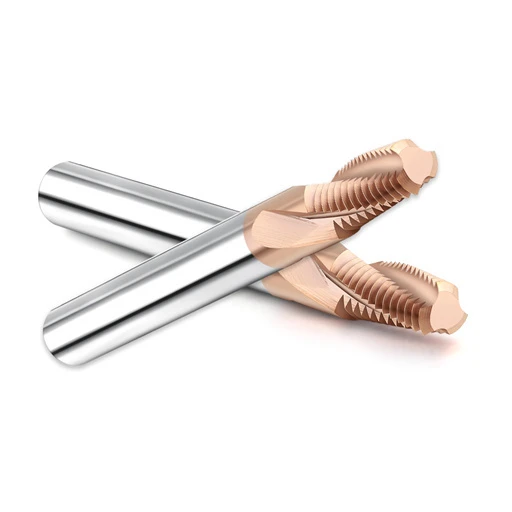
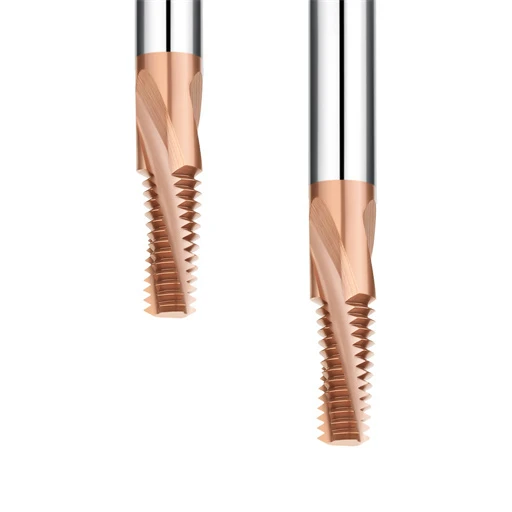
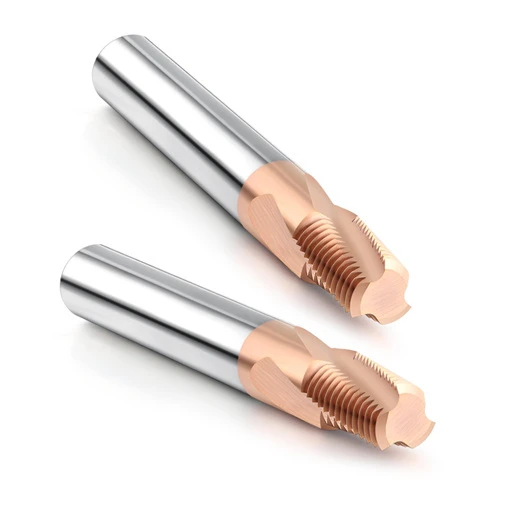
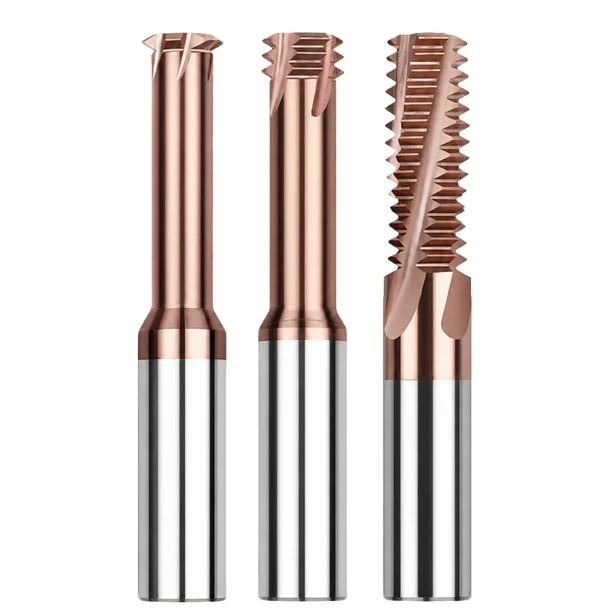
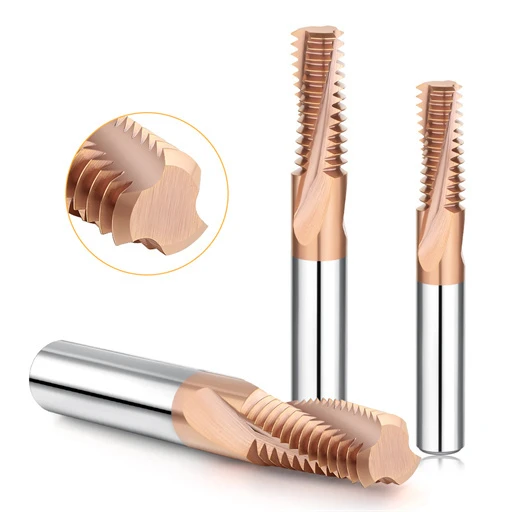
carbide thread milling cutter

Heat Dissipation Strategies: The Best Milling Cutters for Titanium Alloys

As a veteran with 15 years of hands-on experience in both tool manufacturing and on the machining floor, I’ve seen it all. We frequently receive distress emails from aerospace clients in Europe and North America. The subject lines are usually short, but the cost is massive: “We can’t boost efficiency for Ti-6Al-4V; our tool life

Heat Dissipation Strategies: The Best Milling Cutters for Titanium Alloys Read More »

rounded corner cutter

Custom CNC Milling Cutter Services: Why OEM from China is the Future

All too often, after hours of debating with clients in North America and Europe over Zoom, we realize we are all agonizing over the same issues. It’s usually a mere 0.05mm deviation in geometry or the frustrating struggle to shave just 15 seconds off a cycle time. Just last month, we finished a project for

Custom CNC Milling Cutter Services: Why OEM from China is the Future Read More »

carbide milling cutters

How to Achieve a Mirror Finish on Metal Using HRC65 Milling Cutter Bits

When performing the final finishing pass on high-hardness mold steel (HRC60+), the most vexing challenge is rarely the inability to cut the material. Instead, it is that persistent “matte finish”—a hazy surface layer that simply refuses to disappear. Last month, a long-standing German client in the medical device sector sent us a familiar complaint. While

How to Achieve a Mirror Finish on Metal Using HRC65 Milling Cutter Bits Read More »

carbide cutting bits

How to Choose Between HRC45, HRC55, and HRC65 Milling Cutter Tools

As engineers who spend our days on the shop floor—surrounded by hardened steel and the constant hum of CNC machines—we know the dilemma. When customers open our catalog, the most common question isn’t about price; it’s: “For this specific mold block, do I need HRC45, HRC55, or should I jump straight to HRC65?” Just last

How to Choose Between HRC45, HRC55, and HRC65 Milling Cutter Tools Read More »

high feed end mills

Common Causes of Chipping in Carbide End Mills for Steel

As a team with fifteen years of experience as a carbide end mill manufacturer, the most frustrating issue we handle isn’t standard wear—it’s sudden, unpredicted “edge chipping.” Just last week, a long-term client was machining 4140 alloy steel (HRC 35). Their end mills for steel, which usually run with rock-solid stability, suddenly suffered severe chipping

Common Causes of Chipping in Carbide End Mills for Steel Read More »