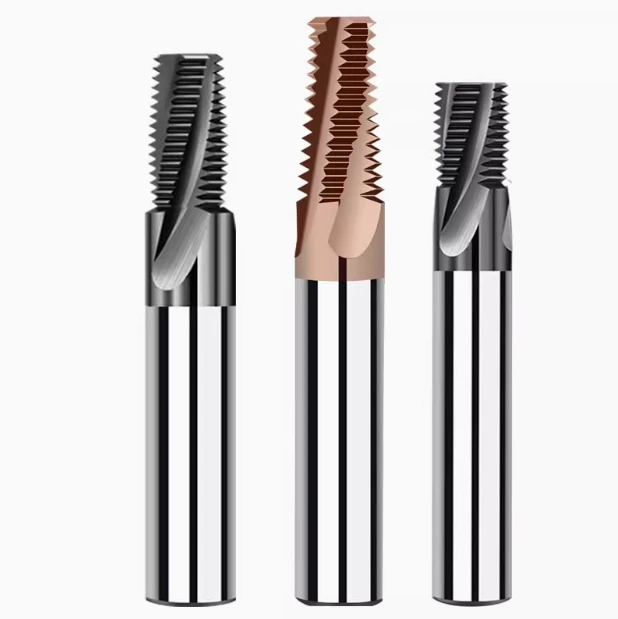
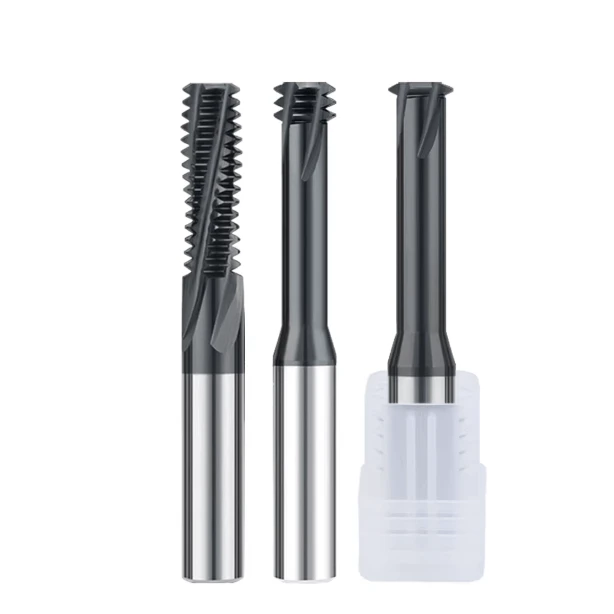
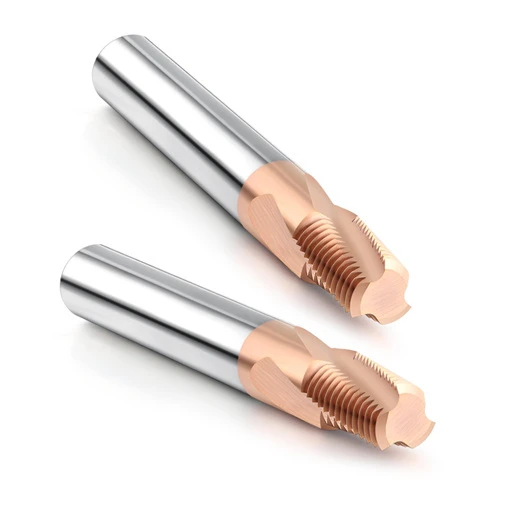
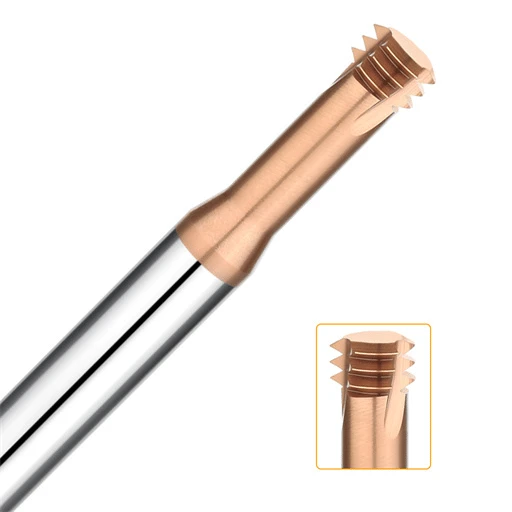
Types of CNC Milling Tools

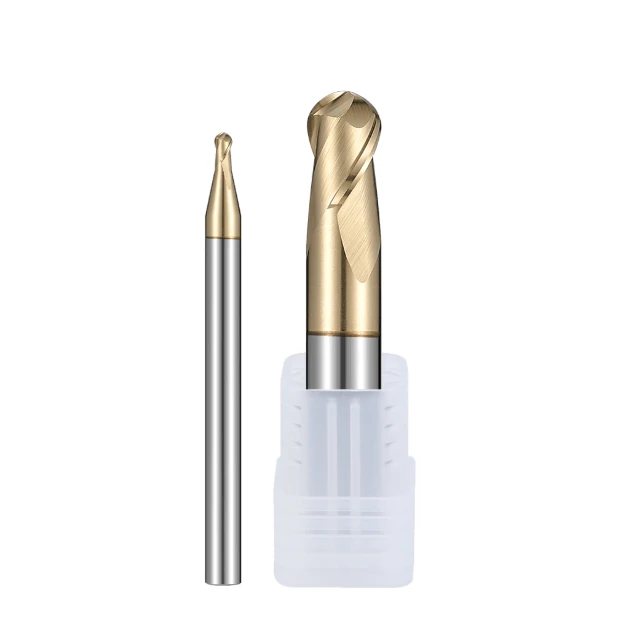
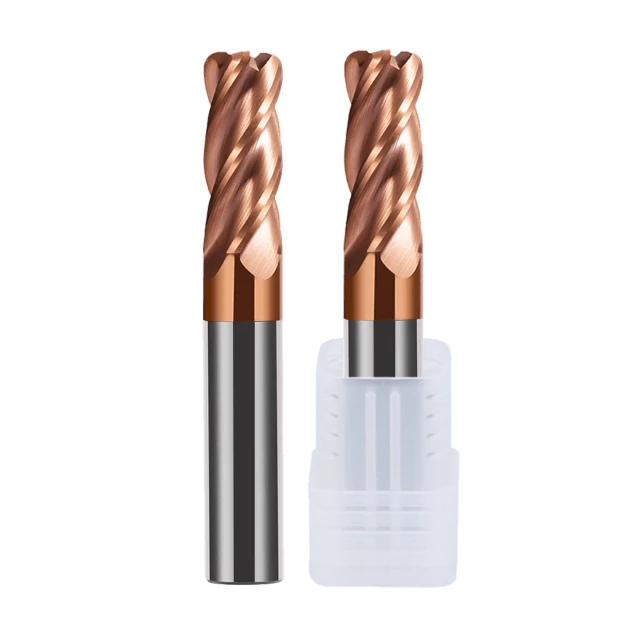
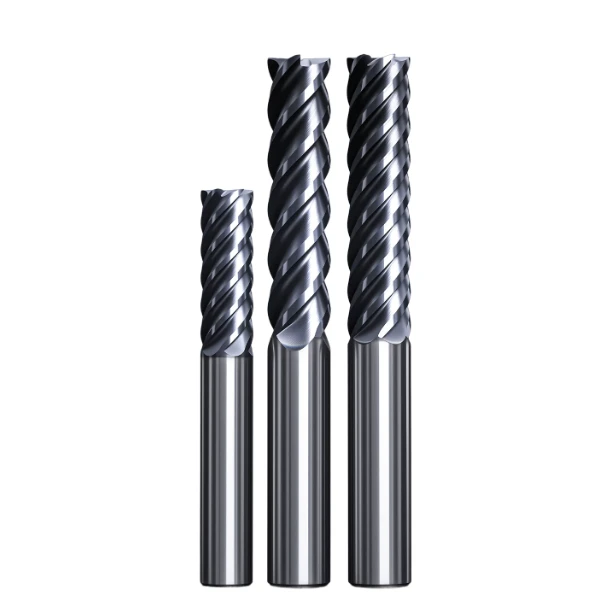
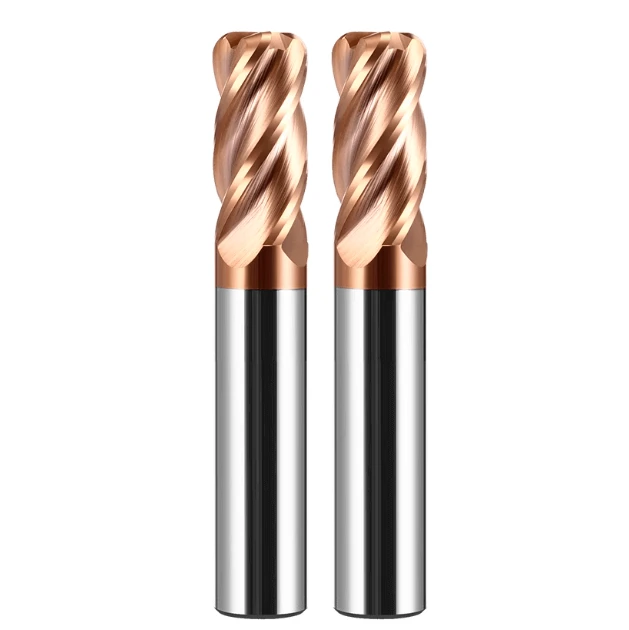
Introducing our high-performance End Mill, the perfect cutting tool for precision machining. Crafted from premium quality materials, this tool is designed to deliver exceptional performance and durability in various industrial applications.
Featuring a unique design with sharp, multi-flute edges, our End Mill delivers precise and efficient cuts on a variety of materials such as steel, aluminum, and more. Its advanced coating enhances wear resistance and prolongs the life of the tool for prolonged use.
Our End Mill is available in different sizes and styles to suit your specific machining needs. With its outstanding cutting capabilities and superior finish, it is the go-to choice for professional machinists and engineers.
Trust our End Mill to provide you with unmatched precision and efficiency in your machining operations. Upgrade your toolkit with our top-of-the-line End Mill today.

carbide-end-mill-single-flute

How to Achieve a Crystal-Clear Surface Finish with an End Mill for Acrylic

Last month, a long-standing U.S. client—a manufacturer of high-end signage and medical displays—sent us an email filled with frustration. They had just landed a major order requiring crystal-clear, 20mm-thick edges directly off the mill. Their shop supervisor was blunt: “No matter how we tweak the parameters, the edges come out cloudy and marred by tool […]

How to Achieve a Crystal-Clear Surface Finish with an End Mill for Acrylic Read More »

end mills for carbon fiber

How to Prevent Delamination When Using End Mills for Carbon Fiber

Last month, a long-standing client—a workshop supervisor specializing in aerospace CFRP components—sent us an urgent email. The high-resolution photos he attached showed a nightmare scenario: thick-section structural parts with severe interlayer delamination. At the exit edges, where the fiber bundles should have been severed cleanly, the material had torn into distinct, feathery layers. He was

How to Prevent Delamination When Using End Mills for Carbon Fiber Read More »

carbide ball end mill

Why Standard Carbide End Mills Fail on Pure Copper

Last week, a long-standing American client emailed us venting their frustrations. They had just secured an order for miniature electronic heat sinks made from C11000 pure oxygen-free copper. Initially, they planned to pull a few standard tools from the crib and get straight to work, assuming high-performance cutters would do the job. However, before machining

Why Standard Carbide End Mills Fail on Pure Copper Read More »

end mill machining

Micro End Mills for Plastics: Precision Milling for Medical Devices

Last month, a California medical device manufacturer contacted us in a panic. They were rushing to fulfill an order for PEEK-based microfluidic chips and implantable bone screws but kept breaking tools while milling miniature deep slots under 0.5mm. This is a common “hidden landmine” across North American and European shops. Machinists who hold tight tolerances

Micro End Mills for Plastics: Precision Milling for Medical Devices Read More »

ball nose end mill cutter

Optimizing Feeds and Speeds for Ball Nose Milling Cutters When Cutting Steel

Last week, a long-standing client from Ohio sent us an urgent email. They were racing against the clock to machine a batch of alloy steel molds on a 3-axis machining center. They used standard, off-the-shelf ball nose milling cutters, but the tools kept failing. By the third cavity, the tip inevitably micro-chipped, leaving nasty score

Optimizing Feeds and Speeds for Ball Nose Milling Cutters When Cutting Steel Read More »

4 flute carbide end mill

Solving Chatter and Vibration Issues with End Mill Bits for Metal

Last month, a long-standing automotive client in Detroit reached out to us with an urgent issue. While slotting pre-hardened 4140 steel with a standard flat end mill cutter, the shop echoed with a piercing, high-pitched screech. Even after the operator dropped the feed rate by 40%, the machined surface was ruined by heavy chatter marks.

Solving Chatter and Vibration Issues with End Mill Bits for Metal Read More »

end mill types

Why a Bullnose Milling Cutter is Your Best Choice for Mold Steel Roughing

Last month, we received an urgent email from a shop supervisor at a long-standing partner facility in Ohio. They were attempting to rough-machine a block of H13 mold steel using a standard carbide square end mill for steel. The tool suffered frequent micro-chipping and outright breakage in tight cavity corners and heavy, intermittent cuts. This

Why a Bullnose Milling Cutter is Your Best Choice for Mold Steel Roughing Read More »

4 flute roughing end mill

How Tool Runout Destroys Your HRC60 Carbide Milling Cutters

Last month, a long-standing client—a precision machine shop in Texas specializing in aerospace hydraulic components—emailed us with a severe complaint. They reported that the service life of our latest carbide milling cutter HRC60 batch had been cut exactly in half. They were running a batch of heat-treated 4140 mold steel. Typically, each solid carbide tool

How Tool Runout Destroys Your HRC60 Carbide Milling Cutters Read More »

flat end mill

Optimizing Toolpaths for Square Milling Cutters in Hardened Steel Slots

With over 15 years in the trenches—from the shop floor to the grinding room—I’ve learned one thing for sure: machining mold steel hardened to HRC65 is where reputations go to die. For most CNC programmers, slotting these materials is the ultimate nightmare. Just last month, a long-term partner—a precision shop in the U.S.—called us in

Optimizing Toolpaths for Square Milling Cutters in Hardened Steel Slots Read More »

rounded corner cutter

Common Mistakes to Avoid When Milling Steel Above 60 HRC

A long-established mold manufacturing plant in Ohio recently reached out to us regarding a critical failure. They were machining a stamping die made from D2 tool steel, hardened to HRC65. The client was frustrated; their “high-performance” tools were failing in less than 15 minutes. Every carbide end mill cutter either exhibited extreme flank wear or

Common Mistakes to Avoid When Milling Steel Above 60 HRC Read More »