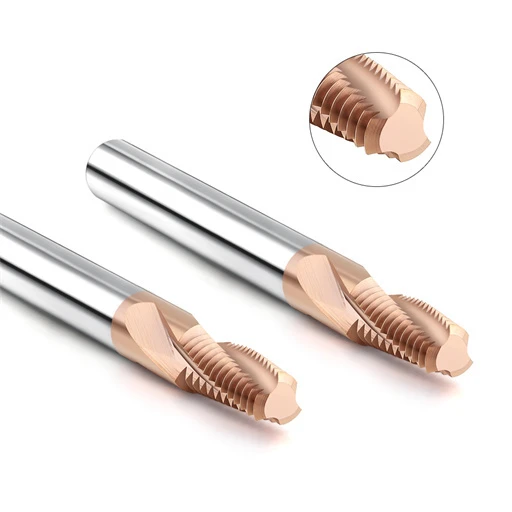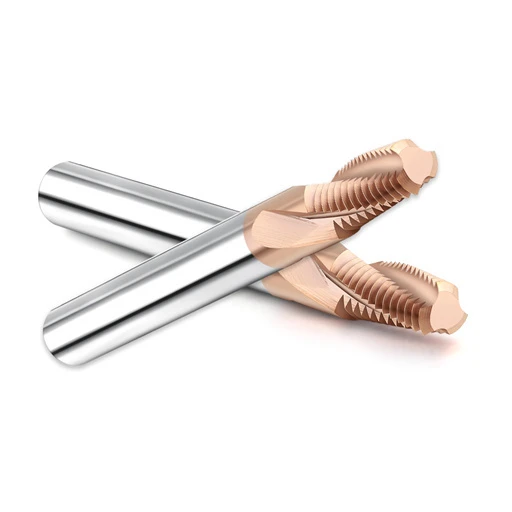

Last month, a California medical device manufacturer contacted us in a panic. They were rushing to fulfill an order for PEEK-based microfluidic chips and implantable bone screws but kept breaking tools while milling miniature deep slots under 0.5mm.
This is a common “hidden landmine” across North American and European shops. Machinists who hold tight tolerances on titanium or aerospace aluminum routinely struggle with medical-grade polymers, falling into a cycle of tool breakage, melted plastic, and heavy burrs.
Medical components allow zero room for manual deburring without scrapping the entire high-value part. Many shops mistakenly use a standard end mill carbide cutter designed for metals. The inadequate chip evacuation space and honed edges cause rapid heat buildup, melting the plastic instantly at high spindle speeds.
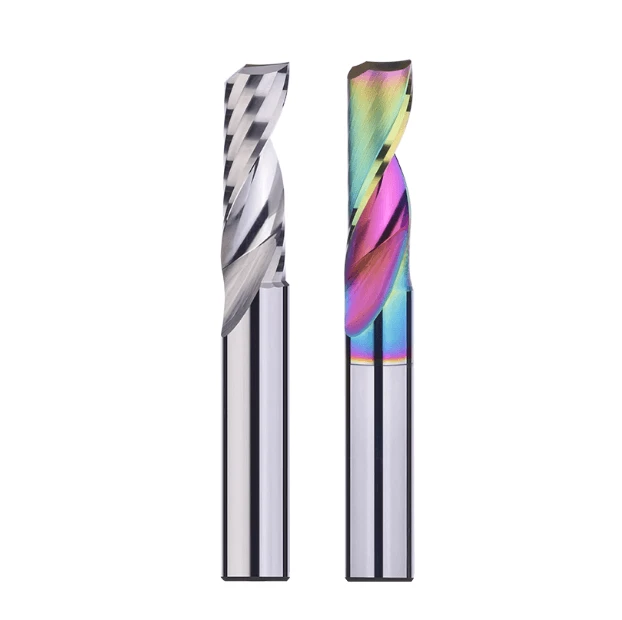
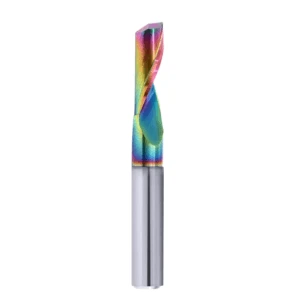
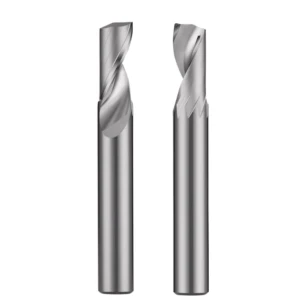
Standard tool geometries cannot handle the material springback of PEEK, PMMA, or PC. To achieve true cold cutting in micron-scale machining, we—as source end milling cutter manufacturers—engineered a specialized single flute end mill with a mirror-polished flute on our 5-axis grinders to eject chips instantly.
More Western shops are turning to high-performance china end mill cutters to balance precision, tool longevity, and cost. As hands-on engineers who have broken thousands of tools in our testing labs, we will skip the textbook theories and share the raw, practical data to solve your plastic machining issues.
Are you tired of cranking your spindle to 20,000 RPM only to watch your micro-tool snap immediately due to poor chip evacuation?
Why Must Standard Carbide End Mills Be Avoided in Medical-Grade Plastic Machining?
Many North American machine shops grab a standard end mill carbide cutter from their tool cabinets to mill PEEK bone screws or PMMA windows. This shortcut always leads to disaster. Multi-flute metal-cutting tools are engineered to withstand high cutting forces, but their micro-geometry and chip-evacuation capacities are completely wrong for medical polymers.
Medical-grade components directly impact human safety, meaning surface integrity cannot be compromised. Metal-cutting tools feature a microscopic honed edge that extrudes and compresses plastic rather than shearing it cleanly. This friction introduces massive residual stress into the workpiece, causing latent micro-cracking during subsequent sterilization or assembly.
The “Elastic Recovery” and “Thermal Sensitivity” of PEEK and PMMA
Over 70% of the micro-machining failures we troubleshoot stem from plastic’s elastic recovery and low thermal conductivity. When cutting high-strength PEEK, the material yields under shear forces but springs back immediately after the tool passes. Without a specialized end mill for plastic, the insufficient relief angle allows the rebounding material to rub against the tool flank, generating intense frictional heat.
This localized heat destroys PMMA (acrylic), which has an exceptionally low thermal deformation threshold. Because plastics do not dissipate heat through chips like metals do, temperatures at the micron-scale cutting edge skyrocket. Once the plastic hits its glass transition temperature, chips turn into a sticky, gummy residue that wraps around the tool, clogs the flutes, and snaps the cutter.
The Limits of Medical Microfluidic Chip Machining: Extreme Demands on Tool Radial Runout
When milling microfluidic channels under 100 microns wide, tolerances are locked within a strict ±2 μm window. At this level, success depends entirely on the radial runout of your spindle system. A runout of just ±3 μm completely unbalances the chip load per tooth, forcing a single edge of the micro-tool to take the entire cutting load.
At spindle speeds between 20,000 and 30,000 RPM, uneven runout triggers severe microscopic chatter. This chatter leaves fish-scale marks along the fluid channels, ruining hydrodynamic performance and instantly fracturing the fragile tool tip. For these micro-grooves, we pair ultra-concentric china end mill cutter options with high-precision shrink-fit or hydraulic holders to eliminate error.
Case Study: How We Used a Single Flute End Mill to Resolve Burr and Melting Issues in Medical Parts
A European medical manufacturer struggled with burrs and thermal melting while machining a miniature PEEK endoscope housing. They tested various high-end multi-flute tools and reduced feed rates, but heat-softened burrs persisted along the edges. In medical device manufacturing, these burrs fail quality inspections because if they detach inside the human body, the results are catastrophic.
We resolved this by swapping their multi-flute tool for a specialized single flute end mill. While machinists often assume fewer flutes reduce efficiency, heat-sensitive polymers require a different approach. This single modification eliminated edge burrs and stopped the material melting completely, proving that reducing cutting edges is the best path to ultimate surface quality.
The Physics of Chip Evacuation in Single-Flute Designs: Instantly Dissipating Cutting Heat Within Confined Spaces
Micro-diameter machining in narrow slots fails when chips cannot escape the cutting zone. Multi-flute tools maintain body rigidity at the expense of chip valleys, leaving zero room for evacuation. Our single-flute end mill for plastic leaves over 50% of the tool’s cross-section completely open, allowing centrifugal force to fling chips clear the instant they are sheared.
Efficient plastic machining relies on the chips absorbing and carrying the heat away from the part. The massive chip valley of a single-flute tool prevents material from recutting or rubbing within the slot, ensuring true cool cutting. High-speed video shows these tools generate continuous, perfect coils rather than fragmented debris, keeping thermal energy out of the medical substrate.
The Power of a Polished Flute: Eliminating “White Edges” and Cracks in PMMA Optical Components
Machining brittle PMMA lens mounts often causes frustrating “white edges” or microscopic stress cracks. Shops frequently blame machine rigidity, but the real culprit is the microscopic surface roughness of the unpolished flute walls. Raw grinding wheels leave micro-scratches that generate intense frictional resistance as viscous plastic chips attempt to slide past.
As source end milling cutter manufacturers, we mirror-polish the inner flutes of every micro-tool to a sub-micron finish. This polished flute design lowers the friction coefficient to a minimum and sharpens the edge to a razor standard. The tool shears the PMMA cleanly instead of pushing it, eliminating the edge-whitening fractures that plague medical shops.
Cutting Parameters (Speeds & Feeds) Customized for Machinists in Europe and North America
Premium tool geometries fail if your speeds and feeds are set incorrectly. Through years of technical support across North American workshops, we developed a “high feed, medium speed” tuning logic for medical polymers. For a 1.0mm single-flute cutter running PEEK, we maintain a conservative spindle speed between 15,000 and 18,000 RPM rather than chasing maximum limits.
The secret lies in boosting the feed per tooth to 0.02mm – 0.04mm depending on slot depth. A higher feed rate forces a thicker chip, which acts as the primary heat sink for the machining zone. If your RPM is too high and your feed is too slow, the edge rubs the exact same spot, causing the plastic to melt instantly.

As Professional End Milling Cutter Manufacturers, How We Break the Curse of Micro-Diameter Cutter Breakage
Tools under 0.5mm are notoriously fragile, often snapping under the slightest spindle vibration. As dedicated end milling cutter manufacturers supplying Western medical shops, we know frequent breakages ruin production schedules, destroy expensive parts, and spike downtime. We break this cycle not by lowering parameters, but by re-engineering the structural rigidity of the tool itself.
Minimizing micro-tool breakage requires a balance of base material, geometry, and strict inspection. We abandoned the old approach of chasing only hardness or only toughness, finding a precise middle ground instead. By analyzing microscopic fracture surfaces directly from shop floors, we optimized our grinding process to withstand high-speed intermittent impacts.
Selection of Core Base Material: Why We Exclusively Use European-Imported Ultra-Fine Grain Tungsten Carbide Rods
Substrate material directly determines a tool’s transverse rupture strength and edge retention. Reinforced medical plastics containing glass or carbon fibers cause severe abrasion on micro-tools. Standard carbide rods with uneven cobalt distribution suffer from localized lattice defects, causing the tiny tips of a standard end mill carbide cutter to chip prematurely.
To ensure consistent structural integrity, we use European-sourced tungsten carbide rods with sub-micron and nano-scale grain structures. This premium substrate features an incredibly dense composition and uniform cobalt distribution. The resulting edge handles lateral cutting forces without brittle fracturing, giving shops a much higher ROI by reducing the cost per part.
Fine-Tuning the Relief Angle and Land Width: The Art of Balancing Tip Rigidity with Cutting Edge Sharpness
Balancing relief angles and land widths on a 0.5mm tool is an incredibly delicate grinding process. A massive relief angle creates a razor-sharp edge that slices plastic easily, but it narrows the tool’s core support wedge. This drops tip rigidity significantly, causing the micro-cutter to snap the moment it encounters minor spindle harmonics.
Conversely, shrinking the relief angle and widening the land generates destructive friction against elastic plastics, causing immediate melting. To solve this, we apply a proprietary micro-gradient relief angle to our china end mill cutter lineups. We grind primary and secondary relief angles to tight tolerances, blending them with a micron-level edge polish to deliver both strength and sharpness.
Inspection Process: Every Micro-Diameter Tool Must Pass a Comprehensive 3D Inspection via ZOLLER Before Leaving the Factory
You cannot inspect a micro-diameter cutting edge with the naked eye or a standard shadowgraph. To guarantee every china end mill cutter performs identically, we established a strict zero-sampling quality protocol. In precision medical machining, a single tool defect in a batch of one hundred can destroy a multi-thousand-dollar microfluidic workpiece.
Every micro-tool we manufacture must pass an automated, full-scale inspection on our German ZOLLER 3D measuring systems. The optical scanners map the microscopic profile of the cutting edge, checking geometric tolerances, core diameters, and radial runout. Only tools that hold a perfect micron-level runout specification are packaged and shipped to our customers.
Breaking Down Prejudices: How a High-Performance Chinese End Mill Cutter Drives Cost Reduction and Efficiency Gains
Many Western procurement managers still believe a Chinese china end mill cutter is only fit for low-end roughing. However, major domestic supply chain upgrades mean top-tier Chinese tooling now delivers exceptional precision. Many workshops that previously relied exclusively on premium European or American brands have switched after running side-by-side spindle tests.
In medical device contract manufacturing, blindly paying massive brand premiums destroys your competitive bidding edge. Profitability relies strictly on your total cost per part. Transitioning to a technically proven source manufacturer reduces consumable costs while maintaining or improving your current yield rates.
Hidden Costs in Western Workshops: Why Blindly Idolizing Major Domestic Brands May Not Be Ideal for Micro-Diameter Plastic Machining
Many machinists select tools exclusively from legacy Western brands, assuming their catalog specifications ensure reliability. However, these tooling giants focus their R&D on cutting hard steels, titanium, or aerospace superalloys. They rarely optimize the niche geometries or offer on-site support required for a micro-diameter end mill for plastic.
Furthermore, these legacy brands have rigid supply chains and charge exorbitant fees for custom tooling. If you encounter sudden chip adhesion or edge burring on a new medical polymer, local distributors take weeks to respond. This waiting period delays production and causes shops to miss out on high-value orders.
Real-World Supply Chain Feedback: The Tool Life Performance of High-End Chinese End Mills in High-Volume Medical Parts Machining
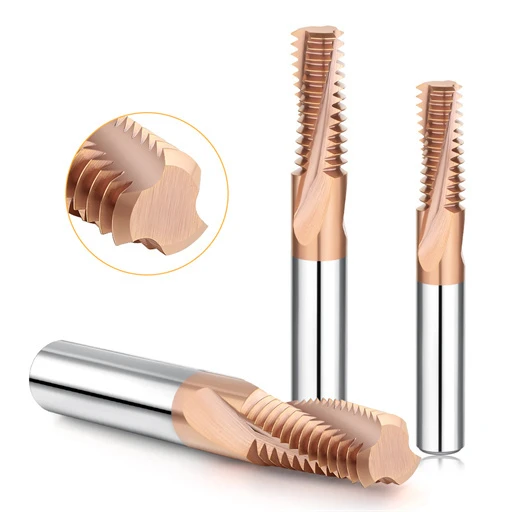
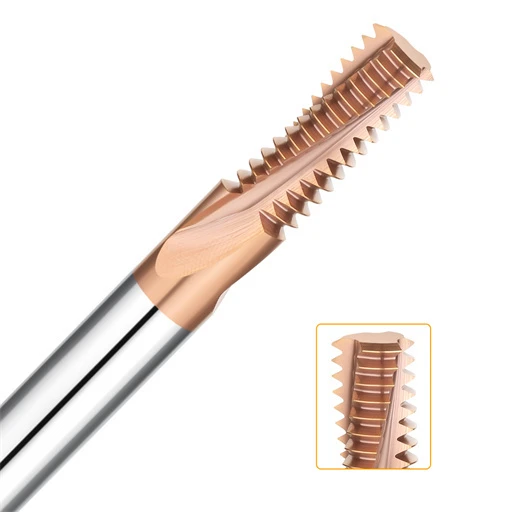
Long-term feedback confirms that high-end Chinese cutters compete head-to-head with premium Western brands in high-volume production. For example, during mass thread milling on PEEK bone screws, our optimized end mill carbide cutter matched the exact tool life of European equivalents. We achieve this by pairing a high-rigidity carbide substrate with perfectly symmetrical edge geometries.
Our tools frequently outperform general-purpose cutters on soft polymers because we optimize the edge finish for plastics. This specialized sub-micron finish dramatically reduces surface roughness and prevents material from melting onto the tool. Overseas factory owners report that this improved ROI slashes their monthly consumable invoices by nearly half.
Seamless Technical Support: The Actual Turnaround Time—From Blueprint Consultation to the Delivery of Custom Micro-Diameter Tools
In specialized micro-machining, off-the-shelf standard catalog tools rarely solve the challenges of every complex engineering plastic. If a standard tool causes edge chipping on a client’s PMMA part, our engineers respond via video call the same day. We analyze your spindle speed, radial runout, and toolpaths to deliver a modified non-standard geometric solution within 24 hours.
Thanks to our in-house workshop equipped with advanced 5-axis grinders, we deliver custom single flute tools in just 7 to 10 business days. This rapid cycle covers blueprint approval, grinding, mirror-polishing, and strict quality inspection. Even with international transit, our turnaround is faster than ordering a custom tool from local Western suppliers.

On-Site Machine Setup and Error Prevention Guide for Medical-Grade Plastic End Mills
An end milling cutter manufacturers design can look perfect on a measuring machine but fail on the shop floor due to setup errors. Micro-diameter tools running PEEK or PMMA have an exceptionally low tolerance for error. Any minor misalignment or vibration at the spindle interface is amplified exponentially during high-speed cutting.
Peak performance requires a synergy between the cutter, toolholder, machine tool, and cutting parameters. Review your current setup habits before starting your next batch of delicate medical polymers. To achieve consistent, burr-free yields in mass production, you must establish strict error-proofing standards for your workholding and cooling.
Spindle Dynamic Balancing and Toolholder Selection: For Micro-Diameter Tools, Tool Setters and Shrink-Fit Holders Are Paramount
When running a micro-diameter single flute end mill above 20,000 RPM, standard ER collets fail. The accumulated tolerances and poor dynamic balance of collet assemblies create micro-runout that snaps fragile tools instantly. For precision plastic machining, you must switch to monolithic shrink-fit or high-precision hydraulic toolholders.
Shrink-fit holders limit radial runout to under 3 microns, ensuring the single cutting edge experiences a perfectly uniform load. Additionally, integrating a non-contact laser tool setter for dynamic length compensation solves inconsistent slot depths caused by spindle thermal expansion. This setup prevents dimensional drift and ensures true industrial-grade repeatability.
Air Blow or Water Cooling? Expert Recommendations on Cooling Media for Various Medical Plastics
Traditional high-flow water-soluble cutting fluids are ineffective for temperature-sensitive polymers like PMMA or PC. Water-based cooling fails to flush away viscous plastic chips and can cause microscopic stress cracks due to thermal shock. Liquid residues can also contaminate the sterile substrate required for medical-grade components.
A high-pressure vortex cold air blast directed precisely at the cutting zone is far more effective. The powerful airflow forcefully ejects filamentous chips from the channel, preventing secondary cutting and eliminating fluid contamination. If you are struggling with tight microfluidic tolerances or complex plastic blueprints, share your project parameters with us for a pragmatic engineering solution.