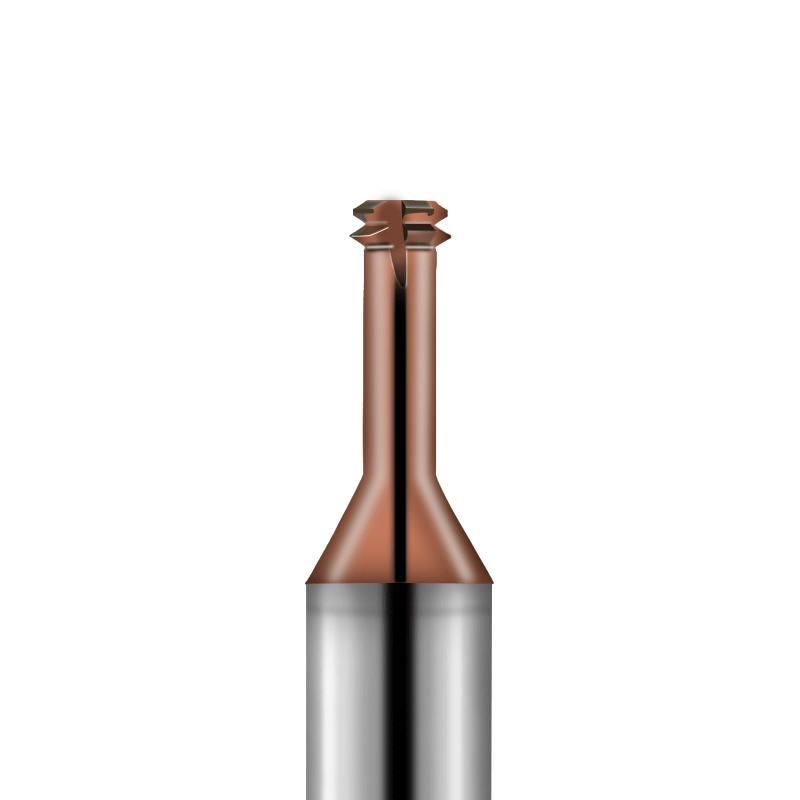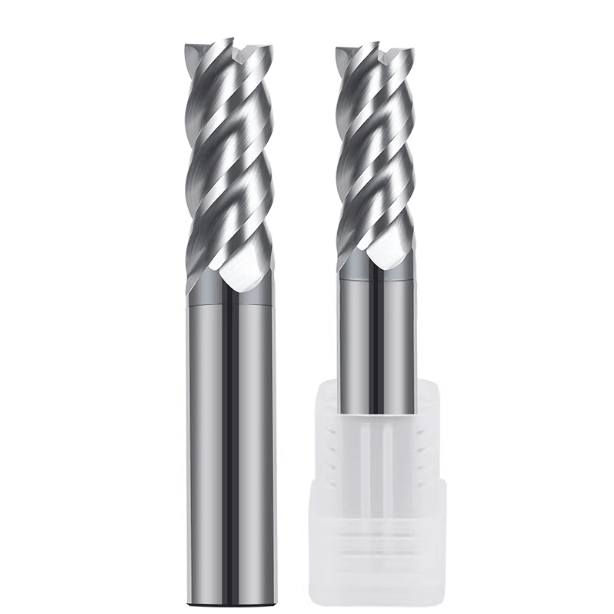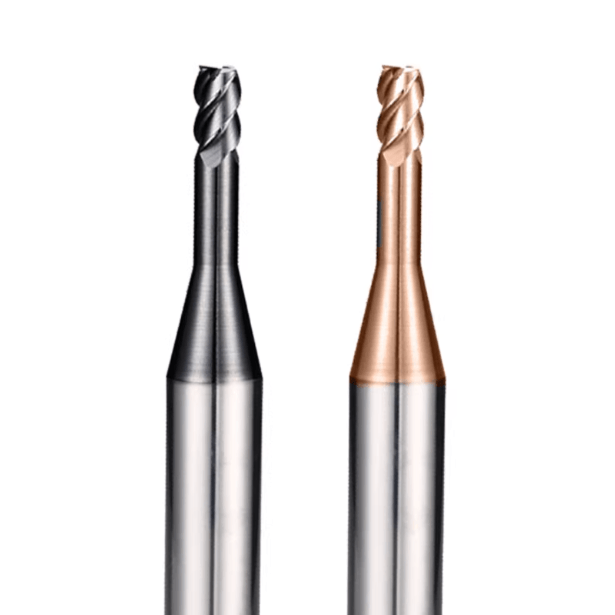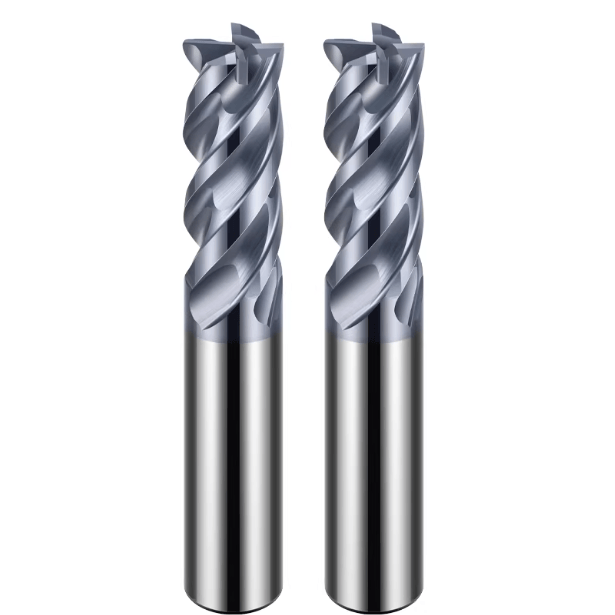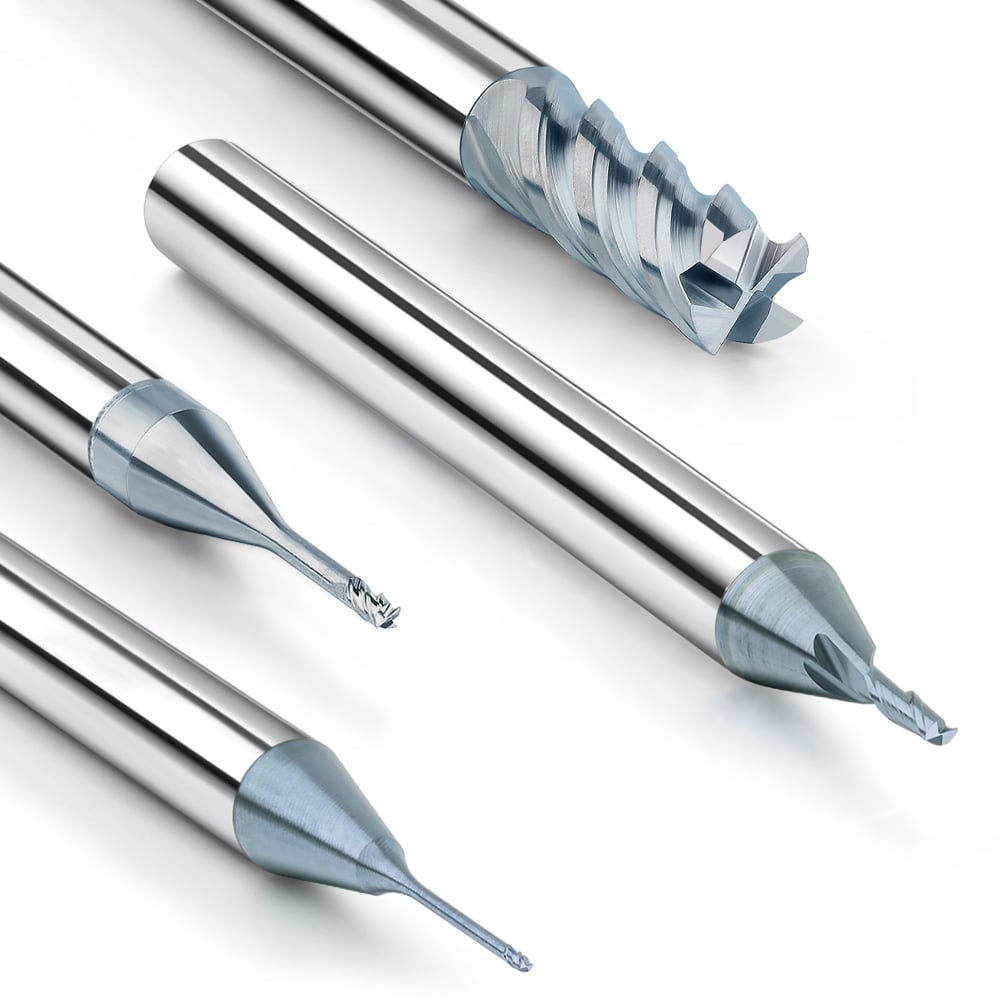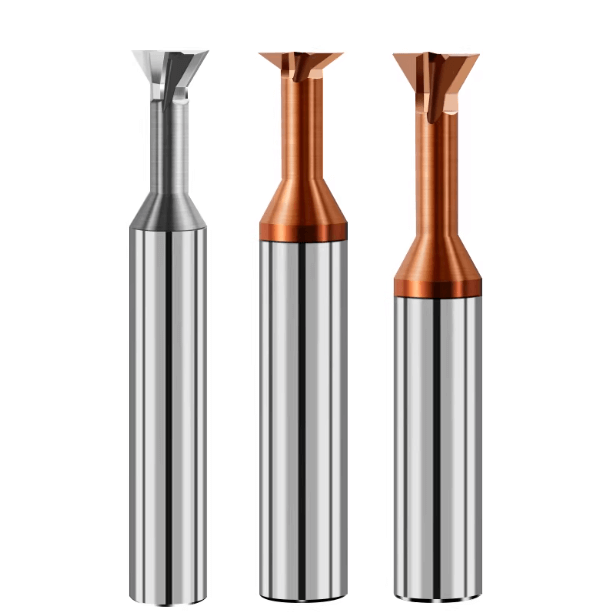
In the manufacturing of metal parts, dovetail structures are commonly used in guide rails, fixtures, molds, and high-precision assembly scenarios. These applications demand extremely high machining accuracy and stability. Selecting the right dovetail cutting tool directly affects the dimensional consistency, surface finish, and assembly reliability of the dovetail groove. For manufacturers seeking stable mass production and precise control, choosing the correct tool requires a systematic assessment of material properties, equipment capabilities, and process requirements, rather than simply matching a model.
For machining metal materials, a metal dovetail cutting tool must meet stringent requirements for structural rigidity, cutting-edge strength, and chip evacuation efficiency. Different metals—such as carbon steel, stainless steel, alloy steel, or aluminum alloy—exhibit distinct stress characteristics during cutting. As a result, dovetail cutters need to be carefully designed regarding angle accuracy, number of cutting edges, and tool body configuration. Proper tool selection reduces vibration and chipping risks while improving the consistency of dovetail groove machining.
Under modern machining conditions, dovetail milling tools are a common solution for creating precise dovetail grooves. By optimizing tool paths and tool parameters, manufacturers can maintain both dimensional accuracy and processing efficiency. However, when dealing with non-standard angles, special depths, or complex assembly requirements, standard tools may not suffice. In such cases, a custom dovetail cutting tool can be optimized for the specific workpiece structure, reducing the need for multiple tool changes and secondary finishing, thereby enhancing overall machining stability.
Selecting a reliable dovetail cutting tool supplier is equally important. Experienced suppliers with robust manufacturing capabilities and technical support can provide solutions tailored to actual production needs, including tool selection guidance, parameter recommendations, and custom tool design. Considering tool performance, service life, and supply stability ensures more predictable and efficient results in metal machining applications.
Core Requirements for Dovetail Cutting Tools in Metal Processing
In high-precision metal part manufacturing, the stability and consistency of dovetail groove machining are critical for assembly accuracy and structural reliability. Effective machining depends not only on tool material and geometry but also on cutting conditions, machine rigidity, and workpiece properties. Different metals require appropriate matching of cutting-edge type, tool tip angle, number of cutting edges, and chip evacuation capacity to minimize deviations caused by vibration or heat. Additionally, attention to tool life, wear resistance, and chipping resistance is essential to support long-term stable mass production and high-quality surface finishes.
The Impact of Different Metal Materials on Dovetail Machining Stability
Different metals generate varying cutting forces and heat during machining. Carbon steel and alloy steel, for example, have higher hardness, which can lead to tool wear and vibration. Aluminum alloys, while requiring lower cutting force, are prone to tool sticking and burr formation. Material characteristics directly influence cutting forces, chip removal efficiency, and tool life. Selecting the appropriate cutting-edge type and coating for the material is essential. Proper cutting speed and feed rate settings also help reduce the effects of thermal expansion and vibration, ensuring geometric stability of the dovetail groove.
Balancing Cutting Force and Tool Rigidity in Dovetail Groove Machining
Excessive cutting force can cause vibration and chipping, while insufficient tool rigidity may lead to dimensional deviation and surface waviness. Achieving stable machining requires considering tool diameter, tool length, tool tip geometry, and spindle rigidity. By optimizing cutting parameters and tool structure, vibration can be controlled without sacrificing efficiency, improving the consistency and surface finish of the dovetail groove. Maintaining a balance between tool rigidity and cutting force is particularly crucial for deep or wide grooves.
Practical Requirements for Surface Quality of High-Precision Dovetail Grooves
Dovetail grooves demand not only dimensional accuracy but also smooth surfaces and transitions to ensure proper assembly and long-term stability. High-precision machining requires sharp cutting edges and efficient chip evacuation. Cutting parameters must be carefully optimized to manage heat generation. Poor surface quality can cause loose fits or stress concentration, compromising structural durability. Optimizing tool design, selecting appropriate coatings, and controlling cutting conditions ensures precise surfaces, providing reliable support for high-precision assembly.
Key Structural Parameters of Metal Dovetail Cutting Tools
The structural design of a cutting tool directly affects dovetail groove accuracy, processing efficiency, and tool life. Key parameters include angle accuracy, number of teeth, chip evacuation space, and the rigidity of the tool shank and overall tool body. These factors determine whether the tool maintains stability, minimizes vibration and chipping, and meets high-precision assembly requirements. Optimizing these elements improves surface finish, extends tool life, and reduces processing costs, which is especially important for high-hardness metals or materials prone to tool adhesion.
The Impact of Dovetail Angle Accuracy on Assembly Fit
The dovetail groove angle directly influences the assembly gap and fit tightness. Even slight deviations can cause loose assembly, stress concentration, or difficulty in fitting. Optimizing tool geometry, cutting-edge grinding, and tool mounting stability ensures angles stay within strict tolerances. Selecting coatings suitable for the workpiece hardness and cutting conditions reduces the impact of heat and vibration, achieving precise assembly.
Trade-offs between Number of Teeth and Chip Evacuation Space in Metal Processing
The number of teeth and chip evacuation space are critical for cutting efficiency and stability. More teeth reduce force per tooth, producing smoother surfaces but limiting chip clearance, which can cause clogging and overheating. Fewer teeth improve chip evacuation but concentrate cutting forces, increasing vibration and chipping risks. Tool design must balance these factors based on material hardness, groove dimensions, and machine rigidity to ensure efficient chip removal while maintaining surface quality and tool longevity.
Key Design Considerations for Tool Shank and Overall Rigidity
The tool shank and overall rigidity are essential for stable deep and wide groove machining. The shank must fit the spindle securely while minimizing deflection and vibration. Insufficient rigidity can cause dimensional deviations, surface waviness, or tool breakage, while excessively increasing tool diameter may reduce machining flexibility. Selecting appropriate shank length, diameter, and tool body material maintains rigidity and efficiency, which is especially critical for deep grooves, hard metals, or high-speed cutting to ensure accurate dovetail groove geometry and surface quality.
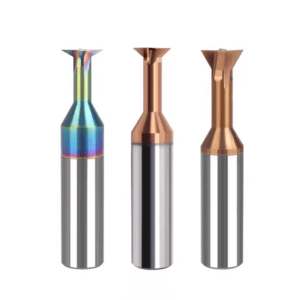
Applications of Dovetail Cutters in Different Metalworking Scenarios
In metal parts machining, the physical properties of different materials create varying requirements for tool selection and cutting parameters. The accuracy, surface finish, and efficiency of dovetail grooves depend on whether the tool’s cutting-edge type, geometric structure, and parameters are matched to the material. Proper tool configuration not only improves cutting stability but also extends tool life and reduces vibration and thermal deformation. Selecting the appropriate tool geometry, number of flutes, and coating based on the hardness and cutting characteristics of steel, alloy steel, stainless steel, or aluminum alloy is critical for ensuring machining quality and production efficiency.
Common Dovetail Cutter Configurations for Steel Machining
For carbon steel and medium-hard steel, tools require high rigidity and wear resistance to handle large cutting forces and sustained machining loads. Typical configurations include a moderate number of flutes, adequate chip evacuation space, and reinforced tool tip coatings. These features ensure stable machining, reduce vibration, and minimize tool wear. Tool angles and cutting-edge types should also be optimized according to steel hardness to achieve uniform cutting force distribution and superior surface finish. Appropriate cutting speed and feed rate settings further ensure dimensional accuracy and surface quality of steel dovetail grooves.
Tool Selection Logic for Stainless Steel and Alloy Steel Dovetail Machining
Stainless steel and alloy steel are prone to tool adhesion, vibration, and heat buildup due to their high hardness and ductility. Therefore, carbide tools with strong wear resistance and anti-adhesion coatings are recommended. The number of flutes and chip evacuation space should be adjusted to ensure uniform cutting forces and prevent chip clogging. Optimizing tool geometry and tip sharpness reduces heat generation and surface tearing, improving dovetail groove accuracy and surface quality.
Tool Sharpness Requirements for Aluminum Alloy Grooves
Aluminum alloys are soft and tend to stick to the tool, causing burrs and chip clogging. Therefore, cutting-edge sharpness and chip evacuation are critical. Tools typically feature very sharp edges and large chip clearance to minimize chip buildup and vibration. Coatings prevent material adhesion, improving machining efficiency and surface finish. In deep groove or complex contour machining, tool sharpness directly affects stability and surface quality. Selecting tool geometry optimized for aluminum alloys is essential for consistent results.
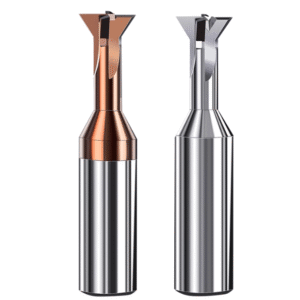
Strategies for Using Dovetail Milling Tools in CNC Machining Centers
In modern machining centers, dovetail groove machining demands high levels of tool stability, accuracy, and surface quality. Effective process strategies maximize tool performance while minimizing vibration, chipping, and chip clogging. Optimizing tool geometry, cutting parameters, and tool paths enables efficient and stable machining across different stages. In vertical machining centers and high-speed spindle conditions, combining roughing and finishing tools can increase efficiency while ensuring dovetail groove dimensional accuracy and surface finish, meeting assembly requirements and long-term stability.
Common Machining Methods for Dovetail Milling in Vertical Machining Centers
Common techniques include layered cutting, oblique cutting, and combined tool paths. Layered cutting reduces cutting forces, minimizes vibration, and improves stability in deep grooves. Oblique cutting and combined paths facilitate smooth chip evacuation, reducing tool wear and localized heat buildup. Properly planning tool entry and cutting paths ensures even force distribution, accurate groove width and angle, and improved surface finish.
Stability Control of Dovetail Milling Tools under High-Speed Spindle Conditions
High-speed spindle machining can lead to tool vibration and thermal deformation. Selecting high-rigidity, heat-resistant dovetail milling tools and optimizing cutting depth, feed rate, and speed reduces peak forces. Sharp cutting edges and proper coatings decrease friction and material adhesion, enhancing surface quality and dimensional consistency. Stability control is particularly critical for deep or complex grooves to maintain machining efficiency and assembly reliability.
Tooling Selection Strategy for Roughing and Finishing Stages
Effective tool selection is key to high-precision dovetail groove machining. During roughing, wear-resistant tools with strong chip evacuation remove most material quickly, reducing spindle load and machining time. In finishing, tools with high sharpness and precise geometry ensure groove width, angle, and surface finish meet assembly requirements. Using separate roughing and finishing steps and optimized tools extends tool life, maintains machining consistency, and minimizes the need for secondary finishing.
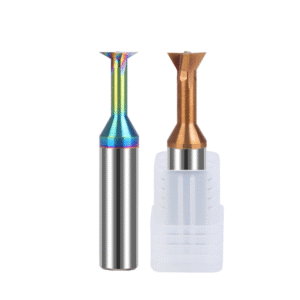
Practical Application Value of Custom Dovetail Cutting Tools
When standard tools cannot meet requirements for non-standard angles, special groove depths, or complex contours, custom dovetail cutting tools provide higher precision and efficiency. Optimizing tool geometry, cutting-edge type, and coatings for the workpiece reduces vibration and chipping, maintaining dimensional stability and surface finish in hard materials or deep grooves. For mass production and high-precision assembly, custom tools improve consistency, reduce tool wear, and lower production risks, enhancing overall manufacturing efficiency.
Common Requirements for Custom Dovetail Cutting Tools for Non-Standard Dovetail Grooves
Non-standard grooves often have special angles, depths, or widths that standard tools cannot accommodate. Custom tools typically involve specific cutting-edge types, angles, and shank lengths to ensure even force distribution and smooth chip removal, maintaining accuracy and surface finish. In complex or multi-segment grooves, custom tools reduce tool changes and clamping operations, minimizing cumulative machining errors and improving efficiency.
Consistency Advantages of Custom Dovetail Cutting Tools in Mass Production
Consistency is critical in mass production to ensure assembly accuracy and product quality. Custom tools maintain strict control over geometry and cutting-edge accuracy, ensuring uniform groove width, angle, and surface finish. This reduces dimensional variations, machining errors, and scrap rates while improving production efficiency. Custom tools also sustain stable performance during continuous multi-shift operations, minimizing instability from tool variations.
Reducing Rework and Scrap Rates Through Custom Dovetail Cutting Tools
Custom tools optimize cutting parameters and edge design according to workpiece characteristics, reducing burrs, chipping, and overcuts. Proper geometry and chip evacuation capabilities minimize rework and manual adjustments, decreasing scrap rates. For high-precision assemblies or hard material parts, custom tools enable single-pass machining, improving efficiency, reducing material and labor costs, and enhancing overall process reliability and economic efficiency.
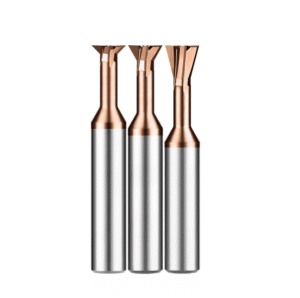
Key Factors Affecting the Service Life of Dovetail Cutting Tools
In metal parts machining, tool life directly affects production costs, machining efficiency, and part quality. Key factors include cutting parameters, tool coatings, and clamping and maintenance practices. Properly controlling cutting speed, feed rate, and depth reduces tool wear and edge chipping. Selecting high-performance coatings suitable for the material improves wear resistance and anti-adhesion properties. Correct clamping and maintenance ensure even stress distribution during machining, extending tool service life. Considering these factors comprehensively enhances tool utilization and production stability while maintaining high-precision machining.
Cutting Parameters and Tool Wear
Cutting speed, feed rate, and depth determine the forces and temperature experienced by the tool, affecting wear. Excessive cutting speed can cause overheating, edge chipping, and shortened tool life. Improper feed rates or cutting depths increase cutting forces, leading to vibration and uneven wear. Parameters should be optimized according to material hardness and ductility to ensure stable wear while maintaining efficient cutting, reducing dimensional deviations and tool replacement frequency.
Coating Selection for Metal Dovetail Cutting Tools
High-performance coatings significantly impact tool life. Coatings such as TiAlN and AlCrN enhance wear resistance, high-temperature performance, and anti-adhesion capabilities, particularly for high-hardness steel or high-speed cutting. Coatings reduce friction and heat generation, minimizing edge chipping and surface scratches, thus extending tool life. Coatings should be selected based on the workpiece material and cutting conditions to achieve optimal performance for metal dovetail cutting tools.
Clamping Methods and Tool Life Extension
Proper tool clamping directly affects rigidity and stress distribution during machining. Incorrect clamping can lead to tool deflection, vibration, or breakage, reducing service life. Clamping should ensure a tight fit with the spindle, even force distribution, and minimal bending stress from excessive tool overhang. When combined with precise workpiece fixturing and optimized cutting parameters, correct clamping reduces vibration and wear, ensuring long-term stable machining and consistent production.
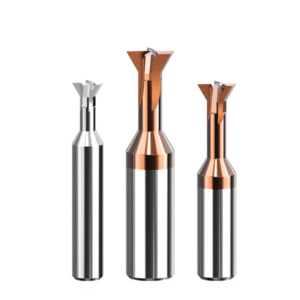
How to Evaluate the Professional Capabilities of a Dovetail Cutting Tool Supplier
In metal machining and high-precision assembly, the choice of supplier affects both quality and efficiency. Evaluating a supplier requires considering manufacturing precision, quality control, customization capabilities, and technical support. A supplier with advanced production processes, strict quality management, and experience in custom dovetail cutting tools can provide reliable tools and technical guidance, ensuring smooth and efficient machining operations.
Dovetail Milling Cutter Manufacturing Precision and Quality Control
Tool manufacturing precision determines dimensional consistency and surface quality. Leading suppliers employ high-precision equipment and strict quality inspection, controlling cutting-edge angles, groove widths, and overall geometry within tight tolerances. Quality control also includes material testing, coating consistency checks, and pre-shipment performance verification. These measures reduce machining deviations and scrap rates, ensuring stable and reliable production.
Supplier Experience with Custom Dovetail Cutting Tools
For non-standard angles, special depths, or complex contours, a supplier’s experience with custom tools is critical. Experienced suppliers optimize tool geometry, number of cutting edges, and coatings based on workpiece structure, material, and equipment. This improves cutting stability and efficiency. Custom tool capabilities also maintain consistency in mass production, reducing secondary finishing and scrap rates, ensuring reliable results for high-precision assemblies.
Technical Support and Delivery Stability
Technical support and delivery reliability directly affect production progress and quality. High-level support offers cutting parameter optimization, tool selection guidance, and process improvement recommendations. Delivery stability ensures tools arrive on schedule, preventing production delays. Evaluating both factors helps minimize production risks and ensures consistent precision and efficiency.
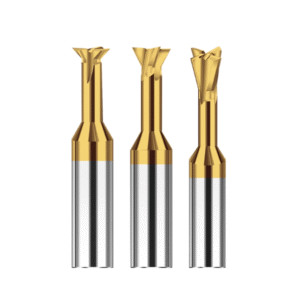
Practical Considerations for Metalworking Companies When Choosing the Right Dovetail Cutting Tool
Proper tool selection is critical for machining accuracy, efficiency, and stability. The selection process should consider workpiece material, equipment rigidity, tool geometry, and supplier capabilities. Standard and custom tools, as well as tools with different geometries, all have specific applications. Combining optimized cutting parameters, coatings, and clamping methods extends tool life, improves surface finish, and maintains dimensional consistency in mass production. A systematic approach allows companies to balance cost, tool life, and machining efficiency, ensuring high-quality, low-risk dovetail groove machining.
Deriving Tool Structure from Material Properties
Different metals have varying hardness, ductility, and thermal conductivity. Tool geometry, number of flutes, and chip clearance must match these properties. Steel and alloy steel require high-rigidity, wear-resistant tools, while aluminum alloys demand sharp edges and smooth chip removal. Matching tool structure and coatings to material properties ensures cutting stability, reduces vibration and chipping, and improves groove accuracy and surface finish.
Selecting the Appropriate Dovetail Milling Tool Based on Equipment Rigidity
Equipment rigidity affects the forces and vibrations on the tool. For vertical machining centers, high-speed spindles, or deep grooves, tools must provide sufficient rigidity and stability to maintain accuracy and surface quality. By selecting the proper diameter, shank length, and tool material, and combining with appropriate cutting parameters, vibration and tool wear are minimized, ensuring consistent, efficient machining and preventing chipping or scrapped parts.
Balancing Cost, Tool Life, and Machining Efficiency
In production, companies must consider precision, stability, cost, tool life, and machining efficiency. Standard tools are suitable for conventional production with lower costs but may have limitations in non-standard applications. Custom tools offer high precision and consistency but require higher initial investment. By combining optimized cutting parameters, coating selection, and proper maintenance, companies can extend tool life, improve efficiency, and achieve the optimal balance between cost and production benefits.