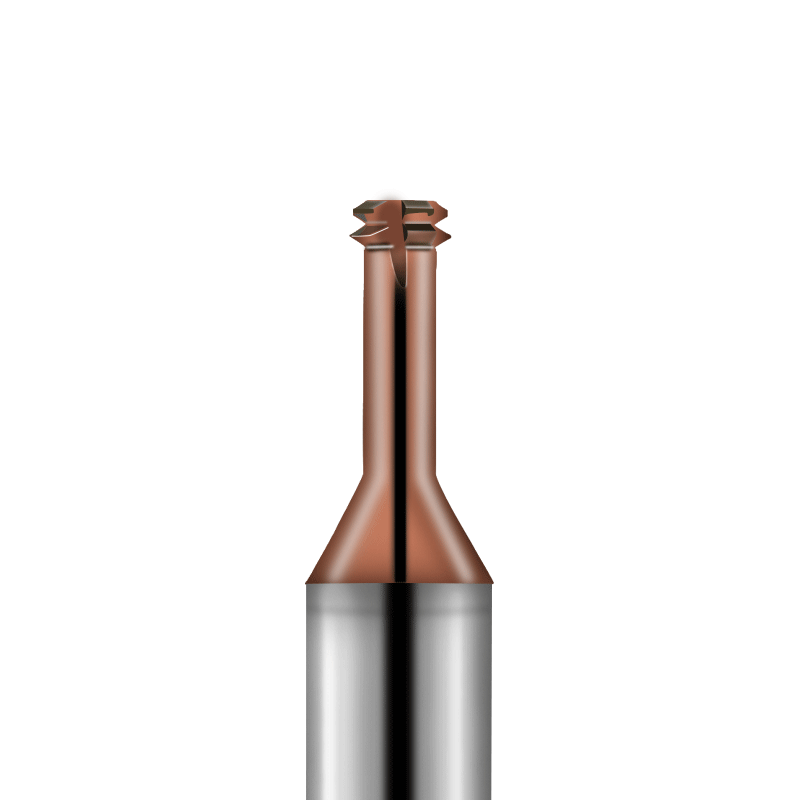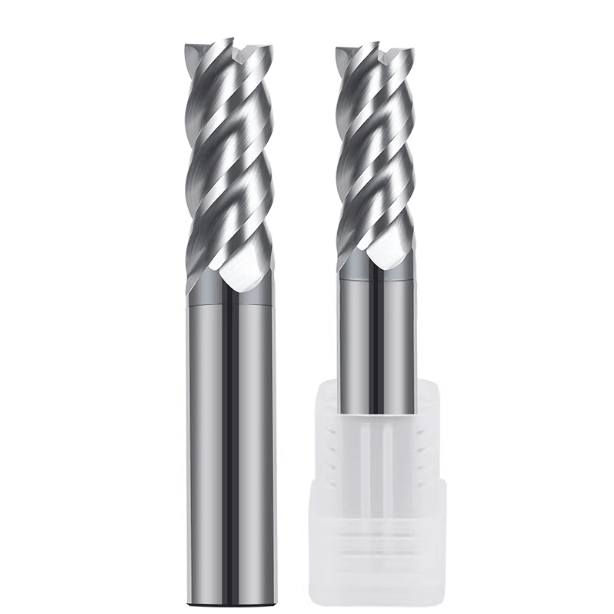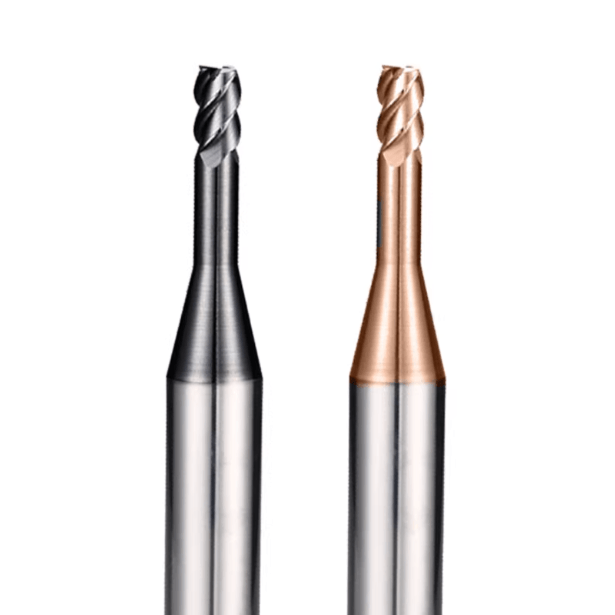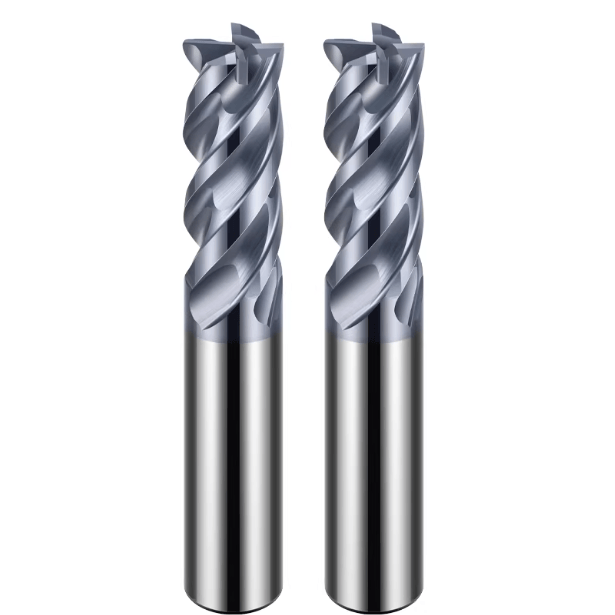
In the metalworking industry, choosing the right drill for drilling metal is essential for ensuring efficiency and machining quality. When working with different types of metals such as carbon steel, stainless steel, and alloy steel, the drill bit’s material, geometry, and coating performance directly affect drilling stability and hole accuracy. Entering 2025, whether using general-purpose metal drill bits, steel drills, or higher-specification tools designed for high-strength materials, operators are placing increased emphasis on wear resistance, chip evacuation, and heat resistance under heavy-load conditions.
To meet the demands of mass production and maintain consistent quality, manufacturers are increasingly relying on OEM drill bit for metal suppliers. Custom drill bits can be optimized for specific working conditions by adjusting features such as drill tip angle, flute structure, and coating type. This not only ensures smoother drilling but also reduces tool change frequency.
When selecting metal drill bits, it is necessary to consider more than just the tool material. Operating conditions, machining pace, cooling method, and machine tool performance all play important roles. A suitable drill for drilling metal can improve cutting efficiency, reduce machining cost, and significantly enhance hole quality.
Overview of Key Aspects of Metal Drilling
The stability and machining accuracy of metal drilling rely on the coordinated performance of drill structure, tool materials, and machining strategies. To achieve high-quality holes in materials such as steel, stainless steel, and aluminum alloys, drill bits must offer strong heat resistance, sharp cutting edges, and efficient chip evacuation to adapt to various loading conditions. High-efficiency drilling tools—such as reinforced drills for continuous batch machining, wear-resistant metal drills, and specialized solutions for hard materials—are becoming important choices for improving productivity. Stable drill performance under high-speed and high-torque conditions is also essential for achieving long-term continuous cutting, minimizing downtime, and reducing tool replacement frequency.
Requirements for Drill Bit Structure and Materials in Metal Drilling
Drill bit material must offer sufficient hardness and wear resistance to endure high temperatures and significant friction. High-durability materials such as cobalt-enriched high-speed steel and carbide provide superior strength for machining high-strength metals. Drill structure also directly influences cutting stability. Thickened cutting edges for high-load machining, deep chip flutes for efficient chip removal, and advanced coatings for friction reduction all contribute to performance. In addition, drill tip angle, clearance angle, and cutting edge finishing affect the consistency of precision holemaking. Selecting the right material and structural configuration is fundamental to improving metal drilling performance.
Matching Requirements of Drills for Different Metals
Different metals exhibit unique hardness, toughness, and thermal conductivity characteristics, requiring matching drill configurations. Carbon steel and alloy steel require heat-resistant, high-strength tools; stainless steel demands sharper cutting edges and wear-resistant coatings to counter work hardening; aluminum alloys require fast chip removal and anti-adhesion surface treatments. Whether using reinforced steel drilling tools, aluminum-specific drill designs, or precision solutions for heat-resistant alloys, selecting the right tool for the intended machining conditions is crucial. For batch or continuous drilling, drills with strong stability and high-durability coatings should be prioritized to maintain cutting performance and avoid tool burnout.
Key Factors Affecting Machining Stability
Metal drilling stability is affected by spindle speed, feed rate, cooling methods, hole depth, and tool wear. Excessively high spindle speeds cause overheating, while overly low speeds reduce efficiency. Feed that is too light causes frictional heating, while excessive feed may lead to tool breakage. Cooling selection and delivery method determine heat dissipation and lubrication effectiveness, which is especially important in deep-hole drilling. Poor chip evacuation, vibration, or unusual cutting noise often indicate tool wear or improper parameters. Adjusting machining parameters while using long-life drilling solutions or wear-resistant metal drills significantly enhances overall stability and consistency.
Mainstream Categories and Selection Considerations for Drills for Drilling Metal in 2025
Drill bit categories in 2025 have become increasingly specialized to address diverse materials, drilling depths, and machining speeds. As manufacturers work with steel, stainless steel, heat-resistant alloys, and aluminum alloys, tooling suppliers provide high-durability, high-precision, long-life drilling solutions. These include general-purpose metal drills, steel-specific drills, and reinforced tools for high-hardness metals. When selecting a drill, factors such as tool material, structural geometry, coating technology, and parameter compatibility must be considered to ensure stable performance in high-speed, high-torque, and long-duration operations. Terms such as “industrial-grade metal drills,” “heavy-duty steel holemaking bits,” and “precision-grade carbide drilling solutions” reflect industry demand for reliability and efficiency.
Features of General-Purpose Drill Bits Suitable for Multiple Metals
General-purpose metal drill bits are typically made of reinforced high-speed steel or coated composite structures, offering hardness, toughness, and wear resistance. They perform well when drilling carbon steel, cast iron, aluminum, and select stainless steels. Their tip geometry supports a wide range of applications, enabling stable cutting while preventing aggressive digging into softer metals. High-efficiency chip flutes allow fast chip evacuation, reducing heat buildup and clogging. For facilities handling diverse workpieces and small-batch production, multi-material metal drills and general-purpose steel-and-aluminum drill cutters offer an ideal balance of cost and productivity.
Key Differences Between Steel Drills and Drills for Steel
Drills for steel must withstand higher cutting temperatures and wear. Steel drills designed for standard steels (e.g., medium carbon steel, low-alloy steel) focus on achieving proper sharpness and durability at high cutting speeds. Drills for steel used on tougher or higher-strength steels—such as stainless steel, heat-resistant steel, or structural steel—require higher tool hardness, optimized flute geometry, and heat-resistant coatings to prevent work hardening and edge failure. For large-batch drilling tasks, high-efficiency steel drills and stainless-steel drilling solutions provide better stability and longer service life.
Design Considerations for High-Performance Drills for High-Strength Materials
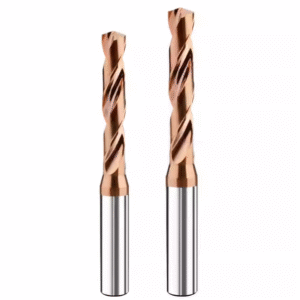
Machining high-strength materials like tool steel, die steel, or nickel-based alloys requires drills with exceptional rigidity and wear resistance. Carbide tools or cobalt-rich materials are commonly used. To avoid high-temperature chipping, these drills often feature multilayer heat-resistant coatings such as TiAlN or AlTiN. A reinforced tip angle supports stable cutting under heavy load, while strengthened flutes ensure smooth chip evacuation during deep-hole drilling. Solid-carbide heavy-duty drilling bits and heat-resistant alloy machining drills are indispensable for extreme machining conditions.
Key Points for Steel Drill Applications in Steel Machining
Steel drilling generates higher heat, impact, and friction than machining conventional metals, making tool selection especially important. Whether drilling medium carbon steel, alloy steel, or hardened heat-resistant steel, drills must offer stable cutting forces, strong wear resistance, and reliable chip evacuation. As production shifts from prototyping to automated, high-volume machining, drills with improved heat resistance—such as reinforced steel drilling tools, professional steel-machining drills, and high-efficiency solutions for structural steel components—have become essential.
Drill Bit Structure Strategies for Different Steel Hardness Levels
Different steel hardness levels require modifications to cutting edge angles, flute geometry, and tool strength. For low- to medium-hardness steels, sharper cutting edges and wider flutes help increase cutting speed and reduce resistance. For harder or tougher steels, stronger tool cores, thicker cutting edges, and optimized chip evacuation structures are needed to withstand greater torque. Stainless steel, prone to work hardening, requires micro-geometry that reduces adhesion and heat. Drilling solutions for alloy steel and hardened steel rely heavily on these structural enhancements.
Improving Steel Drilling Efficiency Through Tool Materials and Coatings
Steel’s high-temperature drilling environment makes tool materials and coatings critical to efficiency. Cobalt-enriched high-speed steel provides better red hardness for medium-hardness steels, while carbide handles tougher or heat-resistant materials. Coatings such as TiAlN enhance oxidation resistance at medium to high speeds, while AlTiN excels under extreme temperatures during continuous drilling. Anti-adhesive composite coatings are used for tough steels to reduce chip buildup and friction. High-efficiency stainless-steel drills and coated heavy-duty steel drilling tools significantly extend tool life and improve cutting speed.
Performance Advantages of Drills for Steel in Continuous and Mass Production
Steel drilling for mass production requires tools with long life, high heat resistance, and consistent machining accuracy across multiple stations. Drills must maintain cutting edge geometry to keep hole diameter, finish, and positional accuracy stable throughout continuous operation. Flute design must support heavy chip flow and high temperatures to prevent clogging. On automated production lines or CNC multi-axis machines, production-grade steel drills reduce tool changes, shorten cycle time, and lower overall machining cost. These tools are essential for structural steel fabrication and high-volume steel component manufacturing.
Performance Optimization of Drill Bits for Drilling Metal in CNC Machining
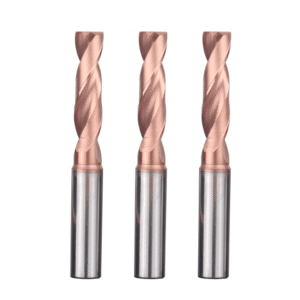
When drilling metal on CNC equipment, the cutting tool faces concentrated impact, heat generation, and chip evacuation pressure. Therefore, choosing an appropriate drill bit structure, parameter combination, and auxiliary strategy is essential for improving hole quality and machining stability. As spindle speeds increase and feed system accuracy improves, along with growing demands for high-volume production, high-durability metal drilling tools, reinforced carbide drill bits, and high-speed metal drilling solutions have become indispensable for boosting efficiency and reducing tool change frequency. By applying optimized geometry design, parameter management, and condition-specific drilling strategies, drill bits for drilling metal can maintain stable cutting performance across a variety of materials, including high-strength steel, aluminum, copper, and heat-resistant alloys.
Optimizing Drill Bit Geometry to Improve Chip Evacuation and Stability
Drill bit geometry directly determines machining stability. Critical factors include the drill tip angle, clearance angle, cutting edge preparation, and flute shape. For harder steels or tougher metals, a more robust drill tip angle helps maintain stability under heavy cutting loads. For softer or more ductile materials, a sharper cutting angle reduces friction and minimizes built-up edge formation.
Chip flute depth and helix angle must correspond to the material being drilled. High-helix designs enhance chip evacuation in aluminum and soft metals, while medium-helix structures offer better rigidity and stability for high-strength steels. These geometric optimization methods are widely applied in advanced tool solutions such as high-stability metal hole-drilling bits and engineered flute designs for efficient metal chip removal, improving chip evacuation efficiency and hole wall consistency.
Machining Parameter Adjustment Strategies
Spindle speed, feed rate, cutting fluid application, and feed method are central to achieving high-performance CNC metal drilling. Excessively high spindle speeds may cause overheating—especially in steel drilling—resulting in edge annealing, while excessively low speeds reduce cutting efficiency. Very low feed rates increase friction and heat, while overly aggressive feed rates cause vibration and edge chipping.
Cutting fluid selection is equally important. High-pressure internal coolant systems significantly improve heat dissipation and chip evacuation, making them ideal for deep-hole drilling or stainless steel applications. For continuous high-volume production, heat-resistant coated tools and stable parameter combinations are frequently used in scenarios such as optimized drilling settings for tough metals and coolant-assisted metal drilling operations, ensuring reliable and stable performance.
Drill Bit Selection Techniques for Deep-Hole and Thin-Wall Part Machining
Deep-hole drilling requires drill bits with strong chip evacuation capability and enhanced vibration resistance. Long-reach tools should feature rigid flute geometry, durable heat-resistant coatings, and internal coolant channels to prevent chip packing and overheating. For hole depths exceeding 10× the diameter, peck drilling or segmented retraction maintains consistent chip evacuation and improves tool life and dimensional accuracy.
Thin-wall machining prioritizes low cutting force and vibration control to prevent hole distortion or part deformation. Lightweight cutting edges, larger helix angles, and smooth-cutting geometries reduce stress on the workpiece. Specialized tool solutions—such as low-thrust drills for thin metal sheets or precision hole-making tools for thin-wall components—further reduce breakage risk and ensure stable diameters and clean edges.
The combined application of these geometry, parameter, and tool-selection techniques ensures that drills for drilling metal maintain reliable performance across complex machining environments.
The Value of OEM Drill Bits for Metal Manufacturers in Industrial Applications
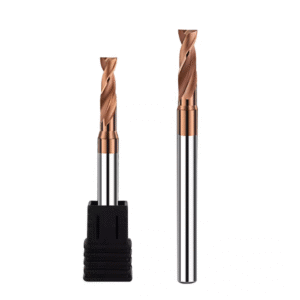
In modern metalworking, standard tools can cover general needs, but they often fail to meet performance requirements involving high-efficiency production, difficult materials, or special structural components. OEM drill bits designed around actual working conditions play a critical role in achieving precision, durability, and consistency. In industries such as automotive, steel fabrication, mold processing, and heat-resistant alloy machining, OEM drill bits for metal manufacturers offer tailored solutions based on production rhythm, tool usage habits, and product specifications. Through customization of geometry, coatings, tool substrate, and chip-removal strategies, companies can increase machining efficiency, reduce tool change frequency, and maintain batch stability—benefits commonly associated with high-volume metal drilling production and custom-engineered drill solutions for steel components.
Advantages of OEM Custom Drill Bits: Dimensional Accuracy, Batch Consistency, and Material-Specific Performance
The defining feature of OEM tools is their ability to precisely match actual machining needs. Customized tools meet exact hole diameters, tolerance ranges, and surface finish requirements, reducing or eliminating secondary finishing processes.
Batch consistency is also a major advantage. Tools produced from the same production line with identical materials and parameters maintain stable performance throughout mass production, which is especially valuable for steel components and automated machining lines.
Additionally, machining difficult materials such as stainless steel, hardened steel, and heat-resistant alloys demands optimized tool substrates and coatings. OEM manufacturers can select cobalt-enriched high-speed steel, premium carbide grades, or multi-layer heat-resistant coatings tailored for high-temperature, high-torque drilling environments. Such solutions are widely used in custom carbide metal drilling tools and precision drills for difficult-to-cut materials.
How Machining Facilities Should Communicate with OEM Drill Bit Manufacturers
Effective communication determines the success of a custom tool project. Machining facilities must first provide detailed workpiece information, including material type, hardness, hole depth-to-diameter ratio, dimensional tolerance, and surface finish requirements. Next, equipment parameters—such as spindle power, coolant type, toolholding system, and machining rhythm—must be shared so the OEM supplier can design an accurate tool solution.
After identifying machining difficulties (chip evacuation issues, insufficient tool life, hole wall burning, positional deviations, etc.), OEM manufacturers can optimize geometry, coating combinations, and flute structure accordingly. This condition → problem → solution communication model is widely applied in tailored drill design for industrial machining and technical collaboration for high-efficiency metal drilling, achieving higher machining stability and reliability.
Typical Application Scenarios of OEM Solutions in Metal Machining
OEM tools play essential roles across various industrial sectors:
-
Steel structure fabrication: Large workpieces and repetitive deep holes demand strong core rigidity, durable coatings, and reinforced flute structures to ensure stable, continuous drilling.
-
Automotive and mechanical components: Tight hole tolerances require customized tip angles and micro-edge preparations to reduce taper and minimize hole wall vibration marks.
-
Difficult-to-machine materials: Stainless steel and nickel-based alloys benefit from high-temperature-resistant coatings and wear-resistant substrates to preserve edge integrity during high-heat drilling.
-
Automated machining and robotic drilling lines: Long-life drill solutions for automated metal machining reduce downtime associated with frequent tool changes and improve overall equipment utilization.
These applications highlight the indispensable role of OEM drill bits in modern manufacturing, providing measurable gains in efficiency, consistency, and cost control.
Proper Maintenance and Management of Drill Bits for Drilling Metal
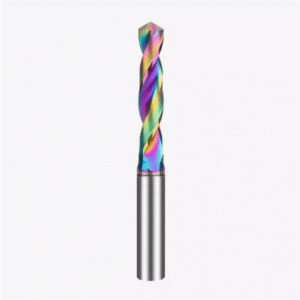
In metal drilling operations, drill bit wear and maintenance practices directly impact machining quality and production cost. Without systematic management, even high-performance tools may produce poor hole quality due to edge wear, chip blockage, or excessive heat. Standardized maintenance procedures, logical replacement strategies, and proper regrinding methods can significantly extend tool life. These practices help ensure that drill bits for drilling metal continue to deliver stable, high-quality performance in steel, stainless steel, aluminum, and other materials—particularly in high-volume production environments that depend on durable, precision drilling tools.
Wear Assessment Methods and Recommended Replacement Cycles
Tool wear assessment relies on observing cutting-edge condition, monitoring cutting sound, and evaluating machining output. Visible rounding, micro-chipping, or polished edges indicate reduced sharpness. Increased vibration, harsher cutting noise, or darker chips suggest overheating or severe wear.
Hole diameter expansion, rougher hole walls, and greater exit burr formation also indicate tool degradation. In batch machining, replacement cycles can be standardized using hole-count benchmarks or time-based monitoring, as commonly applied in tool life monitoring for metal drilling operations, helping prevent scrap caused by excessive tool wear.
Fundamental Principles of Drill Bit Regrinding and Maintenance
For regrindable tools, proper regrinding restores cutting performance and extends service life. During regrinding, the original tip angle and clearance angle must be maintained to avoid altering chip-flow geometry. The drill tip center must be precisely corrected to prevent eccentric drilling and positional errors.
Coated tools typically require recoating after regrinding to recover heat and wear resistance. Regular flute cleaning helps maintain smooth chip evacuation. In high-volume facilities, these practices are applied through professional drill reconditioning services and precision tool restoration programs for steel machining, ensuring stable performance even after multiple regrind cycles.
Operational Best Practices to Extend Drill Bit Life
Proper operation is key to maximizing tool life. Appropriate spindle speed and feed must be selected based on material hardness to avoid overheating or chipping. Consistent coolant supply—particularly high-pressure or internal cooling—reduces heat and improves chip evacuation in steel and stainless steel drilling.
Avoid impact loads during tool entry; strategies such as segmented feed or pre-drilled pilot holes improve stability. Standardizing operating protocols, such as an optimized drill usage guideline for industrial metal machining, reduces variability caused by operator differences and allows each drill bit to maintain stable performance over a longer period.
These management and maintenance practices ensure that drill bits continue to deliver efficient, reliable cutting performance across diverse metalworking environments, supporting overall productivity and machining quality.
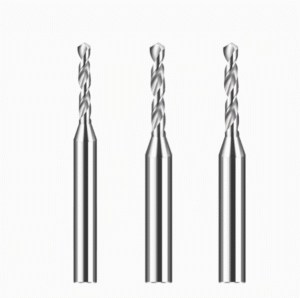
Key Principles for Choosing the Best Drill for Drilling Metal
Achieving consistent hole accuracy, maintaining machining efficiency, and controlling tool costs in metal drilling requires a holistic evaluation of tool structure, workpiece material characteristics, machining strategies, and supply chain support. Whether the application involves steel, stainless steel, or high-strength alloys, drill bits must strike a balance between performance, durability, chip evacuation stability, and material compatibility. In addition, proper tool maintenance and standardized management procedures ensure long-term consistency in drilling accuracy and overall cutting performance. In high-volume production environments, selecting and operating the right drill bits is fundamental to achieving efficient and stable metal machining.
Matching Drill Bits to Workpiece Materials and Machining Tasks
Workpiece strength, toughness, and thermal conductivity directly affect drill bit selection. Steel and stainless steel typically require wear-resistant cutting edges, optimized chip flutes, and reinforced coatings to mitigate chipping and reduce cutting resistance under high heat. Softer metals such as aluminum demand sharper cutting edges and larger flute volumes to enhance chip evacuation and minimize material adhesion.
The machining task is equally important. Deep-hole drilling, thin-wall machining, and drilling through hardened layers require specialized geometries or structural reinforcements to maintain stable feed, control vibration, and reduce runout. Applying the appropriate matching principle can significantly improve surface finish, extend tool life, and reduce the risk of breakage during drilling.
Improving the Overall Efficiency of Steel Drills by Combining Optimized Machining Strategies
Machining strategy is a decisive factor in steel drilling efficiency. Proper adjustment of spindle speed, feed rate, cooling method, and cutting path ensures effective chip evacuation and heat reduction, which delays cutting-edge wear. For high-strength steels, using coated drill bits with high thermal stability and consistent coolant delivery helps maintain manageable cutting temperatures and avoid tool degradation.
For machining sequences involving high hole counts, maintenance practices such as scheduled wear inspections, preplanned replacement cycles, and appropriate regrinding procedures help ensure consistent hole accuracy and reliable cutting speed throughout the production batch. Combining tool performance with optimized machining strategies allows steel drilling operations to reach higher productivity and stability.
Leveraging the Customization Benefits of OEM Drill Bits for Metal Manufacturers in Mass Production
Mass production environments impose strict requirements on tool lifespan, dimensional consistency, and cycle-time control. Collaborating with an OEM drill bit manufacturer provides significant advantages by delivering tools engineered to match specific material types, spindle capabilities, coolant conditions, and hole geometry requirements. OEM solutions can include customized geometries, tailored coating systems, and optimized tool substrates to ensure precise alignment with real machining conditions.
In high-volume steel or alloy drilling operations, OEM tools ensure batch-to-batch consistency, reducing quality variation caused by tool inconsistencies and improving unit cost control. For production lines operating continuously, OEM customization offers a practical combination of reliability, efficiency, and long-term economic benefit.
By evaluating material compatibility, machining strategies, and supply-chain support in an integrated manner, manufacturers can select and manage drill bits for drilling metal more effectively. This approach ensures stable cutting performance across diverse metalworking scenarios, improving final product quality, machining efficiency, and overall production competitiveness.