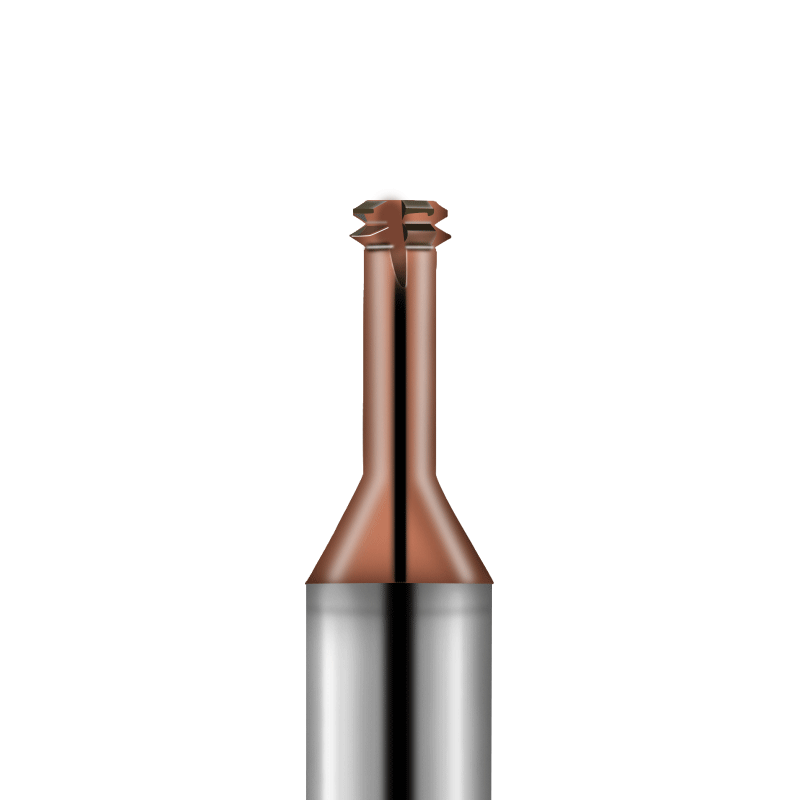
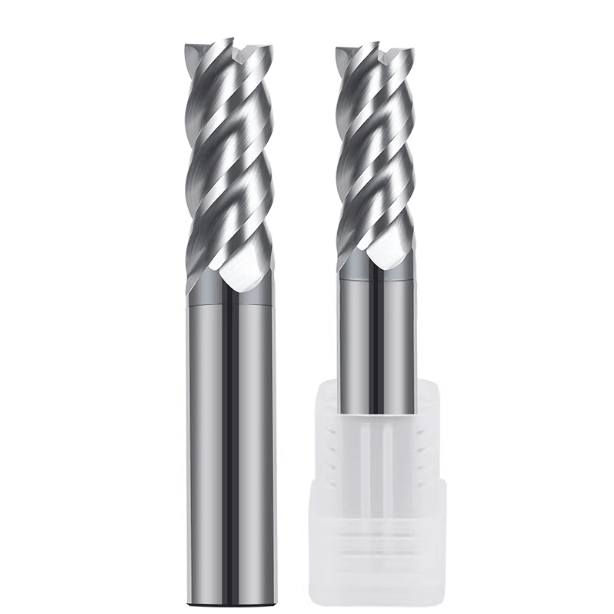
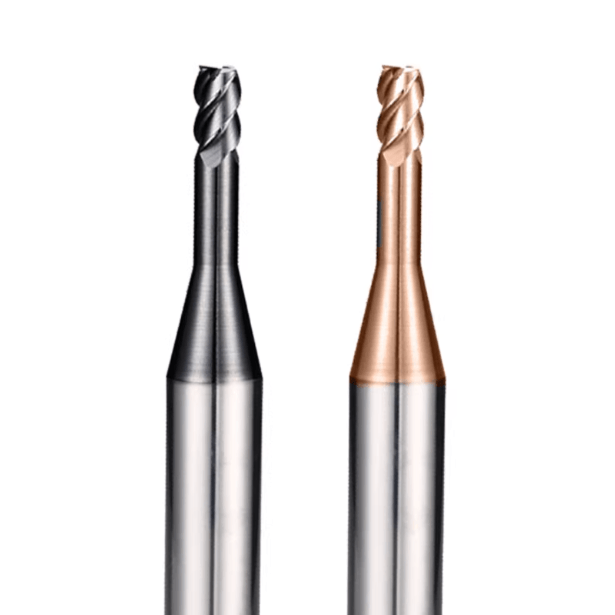
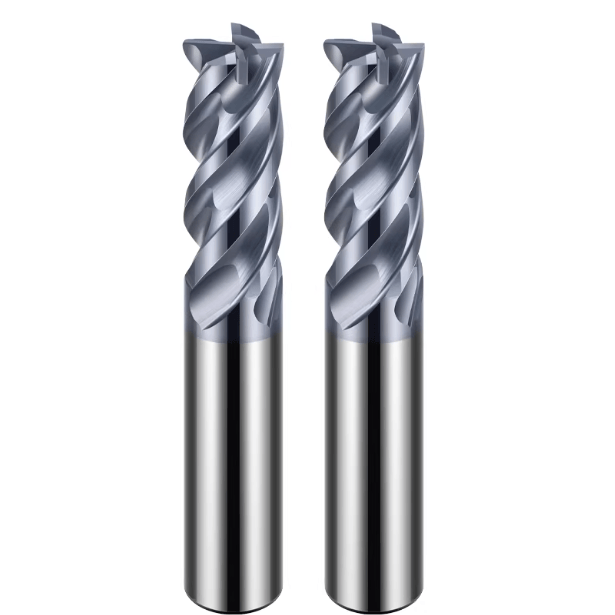
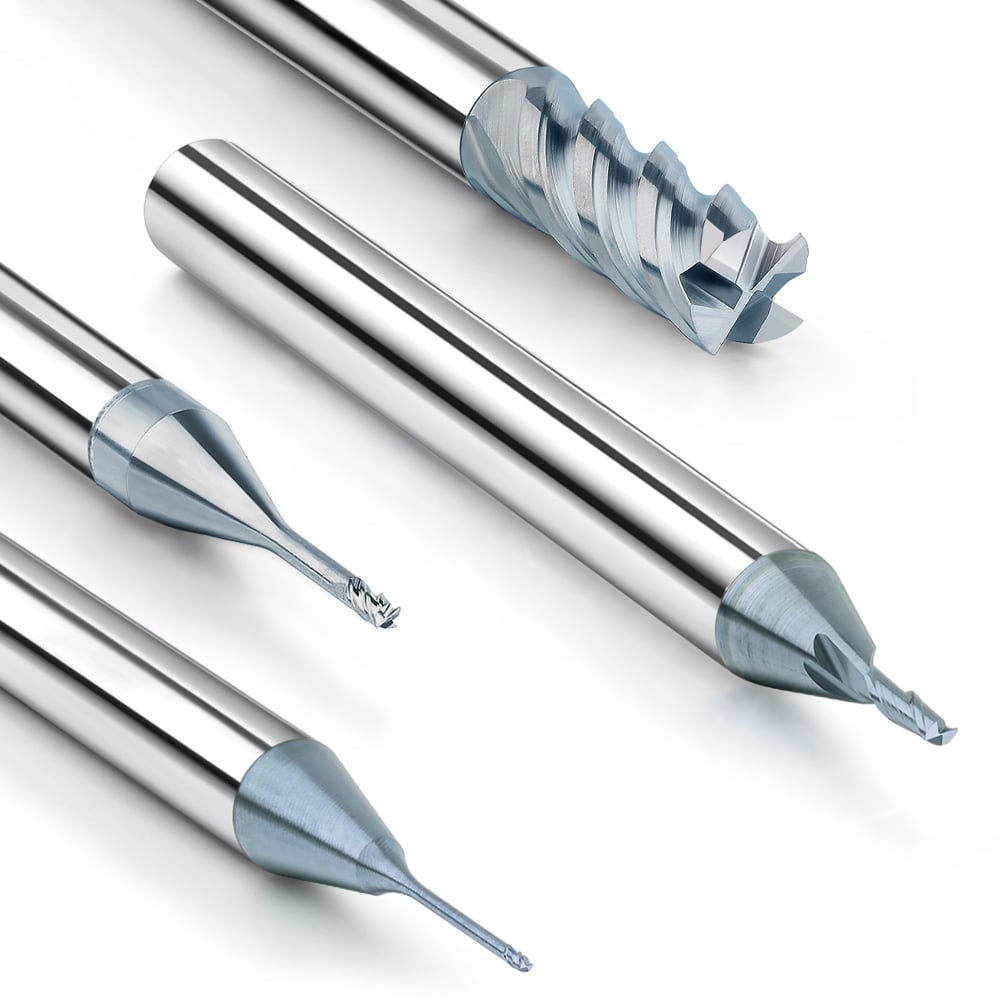
As one of the most essential cutting tools in modern manufacturing, the stability and performance of milling machine cutters directly determine machining accuracy, surface quality, and overall production efficiency. Proper maintenance and management are vital to keeping these tools in optimal cutting condition. This article outlines key maintenance strategies for milling cutters, combining real-world industry practices to summarize effective principles and operational methods.
With continuous advancements in manufacturing technology, tool materials and designs have evolved significantly. For instance, diamond coated milling cutters, known for their ultra-high hardness and exceptional wear resistance, are widely used for precision machining of hard and brittle materials such as carbon fiber, ceramics, and graphite. For milling cutters for graphite, maintenance details like dust prevention, heat dissipation, and edge integrity are critical; neglecting these factors can cause chipping or a sharp decrease in tool life.
Different milling machine cutters manufacturers provide specific maintenance recommendations and parameter guidelines — including coolant type, replacement intervals, and coating regeneration processes. Although often overlooked, these details are crucial for extending tool life and maintaining machining consistency.
Establishing a systematic tool management and maintenance system not only reduces tool wear costs but also ensures equipment stability and continuous production efficiency. The following sections explore best practices for maintaining milling cutters across their lifecycle — including type-specific maintenance, coating protection, environmental control, cleaning, and regrinding — to ensure long-term efficiency, accuracy, and reliability.
Why Milling Cutter Maintenance Is Crucial for CNC Machining
The condition of the milling cutter defines the upper limit of machining quality and production efficiency. Whether in metal cutting, mold making, or precision parts manufacturing, milling machine cutters are central to achieving high-precision machining. However, prolonged high-speed cutting exposes tools to friction, heat, and cutting forces. Without proper maintenance and monitoring, cutter performance quickly deteriorates, leading to lower accuracy and potential instability in the machine itself.
High-quality tool maintenance is not simply about keeping tools sharp — it represents a comprehensive production management strategy. Regular inspection of wear, maintaining proper cooling, and planning cutter life cycles can greatly improve equipment utilization and reduce tool-related costs. Studies show that establishing a structured milling machine cutter maintenance system can extend tool life by 20–40% while reducing defects and scrap rates.
Milling Cutter Performance Directly Affects Machining Accuracy and Efficiency
During cutting, tool wear changes the geometry of the cutting edge, causing dimensional deviation, higher surface roughness, vibration, and burr formation. When milling machine cutters become dull, cutting forces rise, spindle load increases, and machining efficiency drops — often leaving uneven marks on the workpiece surface.
Tool wear also impairs heat dissipation, raising cutting temperatures and accelerating microcracks or edge annealing. Without timely regrinding or replacement, these problems compound and eventually result in severe quality fluctuations. Regular monitoring using precision inspection instruments and logging tool wear data are essential for stable machining. In automated production lines, integrating tool life monitoring systems allows predictive maintenance and automated replacement, ensuring consistent quality and throughput.
Key Factors for Extending Tool Life and Reducing Production Costs
Extending tool life depends more on strategy than on expensive hardware. By optimizing cutting parameters, ensuring adequate lubrication and cooling, and frequently clearing chips and built-up edges, the wear rate of milling machine cutters can be significantly reduced.
Tool material and coating selection are equally important. Diamond coated milling cutters greatly enhance wear and oxidation resistance. For abrasive materials like graphite or carbon fiber, using milling cutters for graphite helps minimize edge degradation.
Proper maintenance not only lengthens tool life but also reduces downtime and losses from unexpected tool failure. Leading milling machine cutters manufacturers now provide data-driven maintenance recommendations and integrated tool management systems to help companies optimize cost, tool longevity, and production continuity.
In summary, tool maintenance is not an auxiliary task but a fundamental element of production efficiency and quality control. Mastering scientific maintenance methods ensures consistent machining performance in a highly competitive manufacturing environment.
Main Types and Maintenance Focus of Milling Machine Cutters
In the metalworking and mold-making industries, milling machine cutters are indispensable for precision and efficiency. Based on materials, coatings, and geometry, milling cutters come in several types — each requiring specific maintenance techniques. Understanding these differences allows manufacturers to maintain machining stability and extend tool life effectively.
The three most common types are carbide end mills, high-speed steel (HSS) end mills, and diamond coated milling cutters. Each has distinct performance characteristics and maintenance priorities.
Carbide End Mills
Carbide end mills offer high hardness, wear resistance, and thermal stability, making them ideal for machining steel, stainless steel, and titanium alloys. However, they are prone to thermal cracking and micro-chipping if improperly maintained.
Maintenance guidelines:
-
Regularly inspect cutting edge wear and micro-cracks using magnification tools.
-
Maintain coolant flow to prevent overheating during extended cutting.
-
Adjust spindle speed and feed rate based on material hardness and cutter diameter.
Tracking tool life through data analysis helps determine optimal replacement intervals and maximize tool utilization.
High-Speed Steel (HSS) End Mills
HSS end mills are valued for their toughness and impact resistance, suitable for low-to-medium-speed machining of soft materials such as mild steel and aluminum alloys. They are easier to regrind but more vulnerable to corrosion and oxidation.
Maintenance guidelines:
-
Regrind edges promptly when dull using precision grinding equipment.
-
Apply rust-preventive oil after cleaning to prevent oxidation.
-
Control heat buildup by moderating cutting speeds.
Following grinding standards from milling machine cutters manufacturers helps extend lifespan and maintain dimensional accuracy.
Diamond Coated Milling Cutters
Diamond coated milling cutters combine extreme hardness with a low friction coefficient, ideal for abrasive materials such as graphite, CFRP, and ceramics. The diamond coating dramatically reduces wear and enhances surface finish, but mishandling can cause coating cracks or peeling.
Maintenance guidelines:
-
Avoid acidic or alkaline cleaning agents; use neutral or ultrasonic cleaning.
-
Prevent mechanical shock during handling and clamping.
-
Store tools in dry, clean tool cases to prevent oxidation and contamination.
For advanced applications such as graphite electrode machining, using custom diamond coated milling cutters from a trusted milling machine cutters manufacturer ensures optimal cutting performance and coating longevity.

Maintenance and Usage Techniques for Diamond Coated Milling Cutters
In precision manufacturing and mold production, diamond-coated milling cutters—known for their outstanding wear resistance and exceptional hardness—are ideal for machining highly abrasive materials such as graphite, carbon fiber composites, ceramics, and non-ferrous metals. However, to fully realize their performance potential, these tools require scientific maintenance and proper handling. Neglecting coating protection can lead to peeling, reduced cutting efficiency, and premature tool failure.
High-quality maintenance not only extends tool life but also preserves surface finish and dimensional accuracy. The following sections outline essential maintenance practices for diamond-coated milling cutters, focusing on coating characteristics, cleaning methods, and storage environments.
Understanding the Characteristics of Diamond Coatings
The main advantage of diamond-coated milling cutters lies in their extremely high hardness (HV8000–10000) and exceptional wear resistance. These coatings allow tools to maintain sharpness and precision even under high-speed, high-friction conditions. Compared with conventional carbide or DLC coatings, diamond coatings provide lower friction and superior heat dissipation, making them ideal for cutting abrasive materials like graphite, carbon fiber, glass fiber, and ceramics.
However, diamond coatings are brittle. Excessive mechanical shock or thermal stress can cause microcracks or delamination, drastically reducing tool life.
Maintenance recommendations:
-
Avoid sudden temperature changes (e.g., spraying coolant onto a hot tool).
-
Use precision toolholders to prevent collision or clamping impact.
-
Apply gradual, layered cutting passes to reduce localized stress and thermal load.
A clear understanding of coating behavior is the foundation of effective maintenance and consistent cutting performance.
Proper Cleaning Procedure
Over time, graphite dust, carbon fiber particles, and metal debris can adhere to tool surfaces. Improper cleaning may cause edge clogging or coating damage. Correct cleaning procedures restore the surface condition and reduce cumulative wear.
Recommended process:
-
Use non-corrosive cleaning agents—avoid acidic or alkaline solvents that may weaken the diamond–substrate bond.
-
Use ultrasonic cleaning to remove embedded debris without mechanical abrasion.
-
Employ low-temperature drying with filtered air to prevent oxidation and micro-corrosion.
For automated lines, integrate an online tool cleaning system linked with tool ID tracking to ensure consistency and repeatability across maintenance cycles.
Storage and Environmental Requirements
Although diamond-coated tools are highly durable, improper storage can still compromise their integrity. Controlled storage conditions help prevent corrosion, dust contamination, and physical damage.
Best practices:
-
Store tools in dedicated, padded tool cases or racks to prevent edge contact.
-
Maintain dry, dust-free environments with humidity between 40–60%.
-
Avoid direct sunlight and temperature extremes that can induce microcracking.
-
Conduct quarterly visual inspections for long-term stored tools.
Some advanced milling machine cutter manufacturers now provide shock-resistant tool storage systems to further minimize handling damage and preserve coating integrity.
The long-term performance of diamond-coated milling cutters depends on disciplined maintenance—from coating care and precision cleaning to proper storage. By standardizing maintenance procedures, manufacturers can ensure consistent cutting quality, extended tool life, and optimized productivity.
Key Maintenance Points for Milling Cutters Used in Graphite Machining
Graphite is a key material in mold making, EDM electrodes, and semiconductor production due to its excellent thermal and electrical conductivity. However, its high abrasiveness and fine dust require specialized milling cutters for graphite with precise maintenance protocols. Even premium-grade tools such as diamond-coated variants can degrade rapidly without proper care.
Because graphite dust is both abrasive and pervasive, it accelerates tool wear and contaminates machine components. Therefore, maintenance strategies must focus on dust control, thermal management, and edge accuracy.
The Impact of Graphite Dust on Tool Life
Graphite dust acts as a constant abrasive. As particles adhere to tool flutes and edges, they cause micro-chipping and wear, similar to sandpaper friction.
Common issues include:
-
Edge chipping and surface finish deterioration.
-
Increased spindle load and cutting temperature.
-
Accelerated coating wear, especially on diamond-coated tools.
Implement vacuum extraction systems and maintain smooth flute surfaces to minimize buildup. Gentle, low-pressure air cleaning between cycles also helps reduce abrasive friction.
Preventing Overheating and Chipping
Graphite machining is typically dry, increasing the risk of tool overheating. Excessive friction leads to edge annealing or breakage.
Maintenance recommendations:
-
Optimize spindle speed and feed rate to balance cutting temperature.
-
Use stepwise cutting to minimize heat generation.
-
Employ high-efficiency dust extraction for both cooling and cleanliness.
-
Choose rigid, balanced toolholders to minimize vibration and shock loads.
Avoid direct coolant application on hot diamond-coated milling cutters for graphite, as this can cause thermal shock and coating delamination.
Regularly Checking Tool Geometry Accuracy
Graphite machining quality depends heavily on edge geometry. Wear can alter rake and clearance angles, leading to uneven cutting and surface fractures.
Best practices:
-
Use tool measuring systems to check runout, helix angle, and edge radius.
-
Perform micro-regrinding as needed to restore sharpness.
-
Maintain a tool life database tracking material type, machining time, and wear behavior.
By ensuring geometric consistency and maintaining a clean cutting environment, milling cutters for graphite can achieve long-term stability and superior surface quality.
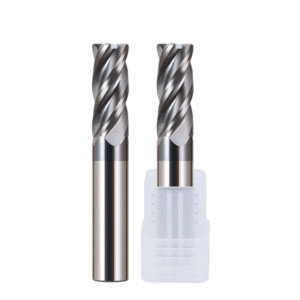
Maintenance and Regrinding Strategies — Extending Milling Cutter Life
Routine maintenance alone cannot preserve performance indefinitely. To sustain cutting precision and extend tool lifespan, regrinding and coating restoration must be implemented according to data and manufacturer standards. These procedures apply to all tool types—carbide, diamond-coated, and graphite-specific milling cutters.
Different milling machine cutter manufacturers specify unique regrinding intervals and coating cycles based on material type, tool geometry, and cutting parameters. Following these technical standards ensures stable performance and cost-effective operation.
Establishing Maintenance Cycles per Manufacturer Recommendations
Tool life varies with material hardness, coating type, and cutting load. Manufacturer guidelines typically include maximum operating hours, wear thresholds, and regrinding criteria.
Cycle planning factors:
-
Machining hard alloys or graphite requires shorter regrinding intervals.
-
Diamond-coated tools, while durable, are limited in regrindability—inspect coating integrity before reuse.
-
High-speed cutting requires more frequent checks due to thermal fatigue.
Maintain a tool maintenance log recording use time, wear condition, and regrind date to fine-tune maintenance schedules.
Correct Regrinding Process and Equipment Selection
Precision regrinding restores tool geometry and performance. Inaccurate grinding can cause dimensional deviation or tool imbalance.
Process steps:
-
Perform microscopic inspection to evaluate wear.
-
Use CNC grinders with manufacturer-recommended wheel specs and parameters.
-
Apply recoating (e.g., diamond or TiAlN) if available.
-
Conduct dynamic balance tests before reuse.
For premium tools—especially diamond-coated milling cutters—it is advisable to have regrinding done by authorized milling machine cutter manufacturers to ensure coating quality and edge precision.
Recording Tool Data to Optimize Maintenance
Data-driven management is the foundation of intelligent manufacturing.
Implementation steps:
-
Build a tool life management system to track spindle speed, material type, and tool usage.
-
Monitor spindle power, vibration, and temperature to assess tool wear in real time.
-
Use predictive maintenance alerts to schedule regrinding automatically.
-
Compare performance data from different manufacturers to refine procurement and process optimization.
By combining manufacturer standards, regrinding precision, and data analytics, companies can maximize tool life while maintaining consistent machining accuracy.
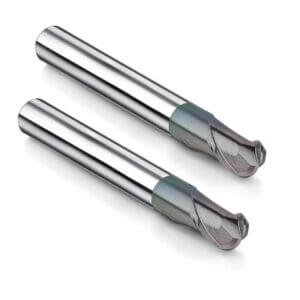
Maintenance Innovation and Trends from the Perspective of Milling Machine Cutter Manufacturers
With the widespread adoption of smart manufacturing and green production, leading global milling machine cutter manufacturers are driving innovation in tool maintenance and lifecycle management. The industry is shifting from traditional periodic maintenance to a comprehensive, data-driven approach that integrates intelligent monitoring and sustainable reuse. This evolution not only enhances the efficiency and lifespan of milling cutters but also accelerates the digital transformation of the entire machining supply chain.
In modern manufacturing, tool maintenance goes far beyond cleaning and regrinding. It now includes tool life prediction, intelligent diagnostics, coating optimization, and eco-friendly recycling. For high-end sectors such as aerospace, mold manufacturing, and composite material machining, maintenance innovation for diamond coated milling cutters has become a key focus. The following sections explore three major directions driving this transformation: intelligent monitoring, coating technology advancements, and sustainability.
Application of Intelligent Monitoring Technology
Intelligent monitoring has become a defining trend in advanced tool maintenance. Leading milling cutter manufacturers are implementing real-time tracking and predictive maintenance through integrated Tool Life Monitoring Systems.
These systems collect multi-dimensional data—including cutting force, spindle current, vibration, and temperature—and use algorithmic models to determine the tool wear stage, accurately predicting optimal replacement and regrinding intervals. This data-driven approach minimizes human error and prevents unexpected tool failures that lead to production downtime.
Some high-end manufacturers have taken this further by combining IoT connectivity and AI algorithms to establish full-scale tool lifecycle management platforms. These platforms automatically adapt monitoring parameters to different tool types, enabling personalized maintenance strategies that enhance productivity and overall tool utilization.
Manufacturer Advancements in Coating Technology
Tool coating technology directly determines a milling cutter’s wear resistance and thermal stability. In recent years, major milling cutter manufacturers have made significant breakthroughs in coating research and development, releasing high-performance and environmentally friendly surface treatments.
Traditional CVD diamond coatings have evolved into CVD-D and Nano-Diamond coatings. These advanced coatings feature denser structures and finer grain sizes, providing higher wear resistance, better thermal conductivity, and improved oxidation resistance. As a result, diamond coated milling cutters with these coatings outperform traditional TiAlN or DLC-coated tools, particularly in demanding applications such as graphite machining, high-silicon aluminum alloys, and CFRP composites.
Manufacturers are also advancing Plasma-Assisted Chemical Vapor Deposition (PACVD) and nanocomposite coating technologies to improve adhesion and minimize coating delamination. These innovations enable milling cutters to maintain longer effective lifespans under high-speed, high-temperature operations while reducing the frequency of regrinding and replacement.
The Concept of Sustainable Maintenance
As the global manufacturing industry embraces low-carbon and environmentally responsible production, sustainability has become a major focus in tool maintenance. Leading milling machine cutter manufacturers are developing circular maintenance systems through reconditioning, recoating, and material recycling.
On one hand, tool reconditioning allows used cutters to gain a “second life” through high-precision regrinding and eco-friendly recoating. In the case of diamond coated milling cutters, modern recoating processes employ non-toxic decoating solvents and low-temperature deposition, reducing chemical pollution and meeting ISO 14001 environmental standards.
On the other hand, manufacturers are building closed-loop tool recycling systems, incorporating coating regeneration and material remanufacturing to reduce raw material consumption. This circular economy model not only lowers production costs but also strengthens corporate sustainability credentials.
Looking ahead, the integration of AI, data analytics, and green technologies will shift maintenance from passive response to proactive optimization. Milling cutter manufacturers will evolve from being tool suppliers to strategic technology partners in the era of intelligent manufacturing.
From intelligent monitoring and coating innovation to green remanufacturing, tool maintenance is entering a new era defined by “intelligence and sustainability.” For manufacturers, collaborating with forward-thinking milling cutter suppliers means achieving longer tool life, lower maintenance costs, and higher production sustainability—reshaping the competitive landscape of the modern cutting tool industry.
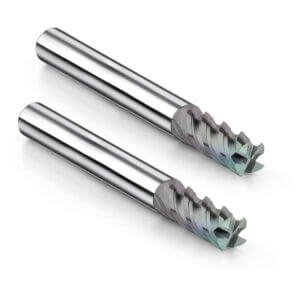
Systematic Tool Maintenance for Greater Machining Efficiency
Systematic tool maintenance is now a cornerstone of modern manufacturing efficiency and product quality. Whether in metal cutting, mold making, or graphite and composite material machining, the performance stability of milling cutters directly determines productivity and profitability. Through scientific maintenance management, companies can extend tool life, lower production costs, and ensure consistent machining precision.
The core objectives of maintenance are clear: stabilize quality, reduce costs, and extend tool life. Achieving these goals requires comprehensive planning across the entire lifecycle—from tool selection, use, and maintenance to regrinding and recoating. Different tool types, such as diamond coated milling cutters or milling cutters for graphite, require tailored maintenance strategies based on their material properties and operating environments. Understanding wear mechanisms and maintenance priorities for each tool type is the foundation for optimizing both machining performance and economic efficiency.
Equally important is collaboration with reliable milling machine cutter manufacturers. A high-quality manufacturer not only supplies superior tools but also provides technical support, coating restoration, tool life analytics, and intelligent maintenance solutions. By working together to develop a data-driven tool management system, companies can achieve transparency and control throughout the entire tool lifecycle—significantly improving precision, flexibility, and process reliability.
In the future, tool maintenance will continue shifting from experience-based management to data-driven management. Manufacturers should establish standardized, digitalized maintenance systems that combine real-time monitoring with predictive analytics to manage tool wear detection, regrinding cycles, and inventory optimization. Such a systematic approach reduces unplanned downtime and drives the transition toward intelligent and sustainable production.