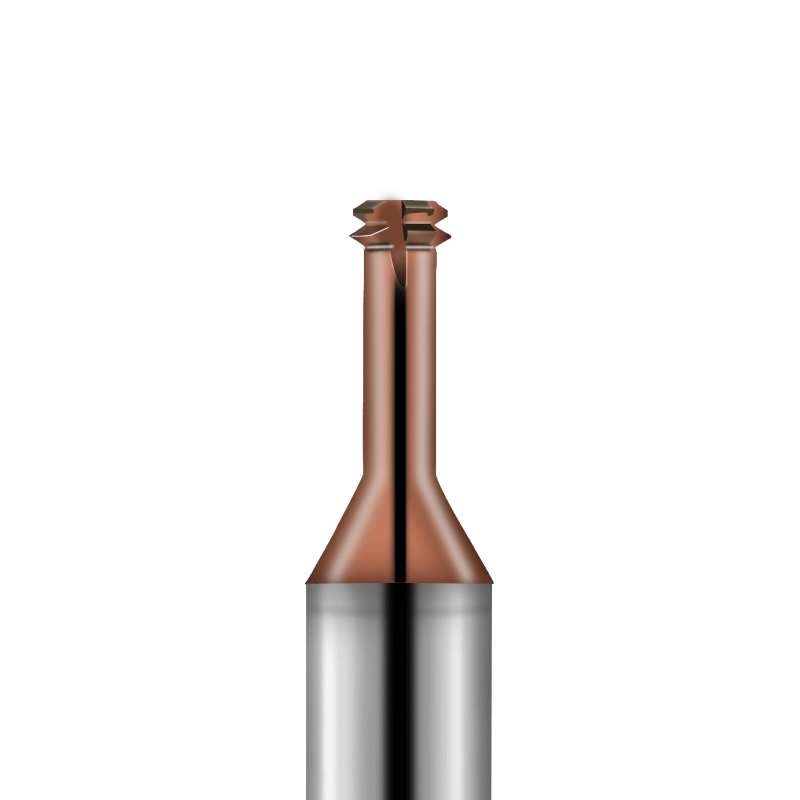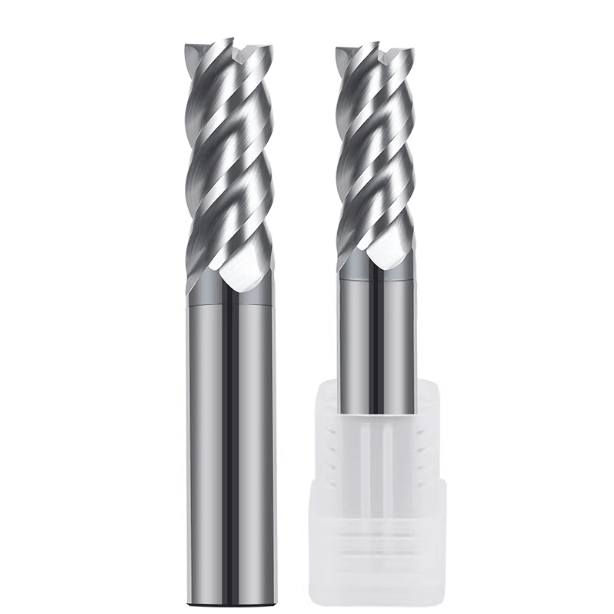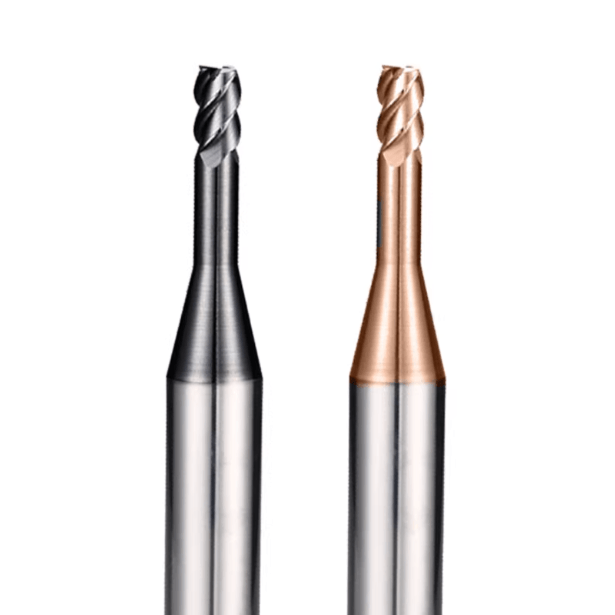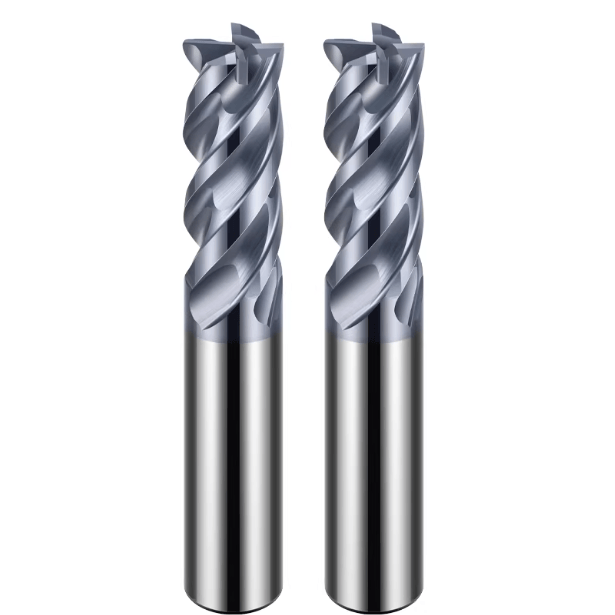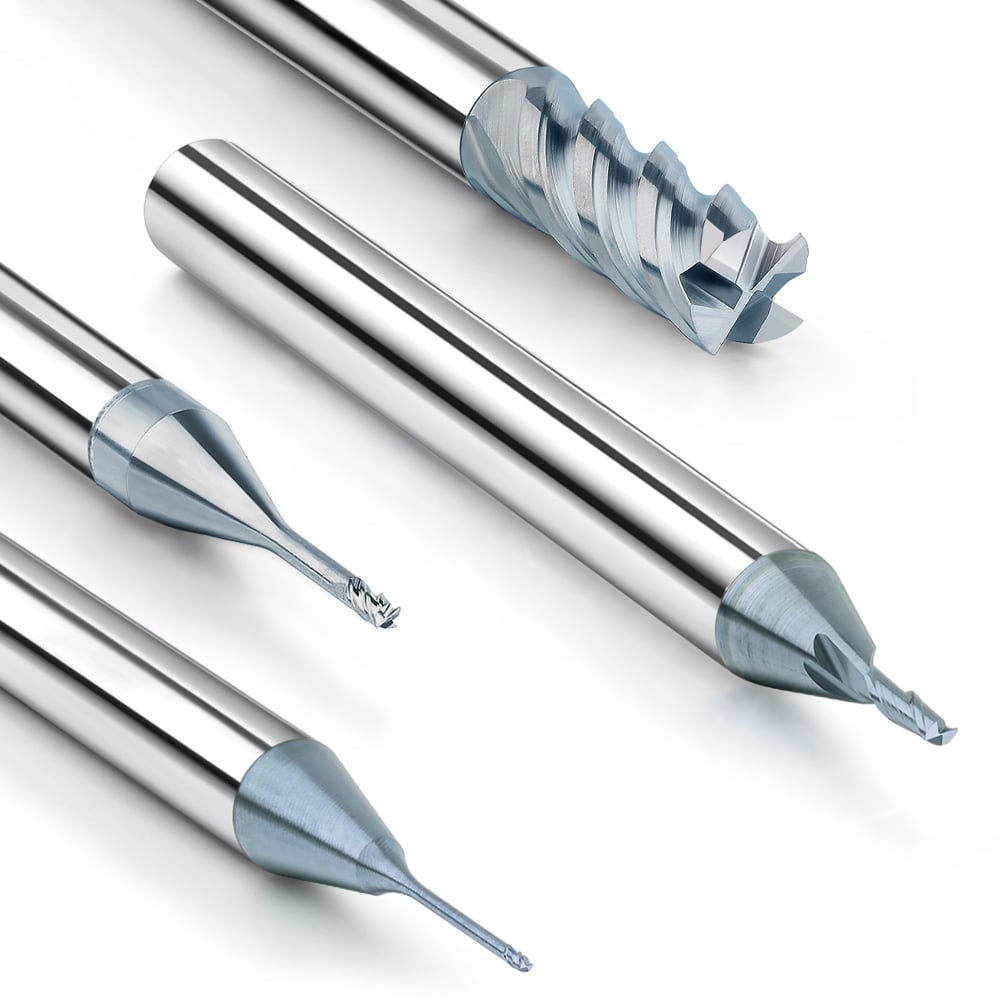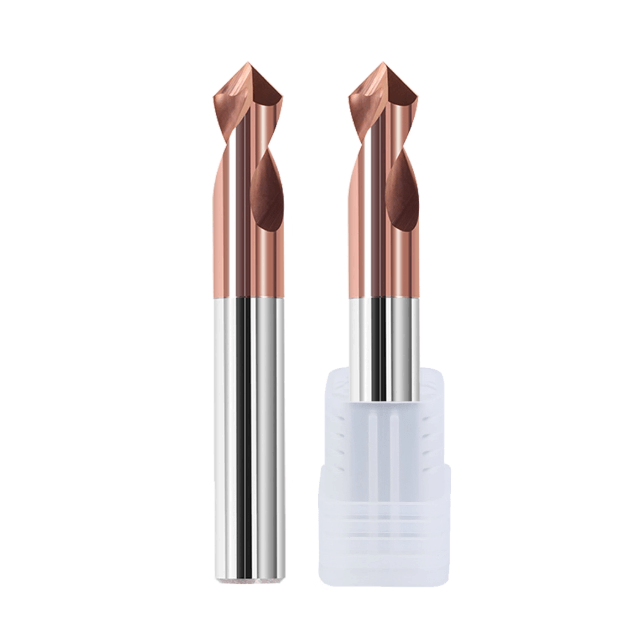
When machining hardened steel, properly using a spotting drill is essential for achieving consistent hole accuracy and stable hole position. Due to the high strength and abrasive nature of hardened steel, conventional drill bits often encounter issues such as deviation, slippage, and chipping during initial drilling. Selecting high-performance spotting drill bits and combining them with optimized process strategies can significantly improve drilling stability and hole quality.
In practice, spotting drills for hardened steel usually feature higher hardness, sharp cutting edges, optimized drill tip angles, and high-temperature resistant coatings to ensure reliable performance under high-load conditions. Carbide spotting drill bits offer superior wear resistance and chipping resistance, which is critical for maintaining success in deep hole drilling, precision hole machining, and mass production scenarios.
For large-scale production, using wholesale carbide spotting drills can reduce tooling costs while ensuring a stable supply, helping manufacturers maintain consistent efficiency. By optimizing tool coatings, drill tip geometry, material selection, and process parameters, drill runout can be minimized, overall hole quality improved, and tool life maximized.

Key Considerations for Using a Spotting Drill in Hardened Steel Machining
Ensuring hole accuracy and surface finish is the primary goal when machining hardened steel. The material’s high hardness and strength make deviation, slippage, and drill tip chipping highly likely during initial drilling, affecting hole concentricity and complicating subsequent operations. Selecting appropriate tool materials, optimizing cutting parameters, and maintaining clamping stability are essential for achieving precise hole starts. By carefully controlling drill tip geometry, cutting angles, and feed rates, reliable guidance can be achieved, forming a solid foundation for deep hole drilling and precision machining.
Positioning Challenges Arising from the Characteristics of Hardened Steel Workpieces
Hardened steel surfaces, often heat-treated to HRC50 or higher, pose challenges for conventional high-speed steel drill bits, including tip slippage and drill runout. The high cutting resistance and difficulty in chip evacuation increase vibration and instability during initial hole drilling, negatively impacting hole concentricity and surface finish. Effective process planning must address workpiece hardness, drill geometry, clamping methods, and cooling and chip evacuation strategies.
Why Carbide Spotting Drill Bits are Preferred in Hard Material Environments
Carbide spotting drill bits provide higher hardness, superior wear resistance, and better heat resistance, making them ideal for high-hardness materials. Sharp cutting edges and optimized drill tip angles reduce slippage and provide stable guidance. In continuous operations or mass production, carbide tools extend tool life, reduce replacement frequency, and improve efficiency. Coated carbide drills further enhance wear resistance and chipping resistance, ensuring high reliability and stable performance in hardened steel machining.
The Impact of Tool Stability on Initial Hole Drilling Quality
Clamping stability, tool holder runout control, and machine rigidity are critical to accurate hole positioning. Even with high-performance spotting drill bits, unstable clamping or excessive vibration can cause drill deviation, uneven hole diameter, and burrs. Optimizing clamping systems, minimizing radial runout, and combining effective cooling and chip evacuation techniques improves hole accuracy and surface finish. A stable tool setup enhances reliability, extends tool life, and reduces production costs and downtime.

Selecting Spotting Drill Bits for Hardened Steel
When machining high-hardness workpieces, selecting the right spotting drill bits is critical for achieving accurate pilot holes and efficient processing. High-hardness materials demand tools with excellent wear resistance, chipping resistance, and thermal stability. Therefore, tool selection should consider not only material but also drill tip geometry, coating characteristics, and overall tool length. Proper tool matching ensures stable guidance, reduces hole deviation, improves surface finish, and extends tool life, providing reliable support for subsequent deep hole or precision machining operations.
Carbide Material Selection and Compatibility
One critical factor in achieving accurate hole positions is selecting the appropriate carbide material. Carbide offers high hardness and exceptional wear resistance, making it ideal for spotting operations on hardened steel. Choosing the right grade allows tools to perform optimally under different hardness levels and cutting conditions. For instance, microcrystalline carbide excels in wear and chipping resistance, while cobalt- or titanium-enhanced composite carbides maintain stability under high-temperature cutting. Matching the carbide material with workpiece hardness reduces drill wear, improves machining stability, and ensures consistent hole accuracy.
Tool Angles and Geometric Configurations for Hardened Steel
Drill tip angles, helix angles, and rake angles directly affect drilling guidance and cutting force distribution. Properly designed angles and optimized cutting edge geometry reduce drill slippage, minimize deviation, and improve chip evacuation efficiency. By considering workpiece hardness, hole diameter, and machining depth, engineers can design tool geometry that improves hole concentricity and surface finish while minimizing the impact of vibration on the machine tool and fixtures.
The Enhancing Effect of Tool Coatings on Life and Wear Resistance
Coating technology further enhances the performance of carbide spotting drill bits. Coatings like TiAlN and TiCN reduce tool wear, lower friction, and improve chipping resistance in high-temperature cutting conditions. For long-term continuous machining or mass production, coated tools extend tool life and maintain consistent hole position accuracy and surface quality. Selecting the right coated tool is especially important for maintaining productivity when machining hardened steel.
Key Considerations for Purchasing Wholesale Carbide Spotting Drills in Mass Production Scenarios
In mass production, the stability of tool supply and cost-effectiveness are equally important. When sourcing wholesale carbide spotting drills, manufacturers should focus on material consistency, coating quality, and dimensional tolerance stability to ensure uniform hole accuracy across all batches. Proper inventory planning, combined with an understanding of tool lifespan and cost, minimizes downtime, improves overall efficiency, and maintains long-term process reliability.

Optimal Machining Parameters for Spotting Drills for Hardened Steel
Machining parameters directly impact hole accuracy, surface quality, and tool life. Hardened steel’s high cutting resistance and susceptibility to tool wear require careful consideration of rotational speed, feed rate, torque, and cutting depth. Optimizing these parameters ensures stable drill guidance, reduces slippage and chipping, and improves overall machining efficiency. Proper parameter adjustment also extends the life of carbide spotting drill bits, supporting subsequent drilling and deep hole operations.
Recommended Rotational Speed Range and Torque Requirements Analysis
When drilling hardened steel, rotational speed should be lower than that used for conventional steel to reduce heat buildup and tip wear. Carbide tools are generally run at low to medium speeds while maintaining stable machine torque to overcome cutting resistance. Proper torque settings reduce drill deviation and minimize vibration, ensuring hole concentricity. Drill diameter and tool rigidity should guide adjustments to speed and torque to balance cutting conditions and maximize stability.
Feed Rate Adjustment for Different Hardness Levels
Feed rate is a key factor controlling cutting forces and hole quality. For high-hardness quenched steel, lower feed rates reduce load and cutting temperature, minimizing the risk of chipping. Slightly softer or tempered workpieces can tolerate higher feed rates for improved efficiency. Dynamically adjusting feed rate based on drill diameter, material hardness, and machining depth ensures a stable, efficient process while maintaining consistent hole accuracy.
Differentiated Parameter Settings for Rough and Fine Positioning
Hole drilling typically involves two stages: rough positioning and fine positioning. Rough positioning establishes the pilot hole location, using slightly lower speeds and slower feed rates to ensure the drill enters the workpiece smoothly and accurately. Fine positioning further controls drill tip deviation, using precise feed rates and cutting depths to ensure hole concentricity and surface finish. Stage-wise adjustment of parameters reduces deviations, improves overall process stability, and extends tool life, providing a strong foundation for deep hole and precision drilling.

Operational Strategies to Ensure the Accuracy of Spotting Drill Hole Starting
In machining high-hardness workpieces, the accuracy of the hole starting stage directly determines the concentricity of subsequent drilling and the surface quality of the machined hole. Due to the high hardness and cutting resistance of hardened steel, drill bits are prone to deviation, slippage, and jumping. Optimizing operational strategies—including tool guidance, clamping stability, cutting parameters, and cooling and chip evacuation—is essential. Systematic process management can effectively reduce hole position errors, ensuring stable guidance and high-quality hole openings, which provides a reliable foundation for subsequent deep hole or precision machining operations.
How to Reduce Drill Bit Walking, Slippage, and Runout
A common challenge in hardened steel machining is drill bit deviation during the initial hole starting stage. By optimizing drill tip angle, cutting edge geometry, and feed rate, the likelihood of slippage or deviation can be minimized. Using high-rigidity spotting drill bits, ensuring a sharp drill tip, and applying staged cutting techniques improve guidance stability. For small-diameter holes, surface pretreatment or lightly pre-drilling a pilot hole can further enhance positioning accuracy and reduce the impact of drill bit walking.
Tool Holder Runout Control and Clamping Method Selection
Tool clamping stability directly affects drilling accuracy. Using high-precision tool holders, minimizing radial runout, and ensuring uniform clamping force reduce vibration and deviation. For deep holes or high-hardness material, consider balanced chucks, shrink-fit, or hydraulic clamping methods to improve tool rigidity. Proper clamping design ensures stable drill guidance and reduces the impact of machining vibration on hole position and surface finish.
Optimization of Coolant Type, Flow Rate, and Spray Position
Cutting heat and friction are primary causes of tool wear and reduced hole quality in hardened steel. Selecting the proper coolant type, controlling flow rate, and positioning the spray accurately at the cutting zone reduce drill bit temperature, improve chip evacuation efficiency, and minimize chipping and deviation. For high-hardness materials, circulating high-pressure coolant or oil-based cutting fluids provide better cooling and lubrication, enhancing hole starting accuracy and tool life.
Optimal Standardized Practices for Initial Positioning Depth in Hard Material Machining
Initial positioning depth is critical for drill stability and hole guidance. Too shallow a depth causes deviation, while too deep a depth increases cutting load and vibration. For most hardened steel applications, controlling the initial positioning depth within 1/4 to 1/2 of the drill tip diameter, combined with staged cutting and proper feed rates, ensures smooth drill entry and stable guidance. Standardized practices significantly improve hole accuracy, reduce deviation and burrs, and provide a solid foundation for deep hole machining.

Extending the Service Life of Spotting Drill Bits in Hardened Steel Machining
In high-hardness material machining, tool life directly impacts machining stability and production costs. Machining hardened steel demands extremely high wear resistance, chipping resistance, and thermal stability from spotting drill bits. Extending tool life requires scientific operating strategies, optimized cutting parameters, and proper maintenance. By monitoring wear conditions, optimizing feed rate and cutting depth, and effectively managing cooling and chip evacuation, tool replacement frequency can be minimized. This approach improves production efficiency while maintaining hole accuracy and surface quality.
Tool Wear Characteristics and Replacement Point Determination
A critical factor in hardened steel machining is monitoring tool wear. Wear typically appears as cutting edge chipping, edge blunting, or surface scratches. Regular inspection of the drill tip, hole surface, and cutting forces helps accurately determine tool lifespan. Increased hole diameter deviation, burr formation, or elevated vibration signals that replacement is needed. Timely replacement ensures hole accuracy and prevents scrap or machine damage.
Operating Techniques and Feed Control to Prevent Chipping
Chipping is a common problem when drilling high-hardness materials. Controlling initial feed depth, applying multi-stage cutting, and adjusting feed rate and cutting speed reduce stress on the cutting edge and minimize chipping. Keeping the spotting drill bit sharp and selecting appropriate tip angles and cutting geometry are also essential. In deep hole machining, proper guidance and vibration control further maintain a stable cutting state and extend tool life.
Machining Interval, Chip Removal, and Cooling Combination Strategies
Reasonable machining intervals, effective chip removal, and optimized cooling are critical for tool longevity. During long-term or mass production, regular stops to clear chips and inspect holes prevent excessive cutting resistance and accelerated wear. Using appropriate coolant types and flow rates, combined with high-pressure or circulating cooling, reduces cutting temperature, improves lubrication and chip evacuation efficiency, and minimizes wear and chipping risks. This comprehensive approach optimizes both tool life and machining quality.
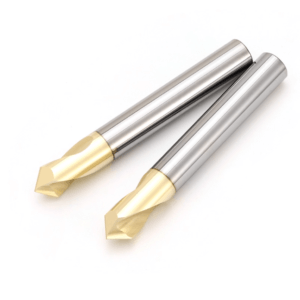
Efficiency Optimization Using Carbide Spotting Drills in Mass Production Applications
In mass production, the efficiency of hole drilling in high-hardness materials directly affects production cycle time and cost. Optimizing tool selection, machining parameters, clamping methods, and cooling and chip removal strategies maximizes efficiency while maintaining hole position accuracy and surface quality. For hardened steel, proper tool combinations, process planning, and minimized non-cutting time improve stability and throughput. Reliable wholesale carbide spotting drills further reduce supply risk and enhance economic efficiency.
Tool Combination Strategies to Reduce Tool Changes
One key factor in improving production efficiency is minimizing tool changes. In continuous and multi-hole machining, frequent tool swaps increase non-cutting time and reduce productivity. Configuring rough and fine positioning carbide spotting drills, using reusable tools, and integrating multi-functional fixtures reduce tool changes. Pre-planning tool sequences for varying hole diameters or depths further improves efficiency while maintaining hole accuracy and surface finish.
Process Cycle Time Acceleration Methods for Hardened Steel
Though high-hardness materials require lower feed rates and spindle speeds, cycle time can be accelerated by optimizing cutting depth, staged cutting, tool rigidity, and efficient chip removal. Using pre-drilled pilot holes or optimizing drill tip angles reduces slippage and deviation, improving process stability. Combining dynamic machine tool speed control with high-rigidity fixtures shortens cycles and increases overall productivity without sacrificing quality.
Cost Optimization Suggestions for Purchasing Wholesale Carbide Spotting Drills
Mass production requires stable, cost-effective tool supply. Selecting reliable wholesale suppliers and ensuring consistent tool materials and dimensional tolerances reduce procurement costs and prevent production interruptions. Planning inventory cycles and considering tool life and usage frequency maximize economic efficiency. Focusing on tool coatings and performance ensures wear and chipping resistance in high-hardness material machining, further reducing downtime and quality fluctuations.
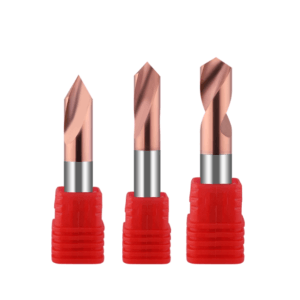
Troubleshooting Common Problems: Solutions for Instability When Using Spotting Drills for Hardened Steel
Even with high-performance carbide tools and optimized machining parameters, issues such as hole deviation, rapid drill wear, or abnormal surfaces may occur. These problems usually relate to tool selection, clamping rigidity, machining parameters, and cooling or chip removal methods. Systematic troubleshooting identifies root causes and applies targeted solutions, restoring hole starting stability, improving hole position accuracy, and extending tool life.
Analysis and Treatment of Insufficient Hole Position Accuracy
Hole deviation is typically caused by drill slippage, runout, or tool holder instability. Optimizing drill geometry, initial positioning depth, and clamping reduces starting offset. Solutions include adjusting feed rate and spindle speed, optimizing drill tip angle and cutting geometry, and pre-drilling pilot holes when necessary. For mass production, ensuring consistent tool material and size, combined with optimized machining sequences, maintains stable hole position accuracy.
Troubleshooting Process and Equipment Factors Causing Rapid Tool Wear
Rapid tool wear often results from improper cutting parameters, insufficient cooling, vibration, or unstable clamping. Monitoring drill edge wear, hole surface condition, and cutting forces helps identify causes. Remedies include adjusting feed and cutting depth, optimizing coolant type and spray position, minimizing tool holder runout, and ensuring machine rigidity. Staged cutting and effective chip removal further extend the service life of carbide spotting drills.
Treatment and Correction Methods for Abnormal Machined Surfaces
Scratches, burrs, or rough hole surfaces often indicate insufficient cooling, worn tools, or mismatched machining parameters. Solutions include optimizing coolant flow and spray angle, controlling initial drilling depth, adjusting feed rate and cutting speed, and replacing worn tools as needed. Adhering to standardized procedures and process optimization restores hole surface quality, ensures concentricity, and provides a reliable foundation for deep hole or precision machining.