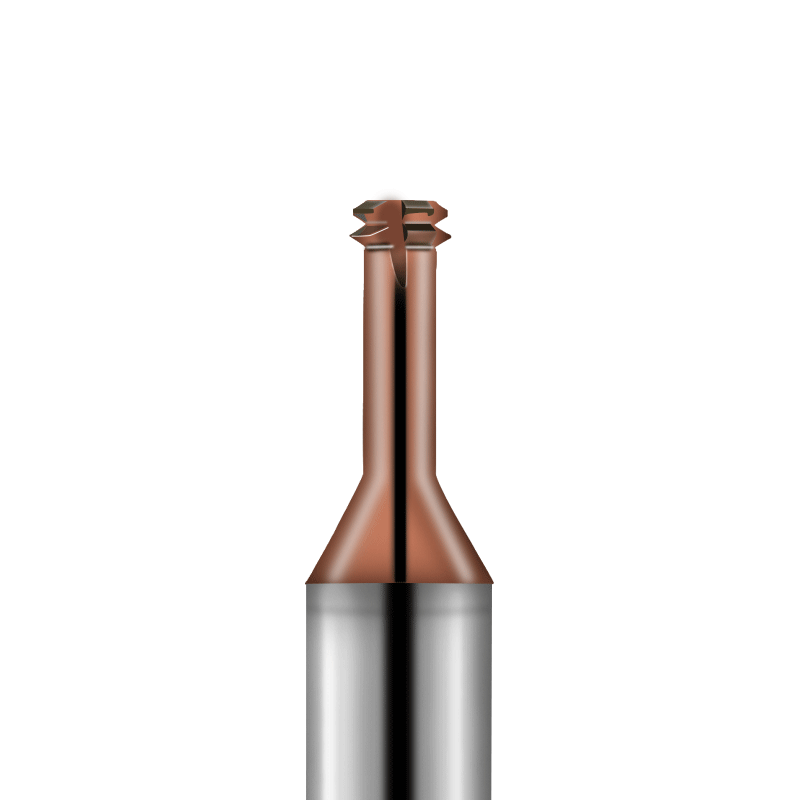
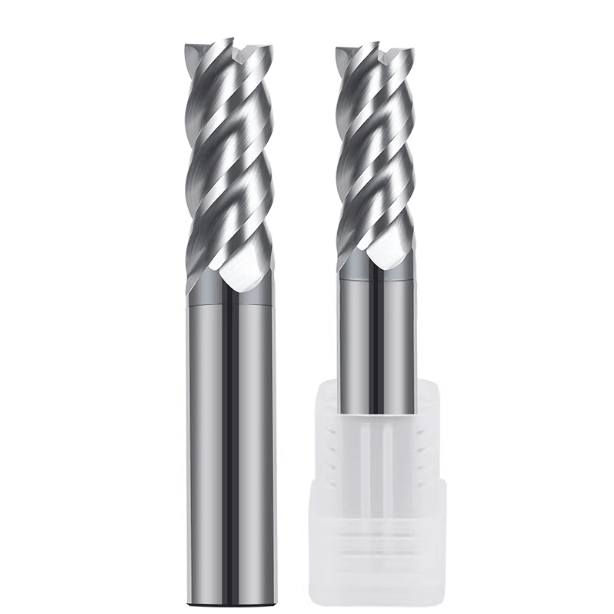
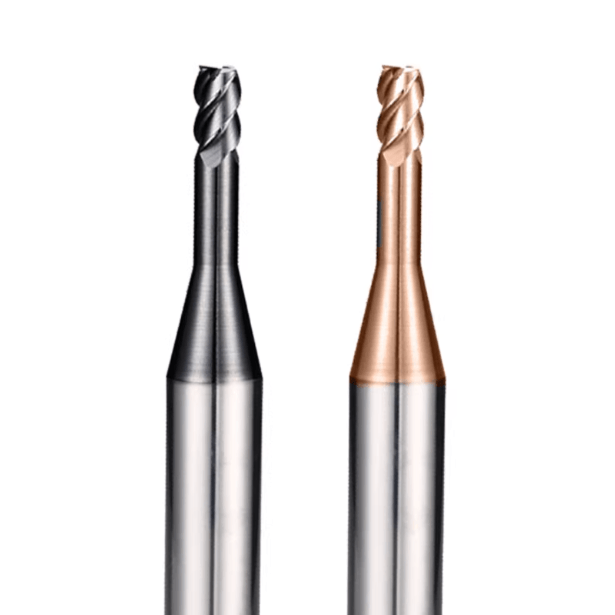
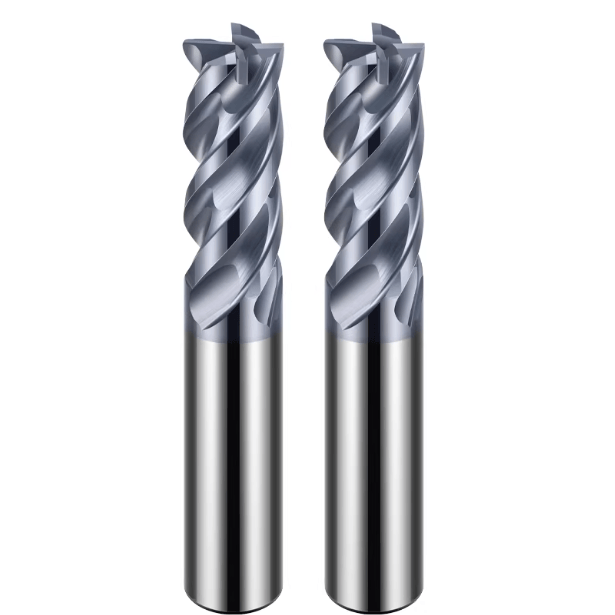
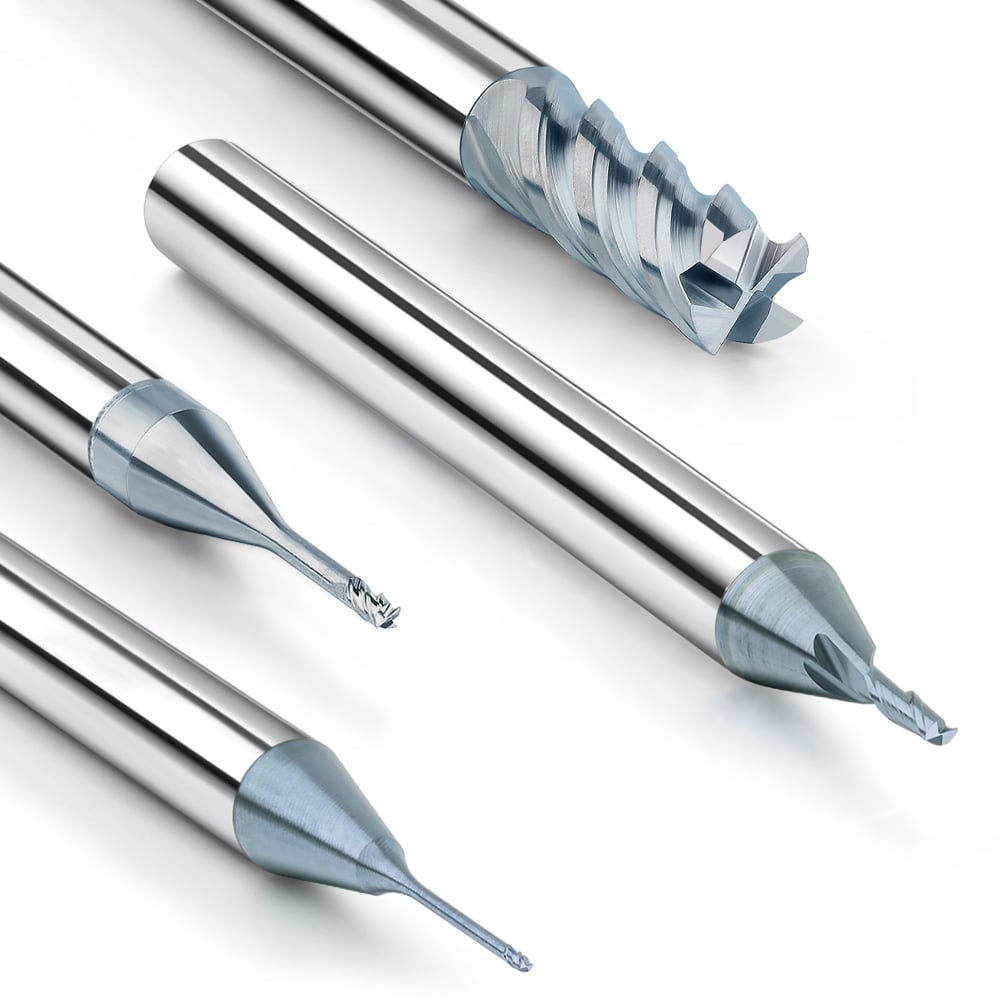
Carbide tipped drill bits, known for their excellent wear resistance and thermal stability, are essential tools for CNC drilling applications that involve high-hardness metals and high-efficiency production. Compared to traditional high-speed steel (HSS) drills, carbide-tipped bits maintain a sharp cutting edge at higher cutting speeds, significantly improving hole accuracy and surface finish. They are especially effective for drilling metals such as steel, stainless steel, cast iron, and mold steel.
Tool performance in CNC drilling depends not only on the material but also on cutting parameters, cooling strategies, and process stability. Selecting the optimal feed and speed combination, employing proper cooling methods, and ensuring tool concentricity are crucial for extending tool life and reducing the risk of chipping. For precision hole production or continuous batch processing, carbide-tipped bits for CNC drilling must balance wear resistance and cutting performance to achieve long-term, stable machining efficiency.
Many manufacturers now partner with experienced OEM carbide tipped bit manufacturers to customize drill bit solutions for specific materials and operating conditions. By optimizing tool geometry, coating type, and welding processes, OEM manufacturing not only improves machining performance but also reduces tool replacement frequency and overall production costs.
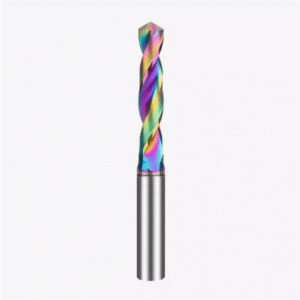
Why Carbide Tipped Drill Bits Are Ideal for CNC Metal Drilling
Carbide-tipped drill bits excel in CNC metal drilling due to their high hardness, wear resistance, and thermal stability. Whether for precision CNC hole drilling in high-volume production or deep-hole drilling in hard materials, carbide bits maintain a sharp edge at high speeds, minimizing hole diameter deviation and surface roughness. Their stable thermal performance reduces tool wear and chipping caused by heat, making machining more reliable and efficient.
In practice, selecting the right carbide-tipped tool not only enhances single-hole machining efficiency but also extends tool life and reduces production costs. Combined with optimized CNC programming and path design in automated production lines, these bits achieve high repeatability and consistency, meeting the stringent requirements of molds, aerospace components, and automotive parts.
Material Properties and Wear Resistance Advantages of Carbide Tips
Tungsten carbide tips offer exceptional hardness and wear resistance, allowing them to retain a sharp edge even under high-speed, high-load conditions. These tips can withstand friction in high-temperature environments without significant wear, ensuring stable, long-duration machining. Compared with HSS drills, carbide tips reduce chipping and thermal fatigue when cutting high-hardness metals such as steel, stainless steel, and cast iron. Using carbide-tipped bits for CNC drilling also minimizes vibration and hole diameter variation, improving both quality and productivity.
Performance Improvements Compared to High-Speed Steel Drills
Carbide-tipped drills outperform HSS drills in wear resistance, thermal stability, and service life. HSS drills dull more quickly under high-speed, high-temperature conditions, while carbide tips maintain hole accuracy and surface finish even at elevated speeds. For large-volume production or high-hardness metal drilling, carbide bits reduce tool change frequency, increase productivity, and minimize rework caused by hole deviation. Choosing the right tool geometry and coating type further optimizes cutting performance for stable and efficient CNC drilling.
Performance in Hard Materials Such as Stainless Steel, Cast Iron, and Die Steel
Carbide-tipped drills are highly effective for difficult-to-cut materials like stainless steel, cast iron, and die steel. Their hardness and heat resistance prevent material adhesion and wear, ensuring stable deep-hole drilling and precision CNC holemaking. Optimized drilling parameters combined with proper cooling strategies improve hole diameter control and surface finish while extending tool life. In mold manufacturing, automotive parts, and aerospace components, carbide-tipped bits are a key choice for enhancing efficiency and ensuring product quality.
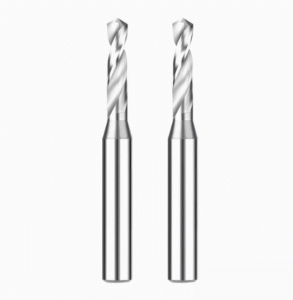
Key Parameters for Optimizing Carbide-Tipped Bit Performance
CNC drilling performance depends on cutting parameters, cooling strategies, chip evacuation design, and tool clamping stability. Proper drilling speed and feed rate selection, appropriate cooling methods, controlled drilling depth, and secure clamping are all essential for high-precision, efficient, and long-life machining. Optimizing these parameters is critical when using carbide-tipped bits for metal drilling or precision CNC holemaking, directly affecting hole accuracy, surface quality, and tool longevity.
Proper Matching of Drilling Speed and Feed Rate
Drilling speed and feed rate are primary factors influencing carbide-tipped drill performance. Material hardness, tool diameter, and hole depth determine optimal settings. For steel, stainless steel, or mold steel, reducing feed rate or adjusting spindle speed can reduce chipping and excessive wear while maintaining hole accuracy. Optimizing CNC paths further extends tool life and reduces downtime.
Selecting Cutting Fluid and Cooling Strategy
Cutting fluid and cooling methods are crucial for tool life and quality. Through-coolant drilling reduces tip temperature and improves chip evacuation in high-speed or deep-hole operations. External sprays suit medium-diameter holes, while dry drilling requires highly heat- and wear-resistant bits. Proper cooling minimizes thermal deformation, maintains hole wall finish, and stabilizes dimensions.
Controlling Drilling Depth and Chip Evacuation Design
Deep-hole machining requires careful consideration of chip evacuation and tool geometry. Spiral flute design, vertex angle, and rake geometry impact chip flow and hole stability. Controlling drilling depth and flute design prevents blockage, scratching, and chipping. CNC path optimization and step drilling enhance stability and efficiency in complex hole machining.
Tool Clamping and Vibration Control
Tool clamping rigidity and dynamic balance are critical for hole accuracy and tool life. High-precision fixtures reduce wobble and vibration, maintaining consistent hole diameters and surface finish. In deep-hole or high-speed machining, proper toolholder rigidity and machine spindle stability improve carbide-tipped bit performance and reduce chipping risk, enhancing overall production efficiency.

Common Problems and Solutions in CNC Drilling with Carbide-Tipped Bits
Even high-performance carbide-tipped bits may experience chipping, breakage, excessive wear, or unstable hole diameters. These issues often result from workpiece hardness, cutting parameters, cooling strategy, or tool maintenance. Identifying root causes and implementing targeted solutions can extend tool life, improve machining accuracy, and increase production efficiency. Timely problem resolution is crucial in high-hardness metal drilling and precision CNC holemaking.
Causes of Chipping, Fracture, and Excessive Wear
Common causes include high material hardness or hard spots, improper feed and speed settings, insufficient coolant, and poor tool geometry or chip evacuation. Analyzing cutting forces, heat distribution, and wear patterns helps identify failure sources and guides process improvements.
How to Adjust Cutting Parameters to Extend Tool Life
Optimizing cutting parameters can extend tool life. Adjust spindle speed and feed rate based on material and tool size, reduce cutting speed for hard metals, and use proper coolant flow and spray angles. For deep holes, step drilling reduces chip load and heat accumulation. Maintaining cutting parameter records facilitates tool life prediction and maintenance planning.
Optimization Methods for Hole Diameter Accuracy and Surface Roughness
Improving hole accuracy and surface finish requires careful selection of cutting parameters, tool geometry, and cooling strategy. Carbide drills with optimized spiral flutes improve chip evacuation and prevent hole wall scratching. Proper feed and speed control, regular tool inspection, and timely replacement enhance surface quality. CNC path optimization and step drilling strategies further ensure precision for deep or complex holes.

Best Practices for Using Carbide-Tipped Bits in CNC Automation
In modern, high-efficiency production environments, CNC automated drilling has become essential for mass-producing high-hardness metals and precision parts. Carbide-tipped drill bits, known for their wear resistance, thermal stability, and precision, are widely used in automated production. However, even high-performance tools can experience wear, chipping, and hole diameter deviations during continuous operation.
By implementing systematic tool management, life prediction systems, batch consistency control, and CNC path optimization, manufacturers can improve production efficiency, maintain hole accuracy, and reduce downtime and rework costs caused by tool failure. These strategies are especially critical for high-hardness material drilling and precision CNC hole machining.
Application of Tool Management and Life Prediction Systems
Tool management systems and life prediction technologies are crucial for ensuring uninterrupted production. By monitoring cutting forces, temperature, and wear status in real time, manufacturers can predict remaining tool life and proactively schedule replacements, preventing downtime due to tool chipping.
When integrated with intelligent CNC monitoring, these systems can record usage history and lifespan data for each carbide-tipped bit. OEM carbide-tipped bit manufacturers can leverage this data to create customized tool management strategies, optimizing usage, extending tool life, and ensuring consistent machining quality.
Tool Consistency and Replacement Strategies in Mass Production
Maintaining tool consistency and timely replacement is vital for production stability. Continuous machining gradually wears carbide-tipped drills, and delays in replacement can lead to increased hole diameter deviation and surface roughness.
Manufacturers can manage tool consistency by standardizing tool life cycles, monitoring wear indicators, and optimizing replacement strategies based on CNC machining data. These measures ensure machining accuracy while reducing downtime risk, enhancing overall productivity.
Optimizing Drilling Paths in CNC Programming to Reduce Tool Wear
Optimized CNC programming extends tool life and improves machining quality. By carefully arranging drilling sequences, performing step-by-step deep hole drilling (peck drilling), and adjusting cutting angles and paths, manufacturers can minimize cutting force fluctuations, heat buildup, and tool chipping.
For complex or deep holes, path optimization also enhances chip removal efficiency, ensuring hole diameter accuracy and surface finish. Integrating real-time monitoring data allows CNC programs to dynamically adjust, fully leveraging the performance benefits of carbide-tipped bits in automated CNC drilling.

OEM Carbide-Tipped Bit Manufacturers and Custom Solutions
In high-precision metalworking and CNC mass production, standard carbide-tipped bits often cannot meet specialized requirements or handle high-hardness materials. Partnering with experienced OEM carbide-tipped bit manufacturers for custom tool design and production is critical for improving machining efficiency and hole quality.
Customized tool geometry, coating types, and welding processes allow companies to optimize tools for specific materials—such as stainless steel, cast iron, or mold steel—reducing wear and chipping risk while maintaining hole accuracy and surface finish. OEM solutions have become a cornerstone for efficiency and stability in metalworking, moldmaking, and aerospace production.
How OEM Manufacturing Improves Machining Efficiency
OEM-customized carbide-tipped drills are designed to match specific machining requirements and material properties. Compared to standard tools, OEM tools feature optimized cutting geometry, edge angles, coating thickness, and reinforced cutting edges.
In drilling high-hardness metals or machining complex holes, these tailored tools reduce vibration and heat buildup, improving production line stability and boosting overall productivity.
Technical Differences in Welding, Coating, and Inspection Processes
High-end OEM carbide drill manufacturers excel in welding precision, coating uniformity, and quality inspection. Precision welding ensures a strong bond between the tip and tool body, reducing tip detachment risks. Advanced coatings (such as TiN, TiAlN, or CVD) enhance wear resistance and thermal stability.
Rigorous dimensional and coating inspections guarantee batch-to-batch consistency. Full control over welding, coating, tool geometry, and wear resistance allows OEM manufacturers to deliver highly reliable and precise carbide-tipped tools for CNC automated machining and mass production.
How to Evaluate a Qualified OEM Carbide-Tipped Bit Manufacturer
Selecting a qualified OEM manufacturer involves evaluating multiple factors:
-
Raw Material and Tool Base: High tungsten carbide content and uniform particle size ensure durability and toughness.
-
Welding and Geometric Accuracy: Stable welding processes and precise tip and flute geometry prevent detachment and ensure performance.
-
Coating and Surface Treatment: Uniform, well-adhered coatings extend tool life.
-
Quality Control and Inspection: Hardness testing, wear resistance checks, and dimensional tolerance verification are essential.
-
Customized Service Capabilities: Ability to provide tailored tool design and processing solutions based on CNC process requirements.
By considering these criteria, companies can select OEM carbide-tipped bit manufacturers that ensure consistent tool performance, meet the demands of high-hardness metal drilling and complex CNC hole machining, and minimize production costs and risks.

Maximizing CNC Drilling Efficiency with the Right Carbide-Tipped Bit Strategy
To achieve high efficiency, precision, and cost-effectiveness in CNC drilling, companies must systematically manage carbide-tipped bits throughout the production process. This includes careful tool selection, optimizing cutting parameters, applying effective cooling strategies, and leveraging supplier collaboration.
Using high-quality carbide-tipped bits for CNC drilling, combined with properly set drilling speeds, feed rates, and cutting fluids, can extend tool life, minimize the risk of chipping, and ensure consistent hole diameter accuracy and surface finish. For deep-hole drilling or machining high-hardness metals such as stainless steel, cast iron, or mold steel, optimizing chip evacuation and ensuring tool clamping stability are essential for reliable production. Implementing these strategies enhances consistency and productivity in mass production environments.
Furthermore, establishing long-term partnerships with experienced OEM carbide-tipped bit manufacturers enables customized tooling solutions. OEM partners can tailor tool geometry, coating types, and welding processes to match your specific material, hole size, and production schedule. This not only maximizes machining efficiency and tool life but also ensures stable performance, reduces overall production costs, and provides reliable support for business-to-business manufacturing operations.
In summary, by combining systematic tool management, process optimization, and OEM collaboration, companies can fully leverage the performance advantages of carbide-tipped drills. This approach achieves maximum efficiency, long-term stability, and superior quality in CNC drilling operations. Partnering with a trusted OEM carbide-tipped bit manufacturer ensures consistent tool quality, cost efficiency, and dependable results in high-hardness metal processing and precision hole machining.