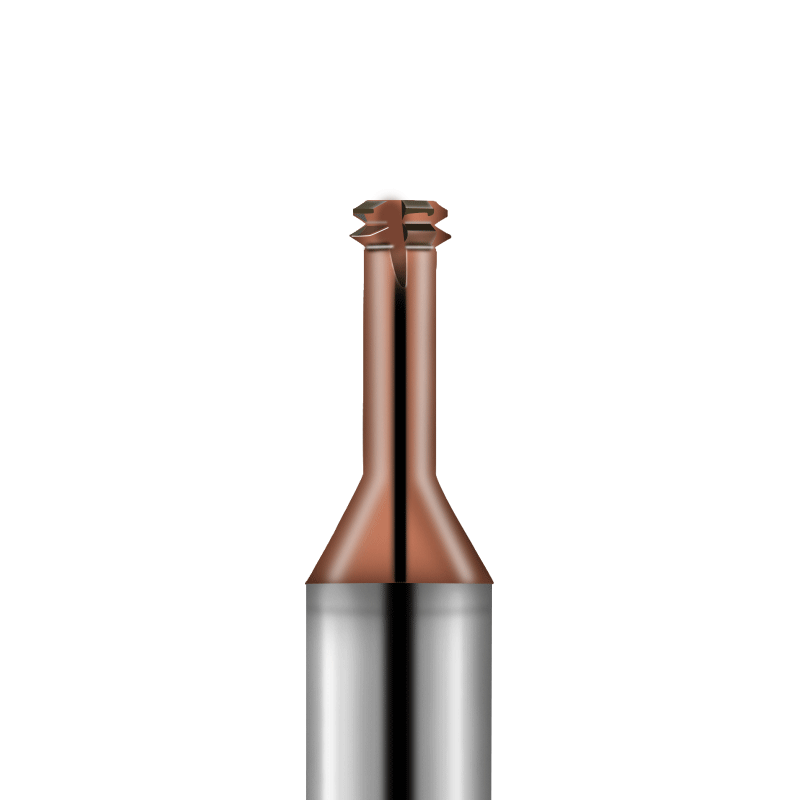
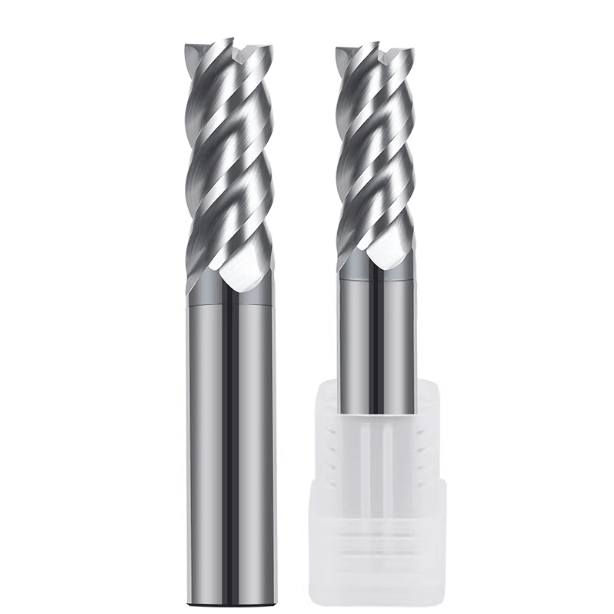
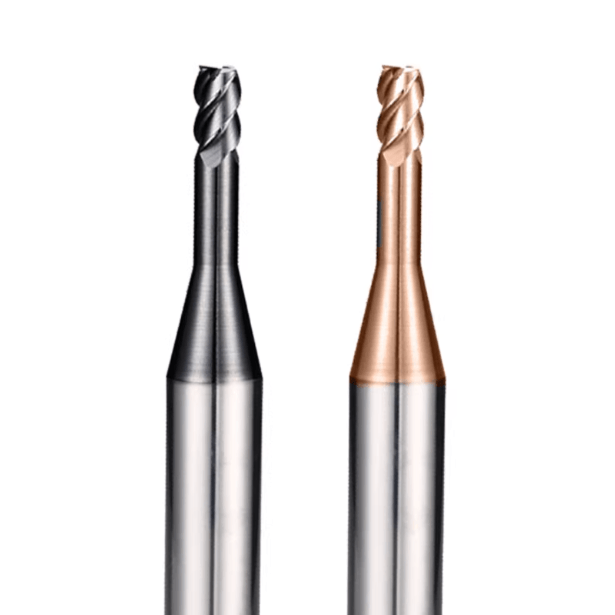
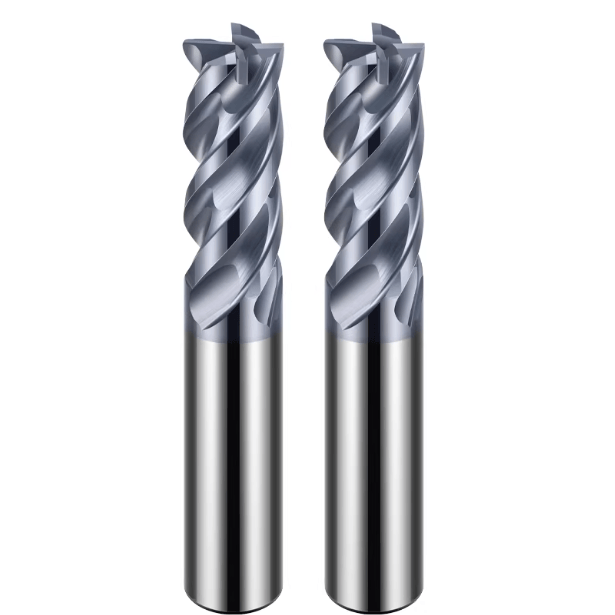
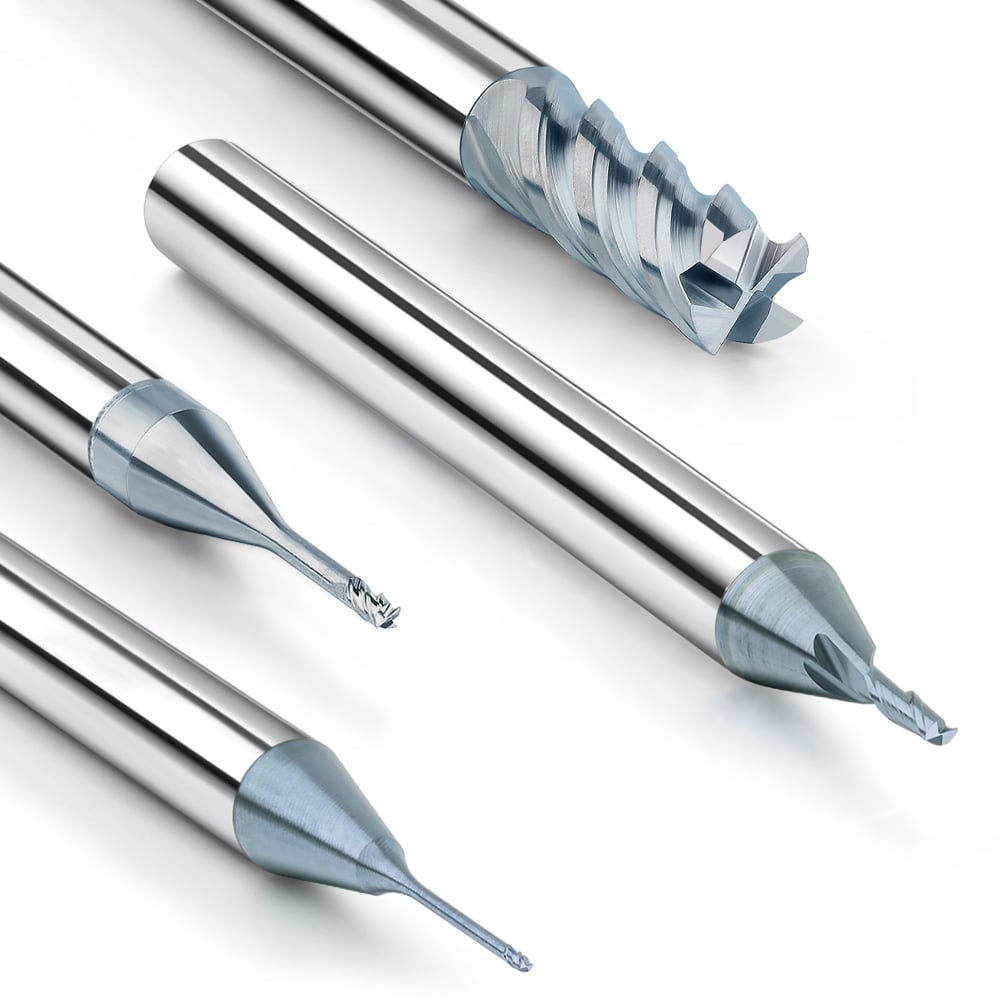
In the manufacturing of medical device components, edge quality plays a critical role in assembly reliability, operational safety, and regulatory compliance. For high-precision medical parts produced with strict repeatability requirements, chamfered edges must meet elevated standards for dimensional consistency, surface integrity, and machining stability. Under these conditions, chamfer milling tools have become essential cutting instruments in medical device machining operations.
Medical device components are typically characterized by fine features, tight tolerances, and demanding batch-to-batch consistency requirements. When chamfer milling tools are applied correctly, burr formation, sharp edges, and assembly interference can be effectively minimized while maintaining precise control over chamfer dimensions. Compared with general-purpose cutting approaches, dedicated chamfering tools provide a more stable cutting engagement during edge processing, allowing chamfer angles and widths to remain highly consistent and aligned with medical manufacturing standards.
In practical machining applications, 45 degree chamfer cutters are widely used for standard edge preparation on medical device components. This chamfer geometry helps establish uniform assembly interfaces while simplifying quality inspection and process control. For parts featuring complex contours, intersecting internal and external edges, or confined machining areas, corner chamfer end mills offer clear advantages. These tools enable precise local chamfer control and help prevent overcutting, making them especially suitable for multi-axis machining environments and high-precision component manufacturing.
As medical device designs continue to diversify, standard tooling solutions are not always sufficient to meet specific machining requirements. In such cases, working with an experienced custom chamfer milling cutter manufacturer to develop application-specific tooling becomes an effective strategy for improving machining efficiency and process stability. Customized chamfering solutions can reduce tool changes, streamline machining operations, and ensure consistent edge quality across production runs.

Core Requirements of Chamfering Processes in Medical Device Machining
In high-precision medical device manufacturing, chamfering is not merely a secondary finishing step but a critical process that directly supports part functionality and assembly reliability. Medical components often feature small dimensions, complex geometries, and strict tolerance limits, making edge treatment a decisive factor in final part quality. Proper chamfering reduces risks associated with sharp edges while enhancing part durability and user comfort.
During machining, a well-defined chamfer design combined with precise cutting control ensures smooth, uniform, and burr-free edges. By optimizing tool geometry, cutting depth, and feed rate, a stable chamfering process can be achieved, maintaining consistency across large production volumes. This prevents assembly interference or functional failures caused by edge variation. From a production standpoint, high-quality chamfering also reduces downstream deburring and polishing requirements, improving overall manufacturing efficiency.
Strict Standards for Edge Safety in Medical-Grade Parts
Medical components frequently come into direct contact with the human body or must interface precisely with mating parts, requiring exceptionally high standards for edge safety. Sharp or irregular edges can cause puncture injuries, abrasion, or localized stress concentrations that compromise part performance. Effective chamfering eliminates these risks while preserving functional dimensions, producing smooth, rounded, and consistent edges.
Different materials demand tailored chamfering approaches. Stainless steel, titanium alloys, and polymer-based components each respond differently to cutting forces and heat generation. Adjusting chamfering strategies accordingly ensures that edge strength and surface integrity meet medical-grade requirements.
The Impact of Chamfer Consistency on Assembly and Functional Reliability
Edge consistency directly affects assembly accuracy and long-term device performance. Variations in chamfer size or angle on interface components—such as catheter connectors, threaded fittings, or mating surfaces—can result in uneven clearances or increased friction. These issues may compromise reliability over extended use.
By precisely controlling cutting depth, feed rate, and toolpath strategy, consistent chamfer dimensions can be maintained throughout batch production. This level of control reduces assembly variation and helps ensure predictable, reliable component performance.
The Relationship Between Chamfer Quality, Cleanliness, and Surface Integrity
Chamfer surface finish and integrity are particularly important in medical manufacturing environments. Rough or burred edges not only degrade appearance but may also trap contaminants, microorganisms, or residual debris, reducing the effectiveness of cleaning and sterilization processes.
High-quality chamfers should exhibit uniform geometry, smooth surface texture, and crack-free edges. Selecting appropriate tool designs, cutting parameters, and wear-resistant coatings improves edge finish while reducing the need for secondary processing and cleaning, ultimately preserving surface integrity.
The Role of Chamfer Milling Tools in CNC Machining of Medical Devices
Precise edge processing in medical device machining directly influences assembly accuracy, part functionality, and patient safety. Purpose-built chamfering tools enable efficient burr removal, edge trimming, and corner smoothing, significantly enhancing overall part quality.
In high-precision production environments, stable cutting performance ensures consistent chamfer dimensions and reduces reliance on manual finishing and post-process inspection. For medical components made from various materials and featuring complex geometries, optimized toolpath planning and cutting parameters allow burr-free edge processing without sacrificing productivity, providing a reliable foundation for subsequent assembly and functional performance.
Application of Chamfer Milling Tools in Deburring and Edge Trimming
Deburring is a critical step in precision medical machining. High-accuracy chamfering tools allow edge trimming and burr removal to be completed in a single operation, eliminating residual sharp edges and irregular tool marks.
When machining thin-walled components or small-diameter features, specialized tools help control cutting forces and vibration, producing smooth, uniform edges while minimizing deformation caused by machining stress. This approach improves part safety and significantly reduces labor associated with downstream cleaning and inspection.
The Significance of Stable Chamfering for Dimensional Control of Medical Devices
Medical components often require extremely tight assembly tolerances. Stable chamfering ensures that edge dimensions remain within specification across all parts, supporting accurate interface alignment and consistent system performance.
Through optimized tool geometry, cutting depth, and feed rate control, chamfer width and angle can be maintained throughout production runs. This consistency reduces assembly-related issues and lowers the risk of functional deviations during inspection and use.
Reducing Secondary Manual Processing and Its Contribution to Compliance
Manual edge finishing increases production time and cost while introducing variability that may affect surface quality and cleanliness. By achieving precise chamfering during initial machining, the need for secondary manual processing is significantly reduced.
This approach improves production efficiency, minimizes human-induced variability, and supports compliance with stringent medical industry certification and regulatory requirements. Over time, reduced manual intervention leads to more consistent part quality and enhanced process reliability.
Typical Applications of 45 Degree Chamfer Cutters in Medical Device Parts
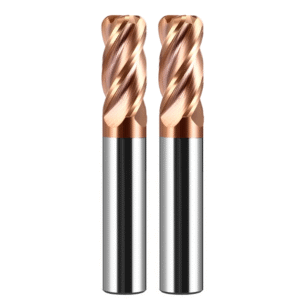
Standardized chamfering plays a vital role in achieving reliable interface fit, assembly precision, and surface quality in medical device components. A 45-degree chamfer geometry provides smooth, uniform edges while maintaining dimensional accuracy, making it well-suited for a wide range of medical applications.
This chamfer angle performs consistently across materials such as stainless steel, titanium alloys, and polymer composites, supporting stable and repeatable machining in batch production. By optimizing tool diameter, cutting depth, and feed rate, manufacturers can improve machining efficiency while reducing secondary finishing and inspection steps.
Advantages of 45-Degree Chamfer Cutters in Standard Interfaces and Assembly Edges
Standard interface components—such as catheter connectors, threaded joints, and mounting plates—benefit from consistent 45-degree edge preparation. This geometry reduces assembly friction, improves fit accuracy, and minimizes the risk of damage caused by sharp edges.
Uniform chamfers also support reliable alignment in automated assembly systems. Compared with general-purpose cutting methods, dedicated 45-degree tools deliver superior repeatability and machining stability, even on small or thin-walled parts.
Impact of 45-Degree Chamfering on Repeatable Machining Results
In high-volume medical device manufacturing, repeatability is critical. The 45-degree chamfer geometry enables consistent edge dimensions across multiple production batches, reducing variation caused by tool wear or cutting fluctuations.
With precise control over toolpaths, feed rates, and cutting depth, chamfer angle and width remain uniform from part to part. This consistency supports reliable assembly, inspection, and downstream cleaning and sterilization processes.
Why 45-Degree Chamfering Is Well-Suited for Batch Medical Parts Production
The 45-degree chamfer offers several advantages in mass production environments. Its geometry accommodates a wide range of standard interfaces, reducing the need for frequent tool changes. Stable cutting characteristics support long machining cycles with minimal operator intervention. Additionally, this approach balances machining speed with surface quality, delivering smooth edges while maintaining efficient cycle times.
Given the tight tolerances and safety requirements of medical components, 45-degree chamfering provides an effective combination of productivity, quality, and functional reliability.
The Machining Value of Corner Chamfer End Mills in Complex Medical Parts
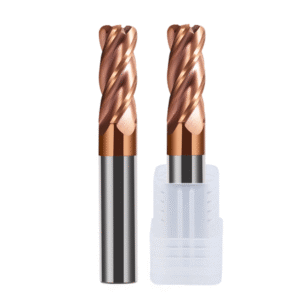
In the machining of complex medical device components, parts often include multiple internal corners, contoured surfaces, intersecting features, and micro-sized geometries. These characteristics place exceptionally high demands on edge chamfering accuracy, cutting stability, and process control. Specialized edge-finishing tools enable precise chamfering in confined areas while preserving the structural integrity of delicate features.
By optimizing cutting edge geometry, tool paths, and feed strategies, complex contour edges can be chamfered consistently without overcutting or surface damage. This approach is particularly effective for thin-walled structures and miniature components, where dimensional variation or deformation can directly affect part functionality. Reliable chamfering not only improves batch consistency but also reduces downstream manual finishing, supporting the stringent safety, reliability, and quality standards required in medical device manufacturing.
Capability in Processing Internal Corners and Contour Edges
Internal corners and complex contour transitions are among the most challenging areas to chamfer accurately. Conventional tools often struggle to maintain uniform edge geometry in these regions, especially in deep cavities or small-radius features. Purpose-designed cutting tools allow precise engagement at internal angles, producing consistent chamfer widths and angles even in confined spaces.
Optimized tool tip geometry and cutting edge layout help minimize vibration and deflection during machining. This results in smooth, clean edges with reduced burr formation, even in small holes or intricate internal features. Improved edge quality enhances part safety, reduces inspection workload, and supports higher overall process stability.
Path Stability in Multi-Axis CNC Machining
In multi-axis CNC machining of medical components, tool path stability is a critical factor in achieving consistent chamfer quality. When machining complex surfaces or intersecting edges, unstable tool engagement can lead to chatter, inconsistent edge geometry, or localized surface defects.
Through optimized cutting strategies and controlled feed rates, stable tool engagement can be maintained throughout the machining cycle. This ensures uniform chamfering across all edges, even on complex 3D contours. The result is high repeatability in batch production, balanced machining efficiency, and reliable surface quality that supports precise assembly and long-term functional performance.
Tool Control Considerations for Small and Thin-Walled Parts
Chamfering small or thin-walled medical components introduces risks such as deformation, edge chipping, or excessive cutting forces. Careful control of tool diameter, cutting edge length, and cutting angle is essential to minimize machining stress.
By selecting appropriate cutting depths and feed rates, and maintaining precise control of tool contact angles, cutting forces can be evenly distributed. This approach ensures smooth, uniform chamfers while preserving tight dimensional tolerances. Such control is especially important in high-volume production of miniature medical parts, where consistency and stability directly impact product performance and yield.

Requirements for Chamfering Common Medical Device Materials
Medical devices are manufactured from a wide range of materials, including stainless steel, titanium alloys, polymers, and composite materials. Each material exhibits unique mechanical properties, thermal behavior, and cutting characteristics, all of which influence chamfering stability and surface quality.
High-strength metallic materials demand rigid, wear-resistant tooling to maintain edge consistency, while softer or more flexible materials require reduced cutting forces and carefully controlled tool engagement to prevent deformation. Matching tool geometry, coatings, and cutting parameters to material behavior is essential for achieving consistent edge quality, dimensional accuracy, and production efficiency in medical device manufacturing.
Chamfering Control in Stainless Steel Medical Parts
Stainless steel is widely used in surgical instruments, implants, and precision interface components due to its strength and corrosion resistance. However, it is prone to work hardening and burr formation during machining.
Effective chamfering of stainless steel requires wear-resistant, coated cutting tools combined with optimized feed rates and cutting depths. Proper tool geometry helps reduce cutting vibration and heat buildup, improving chamfer consistency and surface smoothness. Controlled edge machining reduces burr formation and provides a stable foundation for subsequent assembly and surface finishing processes.
Tool Strength Requirements for Titanium Alloy Components
Titanium alloys are commonly used in implantable devices and high-performance surgical tools due to their biocompatibility and strength-to-weight ratio. These materials concentrate cutting forces and generate heat during machining, placing high demands on tool rigidity and wear resistance.
Using high-quality coated carbide tools and carefully controlling cutting speed and feed rate allows for smooth, uniform chamfering while extending tool life. Proper control minimizes machining stress and reduces the risk of micro-deformation, ensuring reliable edge geometry and long-term functional performance.
Edge Machining Characteristics of Polymer and Composite Components
Polymers and composite materials are frequently used in catheters, connectors, and flexible medical components. These materials are susceptible to melting, stringing, or tearing during machining, which can compromise edge quality.
Achieving clean chamfers requires sharp cutting edges, low cutting forces, and shallow cutting depths. Optimized feed strategies and tool paths help produce smooth, burr-free edges while minimizing heat-affected zones and deformation. Proper edge machining improves part functionality, cleanliness, and overall manufacturing stability.

Achieving Chamfering Accuracy and Consistency in Medical Device Machining
Chamfer accuracy and consistency are critical for reliable assembly and functional performance of medical components. Even minor deviations in chamfer size or angle can result in uneven fits, increased friction, or assembly interference.
Through appropriate tool selection, optimized cutting parameters, and precise path planning, highly repeatable chamfering results can be achieved in mass production. High-quality edge machining reduces secondary deburring, inspection, and rework, improving overall production efficiency and process stability.
Controlling Chamfer Dimensions Through Tool Design
Maintaining consistent chamfer dimensions requires stable tool engagement and precise control of cutting depth. Properly designed tools with suitable diameters and edge geometry ensure a predictable contact point during machining.
When combined with optimized feed rates and cutting speeds, this approach minimizes burr formation and prevents localized overcutting. As a result, chamfer width and angle remain within tolerance across large production batches, supporting consistent assembly quality.
Influence of Tool Geometry on Chamfer Angle Stability
Tool geometry—including rake angle, relief angle, cutting edge profile, and number of flutes—directly affects chamfer angle stability. Well-designed geometry reduces cutting force fluctuations and vibration, improving dimensional consistency.
This is particularly important for thin-walled or contoured components, where excessive force can cause deformation. Proper tool material selection and coatings also contribute to heat control and tool life, ensuring repeatable results during extended production runs.
Reducing Chamfer Size Variation in Mass Production
In high-volume manufacturing, chamfer variation can result from tool wear, inconsistent clamping, or changing cutting conditions. Regular tool monitoring, optimized fixturing, and controlled cutting parameters are essential to minimizing deviation.
Additional strategies such as segmented machining, tool path simulation, and controlled depth adjustments further improve consistency. These measures reduce scrap rates, limit rework, and enhance overall machining reliability.
The Value of Custom Chamfering Tool Manufacturers in Medical Projects
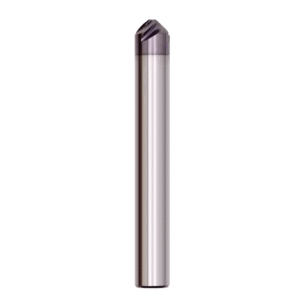
Medical device components often feature non-standard geometries and demanding quality requirements that exceed the capabilities of off-the-shelf tooling. Custom-developed solutions enable precise control over chamfer size, angle, and surface quality for complex designs.
By collaborating with experienced tooling specialists, manufacturers can achieve stable, repeatable edge machining tailored to specific materials and part geometries. Customized solutions reduce tool changes, streamline machining processes, and support consistent quality in both prototype and mass production environments.
Demand for Custom Solutions in Non-Standard Medical Components
Many medical parts include micro-features, thin walls, or complex contours that standard tooling cannot handle effectively. Custom-designed tools address these challenges by matching cutting geometry to the exact part profile.
This approach ensures precise edge finishing in a single operation, reducing burr formation and deformation risks while maintaining strict dimensional control. Customized solutions enhance part safety and functional reliability during assembly and use.
Matching Tools to Customer Drawings and Specifications
Professional tooling manufacturers analyze customer drawings, tolerances, and material requirements to design optimized cutting solutions. Factors such as wall thickness, internal and external corner geometry, and allowable chamfer size are carefully evaluated.
Small-batch trial machining is typically conducted to validate tool performance and fine-tune cutting parameters. This process ensures that the final tool meets production requirements while minimizing development time and cost.
Reducing Tool Changes and Machining Steps with Custom Designs
Custom-designed tools often combine multiple chamfering functions into a single operation, significantly reducing tool changes and machine downtime. This improves machining efficiency and lowers the risk of operator-induced errors.
Stable cutting performance also reduces the need for secondary finishing and rework, resulting in improved surface quality, tighter dimensional control, and a more efficient production workflow for medical device manufacturing.
Selection Logic for Chamfering Tools in Medical Device CNC Machining
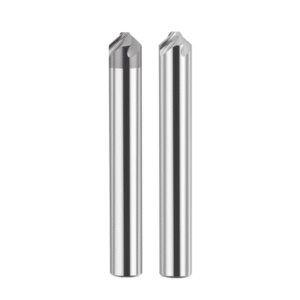
In medical device CNC machining, selecting the appropriate chamfering tools is a critical factor in achieving stable processing, accurate edge geometry, and reliable part functionality. Tool selection must consider part structure, material properties, chamfer angle requirements, and production volume. By evaluating part geometry, internal and external corner features, and assembly interfaces in combination with machining conditions and tool performance, manufacturers can establish an optimized chamfering solution that ensures consistent results.
A well-defined tool selection strategy helps reduce rework, minimize secondary finishing, and improve dimensional consistency in mass production. In addition, factors such as tool life, cutting force control, and surface finish must be considered to ensure stable and repeatable edge machining that meets the strict quality requirements of medical device manufacturing.
Selecting Chamfering Tool Types Based on Part Structure
Different part structures impose distinct requirements on chamfering tools. Thin-walled components and small-hole features require tools with high rigidity and sharp cutting edges to prevent deformation or edge chipping. Parts with complex contours or varying internal and external corners require tool geometries capable of adapting smoothly to curved surfaces while maintaining uniform chamfer dimensions.
By analyzing wall thickness, corner radii, interface geometry, and edge length, manufacturers can select chamfering tools that deliver precise, stable edge machining. Proper tool selection reduces burr formation, limits cutting damage, and ensures consistent chamfer quality across all features of the part.
Application Differences Between 45 Degree Chamfer Cutters and Corner Chamfer End Mills
Chamfering tools with a 45-degree cutting angle are well suited for standard interfaces, straight edges, and high-volume production. Their primary advantages include high machining efficiency, stable cutting behavior, and excellent chamfer consistency, making them ideal for parts with uniform angle requirements.
Corner chamfer end mills, by contrast, are better suited for complex internal corners, contoured profiles, and intersecting edges. These tools allow precise edge finishing in localized areas, ensuring smooth and uniform chamfers on both internal and external features. Selecting between these tool types should be based on chamfer location, part geometry complexity, and production volume to achieve high-quality, repeatable results.
Relationship Between Tool Size, Tolerance, and Machining Stability
Tool diameter, cutting edge length, edge angle, and tool material hardness directly affect chamfering accuracy and process stability. Tools that are improperly sized can result in uneven cutting forces, edge chipping, or inconsistent chamfer dimensions. Insufficient cutting edge length may also limit chamfer depth and machining range.
By matching tool size precisely to part geometry and controlling tolerances through optimized cutting parameters, chamfering stability and repeatability can be significantly improved. Appropriate tool coatings and rigid tool designs further enhance tool life and reduce quality fluctuations during extended production runs, providing reliable support for medical device manufacturing.
Quality Control and Stability Assurance in Chamfering Processes
In medical device production, chamfer quality directly impacts assembly accuracy, product safety, and functional reliability. High-quality edge machining requires consistent chamfer dimensions, smooth surface finishes, and burr-free edges. Achieving this level of quality demands careful control of tool selection, machining parameters, tool paths, and overall process management.
Through systematic quality control and process optimization, manufacturers can maintain consistent chamfering performance in mass production. This reduces scrap rates, limits rework, and improves overall production efficiency, ensuring that medical device components meet stringent regulatory and performance requirements.
Ensuring Chamfer Quality Through Tool Consistency
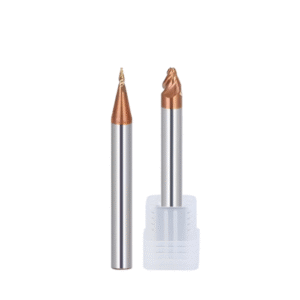
Tool consistency is fundamental to maintaining stable chamfer dimensions and uniform surface quality. Using tools with consistent geometry, material composition, and cutting edge quality minimizes variations caused by cutting force fluctuations and tool wear.
In high-volume production, maintaining consistent tool positioning and sharp cutting edges ensures uniform chamfer results across all parts. Regular tool inspection and timely replacement further prevent defects such as uneven edges or burr formation, helping maintain stable and repeatable machining quality.
Machining Strategies to Reduce Burrs and Edge Defects
Burrs and edge defects commonly occur during chamfering, particularly in thin-walled components, micro-features, or hard materials. These issues can be mitigated by optimizing cutting speed, feed rate, and cutting depth to reduce vibration and cutting stress.
Selecting appropriate tool geometries and wear-resistant coatings helps lower friction and control heat generation, improving edge finish and reducing the risk of surface cracking or chipping. These strategies minimize secondary finishing requirements and manual intervention, resulting in higher efficiency and more consistent edge quality.
Common Problems and Practical Solutions in Medical Device Chamfering
Typical chamfering challenges include dimensional deviations, burr formation, uneven surface roughness, and deformation of thin-walled parts. Effective solutions include:
-
Tool Optimization: Use high-rigidity, wear-resistant tools to maintain stable cutting forces
-
Parameter Adjustment: Set cutting depth, feed rate, and cutting speed according to material properties and part geometry
-
Fixture Control: Ensure secure part clamping to prevent vibration or movement during machining
-
Path Planning: Optimize tool paths to reduce repeated cutting and avoid overcutting
-
Quality Monitoring: Conduct regular inspections and in-process adjustments to maintain dimensional and surface quality standards
Implementing these measures improves chamfering stability and ensures reliable performance during assembly, use, cleaning, and sterilization.
Key Aspects of Collaboration with Custom Chamfering Milling Cutter Manufacturers
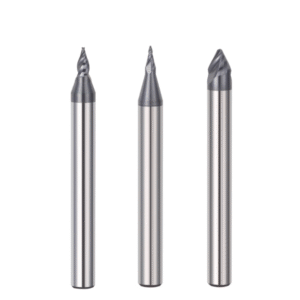
In medical device machining, complex geometries and high-precision edge requirements often exceed the capabilities of standard tooling. Collaboration with experienced custom chamfer milling cutter manufacturers becomes essential to achieving reliable chamfering performance.
Effective collaboration ensures that tool designs closely match part requirements, improves machining efficiency, and supports consistent quality in mass production. Key elements include technical communication, trial validation, and long-term supply stability. Together, these factors help reduce machining risk while ensuring part safety, dimensional accuracy, and surface integrity.
Key Parameters for Technical Communication in Medical Device Projects
Clear and detailed technical communication is critical during the early stages of custom tool development. Information such as part drawings, material specifications, chamfer dimensions, tolerance requirements, and production volumes should be clearly defined.
Based on the chamfering requirements of different materials—such as stainless steel, titanium alloys, and polymers—tool manufacturers can optimize cutting edge geometry, edge angles, and coating selection. Thorough communication minimizes development cycles, reduces trial costs, and ensures stable machining performance.
Role of Chamfer Milling Testing and Small-Batch Verification
Before full-scale production, tool testing and small-batch verification are essential to confirm chamfering accuracy and edge quality. By simulating actual machining conditions, tool performance can be evaluated across different materials, thin-walled features, and complex contours.
This validation process confirms chamfer consistency, surface finish, and burr control. It also allows for fine-tuning of tool geometry and machining parameters, reducing the risk of defects during mass production and ensuring stable, repeatable results.
Importance of Long-Term Stable Chamfer Milling Tools Supply
Medical device manufacturing requires continuous production and strict quality control. Establishing a long-term, stable supply relationship with a custom tool manufacturer ensures consistent tool geometry and cutting performance over time.
Stable tool supply reduces process variation, prevents unexpected downtime, and supports consistent assembly accuracy and surface quality. Combined with strict chamfering requirements and high-precision machining standards, long-term supplier stability provides reliable support for medical device production while minimizing operational risk and overall manufacturing cost.