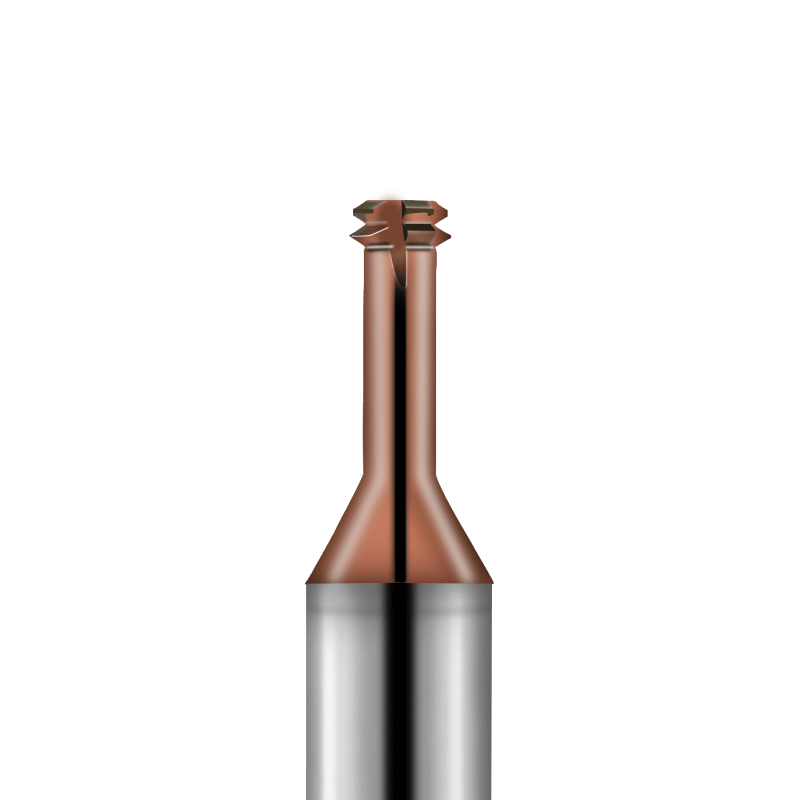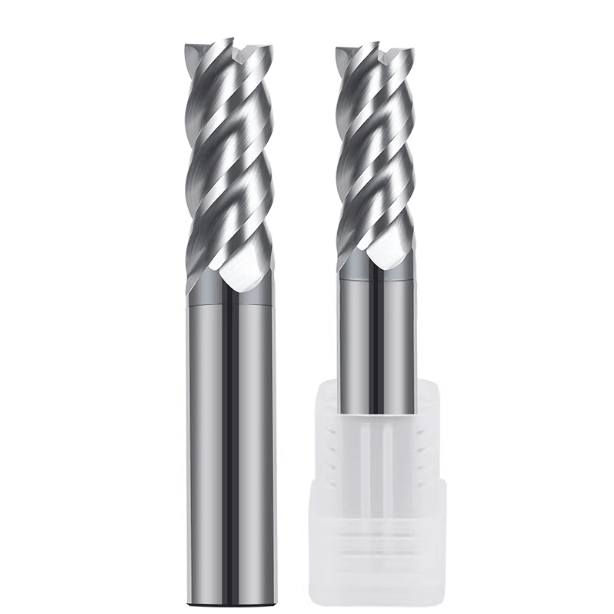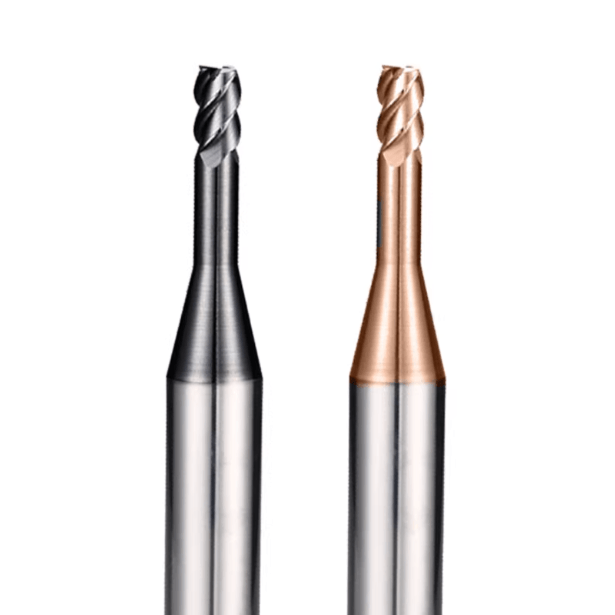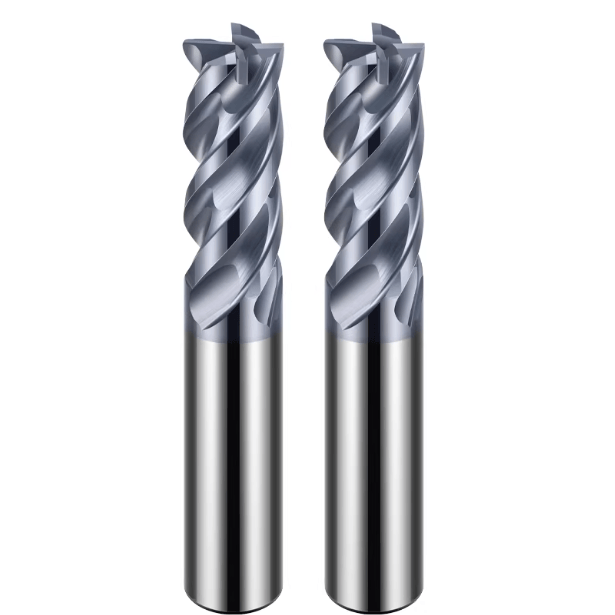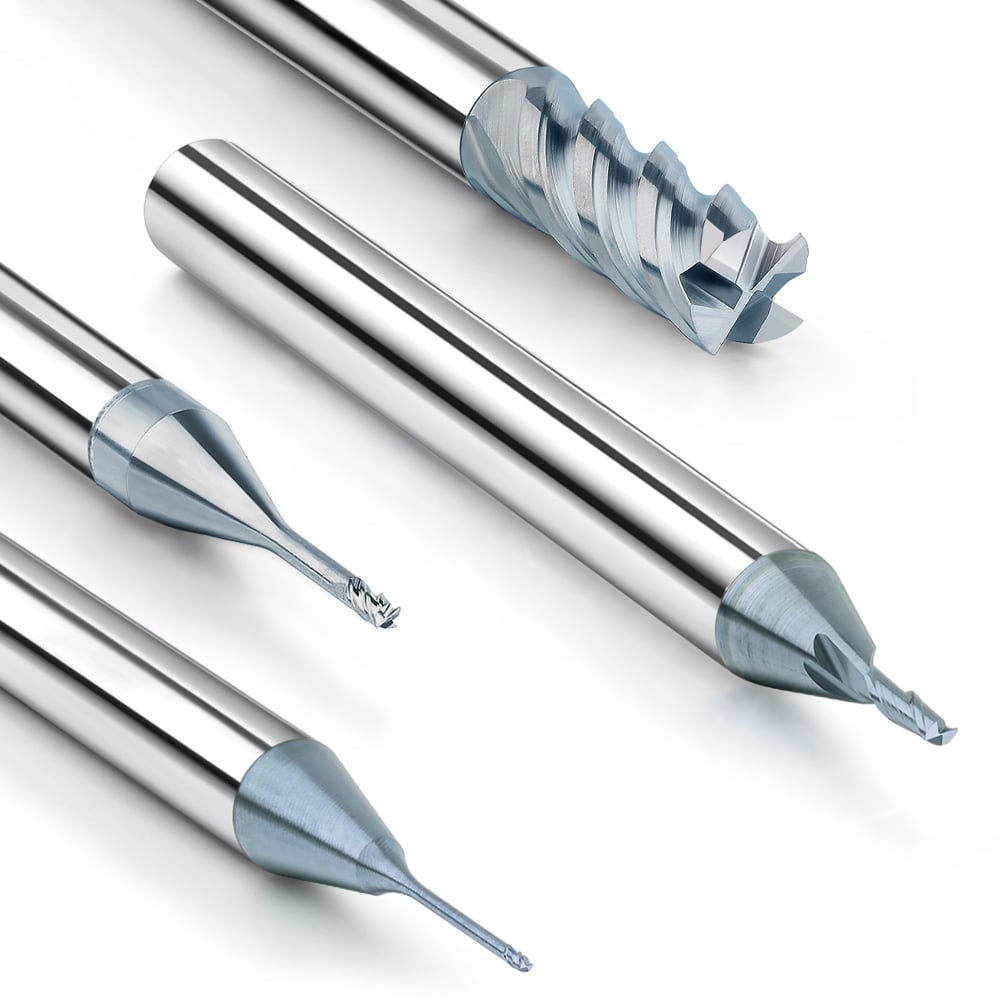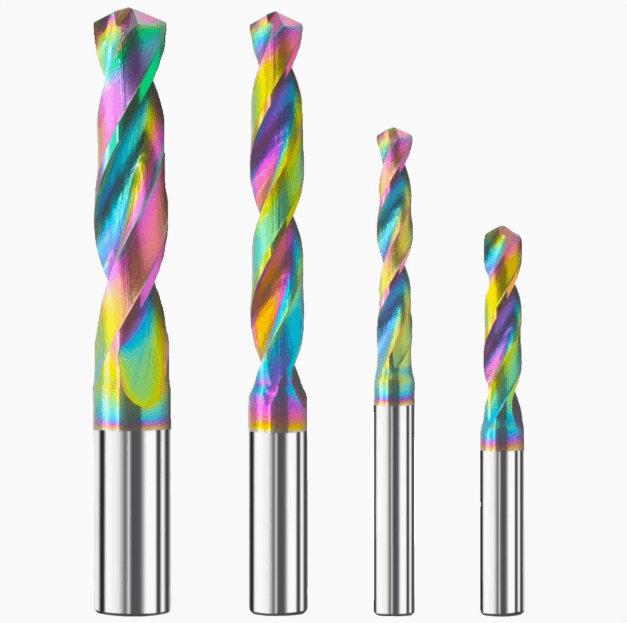
Amid the continuous evolution of global manufacturing, aluminum drill bits have become indispensable in precision metalworking. With the rising demand for high-efficiency, high-accuracy machining in industries such as aerospace, automotive, electronics, and mold making, selecting the right drill bit not only determines machining efficiency but also directly impacts surface finish and dimensional stability. In this field, Chinese aluminum drill bit manufacturers are emerging as preferred partners for global buyers due to their advanced production technology, rich process experience, and exceptional cost performance.
Currently, the most common aluminum drill bits on the international market can be broadly categorized into two materials: carbide and high-speed steel (HSS). Each offers unique advantages for aluminum drilling. Carbide drill bits, known for their high wear resistance and superior heat dissipation, are ideal for long-term, high-speed, high-precision aluminum alloy machining. Conversely, HSS drill bits are valued for their economy and easy regrinding, making them suitable for small to medium production runs or general aluminum drilling. Choosing the right tool material—considering workpiece characteristics, spindle speed, and production cost—is key to maximizing overall machining efficiency.
Moreover, the design of flute geometry has been continuously refined. The difference between 2-flute and 3-flute aluminum drill bits in chip evacuation and hole wall precision allows tool manufacturers to tailor solutions for specific machining conditions. 2-flute drill bits excel in high-speed cutting and fast chip removal, while 3-flute designs provide a balance between rigidity and hole finish, making them ideal for precision drilling and multi-axis CNC applications.
As automation and intelligent manufacturing advance, the demand for CNC drill bits for aluminum machining continues to grow. Many Chinese manufacturers are investing in five-axis CNC grinders, automated inspection systems, and advanced coating technology to enhance tool consistency and durability. From raw material selection to geometry design and coating application, Chinese aluminum drill bit suppliers have reached a level that competes with leading international brands.
Global Demand Trends for High-Performance Drill Bits in Aluminum Machining
As manufacturing shifts toward lightweight, efficient, and intelligent production, global demand for high-performance aluminum drill bits continues to rise. Aluminum alloys—renowned for their light weight, high strength, and excellent machinability—are now essential materials for aerospace structures, automotive components, electronic housings, and precision molds.
However, aluminum’s ductility, high thermal conductivity, and tendency to adhere to cutting edges pose unique machining challenges. This has driven growing demand for specialized CNC drill bits, including 2-flute and 3-flute designs optimized for aluminum drilling.
High-performance tools not only shorten drilling time and reduce tool wear but also improve hole wall smoothness and dimensional precision, resulting in higher production efficiency. In sectors such as aerospace and electric vehicles, drill bit quality directly affects production yield and component reliability.
The CNC Machining Industry’s Dependence on High-Precision Aluminum Drill Bits
In precision manufacturing, CNC aluminum drilling plays a pivotal role. With the widespread adoption of multi-axis machine tools and automatic tool changers, tool stability and consistency are more critical than ever. High-precision aluminum drill bits maintain exceptional accuracy and durability under high-speed, continuous machining conditions.
Chinese manufacturers have made remarkable progress by refining cutting edge geometry, improving coating technologies , and adopting micron-grain carbide materials. These advancements enable Chinese drill bits to meet stringent aerospace and mold-grade requirements—often matching or exceeding European and American standards.
Lightweight Manufacturing and Aerospace Demand Growth
The global shift toward lightweight engineering has fueled rising demand for high-strength aluminum alloys such as 6061 and 7075. These materials, commonly used in aerospace, rail transport, and EV applications, require specialized drill bits offering excellent chip evacuation and anti-stick properties.
Here, the debate of carbide vs HSS for aluminum drilling becomes especially relevant. Carbide drill bits deliver superior durability and thermal resistance for high-speed, long-run machining, while HSS remains a practical choice for lower-volume or prototype production due to its affordability and regrindability. This balanced approach drives a diversified global cutting tool market.
Why More Overseas Buyers Are Choosing Chinese Drill Bit Manufacturers
In recent years, international buyers have increasingly turned to Chinese aluminum drill bit suppliers—not just for price competitiveness but also for significant improvements in manufacturing quality and reliability.
Chinese manufacturers boast vertically integrated supply chains, from carbide powder metallurgy and CNC grinding to automated inspection and PVD coating. Combined with flexible customization, they can quickly respond to diverse global machining needs.
Leading Chinese brands are also well-versed in international standards and testing protocols, offering cost-effective solutions comparable to major global competitors. This blend of near-international performance at competitive pricing is a key reason why overseas buyers continue to favor Chinese drill bit manufacturers.
Competitive Advantages of Chinese Aluminum Drill Bit Manufacturers
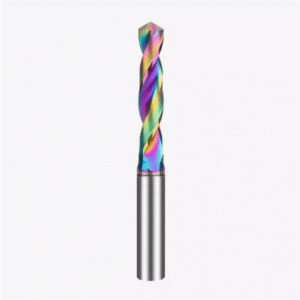
Chinese manufacturers have built strong global competitiveness through advancements in material R&D, tool geometry design, and automated CNC production. Their ability to produce both standard and customized CNC drill bits for aluminum machining—such as 2-flute, 3-flute, or coated versions—positions them as full-solution providers for modern machining needs.
With a mature supply chain and scalable production, Chinese manufacturers now deliver a balanced advantage in tool performance, cost, and lead time, making them ideal partners for long-term cooperation in the international market.
Material R&D and Tool Geometry Optimization
Top-tier Chinese manufacturers have developed advanced expertise in carbide and HSS metallurgy. Using ultra-fine tungsten carbide powder, they significantly enhance tool hardness and toughness. In carbide vs HSS for aluminum drilling, carbide consistently outperforms in wear resistance and thermal stability under high-speed operations.
Meanwhile, geometry design—such as optimized rake and clearance angles, improved flute polish, and specialized coatings —further enhances cutting performance. The result is a tool that delivers excellent chip evacuation, reduced aluminum adhesion, and extended tool life.
High-Precision CNC Grinding and Automated Inspection
Chinese factories employ advanced five-axis CNC grinders to achieve micron-level accuracy in CNC aluminum drill bit production. Automated optical inspection and CMM systems ensure consistency in edge geometry, runout, and flute design. Some plants even feature real-time compensation systems that automatically adjust tool profiles during production, guaranteeing uniform quality.
This combination of precision machining and intelligent inspection has earned Chinese aluminum drill bits a strong reputation for stability and reliability in global markets.
Comprehensive Advantages in Price, Lead Time, and Service
Beyond technology and quality, Chinese manufacturers offer notable strengths in pricing, lead time, and after-sales support. Thanks to efficient supply chains and lean production systems, they can deliver premium-quality aluminum drill bits at competitive prices with shorter turnaround times.
Many manufacturers also provide technical consulting, regrinding, and recoating services, helping customers lower operating costs and extend tool life. This “technology + cost + service” synergy has positioned Chinese suppliers as strategic, long-term partners for global CNC machining companies.
Mainstream Materials and Performance Comparison of Aluminum Drill Bits
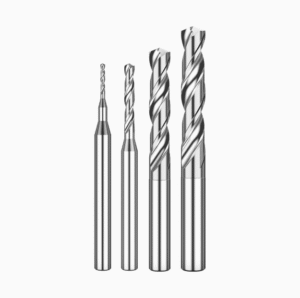
In aluminum alloy machining, the drill bit material directly determines machining efficiency, hole wall finish, and tool life. The two mainstream materials used for aluminum drill bits are carbide and HSS. With the widespread use of CNC drill bits for aluminum machining, the differences between these materials have become increasingly evident in terms of cutting performance, heat dissipation, and cost control.
Carbide drill bits are renowned for their high hardness, wear resistance, and thermal stability, making them suitable for high-speed, high-precision, and long-cycle mass production. In contrast, HSS drill bits provide better toughness and affordability, remaining practical for medium-speed machining and small-batch production.
Understanding the performance characteristics and application ranges of each material helps manufacturers select the most cost-effective tool based on working conditions—such as spindle speed, feed rate, aluminum type, and cooling method—thereby improving productivity and machining quality.
Actual Differences Between Carbide and HSS in Aluminum Drilling
When comparing carbide vs HSS for aluminum drilling, the primary distinctions lie in cutting speed, wear resistance, heat tolerance, and tool life.
Carbide drill bits, made from micron-grain tungsten carbide, typically achieve a hardness above HRA90. They maintain sharp cutting edges under high-speed conditions, making them ideal for machining aerospace aluminum alloys, die-cast aluminum, and high-silicon aluminum. Their main advantages include:
-
Excellent wear resistance and heat dissipation, suitable for high-speed machining
-
Minimal deformation, ensuring hole accuracy and superior surface roughness
-
Outstanding stability in automated and continuous drilling operations
By contrast, HSS drill bits offer higher toughness and impact resistance, making them suitable for low-speed or intermittent cutting. They are inexpensive and easily resharpened, remaining popular among small and medium-sized manufacturers. However, in high-speed CNC drilling environments, HSS bits tend to wear faster and have a shorter lifespan.
In summary, carbide drill bits are the optimal choice for mass production and precision drilling, while HSS drill bits remain competitive for cost-sensitive or pilot production scenarios.
How to Choose the Right Tool Material for Different Applications
Selecting the appropriate tool material requires a balanced consideration of workpiece characteristics, machine tool capability, production volume, and budget:
-
High-strength or silicon-rich aluminum alloys: Use carbide aluminum drill bits to maintain sharpness and prevent chip adhesion under high-speed conditions.
-
Standard aluminum materials or low-speed equipment: HSS aluminum drill bits provide cost-effective, easy-to-maintain solutions for prototype and small-batch production.
-
CNC automated batch production: Choose carbide CNC drill bits for aluminum machining with integrated cooling channels to improve stability and lifespan.
-
Complex geometries or deep holes: Select coated carbide drill bits to reduce friction and heat buildup, enhancing hole surface quality.
Matching the tool material and flute geometry with appropriate cutting speed, feed rate, and lubrication ensures the best cutting performance and economic efficiency.
Performance of Carbide Drill Bits in High-Speed Aluminum Alloy Machining
In high-speed machining, carbide aluminum drill bits demonstrate superior performance due to their mechanical strength and thermal stability.
Their high hardness and low thermal expansion allow them to maintain a sharp edge even at high rotational speeds, minimizing aluminum chip adhesion. Combined with optimized 2-flute or 3-flute designs, these tools achieve efficient chip evacuation and excellent hole wall quality.
In CNC aluminum drilling, carbide drill bits can sustain spindle speeds exceeding 20,000 RPM. When combined with DLC or TiAlN coatings, they further reduce cutting friction and improve heat dissipation.
These features make carbide drill bits ideal for aerospace structural parts, automotive engine housings, and electronic heat sinks, where high precision and cycle time reduction are critical. Their stability, long tool life, and surface control have made them the mainstream choice for high-end aluminum machining, pushing Chinese drill bit manufacturers to continuously innovate materials and refine production processes.
Tool Design: Application Strategies for 2 Flute and 3 Flute Aluminum Drill Bits
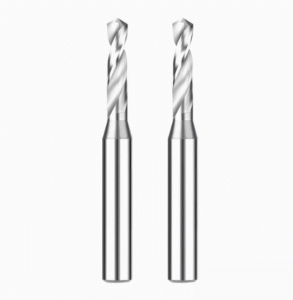
In aluminum drilling, the number of flutes directly impacts chip evacuation efficiency, surface finish, machining stability, and tool life. The choice between 2-flute and 3-flute aluminum drill bits is therefore a key factor influencing cutting performance.
Chinese aluminum drill bit manufacturers typically optimize cutting geometry—including helix angle, flute width, and point angle—to achieve the best balance between chip evacuation and hole stability. Such refinements minimize vibration, reduce chip adhesion, and enhance high-speed drilling performance for CNC aluminum machining.
Advantages of 2 Flute Drill Bits in High Chip Evacuation Scenarios
The 2-flute aluminum drill bit is the most common design for aluminum machining due to its excellent chip evacuation capability and machining speed. Its wide flute spacing allows chips to exit the cutting zone rapidly, preventing built-up edge formation or surface scratches.
This design is ideal for high-speed, high-feed applications such as automotive parts, molds, brackets, and aluminum structural components.
Additionally, the smaller contact area reduces friction and heat generation, effectively preventing chip adhesion and extending tool life. When paired with carbide aluminum drill bits, the 2-flute design maximizes efficiency and consistency—making it the go-to solution for mass-production CNC machining environments.
The Role of 3-Flute Drill Bits in Accuracy and Surface Quality
3-flute aluminum drill bits excel in dimensional accuracy, surface smoothness, and machining stability. The three-flute design distributes cutting forces more evenly, reducing vibration and runout, thereby improving hole roundness and positional accuracy.
They are ideal for precision machining applications, such as aerospace components, electronic housings, and hydraulic parts, where surface finish and tight tolerances are critical.
Although their chip evacuation rate is lower than 2-flute designs, optimized helix angles and coatings enable a strong balance between heat dissipation and precision, making them suitable for long-duration CNC drilling or deep-hole operations.
How to Choose the Number of Flutes Based on Application
Choosing between 2-flute and 3-flute designs depends on several machining parameters:
-
Shallow holes and high-speed drilling: Use 2-flute drill bits for rapid chip evacuation and minimal resistance.
-
Medium-depth or high-precision holes: Choose 3-flute drill bits for improved stability and finish.
-
Thin-walled or complex structures: Use carbide aluminum drill bits with high rigidity to prevent deformation.
-
Dry cutting or MQL machining: Select tools with anti-stick coatings and smooth flutes for better chip control.
Neither design is inherently superior; the key lies in matching flute count, material, and cutting parameters to the specific task. This approach maximizes CNC aluminum drilling efficiency and cost-effectiveness.
Key Process Considerations for CNC Drill Bits in Aluminum Machining
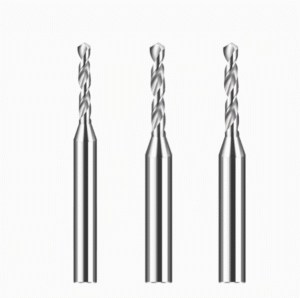
In modern production, CNC drill bits for aluminum machining are vital for achieving high-precision and high-efficiency drilling. Aluminum’s ductility and heat conductivity often lead to built-up edge formation and hole scoring, so proper machining parameters, cooling, and lubrication are essential for maintaining tool performance and extending lifespan.
Chinese aluminum drill bit manufacturers continuously refine geometry, coating, and flute design to enhance cutting stability under varied speeds and feed rates, achieving improved chip evacuation, hole accuracy, and surface finish while reducing tool wear.
Best Practices for High-Speed Drilling and Feed Optimization
In CNC aluminum drilling, spindle speed and feed rate directly affect machining results. Aluminum’s low cutting resistance allows carbide tools to operate efficiently at very high speeds.
Typical parameters include:
-
2-flute drill bits (≤6 mm): 15,000–25,000 RPM, feed rate 0.05–0.1 mm/rev
-
8–12 mm drill bits: 8,000–12,000 RPM, moderate feed to prevent chip sticking
-
3-flute drill bits: slightly higher feed rate to ensure effective chip breaking
Maintaining optimal feed pressure is crucial—too low causes friction and chip adhesion; too high induces vibration and hole deviation. Proper tuning maximizes the efficiency of CNC drill bits for aluminum machining.
Cooling and Lubrication in Aluminum Drilling
Because aluminum easily sticks to tools, cooling and lubrication play a vital role. Proper coolant or minimum quantity lubrication (MQL) reduces cutting temperature and prevents chip adhesion.
For high-speed CNC machines, prioritize internally cooled carbide drill bits to deliver coolant directly into the flute, improving heat dissipation and tool longevity. Specialized aluminum cutting oils or emulsions with anti-stick additives further enhance lubrication—especially for deep-hole or thin-walled parts.
For HSS aluminum drill bits, proper lubrication is even more critical to reduce edge burning and premature wear.
Techniques to Prevent Chip Adhesion and Extend Tool Life
Chip adhesion is common in aluminum drilling, particularly during high-speed or dry cutting. To minimize this issue:
-
Use low-friction coatings (DLC, TiB₂)
-
Apply high-precision flute polishing for smoother chip evacuation
-
Maintain adequate cooling flow to control cutting temperature
-
Optimize feed rate and spindle speed for effective chip breaking
-
Regularly clean and inspect tool grooves to prevent chip buildup
Through advancements in geometry design and surface treatment, Chinese aluminum drill bit manufacturers have greatly enhanced chip evacuation and wear resistance, enabling stable, continuous production with fewer tool changes and improved efficiency.

Recommended Leading Chinese Aluminum Drill Bit Manufacturers
With the growing global demand for efficient aluminum machining, Chinese aluminum drill bit manufacturers have become a major source of high-performance tooling for international buyers. China is rapidly advancing in the R&D of carbide aluminum drill bits and has developed strong advantages in mass production, quality control, and export capability of CNC drill bits for aluminum machining.
Whether for aerospace, automotive parts, or precision electronic casings, Chinese manufacturers are emerging as key players in the global cutting tool market. Their success is driven by mature process control, consistent quality systems, and highly competitive pricing.
In recent years, many manufacturers have enhanced both performance and consistency by optimizing tool geometry, using imported micro-grain carbide materials, and integrating five-axis CNC grinding equipment with fully automated inspection systems. These advancements have significantly expanded the international presence of 2-flute and 3-flute aluminum drill bits, earning “Made in China” growing recognition in the field of high-precision cutting tools.
Overview of Representative Brand SAMHO and Export-Oriented Factories
Among numerous Chinese manufacturers, SAMHO Tools stands out as a representative high-end brand. The company specializes in carbide drill bits for aluminum machining, widely used in automotive molds, aerospace structures, and precision electronic components.
By incorporating German WALTER and ROLLOMATIC five-axis grinders and Japanese precision inspection systems, SAMHO ensures cutting-edge consistency with a tolerance accuracy of ±0.002 mm on each drill bit.
In addition to SAMHO, several export-oriented OEM manufacturers based in Zhejiang, Guangdong, and Shandong focus on customized CNC aluminum drill bits, offering non-standard designs, large-scale production, and OEM brand services tailored to customer machining requirements. These manufacturers provide competitive pricing, reliable quality, and stable export capabilities across Southeast Asia, Europe, and North America.
With stable delivery schedules, flexible small-batch production, and strong after-sales support, Chinese suppliers have become trusted long-term partners for global buyers seeking high-performance aluminum drilling solutions.
R&D Directions and Featured Products of Different Manufacturers
Technological competition within China’s aluminum drill bit industry has evolved from traditional manufacturing to intelligent manufacturing. Different manufacturers now emphasize distinct R&D priorities:
-
High-end brands focus on micro-grain carbide drill bits and DLC-coated tools, targeting aerospace and new energy vehicle applications, with emphasis on tool longevity and hole precision.
-
Mid-range manufacturers prioritize cost-effectiveness, providing various 2-flute and 3-flute drill bit series for general-purpose and mass-production aluminum machining.
-
Innovative factories are adopting MES and online inspection systems for full traceability and data-driven process control.
Some manufacturers have also launched specialized product lines, such as polished flute drill bits, through-coolant carbide drills, and mirror-finish cutting tools, which enhance chip evacuation, surface finish, and wear resistance through improved flute geometry and surface coating technology.
How to Evaluate a High-Quality Aluminum Drill Bit Manufacturer in China
Selecting a reliable aluminum drill bit manufacturer in China impacts not only product performance but also cost control and production efficiency. Buyers should evaluate suppliers using the following key criteria:
-
Production Equipment & Capacity: Verify if the factory operates high-precision grinding machines such as WALTER, ANCA, or ROLLOMATIC, and automated quality inspection systems.
-
Materials & Coating Processes: Premium manufacturers use imported micro-grain carbide and specialized aluminum coatings (e.g., TiB₂, DLC) to ensure superior sharpness and durability.
-
Quality Control Systems: Confirm the presence of ISO 9001 certification and process-level quality testing for edge geometry, concentricity, and dynamic balance.
-
Customization & Technical Support: Evaluate whether the manufacturer offers non-standard drill bit customization, machining parameter optimization, and technical assistance.
-
Export Experience & Delivery Reliability: Experienced exporters with stable supply chains and established logistics partnerships deliver consistent quality and on-time shipments.
By assessing technical strength, product consistency, and service responsiveness, buyers can identify dependable Chinese CNC aluminum drill bit suppliers that support long-term cooperation and sustainable production.
Cooperation and Procurement Recommendations When Choosing Chinese Manufacturers
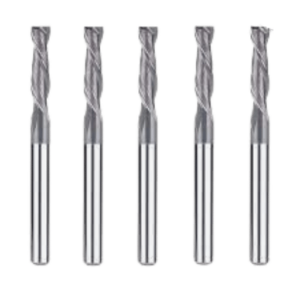
With intensifying competition in global manufacturing, many international buyers are establishing long-term partnerships with Chinese aluminum drill bit manufacturers. To ensure stable quality, fair pricing, and reliable lead times, buyers should follow a structured verification and procurement process from the very beginning.
Every stage—from sample testing to mass production—should consider tool performance, technical compatibility, supply capacity, and engineering collaboration. For complex CNC drilling applications, the supplier’s technical competence and responsiveness are critical.
Through structured testing, transparent production management, and ongoing technical communication, buyers can mitigate risks and fully leverage China’s advantages in cost-effective, high-quality tooling solutions.
Validation Process from Sample Testing to Mass Production
Sample validation is the cornerstone of reliable cooperation. Buyers should request small-batch samples and conduct real-world testing, focusing on:
-
Dimensional accuracy and geometric stability: Confirm diameter tolerance, concentricity, and cutting edge integrity.
-
Material and coating verification: Ensure consistent use of micron-grade carbide and aluminum-specific coatings like DLC or TiB₂.
-
Drilling performance testing: Evaluate chip removal, hole wall smoothness, cutting temperature, and tool lifespan.
-
Batch consistency checks: Retest random batches to confirm repeatability in mass production.
After successful sample testing, request process documentation to confirm the manufacturer’s standardized production control. Only when quality stability and logistics management are validated should full-scale orders proceed.
The Importance of OEM/ODM Customization and Technical Support Services
Buyers increasingly value suppliers offering OEM/ODM customization for specialized applications. Leading Chinese drill bit manufacturers not only supply standard tooling but also tailor products based on workpiece material, machining parameters, and drilling depth.
-
OEM services allow branding under the buyer’s name for distribution.
-
ODM services involve joint R&D of customized carbide drill bits for aerospace, die-cast, or 7075 aluminum machining.
Technical support is equally vital. Engineering-oriented suppliers can provide cutting parameter optimization, tool selection guidance, and process improvement recommendations, ensuring improved stability and reduced trial-and-error costs in mass production.
How to Determine a Supplier’s True Production Capacity and Quality Control Level
Buyers should verify the authenticity and capability of manufacturers through multi-dimensional evaluation:
-
Equipment and capacity audits: Confirm use of five-axis CNC grinders and automated inspection systems.
-
Raw material management: Ensure consistent sourcing of ultra-fine carbide and coatings from verified partners.
-
Quality and certification: Review ISO 9001 records, inspection reports, and final quality documentation.
-
Factory verification: Conduct on-site or remote audits (via live video or third-party services).
-
Export references: Prior exports to Europe, Japan, or the U.S. often indicate higher reliability and quality standards.
Transparent communication, traceable production systems, and responsive technical support are strong indicators of a trustworthy long-term supplier.

The Long-Term Value of Cooperation in Enhancing Aluminum Machining Efficiency
As global manufacturing moves toward greater precision and automation, the synergy between high-performance tools and professional Chinese manufacturers becomes a key driver of efficiency.
Long-term collaboration with Chinese aluminum drill bit suppliers allows companies to benefit from cost-effective, high-precision CNC tools while advancing continuous improvement through technical exchange, process optimization, and joint innovation.
The Synergistic Relationship Between High-Quality Tools and CNC Equipment Performance
Enhancing aluminum machining efficiency requires both precision tooling and optimized CNC equipment performance. When combined, carbide drill bits for aluminum machining and modern CNC machines deliver exceptional accuracy, stability, and productivity.
For example, 2-flute drill bits ensure fast chip evacuation at high spindle speeds, reducing heat accumulation and improving tool life. Meanwhile, 3-flute drill bits provide superior dimensional accuracy and surface finish, particularly in applications requiring minimal vibration and tight tolerances.
How Chinese Manufacturing is Contributing to the Upgrading of the Global Aluminum Processing Industry
As global industries embrace intelligent and sustainable manufacturing, Chinese suppliers are leading innovation in the aluminum machining tool sector.
By adopting five-axis CNC grinding, automated inspection, and coating technologies, leading Chinese manufacturers now deliver world-class performance across aerospace, automotive, and electronics sectors. Their ability to integrate OEM/ODM customization, technical consultation, and after-sales service has established them as key contributors to the global aluminum processing ecosystem.