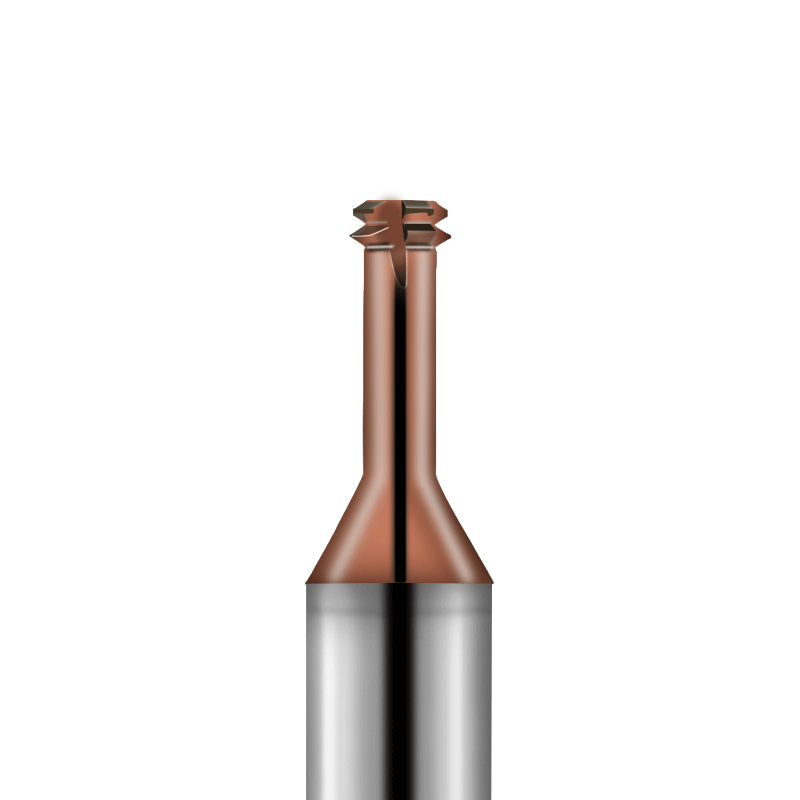
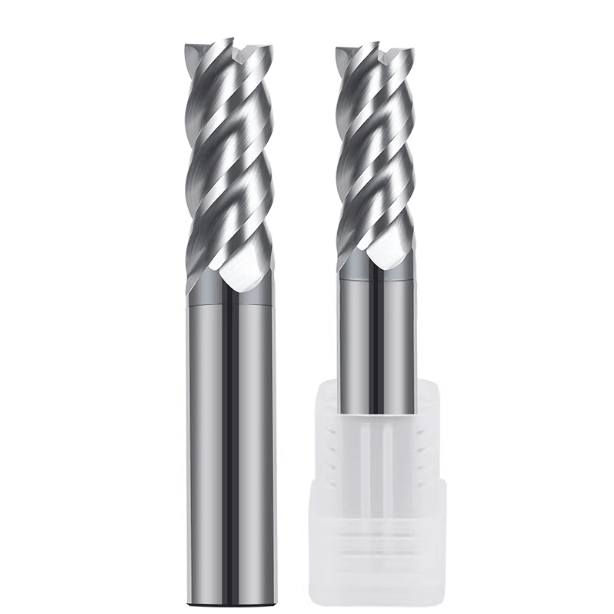
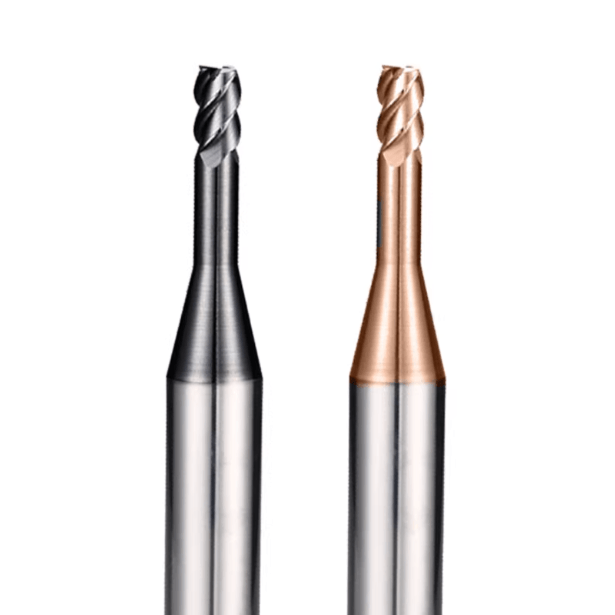
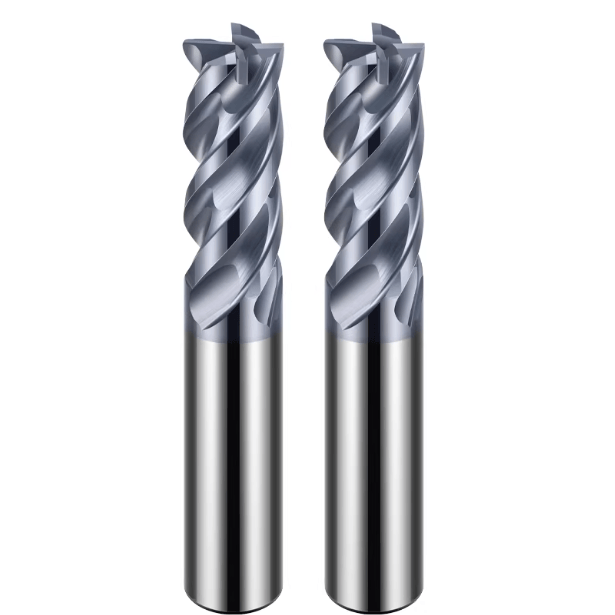
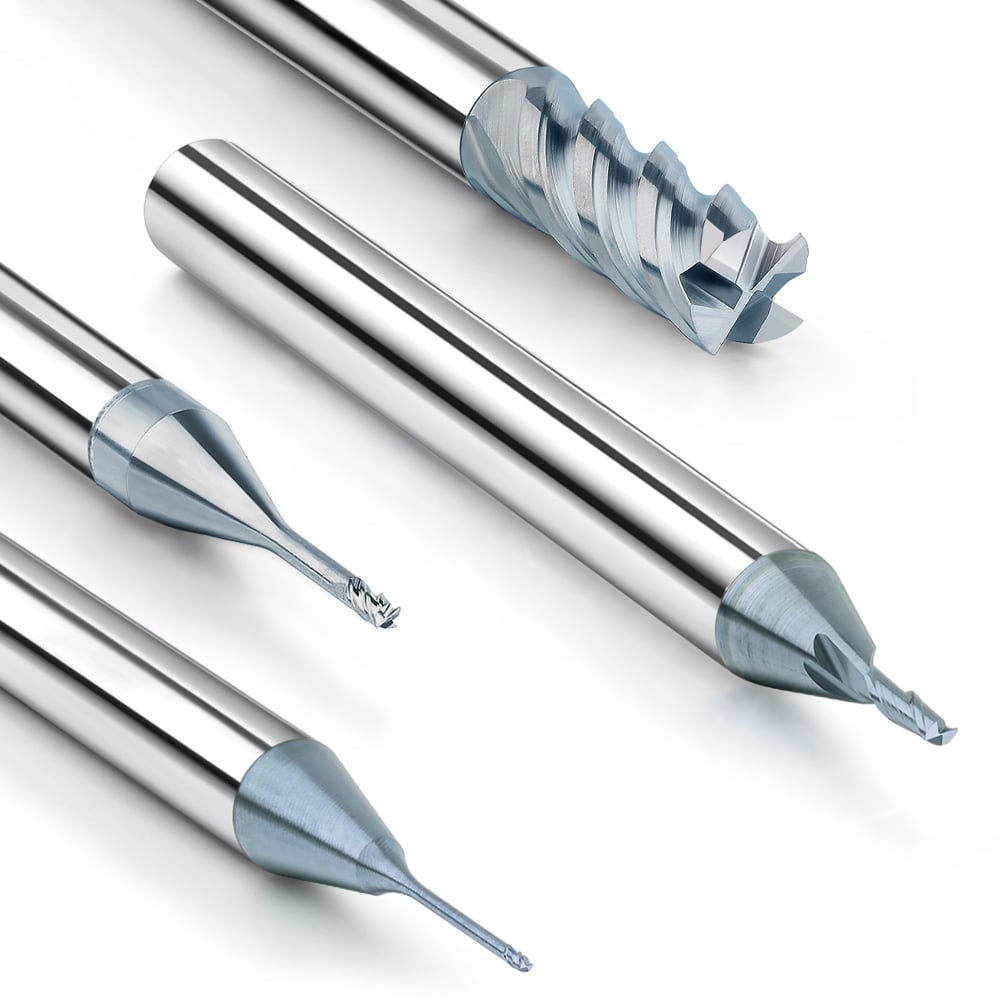
In titanium alloy drilling, selecting the appropriate drill bit geometry is critical for machining efficiency, hole quality, and tool life. Titanium alloys are hard, strong, and exhibit poor thermal conductivity, which makes them challenging to machine. Using an unsuitable drill bit often leads to chipping, burr formation, excessive friction, and premature tool wear. Understanding geometric parameters such as point angle, helix angle, flute length, and land width—and how they align with drill bit materials and coatings—is essential for maintaining machining quality.
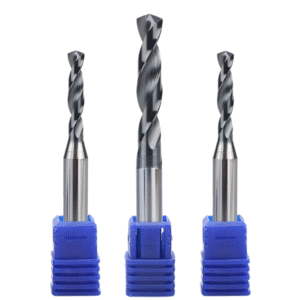
Carbide drill bits for titanium are widely adopted due to their wear resistance and high thermal stability. Different geometric designs allow better chip evacuation, reduced heat accumulation, and improved hole accuracy and surface finish. For the specific machining characteristics of titanium alloys, professional titanium alloy drilling tools typically refine geometric details to achieve optimal cutting performance.
Additionally, custom-designed drill bits—through collaboration with an OEM titanium drill bit manufacturer—enable adjustments in point angle, flute design, edge preparation, and coating combinations tailored to specific titanium alloy grades and drilling requirements. With proper selection and matching of drill bit geometry, tool life can be significantly extended, machining quality improved, and overall production costs reduced.
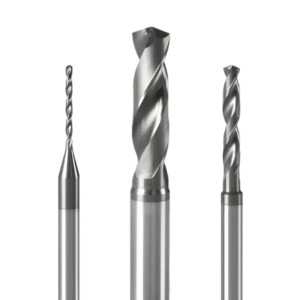
Key Geometric Design Factors for Titanium Alloy Drilling
Titanium alloys are prone to overheating and rapid tool wear, making drill bit geometry one of the most crucial factors affecting cutting performance. Proper geometric design enhances chip evacuation, controls heat buildup, and reduces cutting forces. It also minimizes vibration, supports hole roundness, and maintains dimensional accuracy. Selecting a suitable point angle, helix angle, flute width, and flute length—combined with appropriate material and coating choices—helps ensure reliable machining efficiency and consistent hole quality.
Point Angle and Cutting Efficiency
The point angle directly influences cutting force distribution and chip formation. For harder titanium alloys, a larger point angle helps disperse cutting forces, reduce pressure at the drill center, and lower the risk of chipping. An optimized point angle also improves contact between the cutting edge and the workpiece, making the cutting process smoother while reducing friction and heat accumulation.
When using carbide drill bits for titanium, adjusting the point angle according to material hardness is essential for achieving efficient drilling and maximizing tool life. High-quality drilling performance depends on a balanced combination of point angle geometry, stable feed, and suitable cutting speeds—an important characteristic seen in the best-performing drill bits for titanium.
Helix Angle and Chip Evacuation Performance
The helix angle governs chip evacuation direction and flow speed, directly influencing cutting temperature and tool wear. Higher helix angles improve chip removal when drilling titanium alloys and help keep temperatures lower. However, excessively high helix angles can reduce tool rigidity, potentially causing hole deviation.
In CNC machining, precise helix angle design improves the balance between chip evacuation efficiency and tool stability, resulting in more consistent machining and better surface quality. Field experience shows that optimizing the helix angle on CNC drill bits for titanium alloy significantly reduces chip clogging and burr formation.
Influence of Flute Width and Length on Drilling Quality
Flute width and length affect hole accuracy, roundness, and overall surface finish. Excessively wide flutes increase cutting forces, raising the likelihood of eccentric drilling or scratches on the hole wall. Overly long flutes can flex or vibrate during deep-hole drilling, reducing coaxiality and dimensional stability.
A well-designed flute length, combined with rigid carbide material and high-performance coatings, helps stabilize deep-hole drilling in titanium alloy machining. Practical results show that optimized titanium alloy drilling tools improve hole accuracy, reduce secondary finishing work, and increase overall production efficiency.
Influence of Material and Coating on Geometric Selection
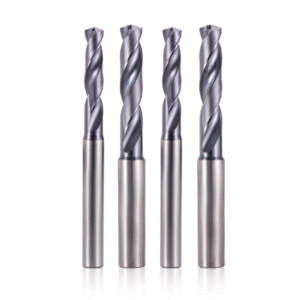
Drill bit material and surface coating have a direct impact on cutting performance, tool life, and hole quality in titanium alloy machining. Suitable material and coating selections provide resistance to high cutting temperatures and forces while reducing friction and wear. Matching geometry with the appropriate drill bit material and coating is essential—especially in deep-hole or high-speed drilling—where high-performance drills show their greatest advantage.
Advantages of Carbide Drill Bits in Titanium Alloys
Carbide drill bits offer high hardness, excellent thermal stability, and superior wear resistance, making them ideal for machining titanium alloys. These characteristics allow carbide tools to maintain sharp cutting edges over long machining cycles, reducing chipping and minimizing vibration.
When the point angle, helix angle, and land width are engineered correctly, carbide tools provide evenly distributed cutting forces and efficient chip evacuation while limiting heat buildup. Such optimization is particularly crucial in high-hardness titanium drilling and is clearly demonstrated in the performance of carbide drill bits for titanium.
Coating Types and Cutting Performance
Coatings such as TiAlN and TiN significantly enhance heat resistance and wear resistance while improving friction characteristics. Combined with proper geometric design, coatings lower cutting temperatures, extend tool life, reduce burr formation, and improve hole-wall finish and dimensional stability.
For deep-hole or high-load drilling operations, tools with advanced coatings—paired with optimized helix angles and flute lengths—achieve more stable chip evacuation and reduced vibration. This results in improved machining consistency and higher production efficiency. These advantages reflect the strong industrial performance of high-quality titanium alloy drilling tools.
Operation and Geometric Matching in CNC Machining
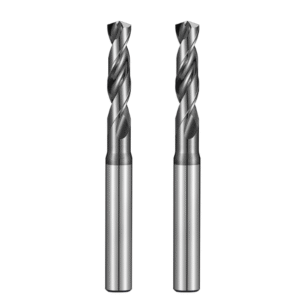
To fully realize the performance potential of a drill bit, geometry must be coordinated with CNC machining parameters. Cutting speed, feed rate, and depth of cut interact closely with drill geometry. Cooling strategies and cutting fluid flow also play essential roles in maintaining drilling stability and extending tool life. Proper coordination between machining operations and geometry helps reduce tool wear, control heat accumulation, and improve hole roundness and accuracy.
Selection of Feed Rate and Cutting Depth
Feed rate and cutting depth must be aligned with geometric features such as point angle, helix angle, and land width. Proper feed rate distribution prevents overloading the drill center, reducing the likelihood of tool chipping and vibration. Excessive cutting depth increases heat generation and may damage the hole wall; insufficient depth lowers efficiency.
Optimizing machining parameters helps maintain stable cutting forces, extend tool life, and improve dimensional accuracy and surface finish—especially critical when using CNC drill bits for titanium alloy.
Cooling Strategies and Geometric Optimization
Effective coolant delivery must correspond with drill bit geometry to maintain low temperatures in the cutting zone. Helix angle and flute length directly influence chip removal and coolant penetration. Optimized geometric design enhances coolant access to the cutting edge, reducing heat accumulation and improving hole-wall finish.
A well-designed cooling strategy improves overall machining stability, particularly in deep-hole or high-speed drilling, where heat control is essential.
Common Drilling Problems and Geometric Adjustment Solutions
Chipping, burr formation, and hole misalignment are common issues in titanium drilling. Adjusting point angle, helix angle, flute width, or flute length can resolve these issues effectively:
-
Increasing point angle reduces center chipping
-
Optimizing helix angle improves chip flow
-
Adjusting flute width or shortening flute length improves roundness and coaxiality
Combined with proper cutting parameters and coolant strategies, these adjustments significantly improve machining stability, reduce secondary finishing, and enhance productivity.
OEM Customization and Geometric Design Practices
Different titanium alloy grades, wall thicknesses, and hole structures require specific tool adaptations. While standard drill bits work for general applications, complex conditions—such as thin walls, deep holes, chamfered or stepped holes, and tight-tolerance bores—often demand customized solutions. Collaboration with an OEM titanium drill bit manufacturer enables tailored geometric, material, and coating optimizations to achieve consistent, high-quality machining results.
Geometric Customization in Collaboration with OEM Titanium Drill Bit Manufacturers
Custom geometry is essential when machining demanding titanium alloys or unconventional hole designs. Differences in toughness, thermal expansion, and thermal conductivity across titanium grades require adjustments to point angle, helix angle, flute length, and edge preparation.
For example:
-
High-strength titanium benefits from increased point angles to distribute cutting load.
-
Thin-walled or deep-hole applications require optimized helix angles and flute widths to minimize vibration and prevent distortion.
OEM collaboration ensures geometry adjustments match real machining conditions, including coolant type, spindle speed, and feed rate. This ensures stability and long tool life, even in high-load drilling environments.
High-Precision Machining Case Studies
In aerospace structural parts, common drilling challenges include hole-wall deformation, excessive drilling temperature, and chip evacuation issues. Using reinforced cutting edges, optimized helix angles, and efficient flute design significantly reduces heat accumulation and stabilizes chip evacuation. After switching to improved drill geometry, users often report better roundness, improved concentricity, smoother hole surfaces, and shorter cycle times.
In medical titanium components, applying well-designed titanium alloy drilling tools reduces burr formation, minimizes deburring operations, and increases overall machining consistency and production efficiency.