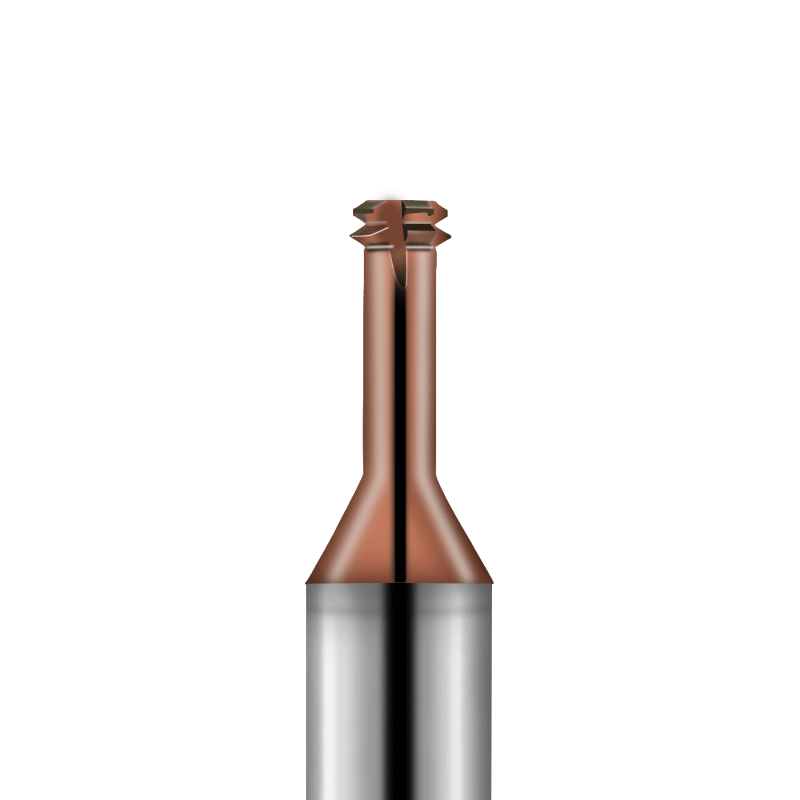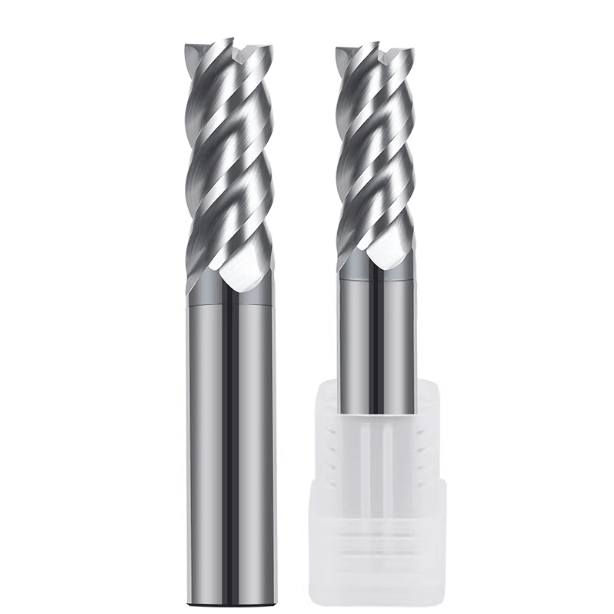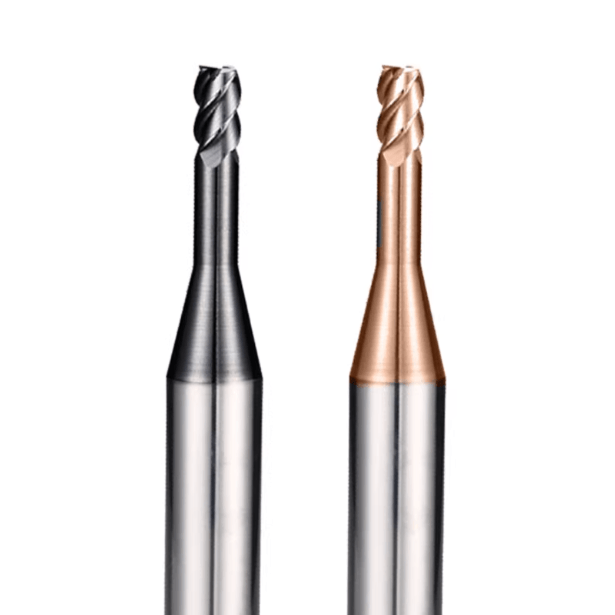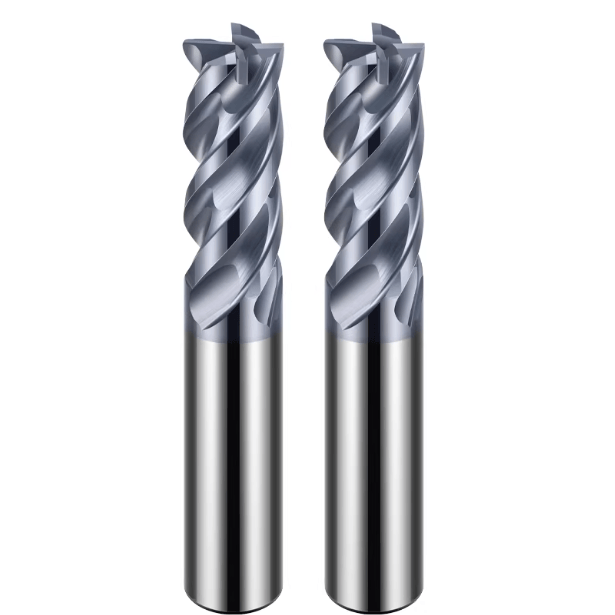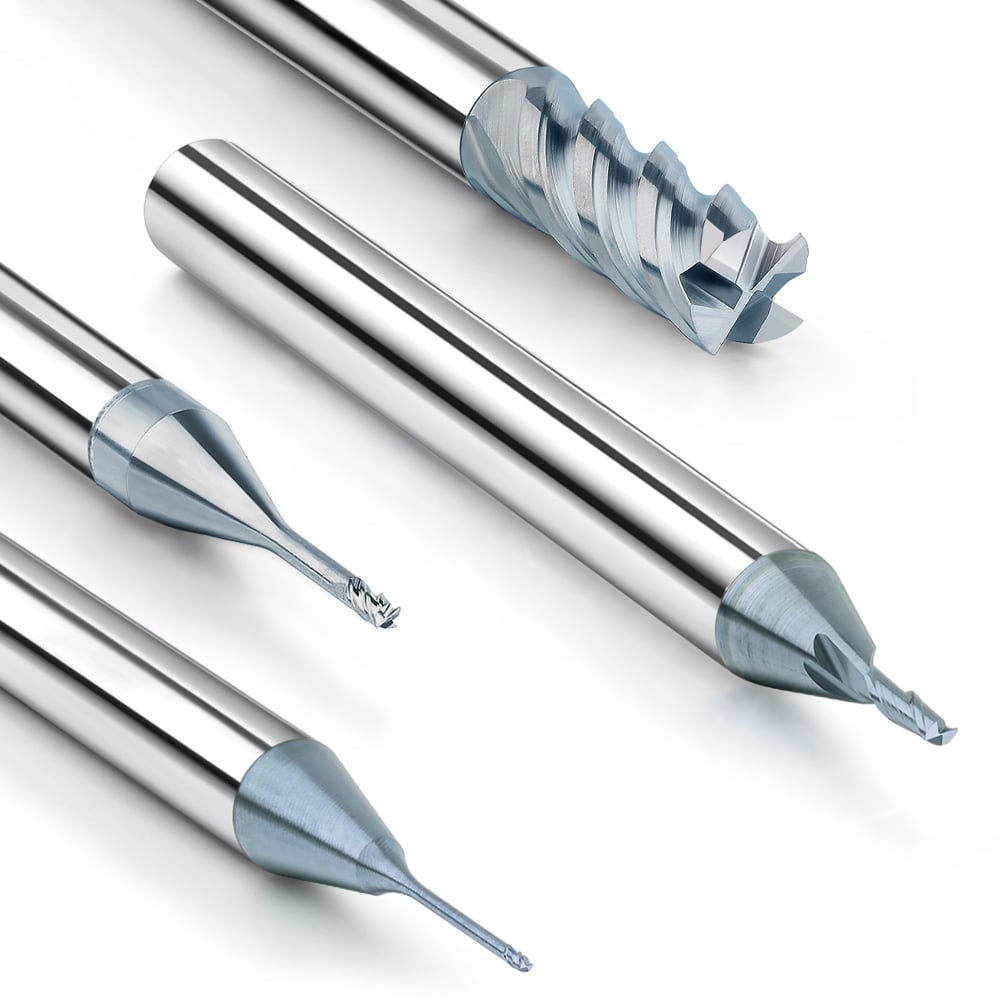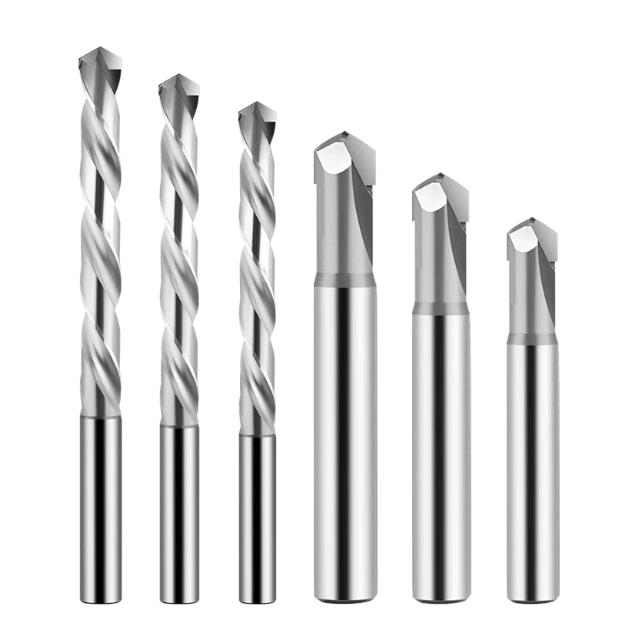
PCD drills play a crucial role in high-precision hole machining, especially in the mass production of aluminum alloys, non-ferrous metals, composite materials, and highly abrasive workpieces. Their exceptional stability and high wear resistance make them the preferred tool in many manufacturing industries. Whether using PCD drills for high-speed drilling or relying on PCD drill bits for extended tool life, users often face potential failure issues such as edge chipping, abnormal wear, and decreased hole wall quality. With increasing demand for high efficiency and consistency, extending the lifespan of PCD drilling tools and improving the uniformity of finished holes has become a key concern for manufacturers.
In practical production, PCD drill failures usually stem from multiple factors, including inappropriate processing parameters, tool holder runout, variations in material properties, insufficient cooling, or mismatched tool design. Without systematic tool maintenance and process management, even high-end drills from a reputable PCD drilling bits manufacturer may experience performance degradation in a short period, leading to reduced production efficiency and increased machining costs.
Overview of the Important Role and Application Scenarios of PCD Drills in Precision Machining
In demanding hole machining applications, PCD drilling tools are widely valued for their excellent wear resistance and cutting stability. They are commonly used in lightweight structural component machining, high-speed drilling processes, and automated production lines requiring long-term consistency. The advantages of these tools are reflected not only in extended tool life but also in improved hole diameter accuracy, hole wall finish, and reduced processing cycle times.
For manufacturers aiming for high-volume production efficiency, these drilling tools reduce downtime for tool changes and maintain stable single-pass machining. They are particularly suitable for industries with strict consistency requirements, including automotive parts, aerospace structural components, motor housings, and other high-precision applications.
Advantages in Machining Aluminum Alloys and Non-Ferrous Metals
When machining materials prone to tool adhesion, such as aluminum alloys, brass, and copper, PCD tools—with their low friction coefficient and high hardness—effectively reduce built-up edge formation and maintain stable chip evacuation. This results in higher hole wall smoothness and dimensional repeatability. Even under high-speed or ultra-high-speed drilling conditions, the cutting edge remains sharp, significantly lowering tool wear.
For example, when drilling oil passages in cylinder blocks, cooling holes in motor housings, or high-precision holes in die-cast aluminum housings, PCD drills can shorten processing time, improve production line efficiency, and ensure consistent quality. These factors make PCD drills a core solution in aluminum machining.
Application Characteristics in Machining Composite Materials and Highly Abrasive Materials
Highly abrasive workpieces, such as carbon fiber laminates, glass fiber reinforced materials, or aluminum alloys with high silicon content, often cause traditional tools to fail quickly. PCD tools maintain longer effective processing cycles in these challenging environments, reducing delamination, burrs, and tearing.
Applications include drilling composite wind turbine blade components, through-hole machining of aerospace carbon fiber laminates, and precision drilling of silicon-containing aluminum housings. Using highly wear-resistant PCD drilling tools improves yield, ensures controllable drilling, and reduces subsequent deburring or rework.
Requirements for the Stability of PCD Drill Bits in Mass Production Environments
In continuous mass production lines, tool stability directly affects equipment utilization and production costs. Drilling tools must possess sufficient durability and consistent cutting performance to maintain the processing rhythm and reduce downtime. Typical scenarios include engine housings, pump and valve bodies, and automated production lines for automotive components. Tools must withstand long periods of continuous cutting while maintaining consistent quality between batches.
In automated fixtures, robotic arms, or multi-station machines, longer tool change cycles and high processing speeds demand high wear resistance, chipping resistance, and thermal stability. Tools with a predictable lifespan curve support overall cost optimization and more reliable production planning.
Common Failure Types and Causes of PCD Drills
The lifespan and performance of drilling tools are influenced by multiple factors, including material characteristics, cutting parameters, equipment condition, clamping accuracy, and cooling efficiency. Any deviation can accelerate failure or cause irreversible damage. Understanding common failure modes and their causes allows operators to adjust strategies, making machining more controllable and cost-effective.
Working Conditions and Material Factors Causing Edge Chipping
Edge chipping occurs when cutting loads change suddenly or hard points exist in the material. This is common when drilling cast aluminum containing hard particles, aluminum-silicon alloys with high silicon content, or glass fiber reinforced materials. Sudden increases in feed rate or lateral impact upon tool entry can overload the cutting edge, leading to chipping through microcrack propagation.
For composite materials with varying fiber directions, improper cutting alignment can cause fiber pull and impact on the cutting edge. This not only affects hole wall surface finish but may also result in uncontrolled hole diameters.
Relationship Between Abnormal Wear and Unreasonable Parameters
Incorrect drilling parameters directly increase tool wear. Low rotational speed can cause frictional cutting and localized abrasion, while high speed may accelerate blunting due to heat accumulation. Improper feed rates also contribute to abnormal wear; for example, a small feed rate on soft aluminum may result in scraping and severe frictional wear. Insufficient cooling or poor chip evacuation further accelerates wear, especially in deep holes or complex hole patterns on production lines with tight cycle times.
Mechanism of Tool Burning and Microcracks
Burning and microcracks usually occur due to excessive heat and thermal shock. Temperatures above the material tolerance cause thermal fatigue on the cutting edge surface, forming small cracks that expand over time. Factors such as deep hole drilling, inadequate coolant delivery, and prolonged continuous machining contribute to these failures. In highly abrasive materials, frictional heat increases local temperatures, further exacerbating burning and microcrack formation.
Deterioration of Hole Wall Quality and Runout Problems Caused by Vibration
Vibration, runout, or uneven workpiece structure can reduce hole wall quality. Tool vibration or inaccurate clamping results in tool marks, increased roughness, and diameter deviation. Thin-walled parts or reinforced structures may deform elastically, causing additional vibration and uneven forces. Such scenarios also shorten tool life due to intermittent cutting impacts.
Specific Failure Modes of PCD Drill Bits in Intermittent Cutting or Thin-Walled Part Machining
In intermittent cutting, stepped holes, or multiple-hole patterns, the cutting edge experiences cyclical stress between cutting and idling, promoting microcrack accumulation. Thin-walled structures are prone to deformation, resulting in localized wear, runout, and burrs. Fast machining cycles can cause instantaneous impact on the cutting edge, leading to premature tool failure.

Key Machining Factors Affecting PCD Drilling Tool Failure
Tool lifespan depends on multiple factors: cutting parameters, equipment and clamping accuracy, cooling methods, and material characteristics. If these are not properly controlled, even high-performance tools can fail due to load fluctuations or thermal stress. In high-efficiency production environments, careful management of each factor is essential for stable tool life and consistent machining quality.
Unreasonable Spindle Speed, Feed Rate, and Cutting Load
Spindle speed and feed rate directly affect cutting forces and temperatures. Excessive speed with insufficient feed causes frictional cutting and accelerated tool passivation, while excessive feed or cutting load can damage the cutting edge. Improper parameters increase wear, reduce hole wall quality, and shorten tool life, especially in high-silicon aluminum, glass fiber composites, and abrasive castings.
Insufficient Tool Clamping Accuracy and Runout Problems
Tool holder runout causes uneven cutting forces, leading to chipping, wear, and hole eccentricity. Small-diameter drills, high-speed operations, and multiple-hole continuous drilling amplify these effects. Clamping method, holder type, torque, and spindle taper cleanliness all impact runout. Poor maintenance gradually reduces tool life.
Improper Cooling Affects the Heat Resistance of PCD Drill Bits
Insufficient cooling causes cutting temperature spikes, thermal fatigue, microcracks, and localized burning. Deep holes, confined spaces, and difficult chip evacuation exacerbate this. High-pressure cooling, internal cooling, and controlled flow systems are critical to maintain tool life in high-speed or continuous drilling operations.
Influence of Silicon Content and Fiber Direction of Workpiece Material on Tool Life
Material properties, such as hard silicon particles or composite fiber direction, directly impact cutting edge wear. Abrasive castings, ceramic-reinforced aluminum, or carbon fiber laminates require optimized cutting methods and entry angles. Multi-layer composites and thin-walled components further increase cutting edge fatigue, making lifespan prediction challenging.

Controllable Strategies to Reduce PCD Drill Failure
In high-precision machining, improving PCD drill tool life and stability requires a comprehensive approach. Effective strategies not only optimize cutting parameters but also consider tool geometry, clamping accuracy, cooling and lubrication, and the machining sequence. By managing these factors systematically, manufacturers can significantly reduce tool edge damage, abnormal wear, and microcracks. This leads to better hole wall quality and improved mass production efficiency. For abrasive or composite workpieces, adopting suitable cutting strategies can extend tool life and minimize downtime and maintenance costs.
Setting Optimal Spindle Speed and Feed Rate Based on Material Characteristics
Material hardness, fiber direction, and silicon content directly affect cutting force and heat buildup. When drilling aluminum alloys, non-ferrous metals, or composite materials, adjusting spindle speed and feed rate appropriately helps control cutting temperature and tool wear. For high-hardness or fiber-rich workpieces, reducing cutting speed while increasing depth of cut can prevent edge chipping and abnormal wear.
Optimizing Tool Geometry to Improve Durability
Tool geometry directly affects cutting efficiency and force distribution. Selecting the proper edge shape, rake angle, and cutting angle optimizes chip flow, reduces cutting resistance, and prevents heat concentration. This delays wear and microcrack formation. For thin-walled parts or intermittent cutting, precise tool geometry significantly improves hole diameter accuracy and surface quality.
Using High-Precision Tool Holders and Low-Runout Clamping Systems
Accurate tool clamping is critical for cutting stability. High-precision holders and low-runout systems reduce vibration and runout, lowering the risk of edge chipping and microcracks. In high-speed or mass production environments, a stable clamping system extends tool life and ensures consistent hole wall quality.
Improving Cooling and Lubrication to Stabilize Cutting Temperature
Temperature control in the cutting zone prevents tool burning and microcracks. Optimizing coolant flow, injection angle, and lubrication reduces heat buildup, enhancing PCD drill durability under high temperatures. For abrasive materials, using oil mist or high-pressure cooling further stabilizes the cutting process and reduces tool failure.
Rational Planning of Machining Sequence to Reduce Cutting Impact
The cutting sequence affects tool life and hole wall quality. For composite or thin-walled parts, performing roughing before finishing reduces cutting impact and vibration. Scientific path planning lowers stress on the cutting edge, improves machining efficiency, and maintains stable tool performance during mass production.

The Crucial Role of PCD Drilling Bit Manufacturers in Failure Prevention
High-precision drilling relies on tool manufacturing quality. Professional manufacturers enhance wear resistance and chipping resistance through advanced edge treatment, welding, and high-quality PCD materials. They also provide customized solutions and technical support, helping machinists reduce abnormal wear, microcracks, and hole wall defects, ensuring consistent production quality.
Impact of Edge Treatment and Welding on Durability
Precise edge finishing and optimized welding improve cutting performance and tool lifespan. High-precision grinding, chamfering, and welding reduce microcracks and stress concentration. For intermittent cutting or thin-walled parts, superior edge quality lowers chipping and surface defects.
Importance of High-Quality PCD Materials and Sintering
PCD material purity, grain structure, and sintering process determine wear and heat resistance. High-quality PCD, precision-sintered, offers uniform hardness and thermal stability, extending tool life for aluminum alloys, non-ferrous metals, and abrasive composites. Strict material and sintering control prevent premature failures and thermal cracks.
Advantages of Customized PCD Drills in Complex Conditions
For high-hardness, intermittent, or thin-walled machining, customized tools optimize edge geometry, relief, and cutting angles. Improved chip evacuation and heat distribution reduce wear and chipping while maintaining hole accuracy and surface quality. Customized tools are especially valuable in mass production, reducing tool changes and downtime.
Necessity of Manufacturer Technical Support
Manufacturer expertise provides cutting parameter recommendations, clamping solutions, and cooling strategies. Professional guidance extends tool life, optimizes the machining process, and reduces the risk of abnormal wear and hole wall deviations caused by vibration. Close collaboration ensures optimal tool performance under complex conditions and lowers production costs.
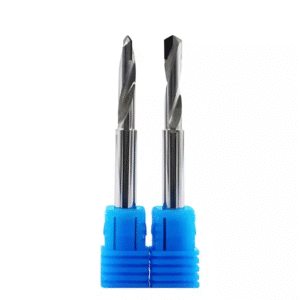
Key Points for Maintenance and Management of PCD Drills in Use
In precision machining, proper tool maintenance and management are crucial to ensuring both efficiency and quality. Establishing tool life monitoring, performing regular wear inspections, and managing inventory effectively can maximize PCD drill service life. This approach reduces the impact of tool edge damage, abnormal wear, and microcracks on production. Standardized management processes maintain consistent hole diameter and surface quality in mass production while minimizing downtime and production fluctuations.
Establishing Tool Life Monitoring and Replacement Cycle Management
Recording machining time, materials, and cutting conditions for each drill bit creates a comprehensive tool life database. Combined with quantitative wear detection and edge condition assessment, this data allows planning of reasonable replacement cycles. Proper cycle management prevents deterioration of hole wall quality and reduces the risk of unexpected downtime. In high-load, mass-production environments, a life monitoring system is essential for maintaining tool stability.
Assessing Repairability and Resharpening Recommendations for Chipped or Worn Drill Bits
Drill bits with minor chipping or localized wear can regain cutting performance through professional resharpening. Assessing repairability requires evaluating edge wear, material machinability, and dimensional accuracy requirements. Well-planned resharpening not only saves costs but also extends PCD drill life when machining abrasive or composite materials, while preserving hole quality and surface finish.
Inventory and Tool Identification Management to Ensure Proper Use
Standardized inventory management and clear tool identification allow operators to quickly recognize tool models, edge types, and usage status, preventing misuse or repeated use of damaged tools. Advanced inventory systems enable real-time monitoring of tool consumption and replacement schedules, providing reliable data for production planning. This approach enhances processing stability and ensures consistent PCD drill performance across different materials and machining conditions.

Reducing PCD Drill Failure Through a Systemic Strategy
Reducing PCD drill failure in precision machining requires a systemic approach. Considering machining processes, tool quality, equipment stability, and operational management together extends tool life, improves processing consistency, and ensures stable hole wall and surface accuracy. A comprehensive strategy includes optimizing cutting parameters, tool geometry, cooling and lubrication, tool life monitoring, resharpening, inventory management, and manufacturer technical support. Coordinated management reduces common failures such as edge chipping, abnormal wear, and microcracks, enabling efficient and reliable mass production.
Establishing a Stable Machining System: Process, Tool, and Equipment
A stable machining system requires coordination across process, tool, and equipment. Setting spindle speed, feed rate, and cutting depth appropriately for different materials reduces heat buildup and vibration. Using high-quality PCD drill bits, optimizing tool geometry, and employing high-precision clamping with low-runout tool holders improves wear and chipping resistance. Controlling the processing environment—including fixture accuracy and cooling/lubrication systems—further minimizes vibration and temperature effects, forming a highly stable machining system.
Achieving Higher Machining Consistency with Manufacturer Technical Support
Technical support from the manufacturer is vital for extending PCD drill life and optimizing machining parameters. Guidance on edge treatment, welding processes, PCD material sintering, and custom tool design allows development of optimal machining plans for complex workpieces. Combined with tool life monitoring and maintenance management, this support enhances consistency in mass production, reduces abnormal wear and edge chipping, and ensures stable, efficient machining outcomes.