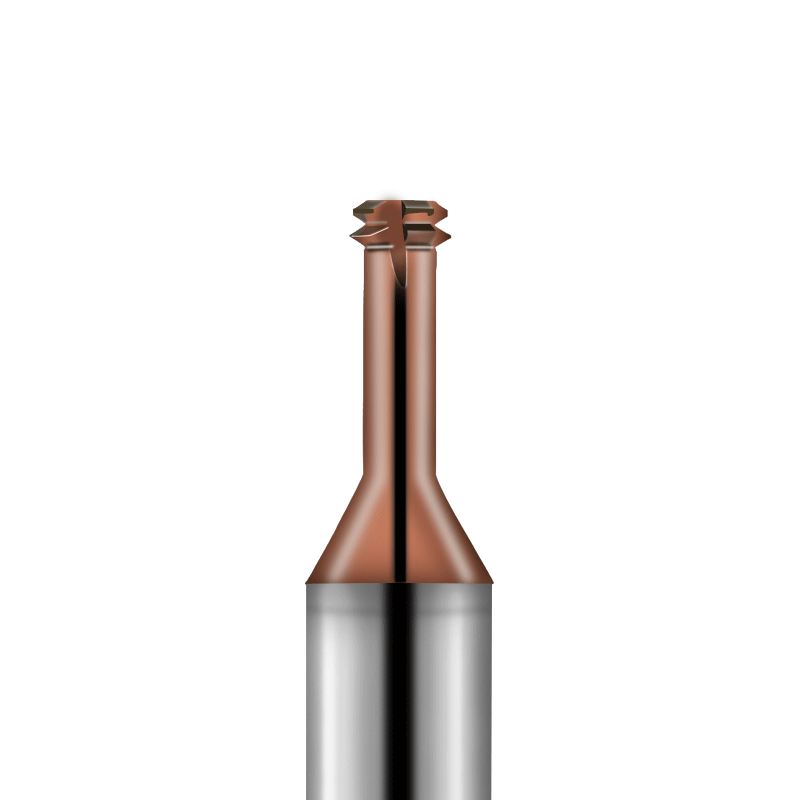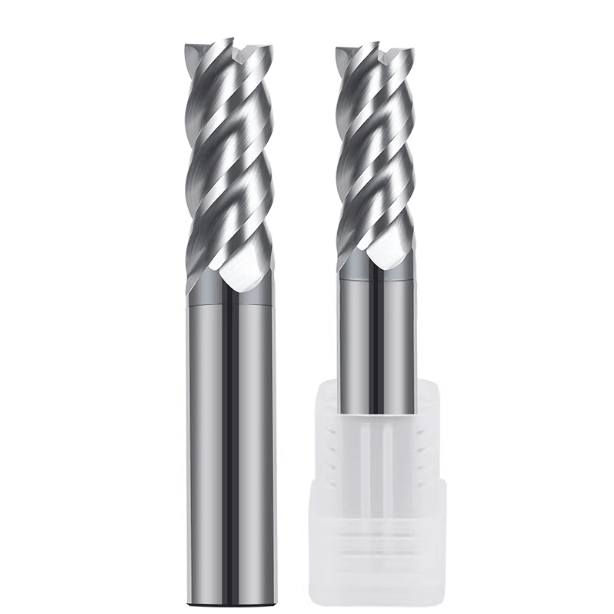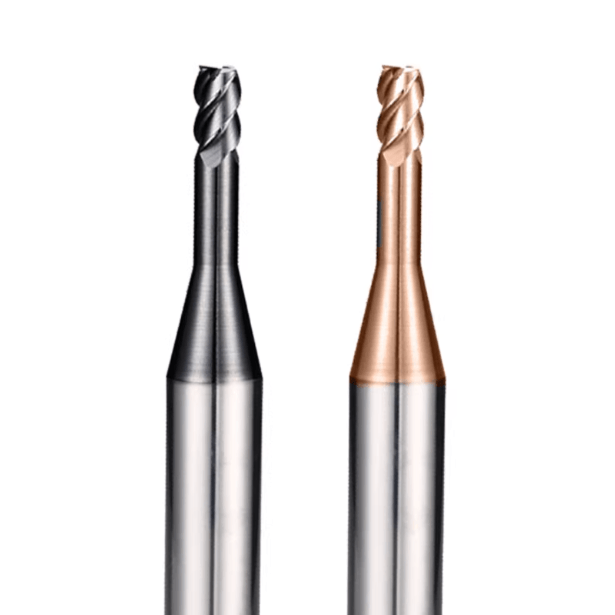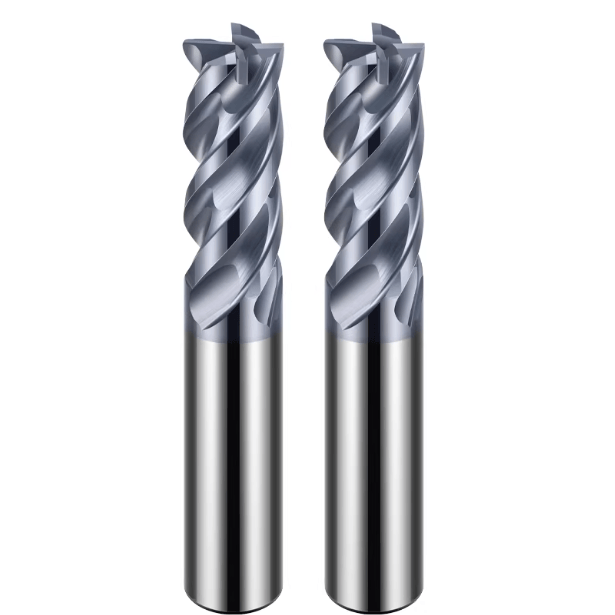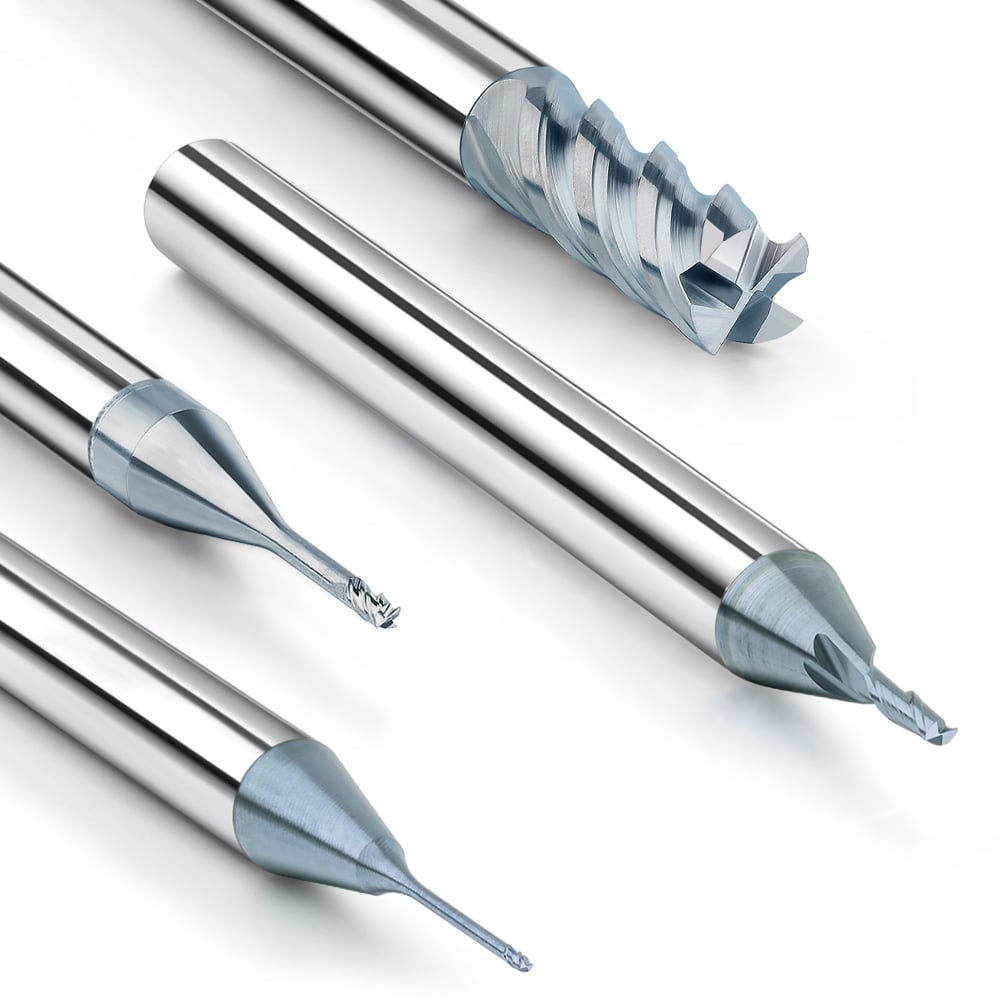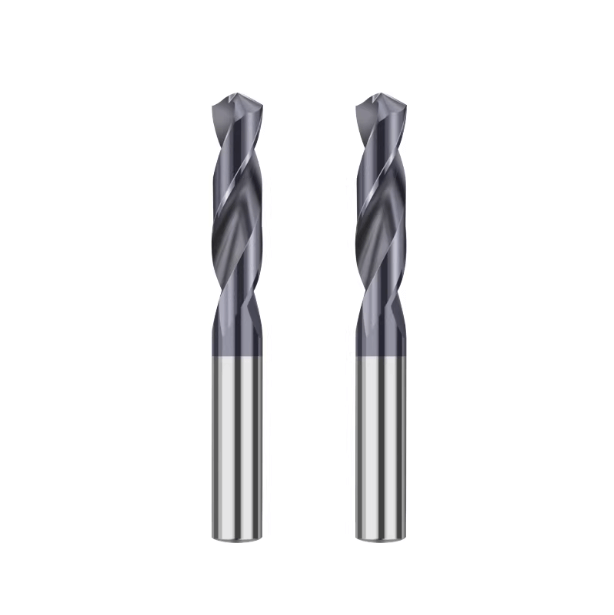
In the metalworking industry, the stability and compatibility of drill bits directly impact hole machining quality, production efficiency, and overall manufacturing costs. As industrial customers increasingly demand higher precision and consistency, drill bit suppliers with OEM and customization capabilities face higher standards. The focus is not only on the product itself but also on the suitability and long-term reliability of the entire solution.
Professional drill bit suppliers typically provide customized carbide drill bit solutions tailored to different metal materials, machining conditions, and equipment. Whether processing carbon steel, stainless steel, alloy steel, or high-hardness materials, properly designed drill bits for metal offer significant advantages in hole diameter accuracy, cutting stability, and tool life. By systematically matching drill bit geometry, base material, and coating systems, these customized solutions reduce abnormal wear and the risk of tool breakage during machining.
Medium-hardness HRC55 drill bits are widely used in mold parts, mechanical structural components, and mass production due to their balanced wear resistance and toughness. In these applications, dimensional consistency, batch stability, and long-term supply capacity often matter more than a single performance parameter. Drill bit suppliers with mature manufacturing systems and quality control processes gain a significant advantage in OEM partnerships.
The Core Value of Drill Bit Suppliers in Metalworking
In modern industrial production, drill bit suppliers do more than provide standard tools—they tailor machining solutions for their customers. High-quality drill bits improve efficiency and precision while reducing tool replacement frequency and production costs. For high-hardness materials and complex parts, customized carbide drill bits meet specific hole diameter requirements and high wear resistance demands, making the production process more stable and reliable. Technical support, material selection expertise, and consistent batch supply are essential to ensure production continuity and minimize defect rates.
A reliable supply system can also offer one-stop services, including custom design, fast delivery, and ongoing machining optimization guidance. By closely communicating with customers, suppliers understand workpiece materials, hole diameter requirements, and machining environments, recommending the most suitable drill bit models and cutting parameters. This approach enhances consistency in mass production and increases competitiveness in complex metal processing, leading to smoother operations and greater economic efficiency.
Practical Requirements for Drill Bit Performance on Different Metal Materials
Different metals require varying levels of drill bit hardness, toughness, and wear resistance. While standard high-speed steel drill bits may suffice for carbon or low-alloy steels, processing stainless steel, alloy steel, or tool steel demands high-hardness, wear-resistant carbide drill bits. Material properties such as thermal conductivity, hardness, and surface treatment affect cutting temperature and drill bit wear rate. Selecting the proper drill bit material and coating combination is crucial for maintaining machining accuracy and tool longevity.
Cutting characteristics of various metals also influence chip evacuation, cutting force, and vibration during drilling. High-hardness steel, for example, can cause burrs or uneven wear on drill bits at high feed rates, reducing hole diameter accuracy. Customized solutions from suppliers optimize drill tip angle, spiral groove design, and coating technology to address these challenges, ensuring stable and efficient hole machining.
Factors Affecting Drill Bit Stability and Consistency in CNC Machining
In high-precision or mass production settings, drill bit stability directly affects hole dimensional accuracy and processing efficiency. Drill bit material, geometry, and coating quality are critical for cutting stability. In high-speed CNC machining, vibration control and tip retention are key for maintaining batch consistency. Stable drill bits reduce deviations and rework, lowering production costs.
Processing conditions and equipment status also influence drill bit consistency. Feed rate, spindle speed, cooling methods, and machine rigidity affect wear rate and thermal expansion during continuous operations. Collaborating with suppliers to obtain drill bits tailored for specific materials and equipment ensures maximum stability and repeatability for HRC55 or carbide drill bits in long-term production.
Pain Points of Using Drill Bits for Metal in Mass Production
Common challenges in large-scale metal processing include rapid drill bit wear, hole diameter deviations, severe burrs, and tool breakage risk. These issues are especially pronounced when machining high-hardness materials or deep holes. Wear-resistant, geometrically optimized carbide drill bits can extend tool life, improve hole consistency, and reduce downtime and material waste.
Batch-to-batch performance variation is another major concern, causing inconsistent processing. Suppliers address this through strict material selection, precision grinding, and coating control. Customized drill bit solutions further optimize cutting parameters and chip evacuation based on hole diameter and material requirements, reducing defects and improving overall production efficiency.
Key Technical Dimensions of OEM Customized Drill Bits
In high-demand metal processing, customized drill bits are not just about meeting specifications—they are crucial for maintaining machining efficiency and quality. OEM drill bits can be specifically optimized for different materials, hole sizes, and machine types, significantly improving cutting efficiency and hole accuracy. Suppliers must carefully consider drill bit material, geometry, coating, and heat treatment to ensure each batch performs consistently in mass production.
Customized services also include feedback-based optimization. Suppliers collect real usage data, such as drilling depth, feed rate, tool wear, and temperature. They continuously adjust drill bit design and manufacturing parameters based on this data. This closed-loop approach improves performance under complex working conditions, reduces wear, and minimizes production interruptions, supporting stable results over long-term operations.
The Impact of Carbide Drill Bit Substrate Selection on Cutting Performance
The substrate material is a key factor in cutting performance and wear resistance. Carbide drill bits, with high hardness and thermal stability, excel when machining hard steel, stainless steel, and mold steel. Particle size, composition, and sintering process affect toughness, fracture resistance, and heat stability, determining lifespan and performance. High-quality cemented carbide maintains cutting sharpness in high-feed operations, reduces vibration, and ensures hole accuracy.
Substrate choice also affects performance in deep-hole drilling and continuous production. High-toughness cemented carbide resists fractures while maintaining a low wear rate. Working with suppliers to select the right HRC55 drill bit or other carbide grades for specific materials and hardness levels improves stability, efficiency, and cost-effectiveness.
Differentiated Strategies in Drill Bit Geometric Design for OEM Customization
Drill bit geometry determines cutting efficiency, chip evacuation, and hole quality. Helix angle, point angle, core diameter, and cutting edge design can be customized based on material characteristics. For stainless or high-alloy steel, increasing the helix angle improves chip removal, lowers cutting forces, and reduces vibration, ensuring precise holes and surface quality.
For deep holes or special diameters, tailored geometric design reduces defects and rework. Suppliers can adjust point shape, flute design, and cutting edge length according to machine rigidity, feed type, and coolant usage. Optimized geometry enhances chip evacuation, heat control, and tool life, balancing efficiency and precision in demanding metal drilling operations.
Practical Machining Feedback on Coating Solutions for Drill Bits for Metal
Coatings play a vital role in performance, especially for high-hardness metals and mass production. TiN, TiAlN, and AlTiN coatings reduce friction, increase wear resistance, and control drilling temperature. Coated carbide drill bits last longer and maintain consistent cutting quality at high speeds or feeds, reducing burrs and hole deviations.
Processing feedback shows that coating selection must match material hardness, speed, and coolant conditions. Customers using HRC55 drill bits for stainless or alloy steel report more consistent hole accuracy and lower tool wear when coatings are optimized. By aligning coating, geometry, and substrate, suppliers enhance both stability and economic efficiency in mass production.
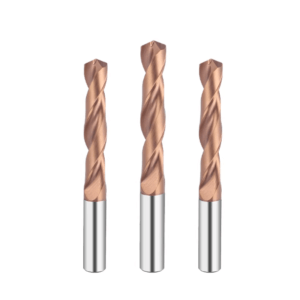
Processing Performance of HRC55 Drill Bits in Common Industrial Materials
Medium-hard HRC55 drill bits offer excellent stability and wear resistance for alloy steel, mold steel, and high-hardness components. Compared to standard high-speed steel, they maintain tip sharpness, reduce vibration, and minimize hole deviations, boosting efficiency in mass production. Matching diameter, helix angle, and cutting parameters maximizes material performance and ensures stable results for precision hole machining.
Performance varies across materials. In alloy steel, high cutting forces and temperatures require proper feed and coolant to reduce wear. In mold steel and medium-high hardness materials, HRC55 toughness resists fractures, maintaining consistency. Customized geometry and coatings balance lifespan with processing quality.
Adaptability of HRC55 Drill Bits in Alloy Steel and Mold Steel
HRC55 drill bits are ideal for alloy and mold steel due to their moderate hardness and toughness. Alloy steel requires high wear resistance and sharp cutting edges, while mold steel requires accuracy and fracture prevention. Customized carbide or coated drill bits optimize edge angle, core diameter, and helix angle, ensuring adaptability across steel types.
Coating and geometry also impact efficiency and surface quality. Coatings reduce friction and extend tool life, while geometry improves chip evacuation and cutting force distribution. These optimizations reduce deviations and failure rates, maintaining consistent results in mass production.
Key Points for Controlling Tool Life in Drilling Medium-to-High Hardness Materials
Tool life affects both cost and production stability. HRC55 drill bits wear slowly but need monitoring of temperature, feed rate, and coolant. Controlling cutting parameters, inspecting wear, and using optimized geometry and coatings extend lifespan.
Consistency of drill bit material and stable processing technology are also crucial. Partnering with suppliers that maintain strict quality control minimizes breakage, burrs, and deviations. Using high-wear-resistant HRC55 drill bits with optimized cutting strategies improves longevity and maintains efficient production.
Balancing Stability and Efficiency with HRC55 Drill Bits
HRC55 drill bits balance stability and efficiency in high-hardness machining. High hardness maintains dimensional stability, while toughness resists vibration and impact. Proper diameter, helix angle, and cutting parameters enable high-feed drilling with precise holes.
Coating optimization and coolant management further enhance performance. Wear-resistant coatings reduce friction and heat, ensuring consistent holes during long operations. Optimized chip evacuation and cooling improve speed and surface quality, making HRC55 drill bits reliable and efficient for alloy steel, mold steel, and medium-to-high hardness materials.
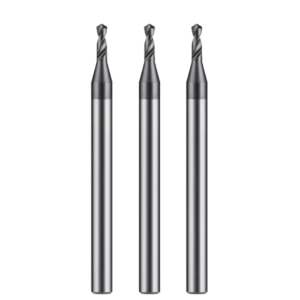
Advantages of Carbide Drill Bits in High-Efficiency Metal Drilling
In modern metal processing, carbide drill bits excel in high-efficiency drilling due to their high hardness, wear resistance, and excellent thermal stability. Compared to ordinary high-speed steel drill bits, carbide variants maintain sharpness during high-speed cutting and high-feed operations, significantly improving productivity in mass production. For precision hole machining, these high-performance tools ensure consistent hole diameters, smooth surface finishes, and reduced rework, lowering overall production costs.
Carbide drill bits also adapt well to complex machining conditions. Whether working on thin-walled parts, high-hardness alloys, or continuous deep-hole drilling, these tools maintain stable cutting forces and efficient chip evacuation. This stability reduces tool changes and downtime, allowing companies to sustain high production efficiency in demanding environments.
Performance of Carbide Drill Bits under High-Speed and High-Feed Conditions
To fully leverage carbide drill bits in industrial operations, it is essential to understand their behavior under demanding cutting conditions. High hardness and thermal stability allow these drill bits to withstand significant cutting forces and frictional heat, preventing tip chipping and cutting deviations. High-feed operations shorten cycle times and boost productivity, while carbide toughness ensures long-term hole accuracy.
Chip evacuation and cutting stability are critical under these conditions. Optimizing drill tip angle, helix groove design, and coating type improves chip flow and reduces drilling resistance. For stainless steel and medium-to-high hardness alloys, matching drill bit structure with cutting parameters maximizes efficiency and extends tool life.
Applications of Carbide Drill Bits in Deep-Hole and High-Precision Machining
In deep-hole and high-precision applications, stability and wear resistance are paramount. Drill bit geometry—including core diameter, helix angle, and coating—affects chip evacuation and hole accuracy. Customized carbide drill bits maintain balanced cutting forces, reducing hole wall deviations and burrs, and ensuring precise dimensions. These tools are ideal for aerospace components, mold manufacturing, and other precision parts.
Heat accumulation and friction are significant concerns in deep-hole drilling. High-performance carbide drill bits maintain stable cutting over prolonged operations. When combined with optimized coolant and feed strategies, they enable high-volume production while preserving hole accuracy, lowering both costs and downtime risks.
Analysis of Carbide Drill Bit Wear Patterns under Different Working Conditions
Carbide drill bit wear varies by material and cutting conditions, affecting tool life and machining stability. Common wear types include edge wear, rake face wear, and localized chipping. Optimizing substrate hardness, coatings, and geometry slows wear and ensures machining accuracy, especially in mass production.
Wear patterns are influenced by speed, feed rate, coolant, and depth. Long holes or high-speed operations concentrate wear at the tip and flute, causing potential deviations and vibration. Selecting appropriate HRC55 drill bits or carbide grades with optimized coatings and geometry extends tool life, improves stability, and reduces maintenance.
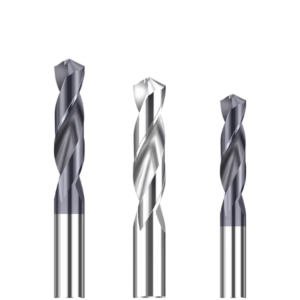
Manufacturing Capabilities and Quality Control Systems of Drill Bit Suppliers
High-quality drill bit production requires both precise design and mature manufacturing capabilities. Suppliers implement systematic processes and precision equipment to control every step, from raw materials to finished products. For mass-produced carbide and HRC55 drill bits, manufacturing capabilities directly influence machining accuracy, batch consistency, and tool life. Reliable drill bits reduce rework, improve efficiency, and maintain hole consistency in industrial production.
A robust quality control system covers raw material sourcing, process monitoring, and factory testing. Standardized processes ensure consistent hardness, wear resistance, and geometric dimensions across batches. When choosing suppliers, companies should assess manufacturing capabilities, testing protocols, and production experience to guarantee stable performance and tool longevity.
Impact of Raw Material Consistency on Batch Quality of Drill Bits
Raw material consistency directly affects cutting performance and lifespan. The hardness, toughness, and wear resistance of carbide drill bits depend on tungsten carbide particle size, binder ratio, and sintering density. Variations in raw materials can lead to uneven cutting, accelerated wear, or dimensional deviations, especially for HRC55 drill bits.
Suppliers implement strict incoming inspections, including chemical analysis, particle size distribution, and density testing. Ensuring consistent raw material performance allows batch-produced drill bits to maintain reliable cutting and geometric accuracy, reducing tool replacement and improving efficiency.
Role of Production Process Control in Carbide Drill Bits
Process control determines drill bit performance and stability. Sintering temperature, pressing, grinding, and coating affect sharpness and wear resistance. In mass production, process control ensures consistent dimensions and sharp edges, meeting high-precision drilling requirements.
Steps like spiral groove machining, tip forming, and surface treatment require precise execution. Optimized processes reduce edge chipping, thermal stress, and deviations. Consistent process control provides a solid foundation for coating adhesion and uniform wear, extending tool life and enhancing efficiency.
Finished Product Inspection Ensures Drill Bit Reliability
Final inspection ensures consistency and reliability. Suppliers use precision measuring tools to check dimensions, edge sharpness, helix angle, surface finish, and hardness. This process ensures stable cutting forces and avoids deviations, burrs, or breakage.
Inspection often includes trial cuts or simulation, verifying performance under various materials and conditions. Data feedback allows continuous improvement of manufacturing parameters, maintaining stability in HRC55 and other high-performance drill bits for mass production.
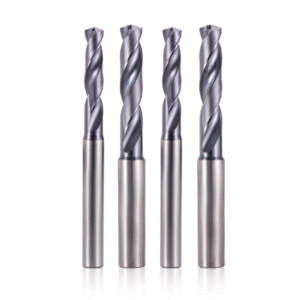
Application Scenarios of Customized Drill Bits in Different Industries
Customized drill bits improve efficiency and accuracy across industries. Carbide and HRC55-grade drill bits meet the needs of automotive, mold manufacturing, aerospace, and general machinery, ensuring consistent performance in mass production. Suppliers optimize geometry, coatings, and cutting parameters based on real processing data, enhancing tool life and reliability.
Custom drill bits reduce tool wear, optimize cutting force distribution, and improve chip evacuation. Customers select solutions based on material, hole depth, and equipment, achieving efficient, stable, and cost-effective production in high-volume operations.
Application of Drill Bits for Metal in Automotive Parts Machining
Automotive manufacturing demands high precision, surface quality, and batch consistency. Drill bits for metal ensure accurate hole diameters in engine, transmission, and chassis components while reducing burrs and vibrations. Customized geometry, helix angles, and coatings minimize heat and wear in high-speed mass production, enhancing efficiency and quality.
HRC55 or carbide drill bits maintain sharpness and stability for medium-to-high hardness materials. Optimized cutting forces and chip evacuation improve reliability, reduce downtime, and meet automotive industry demands for both precision and efficiency.
Core Requirements for HRC55 Drill Bits in Mold Manufacturing
Mold manufacturing requires high wear resistance, precision, and toughness. HRC55 drill bits ensure consistent hole quality in mold steel and high-hardness alloys, resisting chipping from cutting forces and heat. Customizing tip angle, flute design, and coatings improves stability in deep or complex holes.
High-volume, high-precision drilling demands optimized cutting parameters and tool structure. Customized HRC55 drill bits reduce rework, maintain performance across different materials and hole sizes, and provide reliable solutions for mold production.
Common Customization Directions for OEM Drill Bits in General Machining
General machining requires adapting drill bit design to material and processing conditions. OEM customization includes tip angle, flute design, core diameter, and coating type for carbon steel, stainless steel, and medium-to-high hardness alloys. Custom carbide drill bits maintain hole accuracy, chip evacuation, and processing stability in mass production.
Additional customization may involve deep-hole optimization, special diameters or shapes, and vibration control. Suppliers provide comprehensive solutions tailored to equipment and machining requirements, reducing wear, improving efficiency, and ensuring cost-effective production.
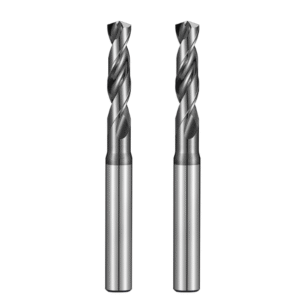
Key Factors to Evaluate When Choosing Reliable Drill Bit Suppliers
In industrial processing and mass production, selecting reliable drill bit suppliers is crucial. Suppliers provide carbide drill bits and HRC55 drill bits with high consistency and adaptability while maintaining stable delivery for OEM customization and bulk orders. Technical capabilities, manufacturing experience, and quality management systems are essential to ensure stable drill bit performance and smooth mass production. By evaluating these factors scientifically, companies can minimize rework, reduce tool wear, and maintain consistent hole quality and production rhythm.
Supplier service and communication skills are equally important. Those who understand customer process requirements and provide targeted solutions can recommend optimized processing parameters, tool geometry, and coating selections. Comprehensive evaluation of technical support, production capacity, quality assurance, and responsiveness ensures both processing efficiency and cost control in long-term cooperation.
The Importance of Technical Communication Skills for OEM Customized Drill Bits
OEM customized drill bits require efficient technical communication to match drill bit design with actual processing requirements. Suppliers must understand material properties, hole diameter requirements, machine types, and cutting parameters. Clear communication reduces design errors and improves the stability and service life of customized drill bits in production.
Technical communication also enables timely adjustments based on processing feedback. If wear or hole deviations occur, suppliers can analyze data and adjust drill bit geometry, coatings, and cutting parameters. This data-driven approach enhances tool performance, production efficiency, and builds long-term trust.
Impact of Delivery Time Stability and Batch Consistency on Production Rhythm
In mass production, timely delivery directly affects planning and equipment scheduling. Suppliers who consistently deliver high-quality drill bits, meeting size, hardness, and cutting performance standards, prevent production interruptions and rework. Stable delivery and batch consistency are critical to maintaining production rhythm and efficiency.
Batch consistency covers geometric dimensions, hardness, coating uniformity, and tip sharpness. Reliable suppliers ensure each production batch of HRC55 or high-performance carbide drill bits minimizes anomalies and tool replacements, supporting smooth operation on the production line.
Logic of Drill Bit Performance Optimization and Cost Control in Long-Term Cooperation
Long-term cooperation focuses on tool performance, cost control, and utilization efficiency. Suppliers can optimize drill bit geometry, coatings, and cutting parameters over time, improving tool life and processing stability while reducing production costs. Continuous data analysis ensures a balance between performance and economic efficiency.
Long-term collaboration also standardizes mass production processes. Suppliers optimize batch consistency, tool wear distribution, and inventory planning according to customer needs. This approach enhances reliability, controls costs, and maintains efficient production for high-volume operations.
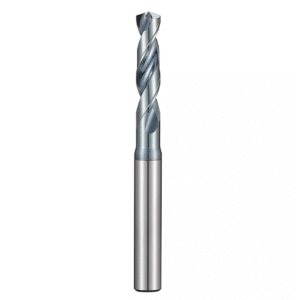
Analysis of Practical Application Feedback for OEM and Customized Carbide Drill Bits
OEM and customized carbide drill bit feedback is crucial for optimizing processing solutions. Collecting data on material type, hole diameter, and processing conditions helps evaluate cutting stability, wear rates, and hole accuracy. This data informs geometric design, coating selection, and cutting parameters, supporting consistent and efficient mass production.
Systematic analysis enables a closed-loop optimization system. Wear, chipping, and hole deviations guide adjustments to material hardness, tip angles, and flute designs. Optimized drill bits extend tool life, improve stability in deep-hole, precision, and high-speed machining, and help reduce costs while increasing productivity.
Guiding Significance of On-Site Machining Data for Drill Bit Optimization
On-site data provides the basis for drill bit geometry and coating optimization. Analysis of wear patterns, heat accumulation, and vibration under different materials and cutting conditions enables targeted adjustments. This improves the stability of HRC55 drill bits in high-hardness materials and continuous mass production, reducing anomalies.
Feedback also evaluates chip evacuation and hole accuracy under real working conditions. Helix angle, core diameter, and cutting edge design can be optimized based on performance, maintaining consistent cutting under high-speed, high-feed conditions. Data-driven optimization enhances quality, cost control, and productivity.
Comparative Performance of Different Drill Bit Structures in Metal Machining
Drill bit structure impacts efficiency, chip evacuation, and tool life. For example, larger helix angles improve chip flow in stainless and alloy steels, reducing burrs and deviations. Optimized tip angles reduce vibration and improve hole accuracy. On-site comparisons help companies select the best structure for material and production requirements.
Performance differences are pronounced in deep-hole, precision, and high-hardness machining. Suppliers provide structure-optimized HRC55 or carbide drill bits for stable cutting, extended tool life, and improved efficiency. Comparative analysis reduces processing risk and supports customized selection.
Reducing Overall Machining Costs Through Customized Carbide Drill Bits
Customized drill bits designed for specific materials, hole diameters, and conditions reduce costs while maintaining quality. Selecting suitable HRC55 or carbide drill bits lowers wear, reduces rework, and improves efficiency. In deep-hole, high-speed, or high-hardness operations, customized tools reduce downtime and maintenance costs, maximizing economic value.
Optimized cutting parameters and coatings extend tool life, decrease inventory pressure, and minimize supply risk. Targeted OEM customization ensures stable performance and controllable production costs. Data-driven customization makes carbide drill bits both reliable and economical, offering efficient industrial machining solutions.
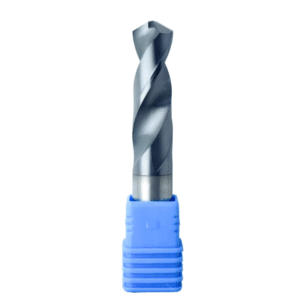
The Role of Drill Bit Suppliers in the Global Procurement System
Globally, drill bit suppliers act as strategic partners, not just product providers. High-precision hole requirements and batch consistency for high-hardness materials make suppliers central to OEM customization and carbide drill bit solutions. From raw material selection and process control to coating optimization and feedback analysis, supplier capabilities directly impact production performance. Stable supply and technical support minimize risk and ensure smooth global operations.
Suppliers also provide standardized, traceable, data-driven solutions. Strict quality control, product testing, and technical communication maintain consistent performance across batches and factory conditions. This reliability supports industries like automotive, mold manufacturing, and general machinery in global production layouts.
OEM Customer Requirements for Drill Bit Supply Stability
OEM customers demand consistent batch performance in size, hardness, coating, and geometry to ensure hole accuracy, cutting stability, and tool life. Delivery delays or performance fluctuations disrupt production schedules, increasing rework and downtime costs. Supplier delivery capability and batch consistency are therefore critical.
Stable supply also includes optimization support. OEMs expect suppliers to adjust geometry, coatings, and cutting parameters based on on-site data, ensuring HRC55 and carbide drill bits perform reliably in actual production, supporting efficiency and dependability.
Value of Customized Services in Drill Bit Supplier Competition
Customized services differentiate suppliers in a competitive market. OEM drill bit solutions optimized for material, hole size, and conditions improve processing efficiency, reduce wear, and lower overall costs. Services include geometry optimization, coating matching, material selection, and on-site guidance, enabling accurate and stable mass production.
Data-driven service strengthens long-term partnerships. Continuous feedback and technical adjustments enhance HRC55 and carbide drill bit performance in complex conditions, increasing supplier competitiveness while providing customers with stable, economical solutions.
Synergistic Role of Technology-Oriented Suppliers in Metalworking
Technology-oriented suppliers enhance production by understanding materials and processes. They combine HRC55 and carbide drill bit performance characteristics to optimize parameters, tool selection, and mass production workflows. This synergy ensures stable cutting forces and hole accuracy in high-speed, high-feed, and deep-hole machining.
Through data analysis, process improvement, and customized solutions, technology-oriented suppliers help reduce tool wear and production costs. In automotive, mold, and general machining, supplier involvement across design, manufacturing, and application delivers stable, efficient, and cost-effective processing, optimizing both production and supply chain management.