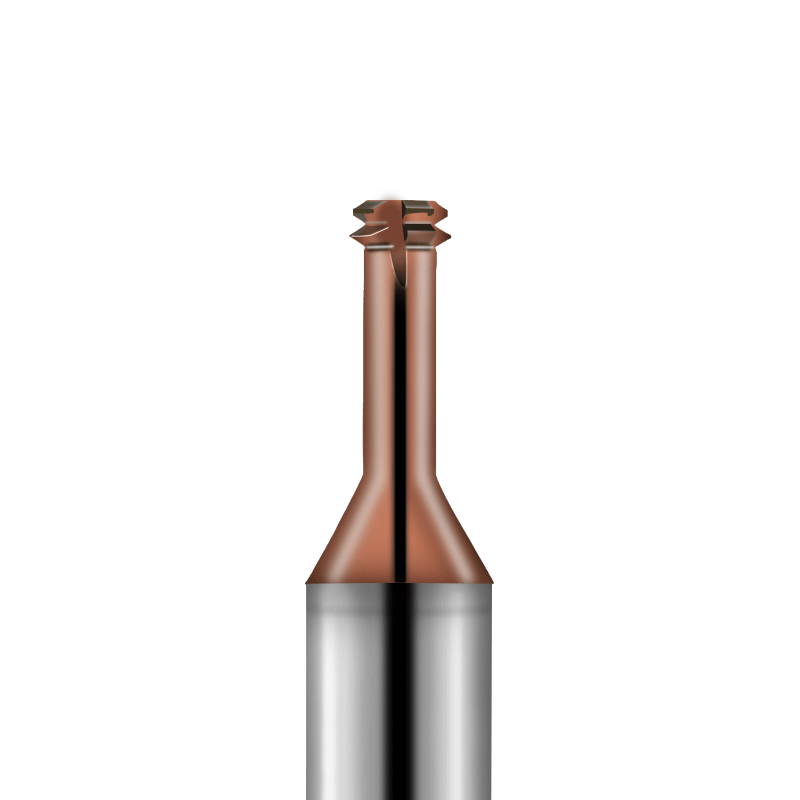
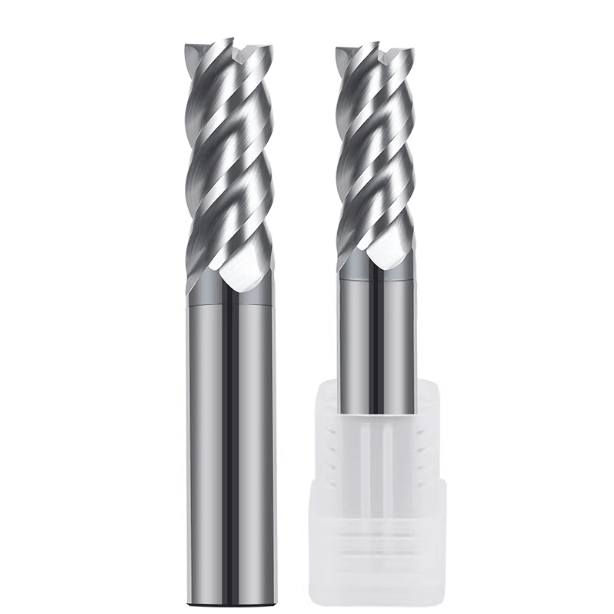
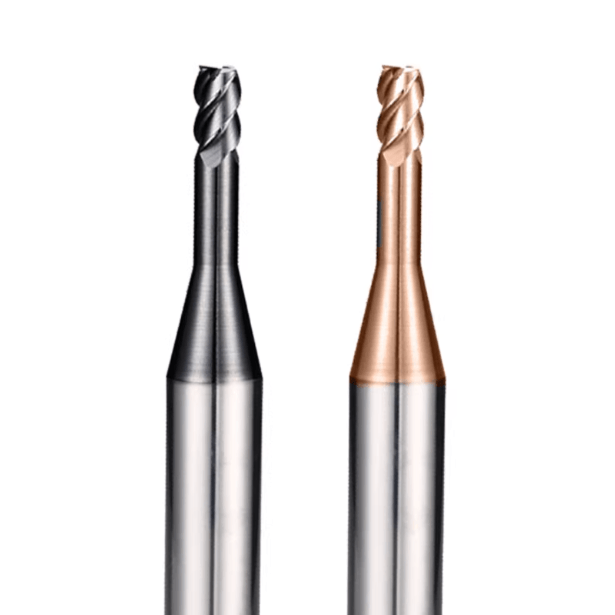
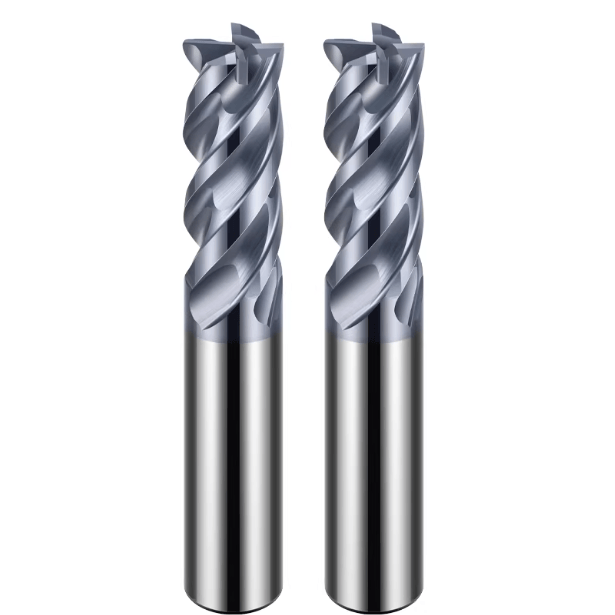
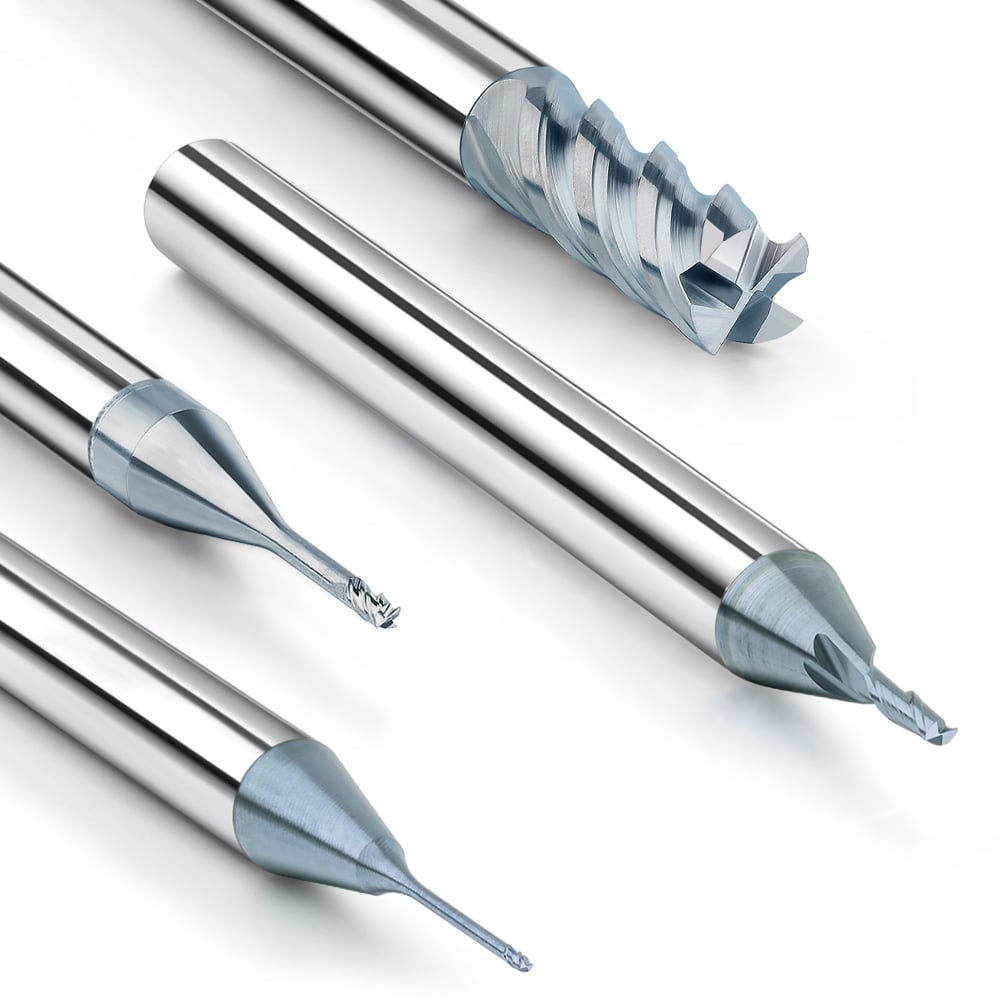
The global manufacturing industry is undergoing a critical phase of digital transformation and efficiency enhancement. Milling machine cutting tools, as an essential part of the metalworking supply chain, are witnessing accelerated demand and rapid technological advancement. With the growing adoption of precision machining, automated production, and high-performance materials, the global milling tool market is trending toward intelligence, high-speed cutting, and multi-functionality.
Structurally, the types of tools used in modern milling operations have become increasingly diverse—ranging from end mills, face mills, and ball nose cutters to specialized milling cutters for mold machining. These tools are continuously improving in cutting efficiency, wear resistance, and stability in surface finish and dimensional accuracy control.
In terms of materials, carbide cutting tools for milling machines remain the dominant choice. Their high hardness and excellent thermal stability make them ideal for high-speed and high-load machining. Especially in demanding industries such as aerospace, automotive, and mold manufacturing, coated carbide tools have become a key technology for enhancing performance and reducing overall production costs.
From a global perspective, China, as one of the world’s leading carbide tool manufacturing bases, is transitioning from OEM production to high-end, independently branded products. Leveraging a mature manufacturing ecosystem, complete supply chains, and strong cost-performance advantages, Chinese tool manufacturers are expanding rapidly into the international market and strengthening cooperation with partners across Europe, North America, and Southeast Asia.
Looking ahead, the milling machine cutting tool industry will continue to emphasize efficiency, extended tool life, and sustainable manufacturing. The integration of intelligent tool monitoring systems, eco-friendly coating technologies, and high-precision composite tooling will become the driving forces behind the next wave of global machining innovation. Overall, the continued expansion of this market not only reflects the trajectory of technological progress but also signals a global shift toward higher automation and machining precision.
Overview and Development Trends of the Global Milling Tool Market
With the steady recovery and structural transformation of global manufacturing, the milling machine cutting tools market is entering a new phase of growth. Rising demand for high-precision and high-efficiency machining across industries has pushed tool manufacturers to innovate in materials, geometries, and coatings. Modern milling tools are no longer just cutting instruments—they are critical enablers of productivity and machining quality. Whether it’s end mills for milling machines, milling cutters for mold machining, or carbide cutting tools for milling machines, these solutions are key to the rise of smart manufacturing and automated production.
The competitive landscape of the global milling tool industry is shifting from cost-driven to technology-driven competition. With continuous advancements in tool materials, coatings, and digital monitoring systems, the industry is evolving toward greater efficiency, durability, and sustainability. Major industrial powers such as China, Germany, Japan, and the United States are investing heavily in technological innovation, branding, and global supply chain integration, injecting new momentum into the market.
Global Manufacturing Recovery Drives Growth in Cutting Tool Demand
The global manufacturing sector is in the midst of intelligent transformation and capacity restructuring, leading to rising demand for advanced milling machine cutting tools—especially in automotive, aerospace, energy equipment, and mold manufacturing. The lightweighting of new energy vehicles, the diversification of aerospace materials, and the growing complexity of precision molds are driving the use of high-performance carbide tools for efficient machining.
Asia—led by China, India, and Southeast Asia—has become the primary growth engine for global tool consumption. The demand for carbide end mills for milling machines is particularly strong in high-end machining of steel, titanium alloys, and composites. As smart manufacturing and automation spread, the global cutting tool market is projected to maintain steady growth over the next five years.
Milling Tool Technology Upgrades Drive Market Competition
Technological innovation is the foundation of competitiveness in the milling tool industry. Modern carbide cutting tools for milling machines have achieved breakthroughs not only in hardness and wear resistance but also in geometry optimization and coating technology. Advanced coatings such as TiAlN, AlCrN, and DLC significantly enhance heat resistance and cutting stability.
At the same time, intelligent tool monitoring systems are redefining production efficiency. Equipped with sensors and data analytics, manufacturers can monitor tool wear, vibration, and cutting temperature in real time, allowing for AI-driven parameter optimization and reduced production downtime. Tool makers are increasingly integrating artificial intelligence and big data analytics into design and manufacturing, improving tool life and process control.
Major Market Region Analysis: Asia, Europe, and North America
The global milling tool market displays clear regional characteristics. Asia leads in manufacturing scale and supply chain integration, with China continuing to strengthen its position as a major carbide tool manufacturer, serving both domestic and international markets with cost-effective solutions.
Europe, led by Germany and Switzerland, focuses on high-end precision tooling, catering primarily to the mold, aerospace, and medical equipment sectors. Meanwhile, North America emphasizes automation and digital integration, where the combination of CNC machine tools and intelligent tooling systems is rapidly expanding.
Collectively, Asia’s manufacturing capacity, Europe’s innovation, and North America’s technological integration are driving the sustained growth of the global milling tool industry, with a shared focus on high-performance, intelligent, and sustainable solutions.
Milling Machine Cutting Tool Types and Applications
In modern manufacturing, milling machine cutting tools are fundamental to metal cutting and forming operations. Different types of milling cutters perform specific functions—such as roughing, semi-finishing, or finishing—depending on the workpiece material, machining method, and surface requirements.
With the widespread use of CNC machining centers and automated production lines, the design, material selection, and coating technologies of cutting tools are evolving rapidly. The current market covers a wide range of products, from general-purpose to specialized milling tools, including end mills, face mills, ball nose cutters, corner radius end mills, and precision milling cutters for mold machining.
The right combination of tools directly impacts machining accuracy, productivity, and tool life. A well-designed tooling strategy enhances cutting stability and minimizes risks such as workpiece deformation and surface defects. Manufacturers worldwide are meeting the demand for high-speed, high-precision, and sustainable machining through innovations in carbide materials, tool geometry optimization, and intelligent tool monitoring systems.
Main Categories of Milling Machine Cutting Tools
Milling tools can be classified by their function and geometry, each serving specific machining applications:
-
End Mills – The most versatile tool type, ideal for slotting, profiling, and contour milling of steel, aluminum, and titanium.
-
Face Mills – Designed for large-area surface cutting with high rigidity and productivity, often using indexable inserts.
-
Ball Nose Milling Cutters – Used for 3D contouring and complex surface machining, widely applied in molds and aerospace components.
-
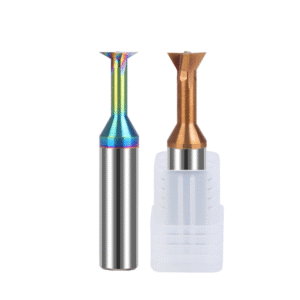
Form Cutters – Designed for precision contouring such as gear teeth, grooves, or guide surfaces.
-
Corner Radius End Mills – Combine the benefits of flat and ball end mills, reducing tip wear and improving tool life during high-speed machining.
Together, these tools form a complete system that supports every stage of production—from roughing to finishing—maximizing productivity and ensuring consistent quality.
Functions and Characteristics of End Mills for Milling Machines
End mills are the most widely used category of milling tools, suitable for machining metals, plastics, and composites. Based on tip shape, flute geometry, and coating, they are divided into:
-
Flat End Mills: Used for flat surfaces and grooving; provide excellent stability when cutting materials like steel, aluminum, or brass.
-
Ball Nose End Mills: Ideal for sculpted surfaces and cavity machining, particularly in molds and aerospace parts.
-
Corner Radius End Mills: Reduce edge chipping and improve surface finish during high-speed cutting.
-
Roughing End Mills: Feature serrated cutting edges for heavy stock removal and high feed operations.
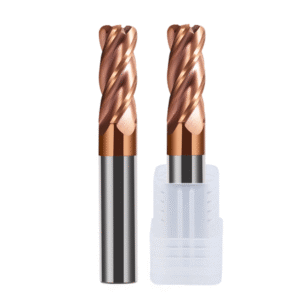
Carbide end mills with advanced coatings such as TiAlN, AlCrN, and DLC provide outstanding wear resistance and long life under high-speed and high-temperature conditions, making them the preferred choice for precision part manufacturing and high-performance mold machining.
Milling Cutters for Mold Machining
Mold machining requires exceptional surface finish and dimensional accuracy. Milling cutters for mold machining typically feature ultra-fine grain carbide substrates combined with high-hardness, heat-resistant coatings, making them suitable for difficult materials such as hardened steel, titanium alloys, and tool steels.
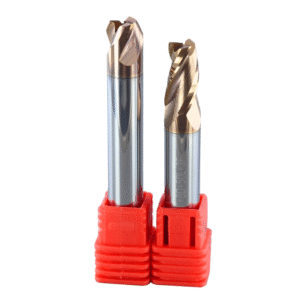
Common tool types include ball nose, round nose, and tapered end mills—each optimized for deep cavities, complex geometries, and restricted machining spaces. With the growing use of five-axis CNC technology, tool geometries have become more sophisticated, and manufacturers are refining flute design and edge angles to enhance chip evacuation and heat dissipation.
Future developments will focus on long-life coatings, intelligent tool monitoring, and high-precision micro tooling, meeting the increasing demands for automated, high-precision mold manufacturing.
Market Position and Technological Innovation of Carbide Cutting Tools
As global manufacturing rapidly upgrades toward digital and intelligent production, carbide cutting tools for milling machines have solidified their position as the mainstream choice for high-performance machining. With increasing demands for precision, speed, and efficiency across the aerospace, automotive, energy, and mold-making industries, carbide tools stand at the center of the global milling tool market due to their superior durability and consistency.
Carbide tools are widely used for machining not only conventional steels but also difficult-to-machine materials such as hardened alloys, titanium, and stainless steel. Their exceptional hardness, heat resistance, and dimensional stability make them ideal for high-speed, heavy-duty, and continuous milling applications. As CNC milling, high-speed machining (HSM), and dry cutting become industry standards, the role of carbide cutting tools becomes even more indispensable.
Leading global tool manufacturers are enhancing performance through materials science innovation, advanced coating technologies, and optimized tool geometries. Meanwhile, Chinese carbide tool manufacturers are gaining ground with competitive pricing, precision quality, and rapid technological progress—injecting new vitality into the global tooling landscape.
Performance Advantages of Carbide Cutting Tools
Carbide cutting tools—typically composed of tungsten carbide (WC) and cobalt (Co) binder—combine the toughness of metals with the hardness of ceramics. Their main advantages include:
High Hardness and Wear Resistance:
Carbide tools generally exceed HRA89 in hardness, maintaining sharp edges significantly longer than high-speed steel (HSS) tools. They perform exceptionally well in machining steel, cast iron, stainless steel, and heat-resistant alloys.
Excellent Thermal Stability:
Carbide tools can withstand cutting-edge temperatures up to 1000°C without losing performance, making them ideal for high-speed and high-feed machining.
Superior Efficiency and Reliability:
High chipping resistance and excellent heat dissipation allow the use of aggressive cutting parameters, improving productivity and tool life.
Broad Material Compatibility:
Different carbide grades—P-class (steel), M-class (stainless steel), and K-class (cast iron)—offer tailored solutions for specific machining materials.
These properties make carbide cutting tools a cornerstone of modern CNC milling systems, enabling manufacturers to achieve high performance, lower cost, and greater process stability.
Advances in Coating Technology — TiAlN, AlCrN, and DLC
Modern coating technologies are crucial in extending the life and enhancing the performance of carbide end mills for milling machines. Each coating type provides distinct benefits in terms of wear resistance, surface finish, and heat tolerance:
TiAlN:Offers excellent oxidation resistance and is suitable for dry and high-speed cutting, particularly in hardened steel and die machining.
AlCrN:Provides high thermal stability and strong anti-adhesion properties, ideal for machining stainless steel, titanium, and superalloys, reducing edge wear and preventing chipping.
DLC:Features low friction and high hardness, making it perfect for non-ferrous materials such as aluminum, copper, and carbon fiber composites. It greatly improves surface quality and reduces built-up edge formation.
Emerging nano-multilayer coatings and hybrid coating systems, produced via PVD and ion-plating techniques, further enhance adhesion and coating uniformity. These innovations significantly extend tool service life and help milling cutters for mold machining maintain peak performance under extreme conditions.
Comparison Between Solid Carbide and Indexable Cutting Tools
Within the milling machine cutting tools system, carbide cutting tools are generally divided into two major categories: solid carbide tools and indexable tools. Each type has its own advantages and limitations, and the appropriate choice depends on the machining material, production volume, and precision requirements.
| Comparison Dimension | Solid Carbide Tools | Indexable Tools |
|---|---|---|
| Cost | Higher unit cost, ideal for high-precision and small-batch production. | Higher initial investment, but lower long-term cost due to replaceable inserts. |
| Precision | One-piece construction offers superior dimensional accuracy, suitable for precision parts and mold machining. | Slight deviation may occur during insert clamping, making it better suited for roughing and heavy cutting. |
| Cutting Performance | High rigidity and stability enable high-speed milling and micro-machining. | Excellent chip evacuation, ideal for large depth of cut and high feed-rate operations. |
| Reusability | Non-repairable; the entire tool must be replaced once worn. | Inserts are replaceable, and the tool body can be reused for a long period. |
| Application Fields | Mold machining, aerospace components, precision part manufacturing. | Large workpieces, structural components, and heavy-duty cutting environments. |
Solid carbide cutting tools are the preferred choice for mold machining and high-speed milling due to their rigidity and precision, while indexable milling cutters excel in high-volume production for their cost-efficiency and maintainability. Together, these two tool types drive the continuous advancement and market expansion of carbide cutting tools for milling machines.
Global Competitiveness of Chinese Carbide Tool Manufacturers
As global supply chains optimize, Chinese carbide tool manufacturers are becoming major players in the international cutting tool market. Supported by an advanced industrial ecosystem, automation, and continuous quality improvement, China is transitioning from a “large-scale manufacturer” to a global innovation leader in tooling.
In recent years, Chinese manufacturers have achieved strong competitiveness in carbide cutting tools for milling machines, offering solutions that rival international brands in precision, coating performance, and tool longevity. These tools are now widely used in aerospace, automotive, mold manufacturing, and renewable energy sectors, serving as reliable alternatives for OEM and ODM clients worldwide.
Beyond price advantages, Chinese companies are increasingly investing in R&D, branding, and international certification. By obtaining ISO 9001, ISO 14001, DIN, and JIS certifications, they are establishing reputations for high-quality, precision tooling that meet global standards. This shift marks China’s evolution from price-based competition to technology-driven competitiveness.
The Rise of China’s Cutting Tool Manufacturing Industry
China’s cutting tool rise stems from both government support and an optimized industrial structure. Major tool manufacturing clusters have formed in the Yangtze River Delta, Pearl River Delta, and Bohai Rim, integrating powder metallurgy, tool design, coating technology, and machine assembly into complete value chains.
Leading manufacturers have adopted fully automated CNC grinding centers, PVD coating systems, and digital inspection tools to achieve high precision and repeatability. Integration of MES systems and big data analytics has boosted efficiency and reduced variability.
Additionally, China’s cutting tool industry benefits from international R&D cooperation. Partnerships with research institutions in Germany, Japan, and Switzerland have accelerated innovation in carbide material development, coating performance, and geometry optimization, helping domestic tools enter high-end global markets.
Quality and Standardization Trends in Chinese Carbide Cutting Tools
Chinese carbide tools are now aligning with global quality standards. Manufacturers enforce strict QC protocols covering raw material testing, sintering, coating inspection, and edge sharpness measurement. Many have invested in laboratory-grade facilities using spectrometers, coordinate measuring machines (CMMs), and edge microscopes to ensure dimensional accuracy and consistency.
Environmental consciousness is also rising. Many companies are adopting eco-friendly coating technologies, low-emission sintering, and recyclable carbide systems, aligning with the global trend toward green manufacturing. These advancements have enhanced both product reliability and international recognition, turning “Made in China” into “Created in China.”
International Cooperation and Branding Strategies of Chinese Manufacturers
Chinese tool manufacturers are increasingly visible in the global high-end tooling market, particularly in niches such as carbide end mills for CNC milling, indexable milling inserts, and mold milling cutters.
Strategically, Chinese companies are forming long-term alliances with machine tool manufacturers and distributors in Europe and North America, offering customized carbide tooling solutions with technical support.
They are also strengthening brand presence through participation in EMO, JIMTOF, and other major global exhibitions, while expanding their digital footprint through multilingual websites, online catalogs, and global after-sales networks.
With the advancement of Industry 4.0 and intelligent manufacturing, Chinese carbide tool manufacturers are poised to maintain their upward trajectory—driven by cost-efficiency, innovation, and performance excellence.
Global Market Outlook and Future Opportunities
As global manufacturing enters a new era of intelligent and sustainable development, the milling machine cutting tools market is experiencing a dual growth trajectory—driven by structural upgrades and rapid technological innovation. In the coming years, as smart manufacturing, digital machining, and green production become mainstream, the key differentiators among tool manufacturers will be innovation capability, digital integration, and advanced materials development.
According to multiple industry forecasts, the global carbide cutting tools for milling machines market will maintain steady growth over the next five years. High-precision sectors such as automotive, aerospace, medical devices, and mold manufacturing will see the sharpest demand increase for high-performance milling tools.
Meanwhile, emerging manufacturers—especially carbide tool producers in China—are expected to gain stronger positions in the global supply chain thanks to their cost efficiency and agile response to market needs.
The global cutting tool industry is consolidating around three major trends:
-
Digitalization and intelligentization of cutting tools.
-
Sustainable manufacturing and eco-friendly materials innovation.
-
Global market expansion and structural diversification.
Smart Manufacturing Drives the Digitalization of Cutting Tools
With the evolution of Industry 4.0 and smart factory ecosystems, cutting tools are becoming intelligent components of interconnected production systems. Manufacturers now value not only the cutting performance of tools but also their data communication and integration capabilities within CNC machining environments.
Tool Condition Monitoring (TCM) has become a central feature of automation. Using embedded sensors, wireless data transmission, and AI-driven analytics, systems can monitor tool wear, vibration, and temperature of end mills for milling machines in real time—enabling predictive maintenance before tool failure occurs.
Data-driven machining optimization further enhances performance. By analyzing cutting parameters, tool life, and material characteristics, CNC systems can automatically adjust feed rate, spindle speed, and cutting depth to maximize both machining efficiency and tool lifespan.
This integration minimizes downtime and significantly improves cost control and process stability.
Looking ahead, digital twins, cloud manufacturing, and edge computing will deepen the integration between cutting tools and intelligent production systems. Milling cutters for mold machining will gain self-learning and auto-compensation capabilities, becoming adaptive, data-rich tools in next-generation smart factories.
Sustainable Manufacturing Trends and Environmentally Friendly Cutting Tool Materials
The global push toward carbon neutrality and sustainable manufacturing is reshaping the cutting tool industry. Traditional cutting methods consume high levels of energy and produce waste fluid, prompting toolmakers to adopt eco-friendly materials and low-impact production processes.
Next-generation carbide materials are at the center of this transition.
Ultrafine-grain carbide with reduced cobalt content maintains superior hardness and wear resistance while minimizing the use of hazardous substances. In parallel, recyclable tool bodies enhance sustainability through extended tool life cycles and resource efficiency.
Green cooling methods such as MQL and dry machining are replacing traditional oil-based systems. These techniques reduce energy use, fluid waste, and environmental pollution, while improving surface quality and tool longevity.
Sustainability has become a strategic differentiator for tool manufacturers.
Chinese carbide tool producers are actively implementing energy-efficient processes, green coatings, and environmental certifications to strengthen their global competitiveness and align with international ESG standards.
Global Milling Machine Cutting Tool Market Forecast for the Next Five Years
According to aggregated data from multiple research institutions, the global milling machine cutting tools market is projected to grow at a compound annual growth rate (CAGR) of approximately 5–6% over the next five years, reaching a total market value of over USD 18 billion by 2030.
Key growth drivers include:
-
Rising CNC adoption: The spread of smart machine tools and five-axis machining centers continues to boost demand for high-performance cutting tools.
-
Expansion of high-end manufacturing: Sectors such as aerospace, mold and die, medical technology, and new energy are increasingly dependent on precision cutting solutions.
-
Emerging markets: Carbide tool manufacturers in Asia—notably China, India, and Vietnam—are entering global supply chains and moving toward premium tool production.
-
Technology trends: Smart tooling systems, modular tool design, AI integration, and IoT-enabled management will enable a closed-loop ecosystem for automatic tool selection, life prediction, and process optimization.
In the next five years, the industry will shift toward a competitive cycle defined by “high performance, intelligence, and sustainability.”
Companies aiming to lead the market must master both technological innovation and green manufacturing practices to secure future market share.
High Performance Milling Tools Drive Global Manufacturing Upgrades
High-performance milling machine cutting tools have become fundamental drivers of global manufacturing advancement. From material innovation to smart automation and sustainable production, every step in tool evolution directly impacts productivity, machining precision, and industrial competitiveness.
With the global recovery of manufacturing and ongoing industrial restructuring, demand for premium cutting tools—including end mills and milling cutters for mold machining—continues to grow.
Manufacturers are now leveraging AI-driven, data-centric, and automated machining systems for full-lifecycle performance management, turning cutting tools into critical nodes within intelligent, data-driven ecosystems.
The performance advantages of carbide cutting tools for milling machines remain the cornerstone of modern machining. Their high hardness, thermal stability, and speed capability make them indispensable in industries like aerospace, automotive, energy, and precision molds.
New coating technologies—including TiAlN, AlCrN, and DLC—combined with green manufacturing concepts, further enhance tool life and align with sustainable production goals.
Meanwhile, Chinese carbide tool manufacturers are transitioning from OEM suppliers to independent brand exporters, supported by complete industrial chains, smart production systems, and improved quality assurance.
Their growing influence reflects China’s rising role as a strategic player in the global cutting tool supply network.
Looking ahead, three major forces will shape the next stage of the milling machine cutting tools market:
-
High performance – continuous breakthroughs in materials and coatings.
-
Digital intelligence – integration of AI, data analytics, and cloud management.
-
Green transformation – environmentally friendly processes and low-carbon design.
Through these combined forces, the global cutting tool industry is entering a new era of value creation and sustainable competitiveness.