-白底主图5.jpg)
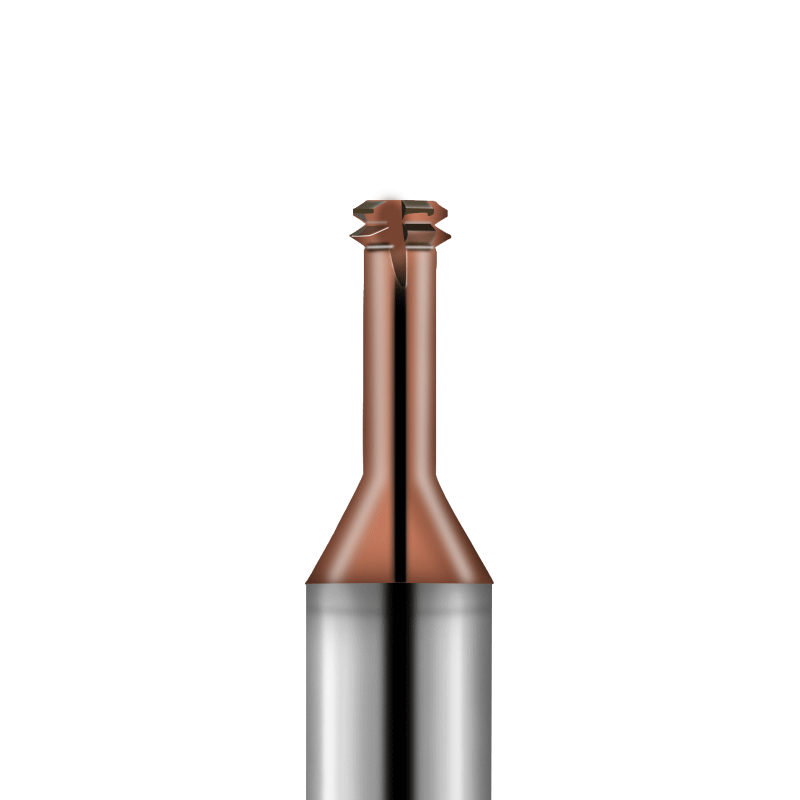
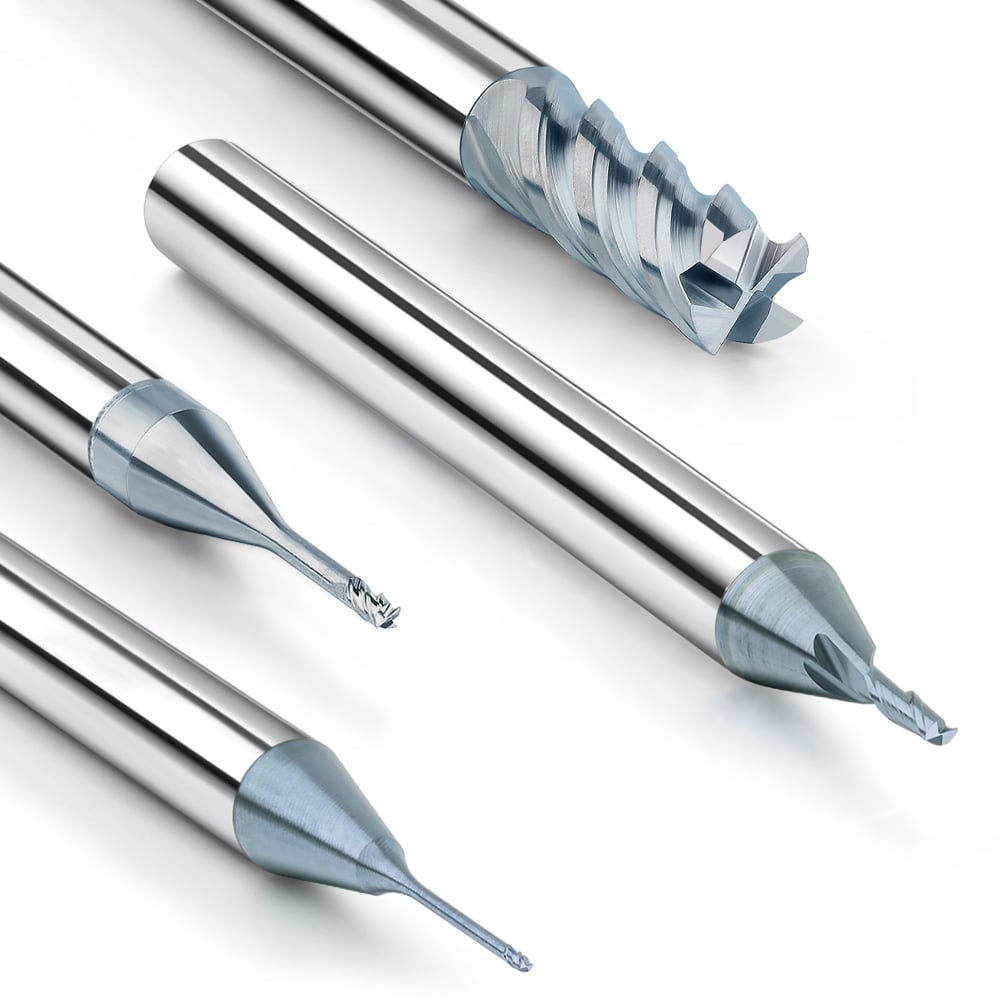
High-precision metal cutting drill bits play a crucial role in deep hole machining, especially when consistent hole diameter, stable surface finish, and uninterrupted machining efficiency are required. With increasing demand for machining high-strength metals, heat-resistant metal alloys, and stainless steel, drill bits designed specifically for deep hole drilling have become essential for ensuring reliable production. Whether using carbide drill bits for metal cutting to maintain stable high-speed drilling or employing milling and drilling tools for pre-machining and finishing processes, proper tool selection and optimized drill bit design directly impact the final machining results.
The challenges of deep hole drilling mainly involve difficult chip removal, concentrated heat, and a high risk of tool deviation. Specialized drill bits with durable tool materials, optimized cutting edge geometry, efficient cooling paths, and well-designed chip flutes are essential. Carbide drill bits not only offer excellent wear resistance but also maintain sharpness during long cutting cycles, reducing the frequency of tool changes and minimizing downtime. Many manufacturers collaborate with custom CNC drill bit suppliers, customizing cutting edge angles, core thickness, coating types, and cooling structures to precisely match the deep hole drilling requirements of complex workpieces. This reduces machining errors and improves hole wall quality.
High-precision metal cutting drill bits are more than just tools—they help guarantee overall production efficiency and consistency. By carefully configuring drill bit materials, geometry, and complementary milling and drilling tools, manufacturers can significantly enhance tool life, machining stability, and production output, providing a reliable solution for a wide range of deep hole machining applications.
-白底主图1-300x300.jpg)
Core Requirements for Metal Cutting Drill Bits in Deep Hole Machining
Deep hole machining places high demands on drill bit performance, particularly when working with high-hardness metals, heat-resistant alloys, and complex-shaped workpieces. Drill bits must withstand long cutting paths while maintaining stable chip removal, heat dissipation, and precise guidance. Achieving this requires meticulous optimization of tool design, material selection, and cooling methods. To address common issues such as misalignment, vibration, chip buildup, and excessive heat, many manufacturers use high-strength carbide materials, reinforced core structures, and internal cooling designs. Combined with appropriate milling and drilling tools, these strategies ensure consistent hole wall quality and reliable machining results.
Stability and Guiding Requirements in Deep Hole Machining
During deep hole drilling, the depth often far exceeds the hole diameter, which can lead to drill bit misalignment, uneven hole shapes, and vibration. Maintaining proper guidance requires accurate cutting edge geometry, a strong guiding structure, and a smooth cutting path. Enhanced core thickness, optimized rake angles, and stable guiding methods can effectively keep the drill bit aligned along the hole centerline. Many manufacturers also use guide sleeves or pilot drills to improve entry stability, which is especially critical when machining high-strength steel or nickel alloys.
The Importance of Tool Rigidity and Chip Removal Performance
Deep hole drilling generates a large volume of chips in a narrow cutting zone. Poor chip removal can cause jamming, scratches on the hole wall, and tool breakage. Therefore, drill bits must combine high rigidity with efficient chip evacuation. Reinforced cores and optimized chip grooves improve bending resistance and facilitate smooth chip flow, reducing machining risks. Carbide drill bits maintain their strength during long cutting operations, minimizing hole diameter errors due to tool deformation. Using complementary milling processes before drilling can also reduce initial cutting load and improve chip evacuation.
The Impact of Cooling Supply and Heat Control
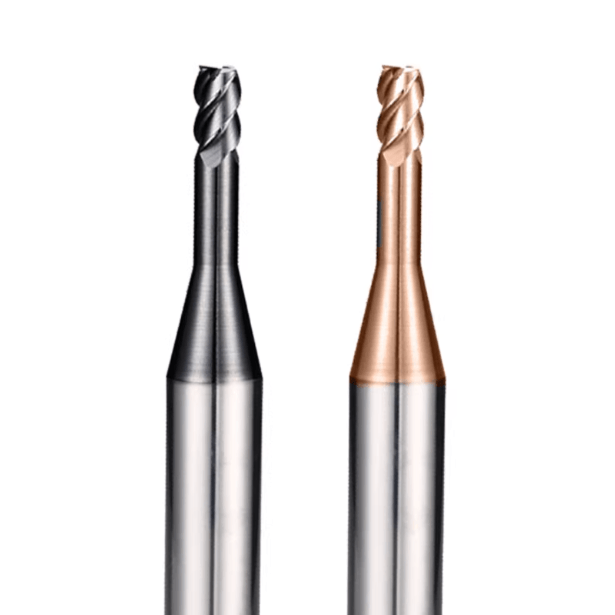
Heat concentration is a major challenge in deep hole drilling. Inadequate cooling affects tool life, stability, and hole quality. Internal cooling channels or high-pressure coolant delivery systems efficiently remove heat and aid chip evacuation. For deep cuts, internal cooling is essential to prevent thermal expansion and reduce tool wear. Many CNC drill bit suppliers provide custom cooling solutions, including dual-channel internal coolant paths and reinforced chip flutes, to meet the demands of challenging deep-hole operations.
白底-主图2-300x300.jpg)
Structural Advantages of High-Precision Metal Cutting Drill Bits in Deep-Hole Machining
The tool’s structural design is critical in deep-hole machining. Long-distance cutting requires sufficient tool strength and precise coordination of chip removal, heat dissipation, guidance, and geometry. Specialized deep-hole tools are optimized in cutting edge geometry, core thickness, chip flutes, and coating to maintain stable performance when machining high-hardness metals, heat-resistant alloys, or stainless steel. For carbide drill bits, these structural improvements address misalignment, chip jamming, and thermal effects.
Specialized Cutting Edge Geometry for Cutting Consistency
The cutting edge geometry affects trajectory stability and hole wall quality. Precise rake and clearance angles, along with optimized chip flutes, maintain consistent entry and cutting paths. Micro-beveling or multi-segment edges enhance cutting compliance in high-strength metals, controlling chip size and improving metal removal stability. This geometry works well with pre-machining using milling tools to ensure uniformity from entry to final drilling.
Enhanced Core Thickness for Rigidity
Increasing core thickness improves bending resistance, allowing the drill to maintain a stable centerline in deep cuts. Reinforced cores reduce vibration and hole taper deviation, particularly in high-strength or heat-resistant metals. For carbide drills, the combination of high material strength and increased core thickness maintains stability during high-speed cutting. Custom CNC drill bit suppliers can fine-tune core thickness, cutting edge transitions, and tool body support for optimal deep-hole reliability.
Dedicated Chip Removal Groove Design
Effective chip removal is essential for deep-hole efficiency and tool life. Polished or deformed chip flutes, often combined with internal cooling, ensure smooth evacuation and prevent blockage or scratching. This improves metal removal rates and reduces downtime for chip cleaning. In carbide drills, specialized chip grooves reduce thermal shock and maintain edge sharpness for a more efficient, stable machining process.
白底-主图1-300x300.jpg)
Performance Characteristics of Carbide Drill Bits for Metal Cutting in Deep Hole Machining
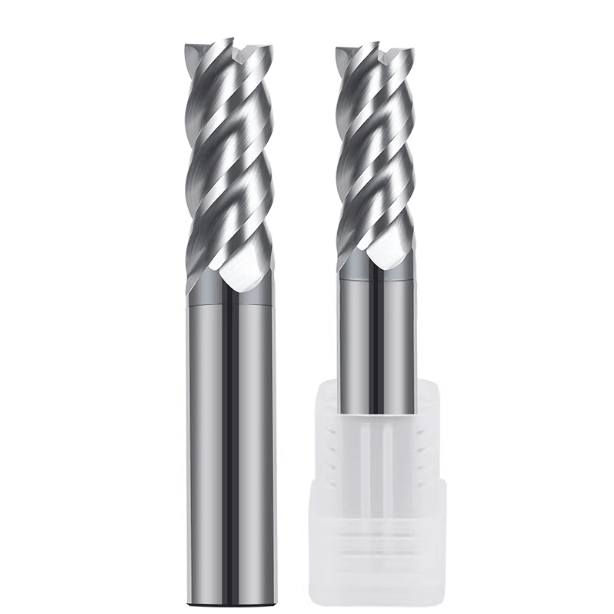
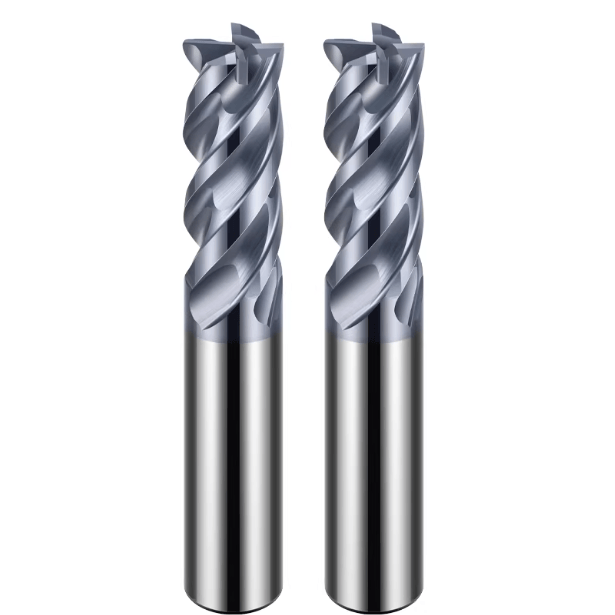
Cutting efficiency and stability are key in deep-hole machining. Carbide drill bits offer exceptional wear resistance and rigidity, maintaining stable performance under prolonged high-load operation. They are widely used for precision parts and high-hardness metals, reducing wear while ensuring hole diameter accuracy and surface finish. Advanced multi-layer coatings provide heat and corrosion resistance, further extending tool life. Optimized chip flutes and reinforced cores facilitate efficient chip removal, enabling high-speed drilling with precise surface finishing.
Wear Resistance and Stable Cutting
Carbide materials maintain edge stability under high loads, reducing tool wear, vibration, and diameter deviation in stainless steel, titanium alloys, and high-strength steel. When paired with precision machinery, carbide drills ensure repeatable and stable deep-hole performance.
High-Speed Drilling Capability
Carbide drills can operate at high speeds on hard metals while maintaining cutting efficiency. Reinforced cores prevent bending or misalignment, ensuring accuracy and stability. High-speed drilling improves productivity, reduces heat accumulation, and maintains part surface quality.
Multi-Layer Coating Enhances Lifespan and Surface Finish
Multi-layer coatings improve heat resistance, oxidation resistance, and friction reduction. They help maintain stable cutting under high load, lower cutting temperatures, and improve chip flow. Coated carbide drills deliver consistent hole wall finish and surface quality, ensuring reliable results for precision components.
Application of Milling and Drilling Tools in Deep Hole Machining
In deep hole machining, relying solely on drill bits to complete all tasks often fails to ensure hole diameter accuracy and surface finish. Properly combining high-performance milling and drilling tools provides support before, during, and after drilling, optimizing the entire machining process. Pre-milling ensures hole position accuracy, stabilizes guidance, and reduces the risk of deviation during subsequent drilling. Post-drilling auxiliary milling improves hole wall finish, removes burrs and residual stress, and enhances assembly accuracy. Additionally, using combined cutting tools allows multiple operations in a single setup, reducing tool changes and machine idle time, while improving overall efficiency and maintaining high-precision results for large-volume deep hole machining.
Pre-milling for Hole Position Accuracy and Entry Stability
Pre-milling creates precise guide surfaces and accurately shaped holes, providing a stable entry point for drilling. This reduces drill bit eccentricity and vibration, while maintaining initial hole diameter consistency. Using high-rigidity milling cutters and optimized cutting parameters ensures stable cutting, even in hard metals, allowing smooth and reliable deep hole operations. Pre-milling also sets the stage for consistent chip removal and stable cutting throughout the drilling process.
Auxiliary Milling Before and After Drilling Optimizes Machining Results
Auxiliary milling before drilling removes burrs and shapes the hole opening, while post-drilling light milling or chamfering enhances hole wall finish and relieves internal stress. These processes directly influence dimensional accuracy and surface quality. When used with advanced cutting fluids and optimized cutting parameters, they help control heat generation, prolong tool life, and guarantee that machined components adhere to stringent technical specifications.
Combined Cutting Tools Enhance Machining Pace and Efficiency
Integrated milling and drilling tools allow several operations to be completed in one setup, reducing the need for tool changes and cutting down on idle time. These tools balance chip evacuation efficiency and rigidity, maintaining stable cutting during deep hole machining. In high-volume production, modular cutting tools improve overall workflow while ensuring hole diameter accuracy and surface finish consistency, delivering an efficient and reliable deep hole machining solution.

Selecting the Right Metal Cutting Drill Bit for Deep Hole Machining
Choosing the appropriate drill bit is critical for maintaining machining accuracy, efficiency, and surface quality. Hole depth, material hardness, and machine tool capabilities directly influence cutting performance and tool life. To achieve optimal results, factors such as hole depth ratio, material properties, and equipment capacity must guide the selection of tool structure, material, and cooling method. Properly chosen drill bits reduce wear, minimize vibration, and optimize chip evacuation, ensuring precise hole diameter and consistent surface finish for high-precision parts.
Choosing Tool Structure Based on Hole Depth Ratio
Hole depth ratio affects drill rigidity and guidance. High-depth-ratio applications benefit from drill bits with reinforced cores and optimized helix angles, improving bending resistance and cutting stability. For shallow holes, lighter tools with smooth chip evacuation increase efficiency and speed. Matching hole depth ratio to tool structure reduces machining deviations and ensures consistent deep hole performance.
Selecting Tool Materials Based on Material Hardness
Different metals demand varying wear resistance and cutting performance. High-hardness steel, titanium alloys, or heat-resistant alloys benefit from carbide drill bits, offering excellent wear resistance and rigidity under high-speed cutting. Low- or medium-hardness metals can use high-speed steel or coated steel drills to balance cost and efficiency. Proper material selection extends tool life while ensuring hole diameter accuracy and surface finish.
Optimizing Tool Diameter, Shank Type, and Cooling Based on Equipment
Machine tool performance affects drill cutting. High-power, rigid machines allow large-diameter or long-flute drills, while medium- or low-power machines require controlled length-to-diameter ratios to reduce vibration. Optimized toolholder design ensures stability, and proper internal or external cooling enhances heat dissipation, maintains tool edge temperature, and ensures precise, efficient deep hole machining.

Role of Custom CNC Drill Bit Suppliers in Deep Hole Machining
Standardized tools may not meet the requirements of special workpieces in high-precision deep hole machining. Custom CNC drill bit suppliers provide tailored solutions based on workpiece material, hole depth, diameter, and machining environment. Customized tool geometry, material selection, and chip evacuation design improve machining stability, surface finish, and tool life while reducing vibration and machining defects. Suppliers also configure optimal toolholders and cooling solutions, ensuring smooth deep hole operations and reliable production quality.
Customized Tool Geometry for Improved Accuracy
Customized services optimize cutting edge angles, helix angles, and core thickness to match workpiece requirements, enhancing guidance and cutting stability. Proper geometry reduces vibration, minimizes diameter deviation, improves hole wall finish, and ensures consistent deep hole machining accuracy.
Tailored Carbide and Coatings for Special Materials
High-hardness or wear-resistant metals benefit from specialized carbide materials and multi-layer coatings, enhancing wear resistance, heat resistance, and cutting performance. Custom tools maintain stability under high-speed cutting, extend tool life, and ensure surface quality for complex parts.
Improved Chip Removal and Machining Parameter Recommendations
Optimized chip groove structures and cutting angles ensure smooth chip evacuation, reduce cutting resistance, and minimize heat accumulation. Professional suppliers can recommend cutting speed, feed rate, and cooling strategies tailored to material, hole depth, and machine capability, improving efficiency, stability, and surface quality.
How to Extend the Lifespan of Metal Cutting Drill Bits in Deep Hole Machining
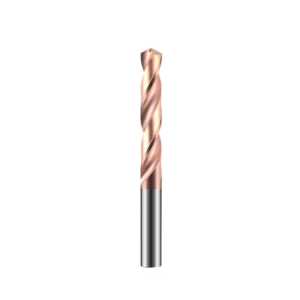
In deep hole machining, the lifespan of metal cutting drill bits directly impacts machining efficiency, cost control, and hole diameter accuracy. Even high-precision carbide drill bits with optimized geometry and multi-layer coatings can wear prematurely if operating parameters or machining conditions are improper. Extending drill bit life requires a comprehensive approach, including proper cutting parameters, efficient cooling, tool rigidity, and stable machine tool setup. Implementing these strategies not only prolongs tool life but also maintains machining accuracy, improves chip removal efficiency, reduces vibration, and ensures high-quality surfaces, resulting in efficient and reliable deep hole machining for precision parts.
Optimize Feed and Speed to Reduce Drill Load
Feed rate and spindle speed are critical factors that affect drill bit wear. Selecting proper cutting parameters based on hole depth ratio, material hardness, and tool material can effectively reduce cutting load, vibration, and heat buildup. For carbide drills, high-speed cutting combined with the correct feed ensures stable cutting. For deep holes with small diameters or high-hardness metals, slightly reducing feed and spindle speed can prevent edge chipping and tip breakage, significantly extending the tool’s service life.
Optimize Cooling to Improve Heat Dissipation
Cutting generates heat, which accelerates tool wear and affects hole wall accuracy and surface finish. Using optimized internal cooling channels or efficient external spray cooling quickly removes heat from the cutting zone and maintains stable tool edge temperatures. This approach extends drill life, enhances chip evacuation, reduces cutting resistance, and ensures more stable and efficient deep hole machining operations.
Check Tool Holder, Chuck, and Spindle Runout for Stability
Even with a well-designed drill bit, unstable machine tool setup can negatively impact performance. Regularly checking the clamping accuracy of the tool holder and chuck, and ensuring minimal spindle runout, reduces vibration and eccentric wear. In deep hole machining, combining stable tool mounting with proper cutting parameters and effective cooling is essential to prolong drill bit life and maintain high machining accuracy and efficiency.
By carefully selecting drill bit structure and materials, optimizing machining parameters, coordinating efficient cooling, and maintaining machine tool stability, the service life of metal cutting drill bits can be significantly extended. This ensures consistent, high-precision, and efficient deep hole machining results while reducing downtime and production costs.