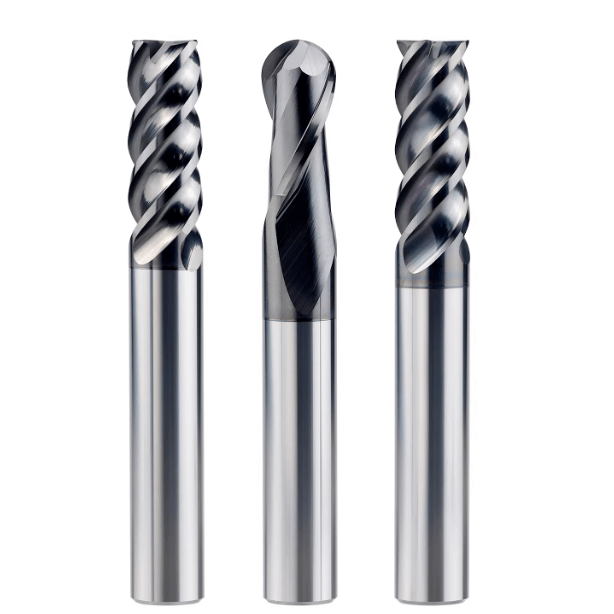
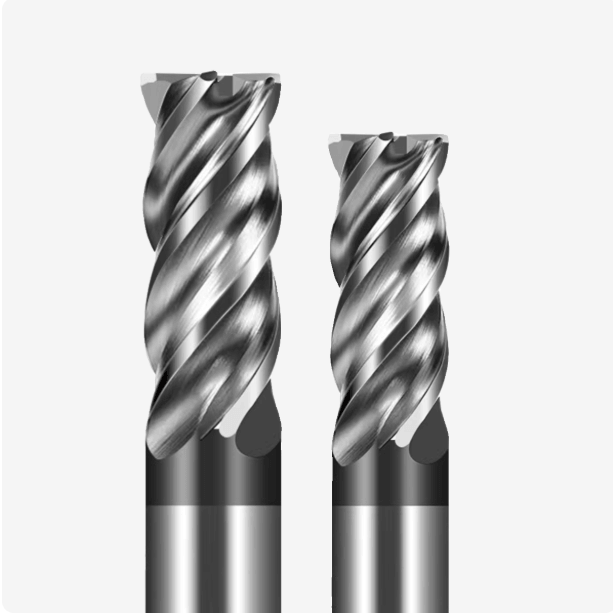
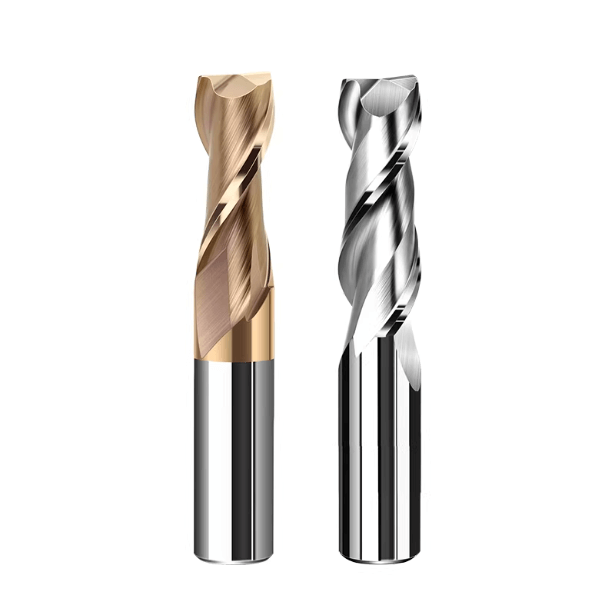
High-precision thread milling plays a crucial role in ensuring stable thread quality, improving machining efficiency, and minimizing production risks. As demand for higher reliability and more complex thread profiles grows, thread milling has increasingly become the preferred method for many manufacturing teams. Beyond the typical discussion of thread milling vs. tapping, engineers now focus on tool structure, tool path strategies, machining parameters, and system stability to achieve consistently accurate thread profiles and superior surface finish.
In production, selecting high-precision thread mills directly impacts thread dimensional accuracy, machining stability, and tool life. Whether using single-point thread mills, multi-point thread mills, or tools designed for specialized materials, the right combination of tool geometry, coating, and tool holder can greatly improve overall process reliability. In challenging conditions such as deep-hole threads, blind holes, or hard material machining, optimizing tool paths, reducing cutting loads, and stabilizing tool runout prevents common problems such as chipping, burrs, and edge collapse.
For companies needing specific thread profiles, unusual pitches, or improved production efficiency, working with a professional custom thread milling tools supplier can provide tailored tooling solutions that balance precision and efficiency.

The Key Value of High-Precision Thread Milling in CNC Machining
High-stability thread production is essential for part reliability, sealing performance, and structural strength. Using high-precision thread milling ensures strict dimensional control and repeatability across large production runs. Coupled with high-performance tools, optimized tool paths, and precise clamping and spindle control, this approach reduces rework, lowers scrap rates, and improves overall efficiency. This is particularly important for deep holes, fine threads, and hard materials, delivering smooth thread sidewalls, accurate thread profiles, and avoiding issues like tool breakage and excessive torque commonly encountered with traditional tapping. For manufacturers pursuing high-quality production, this method enhances overall competitiveness.
Processing Benefits from High Precision and Stability
In multi-batch production, precision and stability directly affect part consistency. By selecting high-quality tools, minimizing tool overhang, reducing runout, and optimizing cutting depth and feed, thread dimensions can be consistently maintained. Stable machining reduces deviations caused by hole wall deformation, tool heating, or machine vibration and ensures consistent thread angle and pitch. Importantly, this approach reduces tool wear during the production cycle, allowing a single tool to machine more threads, lowering overall production costs—an advantage particularly valuable in high-volume or high-precision assembly operations.
Advantages of Thread Milling in Complex Materials
Materials such as stainless steel, titanium alloys, and high-temperature alloys present challenges due to high hardness, poor heat dissipation, and potential work hardening. Thread milling allows gradual cutting, light-feed passes, and multiple depth cuts, distributing tool stress evenly and improving heat dissipation. This leads to stable machining and high-quality thread formation. Different tool geometries accommodate deep cavities, thin walls, intersecting holes, and complex structures. By adjusting tool material, coatings, and path strategies, manufacturers can achieve reliable machining for fine threads, small-diameter threads, and long threads.
Differences Between Thread Milling and Tapping in Quality and Consistency
Thread quality can be compared based on torque load, applicable hole type, thread profile consistency, and machining safety. Traditional tapping requires high torque in a single pass, making it sensitive to material hardness, hole depth, and machine rigidity; slight deviations can result in tap breakage or thread damage. Thread milling, in contrast, uses low-torque cutting and allows multiple pitches or profiles in the same hole, increasing flexibility. The ability to adjust machining paths ensures slight deviations can be corrected, improving overall consistency. Thread milling is safer for blind holes, deep holes, and high-value materials while producing superior surface quality and structural integrity.

Key Technical Strategies for High-Precision Thread Milling
Achieving high-quality threads under varying materials, thread specifications, and complex conditions requires optimization of tool structure, tool material, coatings, cutting parameters, and system rigidity. Proper tool selection and parameter control reduce vibration, minimize cutting heat, and extend tool life, resulting in smooth thread surfaces and easier size control. Optimizing programming paths and using robust clamping fixtures ensures stable cutting forces, yielding uniform thread formation. The following sections highlight the core technical strategies for high-precision thread milling.
Selecting the Right Thread Mill and Tool Geometry
Thread profile, pitch, hole depth, and material characteristics dictate tool design requirements. Correct cutting edge geometry improves sharpness, reduces cutting resistance, and ensures smooth machining. For deep or fine threads, single-edge designs with extended shanks reduce runout and interference, while multi-edge designs in high-efficiency production maintain accuracy and reduce machining time. Tool flute width, helix angle, rake angle, and relief angle influence chip evacuation and cutting forces. Properly matched geometry ensures uniform thread formation and prevents chipping, burring, or irregular sidewalls.
Optimizing Tool Materials and Coatings to Improve Durability
Thread milling tools must withstand alternating loads and localized high temperatures. Fine-grained cemented carbide provides high wear resistance and stable performance in metal machining. For high-strength steels, heat-resistant alloys, or titanium, wear-resistant and heat-resistant coatings extend tool life. Examples include high-temperature coatings for dry or high-temperature cutting and low-friction coatings for efficient chip evacuation. Correct combinations reduce cutting load, heat accumulation, and tool wear under demanding conditions.
The Impact of High-Precision Thread Milling Tools on Thread Quality
High-precision tools require strict runout control and precise edge finishing. Minimal radial runout ensures uniform cutting depth, producing consistent thread dimensions. Accurate grinding and uniform coatings affect surface smoothness and thread profile integrity. High-precision geometry reduces vibration and localized stress, yielding standard thread shapes, especially in small-diameter and deep-hole applications. Reliable tools improve single-hole quality and maintain consistency across mass production.
Machining Parameter Settings: Spindle Speed, Feed Rate, and Cutting Depth Control
Cutting parameters affect thread formation stability. Appropriate spindle speeds prevent excessive heat or uneven cutting, while optimized feed rates balance efficiency with cutting load. Multi-pass approaches for deep holes allow gradual thread formation under stable load, reducing chipping risk. Adjustments should consider machine rigidity, tool overhang, and cooling conditions to ensure smooth, consistent cutting. Combining parameters rationally maximizes thread accuracy and tool life.

Optimizing Tool Path Strategies for Stable, High-Precision Thread Milling
In high-precision thread milling, an effective tool path strategy is crucial for process stability and thread consistency. Careful cutting path design balances tool forces, reduces vibration, and minimizes surface defects on the workpiece. For threads of varying diameters and pitches, optimized tool paths not only enhance machining efficiency but also extend tool life, making them essential for high-quality thread production. The use of multi-axis linkage and advanced control algorithms enables smooth, continuous cutting on complex workpieces, ensuring that each thread meets strict precision standards.
Arc Interpolation Accuracy and Tool Load Distribution
Using arc interpolation paths significantly improves tool load distribution during thread milling, maintaining balanced cutting forces while reducing tool wear and vibration. This approach lowers cutting temperatures and minimizes material deformation, which is especially important when machining hard alloys or high-strength steels. By adjusting the cutting path appropriately, smooth and continuous motion can be maintained, improving both machining efficiency and thread surface quality.
Tool Path Differences for Multi-Blade vs Single-Blade Thread Mills
Multi-blade thread mills distribute cutting loads across multiple edges, enabling faster thread machining but requiring higher machine rigidity. Single-blade tools offer more stable cutting for small-diameter threads or hard materials. Selecting the proper tool type and adjusting the tool path according to thread specifications, material hardness, and machining accuracy prevents thread size errors and surface defects while balancing efficiency and tool life.
Reducing Machining Cycles While Maintaining Thread Accuracy
Optimizing the thread starting point, number of cutting layers, and retraction path can shorten overall machining time without compromising geometric accuracy. Leveraging the dynamic control capabilities of high-precision CNC machines reduces idle travel and non-cutting time, improving production efficiency. For complex parts or high-hardness materials, segmented cutting combined with dynamic adjustment of cutting parameters ensures both high machining efficiency and stable, consistent thread quality.

High-Precision Thread Milling in Complex Conditions
Maintaining thread accuracy and surface quality is challenging when machining threads in blind holes, deep holes, or hard materials. Careful selection of tools, cutting parameters, and fixturing solutions significantly improves process stability and consistency. For hard materials such as titanium alloys and stainless steel, tool wear resistance, geometry, and cutting strategy directly impact machining efficiency and surface quality. Optimized cutting paths and precise feed control help reduce burr formation, minimize tool vibration, extend tool life, and ensure dimensional stability.
Stable Control for Blind and Deep Hole Thread Milling
Blind and deep hole thread machining often faces restricted coolant flow and uneven tool forces, which can cause deviations. Segmented cutting, optimized retraction strategies, and appropriate cutting depths help achieve a flat thread bottom while reducing residue and vibration. Using high-rigidity fixtures combined with dynamic feed adjustment ensures cutting stability, improving thread consistency and dimensional accuracy.
Tool Selection and Parameter Optimization for Hard Materials
High-hardness materials demand superior wear resistance and controlled cutting forces. Selecting thread milling cutters with high-performance coatings and adjusting speed, feed, and depth according to material characteristics reduces tool wear while maintaining thread accuracy. For varying diameters and pitches, single-edge or multi-edge tools can optimize efficiency while ensuring stable machining and avoiding deviations from heat or material deformation.
Strategies for Minimizing Burrs and Tool Vibration
Controlling vibration and burr formation is essential for high-precision threads. Optimized cutting paths, segmented passes, and precise parameter adjustments enable smooth tool entry and exit, reducing vibration effects. Proper use of cutting fluids, maintaining tool sharpness, and secure workpiece clamping further minimize burrs, extend tool life, and maintain consistent thread dimensions.

Equipment and Fixture Optimization for Reliable Thread Machining
Reliable high-precision thread milling requires not only proper tools and parameters but also robust machine tools and fixtures. Optimizing tool holders, improving spindle rigidity and accuracy, and selecting effective cooling and lubrication methods reduce runout, vibration, and thermal deformation, enhancing thread consistency and surface quality. Custom fixtures designed for specific workpiece sizes and thread specifications further stabilize the workpiece, ensuring precision and repeatability in long-term production.
Impact of Tool Holders on Thread Accuracy
High-rigidity tool holders reduce deflection and vibration during cutting, which is crucial for deep holes and hard materials. Tool balance and clamping methods also influence surface quality. Selecting high-precision holders for specific thread specifications ensures cutting stability and reduces errors and surface irregularities.
Spindle Accuracy, Rigidity, and Tool Runout Control
Spindle coaxiality, radial runout, and rigidity are key to maintaining thread precision. High-precision spindles ensure uniform cutting forces, minimizing vibration and thread deviations. Combined with proper tool balance and clamping, tool runout is minimized, improving size consistency and surface finish, especially for deep hole and hard material machining.
Role of Cooling and Lubrication in Machining Stability
Proper cooling and lubrication extend tool life and enhance process stability. Optimizing fluid direction, pressure, and flow reduces cutting temperatures, minimizes material deformation, and controls tool wear. High-pressure cooling or mist lubrication improves chip evacuation, reduces vibration, and enhances surface quality and repeatability for deep hole and hard material threads.
Choosing a Custom Thread Milling Tools Supplier
Selecting the right custom thread milling supplier is critical for high-precision thread milling. A reliable supplier provides high-precision, wear-resistant tools and possesses strong manufacturing capabilities and strict quality control. They can offer customized solutions tailored to different materials, thread specifications, and machining conditions. Evaluating the supplier’s technical support, delivery time, and after-sales service ensures tools perform optimally, reducing machining risks and production costs.
Benefits of Custom Tools in High-Precision Thread Milling
Custom tools can be tailored to workpiece material, pitch, hole diameter, and machining depth. This ensures balanced cutting forces, minimal vibration, and superior surface quality. Compared to standard tools, custom solutions better meet specialized machining requirements, improving thread consistency and dimensional accuracy while extending tool life. For high-hardness materials or complex workpieces, custom tools effectively prevent machining defects, boosting efficiency and reliability.
Supplier Capabilities, Quality Control, and Technical Support
A supplier with advanced equipment, rigorous inspection procedures, and an experienced technical team ensures tool accuracy and durability. They provide technical guidance, including tool selection, parameter optimization, and on-site problem solving, supporting reliable high-precision thread milling. A stable supply chain and robust quality management system guarantee consistent tool performance in mass production.
Choosing the Right Custom Service for Your Needs
Evaluate suppliers based on material type, thread specifications, hole type, and machine rigidity. Communicate clearly about tool geometry, coatings, and wear resistance to select the most suitable solution. Consider production capacity, lead time, and after-sales service to ensure custom tools deliver precision, stability, and efficiency in real machining operations.

Boosting Efficiency in High-Precision Thread Milling
Improving production efficiency relies on high-performance tools, precision machinery, optimized machining strategies, and customized cutting solutions. Optimizing tool paths, controlling cutting parameters, selecting the right tools and suppliers, and applying efficient cooling methods can significantly reduce cycle times while maintaining thread accuracy and surface quality. Programming and simulation allow engineers to predict tool interference and machining errors in advance, reducing rework and improving batch-to-batch consistency. These combined measures enable stable, high-efficiency thread milling under complex conditions.
Strategies to Reduce Tool Changes
Selecting wear-resistant tools suitable for the workpiece, managing tool life efficiently, and using multi-edge cutters reduce tool changes. Optimizing cutting parameters and tool paths lowers tool load, extends tool life, and ensures stable continuous machining. For blind holes, deep holes, or hard materials, combining custom tools with high-rigidity holders further reduces downtime and increases productivity.
Improving Consistency Through Parameter Standardization
Standardizing cutting parameters, tool paths, and machining processes ensures consistent results across batches. Unified spindle speeds, feed rates, cutting depths, and cooling methods reduce deviations caused by operator or machine variations. Tool geometry optimization and custom tooling support stable high-precision machining for a variety of materials and thread specifications.
Using Programming and Simulation to Prevent Tool Interference and Dimensional Deviations
Pre-machining simulations identify potential tool interference and cutting abnormalities, reducing risk. Accurate CNC programming and dynamic tool path optimization ensure smooth cutting in complex workpieces and deep hole threads. Adjusting cutting parameters and tool selection based on simulation results improves dimensional accuracy, thread consistency, and overall production efficiency.