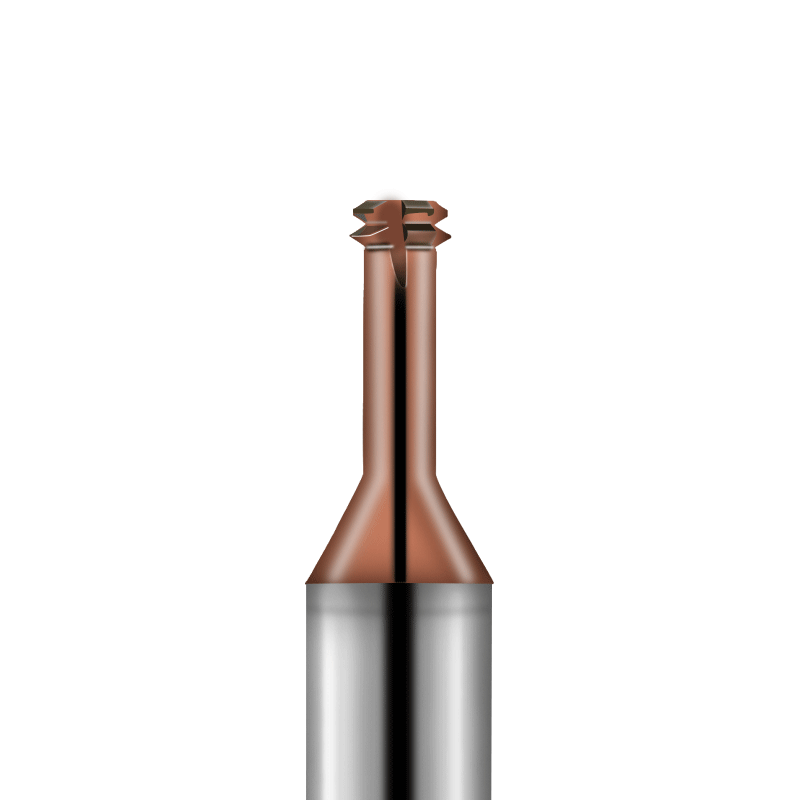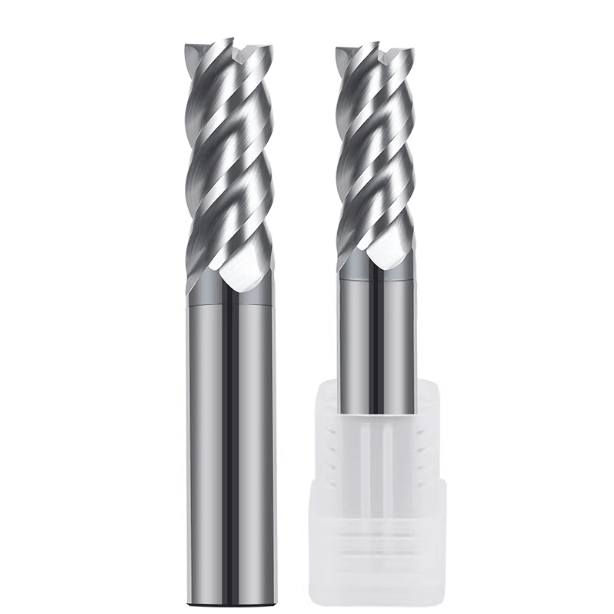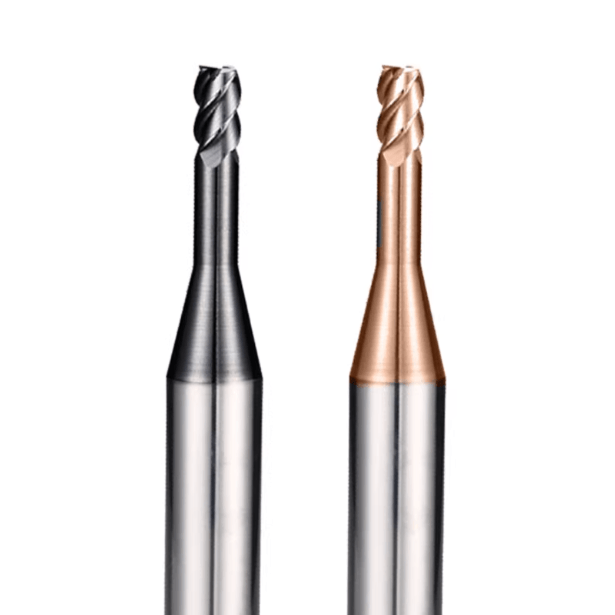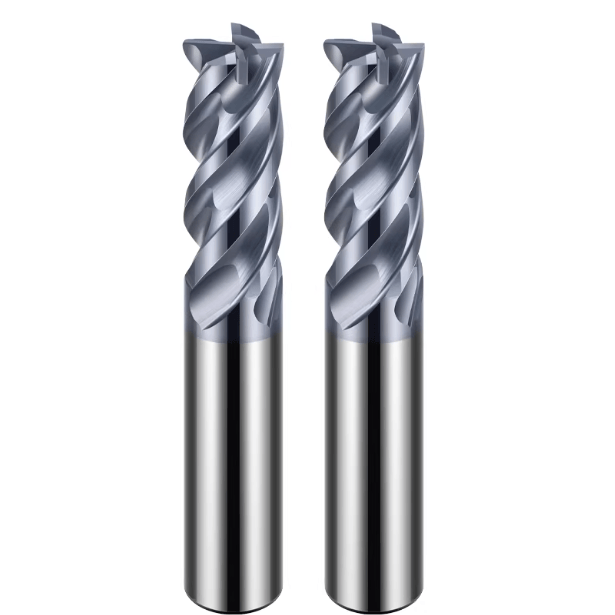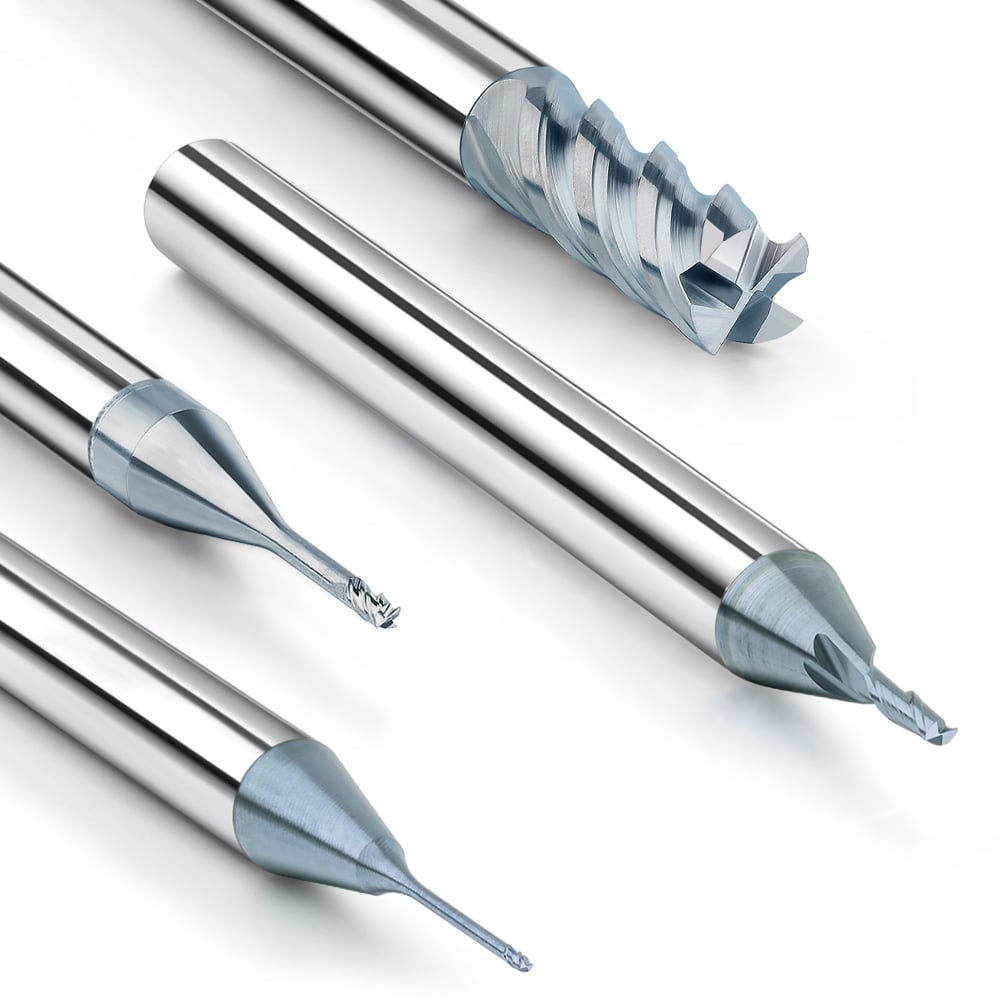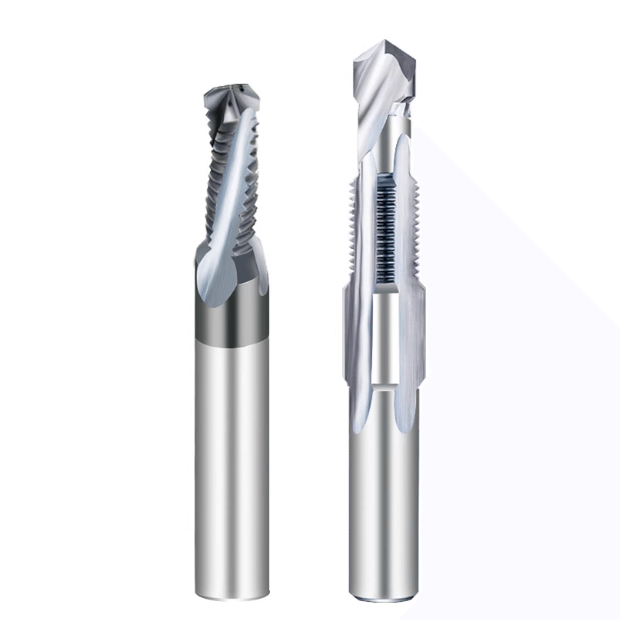
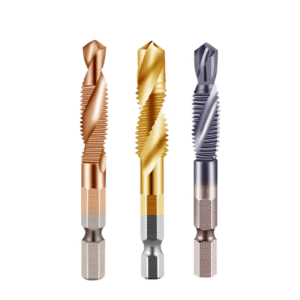
In modern manufacturing environments, improving processing efficiency and shortening production cycles remain core objectives for every factory and machine shop. Thread tap drill bits, as tools that combine drilling and tapping into a single operation, significantly reduce process steps and save valuable time. In daily operations, selecting suitable drill and tap drill bits or drill tapping bits—combined with proper cutting parameters and sequencing—not only improves thread accuracy but also reduces the likelihood of downtime and rework.
Compared with traditional multi-step drilling and tapping, high-quality threading drill bits allow one-step thread formation, enhancing mass-production efficiency while ensuring the geometric accuracy and surface finish of threaded holes. When paired with optimized tool layouts and well-designed lubrication and cooling strategies, operators can maintain stable cutting and significantly shorten production cycles. As a result, drill and tap drill bits play an essential role in increasing production line efficiency and supporting high-precision machining or multi-hole complex components.
Overall, the effective use of drill tapping bits creates smoother machining workflows, eliminates unnecessary repetitive operations, and saves considerable time in mass production—ultimately enhancing overall productivity.
Optimizing the Application of Drill Tap Bits in Machining Processes
Efficient machining relies on stable cutting behavior, clear process sequencing, and rational tool combinations. Integrated drill-tap tools reduce repetitive steps, tighten machining paths, and shorten cycle times. With proper tool selection and optimized machine parameters, hole-position consistency and thread quality can be improved while reducing downtime risks in batch production. By combining precise feed speeds, appropriate lubrication, and well-structured programs, production lines can maintain stability during continuous machining, increasing throughput and minimizing additional workpiece handling.
High-Efficiency Strategies for Using Thread Tap Drill Bits in CNC Machining
To maintain consistent cutting performance during continuous machining, the geometry, edge sharpness, and chip-evacuation capability of integrated tools must be carefully considered. By matching feed rate and spindle speed, drilling and tapping can be completed efficiently, reducing unnecessary machine stops. Applying proper depth compensation and ensuring reliable cooling and lubrication help maintain stability under high load, minimizing interruptions. For batch production, adding automatic detection and compensation logic ensures long-term thread consistency.
Batch Advantages of Drill and Tap Drill Bits in Multi-Hole Machining
On workpieces with multiple holes or repetitive patterns, drill-tap tools drastically reduce cycle times. By eliminating the need to switch between drilling and tapping tools, machines can form multiple threaded holes within a single toolpath. Optimizing hole sequence further shortens travel distance, reduces idle movement, and improves efficiency. These benefits are especially valuable for high-consistency, high-speed production environments.
Rational Scheduling of Drill Tapping Bits to Reduce Tool-Change Time
Effective scheduling directly impacts production capacity. Grouping continuous holes or similar structures allows integrated tools to minimize tool-change frequency while improving operational stability. Optimizing machining order enables the tool to operate continuously in the most suitable stages, reducing spindle starts and stops. Monitoring tool life and predicting replacement timing helps prevent unexpected failures, supporting consistent production flow and higher equipment utilization.
Techniques for Improving Cutting Efficiency
Cutting efficiency is critical to achieving shorter production cycles and higher productivity. By optimizing tool structures, matching them to material characteristics, and reinforcing lubrication and cooling strategies, machining time can be significantly reduced while maintaining consistent part quality. When the process strategy is stable and controlled, both batch and precision machining benefit through improved workflow continuity and reduced tool wear.
The Impact of Threading Drill Bit Geometry on Cutting Speed
Cutting-edge angles, groove depth, and chip-evacuation channels directly influence machining smoothness and achievable feed rates. Sharp cutting edges and efficient chip-removal paths reduce resistance and allow higher feed rates. When machining tougher materials, optimized flute geometry enhances chip breaking and prevents downtime caused by poor chip evacuation. Selecting tool geometries that match specific part structures ensures stable cutting, faster thread formation, and consistent thread quality.
Using Material-Appropriate Thread Tap Drill Bits to Increase Machining Speed
Material hardness, ductility, and thermal conductivity vary widely, making proper tool selection essential. Efficient tools can accelerate feed rates on softer metals, while heat- and wear-resistant structures are required for stainless steel and alloy steels. Matching tool design and coatings to material properties increases machining speed and reduces wear, improving overall cycle-time performance.
Lubrication and Cooling Techniques to Accelerate Production Cycles
Lubrication and cooling are vital for stable high-speed cutting. Adequate coolant flow removes heat, improves tool life, and enables continuous machining. Under high spindle speeds, cooling methods with strong penetration and lubrication ensure smooth tapping. For deep holes or materials prone to chip buildup, directional or high-pressure cooling improves chip evacuation and prevents clog-related downtime. Optimizing coolant flow and spray angles further shortens per-piece machining time and increases overall throughput.

Reducing Downtime and Rework Time
In high-volume production environments, unforeseen downtime or rework directly impacts productivity. By choosing optimal tool structures, planning machining sequences effectively, and reinforcing equipment monitoring, interruptions can be minimized. Stable processing improves thread uniformity and reduces failures, ensuring continuous operation, better delivery reliability, and controlled production costs.
Stability of Drill and Tap Drill Bits in High-Precision Thread Machining
In high-precision threading applications, tool stability determines whether machining can be completed in a single pass. Rigid structures and efficient chip-evacuation designs help maintain a consistent cutting trajectory, preventing dimensional errors caused by vibration. Proper cutting speeds and feed rates reduce thread deformation and burr formation, enhancing consistency in large-scale production. Fine-tuned parameters support stable machining and reduce rework rates.
Prevention of Drill Tapping Bit Breakage and Rapid Replacement Methods
Tool breakage is a major cause of downtime. Preventive measures—including limiting cutting loads, using automatic compensation, and tracking tool wear—reduce sudden failures. Fixed-interval preventive replacement avoids breakage-related scrap. Standardized toolholding or automated tool-change systems allow rapid replacement, minimizing stoppage time and maintaining workflow efficiency.
High-Success-Rate Operation of Threading Drill Bits in Complex Hole Machining
Complex hole machining often involves irregular entry angles, deep cavities, or limited chip-evacuation space. Using stable, efficient tool designs reduces interruptions caused by chip buildup or cutting-load spikes. Intermittent pecking and enhanced cooling in deep or blind holes improve process reliability. Optimized entry paths and controlled axial loads reduce positional deviations, increasing success rates and minimizing rework.
Efficiency Improvement through Batch Processing and Automation
In high-volume and long-duration production environments, efficiency depends on smooth process transitions, proper tool usage, and stable equipment operation. Optimized cutting paths, coordinated machine-station behavior, and strategic automation reduce unnecessary movement and maintain high utilization rates. Effective tool layout and programming ensure consistent quality over long runs while reducing costs and improving delivery speeds.
Process Optimization for Batch Production Using Thread Tap Drill Bits
Integrating drilling and tapping into a single operation is key to shortening batch production cycles. Rational hole distribution, optimized toolpaths, and unified parameters allow continuous machining across multiple workpieces. Standardized fixturing and consistent tool configurations enhance long-term stability, ensuring consistent thread quality across all parts.
Collaborative Processing of Drill and Tap Drill Bits in Multi-Station CNC Machines
Multi-station CNC machines offer strong parallel processing capabilities. Using integrated tools reduces timing differences between stations, enhancing synchronization. Unified machining sequences, synchronized feed strategies, and precise automatic positioning ensure continuous and efficient multi-station collaboration. This improves throughput in multi-spindle and multi-surface applications.
Time-Saving Effects of Combining Drill Tapping Bits with Automatic Tool-Change Systems
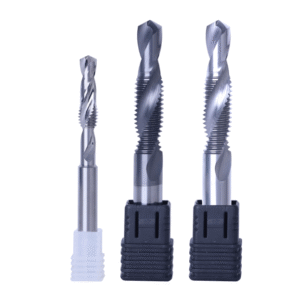
Automatic tool changers (ATCs) greatly enhance productivity, and their advantages are amplified when paired with integrated tools. By eliminating frequent switches between drilling and tapping tools, machining becomes more continuous. For complex or high-hole-count parts, ATCs prepare tools in advance to avoid delays when tool life ends. Combining life monitoring, alerts, and preventive replacement strategies maintains long-term stability and boosts production speed in mass-manufacturing environments.
Sharing Practical Experience
In real-world machining, performance is influenced by tool selection, parameter settings, and operational habits. By understanding common issues and applying effective countermeasures, machining success rates can be improved. Summarizing the previous sections, the following practices further enhance performance in continuous production environments.
Common Machining Problems and Solutions for Threading Drill Bits
Frequent issues include inconsistent thread accuracy, poor chip evacuation, and rapid tool wear. Selecting structurally stable tools with efficient chip removal and pairing them with proper lubrication improves cutting continuity. When threads are incomplete or chips accumulate, adjustments to tool geometry, feed rates, or cooling improve compatibility with material characteristics. Monitoring tool life helps predict risks and reduce downtime.
Accelerating Machining Cycles by Adjusting Cutting Parameters
Cutting speed, feed rate, and torque load have a direct impact on machining time. When machine stability allows, increasing cutting speed or optimizing feed curves accelerates processing. For deep holes or poor chip-removal conditions, intermittent cutting or tweaking spindle speed can reduce resistance. Real-time parameter adjustments—based on material and part structure—further enhance cycle-time performance.
Efficiency Techniques for CNC Operators Using Drill and Tap Drill Bits
Skilled operators improve productivity through detail-oriented practices. Optimizing hole sequences reduces spindle movement time. Monitoring tool wear prevents unexpected failures. Understanding tool behavior enables operators to recognize early signs of suboptimal cutting and make timely adjustments. When combined with automation, proper life-compensation settings and tool-change strategies support stable long-term performance and maximize production line efficiency.
From tool selection and parameter optimization to operational execution, every improvement reduces risk and enhances overall productivity. Applying these practices throughout the machining workflow strengthens stability in high-speed production and contributes to consistent efficiency gains.