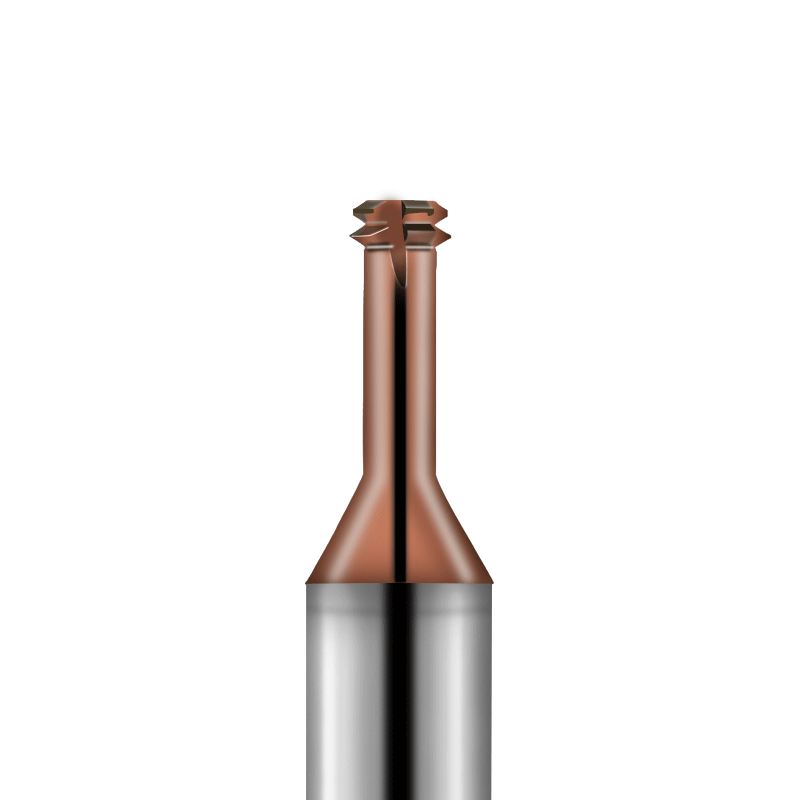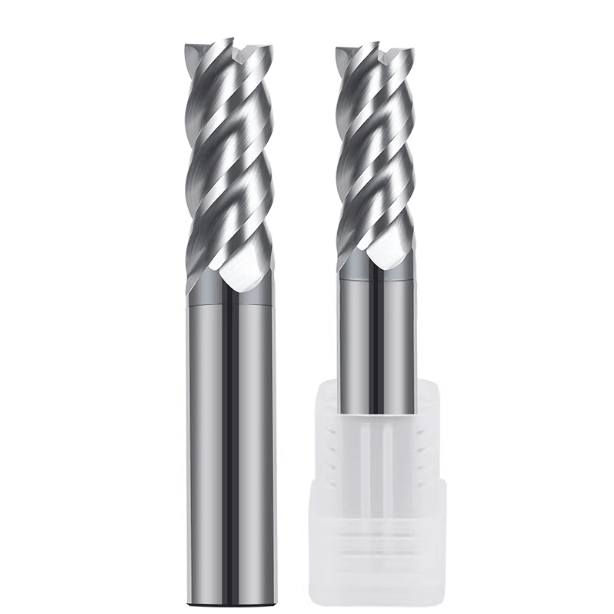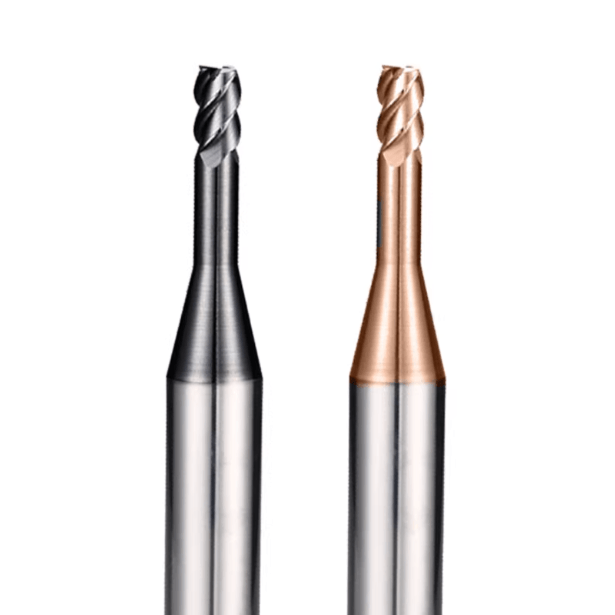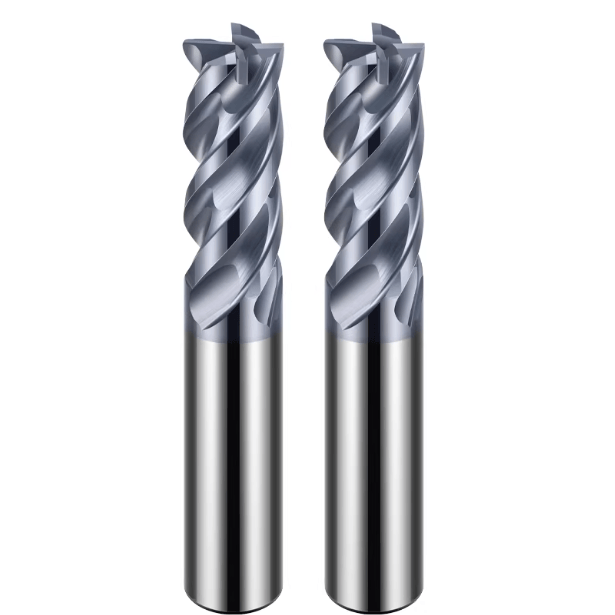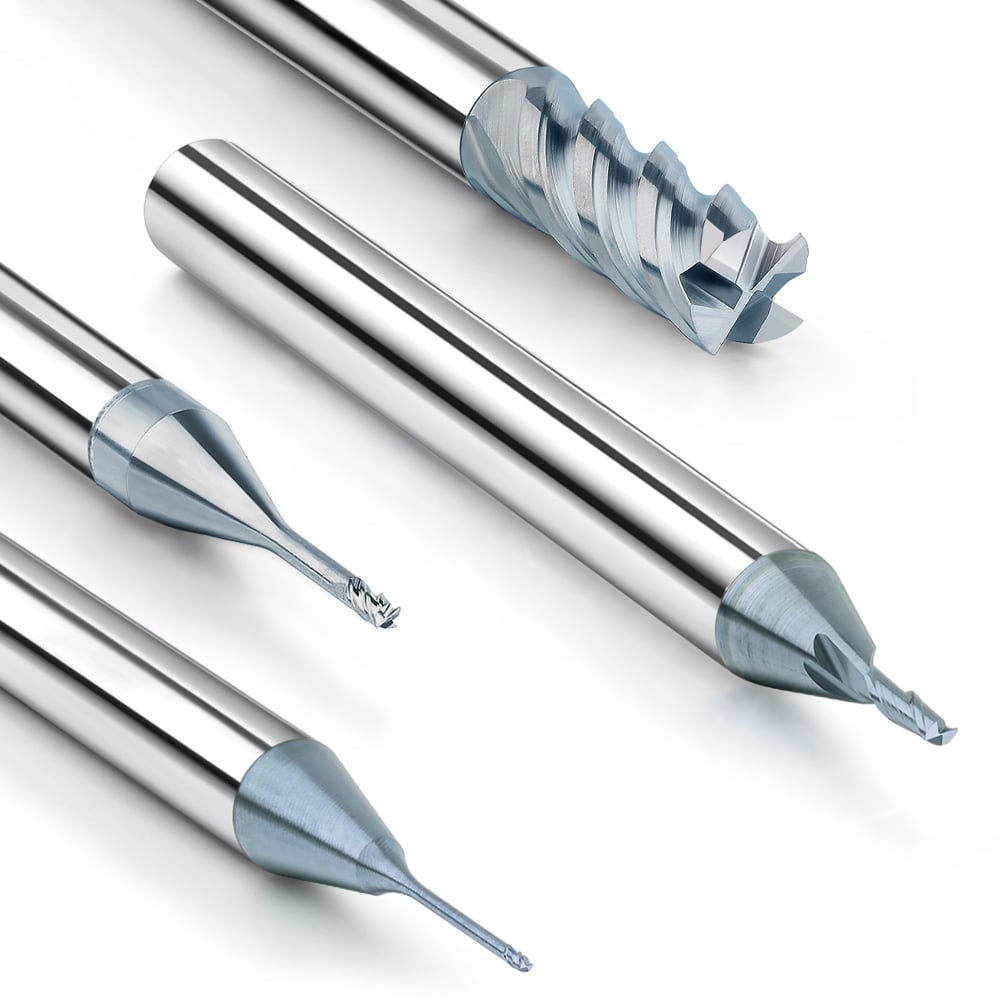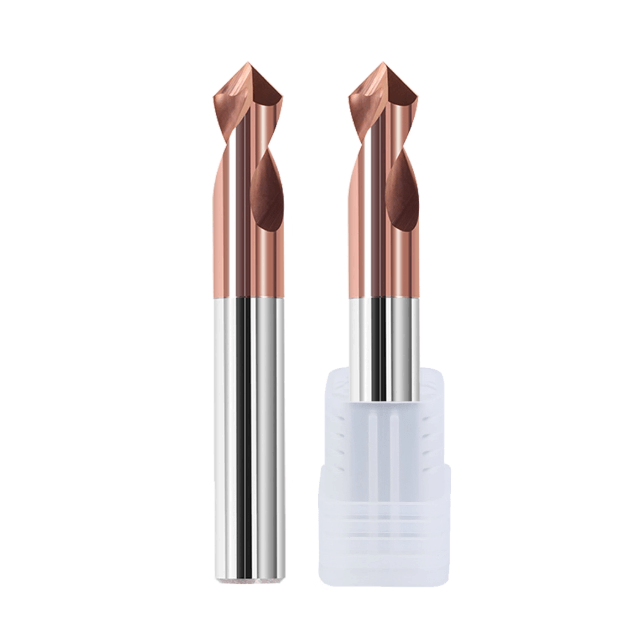
In high-precision part manufacturing and mold production, maintaining tight tolerances on hole locations and machined surfaces is essential to both product quality and production efficiency. Drillmill tools feature an integrated drilling and milling design that allows drilling, ramp milling, and contour milling to be completed in a single machining cycle. This significantly reduces errors caused by repeated positioning and frequent tool changes, resulting in improved overall machining accuracy.
Compared with traditional single-purpose tools, drill mill tools offer superior stability and cutting consistency. These advantages are particularly critical in complex hole machining and deep-hole applications, where even small deviations can lead to dimensional inaccuracies or surface defects.
By selecting appropriate geometric parameters, materials, and coatings for a CNC milling drillmill—and combining them with precise cutting speed and feed rate settings—cutting stability and surface finish can be further optimized. In addition, customized tooling solutions provided by experienced OEM drill mill manufacturers help ensure consistent tool performance in mass production, while improving machining repeatability and long-term reliability.
Proper tool maintenance, wear monitoring, and effective cutting fluid management also play an important role in extending tool life and maintaining stable machining accuracy over time. Overall, the use of high-quality drill mill tools combined with optimized machining strategies enables manufacturers to improve productivity, reduce scrap rates, and meet modern manufacturing demands for high precision and high efficiency.
Key Factors in Improving Machining Accuracy Using Drillmills
In high-precision machining, tool design and machining processes play a decisive role in dimensional accuracy and surface quality. Integrated drilling and milling tools reduce repeated positioning and multiple tool changes, minimizing cumulative errors. At the same time, optimizing cutting parameters and selecting the appropriate tool configuration significantly improves machining consistency and hole location accuracy, especially in complex holes, deep holes, and mold cavity applications.
Achieving high-precision machining relies on well-designed tool geometry, appropriate material selection, and a stable cutting environment. When these elements are properly coordinated, both accuracy and process reliability can be consistently maintained.
The Impact of Drill Mill Tool Geometry on CNC Accuracy
Tool geometry has a direct influence on cutting stability and machining accuracy. Parameters such as tip angle, helix angle, and the length-to-diameter ratio affect cutting force distribution and chip evacuation efficiency. Optimized geometries reduce cutting vibration and radial runout, helping maintain consistent hole diameter and depth.
In deep-hole machining and precision drilling-milling operations, properly designed tool geometry improves chip flow, enhances hole-making efficiency, and minimizes burr formation and surface irregularities. Customizing geometric parameters for specific materials and machining conditions allows manufacturers to achieve optimal results across a wide range of applications.
The Role of Materials and Coatings in Cutting Stability for CNC Milling Drillmills
Tool material and surface coating selection are critical to maintaining long-term cutting stability and high machining accuracy. High-hardness carbide materials retain edge integrity under high-speed cutting conditions, reducing wear and deformation. Advanced coatings such as TiAlN and AlCrN lower friction, improve heat resistance, and reduce errors caused by vibration and thermal expansion.
When machining materials such as aluminum alloys, steels, or titanium alloys, selecting the correct combination of substrate and coating helps ensure consistent surface finish and hole accuracy, while also extending tool life and improving overall productivity.
The Importance of Tool Rigidity and Vibration Control in High-Precision Machining
Tool rigidity has a direct impact on machining accuracy and part-to-part consistency. Insufficient rigidity or excessive tool overhang can cause cutting force deflection and radial vibration, leading to hole position errors and poor surface finish.
Optimizing tool clamping methods, minimizing overhang length, and using high-rigidity tool holders effectively suppress vibration. Vibration control is especially critical in high-speed and high-feed machining, where stability directly affects dimensional accuracy and tool wear. When combined with application-specific drill mill solutions, high repeatability and process reliability can be achieved even in complex machining operations.
Optimization of Machining Parameters for Improved Drillmill Accuracy
Machining accuracy depends not only on tool design and materials but also on proper cutting parameter selection. Correctly setting cutting speed, feed rate, and spindle speed reduces vibration, tool wear, and thermal deformation, helping maintain consistent hole diameter and surface finish.
In complex hole machining and deep-hole milling, smooth and stable cutting achieved through parameter optimization improves both dimensional accuracy and hole-making efficiency. Additionally, precise toolpath planning and CNC programming strategies minimize repositioning errors and tool interference, ensuring consistent and repeatable machining results.
Precise Matching of Cutting Speed and Feed Rate
Accurate coordination between cutting speed and feed rate is essential for machining stability and surface quality. Excessive cutting speed can lead to tool overheating and surface damage, while speeds that are too low reduce productivity. Similarly, overly aggressive feed rates generate excessive cutting forces, causing vibration and hole diameter variation, whereas insufficient feed rates waste cycle time and may increase burr formation.
By adjusting cutting speed and feed rate based on material properties, tool geometry, and coating performance, stable cutting conditions can be achieved. This is particularly important in deep-hole and complex-hole machining, where precise parameter matching significantly improves consistency and efficiency.
Control of Spindle Speed and Tool Radial Cutting Depth
Spindle speed and radial depth of cut directly influence machining accuracy and tool life. Excessive radial engagement increases cutting forces and vibration, leading to dimensional inaccuracies and uneven surface finish. Insufficient engagement, on the other hand, reduces machining efficiency.
By carefully controlling spindle speed and radial cutting depth, cutting forces remain balanced, minimizing errors caused by thermal expansion and material spring-back. In precision machining and high-hardness material applications, stable force distribution is essential for maintaining geometric accuracy and improving tool life and process reliability.
Feed Path Planning and CNC Programming Optimization
Toolpath planning and CNC programming have a significant impact on machining accuracy and efficiency. Well-designed toolpaths reduce unnecessary cutting, avoid tool interference, and minimize cutting shock, helping prevent hole location errors and surface defects.
For complex holes, stepped holes, and deep-hole applications, optimized toolpaths enable smooth cutting and uniform load distribution, improving surface quality and dimensional consistency. In addition, advanced programming strategies combined with simulation and verification help identify potential collision risks in advance, ensuring machining safety and accuracy stability.
The Impact of Workpiece Fixturing and Machine Tool Conditions on Accuracy
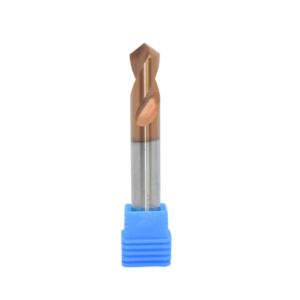
Machining stability and dimensional accuracy are influenced not only by tools and cutting parameters, but also by workpiece fixturing and machine tool condition. Rigid, well-designed fixtures and accurate positioning methods reduce micro-movement of the workpiece during machining, minimizing hole diameter variation and surface irregularities.
Machine tool rigidity and thermal stability directly affect vibration levels and thermal expansion errors during cutting. By optimizing clamping force and implementing vibration control measures, machining consistency can be improved, ensuring stable and repeatable accuracy in mass production.
Workpiece Fixture Selection and Positioning Methods
Proper fixture design is essential for maintaining part stability during machining. Fixtures must prevent movement or slippage while allowing fast, repeatable positioning. For complex parts and deep-hole applications, multi-point support or customized fixtures help reduce deformation and vibration.
Accurate positioning methods reduce setup errors, improve hole-making efficiency, and ensure consistent hole location and surface dimensions. High-rigidity fixtures combined with appropriate clamping strategies also help stabilize cutting forces, supporting reliable high-precision machining.
Machine Tool Rigidity and Thermal Deformation Control
Machine tool rigidity is the foundation of high-precision machining. Insufficient rigidity leads to vibration, increased dimensional variation, and poor surface finish. Selecting high-rigidity machine tools or improving structural stiffness significantly reduces vibration and enhances machining consistency.
Cutting heat can cause thermal expansion of both machine components and the workpiece, negatively affecting accuracy. Temperature control systems, optimized cutting parameters, and proper sequencing of machining operations help manage thermal deformation, ensuring dimensional stability and consistent surface quality.
Vibration Suppression and Clamping Force Optimization
Vibration is a major factor affecting machining accuracy. Proper design of toolholding systems, fixture support points, and clamping force effectively suppresses vibration during cutting. Excessive clamping force can deform the workpiece, while insufficient force allows movement and vibration.
Optimizing clamping force in combination with damping supports and rigid toolholding improves machining stability, efficiency, and repeatability. In high-speed and deep-hole machining, vibration suppression techniques also reduce tool wear, extend tool life, and maintain consistent part dimensions and surface quality in mass production.
Application Techniques of Drillmill Tools in Complex Hole and Cavity Machining
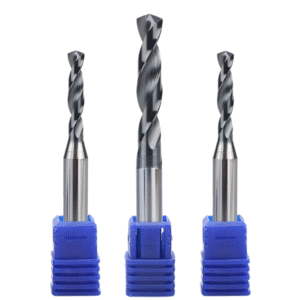
In complex hole and cavity machining, achieving high accuracy and repeatability presents a significant challenge. Tools that integrate drilling and milling functions allow multiple machining operations to be completed in a single setup, effectively reducing repetitive positioning errors and minimizing tool interference. For stepped holes, deep holes, and high-speed milling applications, optimizing feed strategies and cutting parameters helps control deviations caused by cutting forces and thermal expansion, resulting in improved surface finish and dimensional accuracy.
By combining optimized tool geometry, precise cutting parameter control, and efficient toolpath planning, manufacturers can achieve both high productivity and consistent machining performance when processing highly complex parts.
Multifunctional Drill Mill Tool Machining to Reduce Repetitive Positioning Errors
In deep-hole, stepped-hole, and complex cavity machining, integrated tools can perform drilling, ramp milling, and contour milling in a single operation. This significantly reduces tool changes and repeated repositioning, helping maintain hole coaxiality and surface consistency. Centralized machining also minimizes tool interference and workpiece micro-movement during processing.
This multifunctional machining approach is especially effective in precision mold manufacturing and aerospace component production, where tight tolerances are required. Custom-designed drill mill tools with optimized geometry and cutting-edge configurations further enhance machining performance across different materials and hole geometries.
Precision Control in Stepped Hole and Deep Hole Machining
Stepped-hole and deep-hole machining are particularly sensitive to tool deflection, vibration, and chip evacuation challenges, which can lead to diameter variation and increased surface roughness. Careful selection of cutting parameters, appropriate tool length-to-diameter ratios, and optimized cutting paths help control cutting forces and tool thermal expansion.
Multi-stage cutting or layered feed strategies reduce tool bending and stress concentration within the workpiece, ensuring consistent dimensional accuracy and surface quality. When combined with precision fixtures and stable clamping methods, machining errors in deep-hole applications can be further minimized.
High-Speed Milling and Feed Strategy Optimization
High-speed milling offers substantial productivity advantages in complex hole and cavity machining but increases the risk of vibration and thermal deformation. Optimizing feed strategies, spindle speed, and radial depth of cut enables stable cutting conditions and balanced tool loading.
Well-planned toolpaths and optimized CNC programming help prevent tool interference and redundant cutting while improving machining consistency and cycle efficiency. When combined with appropriate tool coatings and rigidity control, high-speed machining can maintain excellent surface finish and hole position accuracy, meeting the stringent requirements of high-precision components.
High-Precision Solutions Provided by OEM Drill Mill Manufacturers
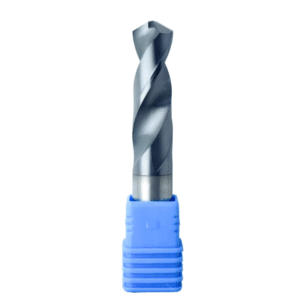
In high-precision machining, tool stability and performance consistency directly affect both product quality and production efficiency. Experienced drill mill manufacturers provide optimized tooling solutions for different materials, hole geometries, and machining requirements through customized design, rigorous performance testing, and comprehensive technical support.
These solutions ensure accuracy in single-piece machining while maintaining consistency in mass production, improving process reliability and efficiency. In addition, by optimizing cutting parameters and feed strategies with manufacturer support, tool wear and machining errors can be significantly reduced, achieving long-term stability and high repeatability.
Customized Drill Mill Design and Precision Assurance
For complex holes, deep holes, and specialized cavity machining, customized tool designs ensure that geometry, tip angles, and tool body rigidity are precisely matched to application requirements. Optimized geometric parameters and coating combinations improve cutting stability, reduce radial vibration, and maintain consistent surface finish.
Customization also allows optimization of tool length, diameter ratios, and cutting-edge layouts for specific materials and machining conditions, ensuring precise diameter control and repeatable accuracy that meets demanding manufacturing standards.
Batch Consistency and Tool Performance Testing Methods
In mass production, maintaining consistent tool performance across every batch is essential. Professional drill mill manufacturers apply strict quality control measures, including radial runout inspection, hardness verification, coating uniformity evaluation, and cutting-edge wear testing.
These testing methods minimize dimensional variation, improve hole-making reliability, and ensure stable hole positioning and surface quality throughout production runs. High batch consistency also supports large-scale manufacturing and rapid changeovers, improving overall production efficiency.
On-Site Technical Support and Machining Parameter Recommendations
High-precision machining depends not only on tooling quality but also on proper cutting parameters and machine tool conditions. Manufacturers provide on-site technical support to help optimize cutting speed, feed rate, spindle speed, and toolpath strategies, improving machining stability and surface quality.
For specialized materials and complex hole geometries, customized CNC programming guidance and tool usage recommendations help reduce trial cuts, minimize machining errors, and extend tool life. These comprehensive services ensure stable, reliable machining performance in high-volume production environments.

Extending Drillmill Tool Life to Maintain Machining Accuracy
In precision machining, tool life and machining accuracy are closely linked. Even with optimized tool design, cutting parameters, and machine tool stability, neglecting tool wear management will gradually degrade dimensional accuracy and surface quality.
By implementing systematic wear monitoring, using coatings and cutting fluids effectively, and quickly identifying the causes of accuracy loss, manufacturers can extend tool life while maintaining stable machining accuracy. This approach reduces production costs and ensures consistent quality in long-term mass production.
Drill Mill Tool Wear Detection and Replacement Strategy
Tool wear is a primary factor affecting hole diameter accuracy and surface finish. As cutting edges become worn, cutting forces increase, leading to vibration, heat buildup, and dimensional deviation. Regular inspection of cutting edges, combined with monitoring machining sound and surface condition, allows wear trends to be identified early.
Developing a structured replacement strategy based on production volume and material characteristics ensures tools are replaced within their optimal wear range, maintaining consistent machining performance and predictable results.
Coating Protection and Cutting Fluid Optimization
Tool coatings and cutting fluids play a critical role in extending tool life and stabilizing machining accuracy. High-performance coatings reduce friction, limit wear, and control heat transfer, preserving cutting-edge geometry. Proper selection and delivery of cutting fluids improve chip evacuation, lower cutting temperatures, and reduce material adhesion.
In high-speed and deep-hole machining, the combined use of advanced coatings and optimized coolant strategies effectively suppress vibration and thermal deformation, ensuring long-term machining stability.
Analysis of Common Causes of Reduced Machining Accuracy and Solutions
Loss of machining accuracy is rarely caused by a single factor. It often results from combined issues such as tool wear progression, unbalanced cutting parameters, changes in clamping force, or increased vibration. Systematic analysis of abnormal machining behavior enables rapid identification of root causes and targeted corrective actions.
Adjusting cutting parameters, improving fixturing methods, or selecting more suitable tooling configurations can quickly restore machining stability. Incorporating these corrective practices into standard operating procedures helps maintain high accuracy and consistency throughout extended production cycles.