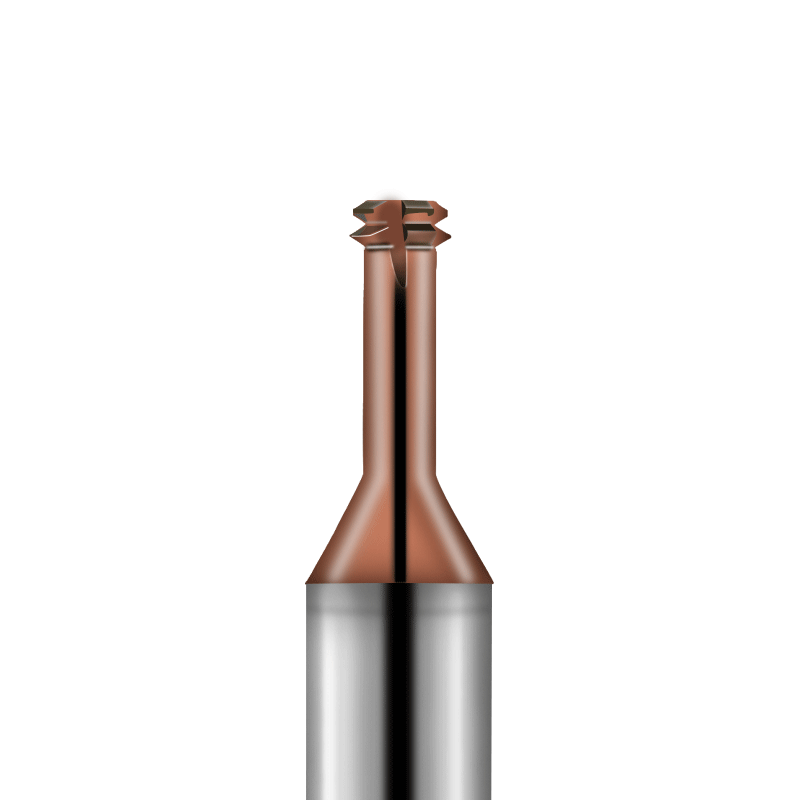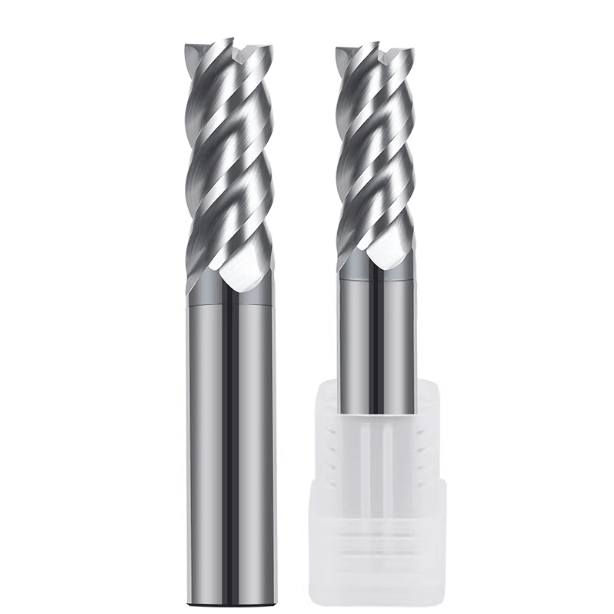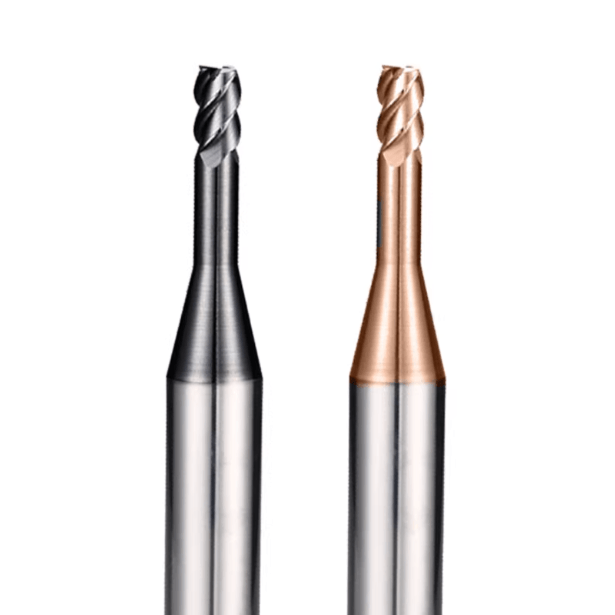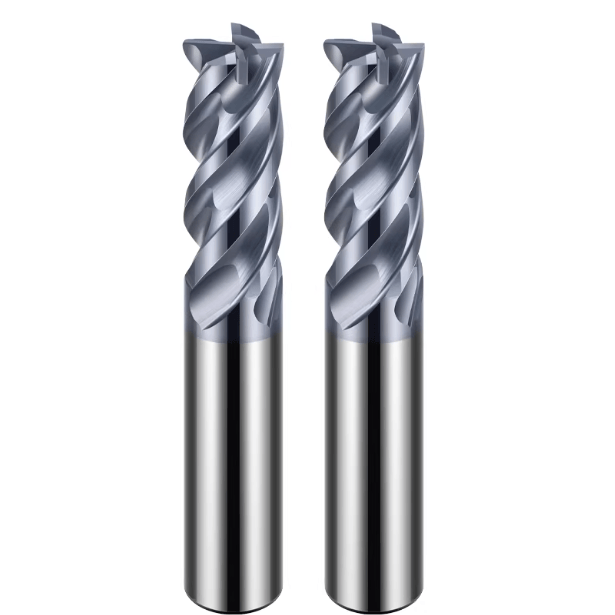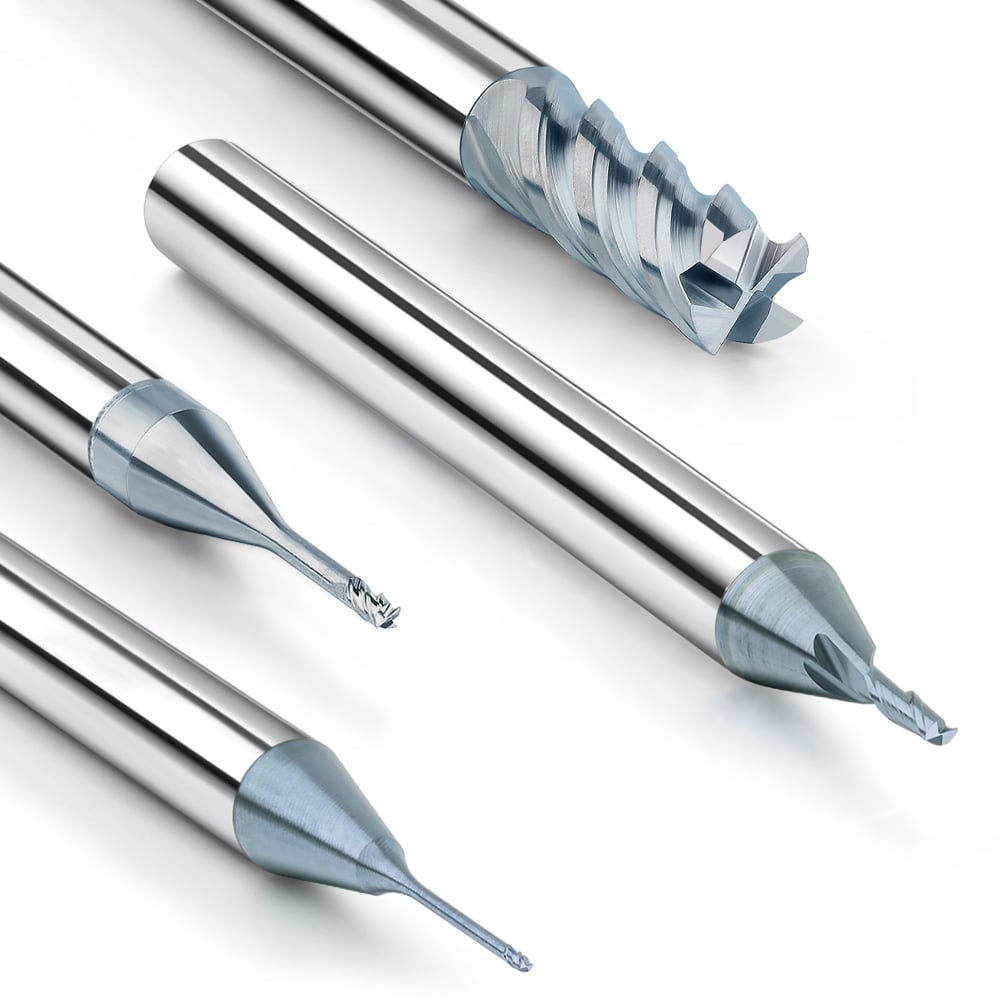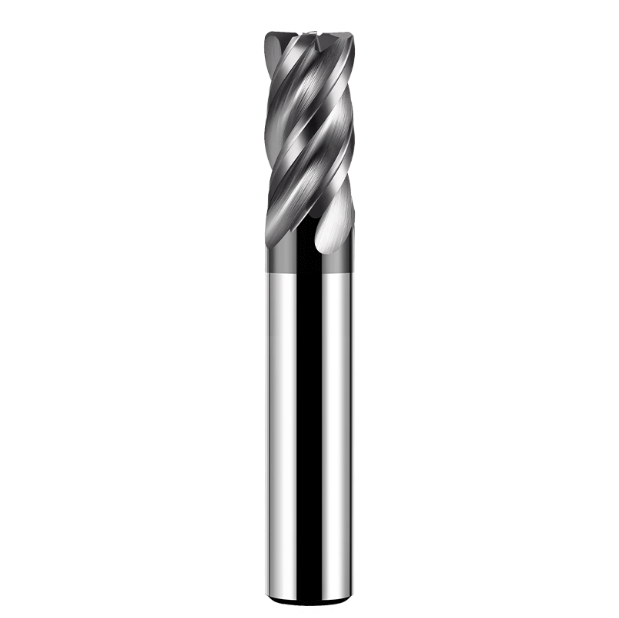
In the processing of plastics and composite materials, achieving precise and smooth rounded corner cuts has always been a key focus for manufacturers. Rounded corner cutters serve as efficient cutting tools that help create uniform and precise rounded corners on workpiece edges, significantly improving processing quality and appearance. Whether dealing with complex part contours or precision assembly components, using an appropriate corner round cutter can reduce burrs and material stress concentrations, extending product lifespan.
For different processing needs, the market offers a variety of corner cutter tools and corner rounding tools, including single-edge, multi-edge, and durable coated options. These tools optimize the cutting path and effectively control cutting load, ensuring smoother processing. Especially for production lines requiring continuous high-precision operations, CNC corner cutting tools for manufacturers provide stable performance, enhance production efficiency, and reduce tool replacement frequency and downtime.
Selecting the proper tool geometry and cutting parameters is crucial for achieving ideal rounded corners. By combining appropriate feed rates, cutting depths, and cooling and lubrication measures, manufacturers can significantly improve both machining accuracy and surface finish. Proper use and maintenance of corner rounding tools not only guarantee processing results but also extend tool life, reducing costs.
Important Factors in Choosing the Right Rounded Corner Cutter
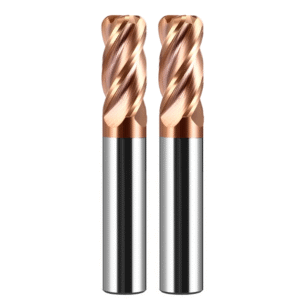
When processing plastic and composite parts, selecting the right rounded corner cutting tool is essential for ensuring quality and efficiency. Material type, part complexity, and production volume all affect tool performance. The right tool can produce uniform and smooth rounded corners, minimize burrs, reduce material stress, and extend part lifespan. By evaluating material characteristics, tool geometry, and surface treatment, manufacturers can achieve high-precision, stable, and efficient cutting.
Influence of Material Type on Corner Round Cutter
Material hardness, toughness, and fiber content directly affect corner cutting results. For high-strength composite materials, tools with high wear resistance are necessary to withstand heat and friction generated during cutting. For flexible plastics, tools with sharp edges and thin cutting profiles are better suited to prevent burrs and surface deformation. Because different materials have distinct requirements for cutting force and tool paths, workpiece material characteristics must be carefully considered to ensure smooth and accurate machining.
Relationship between Tool Geometry and Machining Accuracy
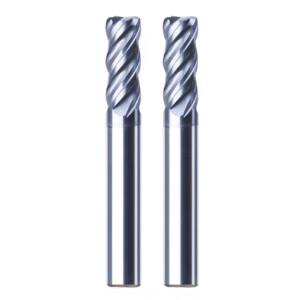
The geometry of a tool—including rake angle, tip radius, and helix angle—directly impacts machining accuracy and surface finish. Optimized geometries reduce vibration, improve corner smoothness, and maintain consistency in complex contour machining. Multi-flute tools, for example, distribute the cutting load, reduce wear, and maintain stable cutting paths. Choosing the right edge shape and tip radius is essential to ensure uniform fillets and smooth surfaces in high-precision parts.
Considerations for Tool Coating and Wear Resistance
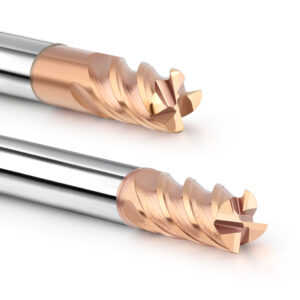
Tool coatings and material hardness significantly influence wear resistance and tool life. High-performance coatings reduce friction, improve thermal stability, and maintain sharpness during high-temperature cutting, minimizing burrs and scratches. In mass production, wear-resistant tools reduce replacement frequency and downtime, improving overall efficiency. Compatibility between the coating and base material is also crucial, as it affects cutting performance and durability.
Application of Corner Cutter Tools in Plastic and Composite Material Processing
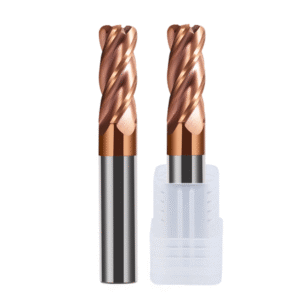
Precise corner cutting is critical for part quality in plastic and composite manufacturing. Proper use of corner cutting tools creates smooth, uniform fillets and reduces burrs, cracks, and material stress concentrations, improving assembly performance and part durability. Different tool shapes and coatings can be optimized for material characteristics, balancing cutting load and ensuring stable tool paths. High-performance CNC corner cutting tools are particularly valuable for mass production or complex contour machining, reducing rework rates and tool replacement frequency.
Case Study of High-Precision Corner Cutting
In practice, multi-flute or high-wear-resistant coated tools can achieve precise fillet machining on complex plastic parts. For example, in composite panel machining, optimizing feed rate and cutting speed maintains corner consistency while minimizing burrs and scratches. Studies show that matching tool geometry with material characteristics allows complex corners to be cut quickly while ensuring high repeatability, significantly improving production efficiency.
Common Challenges in Corner Cutting in CNC Machining
Common issues include burr formation, tool vibration, localized heat buildup, and uneven surface roughness. Improper cutting parameters on high-strength composites or multi-layer plastics can cause burning or delamination. Complex multi-angle paths may lead to uneven tool wear, impacting precision. These challenges can be mitigated through careful tool selection, optimized tool paths, and proper parameter adjustments.
Operational Techniques for Improving Machining Efficiency
Efficiency can be improved by planning tool paths and cutting sequences, using multi-edge durable tools to distribute cutting load, and reducing vibration. Controlling cutting speed, feed rate, and depth, combined with appropriate cooling and lubrication, minimizes thermal stress and material deformation. These optimizations enable high-quality corner machining while reducing downtime and rework, improving overall production efficiency.
Optimization of Machining Parameters for Corner Rounding Tools
In corner machining of plastics and composite materials, optimizing machining parameters is essential to ensure high precision and maximize tool life. Different materials respond differently to cutting forces, heat, and vibration. Therefore, it is important to adjust spindle speed, feed rate, cutting depth, and cooling and lubrication strategies to achieve a stable and efficient machining process. Proper parameter settings can improve surface quality, extend tool life, reduce production costs, and maintain consistency and reliability in mass production.
Optimal Combination of Spindle Speed, Feed Rate, and Cutting Depth
Spindle speed, feed rate, and cutting depth are closely related and must be matched according to material characteristics and machining complexity. When machining high-hardness composite materials, reducing cutting depth and using higher spindle speeds can lower concentrated cutting forces and minimize tool wear. For flexible plastics or multi-layered materials, increasing feed rate while controlling cutting depth helps prevent material stretching and edge deformation. By carefully adjusting these parameters, manufacturers can achieve stable corner radius machining with consistent efficiency and high-quality surface finishes.
The Impact of Coolant and Lubrication on Tool Life
Using coolants and lubricants is critical in continuous high-precision operations. Effective cooling reduces temperature in the cutting zone, minimizing thermal stress on the tool. It also improves chip evacuation, preventing adhesion or buildup that could compromise surface quality. For high-wear-resistant coated corner rounding tools, proper lubrication reduces friction and wear, maintaining tool sharpness and extending service life. These practices enhance the stability and efficiency of CNC corner cutting tools for manufacturers during long production runs.
Precautions for Machining Multi-Layer Composite Materials
When working with multi-layer composite materials, differences in hardness and fiber orientation between layers can lead to delamination, burrs, or localized burning during corner cutting. To avoid these issues, optimize the cutting path based on layer characteristics, control cutting load, and ensure consistent tool engagement. Additionally, applying an appropriate amount of coolant or lubricant reduces heat buildup and vibration. Following these precautions helps achieve high-precision, high-quality fillets while effectively extending the life of the corner cutter tool.

Maintenance and Care of CNC Corner Cutting Tools for Manufacturers
In mass production, the stability of high-performance CNC corner cutting tools for manufacturers directly impacts processing quality and production efficiency. Proper maintenance and care measures not only extend tool life but also reduce errors and downtime during operations. By monitoring tool wear, performing regular maintenance and calibration, and following effective usage strategies, manufacturers can ensure that each tool maintains high precision and stability when machining plastics and composite materials. This improves overall production efficiency and part consistency.
Tool Wear Monitoring Methods
Effective wear monitoring is fundamental for extending tool life. Common methods include visual inspection of the tool tip, measuring changes in cutting edge thickness, and using cutting force or vibration sensors to monitor machining status. For high-precision tasks, real-time monitoring allows manufacturers to detect abnormal wear early, preventing part defects or production interruptions. Recording each tool’s usage time and the type of processed material also helps optimize tool selection and parameter settings.
Operating Procedures for Regular Maintenance and Calibration
Regular maintenance and calibration are essential to ensure machining accuracy. Procedures include cleaning the tool surface and shank, inspecting the tool tip for wear, readjusting tool position and angle, and ensuring the tool is securely fastened. For composite materials or high-hardness plastics, maintenance frequency should be adjusted according to production volume and tool wear rate. Strict adherence to these procedures minimizes processing errors and improves production consistency.
Tips for Extending Tool Life of Corner Rounding Tools
To extend the lifespan of corner rounding tools, manufacturers should select high-wear-resistant coated tools suitable for the material, adjust cutting speed and feed rate appropriately, use coolants and lubricants to control temperature, and optimize the cutting path to reduce impact. Avoiding excessive cutting or overloading during processing also helps minimize tool wear. These comprehensive measures improve tool longevity, processing quality, and production efficiency, while reducing costs.

Comparison and Selection of Different Types of Rounded Corner Cutters
Selecting the appropriate rounded corner cutter for plastics and composite materials is crucial for processing accuracy and efficiency. Tool performance varies in wear resistance, stability, cutting speed, and surface finish. By considering tool structure, flute count, coating, and material compatibility, manufacturers can achieve high-precision and efficient corner processing while extending tool life and reducing costs. Rational selection also optimizes tool paths, reduces vibration and burrs, and ensures consistent results in mass production.
Performance Comparison of Standard and Special Corner Cutters
Standard rounded corner cutters are suitable for most conventional plastics and composite materials, offering a simple structure and ease of use. Special tools, designed for high-hardness or complex contour materials, feature optimized tip radius, cutting angles, and wear-resistant coatings to maintain stable performance under high loads. Choosing the right tool improves efficiency, reduces surface defects, and minimizes tool wear in high-precision or mass production environments.
Application Scenarios of Single-Flute and Multi-Flute Corner Cutter Tools
Single-flute tools are ideal for softer materials or simple contours, offering low cutting resistance and minimal heat generation, which reduces burrs and stringing. Multi-flute tools excel in high-precision machining of hard materials or complex contours by distributing cutting loads, improving stability, and enhancing surface finish. Multi-flute designs also extend tool life and reduce downtime in continuous high-load operations.
Tool Selection Recommendations for High-Hardness Composite Materials
High-hardness composite materials require tools with high wear resistance and rigidity. Carbide or high-performance coated tools maintain sharpness and stability under high cutting forces and concentrated heat. Optimizing tip radius and cutting angles according to part contours, controlling cutting depth and feed rate, and using adequate coolant or lubricant prevents burrs and surface scratches. Proper tool selection enables high-precision corner machining and improves production efficiency.
Practical Experience in Improving Machining Efficiency and Quality
Achieving high-efficiency, high-quality corner machining requires careful consideration of tool selection, parameter optimization, and maintenance. Rational planning of the machining process, optimizing tool usage, and controlling cutting load and tool paths reduce burrs, improve surface finish, extend tool life, and lower production costs. Implementing systematic operational strategies ensures stable and high-quality results in mass production.
Multi-Angle Machining Strategies and Tooling Sequence
For complex or multi-layered parts, multi-angle machining strategies and proper tooling sequences are essential. Stepwise cutting and optimized tool paths reduce cutting loads, minimize vibration, and improve corner consistency. Rationally arranging the tool sequence in mass production reduces tool changes and enhances overall line efficiency. Combined with proper tool selection and parameter optimization, these strategies achieve optimal results for various materials and part shapes.
Methods to Avoid Burrs and Surface Scratches
Maintaining smooth surfaces and minimizing burrs is critical for high-quality corner machining. Use high-wear-resistant coated tools, control cutting speed and feed rate, apply coolants and lubricants, and optimize tool geometry. For multi-layer composites or high-hardness plastics, layered cutting and consistent tool paths prevent localized scratches or interlayer cracking. Proper tool maintenance further supports surface quality and tool longevity.
Common Problems and Solutions in CNC Corner Cutting Machining
Common challenges include uneven tool wear, machining vibration, burrs, and thermal deformation. Real-time monitoring, regular calibration, and optimized cutting parameters and paths address these issues. Selecting appropriate single-edge or multi-edge tools, controlling cutting depth and feed rate, and adapting strategies to material properties improve stability and accuracy. Combining experience from all sections, manufacturers can achieve efficient, precise, and cost-effective fillet machining.