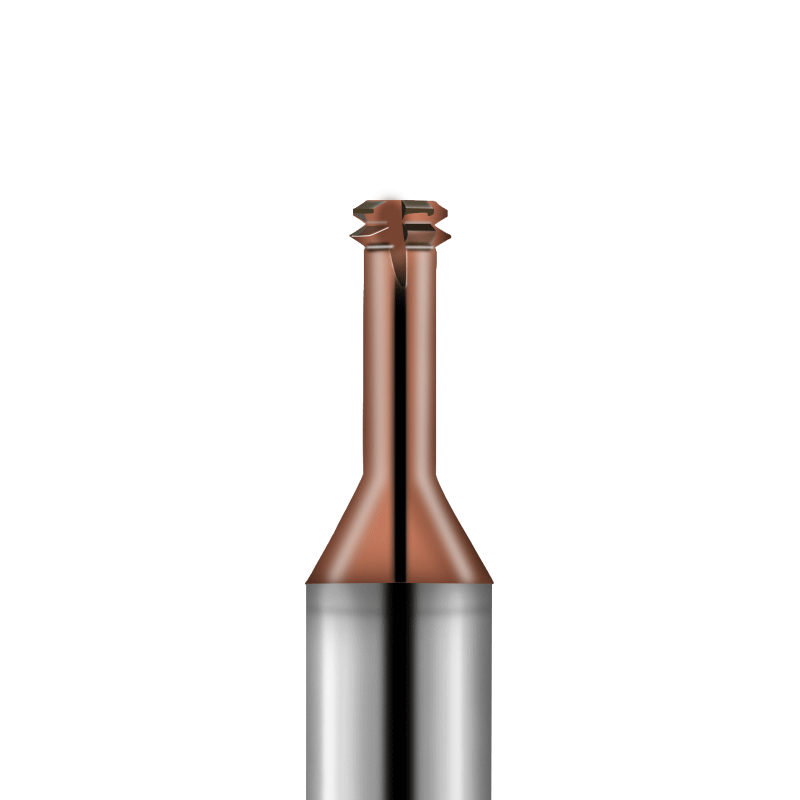
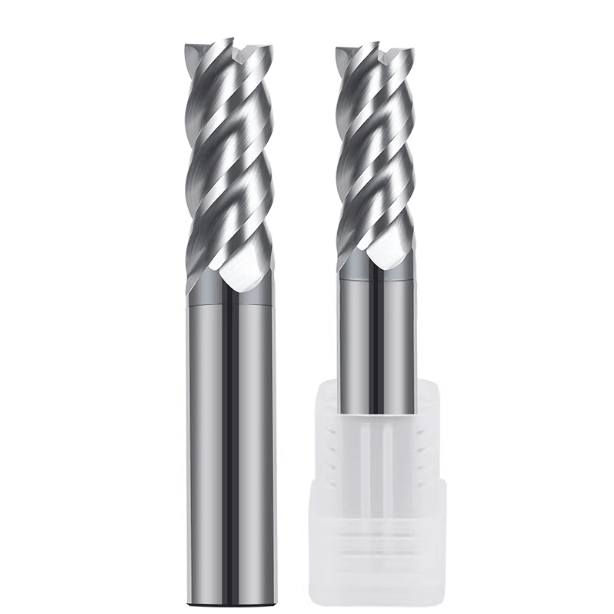
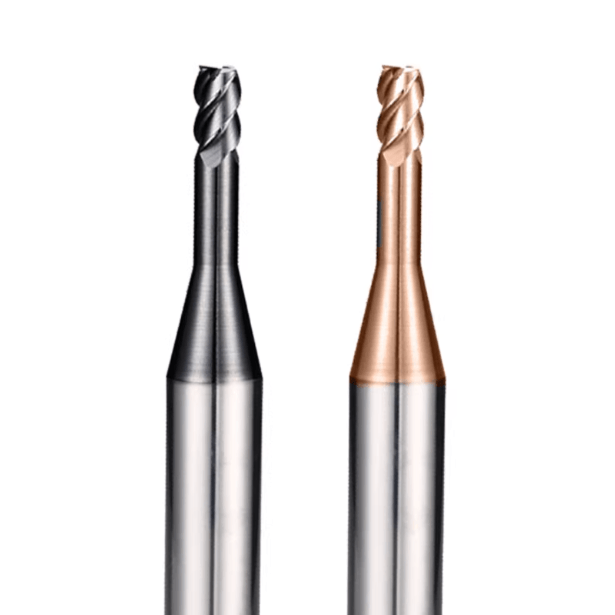
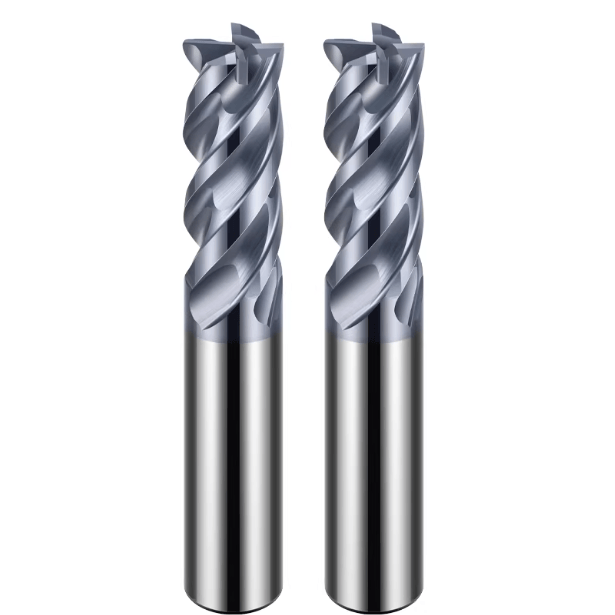
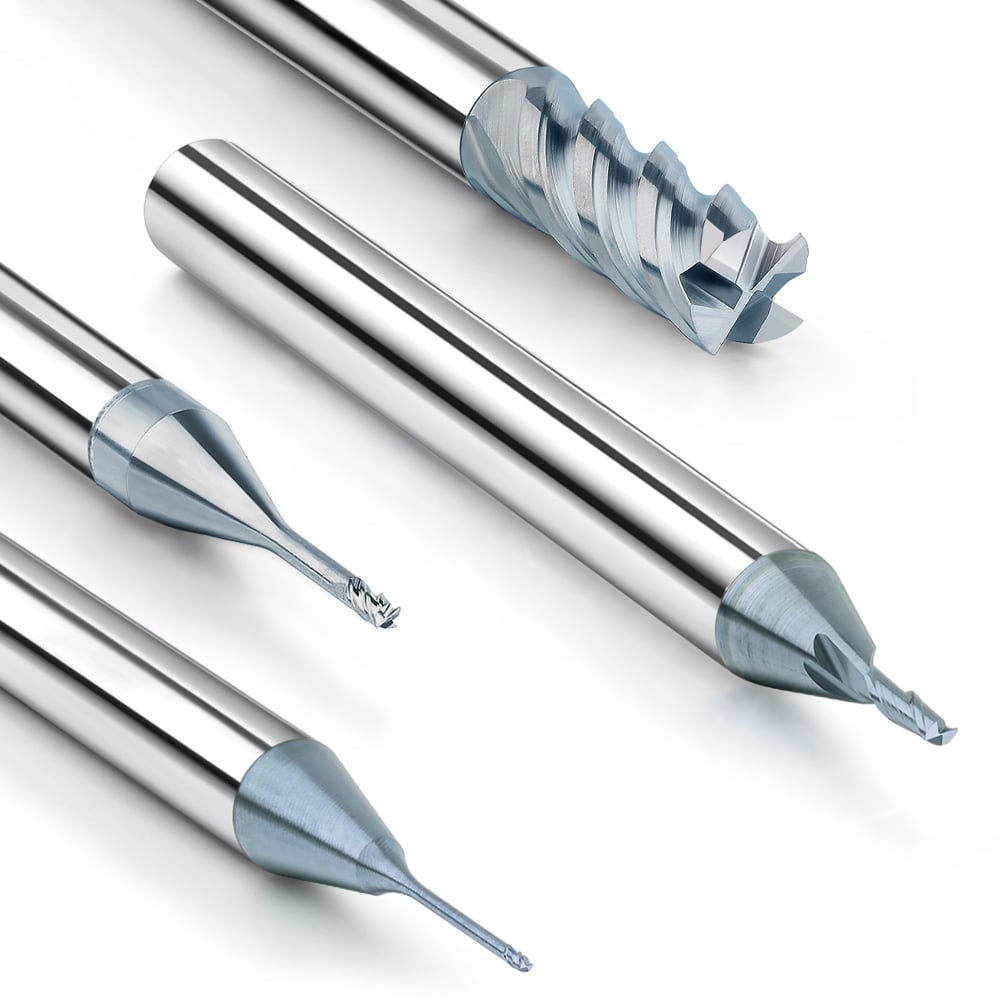
In the modern automotive manufacturing industry, precision machining quality and high production efficiency are core factors that determine manufacturing standards. Whether it’s engine parts, body frames, or complex metal components, selecting the right cutting tools is crucial for ensuring machining accuracy and extending tool life. Carbide cutting tools, with their high hardness, wear resistance, and excellent thermal stability, have become indispensable in automotive manufacturing.
Common metal materials used in automotive manufacturing include steel, aluminum alloys, and high-strength alloys, all of which place extremely high demands on cutting tools. In this context, metalworking carbide cutting tools are an ideal choice, maintaining their performance under extreme machining conditions, thus ensuring machining quality and production efficiency.
However, selecting the right carbide cutting tools for different metal materials and machining methods, especially in the machining of high-strength materials, remains a challenge for many manufacturers. Therefore, correctly assessing tool suitability is essential. This includes not only the choice of tool material but also factors such as cutting method, tool geometry, and coating technology. Choosing the right cutting tools can effectively reduce tool wear, improve machining accuracy, and lower production costs.
Additionally, with the increasing demands for precision and mass production in the automotive industry, the role of OEM carbide cutting tool manufacturers is becoming more critical. Professional tool manufacturers not only provide customized solutions but also comprehensive technical support, ensuring that each tool performs at its maximum potential.
Choosing the right carbide cutting tools for automotive manufacturing isn’t just about tool hardness and durability; it requires a comprehensive understanding of machining efficiency, production costs, and quality control. Only by thoroughly understanding material properties and cutting requirements can optimal tool selection be made, ultimately driving the efficient, precise, and high-quality development of automotive manufacturing.
Cutting Requirements in Automotive Manufacturing
In modern automotive manufacturing, manufacturers face increasingly complex technical challenges, especially regarding cutting accuracy, machining speed, and material adaptability. As the automotive industry continues to evolve, lightweight, durable, and safe products have become core design requirements. To meet these demands, efficient and precise cutting tools are essential in the production process to ensure that every component meets stringent quality standards. This places higher demands on cutting tools and presents challenges at every stage of the production process, particularly when machining complex shapes and high-strength materials.
The Importance of High-Precision Machining to the Automotive Industry
High-precision machining is a crucial aspect of the automotive industry, particularly in the production of core components such as engines, transmission systems, and braking systems. Even slight errors can affect the fit and safety of parts, meaning cutting tool precision must meet extremely high standards. High-precision cutting tools ensure the consistency of dimensions for each part, guaranteeing matching accuracy during assembly and avoiding performance issues or failures caused by machining errors.
For instance, in machining engine components, even minute dimensional deviations can affect engine power, fuel efficiency, and lifespan. In the production of vehicle body frames, precise cutting directly impacts the structural strength and safety of the entire vehicle. To meet these high-precision machining requirements, the use of high-performance carbide cutting tools is essential. They provide more accurate cutting quality and maintain stable performance during machining, ensuring efficient operation over extended periods.
The Diversity of Automotive Component Materials and Their Requirements for Cutting Tools
Automotive manufacturing uses a wide range of materials, from lightweight alloys to high-strength steels, each with its own specific cutting tool requirements. Modern vehicles demand a mix of materials that balance weight and strength. Aluminum and magnesium alloys are commonly used in lightweight components, while steel and high-strength steel are widely used for body and chassis structures. The hardness, toughness, and corrosion resistance of these materials directly influence the selection of cutting tools.
For example, machining aluminum alloys requires tools with high wear resistance and cutting speed. Carbide cutting tools, due to their excellent wear resistance and thermal stability, can maintain sharpness even at high speeds, making them ideal for efficiently machining aluminum parts. For high-strength steel, tools require even greater hardness and heat resistance to withstand cutting tasks in high-temperature, high-pressure environments. Thus, selecting the right cutting tool involves considering not only the tool’s hardness and wear resistance but also the appropriate tool shape, coating technology, and cutting method based on specific machining requirements.
Additionally, manufacturers must select the best tools for different cutting processes. For precision machining, carbide cutting tools offer higher stability and consistency, reduce tool wear, enhance machining efficiency, and ensure component quality. In mass production, tool durability and cost-effectiveness are also crucial. Choosing cost-effective tools can significantly reduce production costs.

How to Choose the Right Carbide Cutting Tool
In the precision machining process of automotive manufacturing, selecting the right cutting tool is vital to ensuring efficient production and high-quality components. With the diversification of materials and the continuous development of machining technologies, tool selection is no longer based solely on hardness or wear resistance; multiple factors must be considered. These factors include the material properties of components, cutting methods, machining processes, and equipment compatibility. Only by fully understanding these factors can the most suitable cutting tool be selected to improve production efficiency, reduce tool wear, and lower production costs.
Selecting Carbide Cutting Tools Based on Material Properties
Different material properties determine the selection criteria for cutting tools. In automotive manufacturing, components are typically made of materials such as aluminum alloys, high-strength steel, and stainless steel, each with varying hardness, toughness, machinability, and thermal stability. Selecting the appropriate cutting tool requires evaluating these characteristics. For example, while aluminum alloys have relatively good machinability, they tend to generate heat during high-speed cutting. Therefore, tools with excellent heat dissipation are necessary. Carbide tools, with their superior thermal stability, effectively prevent overheating. For materials like high-strength steel and hardened steel, which require high hardness and wear resistance, tools must possess even greater hardness and heat resistance. Carbide cutting tools, known for their ultra-high hardness and wear resistance, can withstand these demanding machining environments, ensuring precision.
Furthermore, some materials, like titanium alloys, generate significant cutting forces during machining. In such cases, in addition to tool hardness, strength and toughness are crucial to prevent tool breakage or failure. By comprehensively considering these material properties, appropriate tool materials and coatings can be selected to maximize machining quality and efficiency.
Matching Cutting Methods with Tool Design
Each machining method has different tool requirements, so tool design must be matched to the cutting process. Common cutting methods include turning, milling, and drilling, each with varying demands for tool geometry, cutting edge count, and coating.
For example, in turning, the rake angle and cutting edge shape of the tool should be designed to minimize cutting forces and vibrations based on the workpiece shape and depth of cut. In milling, the number and distribution of cutting edges must match the material being machined and the surface finish requirements to ensure a stable cutting process and higher machining accuracy. In drilling, tool wear resistance is particularly important to reduce wear under high loads and improve machining efficiency.
When selecting tools, cutting method and tool coating should also be considered. For machining certain high-strength materials, coatings with high-temperature and oxidation resistance, such as titanium nitride coatings, are necessary to enhance tool durability and reduce heat buildup during cutting.
Ensuring Tool Compatibility with CNC Equipment
Choosing the right cutting tool involves more than just material and design considerations; it also requires ensuring compatibility with CNC equipment’s technical parameters and machining requirements. Different CNC models have varying requirements for tool size, shape, and mounting methods. Therefore, tool compatibility with equipment must be confirmed to guarantee smooth machining.
In this process, factors like the tool fixing method, tool holder size, and maximum cutting diameter must be taken into account. For instance, high-precision CNC machines may require small-diameter, high-precision tools, while larger machines may require more robust tools to handle high-load machining. Therefore, when selecting tools, it’s essential to consider not just the tool’s performance but also the working range, speed, and precision requirements of the CNC equipment.
Moreover, different equipment cutting parameters also affect tool selection. Proper tool design ensures stable cutting results during machining, reducing vibrations and errors, which improves production efficiency and machining quality.

Application of CNC Carbide Cutting Tools in Automotive Manufacturing
With continuous advancements in automotive manufacturing technology, manufacturers are placing higher demands on machining precision, production efficiency, and tool performance. Especially in the machining of body parts, engine components, and high-strength materials, selecting the right cutting tools has become a key issue in production. Carbide cutting tools, with their exceptional hardness, wear resistance, and stability, have become indispensable in the automotive industry.
These tools not only improve machining accuracy but also maintain superior performance during high-load, complex-shaped cutting, ensuring high quality and long service life for automotive parts. Whether machining body frames, engine components, or lightweight alloys and hard steel materials, carbide cutting tools meet the demands for high precision and efficiency, helping automakers stay competitive in a challenging market.
Use in Body Part Machining
The machining requirements for body parts are extremely stringent, as these parts must not only meet aesthetic and functional requirements but also ensure strength, corrosion resistance, and safety. Carbide cutting tools are particularly effective in body part machining due to their efficiency and stable cutting performance. They are especially beneficial in machining thin-walled parts, where they help reduce deformation, ensuring precision and a high surface finish.
For example, in secondary processing after steel sheet stamping, processes such as cutting, milling, or drilling require high machining accuracy and low tool wear. Carbide cutting tools, with their excellent wear resistance and high-temperature stability, maintain sharpness during long-term machining, reducing tool change costs and ensuring production efficiency. Additionally, carbide tools show good performance for lightweight materials like aluminum alloys, improving manufacturing quality and strength for vehicle body components.
Advantages of Carbide Cutting Tools in Engine Component Machining
Machining engine components requires extreme precision, as even minor discrepancies can affect vehicle performance and safety. Carbide cutting tools excel in these high-precision tasks, especially for high-strength alloys and complex parts. Engine components like cylinder blocks, pistons, and cylinder heads require carbide tools for precise cuts and higher surface quality, ensuring they meet stringent tolerance requirements.
These components are typically made from high-strength or high-temperature alloys that demand high hardness and wear resistance. Carbide tools maintain sharpness over time, reducing tool change frequency and lowering production costs. Additionally, carbide tools prevent overheating, ensuring precision and durability during engine component machining.
Compatibility with Machining Light Alloys and Hard Steel Materials
In modern automotive manufacturing, the use of light alloys and hard steel materials is becoming increasingly common, especially in body frames and engine components. Due to the high hardness of these materials and the frequent need for precision cutting processes, selecting appropriate cutting tools is crucial. Carbide cutting tools, with their high hardness and wear resistance, are ideal for machining these materials.
For light alloys, such as aluminum alloys, carbide tools provide excellent thermal stability and high precision during high-speed cutting, preventing material deformation or surface damage caused by cutting heat. Simultaneously, machining aluminum alloys easily generates large cutting forces; carbide tools, with their strong durability and wear resistance, effectively extend tool life while ensuring cutting efficiency.
In machining hard steel materials, carbide tools also demonstrate excellent adaptability. Machining hard steel materials is more challenging, typically requiring tools with higher hardness and wear resistance to ensure stable machining results. Carbide cutting tools, with their extremely high hardness and excellent thermal stability, can easily meet the processing requirements of hard steel materials, ensuring the machining accuracy and surface quality of parts, and significantly improving production efficiency.

Carbide Cutting Tools in Metalworking
In modern metalworking, the selection of cutting tools directly impacts processing efficiency, part quality, and cost management. This is particularly true when machining hard metals, alloys, and high-strength steels, where tool durability and cutting performance play a crucial role in achieving optimal machining results. Carbide cutting tools, known for their exceptional wear resistance, hardness, and thermal stability, are widely used across a range of metalworking applications. Whether in high-speed cutting or the precision machining of complex shapes, carbide tools offer superior cutting performance, ensuring stability and high precision throughout the process.
Metalworking encompasses a diverse array of materials, including steel, aluminum alloys, and titanium alloys. Each of these materials has unique cutting characteristics, placing different demands on cutting tools. The high hardness and wear resistance of carbide tools make them the preferred choice for machining these materials. Carbide tools effectively improve machining accuracy, extend tool life, and reduce production costs, making them indispensable in high-load, high-precision metalworking tasks.
Advantages of High Wear Resistance and High Hardness
Cutting tools used in metalworking, particularly for hard materials such as high-strength steel, stainless steel, and titanium alloys, require exceptional hardness and wear resistance. Carbide cutting tools, with their superior hardness and remarkable wear resistance, have become the ideal solution for these demanding machining applications. High-hardness tools resist wear that occurs at elevated temperatures, maintaining a sharp cutting edge even during prolonged, high-load cutting tasks, which reduces the need for frequent tool replacements.
When machining hard materials like steel, significant heat is generated during cutting. If the tool hardness is insufficient, accelerated wear can degrade machining quality. Carbide tools, however, are designed to withstand high-temperature cutting conditions, retaining their sharpness and minimizing wear. This results in improved machining stability and accuracy, while also extending tool life and reducing the cost of frequent tool replacements.
Improving Machining Efficiency and Reducing Cutting Time
In addition to their outstanding hardness and wear resistance, carbide cutting tools also offer significant improvements in machining efficiency and cutting time. Tools with high hardness maintain stable cutting forces during high-speed operations, enabling faster cutting speeds. The reduced heat generated during cutting minimizes the risk of tool deformation or failure, which further enables higher machining speeds.
In mass production, boosting machining efficiency is critical for reducing costs and increasing output. The high cutting speeds provided by carbide tools substantially shorten production cycles, especially in high-speed milling, turning, and drilling processes, improving overall productivity. Furthermore, carbide tools’ resistance to high temperatures and vibrations ensures consistent machining accuracy, even in deep hole drilling or the machining of complex geometries. This helps to reduce errors caused by vibration or deformation.
By selecting the right carbide cutting tools, manufacturers can not only improve production efficiency but also maintain product quality. The wear resistance and high hardness of carbide tools allow them to provide long-term value, reducing machine downtime and driving smooth, efficient operations across the production line.

Key Factors in Choosing an OEM Carbide Cutting Tool Manufacturer
In metalworking and precision manufacturing, choosing the right tool supplier is crucial for optimizing production efficiency, ensuring machining quality, and minimizing long-term production costs. In an increasingly diverse market, selecting an OEM carbide cutting tool manufacturer can have a significant impact on tool performance and the stability of the entire production process. An experienced and reliable tool manufacturer is essential for providing high-quality cutting tools and tailored solutions that meet specific production needs.
When evaluating a tool supplier, companies should consider several factors, such as the manufacturer’s quality control capabilities, technical expertise, and after-sales support. The supplier’s track record, technical support, and ability to offer customized services are key factors that will determine both tool performance and overall production efficiency. Furthermore, ongoing technical support and comprehensive after-sales services ensure that any issues that arise during production are addressed promptly, helping to maintain smooth operations.
Advantages of Quality Control and Customized Services
The quality of cutting tools directly affects machining accuracy and overall production efficiency. Reputable OEM manufacturers typically implement stringent quality control systems to ensure that every tool meets high machining standards. From raw material selection and tool design to production and testing, rigorous quality control measures are in place to guarantee that tools exhibit superior wear resistance and long-term stability.
Custom tools and services also represent a major advantage of OEM manufacturers. Different machining tasks often require specialized tools, and off-the-shelf solutions may not meet specific needs. Many manufacturers offer customized tool designs and manufacturing services, allowing for optimized tool shapes, sizes, and coating technologies based on the unique characteristics of the material and machining process. This customization leads to improved cutting performance, enhanced efficiency, and reduced tool wear, ultimately helping manufacturers to lower replacement costs.
By choosing an OEM manufacturer with a robust quality control system and the ability to provide customized tools, companies can ensure higher performance and extended tool life in their production processes.
Choosing an Experienced Manufacturer to Guarantee Tool Performance
Choosing an experienced OEM manufacturer is essential for ensuring reliable tool performance. Experienced manufacturers, through years of research and development, possess deep knowledge and technical expertise in tool design, production processes, and material selection. They are able to create tailored tools that precisely match different machining conditions and material properties, optimizing cutting efficiency and accuracy.
Moreover, experienced manufacturers tend to have stronger innovation capabilities, enabling them to adapt quickly to evolving market demands and technological advancements. For example, when machining complex materials or performing high-precision operations, experienced manufacturers can adjust their tool designs to ensure optimal performance, improving both productivity and product quality.
Opting for an experienced manufacturer guarantees the stability and durability of cutting tools, even during prolonged, high-intensity machining tasks, preventing premature wear and ensuring long-term performance.
Continuous Technical Support and After-Sales Service
Technical support and after-sales service are critical factors in selecting an OEM tool manufacturer. The performance and lifespan of cutting tools can be affected by various factors during actual production, such as adjustments to cutting parameters and variations in workpiece material. In these cases, ongoing technical support is invaluable, helping manufacturers optimize tool performance and troubleshoot issues as they arise.
Top-tier manufacturers often provide comprehensive training and operating guidelines, ensuring customers understand how to use tools effectively. They also conduct regular technical inspections and offer maintenance recommendations. After-sales service is equally important. When tools wear out or fail, manufacturers should provide prompt maintenance, repair, or replacement services to minimize production downtime.
Choosing a manufacturer that offers continuous technical support and after-sales service helps companies maintain optimal tool performance throughout their lifecycle, ensuring high productivity and seamless production processes.

Ensuring the Longevity and Cost-Effectiveness of Cutting Tools
In metal processing, the lifespan of cutting tools and cost-effectiveness are closely related key factors. High-performance tools not only improve machining accuracy and efficiency but also help reduce production costs. Extending the lifespan of cutting tools while achieving cost savings without compromising machining quality is a critical concern for manufacturers.
Longer tool life reduces the frequency of tool replacements, easing the burden on raw material procurement and production equipment, and minimizes downtime caused by frequent tool changes, which in turn improves production continuity and stability. Effective tool management strategies not only reduce tool procurement costs but also optimize cutting results, leading to higher overall production efficiency.
Implementing scientific tool maintenance, setting reasonable cutting parameters, and performing regular inspections can significantly extend tool life and reduce overall production costs. Below are specific strategies for extending tool life and achieving cost-effectiveness.
How to Extend the Life of Carbide Cutting Bits
Extending the life of cutting tools not only reduces production costs but also improves overall production efficiency and machining quality. Carbide cutting bits are widely used in high-intensity machining because of their wear resistance and high hardness; however, even these tools experience wear and damage over time. Taking reasonable steps to extend tool life is an essential management goal for any manufacturer.
-
Optimizing Cutting Parameters
Cutting parameters like feed rate, depth of cut, and cutting speed directly impact the tool’s workload and lifespan. Properly adjusting these parameters can effectively reduce tool wear under high temperature and pressure. For instance, reducing cutting speed or optimizing the feed rate can reduce wear on the tool surface and prevent breakage caused by excessive load. -
Choosing the Right Cutting Fluid
Using high-efficiency cutting fluids effectively cools the cutting tool and minimizes thermal expansion, while also lubricating the cutting surface to reduce friction and tool wear. Regularly changing and maintaining the quality of cutting fluids is essential for prolonging tool life. -
Regular Tool Inspection and Maintenance
Routine inspection and maintenance of cutting tools are crucial. Checking tool sharpness regularly, sharpening, and repairing tools promptly can prevent sudden failure during machining. For parts prone to damage, replacing or repairing the tool’s surface on time can significantly extend its effective service life.
By properly applying these methods, carbide cutting tools can last significantly longer, reducing unnecessary downtime and replacement costs, while improving production efficiency.
Cost-Saving Tool Management Strategies
A well-planned tool management strategy can help manufacturers reduce unnecessary waste and costs while ensuring machining accuracy and quality. Tool management encompasses not only tool selection but also storage, usage, maintenance, and replacement.
-
Accurate Tool Usage Records
Maintaining detailed records of tool usage—such as usage time, working environment, and processed materials—helps manufacturers assess tool lifespan and provides a reliable basis for maintenance and replacement. This prevents premature or delayed tool replacement, reducing costs. -
Tool Sharing and Centralized Management
In large production facilities, multiple machines may use different tools. However, this doesn’t mean that each machine needs to independently store a large number of tools. Tool sharing and centralized management improve tool utilization efficiency, reduce duplicate purchases, and minimize waste. Optimizing inventory management reduces unnecessary spare parts and backlog, which in turn lowers inventory costs. -
Preventive Tool Maintenance and Timely Repairs
A preventive maintenance strategy, which includes regular inspections and maintenance, helps prevent damage caused by prolonged tool use. Timely repair of worn parts, rather than complete tool replacement, can effectively save on replacement costs and ensure continuous production. -
Reasonable Tool Replacement Cycles
Replacing tools too early or too late increases production costs. Replacing tools too early prevents damage but leads to unnecessary waste, while waiting too long to replace tools can cause decreased machining accuracy or even damage machinery. A scientifically designed tool replacement cycle is crucial. Manufacturers can develop schedules based on data analysis and experience, ensuring tool performance while avoiding waste.
By applying these tool management strategies, manufacturers can extend tool life and save costs during production, ultimately improving overall efficiency.

Balancing Cutting Quality and Production Efficiency
In modern manufacturing, balancing cutting quality and production efficiency is essential for improving productivity, reducing costs, and ensuring product quality. Cutting bits, as a core element of the production process, directly influence production efficiency and the quality of machined parts. Manufacturers must consider multiple factors when selecting tools, including the material being processed, tool performance, production requirements, and costs, in order to maximize efficiency while ensuring high-quality cuts.
By selecting the right tools and optimizing cutting parameters, manufacturers can improve production efficiency while maintaining precision and consistency in parts machining. Additionally, careful tool management, regular tool maintenance, and the right cutting fluids help extend tool life while reducing production costs. In summary, a scientific approach to tool selection and management is key to improving production efficiency while maintaining high-quality cutting.
Tool Selection for Improving Production Efficiency
One of the most critical factors in improving production efficiency is selecting the right tools. For various machining tasks, choosing the appropriate tool directly affects both production speed and machining quality. For example, in high-speed cutting, carbide tools with high hardness and wear resistance can improve cutting efficiency and reduce downtime. While high-speed steel tools have good toughness, they cannot match the cutting efficiency of carbide tools, especially when machining high-strength or hard materials.
Moreover, tool design and material selection play a major role in improving machining efficiency. Coating technology, cutting edge design, and temperature resistance all contribute to higher cutting speeds and improved machining accuracy. Custom-designed tools can provide specific solutions tailored to production needs, thus further enhancing overall efficiency.
How to Balance Cutting Quality and Production Costs
Manufacturers aim to control production costs while maintaining high cutting quality. Improved cutting quality generally means longer tool life and increased process stability, but it can also lead to higher tool procurement and maintenance costs. Therefore, manufacturers need to strike a balance between cost and quality.
First, optimizing cutting parameters improves efficiency and reduces unnecessary wear. For example, in precision machining, reducing cutting speed and feed rate minimizes tool wear while maintaining high-quality results. Regular maintenance and repair of tools extend their lifespan, reducing the need for frequent replacements and lowering costs. Proper tool management and maintenance cycles improve cost-effectiveness and ensure optimal tool performance.
Additionally, choosing a tool manufacturer with strong after-sales service and technical support is crucial for balancing quality and cost. Reputable manufacturers offer custom tool designs and optimization advice, helping manufacturers improve cutting quality, reduce tool wear, and further lower production costs.