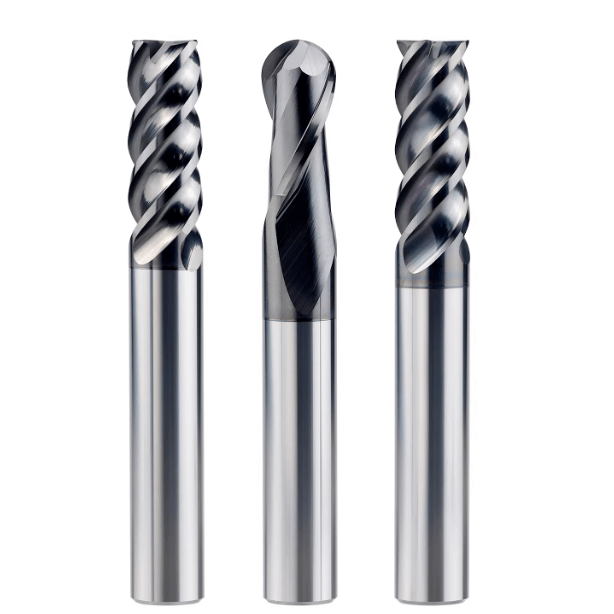
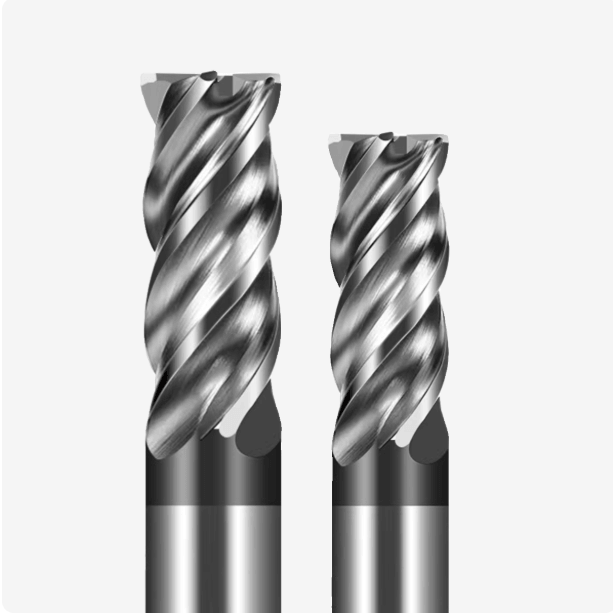
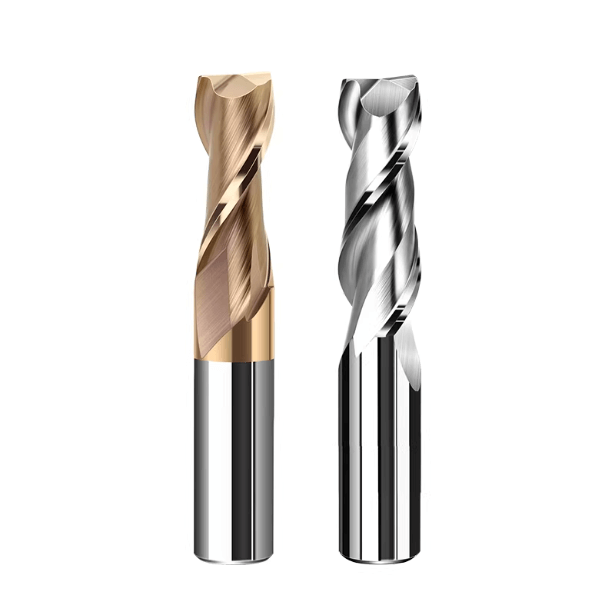
Aerospace manufacturing demands exceptional precision, structural complexity, and material performance, especially when machining challenging materials such as titanium alloys, nickel-based superalloys, and composite materials. Slot cutter milling remains a critical process that directly influences assembly accuracy, structural integrity, and overall production efficiency. Compared to general side milling or end milling operations, slotting milling tools provide higher precision and efficiency in aerospace component production. Whether machining engine housings, wing stiffeners, or avionics brackets, selecting and optimizing the right slotting milling tool geometry, cutting parameters, and coating technology directly affects machining quality and cost control.
With continuous advancements in aerospace manufacturing, engineers increasingly focus on performance differences between tool types in real-world production. For instance, in the comparison between slot cutters vs side milling cutters, slot cutters offer better slot width consistency and greater control over depth of cut, making them ideal for deep slotting of high-precision structural components. Side milling cutters, conversely, excel in contour finishing or shallow slot operations. Proper selection of tool geometry, flute count, cutting edge angle, and coating technology is essential to ensure stable tool life, surface quality, and production efficiency.
High-performance carbide slot cutters have become the preferred choice for aerospace manufacturers. Compared with traditional HSS tools, carbide tools offer superior wear resistance, thermal stability, and cutting strength, maintaining precision under high-speed, high-feed conditions. Partnering with a reliable carbide slot cutter supplier that provides technical expertise and customization ensures optimized tool designs tailored to aerospace materials, enhancing machining efficiency and part consistency.

High-Precision Requirements in Aerospace Slot Milling
Aerospace components often feature extreme precision requirements and complex geometries. Slot cutting, a key finishing step, directly affects assembly accuracy, stress distribution, and operational reliability. Unlike conventional machining, aerospace parts frequently utilize high-strength, high-temperature-resistant materials such as titanium alloys, Inconel, and carbon fiber composites. These materials present challenges including high hardness, low thermal conductivity, and rapid tool wear, which can cause heat buildup and dimensional deviations during cutting.
To meet stringent tolerances, engineers must optimize multiple factors, including tool selection, groove depth, feed strategy, and cooling/lubrication methods. Traditional end mills or side milling cutters often struggle with chip evacuation, vibration control, and surface roughness when machining deep grooves or internal cavities. Specialized slotting milling tools significantly improve cutting stability, machining consistency, and surface integrity. With trends toward lightweight and integrated structures, higher demands are placed on tool rigidity, thermal resistance, and cutting edge accuracy, making high-precision slot milling a core competitive advantage in aerospace manufacturing.
Characteristics and Challenges: Complex Geometry and High-Strength Materials
Aerospace slots often involve multi-axis curved surfaces, narrow channels, and high aspect ratios. Examples include wing stiffeners, engine mounts, and landing gear components. These features are structurally complex and subject to concentrated stress, requiring precise slot shapes and uniform wall thickness.
Key machining challenges include:
-
High cutting resistance and low thermal conductivity: Leads to rapid temperature rise; efficient coolant or micro-lubrication (MQL) is essential to prevent thermal deformation.
-
Insufficient rigidity in high aspect ratio slots: Can cause tool deflection and part distortion, affecting slot width consistency.
-
Difficulty controlling vibration and thermal stress: Optimized tool geometry and feed strategies are required to prevent resonance and thermal fatigue.
Engineers must consider tool geometry, coating performance, and rigidity when programming CNC machines and selecting slotting milling tools.
Why Slotting Milling Tools Are Crucial in Aerospace Manufacturing
Slotting milling tools are superior to other cutters for deep grooves, tall-walled structures, and narrow channels. Their focused cutting force and stable path reduce part distortion. Multi-flute designs and precision cutting edges enhance cutting efficiency and lower wear rates, particularly for high-hardness materials, extending tool life and maintaining dimensional accuracy.
Surface finish and assembly accuracy are critical in aerospace parts. Even minor slot position errors can cause misaligned mating surfaces or stress concentrations. Using optimized carbide slot cutters with precise CNC path planning improves surface integrity and reduces the need for additional finishing, supporting consistent batch quality and cost efficiency.

Choosing Between Slot Cutter vs Side Milling Cutter for Aerospace Applications
Selecting the right tool type is vital for machining accuracy, tool life, and production efficiency. Engineers must weigh the benefits of slot cutters vs side milling cutters based on groove geometry, material properties, and equipment rigidity.
High aspect ratio slots, thin walls, and tough materials favor slotting milling tools for their cutting stability and reduced vibration. Side milling cutters are better for shallow slots, contour trimming, or planar surfaces due to uniform force distribution and larger chip evacuation capacity. Proper tool selection improves overall efficiency and reliability.
Structural Differences and Cutting Path Analysis
Slot cutters have circumferentially distributed teeth, allowing simultaneous radial and axial cutting with high rigidity, ideal for deep slots. Side milling cutters primarily cut laterally, making them suitable for contouring but less effective in deep narrow slots. Multi-edged carbide slot cutters minimize lateral forces and ensure precise slot width, whereas side milling cutters perform smoother shallow cuts with lower spindle load. Optimized cutting paths reduce tool wear and part distortion.
Application Scenarios Comparison
Slotting milling tools excel at:
-
Deep, narrow slots (engine mounts, fuselage frames)
-
Curved surface or complex internal cavity slots
-
High-speed machining of high-hardness materials
Side milling cutters excel at:
-
Shallow groove finishing and contour trimming
-
Large flat surface milling in batch production
Slotting milling tools better meet deep slot, high-precision needs; side milling cutters are more efficient for surface trimming.
Overall Performance from Economic and Lifespan Perspective
Slot cutters concentrate wear on the cutting edges but offer longer life in high-strength materials. Despite higher unit cost, they reduce cost per part in long-cycle production. Side milling cutters distribute wear more evenly, suited for medium-strength materials and batch processing. Selection should consider groove shape, material, equipment, and cost targets. Partnering with a professional carbide slot cutter supplier ensures optimized tooling solutions balancing cost, efficiency, and accuracy.

Optimizing Slot Cutter Milling Strategies for Aerospace Materials
Material properties in aerospace manufacturing directly influence slot cutter milling strategies. Titanium alloys, Inconel, and composite materials exhibit high hardness, poor thermal conductivity, and sensitivity to cutting temperatures. This makes them prone to tool wear and part distortion. To achieve high precision, efficiency, and extended tool life, engineers must systematically optimize cutting parameters, toolpaths, and cooling/lubrication strategies.
Proper machining strategies enable stable cutting with slotting milling tools in deep grooves, high aspect ratio slots, and complex curved surfaces. Optimized paths reduce vibration, minimize thermal deformation, and ensure surface quality and assembly accuracy. Additionally, a well-designed process layout maximizes the wear resistance and thermal stability advantages of carbide slot cutters, reducing costs and improving batch consistency.
Parameter Recommendations for Machining Titanium Alloys and Inconel
-
Cutting Speed: Titanium and Inconel generate high heat and have poor thermal conductivity. Medium to low speeds combined with higher feed rates reduce tool overheating and edge chipping.
-
Feed Rate and Axial Depth: Layered cutting and lateral force control reduce deflection and vibration risk.
-
Cooling and Lubrication: High-pressure coolant or micro-lubrication (MQL) prevents chip adhesion, reduces tool temperature, and extends carbide slot cutter life.
These optimizations maintain slot width accuracy and high surface finish, reducing secondary operations.
Slot Cutter Path Optimization in Multi-Axis CNC Centers
Multi-axis CNC machines offer flexible machining angles for aerospace components but require precise slotting milling tool path planning:
-
Reducing Vibration and Deflection: Rational cutting direction and helical entry disperse forces and protect slot accuracy.
-
Layered Cutting and Helical Infeed: Balance forces, prevent tool overload, and improve stability in high aspect ratio slots.
-
Cutting Path Optimization: Integrate MRR, tool rigidity, and machine dynamics to minimize non-machining time and improve batch efficiency.
Precise path planning enhances cutting efficiency and significantly improves dimensional accuracy and surface quality of complex slots.
Slot Milling Quality Enhancement Techniques: Tool Wear Monitoring and Compensation
Tool wear directly affects aerospace part quality. Key strategies include:
-
In-process Monitoring: Sensors track vibration, temperature, and cutting force to detect wear or chipping.
-
Tool Wear Compensation: Dynamic CNC adjustments maintain slot width and depth stability.
-
Data-Driven Tool Life Prediction: Historical wear data and material properties optimize replacement cycles, reducing unexpected downtime.
These strategies extend carbide slot cutter life while maintaining high precision and batch consistency.

Selecting the Right Carbide Slot Cutter Supplier for Aerospace Projects
In aerospace manufacturing, the performance of high-quality slotting milling tools directly affects machining accuracy, production efficiency, and batch consistency. Therefore, selecting a reliable carbide slot cutter supplier is critical to ensuring the success of aerospace component machining. Top suppliers not only provide wear-resistant and thermally stable carbide slotting milling tools, but also have advanced quality control systems and customized machining solutions for aerospace materials.
When choosing a supplier, it’s essential to evaluate several factors — including tool material quality, geometric design capabilities, coating processes, customization services, and after-sales technical support. For the machining of deep slots, curved slots, and high aspect ratio grooves in aerospace parts, a supplier’s ability to provide customized slotting milling tools, OEM tooling solutions, and prototype verification services directly influences machining efficiency, tool life, and part yield.
Additionally, a company’s competitiveness in the global aerospace supply chain depends on the supplier’s ability to maintain cost control, ensure stable delivery times, and provide internationally recognized quality certifications. Selecting the right supplier not only reduces production costs and shortens delivery cycles but also ensures high precision and machining consistency in slot milling operations.
Key Indicators for Supplier Evaluation
Choosing the most suitable slot cutter milling supplier requires a careful assessment based on the following key indicators:
-
Carbide Substrate and Coating Technology: Evaluate the uniformity of hardness and toughness, as well as the adhesion and consistency of PVD or CVD coatings. High-quality carbide materials ensure wear resistance and thermal stability during machining of titanium alloys or Inconel.
-
Tool Consistency and Quality Control: Check whether the supplier owns precision grinding equipment, online measurement systems, and coordinate measuring machines (CMM) to ensure dimensional accuracy and edge quality across batches.
-
OEM Customization and Technical Support: For specialized slot widths, depths, and curved shapes used in aerospace components, the supplier should be capable of providing custom tool design, prototype testing, and process optimization support.
By scientifically evaluating these aspects, aerospace manufacturers can minimize machining risks and improve batch consistency and tool longevity.
Choosing the Right Slotting Milling Tool Partner from an Application Perspective
In practical aerospace machining, supplier selection extends beyond the tool itself. It involves the supplier’s capability to deliver complete solutions tailored to the production environment:
-
Custom Dimensions and Slot Types: Tools should be designed to meet aerospace-grade standards, including deep, wide, curved, and high aspect ratio slots, ensuring the final part meets strict tolerance and design requirements.
-
Prototype Verification Services: Conducting prototype tests to validate tool geometry, coating performance, and cutting parameters ensures process stability before mass production.
-
Technical Consulting and Machining Support: Suppliers that offer CNC tool selection advice, parameter optimization, and tool life prediction help manufacturers achieve consistent performance and reduce production downtime.
This collaborative, application-oriented approach reduces trial-and-error costs and enhances machining consistency and efficiency in complex slot milling operations.
Competitive Advantages of Chinese Carbide Slot Cutter Suppliers
Within the global aerospace manufacturing supply chain, Chinese carbide slot cutter suppliers are gaining recognition for several key advantages:
-
Cost Control and Delivery Flexibility: With a complete industrial ecosystem and localized production capabilities, Chinese suppliers provide cost-effective tooling while ensuring flexible delivery schedules.
-
Export Certification and Global Case Studies: Many Chinese manufacturers hold ISO and AS9100 certifications and have extensive experience supplying customized slot cutter solutions to international aerospace clients.
-
Strong R&D and Customization Capabilities: These suppliers can deliver advanced multi-flute tool designs, optimized coatings, and improved tool geometries for cutting high-strength materials like titanium alloys and Inconel.
In summary, selecting a capable carbide slot cutter supplier influences not only tool performance but also machining efficiency, cost management, and long-term product quality stability — making it a key factor in aerospace manufacturing competitiveness.

Future Trends of Slot Cutter Milling in Aerospace Manufacturing
As aerospace materials and production technologies continue to evolve, slot cutter milling is entering an era defined by high precision, high efficiency, and intelligent manufacturing. The lightweight design of aerospace parts and the demand for complex surface structures and deep grooves are driving innovation in tool materials, coating technologies, geometry design, and digital manufacturing systems.
Future slot cutter solutions will not only emphasize cutting efficiency and tool life but also machining quality, surface finish, and traceability — ensuring every process is measurable and optimizable.
New Materials and Processes Drive Tool Innovation
Aerospace applications demand extreme wear resistance, thermal stability, and oxidation resistance from slotting cutters, which is fueling continuous innovation in tool materials and manufacturing processes:
-
PVD Coatings & Micro-Edge Chamfering: Enhanced coating adhesion and edge wear resistance increase tool longevity and minimize chipping during hard-material machining.
-
Oxidation-Resistant Carbide Materials: New carbide composites maintain performance under high temperatures, ideal for deep grooving in titanium alloys and nickel-based superalloys.
-
Composite-Adaptive Designs: For cutting lightweight composite structures, tool geometry, flute design, and coating formulations are optimized to deliver low cutting forces and high surface quality.
These advancements enable slotting milling tools to achieve higher machining efficiency, improved surface finish, and better consistency in deep or high-speed slot milling operations.
The Integration of Digital Manufacturing and Intelligent Tool Management
Digital manufacturing is transforming the management of slot cutter milling by improving traceability, efficiency, and predictive accuracy:
-
Smart Tool ID & Monitoring Systems: Real-time tracking of tool life, wear, and cutting parameters enhances production stability and tool traceability.
-
Digital Twin & Machining Simulation: Virtual machining simulations help predict vibration, tool runout, and surface quality before multi-axis operations begin.
-
Data-Driven Optimization: By monitoring parameters such as cutting force, temperature, and wear, machining conditions can be dynamically adjusted to extend tool life and maintain stable cutting performance.
Through digitalization and intelligent management, aerospace companies can achieve high precision, low cost, and optimized performance in complex slot milling tasks — paving the way for fully automated and flexible production systems.

Enhancing Aerospace Efficiency with Advanced Slot Cutter Milling Solutions
In aerospace manufacturing, slot cutter milling is a vital process for producing deep, curved, and complex grooves with high accuracy and consistency. Through proper tool selection, optimized cutting parameters, toolpath design, and cooling strategies, manufacturers can achieve precise control and stability when machining high-strength materials such as titanium alloys, Inconel, and composites.
High-performance carbide slot cutters offer exceptional wear resistance, thermal stability, and long tool life, making them indispensable for aerospace part production. Close collaboration with reliable suppliers — including custom tool design, prototype testing, and process optimization — ensures consistent results in mass production and significantly improves cost efficiency.
Looking ahead, the integration of digital manufacturing technologies and intelligent tool management systems will allow aerospace manufacturers to predict wear, optimize toolpaths, and adjust parameters in real-time, further improving productivity and part consistency.
Ultimately, the development of slotting milling tools in aerospace focuses not just on material and coating performance but also on digital integration and smart process management. A strategic partnership with the right carbide slot cutter supplier will remain a decisive factor for improving machining precision, efficiency, and competitiveness in the aerospace industry.