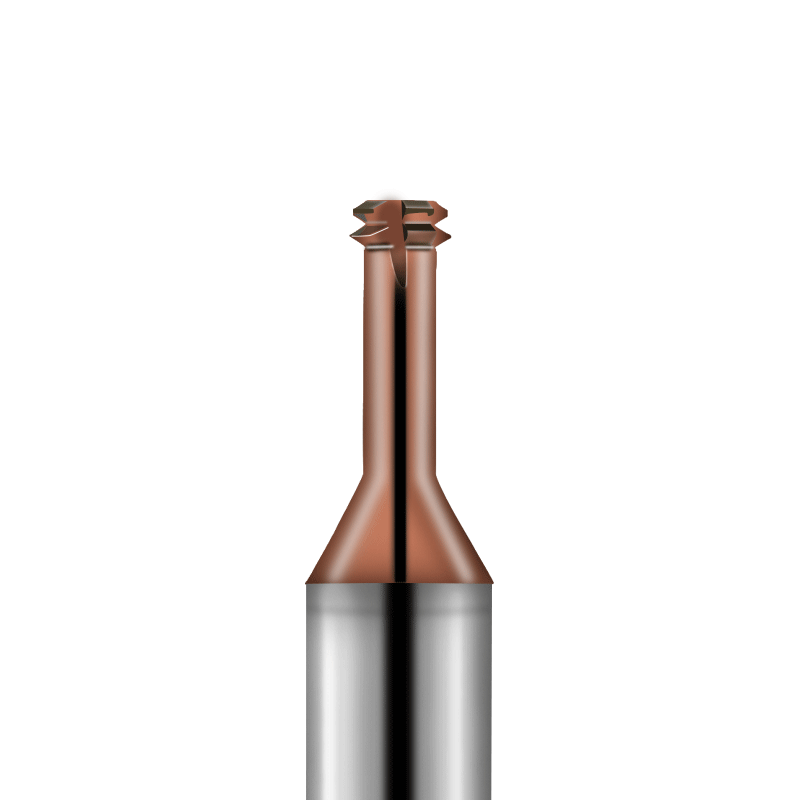
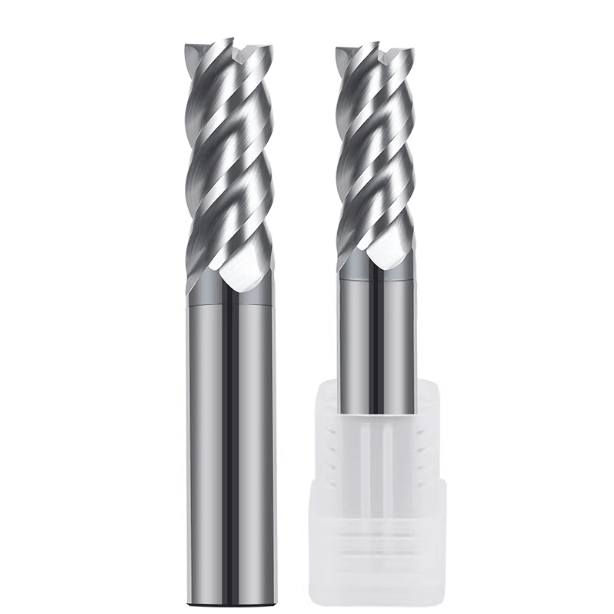
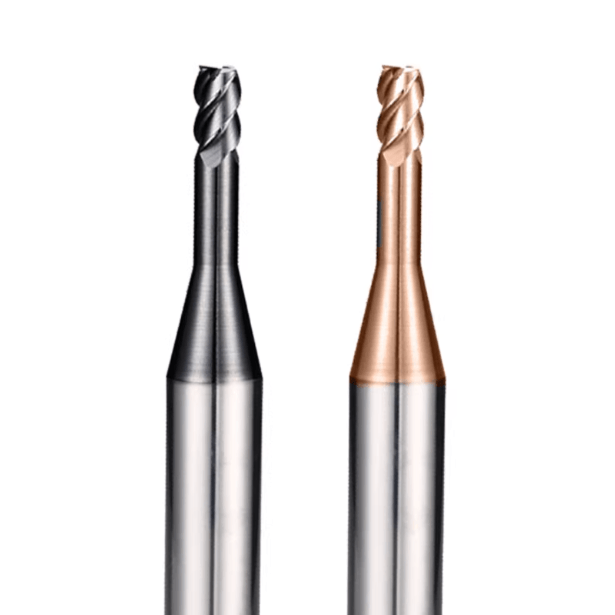
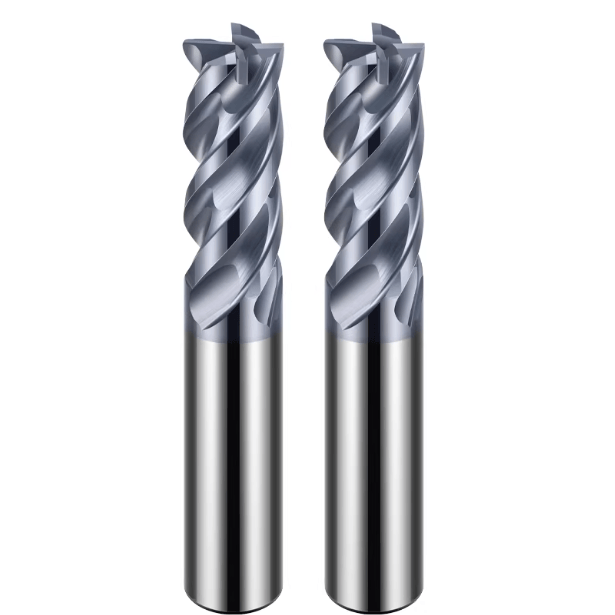
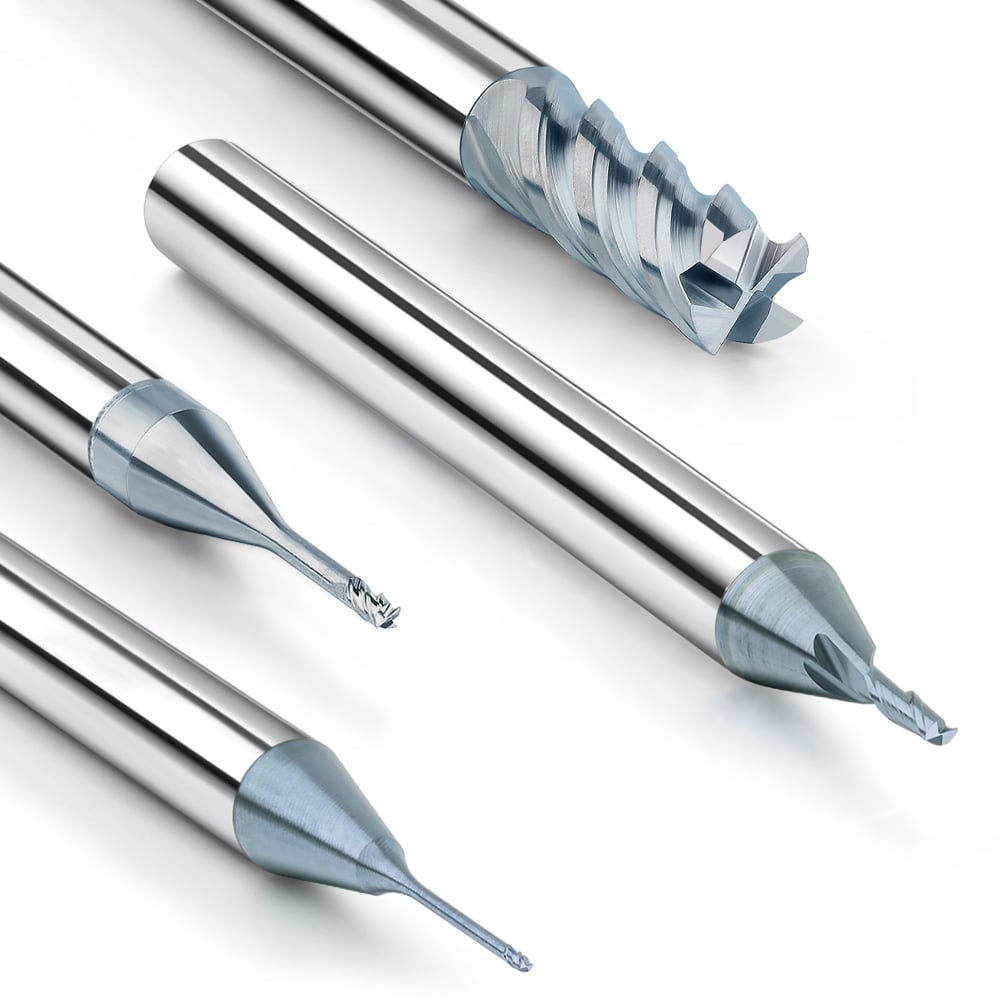
Extending the lifespan of carbide cutting tools is crucial for improving metal processing stability and reducing overall production costs. As demands for processing high-hardness materials, high-speed cutting, and continuous batch production increase, many manufacturers focus on keeping metal cutting tools and carbide cutting bits sharp, wear-resistant, and consistent in high-intensity operations. Tool life is influenced not only by cutting parameters and workpiece materials but also by factors like tool coating, cooling methods, tool geometry, and equipment rigidity. Establishing a clear tool usage strategy is key to improving manufacturing quality.
In practice, optimizing feed rate, cutting speed, coolant application, and tool path strategy can effectively reduce tool wear and the risk of chipping. Many companies are also turning to custom carbide cutting tools to handle complex shapes, heat-resistant alloys, or high-precision tasks, significantly improving tool life and processing consistency. Proper tool management—including wear monitoring, edge maintenance, tool holder cleaning, and stable clamping—is equally important for maintaining long-term durability.
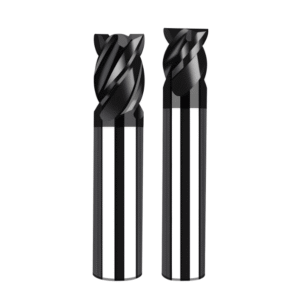
Key Factors Affecting the Life of Carbide Cutting Tools
Tool life is often the result of multiple interacting factors, including processing conditions, material properties, and equipment performance. Small changes in any of these areas can directly affect wear resistance, stability, and cutting performance. To achieve a longer effective life when machining hard materials, it is necessary to systematically optimize cutting parameters, material compatibility, and equipment rigidity. A smooth cutting process, effective heat management, and minimizing micro-vibrations are essential. With a comprehensive approach, cutting edge durability improves and overall processing quality remains consistent, reducing the frequency of tool replacement.
The Impact of Cutting Parameters on Tool Wear
Feed rate, spindle speed, and cutting depth heavily influence wear, especially in high-speed or heavy cutting conditions. Excessive cutting speed increases cutting edge temperature, while high feed rates or deep cuts raise unit cutting force, causing micro-cracks, chipping, or faster wear. Properly balancing parameters reduces frictional heat and mechanical impacts, helping maintain sharp cutting edges. For difficult-to-machine materials, such as heat-resistant alloys or stainless steel, staged reductions in cutting load and smoother feed strategies can greatly extend tool life.
Workpiece Material Characteristics and Cutting Resistance
Different metals vary in hardness, thermal conductivity, ductility, and work hardening tendencies, all affecting cutting resistance and edge stress. Titanium alloys dissipate heat poorly and form hot zones; stainless steel work-hardens easily, increasing tool load; high-hardness mold steel causes continuous abrasive wear. Selecting tools with the right edge angles and coatings, and adjusting cutting methods to reduce peak temperatures, minimizes wear. Strategies like layered cutting or reducing intermittent impacts further stabilize performance.
The Importance of Machine Tool Rigidity and Clamping Stability
Machine rigidity directly affects cutting smoothness. Flexible guide rails, spindles, or tool holders create vibrations, causing uneven edge impacts, chipping, and irregular wear. Dirty or loose tool holders also amplify cutting load. Maintaining clean, properly fitted holders, selecting high-precision clamping systems, and regular maintenance enhance stability, allowing tools to perform consistently for longer periods.
Optimizing Cutting Conditions to Extend the Lifespan of Carbide Cutting Tools
In actual machining processes, the way cutting conditions are set often determines whether tools can maintain stable performance. Proper combinations of feed rate, depth of cut, and spindle speed, along with effective cooling strategies, can greatly reduce edge wear. This allows tools to perform well under high loads and prolonged machining. By carefully adjusting parameters and controlling heat, friction, cutting resistance, and vibration can be minimized, helping extend tool life and improve overall machining efficiency.
Rational Matching of Feed Rate, Depth of Cut, and Spindle Speed
In high-speed or high-hardness material machining, the coordination between feed rate, depth of cut, and spindle speed is critical. Excessive feed increases instantaneous load on the cutting edge. Too deep a cut can cause micro-chipping or temperature spikes. High spindle speed generates more heat, potentially affecting surface integrity. Gradually adjusting parameters to maintain a stable load range can reduce wear. For difficult-to-machine materials like heat-resistant alloys or hardened steel, a strategy of medium speed, moderate feed, and layered cutting can significantly enhance cutting edge durability.
Correct Use of Coolant in Metal Machining
Cooling plays a crucial role in reducing heat and tool wear. Coolant pressure, flow, spray angle, and method—such as high-pressure, directional, or internal cooling—affect heat dissipation and lubrication. Insufficient cooling for stainless steel or heat-resistant materials can lead to annealing or micro-cracks. Proper coolant strategies reduce adhesive wear, lower peak cutting temperatures, and stabilize the process. High-pressure cooling also helps remove chips efficiently, preventing secondary scraping damage.
The Impact of Metal Cutting Heat on Tool Performance
Temperature is a major factor in cutting tool life. During long or high-speed operations, high-temperature zones form, challenging the heat resistance of the cutting edge. Excessive heat accelerates abrasive and adhesive wear and can cause thermal fatigue cracks. Materials with low thermal conductivity, like titanium alloys and some mold steels, heat up rapidly, increasing cutting load. Reducing speed, improving cooling, optimizing tool geometry, and minimizing cutting interruptions help mitigate heat-related damage, allowing tools to operate stably longer.
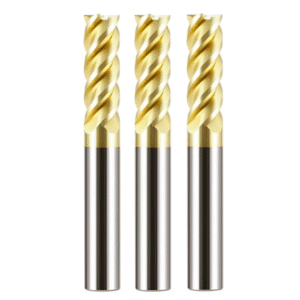
Selecting the Right Carbide Cutting Bits for Higher Lifespan
Choosing the proper cutting head is essential for long tool life. Different metals require different tool wear resistance, toughness, and geometry. Proper matching reduces cutting resistance and heat accumulation, improving machining stability. High-precision carbide cutting bits and custom carbide cutting tools focus on edge integrity and surface quality, enhancing efficiency and reducing wear. Controlling geometry angles and cutting edge sharpness further improves durability in high-speed and long-duration cutting, increasing production efficiency and part quality.
The Role of Tool Geometry Angles in Cutting Stability
Tool geometry angles directly affect stress and heat distribution during cutting. Appropriate rake, relief, and cutting edge angles reduce resistance, minimize vibration, and prevent edge chipping. Optimized custom carbide cutting tools ensure stable performance, high cutting efficiency, and excellent surface finish, tailored to the specific machining characteristics of each material.
Selecting the Appropriate Cutting Head for Different Metal Materials
Metals differ in hardness, toughness, and thermal conductivity, requiring specific tools. Stainless steel and high-temperature alloys need wear-resistant, tough carbide cutting bits. Aluminum or copper alloys benefit from sharp tools with good chip evacuation. Custom carbide cutting tools can be tailored to match material properties, reduce tool wear, increase cutting speed, and ensure accuracy and surface quality.
Cutting Edge Integrity and Quality Control
Maintaining edge integrity is key to long-term tool stability. Tools can suffer microcracks, edge chipping, or coating peeling. Strict quality control, including precision grinding, coating uniformity checks, and edge inspections, ensures carbide cutting bits and custom carbide cutting tools maintain excellent wear resistance and stability during long-term, high-intensity machining.

Advantages of Custom Carbide Cutting Tools in Extending Tool Life
Custom tools provide enhanced efficiency and durability. For complex geometries or special materials, custom carbide cutting tools offer higher wear resistance and cutting stability through optimized shape, edge design, and coating. Personalized design reduces friction and heat buildup, helping extend tool life. Customized tools also reduce repetitive cutting, shorten cycle time, lower tool consumption, and maintain accuracy, delivering better cost efficiency in metal cutting operations. They ensure stable performance in high-intensity, long-duration operations, keeping carbide cutting bits reliable across multiple batches.
Improved Wear Resistance for Complex Workpieces
Complex surfaces, grooves, and irregular contours can create high stress, accelerating wear. Geometric optimization and high-performance coatings on custom tools increase edge wear resistance, reduce chipping, and stabilize performance. Carbide cutting bits can maintain consistent performance during long-term processing, while minimizing errors caused by tool wear.
Reducing Wear from Repetitive Cutting Actions
In multi-step processes, repetitive cutting increases tool wear and heat buildup. Custom tools optimize cutting paths and load distribution, making each cut more efficient and reducing repetitive stress. This extends the life of metal cutting tools and ensures machining stability and high surface quality.
Improving Machining Cycle Time and Reducing Tool Consumption
Custom carbide cutting tools allow higher cutting speeds and shorter machining cycles. Reducing tool changes and maintenance lowers consumption while maintaining accuracy and surface finish. This improves machining efficiency, reduces costs, and ensures reliable, consistent tool performance over long-term production.
Proper Tool Maintenance and Operating Habits
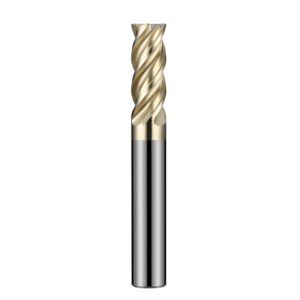
Proper maintenance and standardized operating habits are essential for extending tool life. Even top-grade carbide cutting tools or custom carbide cutting tools can wear faster if regular inspections and correct usage are neglected. Establishing a systematic maintenance process ensures tools are in optimal condition before and after machining. This helps reduce damage caused by cutting heat, vibrations, and cutting forces, maintaining the stable performance of carbide cutting bits during long-term production. Correct operation not only extends tool life but also improves machining accuracy and surface quality, helping reduce costs and boost productivity.
Regularly Inspect Tool Wear and Replace Tools Promptly
Tool wear is inevitable during continuous machining. Timely monitoring of the cutting edge is crucial for maintaining efficiency. Regular inspections allow carbide cutting bits to be replaced before failure occurs, preventing machining errors, surface defects, or workpiece scrap. This approach extends overall tool life and enhances the reliability of metal cutting tools in high-volume production.
Keep Tool Holders and Fixtures Clean to Prevent Micro-Vibrations
Even small debris on tool holders and fixtures can cause vibrations, increasing cutting edge wear and force fluctuations. Maintaining clean holders and fixtures ensures stable cutting forces, reducing chipping and other defects. This practice extends the service life of carbide cutting bits and custom carbide cutting tools while maintaining machining quality.
Avoid Incorrect Cutting Paths and Repeated Cutting
Unreasonable cutting paths or repeated cuts accelerate tool wear and heat accumulation, lowering machining efficiency. Optimizing the machining program and cutting sequence minimizes stress on tools during each cut, ensuring metal cutting tools maintain stable performance under high loads. This improves cycle time, reduces tool consumption, and enhances overall machining quality.
The Importance of Tool Management in Metalworking
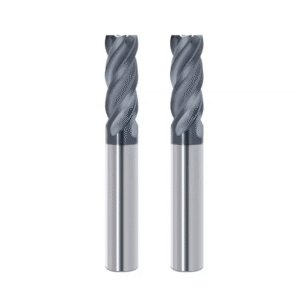
Effective tool management is a core measure to improve machining efficiency and extend tool life. Proper management reduces accidental wear and machining errors for carbide cutting tools, carbide cutting bits, and custom carbide cutting tools. By establishing systematic tool usage records, categorized management, and load planning, businesses can track each tool, optimize scheduling, and improve production efficiency. Comprehensive management also reduces costs, lowers tool consumption rates, and ensures stable tool performance in long-term, high-volume production.
Establishing Metal Cutting Tool Usage Records
Recording tool usage, processed materials, and cutting conditions helps analyze wear patterns and estimate service life. Tracking tool performance allows timely replacement or maintenance, preventing excessive wear and surface defects. This data also supports custom tool design and precise management of carbide cutting bits and custom carbide cutting tools.
Categorized Management of Carbide Cutting Tools and Carbide Cutting Bits
Different tools vary in hardness, geometry, and coating. Categorized management ensures each tool is used in the appropriate machining scenario. Clear storage locations and usage sequences prevent mixing or misuse, improving utilization and reducing unnecessary wear.
Rationally Planning Tool Load Based on Machining Tasks
Different materials and processes require specific tool loads. Planning tool load reduces cutting force fluctuations and heat accumulation. By arranging cutting depth, feed rate, and sequence scientifically, carbide cutting bits and metal cutting tools achieve longer service life, improved stability, and higher surface quality, maintaining optimal performance during high-intensity machining.
Summary of Practical Tips for Extending Carbide Cutting Tool Life
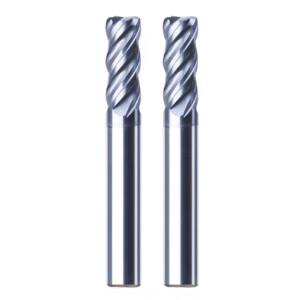
Extending tool life depends not only on high-quality carbide cutting tools and custom tools but also on systematic management and optimized machining practices. Optimizing cutting parameters, selecting appropriate carbide cutting bits, maintaining standardized operations, and planning tool load are all crucial. Considering workpiece material, cutting heat, tool geometry, and machining cycle time helps reduce wear, minimize chipping, and maintain stable performance during high-intensity operations. Scientific tool management and refined operation improve efficiency, surface quality, and overall production reliability.
Comprehensive Methods for Improving Machining Stability
Improving stability requires collaborative optimization: matching cutting parameters, adjusting feed rate and depth, optimizing tool geometry, and using coolant effectively. Custom tools can be tailored for complex workpieces and special materials, enhancing wear resistance and cutting stability. Keeping tool holders and fixtures clean, and preventing micro-vibrations, ensures long-term performance of carbide cutting tools and carbide cutting bits. Applying these methods collectively improves machining stability and reduces the impact of force fluctuations.
Common Measures to Reduce Tool Failure and Chipping
Preventing tool failure requires proper tool selection, correct operating habits, and effective management. Selecting carbide cutting bits and custom tools suitable for the material, maintaining edge integrity, and performing timely inspections and replacements prevent excessive wear and chipping. Planning cutting paths, avoiding repeated cuts, and managing tool load reduce heat accumulation and impact. Categorized management and usage records enable timely analysis of tool condition, extending tool lifespan, improving production efficiency, and maintaining machining quality.