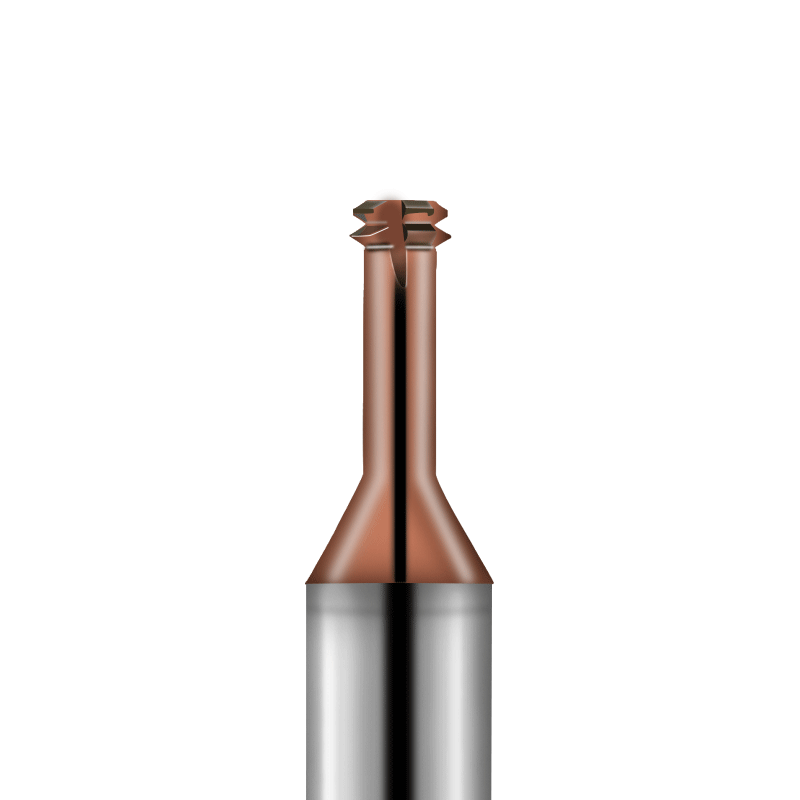
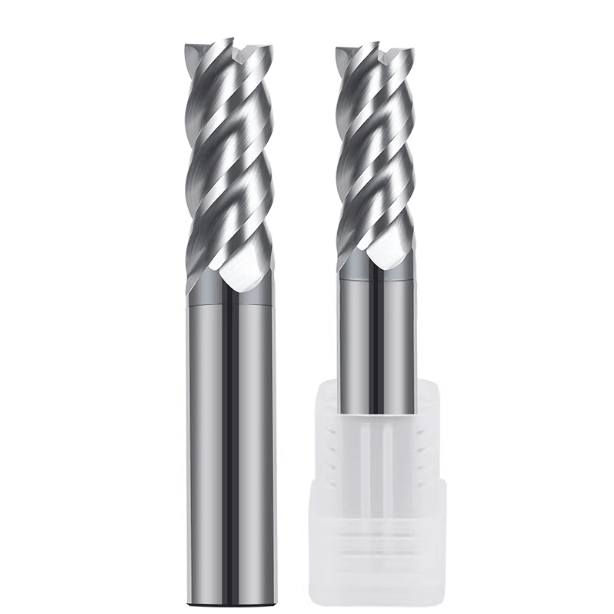
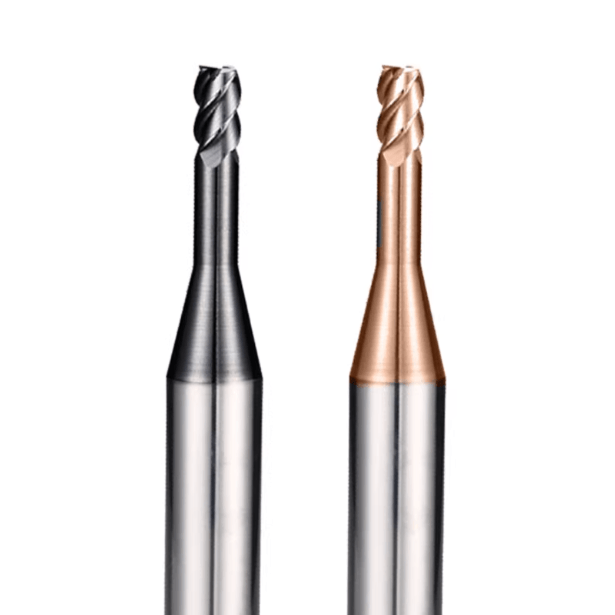
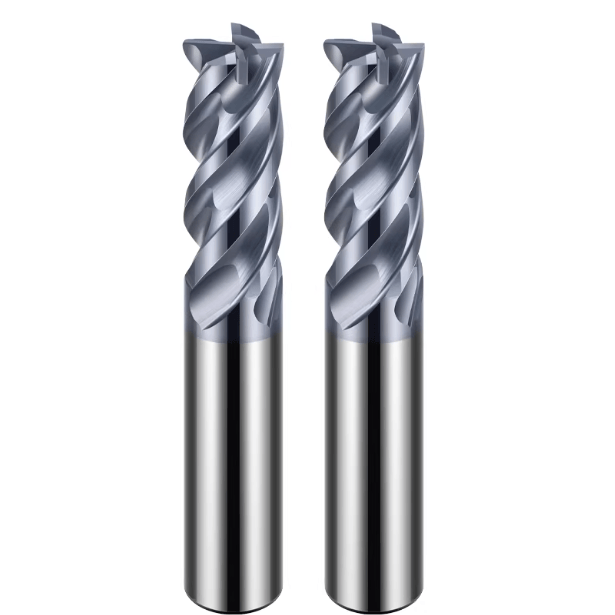
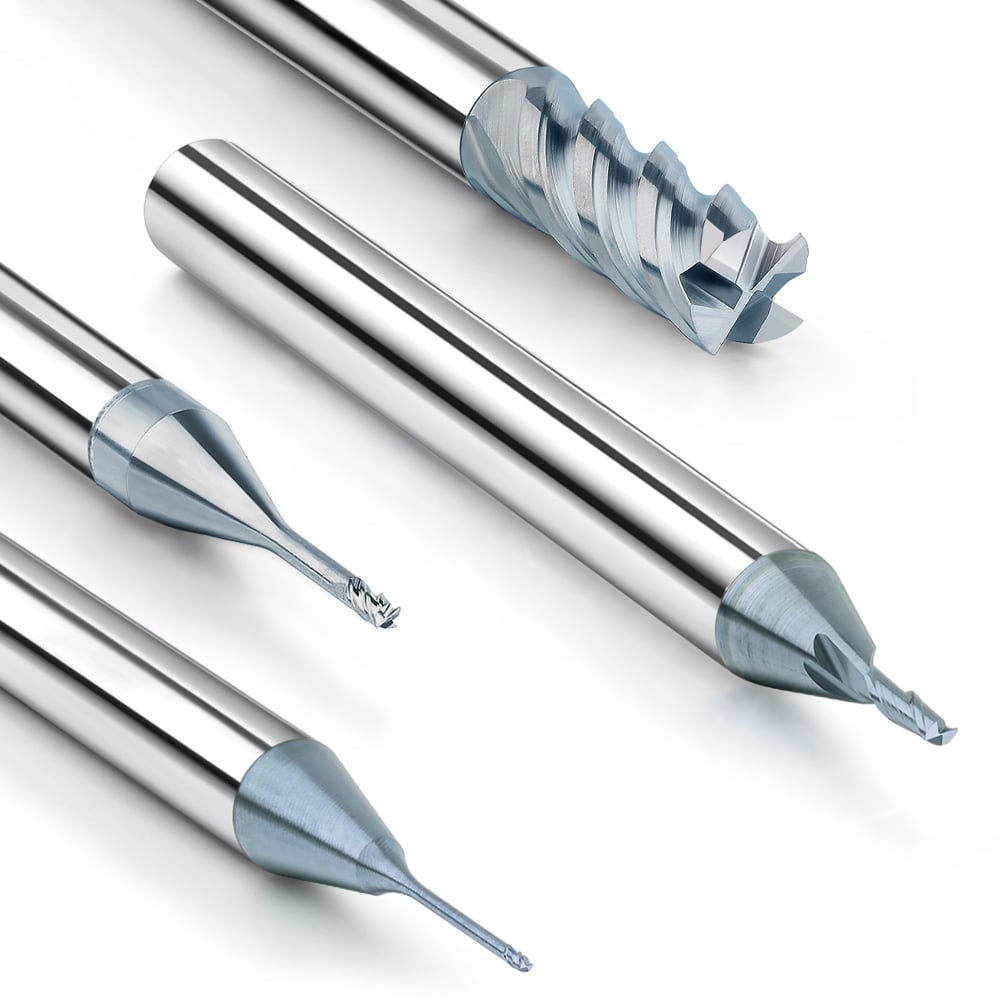
In high-precision and complex surface machining, selecting the right ball mill bit is essential for improving efficiency and achieving superior surface finish. Whether for roughing or finishing, high-quality roughing and finishing ball mill bits can significantly reduce processing time while maintaining tool life and part accuracy. Tungsten carbide ball nose bits, with their excellent hardness and wear resistance, have become the preferred choice for demanding machining tasks.
Choosing the appropriate ball milling tool for different materials and cutting requirements further optimizes performance, minimizing thermal deformation and tool wear. A reliable OEM carbide ball mill bit manufacturer also plays a critical role, offering customized solutions while ensuring dimensional stability and consistency for mass production and high-complexity components.
Proper selection and correct usage of ball mill bits not only improve efficiency but also enhance surface finish, helping achieve high-precision parts machining. For metals, alloys, or hard materials, carefully selected tool combinations deliver significant economic and process advantages.
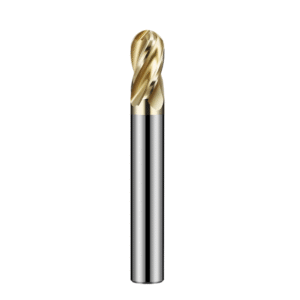
Recommended Ball Mill Bits for Roughing and Finishing
Selecting the right tool combination is critical for high-precision machining. A thoughtful mix of roughing and finishing tools can improve processing efficiency while ensuring surface quality and dimensional accuracy. For complex surfaces and high-hardness materials, high-quality tungsten carbide ball nose tools and well-designed ball milling tools provide stable cutting performance, reduce vibration and thermal distortion, and extend tool life. Reliable manufacturers also provide custom solutions that ensure consistent dimensions and precision in mass production, supporting high-difficulty part machining.
Advantages of Tungsten Carbide Ball Nose Bits
Tungsten carbide ball nose tools are known for their superior hardness and wear resistance, making them suitable for a wide range of materials including high-hardness alloys, aluminum alloys, and engineering steels. These tools maintain stable cutting performance over long periods, minimizing edge wear. When performing fine surface machining, ball nose tools produce smooth transitions, reduce tool marks, and significantly enhance surface finish. Proper tool geometry also reduces cutting forces and vibration, improving machining stability and efficiency. For applications requiring both precision and productivity, tungsten carbide ball nose bits are an ideal choice.
Ball Milling Tools Suitable for Complex 3D Surface Machining
Well-designed ball milling tools excel in complex 3D surface and free-form curve machining, enhancing both efficiency and surface accuracy. Tool tip shape, cutting angle, and tooth profile directly impact cutting stability and finished surface quality. Optimizing feed rates, cutting depth, and tool paths reduces heat accumulation and tool wear, ensuring dimensional and shape consistency during continuous machining. In multi-material machining and precision mold production, these tools shorten machining cycles while maintaining smooth and accurate complex surface transitions.
Recommendations for Ball Mill Bit Selection for Different Materials
Material type greatly influences tool performance requirements. Hard alloys and steels demand highly wear-resistant tools with optimized cutting parameters, while softer metals like aluminum and copper benefit from tools with low cutting forces and smooth cutting edges. Tool selection should consider material hardness, workpiece geometry, machining depth, and surface finish requirements. Combining roughing and finishing tools strategically maximizes tool life, maintains surface quality, and improves machining efficiency. Custom solutions from professional manufacturers meet the diverse needs of different materials and complex workpieces, ensuring stable support for precision machining.
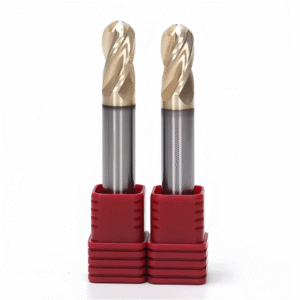
Application Techniques of Ball Mill Bits in Rough Machining
During rough machining, selecting the right tool and strategy is crucial for both efficiency and part quality. Optimized cutting parameters and tool combinations enable rapid material removal while minimizing the effects of thermal distortion and vibration. For different materials and geometries, refining tool geometry and cutting strategy extends tool life and reduces production costs. High-quality ball milling tools provide stable cutting during roughing, forming a solid foundation for finishing.
Rough Machining Parameter Optimization
Spindle speed, feed rate, and cutting depth are key factors influencing rough machining efficiency and tool longevity. Excessive cutting speeds can accelerate tool wear or cause chipping, while overly slow feed rates reduce productivity. Properly setting cutting depth and feed ensures efficient material removal while reducing vibration and heat buildup, maintaining tool geometry stability. Precise parameter control is especially important when machining hard alloys or high-strength materials to preserve surface quality and tool durability.
Common Problems and Solutions in Rough Machining
Typical issues include tool vibration, uneven surface roughness, premature wear, and heat accumulation. Adjusting tool paths, optimizing geometry, and using suitable cutting fluids effectively address these problems. High-rigidity tools and proper support reduce vibration in deep cavity or complex surface machining. Stepwise machining strategies and gradually increasing cutting depth help lower tool load and ensure smooth rough machining.
Methods to Extend the Lifespan of Ball Milling Tools in Rough Machining
Extending tool life lowers costs and maintains machining accuracy. Strategies include selecting appropriate tool materials, optimizing cutting parameters, controlling temperature, and monitoring wear. Tungsten carbide ball nose tools excel in rough machining, but matching cutting force and feed rate is critical. Ensuring adequate cutting fluid coverage, timely chip removal, and using protective coatings further reduces wear and edge chipping, maintaining stable performance in high-intensity operations.
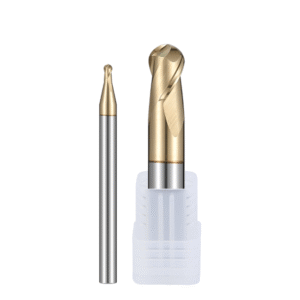
Application Strategies of Ball Mill Bits in Finish Machining
Finish machining aims to improve surface quality and dimensional accuracy while ensuring tool stability. Proper cutting parameters, precise tool control, and consistent maintenance are key to achieving superior results. Optimized cutting paths and tool geometry reduce surface scratches, vibration, and thermal buildup. High-performance ball milling tools and tungsten carbide ball nose cutters maintain stable cutting, providing reliable outcomes for subsequent assembly and functional operations.
Optimization Techniques for Finish Machining Cutting Parameters
Cutting depth and feed rate directly affect surface flatness and tool life. Reducing depth and feed lowers tool load and vibration, producing a smooth, uniform surface. Optimizing cutting speed balances material removal with surface accuracy, especially when machining hard alloys and high-strength materials. Multi-stage cutting strategies or precise tool path planning reduce heat and cutting force fluctuations, improving stability and finish quality.
Methods for Improving Finish Machining Surface Quality
Surface quality depends on tool selection, cutting strategy, and machining conditions. Tungsten carbide ball nose cutters or rigid ball milling tools ensure smooth transitions and minimize tool marks. Proper cutting fluids and cooling control machining temperature, reducing thermal expansion effects. Multiple light cuts or fine feed adjustments improve surface finish. Deburring and surface finishing further enhance part appearance and tactile quality.
Maintenance and Care of Finish Machining Ball Milling Tools
Regular maintenance ensures tool performance and extends life. Inspecting wear and promptly sharpening or replacing edges maintains cutting accuracy. Keeping the area clean and ensuring sufficient cutting fluid reduces friction and heat buildup. Protective coatings and proper storage for tungsten carbide tools further extend lifespan. Scientific maintenance strategies minimize downtime while ensuring consistent, high-precision results.
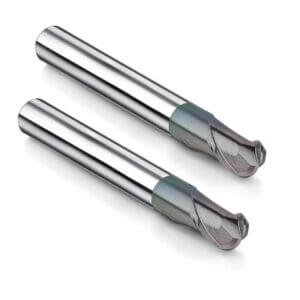
How to Choose the Most Suitable OEM Carbide Ball Mill Bit Manufacturer
Choosing the right ball mill bit supplier is crucial for machining efficiency, part accuracy, and cost control. A quality manufacturer provides standard tools and can offer custom solutions to meet diverse material and complex part requirements. Evaluate technical strength, production capacity, quality systems, and delivery reliability. Scientifically selecting a supplier ensures tool consistency, durability, and machining stability, supporting efficient production.
Evaluating Manufacturer Quality and Capabilities
Consider the manufacturer’s equipment, R&D capabilities, and quality management system. High-precision machines and strict process control ensure shape accuracy and edge consistency, reducing defects and premature wear. Reviewing case studies, client feedback, and testing capabilities helps assess reliability. Suppliers with mass production ability guarantee delivery timelines and consistent quality, enabling uninterrupted production.
Advantages and Considerations of Custom Ball Mill Bits
Custom tools provide optimized solutions for specific materials, surface shapes, and machining depths. Correct tip radius, cutting edge design, and coatings improve efficiency and surface finish. Custom tools reduce the need for tool changes in complex machining. Clear communication on requirements, materials, and production volume ensures performance matches objectives.
Common Misconceptions in Selecting OEM Carbide Ball Mill Bits
Common mistakes include focusing solely on price, ignoring tool-material compatibility, and underestimating cutting parameters’ effect on tool life. Over-reliance on standard tools may fail for specialized processes. Lack of technical support or poor bulk planning can cause downtime or rework. Evaluate machining technology, materials, and long-term costs to ensure optimal performance and economic benefits.

Ball Mill Bit Selection Experience Sharing
Proper tool selection impacts machining efficiency, accuracy, and cost. Considering machining stage, material type, part geometry, and tool performance enables optimal tool combination plans. Correct strategies improve stability and surface quality while extending tool life, reducing downtime and costs. High-performance ball end mills and tungsten carbide ball nose cutters are especially effective for complex parts, optimizing roughing and finishing.
Tool Combination Strategies for Roughing and Finishing
Roughing focuses on rapid material removal with even tool load and cutting stability. Using high-wear-resistant tools reduces vibration. Finishing requires precise edges and tip radius for smooth surfaces. Combining roughing and finishing tools optimizes removal speed, reduces tool path adjustments, and improves efficiency and surface quality.
Tool Matching for Different Materials and Machining Requirements
Hard steels and alloys require wear-resistant, stable tools, while soft metals need sharp edges and low cutting forces. For complex curves or deep cavities, optimized angles and tip designs ensure balanced forces and stability. Matching tools to materials and machining depth extends life, improves surface finish, and increases efficiency.
Practical Case Studies
High-hardness mold machining shows that using wear-resistant roughing tools followed by tungsten carbide ball-end finishing tools improves surface finish by 50% and tool life by over 30%. Optimized cutting parameters reduce vibration and heat, ensuring stability and dimensional accuracy. Rational tool combinations enhance efficiency and reduce costs.

Summary of Common Ball Milling Tool Usage Techniques
Efficient machining requires proper tool performance, scientific use, and maintenance. Cutting strategies, processing parameters, and systematic maintenance ensure stability, lifespan, and quality. Optimizing tool combinations and cutting parameters reduces vibration and heat, achieving efficient removal and excellent surface finish. Selecting appropriate ball end mills and tungsten carbide tools, combined with custom solutions, enhances stability and accuracy.
Cutting Fluid and Cooling Strategy Optimization
Cutting fluids and cooling control temperature, reducing thermal deformation and edge wear. Optimized cooling reduces cutting force fluctuations, vibration, and extends tool life. Choosing the right fluid type and arranging spray angle and flow rate is critical for stability and efficiency.
Tool Wear Monitoring and Prevention
Regularly monitoring tip wear, edge chipping, and geometry changes prevents scrap or damage. Using machining data and tool life prediction allows parameter adjustments to reduce wear and improve utilization. Proper monitoring ensures stability and surface quality, particularly for complex or hard materials.
Daily Maintenance and Storage
Clean chips and residual liquid to prevent oxidation or corrosion. Store tools by material and coating to avoid damage. Regularly check geometry and coating integrity. Proper maintenance and storage extend tool life and guarantee stable performance in roughing and finishing, supporting high-precision production.