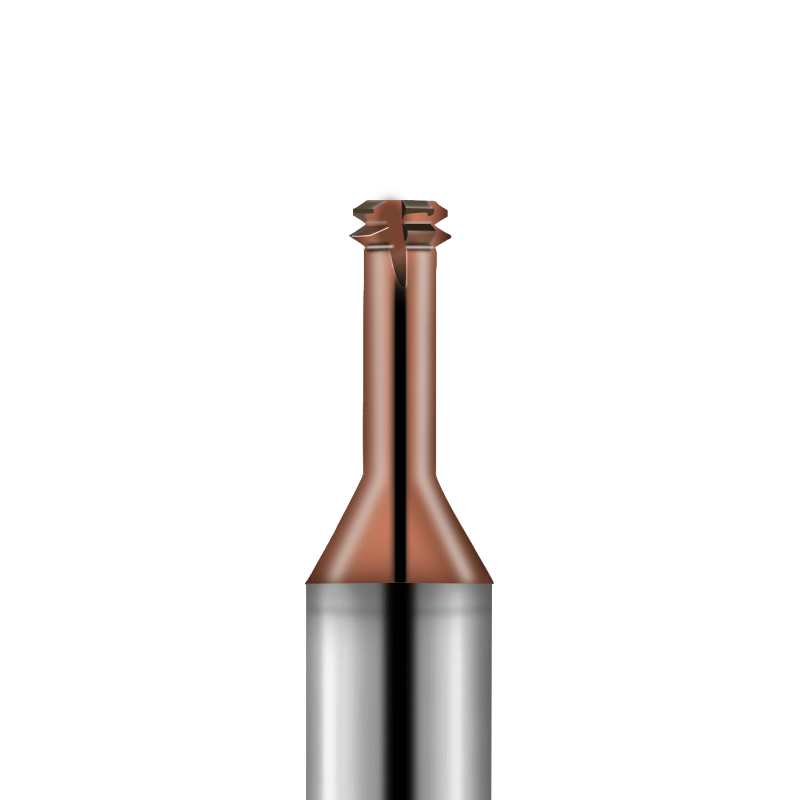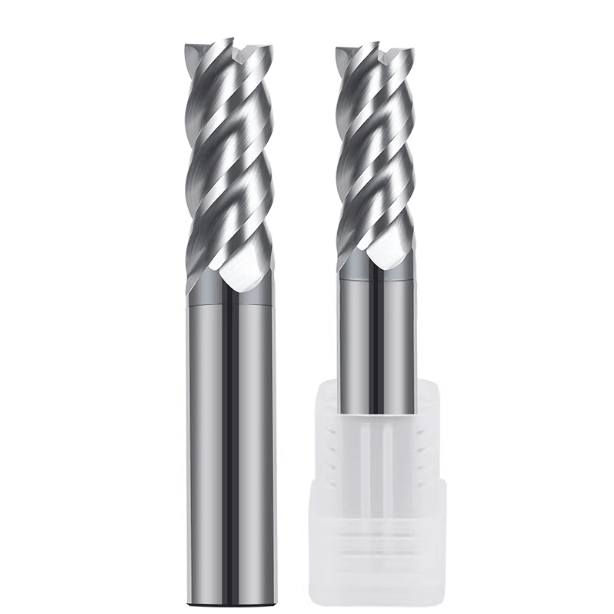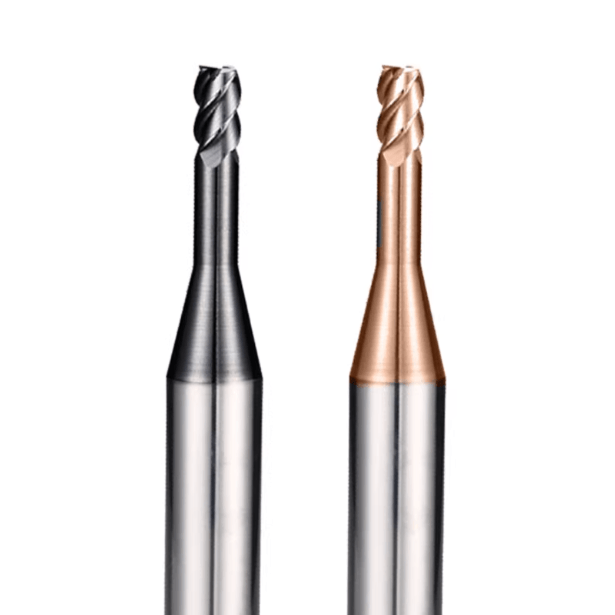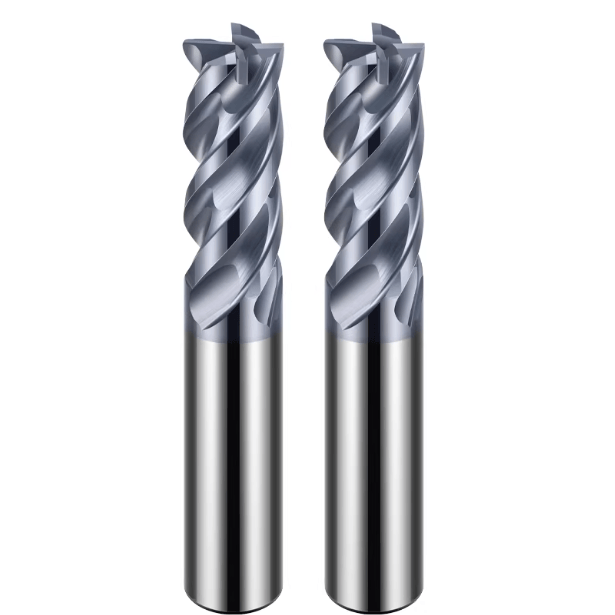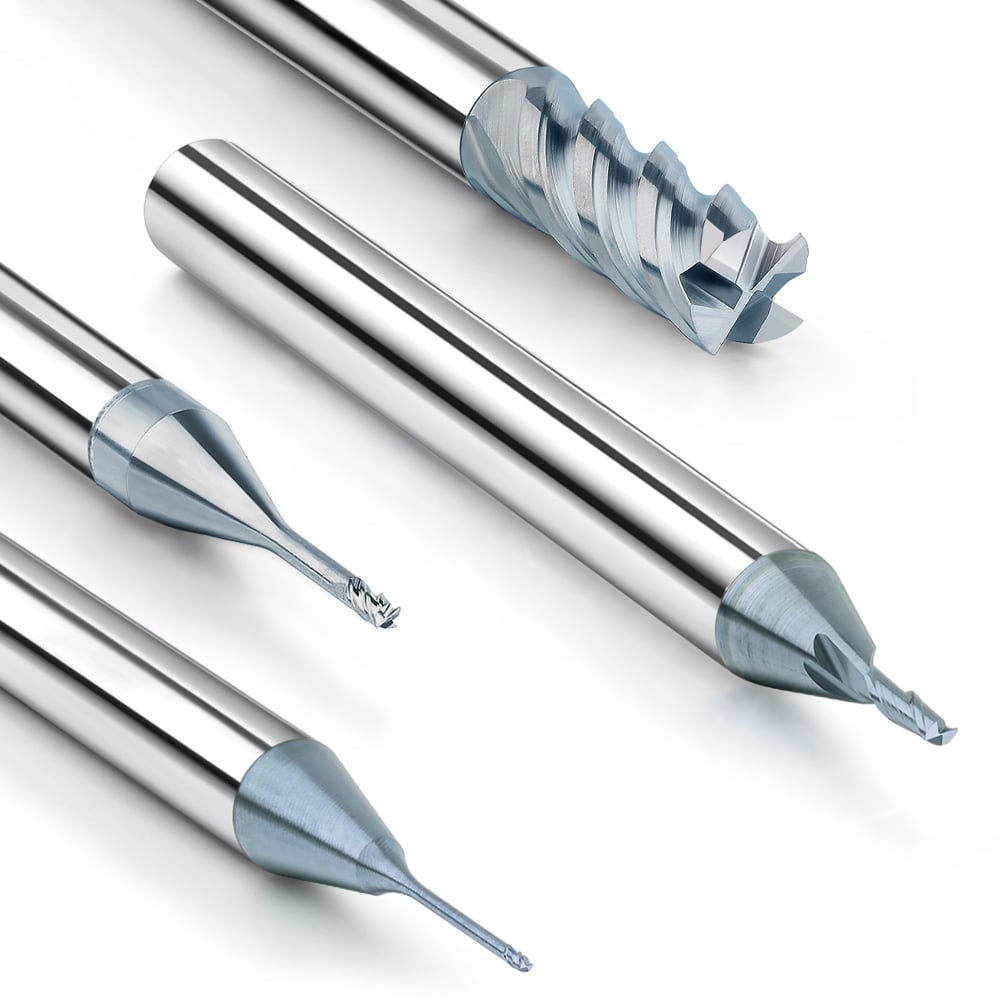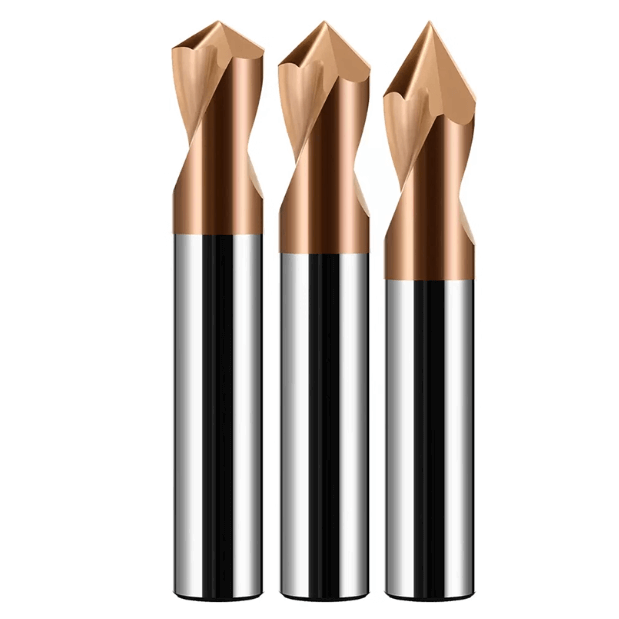
In metalworking, spot drills have become indispensable tools in various process flows due to their precision, stability, and reliability. Whether ensuring hole position consistency in mass production or providing accurate positioning for high-precision parts, these tools play a crucial role in the early stages of the machining process. With the widespread application of metalworking spot drills across different materials and working conditions, manufacturers increasingly recognize their value in reducing drill slippage, improving hole position accuracy, and optimizing subsequent drilling quality.
When planning a machining strategy, the comparison between spot drills and center drills is frequently discussed among engineers. These tools differ significantly in structural design, working area, and suitable applications. Making the right choice based on workpiece material, hole diameter, and processing cycle directly affects overall efficiency and product quality. Additionally, spot drill manufacturers vary in tool precision, materials, coatings, and manufacturing processes, all of which influence tool performance under high load and extended operation.
In practice, spot drills are not only used to establish an accurate starting point for drilling but also help prevent deviations, reduce burrs, and maintain hole wall stability. When applied appropriately to materials such as steel, stainless steel, aluminum, and titanium alloys, they enhance overall process consistency and reliability.
Overview of the Core Role of Spot Drills in Metalworking
In metal part drilling, the stability of the initial operations directly determines the quality of subsequent drilling and tapping. Spot drills, designed with robust structures and precise cutting angles, reduce drill deviation and provide a reliable reference for subsequent operations. Proper planning of the machining sequence, combined with using spot drills for pre-positioning, significantly improves hole position accuracy, processing consistency, and product yield. For multi-stage machining and batch production requiring high repeatability, spot drills serve as fundamental tools, ensuring each operation begins with a stable cutting condition.
Positioning and Stability Advantages in CNC Machining Processes
Creating a stable guiding surface at the drilling start point is crucial for smooth tool entry. Using spot drills as pre-positioning tools reduces slippage, vibration, and off-center drilling, especially on smooth, inclined, or irregular surfaces. Proper control of cutting depth and entry angle ensures subsequent drills follow the correct path, improving hole coaxiality, roundness, and dimensional consistency. This step is especially important for machining small or deep holes, enhancing overall process stability.
Achieving Higher Machining Consistency with Metalworking Spot Drills
Maintaining repeatable hole accuracy is critical in mass production. Spot drills made from high-strength materials perform consistently across steel, stainless steel, aluminum, and high-temperature alloys. When combined with optimized spindle speed, feed rate, and cooling methods, they enhance uniform cutting conditions, ensuring that subsequent drilling, tapping, or reaming proceeds smoothly. Using these tools on automated or multi-station equipment further reduces deviations and increases production efficiency, providing a stable foundation for complex workpieces.
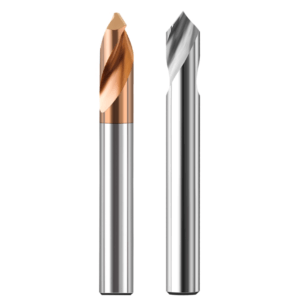
Typical Application Scenarios of Spot Drills in Different Metal Materials
Different metal materials have varying physical properties, imposing specific requirements on tool selection, cutting parameters, and pre-processing. Proper use of spot drills can improve hole accuracy, reduce offset and burrs, and enhance the stability of subsequent drilling, tapping, or reaming. Process engineers typically select tool models and entry parameters based on material hardness, machinability, and production cycle to ensure consistent and efficient batch production.
Key Points for Positioning Hole Machining in Steel and Alloy Steel Workpieces
Steel and alloy steel, with high hardness and cutting resistance, are prone to vibration and off-center drilling. High-strength spot drills, combined with proper cutting speed and feed rate, create a stable guiding surface at the beginning of drilling, preventing drill slippage or tool tip chipping. Controlling cutting depth reduces wear, ensures coaxiality and roundness, and smooths subsequent drilling or tapping processes, improving overall consistency and workpiece yield.
Rapid and Stable Application of Spot Drilling in Aluminum Part Machining
Aluminum machines easily but tends to form burrs or chip adhesion during high-speed cutting. Using a dedicated spot drill quickly establishes a hole datum and minimizes drill guidance deviation. For thin-walled or lightweight parts, optimizing entry angle and feed rate increases drilling speed while maintaining dimensional accuracy and hole surface quality, effectively shortening the production cycle and improving efficiency in mass aluminum part manufacturing.
Application Techniques and Considerations for Spot Drilling in Stainless Steel Workpiece Machining
Stainless steel’s hardness and tendency to work harden can cause vibration and heat buildup during drilling. Using wear-resistant spot drills at lower cutting speeds and appropriate feed rates prevents hole deviation and burr formation. Applying coolant reduces tool temperature, maintains hole diameter accuracy, and ensures subsequent drilling or tapping operations proceed smoothly while extending tool life.
Application Strategies of Spot Drilling in Hard Material Machining
For difficult-to-machine materials, such as high-hardness alloys or heat-treated steel, stable spot drills are critical for hole accuracy. Selecting high wear-resistant, rigid tools and setting rational cutting parameters prevents vibration and tool breakage. Multi-stage pre-drilling reduces main drill load and improves hole consistency. In automated or multi-station production, this stable pre-positioning ensures high precision and repeatability in batch production.

Common Uses of Spot Drilling in Key Process Steps
Hole position accuracy, hole diameter stability, and subsequent drilling or tapping quality are core process indicators. Using spot drills in pre-machining steps significantly improves consistency and stability, providing a reliable foundation for multi-stage machining. This approach is vital for both single-piece precision work and mass production, reducing deviations, improving repeatability, and increasing efficiency and yield.
Pre-machining Steps for Improving Hole Position Accuracy
Creating accurate guide holes or positioning surfaces before drilling is essential. Wear-resistant, high-rigidity spot drills reduce offset and vibration when the main drill penetrates, improving coaxiality and roundness. Proper selection of entry angle, cutting depth, and feed rate establishes a stable datum for each hole, setting up ideal conditions for subsequent drilling or reaming.
Auxiliary Role in Reducing Drill Slippage and Deviation
During drilling, especially small holes or thin-walled workpieces, the drill can slip or go off-center. Pre-positioning with spot drills establishes a clear entry point and guiding surface, controlling tool path and reducing errors. In high-speed or multi-stage machining, this step also minimizes vibration, extends tool life, and maintains hole position consistency, supporting subsequent operations.
Pre-machining Method for Improving the Quality of Subsequent Drilling and Tapping
Pre-machining improves surface condition, reduces burrs, and prevents chipping at hole openings. Establishing precise guiding surfaces and stable cutting conditions ensures consistency and repeatability, especially for deep holes, high-hardness materials, or complex structural parts, providing a solid foundation for precision operations.
Process Value in Ensuring Consistency in Batch Metal Machining
In mass production, consistent hole positions are crucial for product yield. Standardized pre-positioning controls dimensional deviations between batches, reducing human error and equipment vibration. Combined with high-quality spot drills and stable parameters, this approach achieves high-precision, repeatable machining while lowering rework and production costs, offering significant process value for metalworking companies.
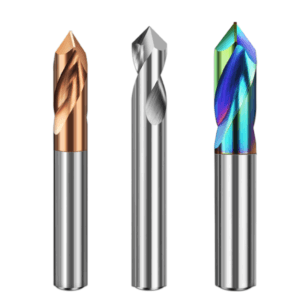
Comparative Analysis of Spot Drills vs Center Drills in Application
In hole machining processes, the design and performance of different pre-positioning tools vary significantly. Choosing the right tool affects not only hole position accuracy and machining stability but also the efficiency and quality of subsequent drilling, tapping, or reaming operations. By analyzing tool performance in different machining environments, workpiece materials, and drilling depths, engineers can make informed decisions, improving overall machining consistency and production efficiency.
Differentiated Applications in Positioning Hole Machining
The geometric structure and cutting edge design of pre-positioning tools directly determine their application in hole machining. Some tools provide stronger guidance stability on harder materials, while others are suitable for quickly forming positioning holes or guiding surfaces. Selecting the appropriate tool based on workpiece material, hole diameter, and machining accuracy can reduce off-center holes and burrs. This ensures that each hole maintains optimal position and dimensional consistency during subsequent operations.
Practical Comparison in Turning and Milling Environments
In turning operations, the tool provides a stable guiding point on the rotating workpiece to prevent drill slippage. In milling or combined drilling and milling operations, the tool is primarily used to pre-form the hole datum, ensuring accurate multi-axis machining. Different environments require varying tool rigidity, cutting edge length, and entry angles. Comparing performance on different equipment helps engineers select the most suitable tool for the current machining setup, ensuring both efficiency and hole position accuracy.
Process Decision Basis for Choosing Spot Drill vs Center Drill
When selecting a pre-positioning tool, factors such as material hardness, hole diameter, machining depth, spindle speed, and subsequent operations must be considered. Large-diameter or high-precision holes require higher rigidity tools, while thin-walled or lightweight workpieces need a balance between fast cutting and guiding stability. Tool material, coating performance, and wear resistance are also key factors. Systematic evaluation of these parameters enables process optimization and improved production efficiency while maintaining machining quality.
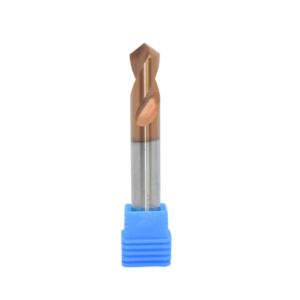
How to Select the Appropriate Spot Drill Based on Machining Requirements
In metalworking, the selection of spot drills directly affects hole accuracy, machining efficiency, and the stability of subsequent operations. Factors such as workpiece material, hole diameter, drilling depth, and equipment rigidity influence tool requirements. By carefully evaluating tool geometry, material characteristics, and cutting parameters, operators can achieve optimal results, ensuring consistent machining quality and repeatability. For mass production or multi-stage machining, selecting the right model improves operational efficiency, reduces tool changes and errors, and provides stable production performance.
Practical Significance of Angle, Flute Length, and Material Selection
The cutting edge angle affects cutting guidance and chip evacuation. A too-small angle can lead to off-center holes or tool tip chipping, while a too-large angle increases cutting load. Flute length determines tool rigidity and penetration capability: short flutes are suitable for high-rigidity environments to reduce vibration and chatter, while long flutes handle deep holes or special workpiece geometries. Tool material and coatings impact wear resistance, heat tolerance, and service life. Matching tool design to materials such as steel, stainless steel, aluminum, and high-temperature alloys improves machining stability and hole consistency.
Selection Method Combining Workpiece Material and Equipment Conditions
When selecting tools, consider workpiece hardness, thickness, hole size, and equipment rigidity. Hard or difficult-to-machine materials require high-wear, rigid tools; lightweight or thin-walled workpieces require a balance between speed and guidance stability. Equipment spindle power, fixture stability, and the machining environment, including cooling methods, also affect performance. Aligning tool selection with workpiece and equipment conditions minimizes deviation and vibration, improving accuracy and extending tool life.
Improving Operational Efficiency Using Different Models of Metalworking Spot Drills
Using a variety of spot drill models in mass production or multi-stage machining allows optimization for different hole sizes, depths, and materials. Short, rigid tools are ideal for rapid positioning and high-precision holes, while long tools are suited for deep holes or complex parts. Properly configuring tool types and machining sequences reduces per-piece processing time while maintaining batch consistency, improving production line efficiency and process stability.
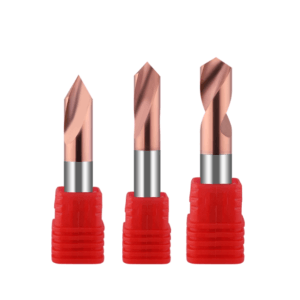
Key Considerations When Evaluating Spot Drill Manufacturers
Choosing a reliable spot drill manufacturer requires attention to quality stability, product precision, and manufacturing capabilities. High-quality tools ensure hole accuracy, extend tool life, and reduce rework. Manufacturers differ in materials, coatings, and machining precision. Evaluating product performance and production capabilities ensures reliable results across metals and complex parts, enhancing production efficiency and consistency.
The Impact of Tool Precision and Stability on Application Results
Tool geometry, edge sharpness, and rigidity directly influence hole positioning and surface finish. High-precision tools maintain a stable cutting trajectory, reducing runout and ensuring consistent hole diameter and surface quality. Tools lacking stability may vibrate or drift off-center, lowering tapping and reaming efficiency and increasing wear. Evaluating precision and rigidity is essential to ensure high-quality machining.
Differences in Material Quality, Coatings, and Manufacturing Processes
Tool materials, heat treatment, coatings, and production methods determine cutting performance and tool life. High-wear materials and advanced coatings improve heat and wear resistance for high-load or difficult metals. Superior manufacturing ensures geometric stability and dimensional consistency, reducing batch-to-batch variation. Attention to these factors ensures reliable tool performance in diverse machining conditions.
Comparison of Different Spot Drill Manufacturers in Product Lines and Customization Capabilities
Suppliers differ in product range, tool models, and customization. Some offer complete lines from standard to high-precision custom tools for varying hole sizes, depths, and complex parts, while others specialize in specific materials or machining conditions. Comparing suppliers’ product range, customization options, and technical support helps select the optimal source, ensuring consistency and efficiency in mass production.
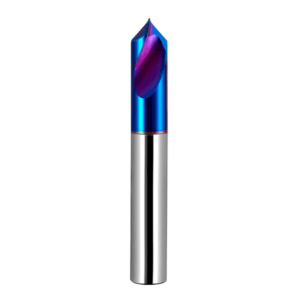
Improving the Application Effect of Spot Drills in Metalworking through Process Optimization
Effective spot drill use depends not only on design and material but also on optimized machining parameters and procedures. Adjusting feed rate, spindle speed, cutting depth, and cooling methods improves hole accuracy, consistency, and tool life. In mass production or complex workpieces, standardized procedures stabilize operations, reduce deviations and rework, and maximize tool value. Combined with careful tool selection, material compatibility, and supplier evaluation, process optimization ensures overall machining efficiency and product quality.
Optimization Strategies for Feed Rate, Spindle Speed, and Cutting Depth
Setting appropriate cutting parameters is crucial for accuracy and stability. Excessive feed or spindle speed can cause off-center holes, vibration, or burrs, while excessive cutting depth increases tool load and wear. Adjusting parameters based on material, hole size, and tool type maintains hole consistency and surface quality while ensuring efficiency, especially for steel, stainless steel, and high-hardness alloys.
Reducing Wear and Improving Processing Stability through Cooling Methods
Using coolant or cutting oil reduces tool temperature, wear, and thermal deformation, particularly in hard or difficult-to-machine materials. Proper cooling improves chip evacuation, reduces adhesion to the hole wall, and minimizes vibration, ensuring smooth drilling and precise hole positions. Combined with appropriate tool material and geometry, this enhances overall process stability and repeatability.
Establishing Standardized Spot Drilling Application Processes in Mass Production
In high-volume production, standardized workflows reduce operational errors and batch variations. Establishing consistent tool selection, parameter settings, cooling methods, and operating sequences ensures uniform hole machining, increases efficiency, and minimizes rework and material waste. Together with high-quality tools and reliable supplier support, standardized procedures provide a stable foundation for multi-stage machining, ensuring high-precision metal part production.