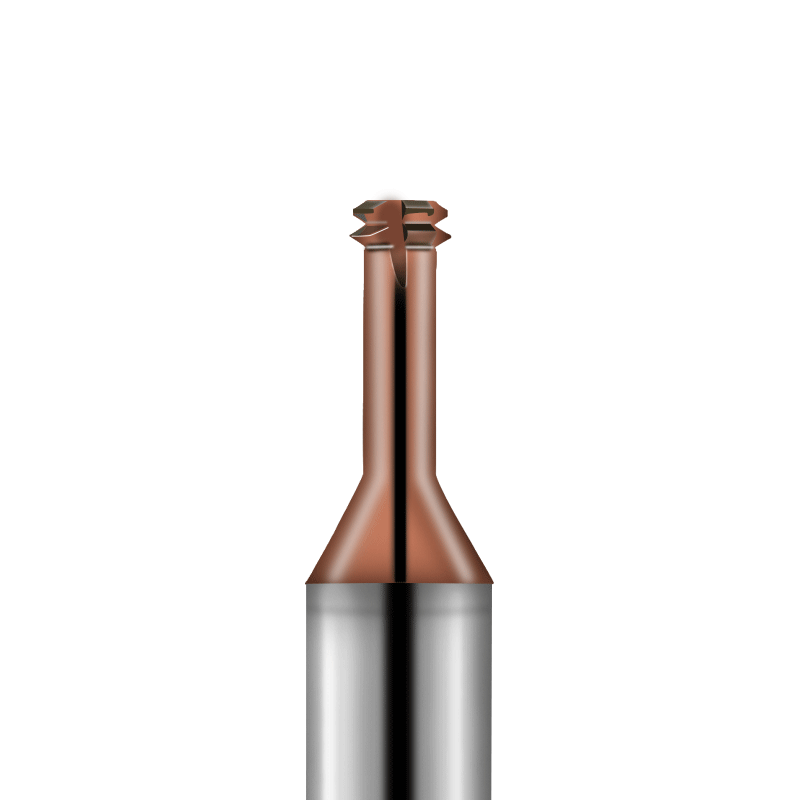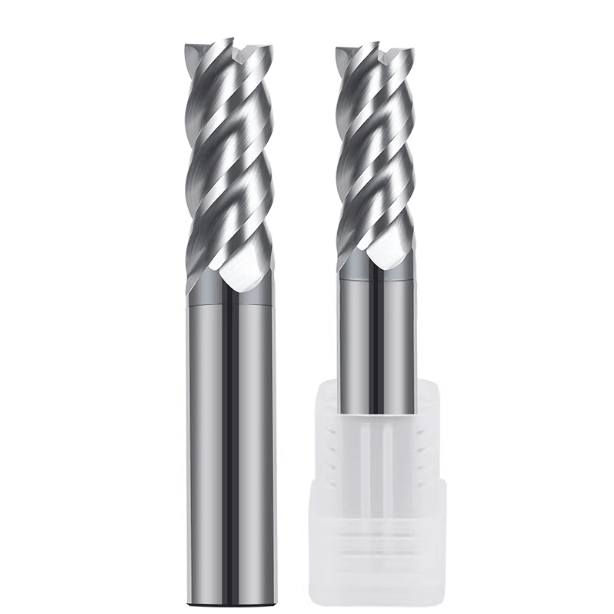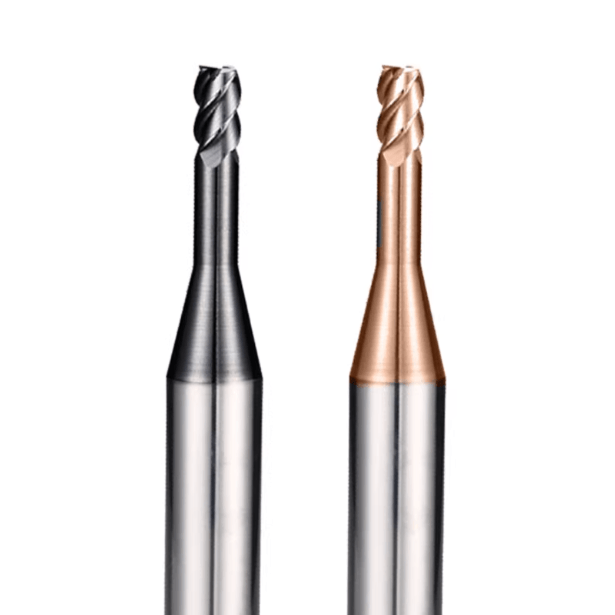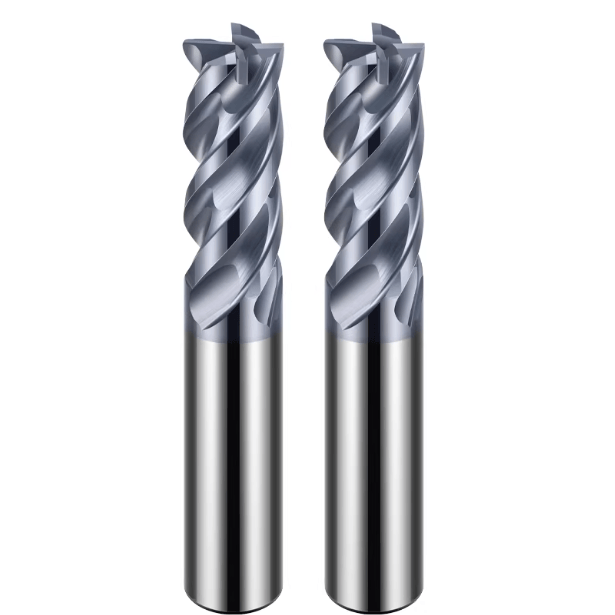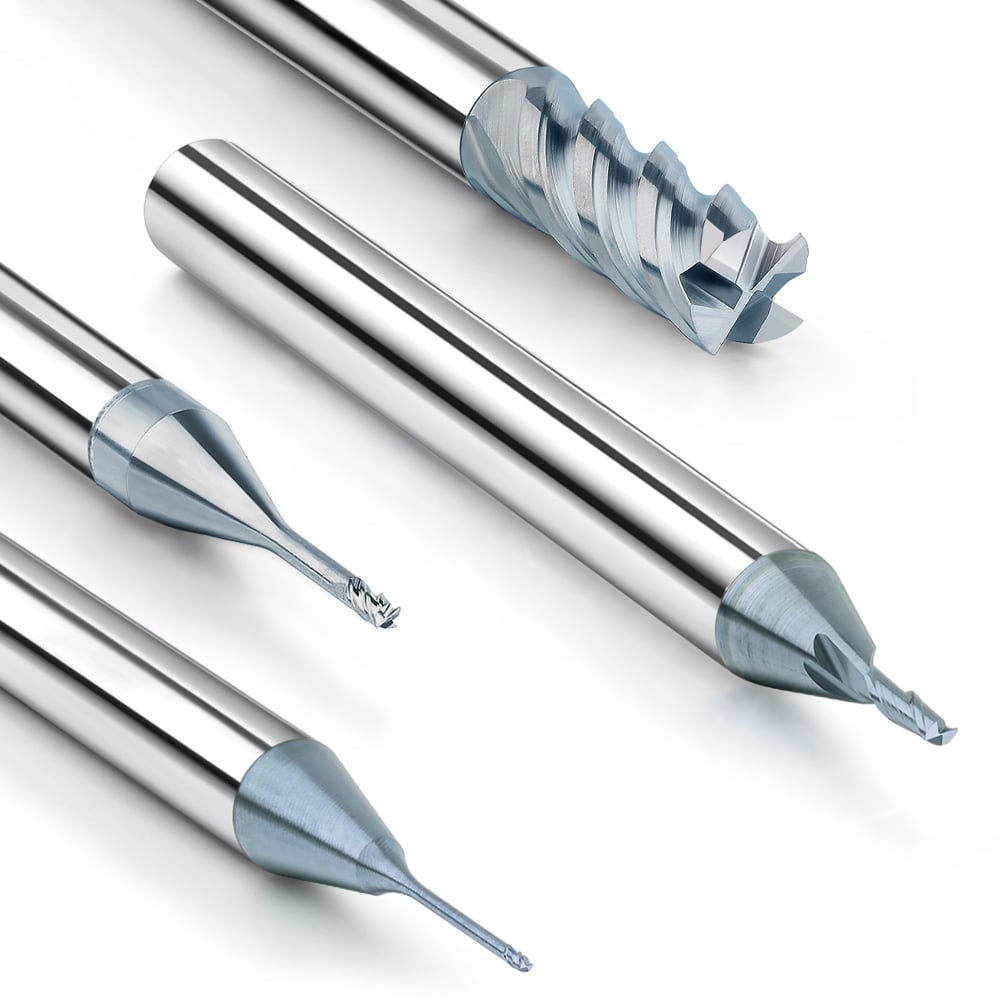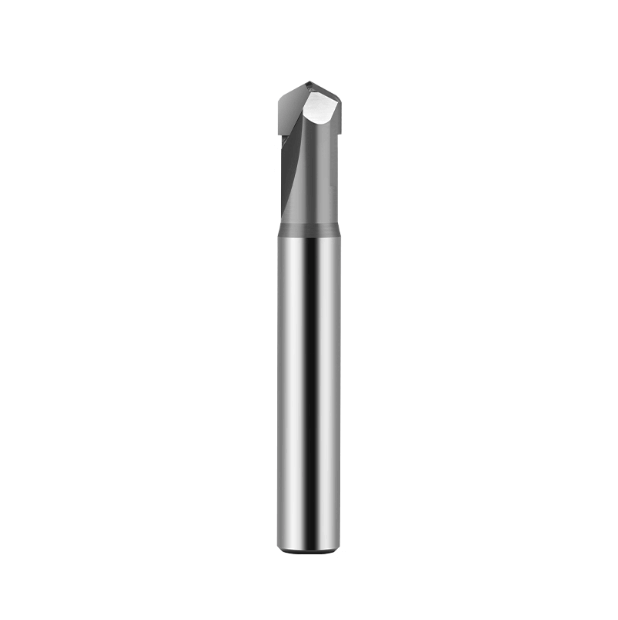
When selecting high-quality drilling tools, diamond cut drill bits have become the preferred option for many industries. Whether used in stone processing, ceramic drilling, or glass drilling, there are strict requirements regarding durability, cutting precision, and surface finish. As market demand continues to grow, the variety and technological sophistication of diamond cutting bits for drills and diamond coated drill bits have steadily improved. Manufacturers now differentiate themselves through advancements in coating technology, diamond particle density, and drill bit geometry.
For applications involving brittle materials such as tiles or ceramic panels, the performance of diamond coated drill bits for ceramic directly affects drilling quality and the risk of material breakage. Therefore, choosing the right diamond cut drill bit manufacturer requires evaluating not only wear resistance and cutting efficiency, but also production capacity, quality control systems, and after-sales support.
Among numerous suppliers, leading manufacturers typically provide stable performance, multiple product specifications, and optimized structural designs tailored to different materials. Their drill bits can meet daily production needs while also supporting high-precision continuous processing environments.
Industry Overview and Key Manufacturer Selection Criteria
In the drill bit manufacturing sector, stable performance and high durability remain central priorities. High-performance drill bits are widely used in stone fabrication, ceramic drilling, glass machining, and various industrial applications. When selecting a manufacturer, it is crucial to evaluate material quality, process capability, and production stability. Top-tier companies maintain mature process control systems to ensure consistent dimensional accuracy, cutting sharpness, and wear resistance across batches. Production efficiency, delivery reliability, and technical support also play key roles in determining the suitability of a long-term manufacturing partner. A systematic selection approach ensures dependable product performance, reduces replacement costs, and improves overall processing efficiency.
Key Processing Standards for Evaluating Diamond Cut Drill Bit Quality
High-quality drill bits excel in cutting efficiency, hole diameter accuracy, and surface finish quality. Uniform diamond particle distribution and controlled coating thickness directly influence wear resistance and tool life. When drilling hard or brittle materials such as stone, glass, or ceramics, well-designed cutting edges reduce chipping, cracking, and friction while improving hole wall consistency. Heat dissipation capability and guiding stability are additional indicators of tool quality, ensuring consistent performance during long-term continuous use.
Manufacturing Consistency and Stability Requirements for Diamond Cutting Bits
Consistency and stability are essential to maintaining processing quality in high-volume production. Advanced manufacturers achieve precision through strict dimensional tolerances, controlled cutting angles, and uniform coating thickness across all drill bits. This guarantees drilling accuracy, reduces variability in tool wear, and enhances batch processing efficiency. In specialized applications—such as precision ceramic drilling or composite material machining—stable cutting performance reduces material damage and extends tool life.
Coating Adhesion and Wear Resistance Considerations for Diamond Coated Drill Bits
Coating adhesion determines whether a drill bit can withstand long-term heavy-duty use. High-quality drill bits utilize advanced electroplating or sintering processes that firmly bond diamond particles to the substrate, significantly improving heat resistance and wear resistance. Such drill bits perform reliably when processing stone, glass, or ceramic materials, minimizing edge chipping and hole diameter deviation. Strong coating integrity enhances drilling smoothness, reduces heat accumulation, and supports prolonged use under demanding conditions.
Quality Requirements for Diamond Coated Drill Bits for Ceramic
When machining brittle materials, both structural design and coating quality are critical. High-quality drill bits feature appropriate diamond particle density and sharp cutting edges to reduce cracking and chipping. Effective heat dissipation under wet drilling conditions is also important to prevent overheating and material failure. In mass production scenarios, consistency and wear resistance directly affect throughput, defect rates, and product quality—serving as key indicators of a manufacturer’s overall capability.
Analysis of Characteristics of Leading Global Drill Bit Manufacturers
In the high-performance drill bit market, leading manufacturers possess clear advantages in technology, production capability, and process control. They deliver wear-resistant, high-precision products that perform reliably across materials such as ceramics, glass, stone, and composites. These companies emphasize raw material quality, optimized structural design, and thorough testing to ensure stable drilling performance and long service life. Through continuous investment in R&D and advanced manufacturing, they provide dependable solutions for both general and high-precision applications.
Raw Materials and Diamond Coating Process Capabilities
Top manufacturers select high-purity steel or carbide substrates and apply diamond particles through precision plating or sintering. Diamond particle size, shape, and density directly influence sharpness and durability. High-uniformity coatings ensure consistent tool performance for drilling stone, ceramics, and glass. Advanced coating technologies backed by rigorous inspection procedures are crucial for achieving excellent wear resistance and reliable processing results.
Precision CNC Grinding and Cutting Edge Control
Precision grinding and optimized cutting edge geometry are essential for accurate and efficient drilling. Leading manufacturers utilize advanced CNC grinding machines to control diameter, cutting angle, and edge shape at micron-level precision. This ensures smooth cutting, reduced heat buildup, and improved hole wall quality. For brittle or high-hardness materials, reliable edge stability directly determines processing accuracy and material integrity.
Mass Production Capacity and Delivery Reliability
In industrial applications, stable supply capability is a key factor in manufacturer selection. Leading producers operate highly automated production lines with strict quality control to maintain coating uniformity, dimensional consistency, and cutting performance across large quantities. Their delivery reliability supports long-term partnerships and minimizes production disruptions. Automated testing and standardized processes reduce defect rates, improving supply chain efficiency and product availability.
Processing Application Coverage
A manufacturer’s performance across multiple materials reflects its technical strength. Leading companies offer drill bits optimized for ceramics, glass, stone, and composite panels, with customized edge geometries and coating thicknesses tailored to specific materials. Whether used in electronics manufacturing, construction materials, stone fabrication, or composite machining, these drill bits ensure hole accuracy, reduced material damage, and higher processing efficiency. Broad application coverage demonstrates technological versatility and supports customers with unified multi-scenario solutions.
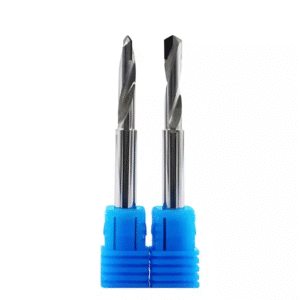
Ranking Logic for Leading Drill Bit Manufacturers in 2026
When selecting high-performance drill bit suppliers, evaluating processing capabilities, product stability, and real-world application performance is more important than relying on brand recognition alone. Ranking criteria typically include processing accuracy, wear resistance, cutting efficiency, and compatibility with different materials, providing a multi-dimensional assessment of each manufacturer. Through structured testing and data analysis, it becomes possible to identify companies that excel in drilling ceramics, glass, stone, and composite materials. This ranking approach reflects both technical strength and product reliability, helping users improve processing efficiency and achieve stable, consistent results in actual production environments.
Evaluation Method Based on Processing Accuracy and Lifespan Performance
Hole diameter accuracy, cutting smoothness, and tool lifespan are key indicators of drill bit quality. High-quality drill bits undergo precise grinding, optimized edge geometry, and controlled coating application to ensure consistent hole diameter, smooth surfaces, and sharp cutting edges throughout continuous use. During evaluation, standardized tests quantify tool lifespan, wear rate, and cutting stability under extended operation. These measurable results offer a clear comparison among manufacturers, helping users identify the most cost-effective solutions for long-term production needs.
Comparison Points Based on Drilling Efficiency and Heat Dissipation Performance
Drilling efficiency and heat dissipation play a critical role in tool performance and service life. When machining hard or brittle materials, efficient drill bits reduce cutting resistance and shorten processing time, while effective thermal control prevents overheating that could cause coating failure, accelerated wear, or material damage. Comparative evaluation typically examines cutting speed, chip evacuation, and temperature control under both wet and dry drilling conditions. By assessing these factors, users can determine each manufacturer’s reliability in high-load and continuous production environments.
Comparative Performance of Diamond Coated Drill Bits on Different Materials
Different materials impose different performance demands on drill bits. In ceramic and glass applications, high hardness and resistance to chipping are essential, while stone and composite panels require superior wear resistance and thermal management. Through real-world testing, manufacturers can be compared based on cutting efficiency, hole wall quality, and tool lifespan across multiple materials. These results help purchasers understand material-specific performance differences and make informed decisions about the most suitable drill bits for varying processing conditions.

Analysis of Top Manufacturers’ Strengths
The global high-performance drill bit market reflects strong regional specialization, with leading manufacturers in North America, Europe, and Asia each demonstrating distinct advantages in technology, production capability, and material-specific application expertise. Differences in equipment precision, R&D investment, coating processes, and overall engineering standards have shaped unique product characteristics across regions. For buyers, understanding these strengths helps align supplier capabilities with specific processing needs such as ceramics, glass, stone, and composite materials. Professional manufacturers also offer optimized drill bit geometries, multi-specification product lines, and application-specific designs that ensure efficiency, consistency, and reliability across diverse production environments.
Introduction and Advantages of Major North American Diamond Cut Drill Bit Manufacturers
North American manufacturers excel in high-precision drill bit production, prioritizing wear resistance and cutting stability. Their use of advanced coating technologies, optimized sintering processes, and precise edge-grinding methods ensures strong durability and consistent performance when drilling stone, glass, and composite materials. These companies typically offer extensive customization—such as varying particle densities and blade geometries—to match specific processing requirements. Their products demonstrate excellent stability in batch and continuous operations, making them ideal for precision-focused and demanding industrial applications.
European Manufacturers’ Precision Machining Characteristics and Technical Strengths
European manufacturers are recognized for exceptional precision and stringent quality control. Their strengths lie in advanced CNC grinding, blade geometry refinement, and consistent coating thickness control. These capabilities deliver highly uniform drill bit dimensions and outstanding performance when processing ceramics, glass, and hard composite materials. Products from European suppliers deliver smooth hole walls, reduced chipping, and minimal breakage. Many also emphasize environmentally responsible production, employing efficient coating systems and low-defect manufacturing processes that further enhance reliability and sustainability.
Competitiveness of Asian Manufacturers in the Diamond Cutting Drill Bit Market
Asian manufacturers maintain strong competitiveness through cost-effectiveness and flexible production capacity. They offer a wide range of specifications suited for stone, ceramic, and composite material processing, while large-scale automated facilities help maintain coating uniformity and dimensional stability. Some Asian suppliers also stand out in drill bit geometry optimization, improvements in wear resistance, and solutions for special processing materials. These strengths make them a suitable choice for customers seeking high-volume, budget-conscious supply without compromising basic performance requirements.
Characteristics of Specialized Factories Focused on Ceramic Drill Bit Solutions
Specialized ceramic-drilling manufacturers excel in cutting edge optimization, coating design, and geometry tailored for brittle materials. Their drill bits are often designed for wet drilling to minimize heat buildup and reduce cracking or chipping risks. These manufacturers maintain strict control over diamond particle density, coating adhesion, and blade angle accuracy, supporting long-term continuous production. Through sustained R&D, they improve wear resistance and extend tool life, making them key suppliers in high-demand ceramic processing environments.
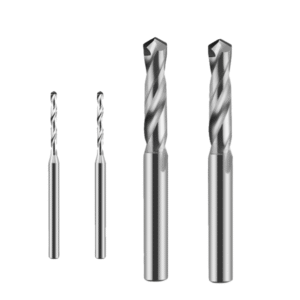
How to Choose the Right Diamond Cut Drill Bit Manufacturer Based on Your Needs
Selecting a high performance drill bit supplier requires evaluating material compatibility, drilling method, production volume, and cost structure. Each material type demands specific hardness, wear resistance, and cutting edge designs, while heat dissipation and cutting efficiency vary between wet and dry drilling. Production capacity and long-term supply stability also affect consistent output and budgeting. By defining application needs and assessing each manufacturer’s technical capabilities, product specifications, and delivery reliability, buyers can identify partners that deliver the optimal balance of processing efficiency, quality, and cost.
Selecting the Appropriate Drill Bit Based on Processing Material
Different materials require distinct drill bit characteristics. Ceramics and glass demand high-hardness, chip-resistant drill bits, while composite and metal materials place greater importance on wear resistance and cutting efficiency. Evaluating a manufacturer’s expertise in specific material categories—such as particle density control, coating adhesion, and edge-geometry optimization—helps ensure accurate hole diameters, low defect rates, and extended tool life. Proper material-based drill bit selection is essential for maintaining stable production and minimizing losses.
Screening Diamond Coated Drill Bit Suppliers Based on Drilling Method
Wet and dry drilling require different tool characteristics. Wet drilling reduces thermal stress and extends coating life, while dry drilling requires superior wear resistance and cutting stability. When selecting a supplier, evaluate each drill bit’s performance under both conditions, focusing on heat dissipation, cutting efficiency, and hole wall quality. Wet-optimized drill bits are ideal for tile and glass, whereas dry-optimized options suit metals and composite materials. Selecting a supplier with proven performance in your specific drilling environment ensures reliable processing results.
Selecting the Optimal Partner Based on Production Volume and Cost Structure
High-volume and long-term production require stable output, low defect rates, and dependable delivery. Manufacturers that maintain efficient production lines and standardized quality testing ensure consistency across large batches. Price, lead time, and after-sales support are also key differentiating factors. By aligning supplier capabilities with production scale, budget, and required precision, buyers can identify the most cost-effective partner. This approach ensures quality and efficiency while maintaining competitive operational costs.
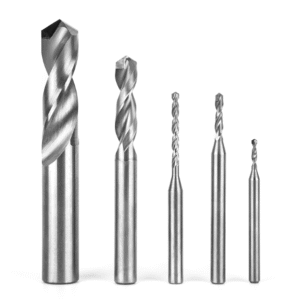
Application Scenario Examples: Differentiated Industry Demands for Drill Bit Quality
Each industry imposes unique performance requirements on drill bits. From construction and ceramic processing to electronics manufacturing and stone fabrication, the hardness, brittleness, and precision requirements of materials vary significantly. These differences shape expectations for wear resistance, cutting efficiency, coating strength, and hole accuracy. Understanding the specific needs of each application scenario enables buyers to select drill bits that maximize material protection, processing quality, and overall productivity.
Requirements for Diamond Coated Drill Bits in the Construction and Ceramic Industries
Construction and ceramic applications require drill bits that combine wear resistance with strong anti-chipping capability for brittle materials. High-density diamond coatings, reinforced blade designs, and optimized geometries help minimize chipping when drilling tile, ceramic panels, and stone surfaces. Wet drilling is commonly used to reduce thermal stress and ensure smooth hole walls. Batch consistency, coating adhesion, and edge sharpness are critical to meeting the durability and precision demands of these industries.
Precision Requirements for Diamond Cutting Drill Bits in Electronics and Precision Manufacturing
Electronics and precision manufacturing applications often involve drilling PCB materials, miniature metal components, and composite structures that require micron-level accuracy. Drill bits must maintain consistent diameters, sharp edges, and stable cutting performance throughout extended use. Heat dissipation and wear resistance are essential to preventing material damage and maintaining repeatability. In these sectors, coating uniformity, particle distribution, and refined blade geometry are core selection criteria.
Considerations for Diamond Drill Bit Wear Resistance in the Stone Processing Industry
Stone processing involves extremely hard materials such as granite and marble, demanding high wear resistance and effective chip removal. Drill bits must retain sharp cutting edges and coating integrity during prolonged operations to maintain hole quality and reduce downtime. Heat control and chip evacuation efficiency are essential for preventing tool degradation and maintaining productivity. Structural design, particle distribution, and coating quality directly influence drilling performance and long-term cost savings.

Key Points for Choosing the Best Drill Bit Manufacturer in 2026
Selecting the best drill bit manufacturer requires a comprehensive evaluation of process capabilities, product stability, material compatibility, and overall supply reliability. Leading manufacturers excel in precision grinding, coating technology, and application-specific design optimization. When comparing suppliers, key factors include wear resistance, cutting accuracy, coating adhesion, and material-specific performance across ceramics, glass, stone, and composite substrates. Delivery stability, production capacity, and technical support also play crucial roles in long-term cooperation. Through systematic evaluation, buyers can achieve the best balance of quality, efficiency, and cost-effectiveness, ensuring reliable and optimized procurement decisions.
Assessing Quality Stability Through Process Capability
Long-term drill bit stability depends on a manufacturer’s process control level. High-precision grinding, strict material selection, coating thickness management, and optimized cutting edges ensure uniform quality across batches. Stable cutting performance is especially important for brittle or high-hardness materials, reducing breakage while ensuring smooth hole walls and longer tool life. Evaluating process capability provides direct insight into a manufacturer’s reliability and quality consistency.
Matching Drill Bit Types to Application Needs
Each processing scenario demands a specific drill bit type. Ceramics and glass require crack-resistant designs, stone processing emphasizes wear resistance and heat management, and precision manufacturing requires micron-level accuracy. Ensuring that a manufacturer offers application-specific edge geometry, particle density control, and coating optimization helps guarantee efficient processing and consistent results. Matching the correct drill bit type is essential for high-quality output and minimized production loss.
Evaluating Manufacturer Reliability Through Delivery and Technical Support
Reliable delivery schedules and strong technical support are essential for continuous production. Top manufacturers combine automated production, standardized inspection systems, and stable supply chains to provide consistent batch quality. Responsive technical support helps resolve machining issues quickly, reducing downtime and improving productivity. Assessing delivery reliability and support capabilities ensures a stable long-term partnership and efficient manufacturing performance.