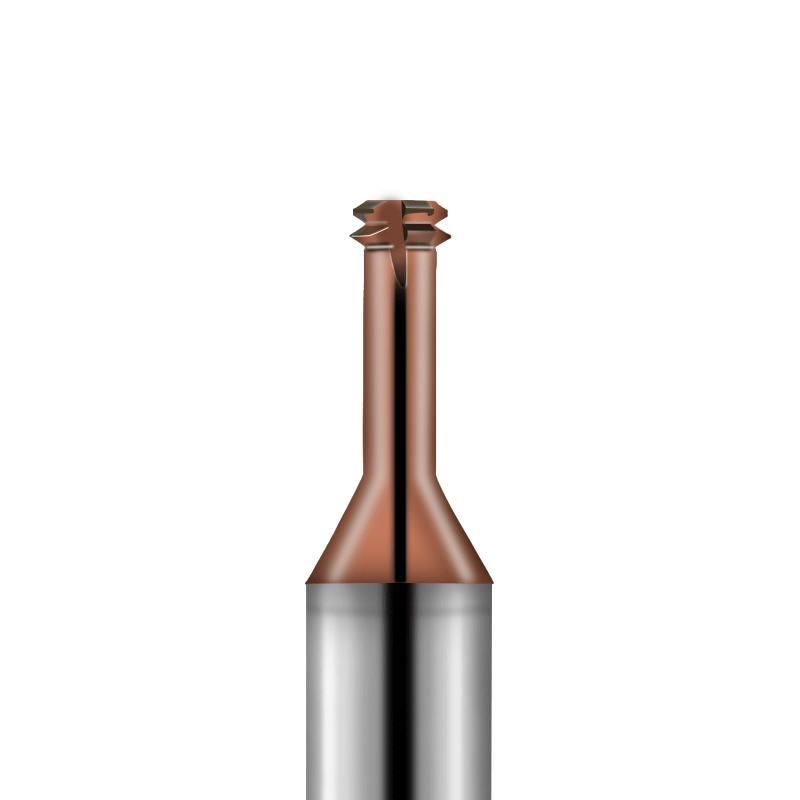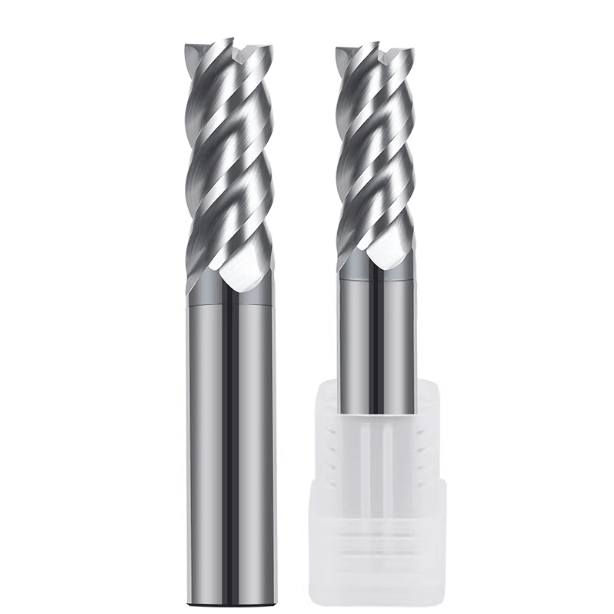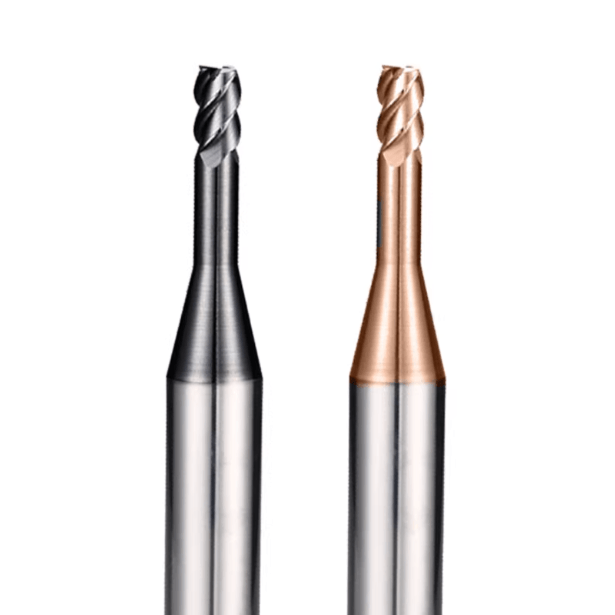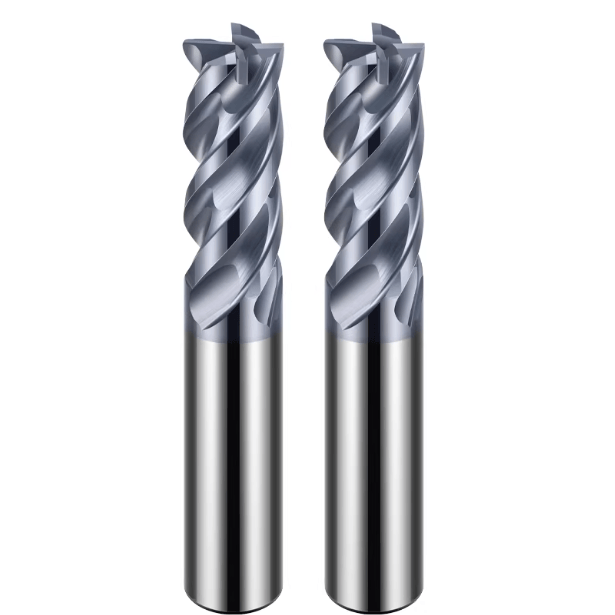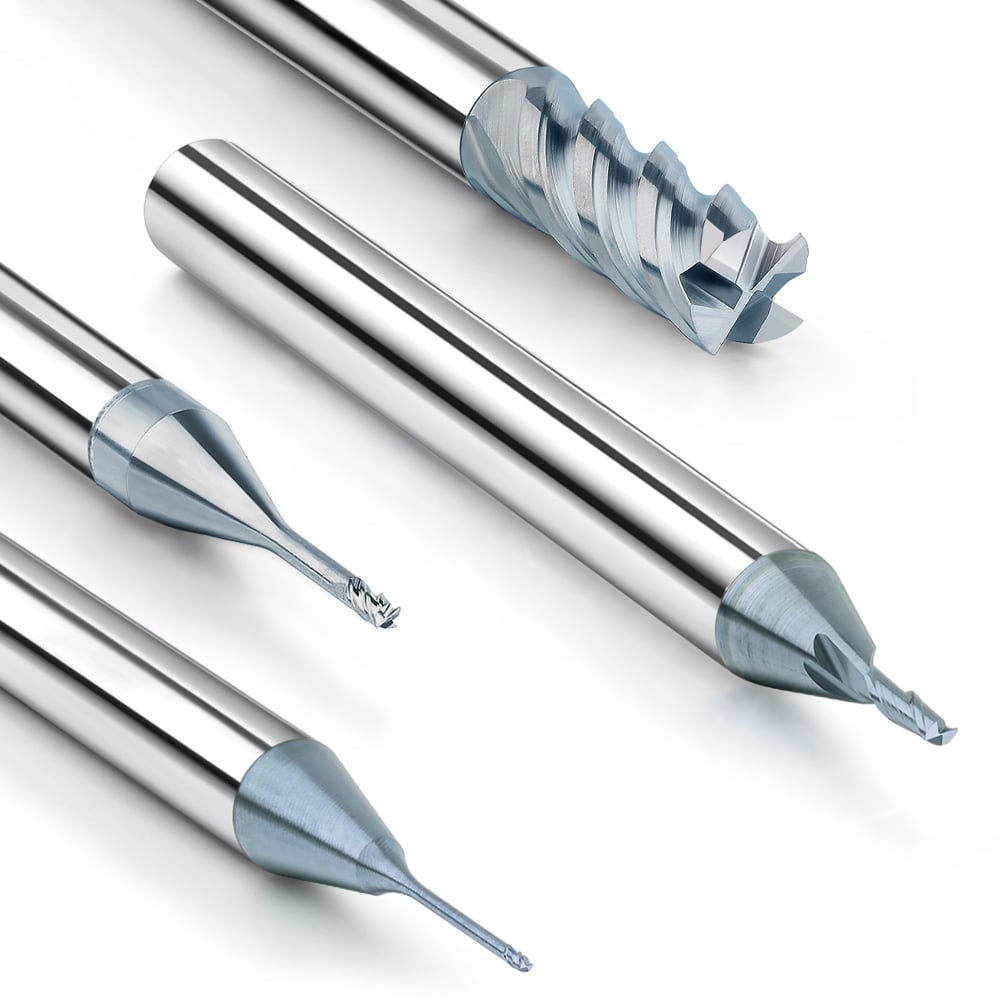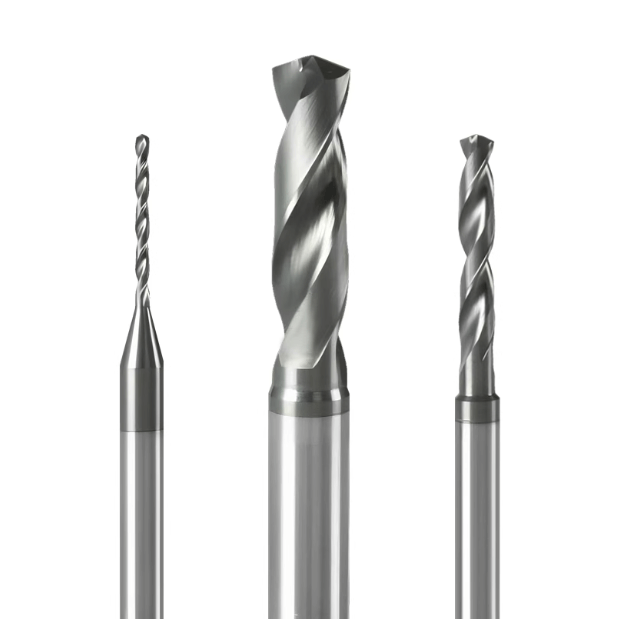
In manufacturing, shortening machining cycles and increasing overall productivity often rely on the versatility and stability of cutting tools. Drill mill-centered strategies have become a key method to improve efficiency. By using a single tool to perform multiple operations such as drilling, chamfering, grooving, and side milling, manufacturers can significantly reduce tool changes and program switching time. Combining the right milling drill bits, optimized drill milling cutter geometry, and the appropriate drill mill for metal materials can greatly improve cycle times.
To further shorten cutting cycles, proper tool path planning, high-speed machining parameters, and precise feed control are essential. Tasks that once required multiple tools can now be streamlined with multi-functional drill mills, making each cut more productive. For complex parts or specific material requirements, collaborating with a professional custom CNC drill mill supplier to create specialized tools can effectively reduce unnecessary machining steps while improving cut stability and overall efficiency.
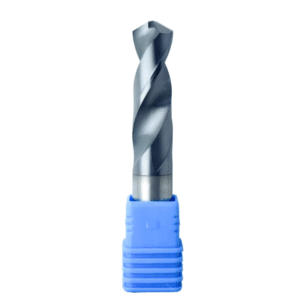
Core Principles of Machining Using High-Efficiency Drill Mills
In metal processing, improving cutting efficiency and machining accuracy is a top priority. High-performance drill-mill combination tools can reduce machining cycle time while ensuring hole precision and surface quality. Efficiency depends not only on the durability and rigidity of the tool but also on correctly setting cutting parameters such as feed rate, spindle speed, and cutting depth. Selecting a custom CNC drill mill from a trusted supplier ensures the tool material and coating meet specific machining needs, maintaining stability even under high load. Proper tool management and regular maintenance also play a vital role in improving overall production efficiency.
Selecting the Right Drill Mill for Metal Based on Workpiece Material
Metal materials vary in hardness and cutting characteristics, making the right drill mill selection critical. For aluminum, high-speed steel or coated carbide tools reduce chip clogging and tool wear. For stainless steel or titanium alloys, high-rigidity, wear-resistant drill mills for metal, combined with appropriate cutting fluid, help control temperature and reduce tool wear. Selecting tools based on material characteristics allows stable cutting, higher feed rates, longer tool life, and reduced production downtime.
Achieving Multi-Functionality with Multi-Purpose Drill Milling Cutters
Multi-functional drill milling cutters can perform drilling, milling, and grooving simultaneously. Using high-precision drill milling cutters reduces tool changes, shortens machine idle time, and minimizes positioning errors. They are particularly suitable for small-batch production of complex parts, improving efficiency while maintaining precision. Optimized cutting-edge geometry ensures stable cutting force across directions, reduces vibration and heat, and improves surface finish.
Enhancing Cutting Efficiency by Optimizing the Geometry of Milling Drill Bits
Tool geometry directly affects cutting performance and speed. Optimized milling drill bit rake, helix, and clearance angles enable smooth chip evacuation, reduce cutting resistance and heat buildup, and improve efficiency. For high-hardness materials, coated or particle-reinforced milling drill bits improve wear resistance while maintaining precise hole positioning. Combining proper cutting parameters and tool path planning further reduces machining time and machine load, ensuring reliable high-efficiency production.
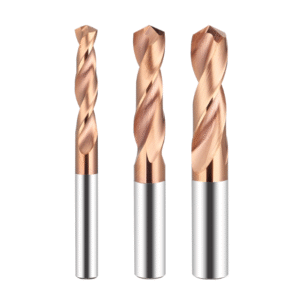
Time Optimization Strategies for Tool Configuration and Machine Settings
In precision machining, rational tool configuration and optimized machine parameters are crucial. Properly selecting tool holders, adjusting spindle speed and feed rate, and setting cutting depth can minimize idle and non-productive time. Planning tool paths and machining sequences in combination with custom CNC drill mill supplier solutions can significantly shorten cycles while maintaining precision. Efficient machine settings improve machining stability, reduce tool wear, and minimize production downtime.
Selecting High-Rigidity Tool Holders to Ensure Stable Drill Milling
High-rigidity tool holders reduce vibration and deflection, ensuring tool stability during drilling and milling. Especially when machining hard metals or deep holes, they withstand greater cutting forces, preventing chatter and hole inaccuracies. Using custom tool holders and matching drill mill tools from trusted suppliers further enhances machining reliability and reduces surface roughness caused by vibration.
Reducing Idle Time with Correct Spindle Speed and Feed Rate
Spindle speed and feed rate directly influence efficiency. By considering material properties, tool geometry, and machine rigidity, optimal settings reduce idle time and pauses. In multi-hole or complex contour machining, dynamically adjusting feed rates allows continuous cutting while minimizing heat and wear. Optimized parameters improve both individual part speed and overall batch efficiency.
Reducing Tool Changes by Integrating Drilling and Milling Steps
Integrating drilling and milling into a single tool or using a multi-functional drill milling cutter reduces tool changes and idle time. Completing multiple processes in one setup improves efficiency and minimizes repeated positioning errors. Combined with smart tool path planning and custom CNC drill mill solutions, this approach shortens overall cycles while maintaining precision.
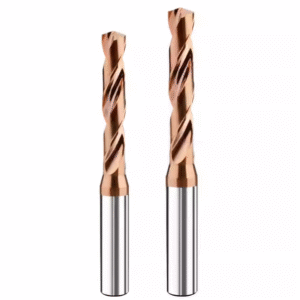
Machining Path and Programming Strategy Optimization
Tool path planning and programming directly affect efficiency and part quality. Rational paths, shortened non-cutting movements, and optimized entry/exit strategies reduce idle time and tool wear. Combined with efficient tool selection and custom CNC drill mill solutions, continuous high-efficiency cutting is achievable, even for complex workpieces. Optimized programs increase single-part speed and stabilize batch production, avoiding cycle extensions caused by tool changes or poor path planning.
Using Drill Mills Instead of Multi-Step Machining
Integrating drilling and milling operations into one tool reduces tool changes and machine idle time. High-performance drill mills can handle holes of varying diameters and depths, slotting, and light milling in a single setup. This approach reduces positioning errors and improves consistency, especially in small-batch, multi-variety production, significantly shortening overall cycles.
Shortening Tool Paths and Optimizing Entry/Exit Strategies
Optimized tool paths and entry/exit angles enable smooth, continuous cutting, lowering resistance and vibration while improving surface finish. For complex contours or multi-hole parts, combining optimized milling drill bit geometry enhances chip evacuation and tool durability, achieving efficient and stable processing.
Enhancing Drill Milling Cutter Efficiency with High-Speed Machining
High-speed machining strategies maximize drill milling cutter performance. Adjusting spindle speed, feed rate, and cutting depth according to tool material and coating improves efficiency while maintaining accuracy. In high-hardness materials, high-speed cutting reduces force, wear, and processing time, increasing production speed. Combined with custom CNC drill mills and advanced programs, high-efficiency, low-cost production is achievable.
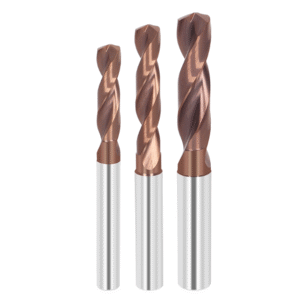
Improving Tool Life and Maintaining a Stable Machining Rhythm
In high-efficiency machining, tool life and machining stability directly affect production efficiency and cost control. Scientific lubrication, cooling management, and cutting edge condition monitoring can extend tool life, reducing machining interruptions and rework. Combined with efficient chip evacuation design and proper machining strategies, this approach maintains a stable cutting rhythm, lowers machine load, and improves part surface quality. Choosing a customized CNC drill mill solution from a reliable supplier ensures consistent tool performance in high-intensity machining environments, enabling high-precision and high-efficiency production.
Scientific Lubrication and Cooling of Drill Mills to Reduce Wear
Cutting temperature is a critical factor in tool life. Using appropriate cutting fluids or air cooling systems for drill mills reduces heat and friction, minimizing wear and deformation. Selecting lubrication methods based on metal type also improves chip evacuation, enhances cutting stability, and maintains continuous high-efficiency cutting under heavy load conditions.
Regularly Inspecting the Cutting Edge Condition of Milling Drill Bits to Maintain Sharpness
The sharpness of a milling drill bit directly affects cutting efficiency and part quality. Regularly inspecting and resharpening or replacing worn edges prevents excessive cutting forces, machine vibration, and hole inaccuracies. Especially when machining high-hardness materials or performing continuous cutting, maintaining a sharp edge improves speed, reduces tool failure, and ensures a stable production rhythm.
Reducing Tool Stoppages and Recutting Through Rational Chip Evacuation Design
Inefficient chip evacuation increases cutting resistance, tool overheating, and the risk of recutting, reducing efficiency. Optimizing the tool’s helix angle, cutting edge design, and path improves chip removal, reduces downtime, and prevents recutting previously machined surfaces. Combined with high-performance drill milling cutters and custom CNC drill mill supplier solutions, this approach extends tool life and maintains a stable machining rhythm, improving overall production efficiency.
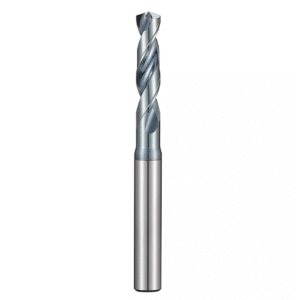
Key Points for Drill Mill Machining of Different Metal Workpieces
Different metals have varying properties and cutting behavior, requiring tailored strategies. Selecting the right cutting tools, adjusting cutting parameters, and optimizing feed rates can increase efficiency while maintaining hole accuracy and surface finish. Using high-performance drill mills for metal and customized CNC drill mill supplier solutions ensures stable cutting, longer tool life, and reduced non-productive time. Targeted strategies improve processing speed and overall production efficiency for various metals.
Achieving Maximum Processing Speed in Aluminum with High-Speed Drill Mill for Metal
Aluminum’s low hardness and cutting resistance make it ideal for high-speed cutting. High-speed drill mills for metal enable smooth chip evacuation and continuous cutting, significantly increasing processing speed. Optimized tool geometry and coatings reduce heat and tool wear, ensuring precise holes and excellent surface quality. In small-batch or multi-hole aluminum processing, high-speed cutting reduces idle time and machine downtime, improving overall production efficiency.
Optimizing Feed Rate to Reduce Cutting Resistance in Difficult-to-Machine Materials
Materials like stainless steel have high cutting resistance, causing tools to heat and wear. Adjusting feed rate and cutting depth reduces resistance, minimizes heat and vibration, and ensures stable cutting. High-rigidity drill milling cutters and custom CNC drill mill supplier solutions further enhance precision and tool life. Segmented cutting or optimized tool paths also reduce machine load and improve efficiency.
Developing Efficient Drill Milling Cutter Strategies for Carbon Steel
Carbon steel’s moderate hardness allows for high-efficiency cutting while maintaining tool life. Selecting the right drill milling cutter and adjusting spindle speed and feed rate enables fast drilling and milling. Combined with proper chip evacuation and cooling, tool wear and heat accumulation are minimized, maintaining hole accuracy and surface quality. Optimized strategies for carbon steel shorten cycles and increase production speed in mass production or complex parts.

Further Reduce Machining Time with Customized Tools
While standard tools meet basic needs, customized tools can optimize processes for specific parts. Partnering with a reliable custom CNC drill mill supplier allows for fewer operations, reduced tool changes, and continuous efficient cutting. Drawing on prior strategies in tool configuration, path optimization, and material-specific machining, customized tools shorten overall cycles and increase production speed, while ensuring accuracy and surface quality.
Ordering Customized Tools to Reduce Operations
For complex parts or special holes, customized drill mills can integrate drilling, milling, and grooving into a single tool. Completing multiple operations in one setup reduces idle time and positioning errors, shortening machining cycles and improving mass production efficiency.
Customizing Cutting Edge Shapes to Improve Single-Pass Efficiency
Tailoring cutting edge geometry based on part structure allows greater depth and higher feed rates per pass. Optimized edges improve chip evacuation and force distribution, reduce vibration and cutting resistance, and prevent secondary cutting. Combined with high-rigidity holders, optimized tool paths, and high-speed cutting, this ensures stable, efficient machining across different materials.
Using Customized Tools to Reduce Interruptions and Repositioning
Customized tools meet specific shapes and dimensions, reducing downtime from tool changes and repositioning. When paired with proper cooling, lubrication, and chip evacuation designs, they extend tool life, maintain a stable cutting rhythm, and enable high-efficiency machining for aluminum, stainless steel, and carbon steel. This approach smooths the overall machining process and comprehensively improves production efficiency.