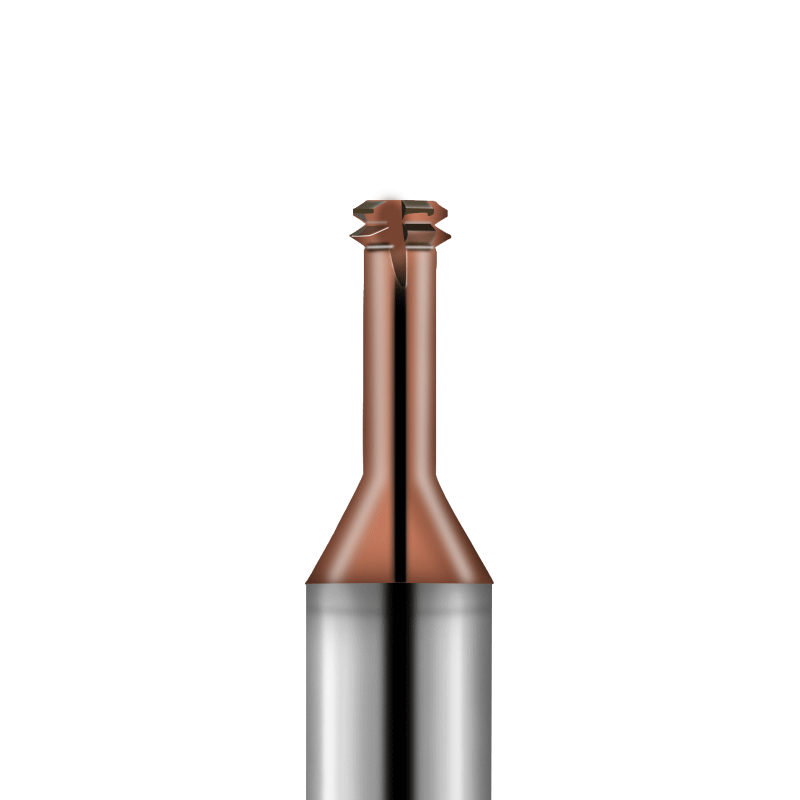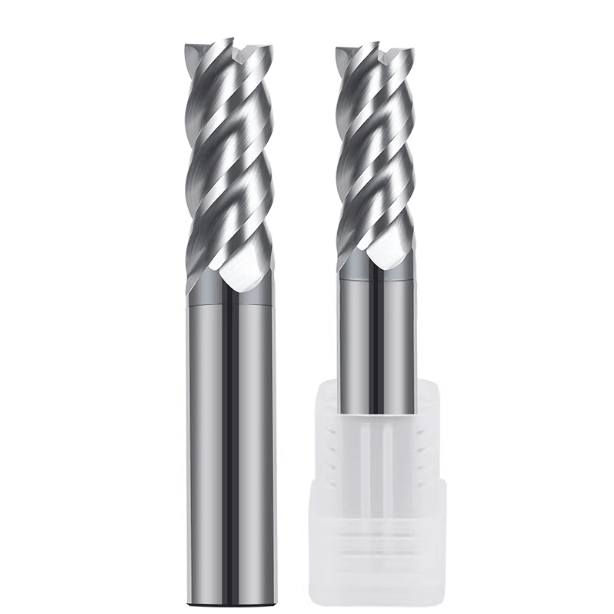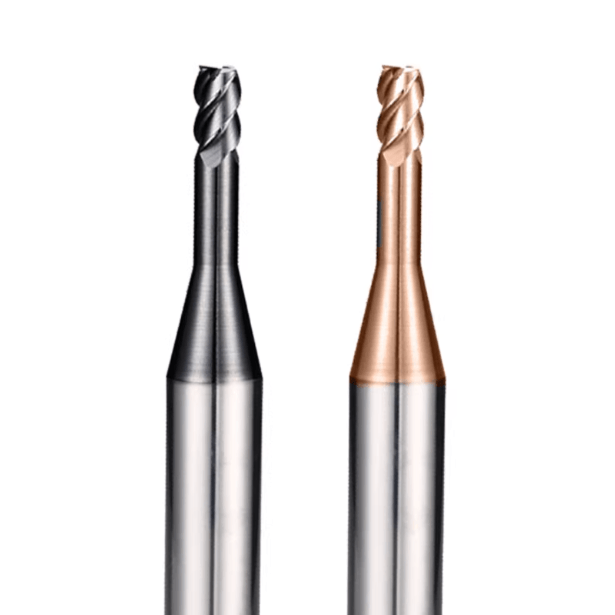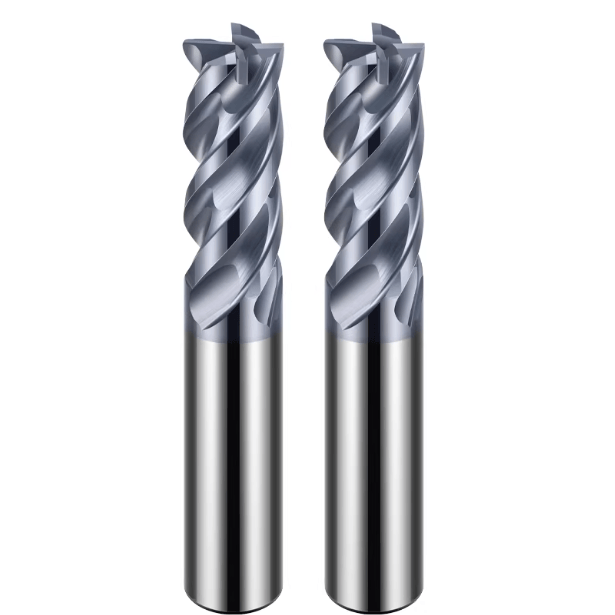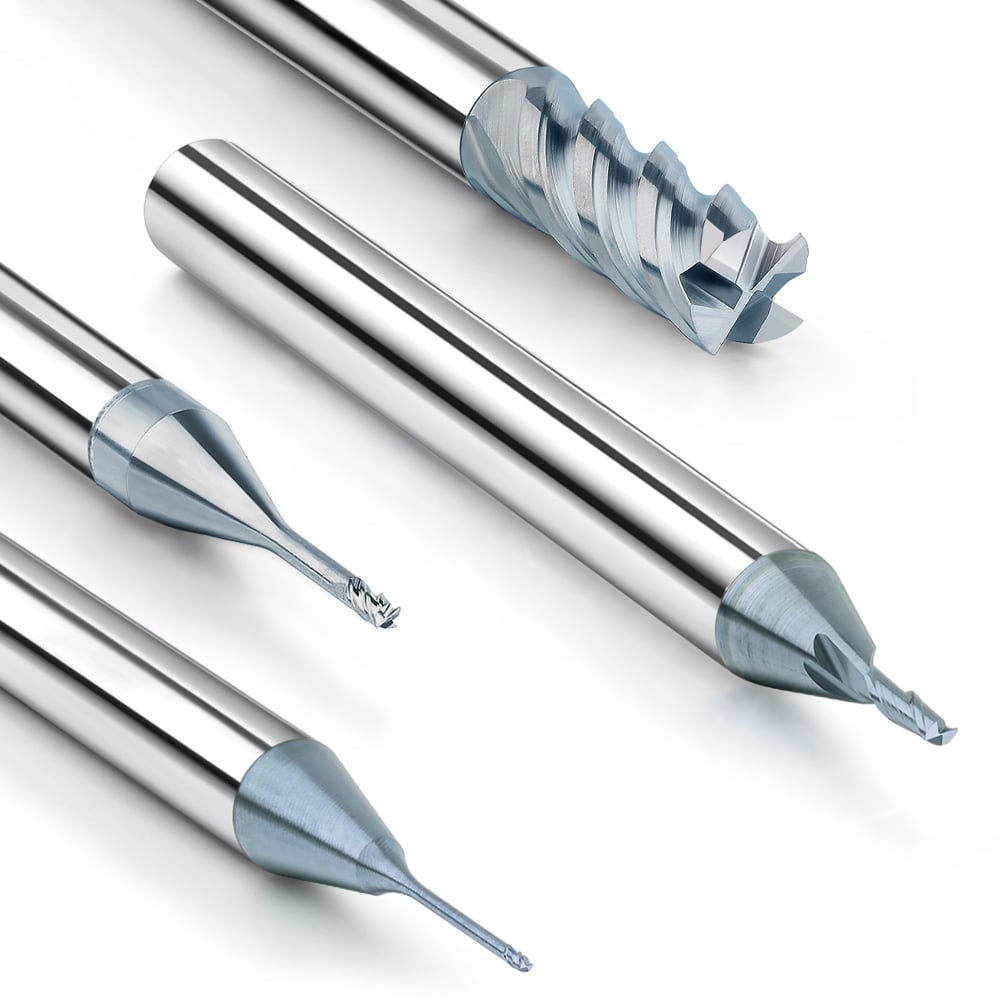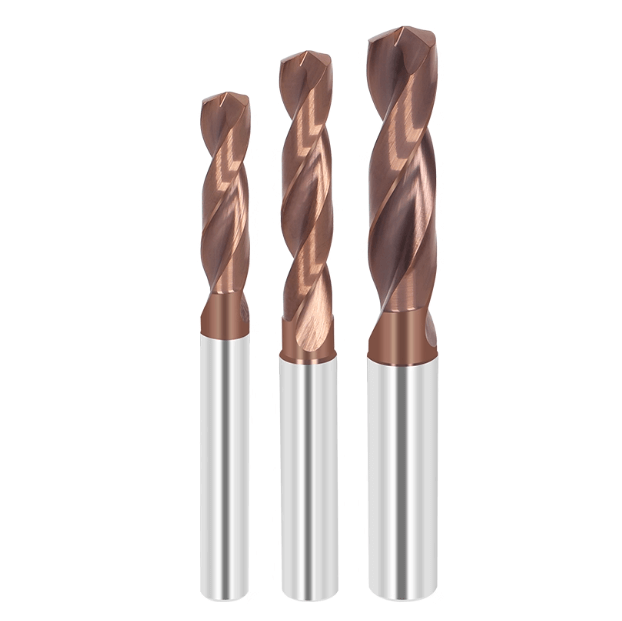
When machining high-strength metals, selecting the right hard metal drill bits is essential for ensuring both machining quality and overall efficiency. These tools deliver stable cutting performance even in extremely demanding environments, providing reliable support for precision hole-making applications. As the use of difficult-to-machine materials—such as hardened steel, titanium alloys, heat-resistant alloys, and high-strength stainless steel—continues to grow, the performance requirements for drill bits for hard metal machining are rising as well. Key capabilities now include wear resistance, anti-chipping strength, smooth chip evacuation, and thermal stability.
Carbide drill bits for hard metal, built from cemented carbide substrates, perform exceptionally well in these conditions. Their high hardness, heat resistance, and excellent edge retention enable precise drilling under harsh loads while reducing tool change frequency and maintaining consistent hole diameters. For manufacturers pursuing high efficiency, stability, and precision, high-hardness drilling tools play a vital role in improving machining quality and controlling overall production costs.
On the manufacturing side, selecting an experienced OEM hard metal drill bit manufacturer is equally important. Suppliers with advanced grinding capabilities, coating technology, and strict quality control can deliver drill bits with superior consistency and longer tool life. They can also customize designs based on specific metal types, machining depths, and dimensional requirements. By combining high-performance drill bits with proper machining strategies, manufacturers can achieve exceptional surface quality, longer tool life, and higher productivity when drilling hard metals.
The Core Value of Using Hard Metal Drill Bits in Precision Machining
When machining high-hardness metals, hard metal drill bits are critical to maintaining machining stability and ensuring accurate hole positioning. Whether drilling hardened steel, heat-resistant alloys, die steel, or other high-strength materials, only drill bits with sufficient rigidity, wear resistance, and thermal stability can deliver consistent cutting performance and high-quality results. For manufacturers focused on efficiency and cost control, choosing the right drill bits for hard metal machining—especially carbide drill bits for hard metal—has become a core strategy. These high-performance tools improve product consistency while ensuring stable machining throughout long production cycles.
Stable Drilling Performance in High-Strength and High-Hardness Materials
Machining high-hardness materials presents challenges such as high cutting forces, material toughness, and rapid heat buildup. High-quality hard metal drill bits maintain tool stability under these extreme conditions, preventing edge softening or chipping caused by elevated cutting temperatures. With optimized geometry and advanced coatings, these tools deliver stable drilling performance in materials like stainless steel, titanium alloys, and hardened steels reaching HRC50 or above. Reduced vibration and improved runout control directly contribute to better hole accuracy and surface finish. In deep-hole drilling or continuous batch production, this stability is essential for maintaining smooth machining processes.
Maintaining Sharpness and Wear Resistance During Long-Term Machining
In continuous, high-load drilling environments, maintaining edge sharpness is critical. Carbide drill bits for hard metal remain sharp under heavy loads due to their high hardness and heat resistance. High-temperature coatings such as TiAlN or AlTiN further enhance resistance to wear, oxidation, and built-up edge formation. These properties support reliable long-term machining, particularly in automated lines, mass production environments, or operations where tool changes must be minimized. Consistent hole quality across large quantities of workpieces becomes easier to achieve with high-hardness drilling tools.
Reduced Tool Change Frequency and Improved Overall Machining Efficiency
The longer lifespan of hard metal drill bits directly translates to fewer tool changes and reduced downtime. For facilities that run continuous production, the resulting increase in efficiency is significant. Using high-performance drill bits designed for hard metal machining—especially those engineered by reputable OEM hard metal drill bit manufacturers—helps maintain stable cutting cycles and lowers manufacturing costs. These tools are especially effective for deep-hole drilling and batch drilling, where consistent performance reduces cumulative dimensional deviations and improves part quality.
Key Factors to Consider When Selecting Drill Bits for Hard Metal Machining
Choosing the right drill bits for hard metal machining is essential to ensuring high accuracy, long tool life, and stable production efficiency. Material hardness, hole size, machining depth, cooling conditions, and machine tool capabilities must all be considered. The drill bit’s substrate, geometry, and coating determine how well it performs under high load and high temperature. Proper selection is critical when machining hardened steels, heat-resistant alloys, stainless steels, or other difficult materials, as it influences both machining quality and production economics.
The Influence of Drill Bit Substrate on Machining Performance
The substrate directly affects hardness, toughness, and heat resistance. Cemented carbide is the most common choice for hard metal machining due to its stability and superior wear resistance. Carbide drill bits for hard metal outperform high-speed steel or powder metal drill bits, especially in continuous or high-speed drilling environments. Ultrafine-grain tungsten carbide substrates and high-cobalt blends enhance resistance to chipping, making them suitable for deep holes or repeated-cycle drilling. For mass-production facilities focused on consistency, selecting the right carbide grade is essential.
The Role of Geometry in Chip Removal and Cutting Quality
Tool geometry determines chip formation, cutting stability, and heat generation. Cutting edge sharpness affects cutting force and vibration. The helical flute angle influences chip evacuation; optimized flute design prevents chip packing, overheating, and tool breakage in tough materials. Point angle design affects positioning accuracy and tool strength—larger angles offer better durability for hard materials, while smaller angles help with precision entry. Geometry-optimized hard metal drill bits deliver superior performance in deep-hole drilling, high aspect ratio machining, and batch production, making them critical high-hardness drilling tools.
Coating Performance in High-Temperature and High-Pressure Environments
Drilling hard metals creates extreme heat and pressure, making coatings a critical factor. Coatings such as TiAlN, AlTiN, and TiSiN maintain hardness above 800°C, preventing edge softening and reducing friction. Better thermal stability reduces heat-induced tool wear and prevents built-up edges. For machining alloy steels, heat-resistant metals, or stainless steels, selecting carbide drill bits for hard metal with advanced coatings significantly improves performance. Partnering with skilled OEM hard metal drill bit manufacturers ensures proper coating selection tailored to specific machining conditions.
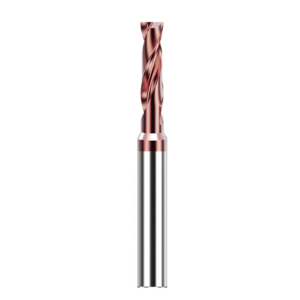
Advantages of Carbide Drill Bits for Hard Metal in Precision Machining
Carbide drill bits for hard metal are widely recognized for their exceptional hardness, high heat resistance, and long-term stability. Compared with high-speed steel or powder metallurgy tools, carbide drills maintain strength and sharpness under high-speed machining, heavy feed conditions, and continuous production. Their rigidity reduces vibration, helps maintain hole accuracy, and improves surface quality. Carbide is especially effective for machining hardened steels, stainless steels, and nickel-based superalloys, making it the preferred material for high-precision drilling applications.
Improved Cutting Speed and Stability Enabled by Carbide Material
Carbide’s high microhardness and thermal resistance allow carbide drill bits to operate at higher spindle speeds and feed rates without losing edge integrity. Their rigidity reduces micro-vibration, improving hole roundness, perpendicularity, and surface finish. When paired with heat-resistant coatings, carbide drills remain stable even at cutting temperatures above 800°C. These characteristics enable shorter machining cycles and enhanced productivity.
Practical Performance in Hardened Steels, Stainless Steels, and Nickel-Based Alloys
Carbide drill bits perform reliably across a range of difficult materials, including hardened steel (HRC45–60), titanium alloys, austenitic stainless steel, martensitic stainless steel, and nickel-based superalloys. Carbide tools resist built-up edge in stainless steels, maintain chip control in heat-resistant alloys, and prevent edge chipping during hardened steel machining. For manufacturers requiring consistent accuracy during long-term production, carbide-based hard metal drill bits offer the stability needed for repeatable, high-precision results.
Maximizing Carbide Drill Bit Performance on CNC Machines
To achieve optimal performance from carbide drill bits for hard metal, proper CNC parameter settings are essential. Spindle speed, feed rate, and drilling depth must align with the material and tool diameter to prevent chipping or thermal damage. Adequate coolant pressure ensures efficient chip evacuation and heat control, which protects the cutting edge. Precision toolholding systems further reduce runout and enhance hole accuracy. When working with capable OEM hard metal drill bit manufacturers, users can obtain customized geometries, coatings, and tolerances tailored to their machining environments.

Practical Applications of High Hardness Drilling Tools
In high-difficulty metal cutting, high hardness drilling tools play a critical role in maintaining machining stability and ensuring consistent hole quality. When dealing with hardened steel, wear-resistant alloys, high-temperature alloys, or high-strength stainless steels, ordinary drill bits often fail to withstand the high temperatures, heavy loads, and continuous wear generated during drilling. Hard metal drill bits and other high-hardness drilling tools designed specifically for these applications can deliver stable performance in demanding environments. Whether in mass production, deep-hole drilling, machining complex structural components, or operations requiring strict cycle time control, hard metal drill bits offer notable advantages in efficiency, accuracy, and tool life.
Typical Applications for Drilling High-Hardness Materials
Common high-hardness machining scenarios include drilling hardened mold steels (HRC50+), high-chromium cast irons, wear-resistant steel plates, nickel-based superalloys, and reinforced stainless steels. These materials often have high toughness, high strength, or low thermal conductivity, resulting in elevated cutting temperatures and resistance during drilling. Using carbide drill bits for hard metal or other high-hardness drilling tools ensures stable performance in these conditions, reducing risks such as chipping, edge softening, or poor chip evacuation. In cases requiring large quantities of holes—such as mold inserts, positioning holes, and mounting holes—high-hardness tools maintain stability across continuous operations, greatly reducing rework rates and quality variation.
Contribution to Improved Hole Diameter Accuracy, Perpendicularity, and Surface Quality
For precision hole machining, key metrics include diameter accuracy, perpendicularity, and hole wall surface finish. High-hardness drilling tools provide superior rigidity and wear resistance, minimizing vibration and deflection during drilling—especially important for larger hole diameters. Carbide cutting edges and low-friction coatings reduce cutting resistance, resulting in smoother hole walls, fewer burrs, and reduced burn marks. With optimized geometries, hard metal drill bits ensure consistent hole dimensions, improve assembly fit, and reduce the need for secondary processes such as reaming or boring.
Applications in Mold Manufacturing, Aerospace, Precision Parts, and More
High-hardness drilling tools are widely used across industries that demand exceptional material strength and machining precision:
-
Mold Manufacturing: Drilling hardened mold steels, mold cores, and punch inserts requires carbide drill bits for hard metal to achieve accurate positioning and deep-hole performance.
-
Aerospace: Titanium alloys and nickel-based high-temperature alloys require specialized hard metal drill bits capable of maintaining reliability in extreme conditions.
-
Precision Components: Shaft parts, instrument components, automotive metal parts, and miniature structures demand high consistency and surface quality, making high-hardness tools essential.
-
Energy and Industrial Equipment: Wear-resistant parts, valve bodies, and pump housings often require deep-hole drilling in high-strength materials, where hard metal drill bits significantly enhance tool life and process stability.
Given the strict performance requirements across these industries, choosing tools from reliable OEM hard metal drill bit manufacturers improves machining efficiency, reduces downtime, and ensures consistent production quality.

Operational Strategies for Optimizing Hard Metal Drill Bit Performance
To fully leverage the capabilities of high-performance drill bits—such as hard metal drill bits and carbide drill bits for hard metal—scientific operational strategies are essential. Proper CNC parameter settings, optimized cooling and lubrication, and effective wear prevention significantly improve machining stability and tool life. Because high-hardness materials typically exhibit low thermal conductivity and high strength or toughness, fine-tuning the drilling approach based on material characteristics is necessary to achieve consistent, high-efficiency machining.
Effective Control of Spindle Speed, Feed Rate, and Depth of Cut
Spindle speed, feed rate, and drilling depth are the primary CNC variables affecting drilling performance. Excessive spindle speed increases cutting heat, potentially softening the tool edge or damaging the coating. High feed rates create excessive load and can cause chipping, while improper depth settings may cause chip congestion and drill jamming. For carbide drill bits for hard metal, moderately reduced spindle speeds, controlled feed rates, and step-drilling techniques are generally recommended to maintain chip clearance and temperature control. Adjusting these parameters is especially critical in deep-hole drilling or machining high-strength materials, where optimized settings can extend tool life and improve hole quality.
Influence of Cooling and Lubrication on Drilling Quality
When drilling hard metals, rapid heat buildup occurs in the cutting zone, making effective cooling and lubrication essential. High-pressure coolant helps dissipate heat quickly and enhances chip evacuation, reducing risks of hole wall burning or built-up edge formation. Stable cooling preserves coating integrity and prevents thermal failure at the cutting edge. When machining tough materials like stainless steel or nickel-based alloys, cutting fluids with high lubricity reduce friction and aid chip evacuation. These measures are vital for achieving reliable hard metal machining performance.
Techniques to Reduce Chipping, Thermal Damage, and Built-up Edge
Chipping, thermal sintering, and built-up edge are common causes of drill bit failure in hard metal machining. Minimizing runout reduces vibration and prevents premature chipping. Selecting high-hardness, wear-resistant carbide drill bits for hard metal helps reduce edge deterioration. Coatings engineered for high thermal resistance prevent softening of the cutting edge at elevated temperatures. Improving chip flow with optimized flute geometry, high-pressure coolant, and balanced cutting loads reduces built-up edge formation. Working with a professional OEM hard metal drill bit manufacturer allows users to obtain customized geometries suited for demanding materials, further improving tool performance under extreme conditions.

How to Choose a Reliable OEM Hard Metal Drill Bit Manufacturer
When selecting an OEM hard metal drill bit manufacturer, factors such as manufacturing capability, quality stability, and customization level are essential. High-quality hard metal drill bits and carbide drill bits for hard metal depend on advanced processes including precision grinding, high-performance coatings, and comprehensive inspection systems. For companies requiring large-scale production or machining of high-hardness materials, a capable OEM manufacturer ensures consistent tool performance and provides tailored designs that improve machining efficiency and product uniformity.
Evaluating Manufacturing Capabilities: Grinding, Coating, and Inspection
A manufacturer’s process capabilities strongly influence drill bit quality. Precision CNC grinding determines cutting edge sharpness, flute design, and point angle accuracy. Advanced coating technologies enhance thermal resistance, wear resistance, and performance consistency during hard metal machining. Inspection systems—such as laser measurement equipment, microscopes, and coordinate measuring machines—ensure diameter tolerance, cutting edge consistency, and coating adhesion meet strict standards. These capabilities directly impact tool lifespan and overall machining reliability.
Verifying Consistency and Performance Through Sample Testing
Before choosing an OEM manufacturer, sample testing is essential to confirm performance. Tests should evaluate drilling stability, edge wear resistance, coating heat resistance, and chip evacuation efficiency. Samples must be tested in real working conditions—such as hardened steel, stainless steel, or nickel alloys—to verify whether the carbide drill bits for hard metal meet the required standards. Consistency across batches is especially important for automated or long-cycle machining, where small variations can affect hole quality and cycle times. Sample testing provides a clear understanding of a manufacturer’s ability to support long-term production needs.
Selecting Custom OEM Solutions Based on Application Requirements
Different machining scenarios require specific drill bit geometries, coating formulations, edge reinforcement, and chip evacuation designs. A qualified OEM hard metal drill bit manufacturer can customize apex angles, flute shapes, edge treatment, and coating combinations based on the specific material—whether it is hardened mold steel, heat-resistant alloy, or reinforced stainless steel. For deep-hole drilling, micro-hole machining, or high-volume production, the manufacturer must have the capacity to design tools tailored to these challenges. Custom-made solutions improve machining efficiency, reduce tool consumption, and enhance overall competitiveness.
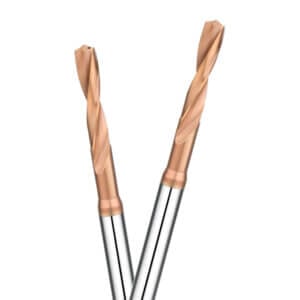
Key Points for Maintenance and Management of Hard Metal Drill Bits
In long-term production environments, tool performance depends not only on the manufacturer’s quality but also on proper tool maintenance. Whether using hard metal drill bits or carbide drill bits for hard metal in precision CNC machining, effective maintenance practices significantly enhance tool stability, reduce machining deviations, and lower operating costs. Regular inspection, proper storage, and professional regrinding ensure tools remain in optimal condition, improving hole accuracy, perpendicularity, and surface quality while increasing overall productivity.
Regular Inspection of Wear and Cutting Edge Condition
When drilling hardened steels or high-temperature alloys, cutting edges may experience micro-chipping, wear marks, or coating degradation. Setting up a periodic inspection routine—using magnifiers, microscopes, or digital monitoring tools—helps detect edge wear, rake face damage, or chip buildup. Early detection prevents dimensional deviations, burns, and chatter during machining. Monitoring tool condition also helps determine ideal regrinding intervals, which is crucial for maintaining stable drilling performance.
Proper Storage and Labeling to Extend Tool Life
Hard metal drill bits, especially coated tools, require proper storage to prevent impact damage, micro-cracks, and coating delamination. Tools should be categorized and labeled by diameter, coating type, and wear status. Use dedicated holders or cases to avoid edge contact and store in a dry, clean environment to prevent corrosion or contamination. Effective inventory management supports efficient production scheduling and reduces unexpected tool damage.
Improving Tool Cost-Effectiveness Through Regrinding
For companies using large quantities of carbide drill bits for hard metal, regrinding is a cost-effective strategy. High-quality carbide tools retain their substrate strength, allowing them to be restored using professional grinding equipment. Regrinding restores the point geometry, cutting edge sharpness, and chip evacuation capability, significantly extending tool usability. It also ensures consistent machining behavior across batches—critical for automated production lines. Whether drilling deep holes, micro-holes, or precision components, a standardized regrinding process supports consistent hole accuracy and surface finish.