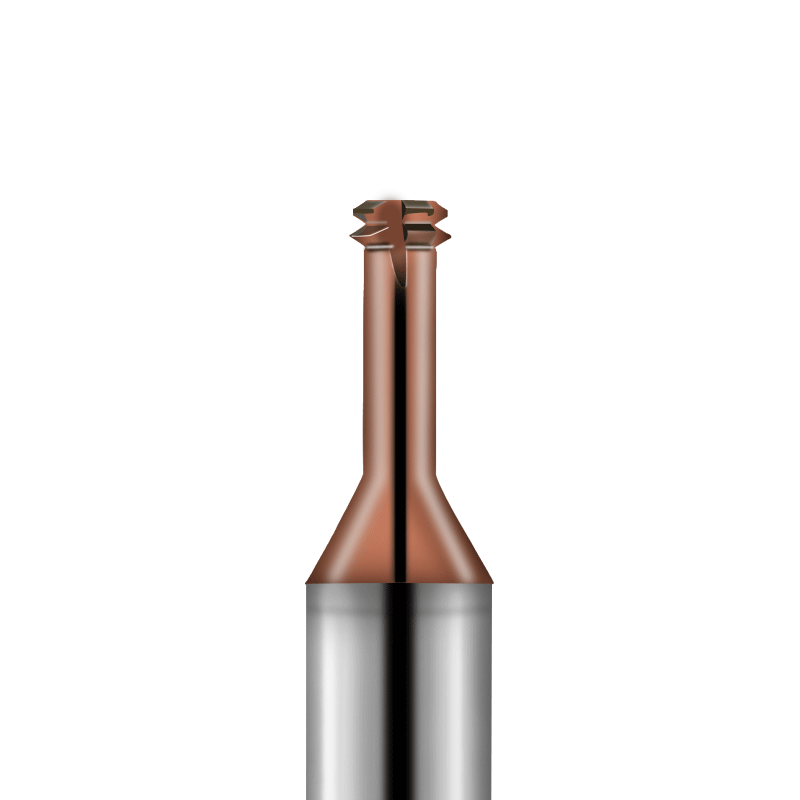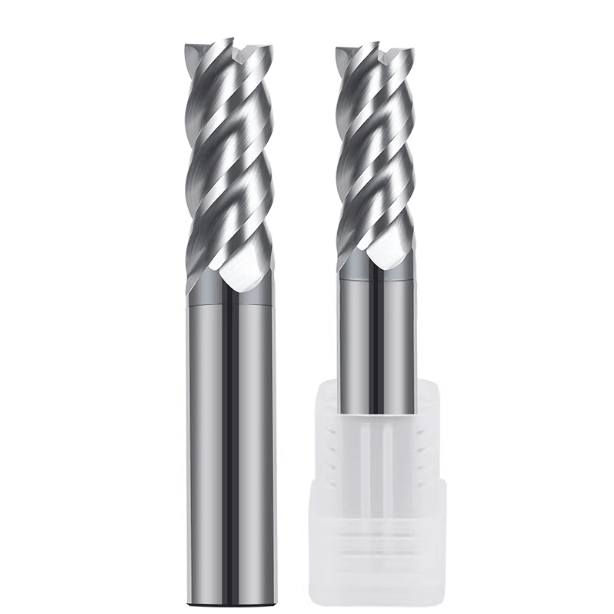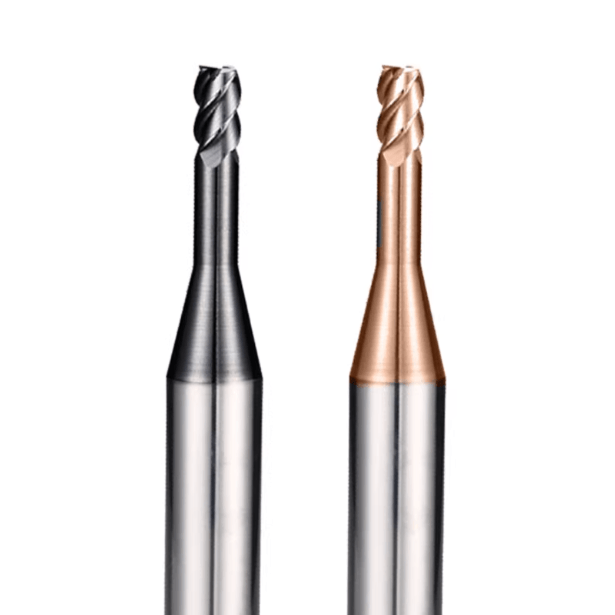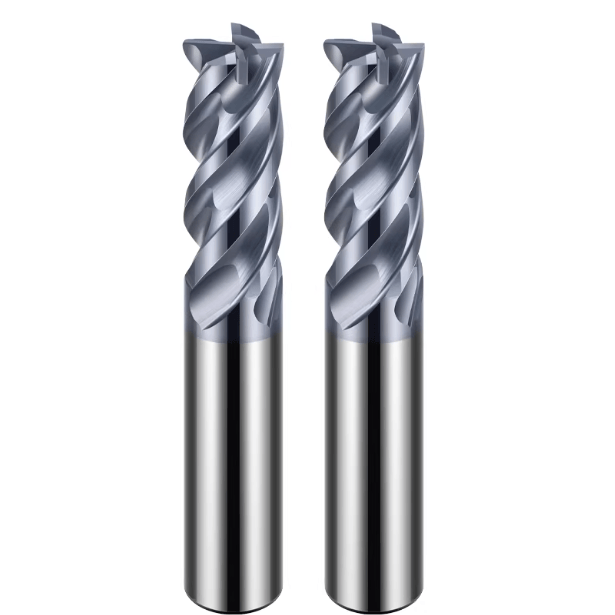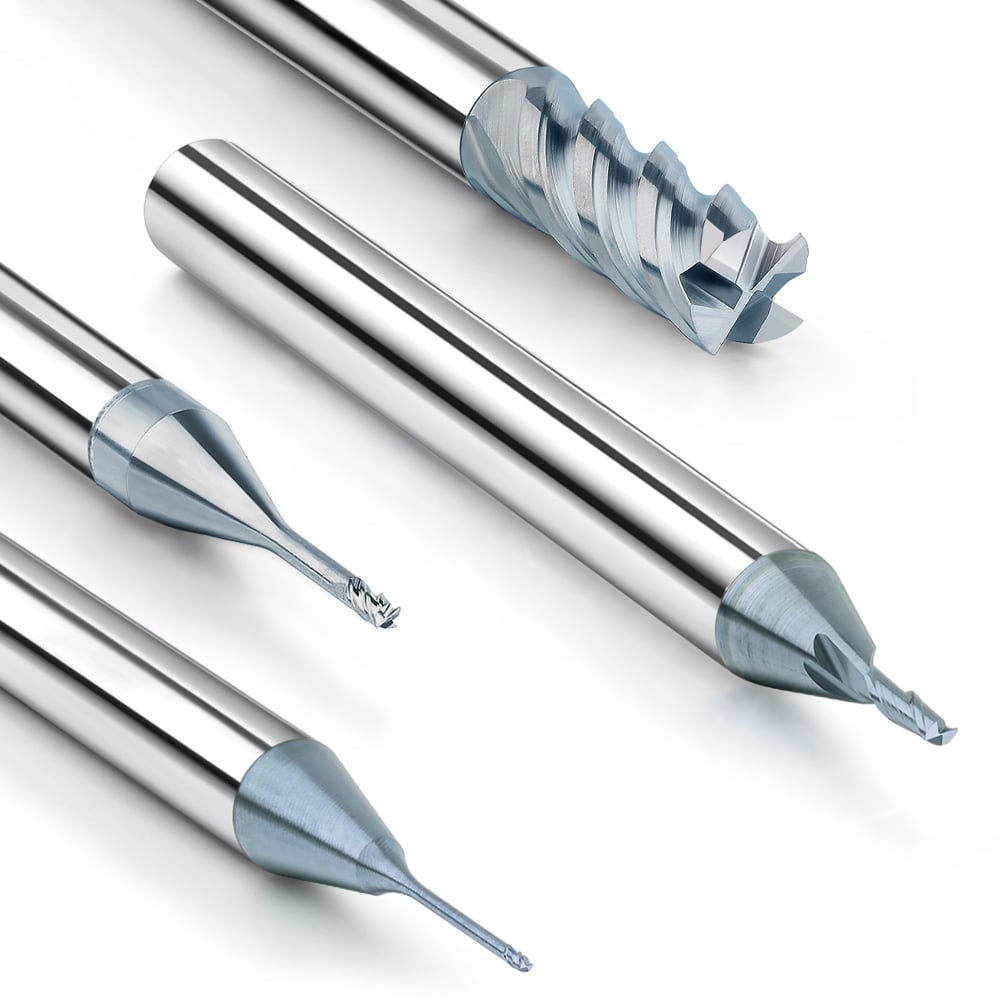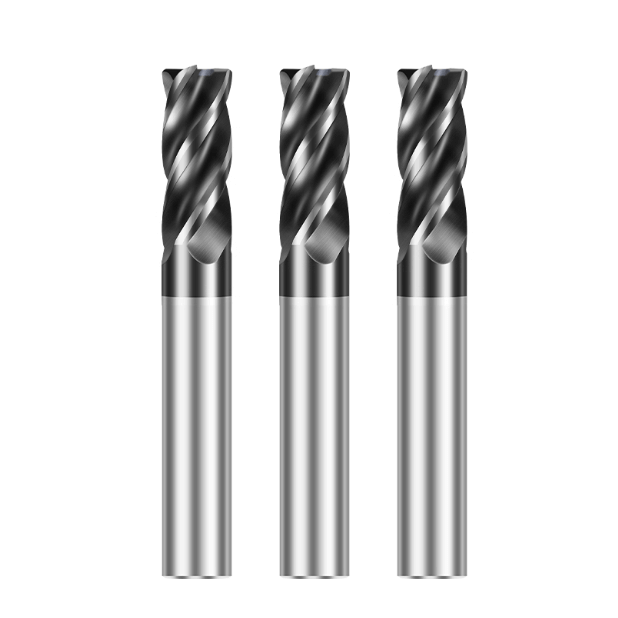
Hard-to-machine materials occupy a crucial position in modern manufacturing. Their high strength, toughness, and heat resistance place significant demands on cutting tools. When working with titanium alloys, heat-resistant superalloys, hardened steel, and high-strength stainless steel, selecting the right types of cutting tools not only influences processing efficiency but also directly determines surface quality and tool life. As metal materials evolve toward higher performance, the strategic combination of different types of metal cutting tools becomes increasingly important, requiring precise matching in tool material, geometry, and coating technology.
In these machining environments, cemented carbide, ceramics, CBN, PCD, and CNC machining cutting tools designed for metal alloys rely on stable performance to deliver dimensional accuracy and thermal control. Facing high temperatures and intense friction, the proper configuration of cutting-edge geometry, chip-flute design, and coating structure becomes essential for ensuring machining stability.
At the same time, milling cutting tools play different roles in roughing and finishing. In applications where cutting forces fluctuate and vibration is common, optimized tool geometry, rigid structures, and material-specific coatings significantly enhance consistency. For manufacturers, choosing reliable cutting tool suppliers for B2B is equally critical. A supplier’s technical expertise, product consistency, and capability to support various hard-to-machine materials directly influence the quality of the overall machining solution.
Overview of Processing Challenges and Tool Requirements for Hard-to-Machine Materials
Machining high-strength metals such as superalloys, hardened steel, and titanium alloys often involves severe challenges, including high cutting forces, intense friction, rapid heat buildup, and tool wear. These conditions increase the risk of edge chipping, deformation, dimensional instability, and shortened tool life. Achieving stable machining requires a comprehensive approach that considers material structure, tool material selection, cutting-edge design, and optimized cutting parameters to maintain consistent tool performance throughout the entire process.
The Combined Influence of Material Hardness, Toughness, and Cutting Heat
Difficult-to-machine metals typically exhibit both high hardness and high toughness. High hardness increases cutting resistance, while high toughness subjects the cutting edge to greater lateral impact. In addition, superalloys generate extremely high temperatures during machining, with limited ability to dissipate heat from the cutting zone. This exposes the tool to continuous thermal stress, especially during high-speed milling, narrow groove machining, and deep-cavity operations. In such conditions, optimized edge geometry, heat-resistant tool materials, and efficient chip evacuation become essential to reducing friction, preventing chip adhesion, and improving cooling efficiency.
The Critical Role of Cutting Tools in Machining
Cutting tools must combine wear resistance, impact resistance, and the ability to withstand chipping and plastic deformation. Tool geometry—including rake angles, edge preparation, and flute design—directly affects cutting smoothness and stability. For example, when machining nickel-based superalloys, tools lacking sufficient hot hardness and anti-adhesion properties deteriorate rapidly, resulting in edge burn-off and dimensional inaccuracy. Using precision tools designed for metal alloys together with effective cooling strategies helps manage heat accumulation and extend tool life.
Performance Requirements for Cutting Tools
Machining high-strength and high-temperature materials demands strict standards for tool hardness, wear resistance, thermal shock resistance, and chemical stability. Multi-layer coatings, nano-coating technologies, and geometry optimized for high-hardness materials significantly enhance tool reliability. In CNC machining cutting tools for metal alloys, chip evacuation capability and vibration resistance are essential for achieving stability during deep-cavity milling, sidewall machining, and heavy-load operations. For high-volume manufacturing, selecting high-performance milling cutting tools and working with experienced industrial tool suppliers is vital to maintaining efficiency and reducing production costs.
Main Types of Cutting Tools Suitable for Difficult-to-Machine Materials
When machining high-hardness, high-toughness, or heat-resistant metals, efficiency and tool life are often severely challenged. Selecting the right cutting tool not only improves cutting stability but also enhances surface quality and reduces production costs. Different metal alloys have varying requirements for cutting conditions. Therefore, understanding the different types of metal cutting tools and choosing the right tool based on material properties is critical for CNC machining of metal alloys. Additionally, proper application of milling cutting tools and sourcing from reliable cutting tool suppliers for B2B ensures production continuity and consistent results.
The following sections focus on four widely used types of tools in difficult-to-machine materials, highlighting their characteristics for practical engineering applications.
Carbide Tools for High-Strength Metals
Carbide tools offer excellent wear resistance and compressive strength, allowing stable cutting of high-hardness steels and titanium alloys. Their superior hot hardness and rigidity maintain cutting edge integrity even during high-speed or deep groove operations. Carbide tools are suitable for various milling and drilling operations and are among the most commonly used tools in CNC machining cutting tools for metal alloys applications.
Ceramic Tools for High-Temperature and High-Speed Cutting
Ceramic tools are ideal for high-speed machining of difficult-to-cut materials like heat-resistant alloys and stainless steel. Their high-temperature resistance and chemical stability significantly reduce tool wear during continuous cutting while providing excellent surface finish. In milling operations, ceramic tools can handle high speeds and cutting loads, making them suitable for long-term batch production. Partnering with experienced cutting tool suppliers for B2B ensures stable supply and efficient machining.
Application Characteristics of CBN/PCD Tools in Difficult-to-Machine Metals
CBN and PCD tools feature ultra-high hardness and are specifically designed for high-hardness steel, cast iron, and non-ferrous alloys. CBN excels in machining hardened and high-speed steels, while PCD is ideal for high-speed precision machining of non-ferrous metals like aluminum and copper alloys. These tools extend tool life, reduce cutting forces, and minimize heat buildup, improving accuracy and making them the preferred choice for high-end CNC machining cutting tools for metal alloys.
Advantages of Coated Cutting Tools in Wear-Resistant Machining
Coated cutting tools significantly reduce wear and cutting heat under continuous or high-friction conditions, enhancing tool life and machining stability. Coatings improve the performance of carbide and high-speed steel tools, particularly for milling and drilling operations involving difficult-to-machine materials. Companies can maintain production efficiency and consistency by sourcing coated cutting tools from high-quality cutting tool suppliers for B2B.
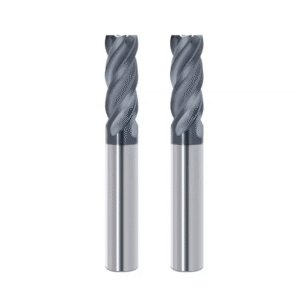
Application Scenarios of Different Types of Metal Cutting Tools in Difficult-to-Machine Materials
Difficult-to-machine metals require tailored cutting strategies to ensure efficiency, tool longevity, and surface quality. For materials like heat-resistant alloys, titanium alloys, and hardened steel, optimizing tool material, coating, geometry, and cutting parameters is essential. Using appropriate CNC machining cutting tools for metal alloys and high-performance milling cutting tools, combined with reliable cutting tool suppliers for B2B, ensures continuous production and precise machining.
Selection of Metal Cutting Tools for High-Temperature Alloys
High-temperature alloys have high strength, toughness, and heat resistance, which can lead to tool wear and heat accumulation during machining. Carbide and coated tools are preferred, as they extend tool life and maintain cutting stability. Optimized tool geometry and coatings reduce cutting forces in milling operations while ensuring surface quality. Companies should prioritize experienced cutting tool suppliers for B2B to ensure tool performance aligns with machining requirements.
Geometric and Material Characteristics of Cutting Tools for Titanium Alloys
Titanium alloys have low thermal conductivity and high strength, resulting in heat accumulation in the cutting zone and increased tool wear. Suitable materials include cemented carbide, CBN/PCD tools, and high-performance coated tools, which maintain edge integrity under high cutting loads. Optimizing rake and relief angles reduces cutting forces and improves chip formation, key elements for different types of metal cutting tools in titanium alloy machining. Proper matching of CNC machining cutting tools for metal alloys and milling cutting tools improves efficiency and accuracy.
Configuration Methods for Different Types of Metal Cutting Tools in Hardened Steel Machining
Hardened steels are prone to rapid tool wear and vibration due to high hardness and toughness. Cemented carbide, coated, and CBN tools are commonly used. Proper tool arrangement, cutting parameter adjustments, and coolant optimization extend tool life and maintain surface quality. Using proven CNC machining cutting tools for metal alloys and tools from reputable cutting tool suppliers for B2B ensures machining stability and production continuity.
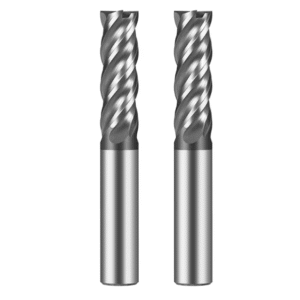
Matching and Optimization Strategies for CNC Machining Cutting Tools for Metal Alloys
Achieving high precision, efficiency, and tool longevity in metal alloy machining requires selecting the right tool material, geometry, and cutting parameters. Tools must be optimized for hardness, toughness, and thermal conductivity through arrangement, coating design, and cutting condition control. High-performance milling cutting tools reduce cutting forces and heat buildup, and collaborating with reliable cutting tool suppliers for B2B ensures stable supply for large-volume production. Optimizing the use of different types of metal cutting tools enhances efficiency while maintaining machining quality.
Principles for Selecting Tool Materials Based on Material Characteristics
Metal alloy hardness, toughness, and chemical properties directly impact tool life and cutting stability. Carbide tools suit high-strength steels, CBN tools fit hardened steels, and PCD excels in high-speed precision machining of aluminum and copper alloys. Coatings like TiAlN and AlTiN enhance wear resistance and heat tolerance. Rational material and coating selection is fundamental for efficient CNC machining cutting tools for metal alloys applications.
The Importance of Chip Evacuation and Tool Flute Geometry in CNC Machining
Tool flute geometry and edge design directly affect cutting stability and surface finish. Optimized flute shapes and cutting edge angles prevent chip clogging, reduce cutting forces and vibrations, especially in high-hardness or high-toughness materials. Proper geometric design combined with high-performance milling cutting tools improves efficiency, reduces wear, and ensures continuous stable machining.
The Impact of Tool Rigidity and Tool Holder System on Cutting Stability
Tool rigidity and holder stability directly influence vibration control and machining accuracy. High-rigidity tools and precision holders reduce vibration, extend tool life, and ensure precise machining of complex surfaces. Matching the right tool holder and clamping method, along with high-quality tools from cutting tool suppliers for B2B, enables high-efficiency, high-precision CNC machining and reliable mass production of difficult-to-machine materials.

Application Solutions for Milling Cutting Tools in Machining Difficult-to-Machine Materials
In milling high-hardness, high-toughness, or heat-resistant metal alloys, tool selection and cutting strategies directly influence production efficiency and machining quality. Different stages of machining—roughing, semi-finishing, and finishing—require targeted tool selection, optimized geometry, coatings, and cutting parameters. Using high-performance milling cutters alongside experienced B2B cutting tool suppliers ensures stable machining, extended tool life, improved surface accuracy, and enhanced production efficiency. Proper tool layout and cutting parameter settings also help mitigate heat accumulation and vibrations during machining of difficult-to-machine materials.
Roughing Milling Cutters: Enhancing Chip Control and Edge Durability
Roughing typically involves high material removal rates and large cutting forces. Chip control and edge durability are crucial. Carbide roughing milling cutters with optimized helix angles and flute designs effectively evacuate chips and reduce vibrations, extending tool life. Selecting appropriate coatings and geometric parameters enables efficient machining of metal alloys with CNC cutting tools while maintaining process stability.
Edge and Coating Optimization for Semi-Finishing and Finishing Cutters
Semi-finishing and finishing operations demand high surface quality and dimensional accuracy. Matching tool edge design, material, and coatings is critical. Optimized rake angles, relief angles, and coating combinations reduce cutting forces, minimize wear, and enhance the performance of specialized cutting tools in machining difficult-to-machine materials. High-quality B2B suppliers provide finishing tools that support complex parts and high-precision processes.
Milling Tool Layout and Parameter Optimization for Heat-Accumulating Materials
For heat-prone materials such as high-temperature alloys and titanium alloys, tool layout and parameter optimization are essential. Adjusting tool spacing, depth of cut, feed rate, and cutting fluid usage can lower temperatures in the cutting zone, minimize wear, and reduce vibrations. Pairing high-performance milling cutters with experienced B2B suppliers ensures stability in continuous operations and improves both surface quality and efficiency.
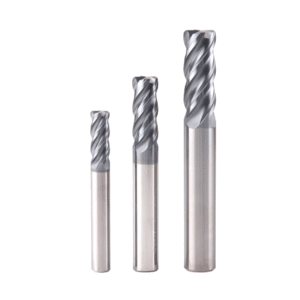
Key Control Points for Cutting Tool Parameters and Machining Quality
Machining high-strength, heat-resistant, or surface-hardened alloys requires precise cutting parameter settings to protect tool life, dimensional stability, and process efficiency. Proper combinations reduce chipping, built-up edge formation, and maintain surface integrity under complex conditions. Advances in spindle performance, clamping systems, and tool structures make optimizing cutting speed, feed rate, and depth of cut critical for productivity. A repeatable, quantifiable machining strategy should consider thermal load, cutting force, and chip formation for each tool type.
Rational Combination of Cutting Speed, Feed Rate, and Depth of Cut
Cutting speed controls heat at the tool tip and affects wear. High-temperature alloys, titanium alloys, and hardened steels require controlled linear speeds within safe limits. Feed rate determines chip thickness and tool load; excessive feed on hard materials can cause micro-cracks or edge chipping. Depth of cut influences overall cutting force and should be staged according to tool type and machining stage. For example, roughing uses deeper cuts for higher material removal, while finishing requires stable, precise tool paths. Coordinated adjustment of these three factors ensures improved surface quality and consistency on complex materials.
Impact of Cooling and Lubrication on Tool Life
Excess heat at the tool rake face accelerates wear of carbide, coated, or high-speed steel tools. For high-temperature-prone materials such as stainless steel and heat-resistant alloys, high-pressure internal cooling improves chip evacuation and reduces thermal load. For thermally sensitive tools, oil mist or minimum quantity lubrication (MQL) can reduce thermal shock and maintain stable friction. Proper cooling and lubrication strategies extend tool life and improve surface finish.
Machine Tool Rigidity and Stability Enhance Cutting Tool Performance
Machine tool rigidity affects vibration during cutting. Even slight vibrations can cause surface waviness, dimensional errors, or tool breakage. Optimizing spindle rigidity, tool holder clamping (heat shrink, hydraulic, or high-force holders), and minimizing tool overhang is critical. High-rigidity setups maintain stable cutting paths for multi-flute milling cutters, end mills, or form tools, allowing tool geometry and coatings to perform fully. Adjusting overhang, clamping force, and damping mitigates regenerative vibration, improving efficiency and process continuity.
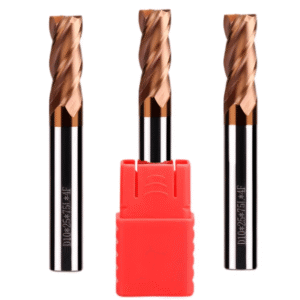
Evaluating Cutting Tool Suppliers for B2B Manufacturing
For manufacturers handling diverse materials, high-speed operations, and growing production schedules, cutting tool supply quality impacts line stability, efficiency, and costs. Selecting the right B2B suppliers requires evaluating product performance, process consistency, delivery capabilities, and technical service. In industries like new energy vehicles, aerospace, and medical device precision machining, supplier evaluation should consider workpiece materials, cutting scenarios, and equipment capabilities to ensure a robust supply chain.
Material and Process Consistency of Suppliers
Top-tier suppliers provide stable base materials, reliable coatings, and precise geometric control. For example, carbide powder purity and sintering processes directly affect heat resistance and edge durability. Coating repeatability and adhesion impact performance on high-strength or heat-resistant alloys. Evaluating wear curves, cutting life variance, and factory quality systems alongside large-scale production performance ensures a comprehensive assessment.
Industry-Specific Tool Stability Requirements
In new energy vehicles, high-silicon aluminum alloys, motor housings, and high-strength steels demand edge integrity and chip evacuation. Aerospace machining of titanium alloys, nickel-based alloys, and composites emphasizes wear resistance and edge strength under high temperatures. Suppliers should offer tailored tool structures such as high-helix flutes, high-hardness substrates, heat-resistant coatings, and precision edge reinforcement. Evaluation should focus on long-term stability in continuous, high-speed, multi-process operations.
Delivery, Batch Quality, and After-Sales Support in B2B
Large manufacturers rely on suppliers to maintain consistent batch quality and fast delivery. Evaluate inventory systems, order processing, logistics, and customization capabilities. Batch consistency can be measured via tool life variance, dimensional accuracy, and early failure rates under high-load machining. Reliable after-sales support, including technical guidance, failure analysis, process optimization, and long-term collaboration, helps manufacturers improve efficiency and reduce costs.
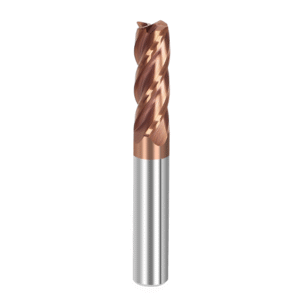
Practical Case Studies in Machining Difficult-to-Machine Materials
Machining difficult alloys often exceeds theoretical requirements. Materials vary in thermal deformation, work hardening, chip evacuation, and edge load. Integrating material properties, flute geometry, coating durability, tool rigidity, and cooling methods ensures balanced efficiency and tool life. Multi-industry applications demand consistent batch quality and supplier reliability.
Tooling Configurations for Titanium Alloy Aerospace Components
Titanium alloys accumulate heat due to low thermal conductivity and work hardening. Solutions include high-strength substrates, reinforced edge geometry, and heat-resistant coatings. Roughing employs high-helix cutters and controlled tool overhang for stable cutting. Semi-finishing and finishing use micro-chamfered edges and anti-adhesion surface treatments. Optimized feed paths and cooling improve durability and consistency in deep-cut aerospace components.
Milling Solutions for Heat-Resistant Alloys in Energy Applications
Heat-resistant alloys used in turbines and pressure vessels require high-hardness substrates, wear-resistant coatings, and effective chip evacuation grooves. Machining strategies use small cut widths with high feed rates to reduce local heat. Cutting edge reinforcement improves resistance to chipping, maintaining stable performance in long-term cutting operations.
Combined Tool Application for Hardened Steel Finishing
High-precision hardened steel machining demands strong edge integrity, dimensional control, and consistent surfaces. Roughing uses robust edge tools for impact resistance, followed by ultra-fine finishing cutters for contouring. High-rigidity setups and precise tool holder clamping minimize micro-vibrations. Strategies include light depth of cut, high cutting speed, and targeted coolant application to ensure consistent m