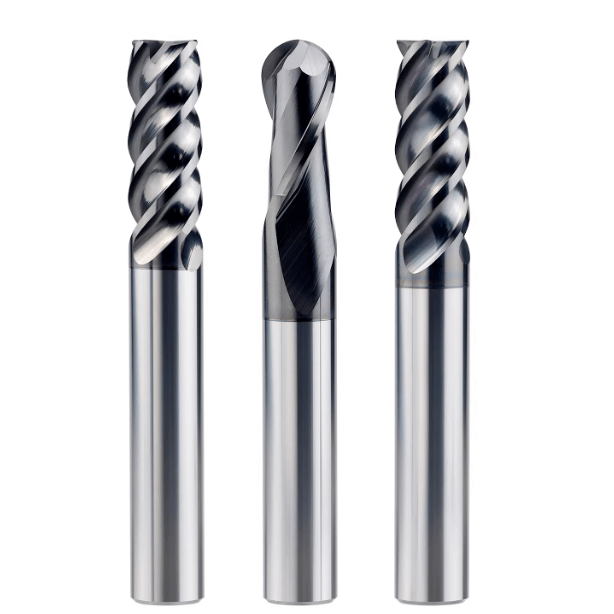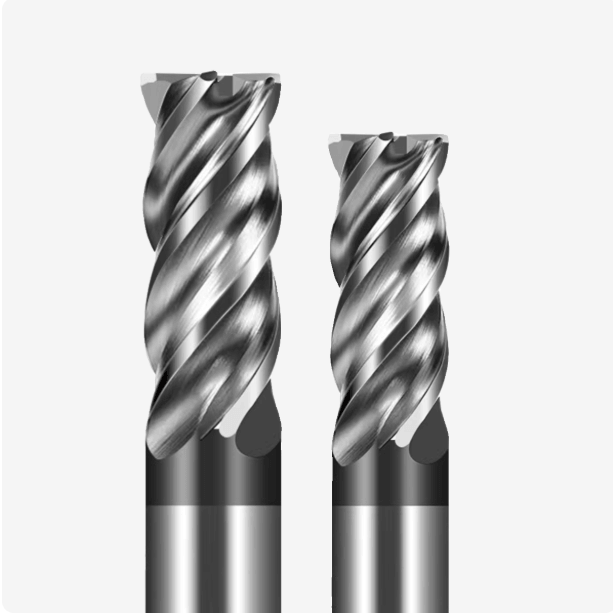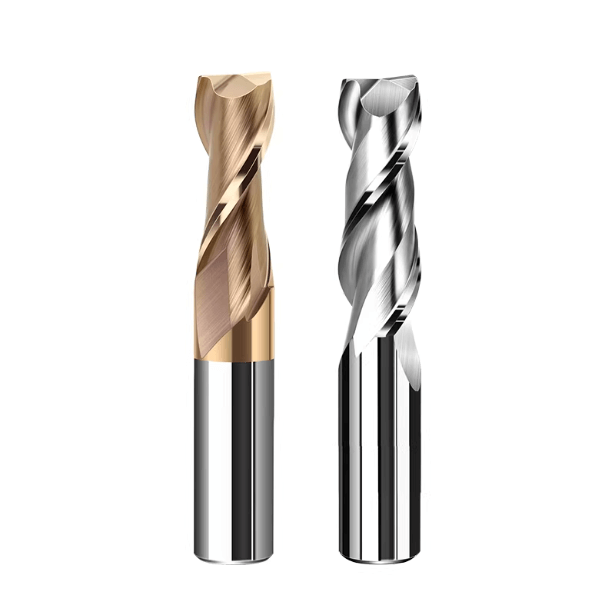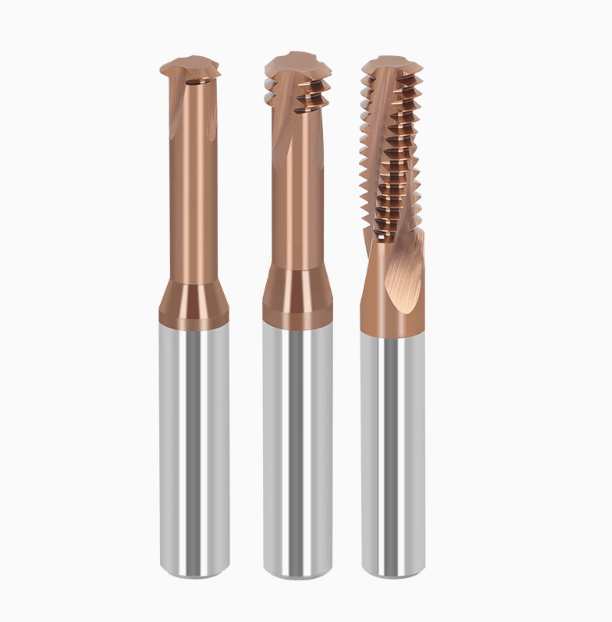
Thread milling is an essential part of modern mechanical manufacturing. Among the various thread machining methods, thread milling stands out for its flexibility and high precision. It delivers stable machining results across different materials and thread sizes while reducing the risk of tool breakage and scrap rates. Whether machining standard metric threads or complex internal thread structures, selecting the appropriate thread mill cutter can significantly improve machining efficiency and thread accuracy.
Carbide thread mills are widely used due to their high hardness and wear resistance. They are especially effective when machining hardened steel or high-strength alloys. For high-hardness workpieces, a thread mill for hardened steel maintains thread integrity and dimensional stability while extending tool life. Metric thread mills, on the other hand, offer standardized machining paths and precise pitch control for different thread specifications, ensuring repeatable results across multiple batches.
Choosing a reliable thread mill supplier is equally important. A quality supplier provides a wide range of tool types and can recommend suitable materials, coatings, and machining parameters based on specific workpiece conditions. By considering tool geometry, material properties, and supplier capabilities, thread milling achieves high-precision, efficient, and low-risk threading solutions for a variety of complex machining scenarios.

The Core Role of Thread Mills in CNC Thread Machining
Thread milling plays a critical role in CNC thread machining. It can efficiently machine both internal and external threads across various materials, from stainless steel and alloy steel to hardened steel, covering nearly all industrial applications. By selecting the right thread mill cutter, manufacturers can achieve high repeatability and consistency, reducing the likelihood of tool breakage during machining. Carbide thread mills, with their rigidity and wear resistance, maintain stable performance under high-speed conditions, ensuring thread accuracy and surface quality.
Thread mills also provide exceptional flexibility on CNC machines. Adjusting the machining path and cutting parameters allows high-precision threading at different hole diameters and pitches without changing tools. Metric thread mills can be efficiently used for standardized threads, while special thread mills for hardened steel handle complex or high-strength parts. Reliable thread mill suppliers support this versatility by offering multiple tool types and coatings to ensure consistent machining quality for both small-batch and mass-production operations.
Application Logic of Thread Mills in Internal Thread Machining
In internal thread machining, thread mills gradually cut along the hole wall using a helical interpolation path. This step-by-step approach reduces cutting load and tool stress, unlike traditional tapping, which forms the thread in a single pass. For deep holes or small-diameter threads, thread mills for hardened steel prevent tool deflection, enhance machining stability, and maintain thread dimensions within tolerance.
Optimizing tool geometry and cutting parameters is equally critical. Using carbide thread mills suited to the material, and adjusting feed rates and spindle speed, reduces burr formation and thread surface roughness. This layered cutting logic improves efficiency while lowering scrap and rework rates, providing reliable results for high-precision components.
Machining Advantages Compared to Traditional Tapping
Thread milling gradually forms the thread along a helical trajectory rather than cutting the entire thread at once. This reduces the risk of tool breakage and machining damage. For high-hardness materials or small holes, thread mills enable smoother cutting, extending tool life and preserving machining quality. Carbide thread mills maintain stable cutting under high loads, enhancing this advantage.
Additionally, thread mills offer superior thread consistency and repeatability. The controllable machining path ensures each thread precisely matches design specifications, minimizing dimensional deviation and tolerance accumulation. Metric thread mills further guarantee consistency across batches, reducing setup adjustments and rework during production.
Impact on Thread Accuracy and Consistency
Thread milling enhances thread dimensional accuracy and surface finish. Precise control of tool paths and cutting depth avoids deviations in root diameter and lead, ensuring proper assembly fit. For hardened steel, thread mills for hardened steel extend tool life and reduce thermal deformation, maintaining accuracy during high-speed machining.
Thread milling also excels in repetitive operations. Each thread forms along a controlled interpolation trajectory, avoiding fluctuations from tool wear or material spring-back seen in traditional tapping. Combined with high-quality tools from trusted thread mill suppliers, manufacturers achieve stable, repeatable results suitable for high-end or complex components.

Structural Characteristics and Cutting Methods of Thread Mill Cutters
The design of thread mill cutters directly impacts machining efficiency and thread accuracy. Modern cutters typically use high-strength alloy or carbide materials, with optimized geometry and coatings to provide high wear resistance and stable cutting performance. The number of cutting edges, helix angle, and flute design affect cutting force distribution. These factors determine vibration levels and the quality of the thread surface. Selecting the right thread mill cutter ensures machining stability across different hole diameters and thread pitches while reducing heat buildup and tool wear.
Thread mill cutters offer significant flexibility in cutting methods. Unlike single-pass cutting, the tool gradually removes material along a helical trajectory. This layered approach reduces machining load, extends tool life, and improves thread quality. For metric thread mills or high-hardness workpieces, adjusting cutting parameters and tool rotation direction further enhances thread accuracy and consistency, while minimizing burrs and spring-back, providing reliable results for complex part machining.
Geometric Structure Design of Thread Mill Cutters
Tool geometry is a key factor in achieving accurate thread machining. Blade shape, helix angle, and flute depth directly influence cutting force distribution and chip evacuation. Carbide thread mills with high-rigidity geometry maintain stability at high speeds, reducing vibrations and deviations, which improves thread dimensional consistency and surface finish.
In addition, geometric design affects tool adaptability to various materials. For hardened steel or stainless steel, optimizing tip angles and tooth profiles reduces cutting resistance and enhances chip evacuation, preventing heat accumulation. Proper geometry not only extends tool life but also reduces scrap rates and rework costs in production.
Application Differences Between Single-Tooth and Multi-Tooth Thread Mill Cutters
Single-tooth and multi-tooth thread mills differ significantly in machining applications. Single-tooth cutters offer better stability in high-hardness or deep-hole machining. Each pass removes less material, reducing tool deflection and vibration, which is ideal for small-hole internal threads or high-precision components.
Multi-tooth thread mills are better suited for mass production and large-diameter threads. The increased number of cutting edges per pass improves efficiency but requires higher tool rigidity and machine stability. When combined with carbide construction, multi-tooth cutters maintain high precision while increasing production efficiency, making them particularly suitable for metric thread milling and large-volume operations.
The Impact of Thread Mill Cutters on Machining Stability
Machining stability is critical for thread consistency and tool longevity. Cutter material, geometry, and coating directly influence force distribution and vibration control. Using high-rigidity carbide thread mills with optimized cutting parameters reduces deflection and vibration, ensuring consistent thread root diameter and pitch.
Furthermore, the tool’s cutting method and tooth count affect stability. Layered helical cutting reduces instantaneous load, while selecting single-tooth or multi-tooth designs defines force patterns. By optimizing cutter combinations, stable performance can be maintained when machining deep holes, hardened steel, or small-diameter threads, reducing defects and improving efficiency and part acceptance rates.

The Importance of Carbide Thread Mills in Modern Machining
With the growing demand for high-precision thread machining, solid carbide thread mills have become the standard choice. These cutters provide superior rigidity, heat resistance, and dimensional stability, maintaining stable cutting under complex conditions. Whether machining standard metric threads or high-quality internal threads, carbide thread mills enhance machining reliability and performance.
Carbide thread mills are ideal for both single-piece high-precision machining and multi-variety, small-batch, or automated production. Optimized geometry and cutting parameters allow stable operation at higher linear speeds, minimizing dimensional fluctuations caused by tool wear. For companies relying on a stable supply chain, choosing a reputable thread mill supplier ensures consistent tool quality and machining results.
Performance in High-Hardness Materials
When machining hardened steel or mold steel, cutting stability and edge retention are critical. Thread mills for hardened steel, made of solid carbide, maintain sharp edges under high-hardness conditions, reducing vibration and heat buildup. This provides a clear advantage for internal threads in materials HRC 45 and above.
Combined with appropriate coatings, carbide thread mills allow smooth cutting at high speeds and low feeds. Compared to traditional machining, this improves control of deep-hole or small-diameter threads, preventing thread profile collapse and dimensional deviations while enhancing assembly reliability.
Wear Resistance and Tool Life Advantages
Carbide thread mills resist edge blunting and irregular wear during prolonged cutting due to their dense and hard material. This consistent wear pattern maintains thread dimensional stability, making them ideal for tasks with strict tolerances. Extending tool life reduces tool changes and machine downtime, lowering per-piece costs and improving overall production efficiency.
Selecting the correct cutter size and adjusting parameters based on material further extends tool life, reduces scrap, and optimizes manufacturing workflow, especially for high-precision or high-volume operations.
Efficiency Advantages in Mass Production
In mass production, cycle time and stability are often more important than single-pass speed. Carbide thread mills maintain consistent thread quality during continuous operations, avoiding dimensional deviations caused by tool performance fluctuations. This is particularly important for metric thread milling with standardized specifications.
In automated production lines or multi-station machining centers, carbide thread mills facilitate parameter replication and process standardization. Partnering with a reliable thread mill supplier ensures consistent results across shifts and equipment, improving overall yield and delivery reliability.

Applications of Metric Thread Mills in Metric Thread Machining
In metric thread machining, thread milling significantly improves processing flexibility and control. By selecting the right thread mill specifications, stable cutting can be achieved across different diameters and pitch conditions, avoiding processing risks caused by variations in workpiece materials or hole depths. Compared to fixed-specification machining methods, this approach is especially advantageous in multi-variety, small-batch production, enabling a wide range of thread sizes without frequent tool changes.
Metric threads require high consistency in pitch and dimensional accuracy. Using a helical interpolation-based machining method simplifies control of the thread forming process. With an appropriately selected thread mill cutter and stable machine tool performance, consistent machining results can be achieved on steel, stainless steel, and even hardened steel. Choosing a thread mill supplier with a mature product system ensures reliable machining outcomes across different batches.
Adaptation of Metric Thread Mills to Different Pitch Specifications
Different pitch specifications require adjustments in tool trajectory and cutting parameters. Metric thread mills, using helical interpolation control, can flexibly coordinate axial feed with circular motion to adapt to fine-pitch or coarse-pitch thread machining. This allows a single tool to cover multiple pitch specifications, improving process versatility and reducing tool inventory.
For internal threads with smaller pitches, precise feed control ensures a clear thread profile and stable root diameter. For larger pitches, cutting stability and chip removal capacity become more critical. Carbide thread mills maintain high rigidity, providing stable cutting under varying pitch conditions while reducing thread surface defects and dimensional fluctuations.
Machining Path Characteristics of Metric Thread Mills in CNC Programming
In CNC programming, metric thread milling relies on helical interpolation trajectories to gradually form the thread profile. Synchronized radial and axial movements accurately generate the thread lead and tooth profile. This controllable path allows programmers to adjust cutting strategies based on material characteristics and hole depth, making it suitable for complex parts or high-precision tasks.
For hardened steel applications, proper machining path planning reduces instantaneous cutting load, minimizes vibration, and prevents heat concentration. Adjusting program parameters allows different thread sizes and tolerance grades to be machined without changing tools, enhancing productivity and consistency in long-term production.
Advantages of Metric Thread Mills in Dimensional Tolerance Control
Dimensional tolerance control is critical in metric thread machining. Thread milling removes material layer by layer, providing precise control over thread pitch diameter and lead. Compared to single-pass forming, this method allows correction of minor deviations and ensures higher-quality assembly.
This advantage is particularly evident in mass production. Even with normal tool wear, fine-tuning machining parameters maintains results within tolerance. Combined with high-performance thread mill cutters and experienced thread mill suppliers, consistent thread quality is achieved over long production runs, reducing rework and improving overall efficiency.
Machining Key Points of Thread Mills for Hardened Steel
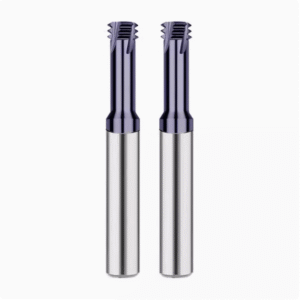
Machining hardened steel requires careful selection and optimization of thread milling processes. Thread mills for hardened steel, typically carbide with high-rigidity and wear-resistant coatings, maintain a sharp cutting edge and stable cutting under low-vibration conditions, ensuring dimensional accuracy and surface finish.
Machine tool rigidity, optimized cutting paths, feed rates, and cutting depths are also essential. Properly balancing these factors reduces tool force fluctuations and thermal deformation, maintaining thread profile accuracy. Working with high-performance tools from reputable thread mill suppliers ensures high precision, consistency, and machining stability in both small-batch and mass production.
Requirements for Tool Materials of Thread Mills for Hardened Steel
Hardened steel requires tools with exceptional strength and wear resistance. Carbide thread mills are preferred for their high hardness and thermal stability, maintaining sharp edges at high cutting speeds while minimizing edge chipping. Coatings such as TiAlN or AlTiN further enhance wear and heat resistance for long-term stability.
Tool geometry is equally important. Optimizing cutting edge angles, helix angles, and flute depth improves chip evacuation, reduces cutting forces, and maintains thread root diameter and pitch consistency, ensuring high-precision assembly compatibility.
Cutting Parameter Selection for Thread Mills for Hardened Steel
Cutting parameters are critical for machining stability and tool life. Radial cutting depth should be reduced, and axial feed rates controlled to minimize instantaneous load and vibration. Spindle speed can be increased appropriately for smoother cutting, considering machine and tool rigidity.
Parameter optimization varies with thread diameter and pitch. Supplier recommendations and empirical data help determine the ideal combination, improving efficiency, reducing tool wear, and ensuring consistent thread quality across production.
Common Machining Problems and Solutions for Thread Mills for Hardened Steel
Common issues include tool deflection, thread burrs, unstable root diameter, and vibration. Deep-hole or small-diameter threads are prone to deflection, mitigated by high-rigidity carbide thread mills and reduced radial depth. Burrs relate to cutting sequence and geometry, resolved through optimized cutting edge angles.
Vibration and heat accumulation can cause dimensional deviations and rough surfaces. Layered cutting strategies, optimized feed and spindle speeds, and high-performance coated tools reduce these effects, enhancing thread accuracy, surface quality, and tool life, while improving production efficiency and yield.
Thread Mill Machining Adaptability in Different Materials
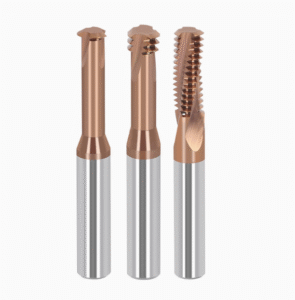
Thread milling performance varies significantly across different materials. Different materials have distinct cutting characteristics, and machining strategies must be adapted accordingly. By selecting the appropriate thread mill cutter and adjusting cutting parameters, high-precision machining can be achieved on stainless steel, alloy steel, tool steel, and non-ferrous metals. Carbide thread mills maintain stable cutting performance across these materials due to their high rigidity and wear resistance, reducing burrs, root diameter deviations, and tool wear during thread machining.
For practical production, material-specific strategies are essential. Hardened steel may require reduced radial cutting depth and slower feed rates to minimize tool load, while non-ferrous metals benefit from optimized cutting speed to prevent tool sticking and surface scratches. Collaborating with experienced thread mill suppliers helps maintain consistent thread accuracy and production efficiency across varying material conditions, ensuring stable machining in diverse applications.
Cutting Characteristics of Thread Mills in Stainless Steel Machining
Stainless steel is highly tough, work-hardening, and corrosion-resistant, which demands careful thread milling. Carbide thread mills reduce cutting forces and heat buildup, preventing burrs and root diameter expansion, while maintaining a smooth thread surface. Adjusting spindle speed and feed rate balances tool life with machining efficiency.
Additionally, stainless steel machining is prone to cutting adhesion. Selecting a thread mill cutter with optimized geometry, including proper cutting edge angles and helix groove design, improves chip evacuation and enhances cutting stability. This ensures dimensional consistency and repeatability for high-precision assembly production.
Application Performance of Thread Mills in Alloy Steel and Tool Steel
Alloy and tool steels are hard, tough, and wear-resistant, which can accelerate tool wear and thermal deformation during machining. Carbide thread mills combined with optimized cutting strategies distribute cutting forces effectively, reduce tool deflection and vibration, and maintain stable thread root diameter and pitch. High wear-resistant coatings extend tool life and reduce downtime for tool changes.
Layered cutting and careful feed rate control are crucial. Proper interpolation path planning reduces instantaneous cutting forces while maintaining efficiency, preventing thread collapse or tool damage. This ensures consistent machining quality and thread accuracy, even in mass production of mold steel parts.
Machining Stability of Thread Mills in Non-Ferrous Metals
Non-ferrous metals like aluminum and copper are soft and prone to adhesion. Thread mills excel in these materials due to controllable cutting and high flexibility. Selecting cutters with suitable geometry improves chip evacuation, reduces adhesion and surface scratches, and maintains thread accuracy.
High-speed machining of non-ferrous metals requires careful adjustment of cutting speed and feed rate. Combined with carbide thread mills’ rigidity, this prevents vibration and chatter. Optimizing the machining path ensures high-precision, stable machining on small holes and complex threads, delivering repeatable dimensions and high yield rates in mass production.
Key CNC Control Points in Thread Mill Machining
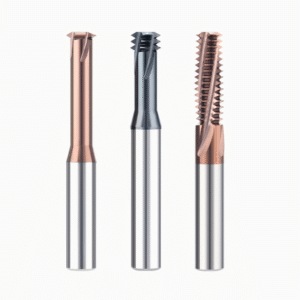
CNC control strategies critically affect thread accuracy and machining efficiency. Precisely adjusting feed, spindle speed, and tool motion creates a high-precision, low-vibration environment. Using carbide thread mills with appropriate cutters maintains stable cutting under varying material and pitch conditions, avoiding thread root deviations, burrs, and premature tool wear, while improving yield and consistency.
Machine rigidity, fixture design, and program optimization are equally important. Properly planning helical interpolation paths and cutting parameters reduces instantaneous cutting loads and ensures stable machining in deep or small-diameter holes. High-performance tools from reputable thread mill suppliers, combined with CNC parameter optimization, guarantee quality threads in hardened steel parts and mass production.
Matching Feed Method and Spindle Speed for Thread Mills
Correctly matching feed and spindle speed is essential for stability and thread accuracy. Precise calculation of cutting speed and helical feed rate ensures uniform load distribution across carbide thread mills, reducing vibration and deflection. Hardened steel may require reduced radial depth and increased spindle speed for smooth, stable cutting.
Adjustments depend on hole diameter and thread pitch. Smaller threads benefit from lower feed rates to prevent deflection, while coarse or large-diameter threads allow increased feed for efficiency. This strategy extends tool life, reduces scrap, and maintains consistent thread dimensions.
Helical Interpolation Path Control of Thread Mills
Helical interpolation is the core method in thread milling. Synchronous radial and axial movements gradually form the thread profile along the hole wall, avoiding overload and tool damage from single-pass cutting. For metric thread mills or hardened steel parts, carefully designing the helical path reduces tool stress, improves chip evacuation, and maintains thread root diameter and lead accuracy.
Optimized paths minimize vibration and heat accumulation, critical for complex, deep, or small-diameter threads. CNC programs controlling interpolation trajectories, combined with high-performance carbide tools, ensure repeatable, high-precision machining, reducing rework and defects.
Clamping and Tool Setting Essentials for Thread Mills in Machining Centers
Clamping and tool setting are vital for machining accuracy. Tools must maintain high rigidity and concentricity to avoid eccentricity or vibration. Selecting appropriate fixtures ensures cutter stability, especially in deep holes or small-diameter threads.
Tool setting precision directly affects thread consistency. High-precision measurement tools, combined with program compensation, correct minor deviations. Carbide thread mills’ wear resistance allows long-term, stable machining, improving production efficiency and part quality.

The Impact of Thread Mill Suppliers on Machining Quality
The capabilities of a thread mill supplier directly influence machining stability and product consistency. High-quality suppliers provide tools with stable materials, precise geometry, and consistent dimensional tolerances, ensuring cutting edge accuracy across batches. This reduces defects, scrap, and rework, particularly in mass production or high-precision parts machining. A reliable supply chain supports continuous production and maintains tool performance.
Furthermore, a supplier’s technical support and product portfolio affect overall machining efficiency and process optimization. By evaluating tool materials, coatings, and geometric characteristics, the most suitable thread mill cutter can be selected for different materials and thread specifications. Choosing an experienced supplier with standardized products ensures high-precision, low-risk thread machining across various working conditions, offering reliable long-term production assurance.
Manufacturing Precision and Consistency of Thread Mill Suppliers
Tool manufacturing precision is crucial for repeatable thread machining. High-precision thread mill cutters maintain consistent thread root diameter and pitch, avoiding deviations caused by tool variations. For metric threads or deep-hole threads, using consistent tools reduces scrap and improves production efficiency.
Consistency also depends on tolerance control between batches. Quality suppliers monitor cutting edge geometry, tool body diameter, and coating thickness for every production batch. This guarantees stable machining quality in long-term operations, which is essential for high-precision parts, hardened steel, or large-scale production.
Differences in Tool Materials and Coatings among Thread Mill Suppliers
Tool material and surface coating are critical to machining performance. Carbide thread mills differ between suppliers in wear resistance, thermal stability, and chipping resistance, directly affecting tool life and thread surface quality. Optimized coatings and high-density materials maintain stable cutting, even in high-hardness steel or high-speed operations.
Geometric design and coating combinations also impact results. Tools with TiAlN or AlTiN coatings retain sharp edges at elevated temperatures, reducing burrs and adhesion. Evaluating these characteristics allows selecting the best tool combination for specific materials and machining conditions.
Thread Mill Supplier’s Guarantee of Delivery Time and Batch Consistency
Reliable delivery and inventory management are critical for uninterrupted production. Trusted suppliers provide timely delivery and batch consistency, avoiding stoppages due to shortages or specification mismatches. In multi-product or mass production, this ensures stable machining cycles and thread quality.
Supplier inventory and customization capabilities meet special or non-standard thread machining needs. Combined with high-performance thread mill cutters, companies can maintain precision and stability across different tasks, reduce waiting and adjustment times, and improve overall production efficiency and product yield.

The Role of Thread Mills in Reducing Machining Risks
Thread milling carries inherent risks in high-precision and high-value parts machining, such as tool breakage, thread deviations, or surface defects. Using high-performance thread mill cutters significantly reduces these risks. Layered cutting and helical interpolation evenly distribute cutting loads, minimizing instantaneous stress on both the tool and the workpiece. This approach ensures consistent thread root diameter, lead accuracy, and repeatable thread machining.
Furthermore, combining carbide thread mills with optimized CNC control strategies maintains machining stability across various materials. For complex scenarios—including hardened steel, alloy steel, or internal threads in small holes—selecting the proper tool diameter, number of teeth, and cutting parameters reduces vibration and thermal deformation. This combination provides a controlled, low-risk solution for high-precision parts machining.
Machining Principles of Thread Mills to Reduce Tool Breakage Risk
To reduce tool breakage, thread mills remove material layer by layer instead of forming the thread in a single pass. This distributes cutting forces evenly across the tool, decreasing the risk of edge chipping or tool failure. When using carbide thread mills or specialized hardened-steel thread mills, the high-rigidity tool body and optimized geometric design withstand the instantaneous stresses generated during machining of high-hardness materials.
Additionally, helical interpolation paths regulate tool stress in varying hole diameters or deep holes. By distributing cutting loads, peak tool stress is reduced. This method is particularly effective for deep-hole threads, small-diameter threads, and hardened parts, protecting tool life while ensuring accuracy and stability of the thread root diameter and lead.
Safety Advantages of Thread Mills in High-Value Parts
In machining high-value or complex components, tool breakage or errors can lead to scrapping the entire part, causing significant financial loss. High-performance thread mill cutters minimize the risk of tool failure and machining defects while maintaining thread accuracy. Layered cutting and rigid tool design reduce vibration and cutting impact, improving overall machining safety.
A stable cutting process also protects part surfaces and structural integrity. Combined with CNC program optimization and carbide thread mills, consistent finished product quality is maintained in deep-hole threading and hardened steel parts machining. This approach ensures repeatability, reliability, and reduced economic loss in high-value parts production.
The Practical Value of Thread Mills in Reducing Scrap Rate
Thread milling with controlled cutting and high-precision tools significantly lowers scrap rates. Proper selection of thread mill cutter, tooth count, and cutting parameters ensures each operation remains within the tool’s capacity. This reduces defects from overload, vibration, or burr formation, improving yield rates.
This stability is essential for mass production and high-precision parts machining. When combined with high-performance carbide thread mills and a reliable thread mill supplier, companies can maintain dimensional consistency and surface quality across various materials and thread sizes. The result is reduced rework, minimized scrap costs, and improved production efficiency and economic benefit.

How to Choose the Right Thread Mill Based on Actual Working Conditions
Selecting the correct thread mill is critical for machining efficiency, thread accuracy, and part quality. By considering material type, thread specifications, and supplier capabilities, a stable, low-risk machining solution can be achieved. Carbide or hardened-steel thread mills maintain machining consistency across varying hardness and material conditions while reducing tool wear and breakage risk.
Additional factors such as machine rigidity, production environment, and batch size also influence tool selection. Evaluating CNC programs, feed rates, and helical interpolation paths, combined with reliable tool specifications and supplier support, ensures consistent thread root diameter, pitch, and surface quality. This approach enables high efficiency, precision, and low scrap rates in machining high-value or complex workpieces.
Selecting Thread Mill Cutters Based on Material Type
Material type dictates tool material, geometry, and coating choice. Stainless steel and alloy steel require high wear resistance and thermal stability. Carbide thread mills or cutters with optimized coatings should be prioritized to maintain thread accuracy and machining stability. Hardened steel requires specialized thread mills to reduce cutting loads and tool wear.
For soft non-ferrous metals, sticking or surface scratching is a concern. Tools with sharp edges and optimized geometric structures should be selected, and cutting speed and feed rate adjusted appropriately. Optimized tool selection for each material improves tool life, production efficiency, and machining quality.
Selecting Metric Thread Mills or Other Models Based on Thread Specifications
Thread specifications determine tool diameter, tooth count, and helical interpolation path. Metric thread mills ensure consistent pitch and lead for standard threads and simplify CNC programming. Non-standard threads require selecting the appropriate model based on pitch, hole diameter, and thread depth for high-precision, low-vibration machining.
Thread specifications also guide spindle speed, feed rate, and cutting depth. Optimizing tool choice and cutting parameters improves mass production efficiency while reducing thread deviations and scrap, ensuring dimensional consistency and surface quality for all parts.
Comprehensive Evaluation Based on Thread Mill Supplier Capabilities
Supplier technical strength and product stability directly impact machining reliability and efficiency. A mature thread mill supplier provides high-precision carbide thread mills and tailored technical support based on material, thread specifications, and machining conditions. Differences in tool material, coating, and geometry significantly influence machining consistency and tool life.
Delivery time and bulk supply capabilities are critical for production continuity. For multi-product, small-batch, or high-value parts machining, considering both tool performance and supplier reliability optimizes tool selection, reduces scrap, and ensures smooth production execution.