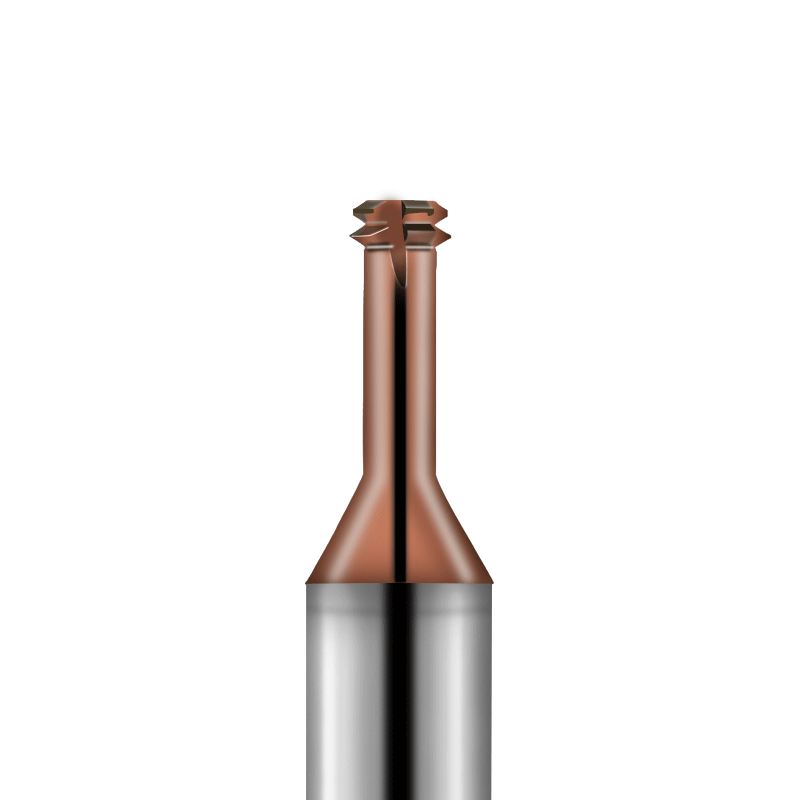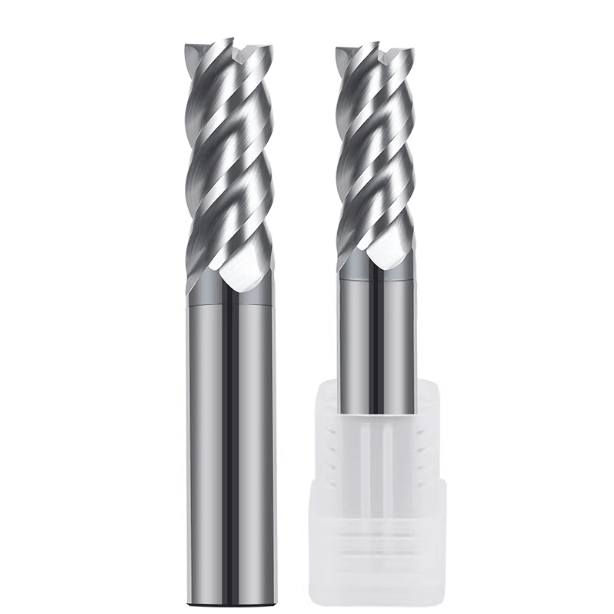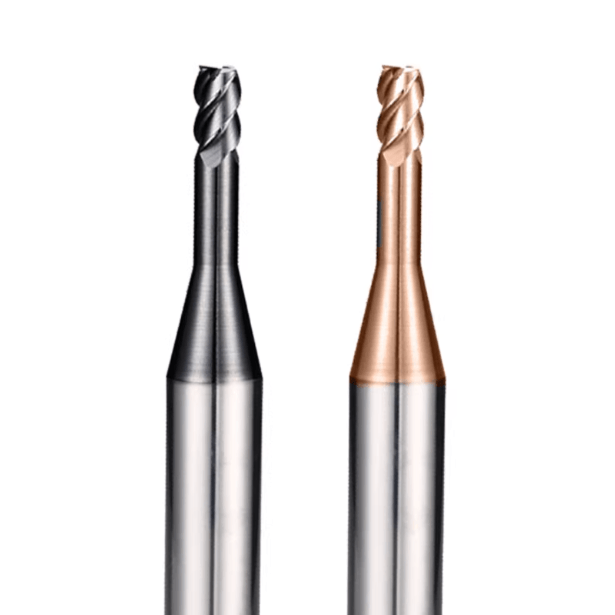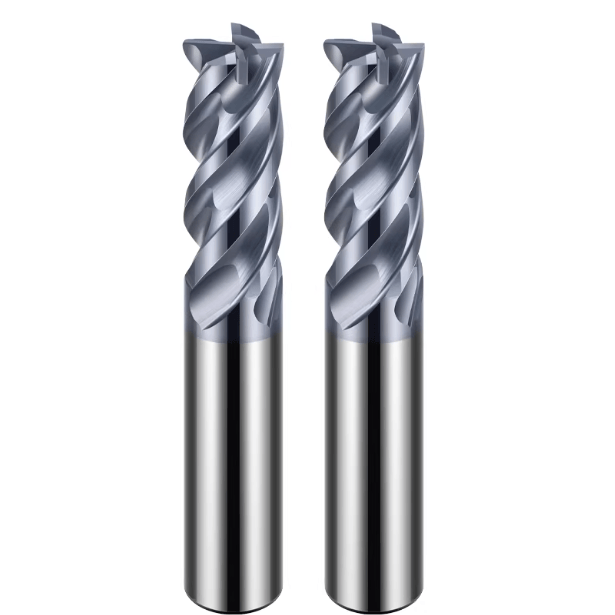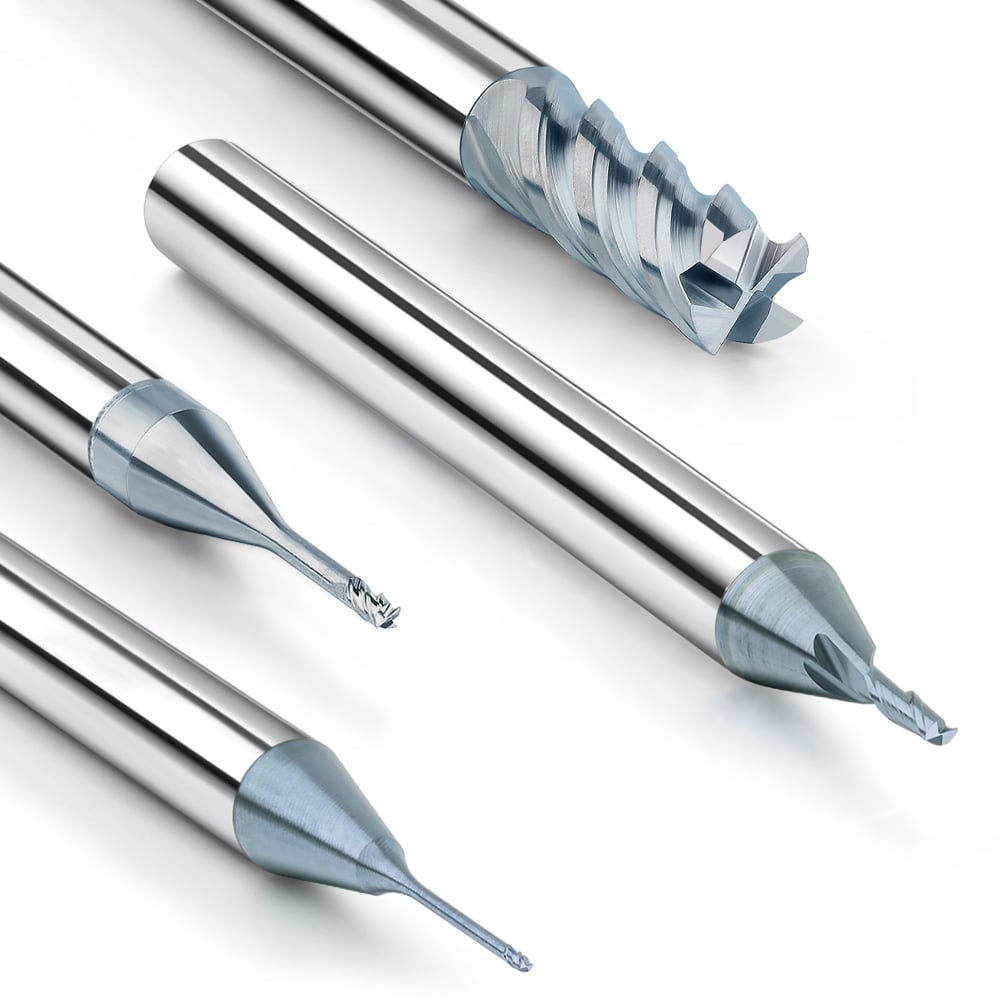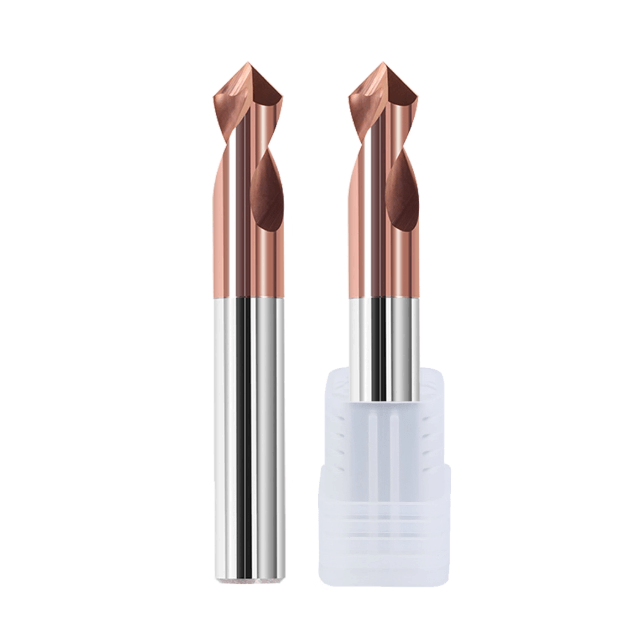
In precision drilling operations, selecting the right drilling tool directly impacts hole accuracy, processing efficiency, and the performance of subsequent machining steps. For engineers and workshop managers, spotting drills and center drills have distinct application scenarios. Using these CNC drilling tools appropriately can effectively reduce drill walk and significantly improve hole accuracy and consistency.
In mass production and high-precision parts machining, high-quality spotting drills from reputable spotting drill suppliers quickly establish stable pilot holes, ensuring precise positioning for subsequent twist drills or deep-hole operations. Center drills, manufactured by experienced center drill manufacturers, still play a crucial positioning and support role in traditional turning or composite machining processes, especially when working with hard materials or complex workpieces, effectively preventing drill deviation and machining errors.
Choosing the right drilling strategy is also essential for different materials, hole sizes, and machine types. For instance, in aluminum alloy or non-ferrous metal processing, spotting drills can improve processing speed and hole quality. In contrast, center drills, with their rigidity and wear resistance, ensure stable holes in steel or stainless steel operations. By scientifically combining these two tools, CNC drilling tool performance can be maximized, tool scrap rates minimized, and both production efficiency and processing consistency enhanced.

The Importance of Positioning in CNC Drilling
Positioning is a critical step in precision drilling, ensuring accurate hole location and smooth execution of subsequent processes. Whether in mass production or single-piece machining, pilot hole quality directly affects drill stability. Poorly controlled positioning can cause hole diameter deviations, drill runout, or even tool breakage, increasing scrap rates and processing costs.
A proper positioning process provides reliable support, helping the drill maintain a stable entry angle and reducing vibration and deviation. This improves hole accuracy, extends tool life, and reduces the need for human intervention. High-quality pilot holes are especially crucial when machining complex workpieces or hard materials, ensuring machining consistency and final part precision.
The Impact of Hole Position Deviation on Subsequent Drilling Accuracy
Hole position deviation is one of the most common issues in drilling operations, directly affecting the accuracy of subsequent drilling, tapping, or assembly. Even small deviations can cause parts to fail design specifications, leading to rework or scrap. In high-speed or deep-hole drilling, minor drill runout can further amplify errors, reducing consistency.
Additionally, hole position deviation increases tool wear, as drills experience uneven stress or chipping under non-ideal cutting conditions. This raises tool replacement frequency and production costs. Stable pilot holes are therefore fundamental to optimizing the entire drilling process.
Differences in the Role of CNC Drilling Tools During Positioning
Different drilling tools perform differently during the positioning stage. Specialized tools quickly establish pilot holes, improving drill entry stability, while traditional tools offer stronger support for hard materials or complex workpieces. Tool choice affects hole accuracy, vibration, drill runout, and hole wall quality.
In batch production, high-quality tools maintain consistent performance, ensuring hole position repeatability for each part and improving overall efficiency. Matching tools with machining parameters also extends tool life, reduces failures and downtime, and enables efficient, stable production.

Core Usage Scenarios of Spotting Drills vs Center Drills in CNC Machining
The choice of positioning tool affects machining efficiency, hole accuracy, and subsequent process stability. Spotting drills and center drills have distinct structures and working conditions. Machining strategy should consider part material, hole size, machine type, and batch production requirements. Proper use minimizes drill runout, optimizes pilot hole quality, and extends tool life, improving overall efficiency.
Correct tool selection also enhances hole wall quality and reduces machine vibration effects, particularly during high-speed or deep-hole drilling. Combined with high-performance tools from reputable suppliers, this ensures efficient, stable mass production while maintaining precision.
When to Use a Spotting Drill
Spotting drills excel in high-speed, high-feed, or mass production environments. They quickly create stable pilot holes, reducing drill runout and vibration. For aluminum alloys, non-ferrous metals, and light alloy parts, spotting drills provide smoother entry angles, reduce burrs, and ensure precise positioning for subsequent deep-hole or twist drilling.
For larger or shallower holes, spotting drills shorten processing time, improve consistency, and reduce tool wear. Properly matched with machine tool parameters, they deliver high stability and repeatability in complex tasks, suitable for high-productivity, low-scrap environments.
When a Center Drill is Still Needed
Center drills are essential for hard material or complex workpiece machining. Their high rigidity provides strong support, preventing drill deviation or pilot hole deformation. For parts requiring high hole stability, precise fit, or subsequent tapping, center drills ensure accuracy, particularly in steel, stainless steel, or wear-resistant alloy operations.
In turning and drilling composite processes, center drills stabilize tool entry, reduce vibration and cutting force fluctuations, and maintain processing consistency. They remain indispensable for specific machines or special workpiece shapes.
Differences Between Machining Centers and CNC Lathes
In machining centers, the choice between spotting and center drills depends on batch size, machining speed, and machine rigidity. Spotting drills improve efficiency and hole repeatability in high-speed, mass production. Center drills are often used for hard materials or composite processes to ensure stability.
On CNC lathes, high machine rigidity favors center drills for supporting the tool, preventing drill deviation, and ensuring hole accuracy and wall quality. Spotting drills can also be used to improve efficiency and simplify guidance. Tool strategies should consider material, hole depth, and batch size for optimal precision and stability.

Practical Applications of Spotting Drills in CNC Drilling
In high-precision drilling operations, spotting drills play a crucial role in ensuring processing consistency and improving hole position accuracy. Spotting drills quickly create stable guide holes on the part. This not only reduces drill bit runout but also provides a reliable entry point for subsequent drilling, twist drilling, or deep-hole operations. Proper selection of spotting drills and processing parameters can optimize the efficiency of CNC drilling tools, reduce tool scrap rates, and improve overall production cycle time and machining stability.
In mass production and high-speed environments, high-quality spotting drills from reputable spotting drill suppliers significantly reduce the need for human intervention. They ensure repeatable hole positions for each part and extend overall tool life. When machining parts with varying materials, hole depths, and diameters, spotting drills provide a stable entry path and consistent support, making the process more controllable and reducing machining errors.
Advantages of Spotting Drills in Improving Hole Position Consistency
Spotting drills improve hole position consistency by creating precise guide holes, which provide stable support for subsequent drilling. Whether machining light alloys or hard materials, they reduce drill bit runout and hole diameter errors, ensuring that parts meet tolerance requirements.
This advantage is particularly important in mass production, as it minimizes rework and scrap rates while ensuring assembly accuracy and overall product quality. With proper tool matching and optimized processing parameters, spotting drills consistently produce high-precision holes in high-repeatability operations.
Stability of Spotting Drills in High-Speed, High-Feed Operations
Cutting vibration and drill bit runout are major factors affecting machining quality in high-speed or high-feed operations. Spotting drills provide excellent initial guidance, allowing the drill to maintain a stable entry angle and cutting path. This stability reduces vibration effects on hole wall quality, ensures precise hole positioning, and lowers tool wear.
In fast-paced CNC operations, high-performance spotting drills can withstand greater cutting loads, maintaining a continuous and stable process. This makes them ideal for mass production and high-speed machining tasks.
Impact of Spotting Drills on the Lifespan of Subsequent Twist Drills
Using high-quality spotting drills to create stable pilot holes ensures that subsequent twist drills experience more optimal cutting conditions. The pilot hole reduces lateral deflection and cutting resistance, minimizing edge chipping and wear.
For deep-hole or high-precision tasks, the stable entry provided by the spotting drill directly affects the lifespan of subsequent tools and overall machining consistency. Proper use of spotting drills improves drilling quality, reduces production costs, and decreases tool replacement frequency, making the entire drilling process more efficient and stable.

Typical Application Scenarios of Center Drills in CNC Drilling
In precision drilling, center drills primarily provide initial guidance and stable support, ensuring accurate drill entry during machining. By establishing a stable pilot hole, center drills significantly reduce drill bit runout and vibration, offering reliable support for subsequent drilling or composite operations.
In both traditional and composite machining tasks, using center drills ensures hole position accuracy, improves hole quality, and extends tool life. This is especially important in small-batch production or when machining complex parts, providing stable conditions. For hard materials or high-rigidity components, the initial support from a center drill reduces drilling load fluctuations and enhances machining consistency and product yield.
The Role of Center Drills in Traditional and Composite Machining
In traditional drilling, center drills quickly create pilot holes on the workpiece surface, ensuring stable entry for subsequent drills and minimizing deviation and vibration.
In composite machining processes, such as drilling and tapping or turning combined with drilling, center drills provide essential support. They stabilize the tool during various cutting stages, maintaining hole position accuracy and hole wall quality. By controlling pilot hole depth and diameter, cutting force distribution can be optimized, reducing fluctuations and extending tool life for both the drill and subsequent tools.
Application of Center Drills in Turning and Drilling Composite Processes
On CNC lathes and multi-tasking machining centers, center drills are commonly used for initial positioning in turning and drilling composite processes. They guide the drill along the intended path, reducing runout and cutting vibration. This is particularly important for parts requiring high hole position accuracy.
For complex or irregularly shaped workpieces, the pilot hole serves as a reference for subsequent tools, improving process controllability, reducing scrap, and ensuring consistency in mass production. Selecting proper center drill specifications and machine parameters is essential to maintain machining stability and maximize production efficiency.
Limitations of Center Drills in Hard Material Machining
While center drills excel in guidance and support, their rigidity and cutting edge design may not fully meet the demands of deep holes or high cutting loads in hard materials. Machining carbon steel, stainless steel, or wear-resistant alloys without proper technique can result in uneven pilot holes, drill runout, or unstable hole positioning.
In such cases, additional pre-drilling or alternative positioning methods may be needed to ensure consistency and accuracy. The lifespan of center drills in hard material applications is relatively limited, requiring careful adjustment of cutting parameters and cooling methods to reduce tool wear and maintain processing quality.

The Impact of Spotting Drills vs Center Drills on CNC Machining Efficiency
In precision drilling, establishing pilot holes and selecting the right tools directly affects efficiency. Optimizing drilling sequences and minimizing unnecessary tool changes shortens cycle time and reduces losses from machine idle time and tool downtime. Different positioning tools affect hole accuracy, hole quality, and subsequent processes, indirectly impacting mass production efficiency and overall costs.
Configuring tools and cutting parameters properly improves machining consistency, reduces vibration and drill runout, and extends tool life. A stable process decreases scrap rates, improves hole surface finish, and provides reliable conditions for subsequent operations.
Improving Cycle Time by Reducing Tool Changes
In mass production, each tool change causes downtime and adjustments. Using a rational pilot hole strategy and proper tool combinations reduces tool changes, shortening cycle time. High-quality positioning tools can accommodate various hole diameters and depths, improving machine utilization and ensuring continuous production.
Fewer tool changes also reduce operator intervention, minimizing human error and stabilizing the machining cycle. For high-volume CNC operations, this directly enhances production efficiency and delivery reliability.
The Impact of Pilot Hole Quality on Subsequent Machining
Pilot hole quality affects stability in twist drilling, tapping, or deep-hole operations. A smooth, stable pilot hole reduces cutting resistance, drill runout, and vibration, improving hole position accuracy and consistency.
In high-precision parts, poor pilot hole quality can cause diameter deviations, rough hole walls, or increased tool wear, ultimately affecting assembly accuracy. Selecting the right tools and machining parameters ensures high-quality pilot holes, supporting subsequent operations effectively.
Tool Stability and Failure Rate
Tool stability affects lifespan and failure rates. A well-prepared pilot hole reduces drill vibration and lateral movement, minimizing edge chipping and uneven wear, extending tool life.
High-performance positioning tools maintain stability during high-speed, high-feed machining, reducing cutting load fluctuations and improving consistency. Enhanced tool stability decreases downtime and tool replacement costs, optimizing both efficiency and part quality.

Selection Logic of Spotting Drill vs Center Drill in Different Material Machining
The material characteristics of a part directly affect the choice of positioning tools and machining strategies. Hardness, cutting resistance, thermal expansion, and thermal conductivity influence pilot hole quality, drill stability, and hole position accuracy. Selecting the right tools and parameters minimizes drill runout, vibration, and wear, while improving pilot hole consistency and mass production efficiency.
In light alloy and non-ferrous metal machining, sharp cutting edges and fast guidance are crucial. For hard steel or high-alloy steel, tool rigidity and wear resistance become primary considerations. Optimizing tool use based on material properties ensures machining stability, extends tool life, and enhances production efficiency.
Tool Selection in Aluminum Alloy and Non-Ferrous Metal Machining
Aluminum and other non-ferrous metals have low cutting resistance but are prone to burr formation and adhesion to the cutting edge. Tools with excellent sharpness and stable guidance quickly create high-quality pilot holes. High-performance positioning tools ensure smooth drill entry, reduce vibration and hole position deviations, and improve surface finish and machining consistency.
In mass production, these tools enhance efficiency, reduce tool replacement frequency, and limit operator intervention. Combined with appropriate cutting speeds and feed rates, high-quality pilot holes significantly improve overall production cycle time.
Positioning Methods in Carbon Steel and Alloy Steel Machining
Carbon and alloy steels are hard and resistant to cutting, making drills prone to uneven wear or edge chipping. Establishing pilot holes is critical for accurate hole positioning and stable subsequent drilling. Rigid positioning tools withstand high cutting forces, guiding the drill along the intended path and reducing deviation and vibration.
For deep-hole or complex tasks, increasing pilot hole depth and using wear-resistant tools improves drilling stability, reduces scrap, and ensures parts meet design tolerances.
Requirements for Tool Rigidity in Stainless Steel Machining
Stainless steel and corrosion-resistant alloys generate high cutting temperatures and toughness, which can cause drill deviation and vibration. Rigid positioning tools provide stable support during initial drilling, reducing cutting force fluctuations, improving hole quality, and extending drill life.
Controlling cutting speed, feed rate, and cooling methods, together with high-rigidity tools, further reduces machining stress and ensures repeatable hole accuracy and consistency in mass production.
Key Parameter Settings for Spotting Drill vs Center Drill in CNC Machining Centers
Proper tool parameter settings directly impact pilot hole quality, drilling stability, and hole position accuracy. Tool tip angle, rotational speed, feed rate, and cooling methods all influence efficiency and tool life. Scientific adjustment of these parameters minimizes runout and vibration, improves repeatability, and ensures consistent mass production.
Optimized settings improve machining cycle time, reduce tool wear, and minimize scrap, guaranteeing precision in high-accuracy parts. Matching tool geometry with machine performance in high-speed or high-feed conditions further enhances stability and overall production efficiency.
The Impact of Different Tool Tip Angles on Drilling Stability
Tool tip angle affects cutting force distribution and guidance. A sharper tip reduces cutting resistance and improves entry accuracy but may decrease stability in hard materials, causing vibration or deviation. A blunter tip increases support surface and stabilizes pilot holes but raises cutting resistance, requiring adjustments to maintain efficiency.
Selecting the proper tip angle based on material and hole size reduces vibration, limits tool wear, and ensures hole accuracy, improving consistency and production efficiency.
Matching Rotational Speed and Feed Rate in Positioning
Rotational speed and feed rate directly affect hole position accuracy and pilot hole quality. Excessive speed can cause vibration and deviation, while too low speed reduces efficiency and increases cutting forces. Correctly balancing speed and feed ensures stable drill entry, improves hole quality, and extends tool life.
In mass production or high-speed machining, precise speed and feed matching improves cycle time, machine utilization, reduces scrap, and maintains production continuity and stability.
The Impact of Cooling Methods on Tool Life
Effective cooling and lubrication extend tool life and improve machining stability. Proper cooling reduces cutting-zone temperature, minimizes wear and edge chipping, and enhances hole accuracy and surface finish.
Cooling is especially important when machining hard materials or under high-speed conditions, as it affects guide hole quality and subsequent tooling stability. Combining cutting parameters, tool geometry, and cooling strategies ensures consistent processing, lowers scrap rates, and maximizes efficiency and quality in mass production.
Spotting Drill vs Center Drill: Practical Performance in Mass Production
In mass production, achieving consistency and efficiency in part machining is essential. The quality of pilot holes, the repeatability of hole positions, and the stability of cutting tools directly impact each part’s machining results and overall production cycle. Rational selection of positioning tools and machining parameters reduces drill runout and vibration, improves hole quality, and ensures consistency across batches.
Using high-performance positioning tools in mass production extends tool life, reduces scrap rates, and minimizes the need for human intervention. Optimized tool selection and parameter settings make the production process more controllable, ensuring both efficiency and quality.
The Impact of Hole Position Repeatability on Batch Consistency
Hole position repeatability is critical in mass production. Even minor deviations can cause assembly errors or require part rework, increasing production costs and processing time. High-quality pilot holes minimize drill runout and maintain stable hole positions, improving machining consistency and batch pass rates.
Reliable hole positions also provide a solid foundation for subsequent drilling or tapping, ensuring smooth and predictable mass production operations.
The Impact of Tool Wear on Machining Stability
Tool wear directly affects hole accuracy and machining consistency. During extended cutting, edges may chip or wear unevenly, causing deviations, rough hole walls, and increased vibration.
Using high-performance tools and optimizing cutting parameters reduces uneven forces, slows wear, and improves machining stability. Monitoring tool condition and selecting appropriate tool materials maintain high repeatability and reduce scrap rates and production interruptions.
Reducing Human Intervention for Automated Production
Minimizing manual intervention is key for efficient and consistent automated machining. Stable pilot holes and reliable tool combinations allow machines to perform drilling tasks with minimal operator adjustments.
This approach reduces human-induced hole deviations, improves cycle times, and enhances overall production efficiency. Combining precision positioning tools with optimized processing parameters achieves high precision, stability, and efficiency in mass production.
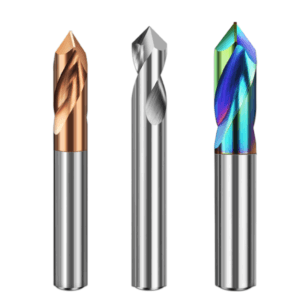
Selection Recommendations for Spotting Drills and Center Drills from a Tooling Supply Perspective
The quality and design of products from spotting drill suppliers and center drill manufacturers directly impact processing efficiency and part quality. High-performance positioning tools stabilize pilot holes, improve hole accuracy, and extend the lifespan of twist drills and other subsequent tools.
When selecting tools, match product specifications and machining parameters from the supplier to part material, hole diameter, hole depth, machine type, and production volume. Technical support and design optimization from suppliers are also critical for maintaining consistency and reducing scrap.
Focus Areas of Spotting Drill Suppliers in Product Design
Reputable spotting drill suppliers prioritize guiding accuracy, rigidity, and cutting stability. For high-speed or high-feed mass production, tool geometry ensures stable drill entry, minimal vibration, and high-quality pilot holes.
Suppliers also optimize tool materials and surface treatments to extend life and reduce wear. Proper selection of tool models and cutting parameters enhances overall production efficiency while maintaining precision.
Technical Optimization by Center Drill Manufacturers
Center drill manufacturers optimize tip angles, rigidity, and wear resistance for stability and pilot hole accuracy. In hard materials or deep hole applications, high wear-resistant tools ensure consistent machining under high cutting loads.
Manufacturers also provide solutions tailored to machine types and mass production needs, reducing drill runout, extending tool life, and improving the stability of subsequent processes.
Matching Processing Requirements with Supplier Capabilities
Tool selection must consider part material, hole dimensions, machine rigidity, and production requirements. Match these with supplier specifications for optimal performance.
Discuss tool geometry, material characteristics, and wear resistance with suppliers to choose the best solution. Optimizing cutting parameters alongside machine performance ensures efficiency, hole accuracy, and production stability while minimizing scrap and tool replacement costs.
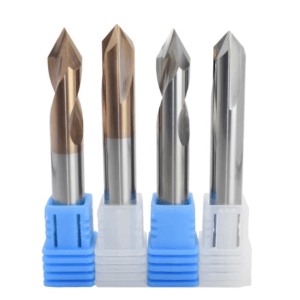
Common Misconceptions in Spotting Drill vs Center Drill Selection in CNC Machining Workshops
In part machining, incorrect tool selection or parameter settings often cause hole position deviations. This reduces processing efficiency and increases tool scrap rates. Many workshops, especially in mass production or high-precision drilling tasks, rely on experience or habitual operation rather than analyzing the machining process and material characteristics. This approach often leads to unstable pilot holes, drill vibration, and inconsistent hole positions in subsequent drilling or tapping processes, lowering overall production efficiency and part yield.
Insufficient machine-tool matching and over-reliance on a single CNC drilling tool solution are also common issues. These factors increase tool wear, cause machining deviations, and reduce the consistency and stability of mass production. By systematically analyzing processing requirements, machine performance, and tool characteristics, these misconceptions can be avoided, improving both processing quality and efficiency.
The Problem of Substituting Habit for Process Analysis
Many workshops select positioning tools based on operating experience and tradition, ignoring the actual needs of part material, hole diameter, depth, and required precision. Replacing scientific process analysis with habit often leads to pilot hole deviations, drill runout, and increased vibration.
In mass production, this practice is especially harmful, as it compromises hole position repeatability and processing consistency, increasing rework and scrap rates. By scientifically analyzing part design requirements and tool performance, engineers can ensure a stable machining process and maintain consistent hole accuracy and quality for every part.
Neglecting Machine Rigidity and Tool Matching
Insufficient machine rigidity or poor matching with the tool’s geometry can destabilize drill entry, causing increased vibrations and hole deviations. In hard material or deep-hole machining, insufficient guide hole stability can result in uneven tool wear or edge chipping, shortening tool life.
Properly matching machine performance with tool rigidity, selecting suitable cutting parameters, and determining the correct guide hole depth improve machining stability, reduce scrap, and ensure consistent hole position accuracy in mass production.
Risks of Over-reliance on a Single CNC Drilling Tool Solution
Relying solely on one type of drilling tool may not accommodate different materials, hole sizes, or machining conditions. Different parts and processes require varying levels of tool rigidity, guiding ability, and wear resistance; a single solution often falls short.
By combining multiple positioning tools and optimizing cutting conditions alongside machine parameters, workshops can reduce drill runout and vibration, extend tool life, improve consistency, and enhance mass production efficiency. This ensures that part quality meets design specifications consistently.
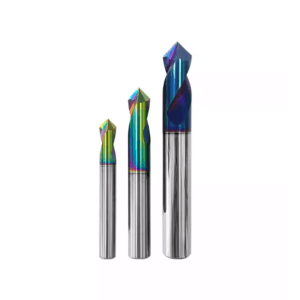
How to Make the Right Spotting Drill vs Center Drill Decision in Actual CNC Projects
Choosing the correct positioning tool is essential for ensuring hole accuracy, machining stability, and production efficiency. Spotting drills and center drills have distinct roles in high-speed machining, deep-hole drilling, composite processes, and material-specific applications.
A scientific decision considers part material, hole diameter, hole depth, machine rigidity, cycle time, pilot hole quality, tool wear, and hole surface finish. By systematically evaluating processing conditions and part requirements, workshops can avoid errors caused by experience-based choices, neglect of tool matching, or over-reliance on a single solution. This approach improves consistency, reduces scrap, and extends tool life, especially in mass production and automated machining environments.
Starting from Part Drawings and Tolerance Requirements
Tool selection should begin with part drawings and tolerance specifications. Hole diameter, depth, and position tolerances dictate pilot hole depth, diameter, and entry method. Spotting drills offer fast, stable pilot holes for high-precision parts, while center drills provide rigidity and support for hard materials or composite machining tasks.
By aligning pilot hole parameters with material characteristics and processing needs, the stability of subsequent twist or deep-hole drills is ensured, minimizing deviations and vibrations while meeting design requirements.
Judging Based on Machine Tool Type and Processing Cycle
Machine type and processing cycle are key factors for tool selection. In high-speed machining centers, spotting drills are ideal for quickly establishing pilot holes and improving production efficiency. In CNC lathes or tasks requiring high rigidity, center drills provide stable cutting support, ensuring accurate holes and superior hole quality.
Analyzing machine rigidity, cutting parameters, and production cycles allows optimization of tool selection and processing sequence, reducing tool changes, improving efficiency, and maintaining production consistency, while minimizing tool wear and scrap rates.
Optimizing Tooling Solutions Through Trial Cutting and Data Feedback
Trial cutting and processing data feedback are essential for optimizing tooling solutions. Trial cuts validate pilot hole quality, drill stability, and hole position repeatability, helping identify potential deviations or tool wear.
Using data from processing monitoring, machine performance, and material characteristics, engineers can adjust tool types, cutting parameters, and pilot hole design. This approach improves hole accuracy, processing consistency, extends tool life, reduces production costs, and ensures an efficient, stable CNC machining process.