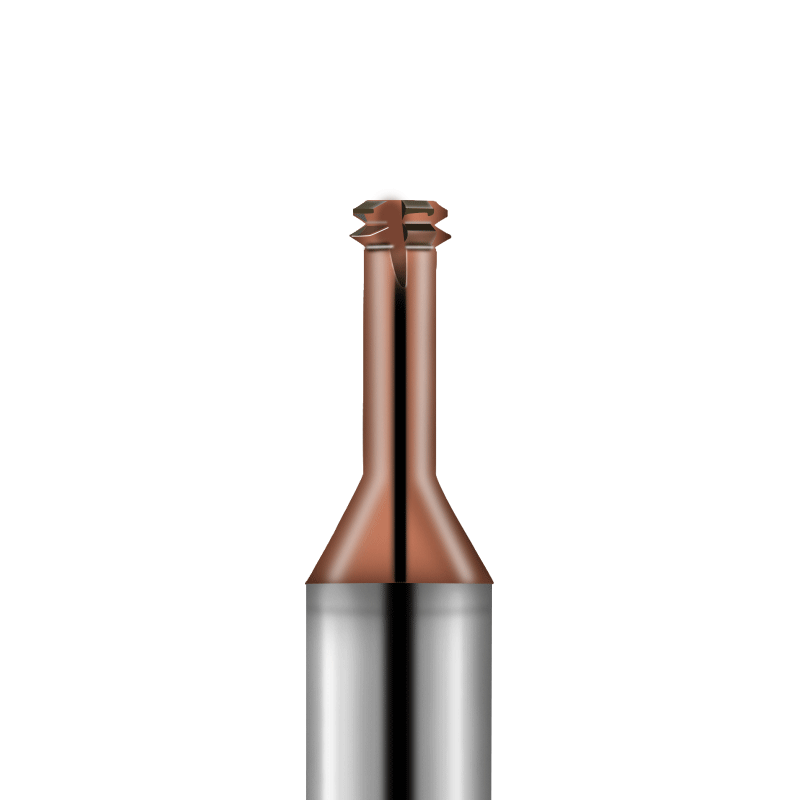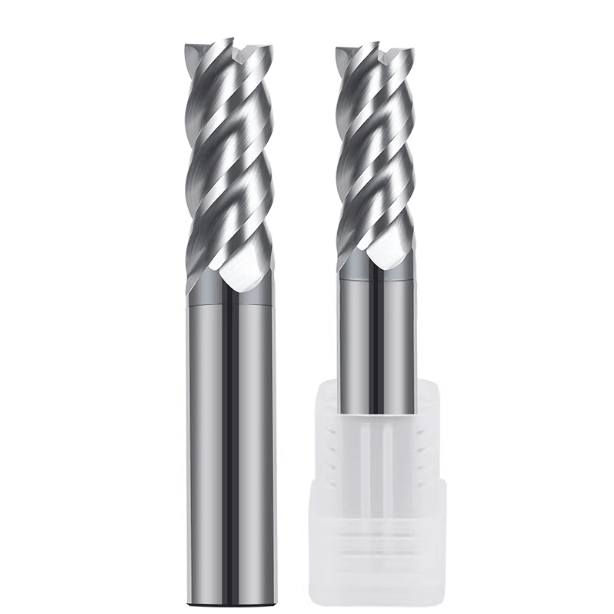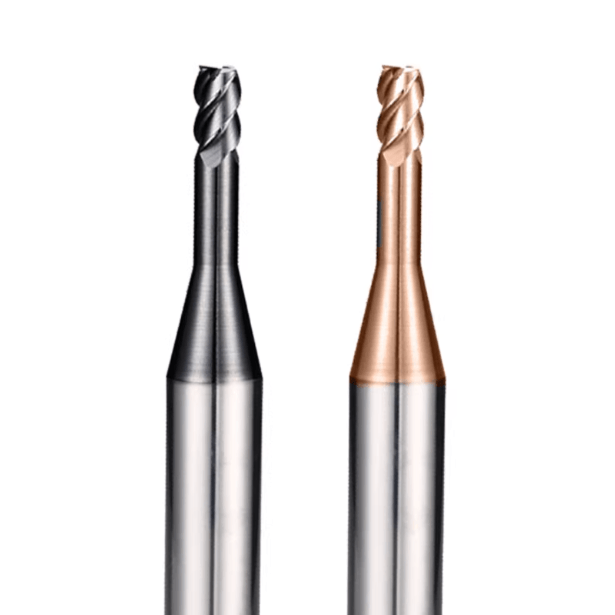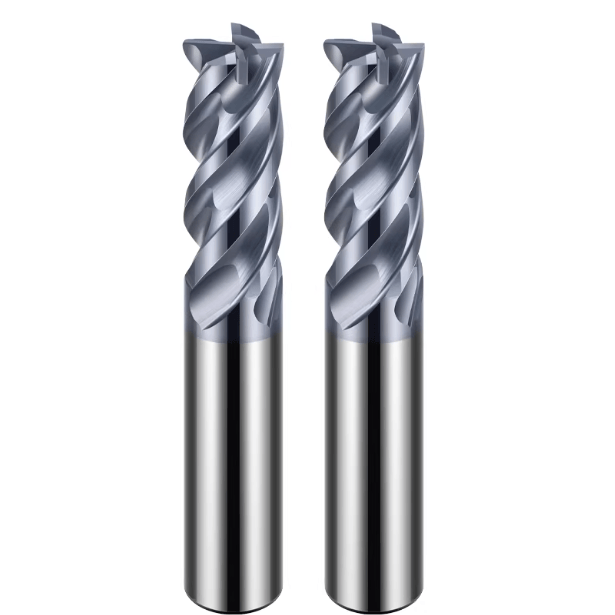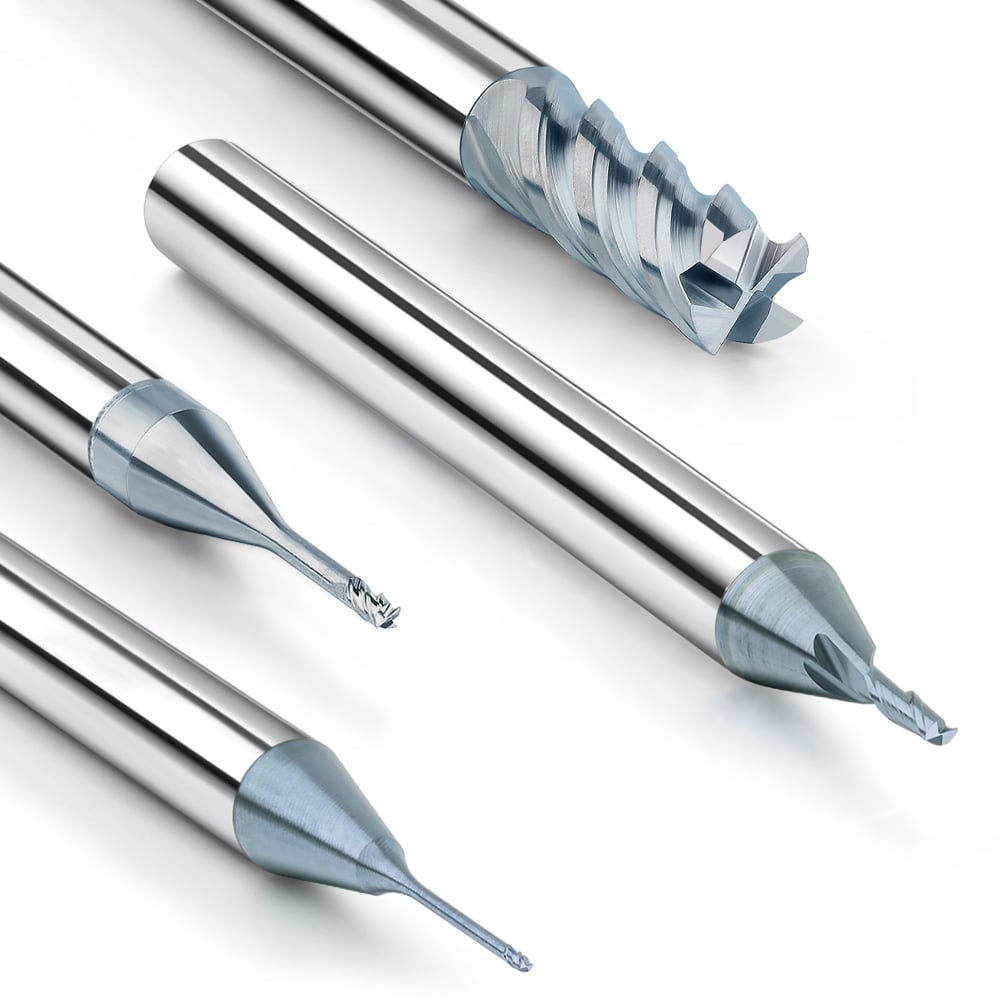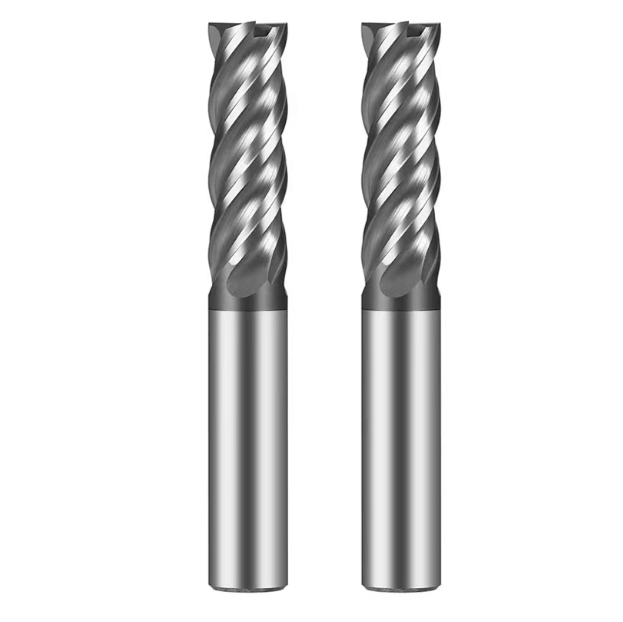
The global cutting tool supply chain is undergoing significant changes. With the globalization of manufacturing and the increasing demand for precision machining, more distributors are turning their attention to Chinese carbide cutting tool manufacturers. Compared to traditional European and American brands, Chinese suppliers are emerging as key partners for global B2B customers and CNC machining facilities due to their high cost-performance ratio, stable batch quality, flexible customization capabilities, and comprehensive after-sales support systems.
Demand for wholesale carbide cutting tools continues to rise, particularly in high-precision machining sectors such as aerospace, mold making, automotive, and medical equipment. Global distributors increasingly consider not only price but also tool performance, consistency, traceability, and suitability for CNC machining carbide tools. By upgrading production equipment, adopting advanced coating technologies, and utilizing ultra-fine particle carbide substrates, Chinese manufacturers have enhanced tool wear resistance and cutting stability, securing long-term cooperation opportunities internationally.
At the same time, distributors are carefully evaluating the choice between carbide and PCD cutting tools. While PCD tools excel on certain non-metallic materials, carbide tools remain the preferred choice for most distributors due to their broader machining applicability, grindability, and cost-effectiveness.
The rise of Chinese carbide cutting tool manufacturers reflects not only price advantages but also comprehensive improvements in production efficiency, technological innovation, and supply chain responsiveness. As a result, more global distributors are forming long-term partnerships with Chinese manufacturers to access competitive tooling solutions and reliable supply systems.
Global Carbide Tool Market Trends and Procurement Pattern Changes
The structural transformation of global manufacturing is reshaping the supply and procurement patterns for carbide cutting tools. Precision manufacturing, automation, and high-efficiency cutting technologies are driving the market from regional competition toward global collaboration. Demand for high-performance carbide cutting tools manufacturers continues to grow across Europe, North America, and emerging CNC factories in Asia.
In the past, European and American manufacturers dominated the high-end market, leveraging advanced R&D and established brand credibility. However, Chinese manufacturers—with complete industrial chains, mature coating technology, and mass customization capabilities—are now becoming integral to the global supply chain. For international distributors and OEM buyers, this shift emphasizes cost-effective supply systems, performance reliability, and technical service over traditional brand dependence.
Supply Chain Evolution from European and American Dominance to China’s Rise
In the past decade, global carbide cutting tool supply chains have experienced dramatic shifts. Initially dominated by European and Japanese brands, the market relied on mature R&D and stable process standards for high-value industries like aerospace and mold making. China’s rapid industrial development enabled domestic manufacturers to close the performance gap by integrating five-axis grinding machines, vacuum coating technology, and automated testing systems.
Chinese manufacturers now offer fully integrated production—from tungsten powder and bar stock to CNC grinding, coating, and finished tooling—supporting wholesale carbide cutting tools at competitive prices. This vertical integration enhances cost, delivery speed, and customization flexibility, allowing distributors to compete effectively in the global market.
Global Factors Influencing Manufacturing Costs and Raw Material Prices
Tungsten (W) and cobalt (Co) raw materials are primary cost drivers. China, as the world’s largest tungsten producer, enjoys natural advantages in supply and pricing. Energy fluctuations, automation investments, and labor cost changes also influence manufacturing costs.
By leveraging large-scale production and intelligent factories, Chinese manufacturers reduce unit costs while maintaining precision and consistency. Optimized cost structures allow distributors to offer cost-effective tooling portfolios in international markets.
Changes in Distributor Purchasing Decisions: From Brand-Oriented to Performance-Oriented
Global competition has shifted from brand-driven to performance-oriented purchasing. B2B customers prioritize tool life, cutting stability, surface finish, and after-sales technical support. Modern carbide tools, enhanced by coatings and grain optimization, can now replace some PCD tools for a range of materials.
This shift encourages distributors to evaluate suppliers based on measurable performance and economic indicators rather than brand reputation. Chinese manufacturers with flexible technical support and customization services are increasingly preferred partners.
Core Competitive Advantages of Chinese Carbide Cutting Tool Manufacturers
China’s rise in the carbide cutting tool manufacturing sector is not accidental. It results from a mature industrial system, upgraded manufacturing processes, and strong market acumen. Compared to traditional European and American tool manufacturers, Chinese manufacturers have built unique competitive barriers through a complete supply chain, mass production capabilities, cost-effectiveness, and intelligent manufacturing systems.
Increasingly, international distributors and CNC machining companies are partnering with Chinese suppliers. This is not only because wholesale carbide cutting tools offer significant cost advantages, but also because manufacturers continuously enhance precision control, delivery reliability, and OEM/ODM customization capabilities. These factors have allowed Chinese manufacturers to transition from “price competitors” to “high-performance solution providers” in the global tooling market.
Complete Industrial Chain and Mass Production Capabilities
A major advantage of Chinese carbide cutting tool manufacturing is its fully integrated industrial chain. From alloy powder preparation and bar sintering to CNC grinding, tool forming, surface polishing, PVD/CVD coating, quality inspection, and final packaging, nearly all stages are completed domestically. This vertical integration reduces production costs, improves product consistency, and accelerates delivery times.
Many Chinese manufacturers ensure stable tool performance in CNC machining carbide tools by using imported five-axis grinders and high-precision dynamic balancing equipment from Germany and Switzerland. Large-scale production systems also allow flexible handling of bulk orders, giving distributors predictable, continuous supply capabilities. This structural advantage is a key reason international distributors select Chinese suppliers.
Cost-Effectiveness and Delivery Time Control: The Ideal Choice for Wholesale Procurement
For global distributors, cost-effectiveness and delivery reliability are core considerations. Chinese wholesale carbide cutting tool manufacturers excel in both. Large-scale production, centralized raw material procurement, and optimized automated processing lines reduce unit costs while maintaining stable quality.
OEM/ODM customization services allow flexible adjustments for brand, packaging, and specification requirements. This flexibility enhances distributors’ market differentiation and enables higher profit margins. Combined with well-established logistics and export experience, Chinese suppliers can deliver large volumes rapidly, achieving a highly efficient, controllable, and low-risk global distribution model.
Development of High-Precision Manufacturing and Intelligent Inspection Systems
Leading Chinese carbide tool manufacturers have introduced world-class five-axis CNC grinding machines, CCD inspection systems, and automated clamping and sorting equipment. These systems ensure tools meet international standards for dimensional accuracy and cutting-edge consistency.
Digital inspection and data-tracking systems allow real-time monitoring of product precision at every stage, significantly reducing defect rates. These advancements enhance CNC machining carbide tool performance for high-speed, high-hardness materials, giving distributors greater confidence in product reliability.
With Industry 4.0 and intelligent manufacturing, Chinese factories are transitioning from traditional manufacturing to intelligent production, setting new quality benchmarks among global carbide cutting tool manufacturers.
Growing Demand for Chinese Carbide Cutting Tools in CNC Machining
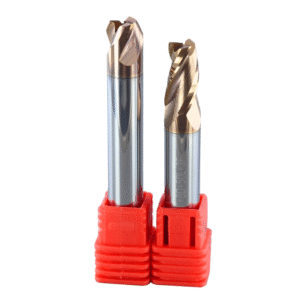
As global manufacturing evolves toward higher precision and efficiency, demand for CNC machining carbide tools is rapidly increasing. Aerospace, automotive, mold-making, and electronics industries require high-performance, wear-resistant cutting solutions. Chinese manufacturers, with mature production processes, cost-effective products, and stable supply chains, are driving this growth.
An increasing number of CNC machining companies are now opting for Chinese wholesale carbide cutting tools. Beyond cost advantages, Chinese tools meet international standards for precision retention, tool life stability, and coating consistency. This shift signals a move from price competition to performance competition, strengthening distributors’ trust in Chinese manufacturing.
Expanding Applications of CNC Machining Carbide Tools in the Aerospace, Mold, and Automotive Industries
CNC machining demands strict tool performance. Aerospace components use high-strength materials like titanium alloys and nickel-based superalloys; molds require exceptional surface finish and dimensional accuracy; automotive manufacturing emphasizes tool consistency in mass production. Chinese CNC machining carbide tools have established stable performance in these fields.
Manufacturers have developed specialized tool series, including high-helix end mills for aluminum alloys, ultra-fine carbide tools for stainless steel, and CVD-coated tools for mold steel. These tools meet high-speed cutting, dry cutting, and high-hardness requirements while achieving performance comparable to international brands.
Performance Verification: Stable Tool Life and Consistent Test Data
Long-term performance stability, not just design, determines competitiveness. Chinese manufacturers have strengthened quality control, with tool life testing, cutting stability verification, and batch consistency analysis.
Tests show Chinese CNC machining carbide tools can achieve 85%–95% of the tool life of international brands for stainless steel, aluminum alloys, and heat-treated steel, while costing around 60% of their price. CCD inspection, coordinate measuring machines, and online wear monitoring ensure traceable quality standards. This data-driven approach is a key competitive advantage for attracting global distributors.
International Customer Case Studies: Building Trust from Trial Use to Long-Term Partnerships
Many overseas distributors initially evaluate Chinese cutting tools through trials or sample testing. After months or hundreds of hours of batch processing, they find Chinese wholesale carbide cutting tools excel in stability, coating adhesion, and cutting accuracy.
For example, a German automotive supplier reported a 12% increase in tool life and approximately 30% reduction in procurement costs after six months using Chinese-made end mills. A U.S. mold manufacturer shortened delivery times and improved production line efficiency with Chinese CNC machining carbide tools.
These success stories are gradually reshaping overseas perceptions of “Made in China,” encouraging long-term partnerships and strategic supply agreements, built on consistent quality and continuous technological improvement.
Carbide vs PCD Cutting Tools: A Rational Choice for Global Distributors
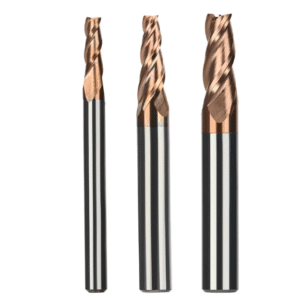
With the rapid growth of the CNC precision machining industry, global distributors are increasingly evaluating cutting tools based on the balance of performance, cost, and applicability. Carbide cutting tools and PCD tools each have advantages in different machining scenarios. In recent years, breakthroughs by Chinese manufacturers in CVD coating technology, ultra-fine grain carbide, and automated production have significantly improved carbide tools. These advances make them the first choice for international distributors due to controllable cost, broad application, and ease of maintenance. Compared to the high price and limited scope of PCD tools, modern carbide products have become a rational choice for batch machining and multi-material applications thanks to their wear resistance, thermal stability, and regrinding feasibility.
Machining Applicability Comparison: The Best Tool Type for Different Materials
In CNC operations, tool selection depends heavily on the material being machined. Carbide end mills and inserts maintain excellent anti-chipping performance and high cutting efficiency when machining hard metals such as stainless steel, titanium alloys, and heat-treated steels, making them ideal for high-speed, high-feed automated machining environments. PCD milling cutters and reamers excel in ultra-precision machining of non-ferrous materials like aluminum alloys, copper, graphite, and CFRP, offering extremely low friction and long tool life under dry, high-speed cutting.
With modern coated carbide tools, distributors can now achieve surface finishes approaching those of PCD tools for aluminum alloys and graphite molds. This enables more flexible, cost-effective tool selection for diverse machining needs.
Cost and Maintainability: Why Distributors Prefer Carbide Cutting Tools
Beyond material suitability, distributors also consider cost and maintainability. PCD tools are expensive, difficult to regrind, and often have long lead times, making them less suitable for production lines with frequent tool changes. Carbide cutting tools, particularly those from Chinese manufacturers, have become the preferred option in wholesale channels due to their cost-effectiveness, stable supply, and strong resharpening capability.
China’s mature wholesale supply system allows distributors to access high-precision tools at lower cost, along with OEM/ODM services for market-specific customization. The ability to regrind carbide tools further reduces long-term operating costs, delivering higher ROI to end customers.
How Chinese Manufacturers Improve Carbide Product Performance to Replace Some PCD Tools
To expand applications in high-end fields, Chinese manufacturers optimize materials and processes. Modern carbide tools now feature CVD diamond coatings, nano-grain carbide substrates, and multilayer PVD coatings, enhancing wear resistance, oxidation resistance, and thermal management.
By combining five-axis CNC grinding centers, CCD inspection systems, and dynamic balancing equipment, Chinese factories produce high-precision tools with consistent tolerances, allowing carbide cutting tools to match or even surpass PCD performance in certain applications, such as aluminum alloys, graphite molds, and composite materials.
Wholesale and Customized CNC Machining Carbide Tools: Enabling Global Distributor Expansion
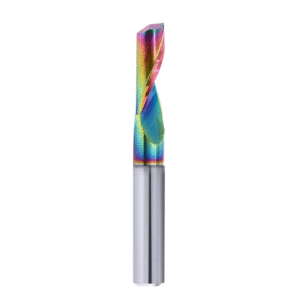
With the rapid growth of the global precision machining industry, international distributors increasingly demand flexibility and customization from suppliers. Chinese manufacturers leverage well-established wholesale supply systems and extensive customization experience. They not only meet the diverse needs of international customers for CNC machining carbide tools, but also provide stable and efficient supply chain support for global expansion. By combining bulk supply, OEM/ODM customization, brand packaging, and logistics optimization, these suppliers are becoming trusted long-term partners, maximizing supply chain value.
Flexible Supply Models for Bulk CNC Machining Carbide Tools
Chinese manufacturers offer flexible supply models, from small-batch pilot production to large-volume continuous supply, catering to diverse procurement strategies. Adjustable MOQ, customized packaging, and OEM/ODM branding allow international buyers to quickly deploy products based on market demand.
Some factories support multi-specification, non-standard cutting tools and special coatings, ensuring optimal performance across different materials and processes. This flexibility reduces inventory pressure on distributors and improves responsiveness to end customers.
Efficient Global Logistics and Technical Support for CNC Tool Distributors
In addition to flexible supply, Chinese manufacturers maintain efficient international logistics and after-sales support. Through partnerships with express, sea, and air freight providers, orders reach major global markets quickly. Dedicated engineering teams provide technical consultation, cutting parameter optimization, and fault analysis, ensuring continuity and stability in customer production lines.
This comprehensive logistics and technical support gives distributors confidence in procurement and provides reliable guarantees for end-user factories, streamlining the supply chain.
From Price Cooperation to Technological Collaboration: A Win-Win Supply Chain Model
Cooperation between distributors and Chinese manufacturers has evolved from price negotiation to technological collaboration and a win-win supply chain model. Customized tool design, process optimization, and batch data sharing improve production efficiency, material utilization, and tool life.
Long-term collaboration encourages manufacturers to develop more wear-resistant, higher-precision CNC machining carbide tools to meet stringent international standards. This two-way collaboration not only reduces end-user costs but also enhances distributor competitiveness, promoting sustainable supply chain development.

Future Trends: Globalization and Sustainable Development of Chinese Carbide Tool Manufacturers
Chinese manufacturers are accelerating globalization, leveraging their technological advantages in CNC machining, digital production, green manufacturing, and brand internationalization. Global reliance on Chinese tools will increasingly reflect innovation, sustainability, and brand influence, beyond price and production capacity.
Digital Manufacturing and Smart Factories
Under Industry 4.0, Chinese manufacturers employ intelligent machining centers, five-axis CNC grinders, automated sorting systems, and real-time data monitoring. Tool life tracking, parameter optimization, and batch monitoring enhance production efficiency and consistency, delivering reliable CNC machining carbide tools.
Digital factories respond rapidly to market changes and customer customization needs, enabling flexible production of small batches and diverse products, maintaining technological leadership.
Green Production and Sustainable Supply Chain Management
Chinese manufacturers invest in energy-efficient production, low-carbon operations, eco-friendly materials, and recycling, providing high-performance tools while minimizing environmental impact.
Sustainable supply chain management—including supplier certification, logistics optimization, and material traceability—builds trust with international buyers and strengthens corporate social responsibility. Competitiveness increasingly depends on green, efficient, and sustainable practices rather than price alone.
Brand Internationalization and Global Channel Development
From OEM/ODM to exporting proprietary brands, Chinese manufacturers expand global brand recognition. Participation in international exhibitions, establishment of overseas distribution networks, and global after-sales support enhance market influence.
This strategy solidifies long-term relationships in Europe, North America, Southeast Asia, and the Middle East, reinforcing distributor trust and increasing competitiveness through technological innovation, quality stability, and customized services.

Why Global Distributors Continue to Choose Made in China
Chinese carbide cutting tool manufacturers offer consistent quality, cost-effectiveness, mature supply chains, and continuous technological innovation, making them preferred partners for global distributors and CNC machining companies.
High-precision five-axis grinding, CCD inspection, CVD/PVD coatings, and strict batch control ensure consistent performance and long tool life. Flexible production, OEM/ODM customization, and rapid delivery meet diverse global market demands.
Advanced carbide substrates, optimized coatings, and intelligent factories allow Chinese tools to compete with some high-end PCD applications, while promoting brand internationalization and global channel development.
Combining performance, cost control, reliable supply chains, and technical support, Chinese carbide tool manufacturers are a rational choice for strategic global planning. As international collaboration deepens, “Made in China” will continue to lead high-end tooling toward efficiency, intelligence, and sustainability.