SAMHO

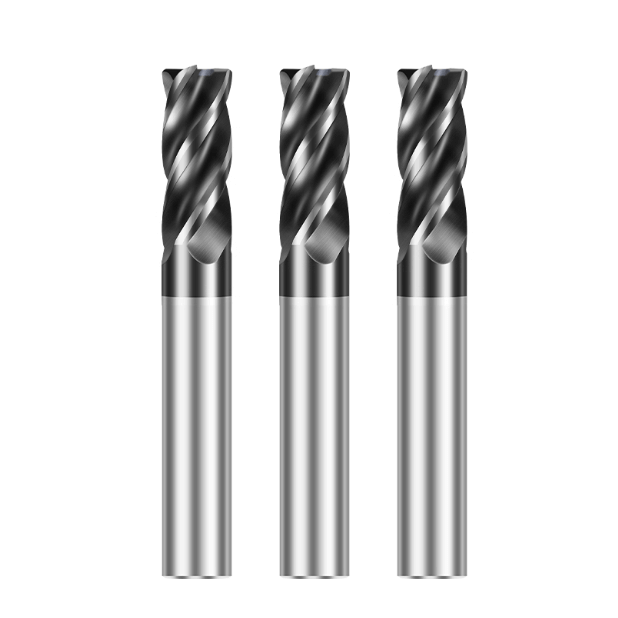
high feed end mills

Top Mistakes When Choosing CNC Milling Cutting Tools

Choosing the right CNC milling cutter directly impacts metalworking efficiency, part accuracy, and production costs. Yet many engineers and purchasing personnel make common mistakes during the selection process, leading to reduced machining efficiency, shortened tool life, and increased production costs. Whether selecting between HSS and carbide CNC milling cutting tools for high-speed cutting or finding […]

Top Mistakes When Choosing CNC Milling Cutting Tools Read More »
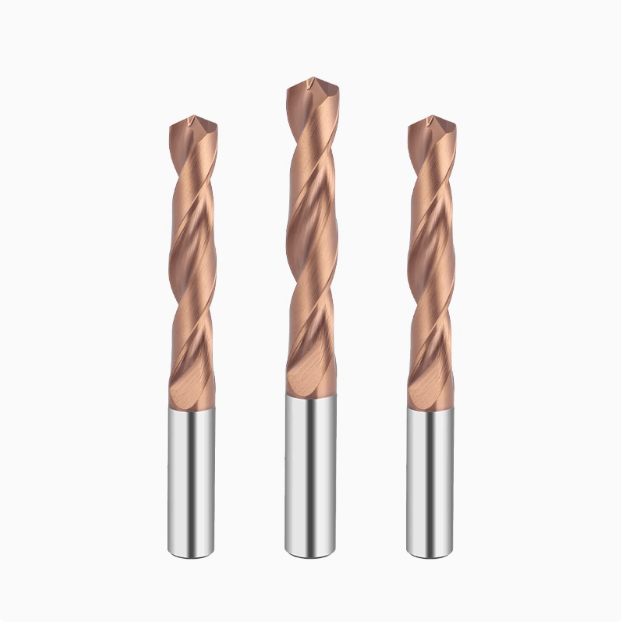
flat bottom drill

How to Choose the Right Type of Drill Bit for Your Material

Workpiece materials vary in their physical and cutting properties. Choosing the right type of drill bit is essential for maintaining hole accuracy, machining efficiency, and tool life. Whether it’s spot drill bits for high-precision hole placement, center drill bits for precise centering, or step drill bits for multi-diameter hole production, each drill bit type serves

How to Choose the Right Type of Drill Bit for Your Material Read More »

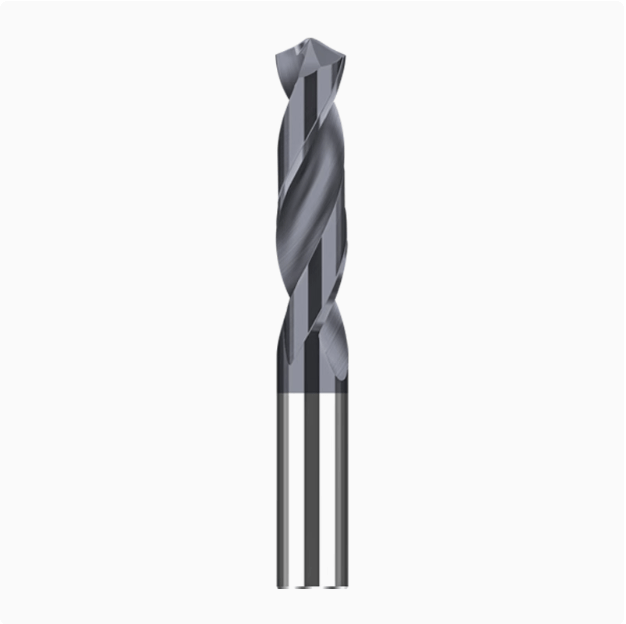
drill hardened steel

How to Improve Hole Accuracy in CNC Drilling with Twist Drill Bits

High-precision hole machining depends heavily on drill bit selection and process optimization, as they directly determine hole diameter stability and surface quality. When using a twist drill bit in CNC drilling, properly matching material, geometry, and cutting conditions can significantly reduce hole diameter errors and eccentricity. For hardened steel or high-strength alloys, using a twist

How to Improve Hole Accuracy in CNC Drilling with Twist Drill Bits Read More »

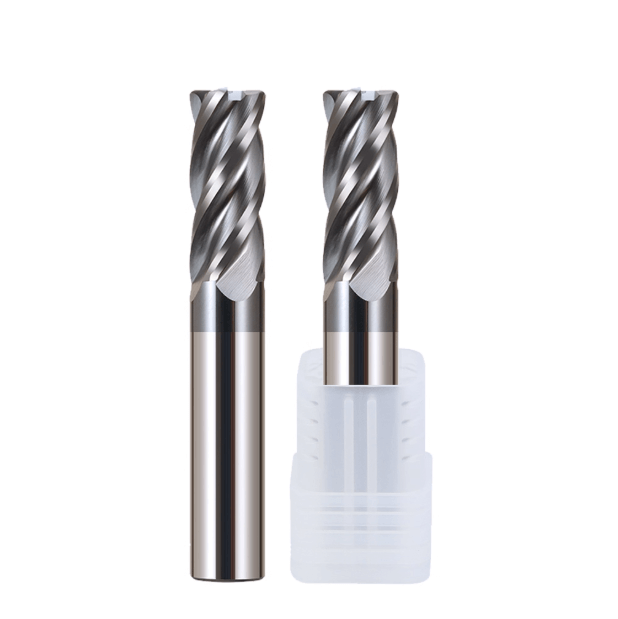
rounded corner cutter

Common Problems in CNC End Milling Bits and How to Solve Them

Although CNC end milling is a core process in precision part manufacturing, it often encounters challenges such as tool chipping, excessive wear, cutting vibration, and unstable surface finish. Different types of end milling bits play distinct roles in solving these problems. For instance, solid carbide end milling bits, known for their high hardness and wear

Common Problems in CNC End Milling Bits and How to Solve Them Read More »

types of cutting tools

End Mill vs Drill Bit: Understanding the Core Differences

In metalworking and precision part manufacturing, choosing the right tool directly impacts productivity, surface finish, and dimensional accuracy. End mills and drill bits differ significantly in machining methods, tool geometry, and cutting behavior. Understanding the core differences between end mills and drill bits helps engineers make informed decisions based on material type, machining depth, and

End Mill vs Drill Bit: Understanding the Core Differences Read More »

graphite end mill

End Mill Cutters for Graphite and Composite Materials

Cutting graphite and composite materials places exceptionally high demands on tool wear resistance, cutting edge sharpness, and chip evacuation. Due to the high hardness, strong abrasiveness, and brittleness of these materials, conventional milling cutters often struggle to achieve both efficient machining and superior surface quality. Therefore, specialized end mill cutters for graphite and composite materials

End Mill Cutters for Graphite and Composite Materials Read More »

Steel Drill Bits

Top Applications of Carbide Drill Bits for High-Precision CNC Manufacturing

Carbide drill bits offer exceptional wear resistance, high rigidity, and excellent high-temperature stability. These qualities make them essential tools for precision drilling and high-efficiency manufacturing. Whether machining electronic components using micro carbide drill bits, producing multi-diameter holes with carbide step drill bits, or drilling hard materials like hardened steel and titanium alloys with carbide drill

Top Applications of Carbide Drill Bits for High-Precision CNC Manufacturing Read More »

mold cutting tools

End Mill Sizes and Tolerances: What You Need to Know

End mill sizes and tolerances play a crucial role in high-precision CNC machining. Choosing the appropriate end mill sizes not only impacts cutting efficiency and machining stability but also directly affects part dimensional accuracy and surface quality. Different materials and machining types require carefully selected end mill sizes to optimize cutting performance and tool life.

End Mill Sizes and Tolerances: What You Need to Know Read More »

mold cutting tools

Common Issues Using an End Mill for Stainless Steel and Solutions

Milling stainless steel is considered one of the most challenging processes in metal cutting. Due to its high strength, toughness, low thermal conductivity, and tendency to work harden, even advanced CNC machines can struggle with issues such as rapid tool wear, severe built-up edge, excessive cutting heat, and unstable surface quality. Using the wrong tool

Common Issues Using an End Mill for Stainless Steel and Solutions Read More »

end mill bits

Customizing End Mill Bits for 3D Contour Milling

Selecting the right milling cutter is crucial for both machining efficiency and surface quality in 3D contour milling and complex part manufacturing. Custom end mill bits not only meet the geometric requirements of non-standard workpieces but also provide more stable cutting performance through optimized tool geometry, flute count, and helix angle. For high-hardness materials or

Customizing End Mill Bits for 3D Contour Milling Read More »