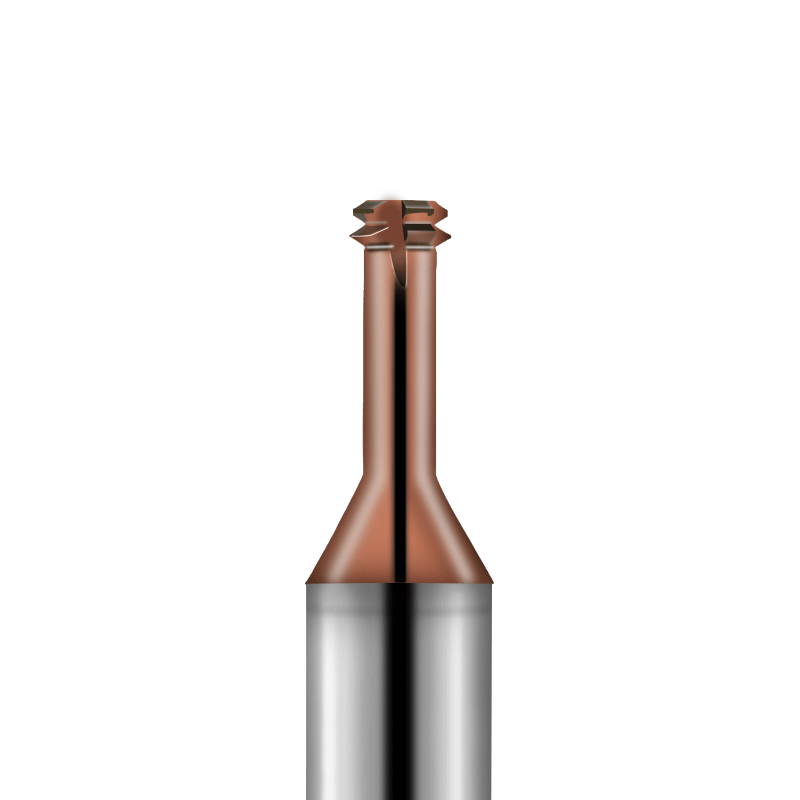
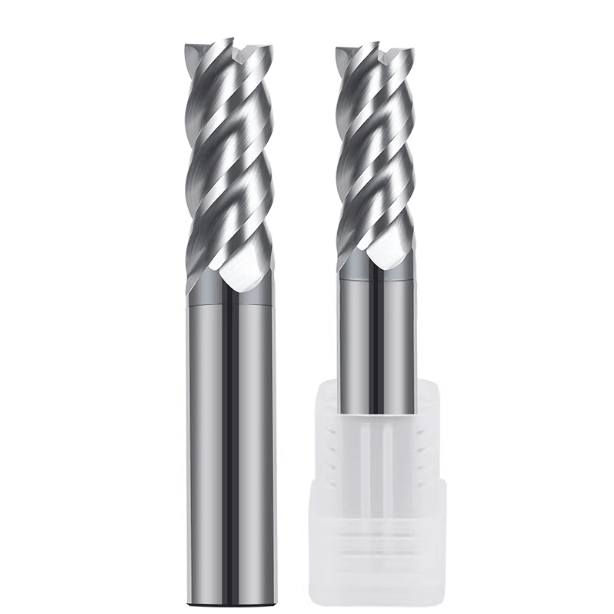
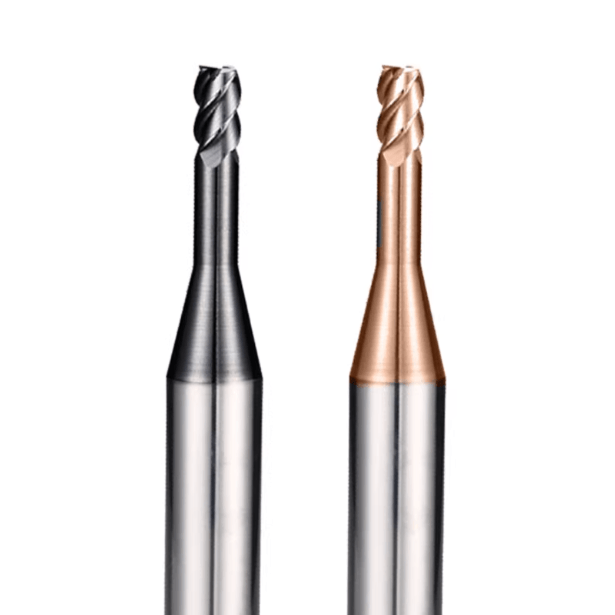
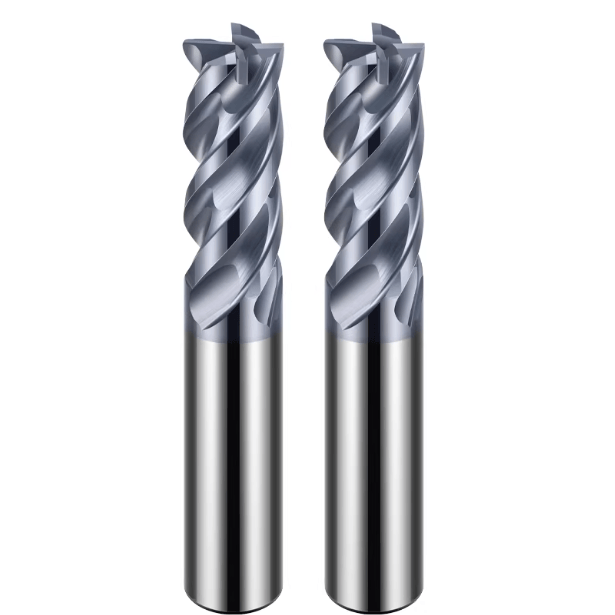
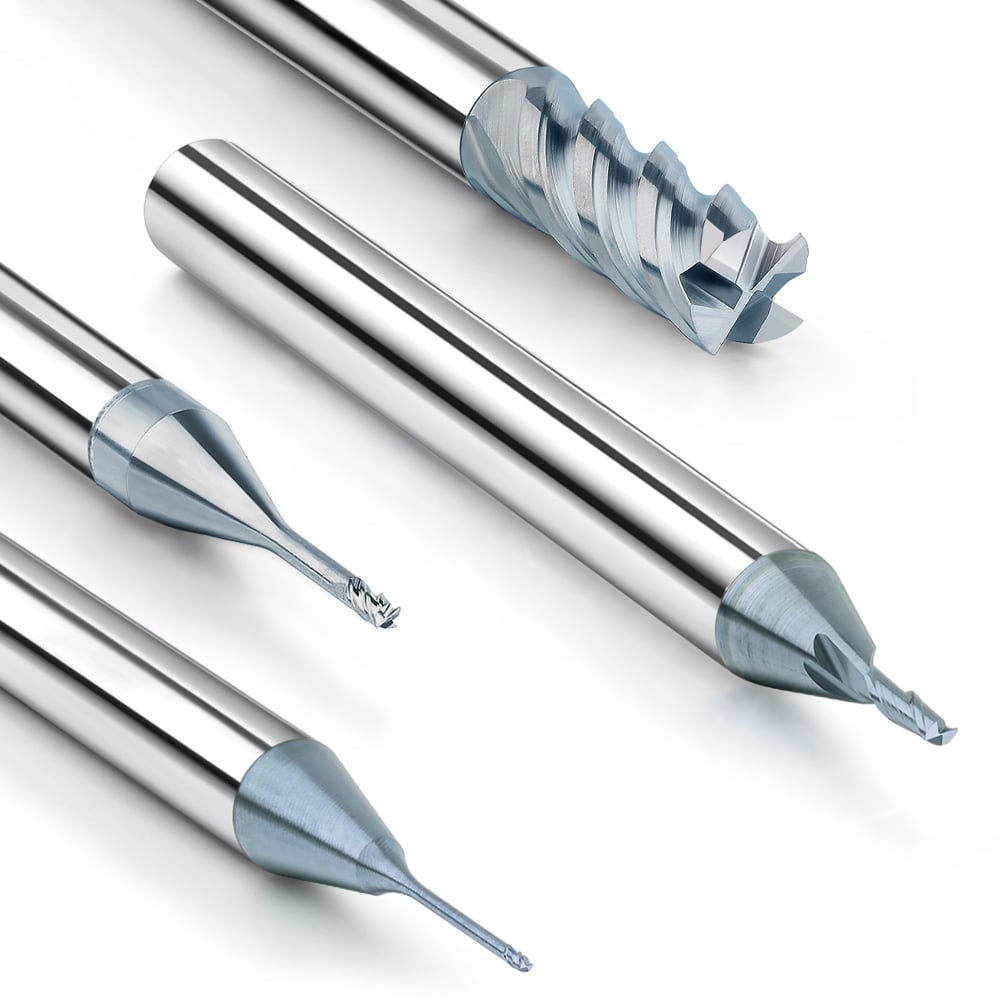
In precision parts machining and mass production, the choice of tool geometry directly impacts edge quality, assembly reliability, and overall processing costs. Corner chamfer end mills and corner radius end mills are both commonly used for edge finishing. While they appear similar and serve related purposes, they differ significantly in cutting methods, processing outcomes, and ideal applications. Correctly distinguishing and selecting between them is critical for achieving consistent, stable results.
From a practical standpoint, corner chamfer milling cutters are ideal for achieving standardized chamfer dimensions. They excel in parts where consistent chamfer angles, depths, and surface appearance are required. Corner radius chamfer end mills, with their rounded transition, improve edge strength and reduce stress concentration. They also influence tool stress distribution and service life differently. These differences become especially important when machining aluminum alloys, steel, or high-hardness materials, affecting cutting parameters and production cycle times.
For multi-variety, small-batch, or high-precision parts, standard tools may not suffice. In these cases, custom corner chamfer end mills provide optimized chamfer angles, cutting edge structures, and improved stability, reducing the risk of secondary finishing or rework. Differences among suppliers in design capability, quality consistency, and delivery times can directly affect production efficiency and cost management.

Differences in Machining Structure and Cutting Methods
Tool geometry directly affects cutting force distribution, processing stability, and the final quality of chamfers or radii. Different structural designs create distinct cutting paths, material removal behavior, and load distribution. Understanding these differences helps minimize abnormal wear and edge chipping while ensuring dimensional accuracy.
Cutting Edge Structure and Characteristics of Corner Chamfer End Mills
Straight chamfered edges contact the workpiece at a fixed angle, forming precise chamfers in a single pass. Cutting forces concentrate at the front of the edge, creating clear, repeatable paths. This makes them ideal for parts requiring high chamfer consistency in angle, width, and appearance.
In practical applications, corner chamfer end mills or corner chamfer milling cutters offer high repeatability, helping maintain uniform edge quality in mass production. However, concentrated cutting areas make them sensitive to machine rigidity, spindle stability, and feed rates. Correct parameter selection reduces secondary trimming and improves efficiency, while improper feeds or material inconsistencies can lead to localized edge wear.
Rounded Cutting Edge and Stress Distribution of Corner Radius End Mills
Rounded edges create continuous contact with the workpiece, distributing forces evenly along the radius. This reduces localized stress and protects both the tool and workpiece edge. Corner radius end mills or corner radius chamfer end mills perform more stably with high-strength materials or edges requiring high durability.
The rounded geometry adapts well to changes in feed rate and maintains smooth, continuous cutting paths, even during multi-axis or complex contour machining. While this reduces edge chipping and extends tool life, it demands precise programming and compensation for dimensional control.
Differences Between Chamfer and Radius at the Cutting Contact Point
Straight chamfers use point-to-line contact, concentrating material removal to create clear geometric boundaries. Rounded edges employ line-to-surface progressive contact, smoothing the cutting process and suppressing vibration. Straight chamfers prioritize dimensional consistency and appearance, while rounded edges enhance edge strength and long-term reliability.
Selecting between the two should consider part function, assembly requirements, and processing cycles to balance quality and efficiency.
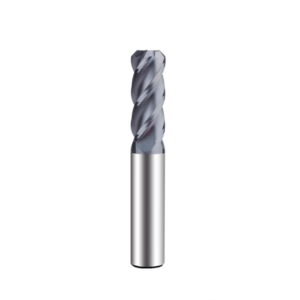
Machining Effect Comparison: Chamfer Consistency and Edge Quality
Edge finishing affects both appearance and assembly performance. Tool geometry significantly impacts chamfer accuracy, edge strength, and surface finish. By selecting the appropriate cutting edge type and machining method, secondary finishing can be minimized while maintaining dimensional control, improving overall production efficiency, and reducing costs caused by burrs or edge damage.
Advantages of Corner Chamfer End Mills in Chamfer Size Control
Straight chamfer edges create stable geometric boundaries during machining, ensuring high consistency in angle and width. Commonly used in high-precision parts machining, corner chamfer end mills—whether standard or custom—help maintain uniform results across batches.
Because cutting forces are concentrated at the edge front, chamfer size can be precisely controlled via feed rate and tool angle. This is particularly critical for mold components and mechanical assemblies. Optimizing cutting parameters reduces vibration and burr formation, improving repeatability. Additionally, straight edges simplify CNC programming path design, making process monitoring and tool life management more straightforward.
Impact of Corner Radius End Mills on Part Edge Strength
Rounded cutting edges create progressive contact with the workpiece. This distributes forces evenly along the edge, reducing localized stress concentration. For parts that require crack resistance and wear resistance, the rounded design improves edge stability during assembly or use.
Corner radius chamfer end mills enhance edge durability while minimizing the risk of chipping and burrs caused by brittle or hard materials. They are particularly suitable for automotive parts, aerospace components, and precision molds, extending service life while maintaining part functionality.
Comparison of Surface Finish and Secondary Deburring Requirements
Straight chamfer edges produce clear chamfer boundaries, but concentrated forces can create small burrs along the edges. Minor secondary deburring is often necessary to ensure smooth assembly. In contrast, the progressive cutting action of corner radius end mills removes material more smoothly, resulting in higher surface finish and reduced burr formation.
In practice, using a corner chamfer end mill may require extra polishing or deburring, while a corner radius end mill can save both processing time and labor costs, improving overall production efficiency.
By comparing chamfer consistency, edge strength, and surface quality, manufacturers can choose the most suitable tool type based on part function, batch size, and production goals.
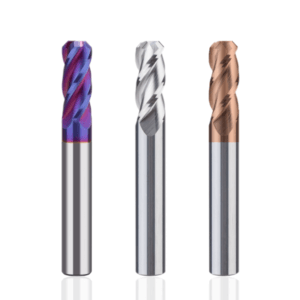
Machining Adaptability Analysis for Different Materials
Material hardness, toughness, and thermal conductivity significantly affect cutting efficiency, edge quality, and tool life. Different materials require adjustments in cutting edge geometry, feed rate, and tool angle. Matching the tool design to material characteristics enhances stability, reduces burrs and chipping, and optimizes production cycle time and cost.
Performance of Corner Chamfer Milling Cutters in Aluminum Alloy Machining
In aluminum alloy machining, straight chamfered edges can efficiently produce uniform chamfers. Stable cutting forces reduce material adhesion and tool clogging, ensuring neat and consistent edges.
Both standard and custom corner chamfer end mills achieve high-gloss chamfers with consistent dimensions when used with appropriate feed rates and cutting parameters. Low tool wear and high repeatability help reduce rework and improve production efficiency, particularly in mass production or assembly part machining.
Stability of Corner Radius End Mills in Steel and Stainless Steel
For high-strength steels and stainless steels, rounded edges distribute cutting forces progressively, reducing localized stress and minimizing burrs or edge chipping. Corner radius chamfer end mills experience uniform force distribution, ensuring stable machining even in multi-axis or complex contour operations.
Rounded edges also provide excellent wear resistance, making them ideal for hard materials and precision molds. Optimizing feed rate, cutting depth, and selecting appropriate coatings further extends tool life and maintains edge strength, minimizing the need for secondary finishing.
The Impact of Tool Edge Geometry on High-Hardness Materials
In titanium alloys, tool steels, and other hard materials, edge geometry and cutting angles greatly influence stability and tool life. Straight chamfered edges are prone to localized wear and chipping, whereas rounded edges distribute cutting loads more evenly, reducing heat concentration and improving machining consistency.
For non-standard or special chamfer requirements, custom corner chamfer end mills can be optimized in edge profile and angle, achieving high efficiency and high-quality results even in hard material machining. Proper adjustment of feed rate, cutting depth, and tool coating is essential for maximizing performance and tool life.
Differences in CNC Programming and Machining Stability
In precision parts machining, tool geometry affects not only cutting forces and edge quality but also the complexity of CNC programming and production stability. Different cutting edge types create significant differences in path planning, compensation strategies, and multi-axis machining. Proper path design and compensation ensure consistent chamfer or radius dimensions, reduce vibration, minimize abnormal tool wear, and improve both part yield and machining efficiency.
Programming Path and Compensation Logic of Corner Chamfer End Mills
CNC path planning for straight-edge chamfering tools is relatively straightforward, typically generating chamfer trajectories in straight lines or polygonal patterns. Because the cutting force is concentrated at the edge front, precise compensation of feed rate, cutting depth, and tool radius is required to maintain consistent chamfer angles and widths.
When using corner chamfer milling cutters or custom corner chamfer end mills, properly setting tool compensation and path overlap reduces burrs and edge wear, especially on polygonal or complex contour parts. Correct compensation logic also extends tool life, lowers rework rates, and improves efficiency in mass production.
Path Continuity of Corner Radius End Mills in Multi-axis Machining
Round-edge tools provide superior path continuity in multi-axis machining. The gradual contact of the rounded edge distributes cutting forces evenly along the radius, reducing vibration and sudden load changes in complex contours or curved chamfers.
Corner radius chamfer end mills enable smooth, continuous CNC paths without frequent deceleration or feed adjustments. This improves machining stability and maintains edge strength and surface quality. In high-precision or high-hardness part machining, path continuity of rounded edges is critical to minimize chipping and burr formation.
Tool Wear and Dimensional Accuracy Comparison
Straight-edge chamfering tools may experience localized wear during extended use, causing deviations in chamfer width or angle—especially when machining hard materials or large batches. In contrast, the uniform stress distribution of rounded edges delays wear impact, maintaining dimensional consistency for longer periods.
Combining supplier expertise with reasonable tool replacement schedules and compensation adjustments helps control wear effects, ensuring stable production efficiency and reduced scrap rates.
Impact on Machining Efficiency and Production Cycle
Part edge processing efficiency directly affects production cycles and overall manufacturing costs. Tool edge design, cutting method, and compatibility with machining strategy determine single-piece processing time, tool change frequency, and multi-process coordination. Choosing the right tools and optimizing machining strategy reduces delays caused by tool wear or secondary finishing, improving line stability and overall capacity utilization.
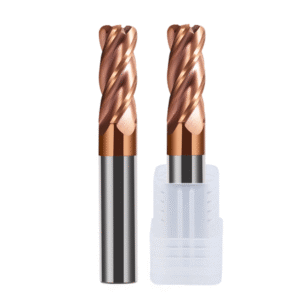
Efficiency Advantages of Corner Chamfer End Mills in Single-Pass Chamfering
Straight-edge chamfering tools can complete chamfers in a single pass, reducing multiple cutting steps. For mass production or standard parts, corner chamfer milling cutters significantly improve machining efficiency while maintaining consistent chamfer angles and widths.
Stable cutting paths and predictable tool contact ensure high repeatability in short processing times. This makes straight chamfer tools ideal for molds and mechanical assemblies. Proper feed rates and cutting depths also extend tool life and reduce downtime, further optimizing production cycles.
Role of Corner Radius Chamfer End Mills in Multi-Process Integration
Rounded edges excel in continuous cutting, particularly for multi-process or complex contour parts. Corner radius chamfer end mills can complete multiple chamfers or transitions in a single pass, reducing the need for secondary operations.
This continuous cutting approach decreases tool changes and potential positioning errors in multi-process setups, maintaining edge quality and dimensional stability. For small-batch or high-precision parts, multi-process integration improves overall production efficiency and consistency.
Tool Change Frequency and Overall Machining Cycle Analysis
Tool change frequency significantly impacts production cycle time. Linear chamfer tools may require frequent changes for multi-angle or non-standard parts, while rounded edge tools combine chamfering and edge transitions, reducing tool swaps and improving continuity.
In practice, custom corner chamfer end mills enable optimized tool configurations based on chamfer size and material, shortening processing time, improving cycle efficiency, and reducing non-productive time and labor costs.
Customization Needs and Non-Standard Machining Scenarios
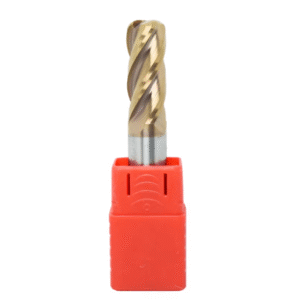
Standard chamfer and radius tools cannot meet all machining requirements, especially for high-precision, small-batch, or specialized parts. Non-standard components may have unique chamfer angles, irregular radii, or complex contours, demanding optimized tool geometry, cutting edge design, and cutting stability. Custom tools can be designed to suit material characteristics, chamfer depth, and production batch size, improving edge quality, yield, and machining efficiency.
When to Use Custom Corner Chamfer End Mills
Custom tools are preferred when chamfer angles, widths, or radii fall outside standard ranges, or when machining accuracy exceeds standard tool capabilities. Custom corner chamfer end mills can be tailored to part drawings for single-pass machining, avoiding multiple cuts and secondary finishing.
For small-batch production with high part variety, custom tools adapt quickly to different specifications, reducing tool changes, improving production continuity, and ensuring consistent chamfer or radius dimensions.
Tool Selection for Special Chamfer Angles and Non-Standard Radius Sizes
In mold making, precision mechanical parts, and aerospace components, non-standard angles or radii are common. Tool selection should consider material hardness, edge geometry, and cutting force distribution to maintain machining stability. Optimized corner chamfer or corner radius end mills enable precise machining of complex angles while preserving edge quality.
Integrating CNC programming strategies ensures smooth, continuous cutting paths, minimizes vibration and burrs, and improves surface finish.
The Impact of Custom Tools on Machining Stability and Yield Rate
Custom tools match the machining requirements of the part, stabilizing cutting forces and reducing uneven tool wear, chipping, and burr formation. For high-value or complex contour parts, this directly affects batch yield and production cost.
Custom tools also optimize load distribution, allowing corner chamfer end mills to maintain edge strength and surface quality in hard materials or multi-stage machining. This ensures consistent, repeatable machining, improves overall production efficiency, and enhances part assembly performance and reliability.

Tool Life and Cost Control Comparison
Tool life and cost control directly impact production efficiency and economic performance. Cutting edge geometry significantly affects wear patterns, stress distribution, and durability during machining. These factors influence both unit cost and the overall production cycle. Evaluating tool life and cost investment properly helps improve efficiency, reduce material and tool waste, and maintain consistent processing quality.
Wear Patterns of Corner Chamfer End Mills
Straight chamfered cutting edges concentrate forces at the edge front. This can lead to localized wear or microcracks, especially when machining steel or high-hardness materials. Prolonged use may cause chamfer size deviations, requiring timely tool replacement or adjustments to cutting parameters.
For corner chamfer milling cutters or custom corner chamfer end mills, wear usually appears at the corner radius or as minor side chipping. This affects chamfer consistency and surface finish. By optimizing feed rate, cutting depth, and tool coatings, wear can be slowed, tool life extended, and rework minimized.
Service Life Characteristics of Corner Radius End Mills
Rounded cutting edges distribute forces evenly along the edge, resulting in progressive rather than concentrated wear. This improves durability in high-strength materials and multi-axis machining, maintaining edge quality and dimensional stability over longer production runs.
Corner radius chamfer end mills experience less impact from wear, ensuring higher yield rates even in continuous production. Their progressive wear pattern makes them ideal for complex contours and high-volume operations, reducing tool changes and production downtime.
Unit Cost and Overall Tool Cost in Batch Production
Unit cost includes tool purchase price, production interruptions, rework, and secondary finishing due to wear. Straight chamfered tools have a lower initial cost but may require frequent replacement in high-hardness or large-batch production, increasing overall cost.
Rounded edge tools have a slightly higher initial investment, but their longer service life and lower rework rate make them more cost-effective for mass production. Combining standard and custom tools, with guidance from experienced corner chamfer end mill suppliers, optimizes production costs while ensuring edge quality and stable processing.
Selection Logic from a Procurement and Supply Chain Perspective
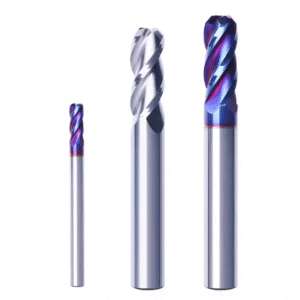
Tool procurement affects production efficiency, supply chain stability, and inventory management. A rational selection strategy considers processing needs, batch size, material type, and part complexity, along with supplier delivery capability and service level. Scientific procurement ensures cost optimization, production continuity, and efficient inventory turnover while maintaining machining quality.
Tool Selection Priorities under Different Processing Needs
For mass production and high-precision parts, tool selection should prioritize machining efficiency, edge quality, and dimensional stability. For standard chamfers or conventional radii, readily available tools enable quick production start, short lead times, and lower procurement costs.
For non-standard chamfers or special radii, custom chamfer end mills are better suited to meet accuracy and surface finish requirements. High-wear-resistant standard tools work well for repeatable production, rounded or progressive tools for complex contours and multi-axis machining, and custom chamfer end mills for non-standard requirements to ensure stability and yield.
Key Factors in Choosing a Reliable Corner Chamfer End Mill Supplier
Supplier reliability directly affects production continuity and part quality. Key considerations include tool quality and consistency, technical support, custom development capability, and delivery reliability. Experienced suppliers provide optimized recommendations for different materials, chamfer angles, and production batches while ensuring stable tool performance.
Supplier support, including after-sales service and technical guidance, helps reduce downtime and rework caused by tool wear, improving overall efficiency and cost control.
The Impact of Standard and Custom Corner Chamfer End Mills on Lead Time and Inventory
Standard tools are usually in stock and can be delivered quickly, suitable for routine machining, reducing production delays. Custom chamfer end mills have longer production cycles and require advance planning but optimize cutting edge shape and angles for specialized parts, improving accuracy and edge quality.
By managing inventory strategically—using standard tools for routine production and custom chamfer end mills for high-precision or non-standard parts—manufacturers can balance lead time, cost, and efficiency, achieving supply chain stability and flexibility.

Selection Recommendations in Actual Machining Scenarios
Tool selection affects machining efficiency, edge quality, assembly performance, and production cost. By considering machining structure, cutting method, material compatibility, CNC programming strategy, efficiency, customization, tool life, and supply chain factors, manufacturers can develop a scientific selection approach for different scenarios. Proper planning of tool types and edge geometry improves cycle time, reduces rework, and optimizes costs while maintaining chamfer or radius accuracy.
Tool Selection Strategies for Precision Parts and Assemblies
For precision parts and assemblies, machining stability and chamfer consistency are critical. Straight-edge tools provide high repeatability for single-pass chamfering, ensuring dimensional consistency and surface quality, ideal for mass production of standard parts.
Rounded edge tools reduce stress concentration, enhance edge durability, and minimize burrs and secondary deburring, improving assembly smoothness and service life. Combining standard corner chamfer end mills and radius tools based on material, chamfer angle, and surface finish achieves a balance between precision and efficiency.
The Trade-off Between Chamfers and Radii in Mold Machining
Mold machining often combines straight chamfers with complex curved radii. Straight-edge tools excel at precise, efficient machining of linear edges, while radius tools distribute cutting forces, protect edges, and reduce chipping and wear in corners or high-stress areas.
Selection should consider part function, material hardness, and cycle time: standard chamfer tools for straight edges and mass production, radius tools for transitions or stress-prone areas. Custom corner chamfer end mills can supplement for non-standard or specialized radii, maximizing stability and yield.
How to Make a Rational Choice Between Corner Chamfer End Mills and Corner Radius End Mills
Tool selection principles:
-
Machining Objective: Straight-edge tools for dimensional consistency; radius tools for edge strength and chipping resistance.
-
Material Suitability: Aluminum alloys favor straight chamfers; high-hardness steel or titanium favors radius tools.
-
Machining Efficiency: Straight tools reduce time for standard parts; radius tools integrate processes for complex contours.
-
Customization Needs: Use custom tools for non-standard chamfers or radii to ensure stability and quality.
-
Cost and Supply Chain: Combine standard and custom tools strategically for production continuity and cost optimization.
By considering machining structure, material, programming path, efficiency, and supply chain, manufacturers can select between straight chamfer and radius tools to achieve high precision, stability, and cost-effectiveness.