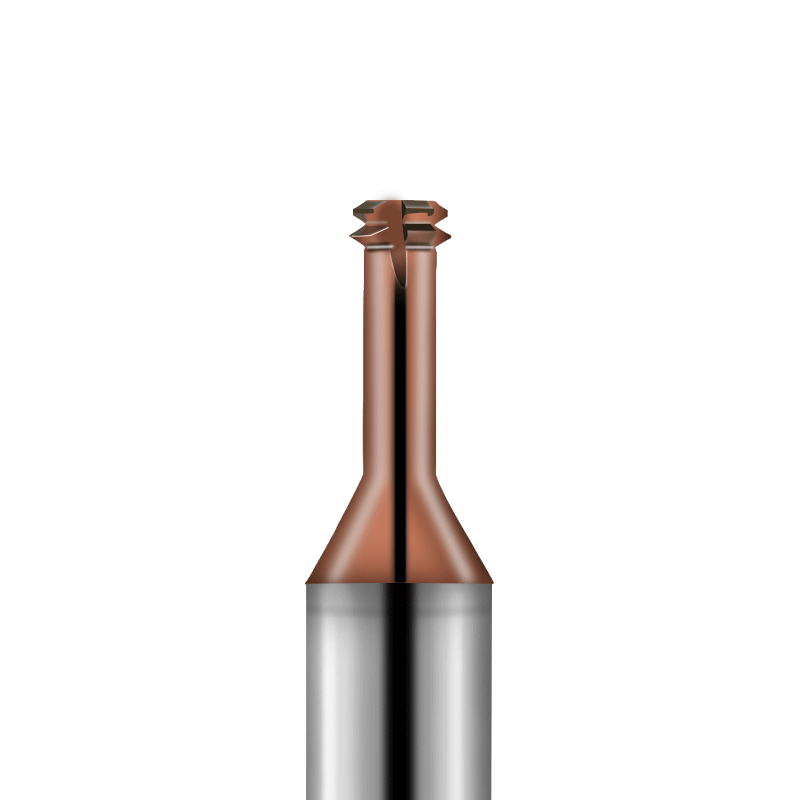
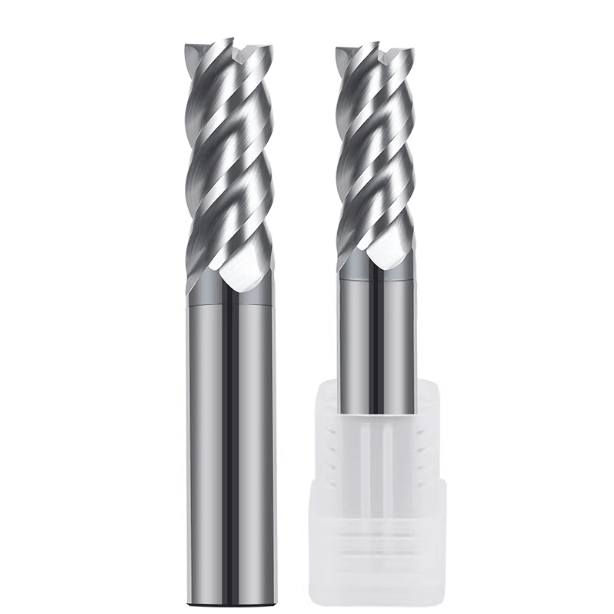
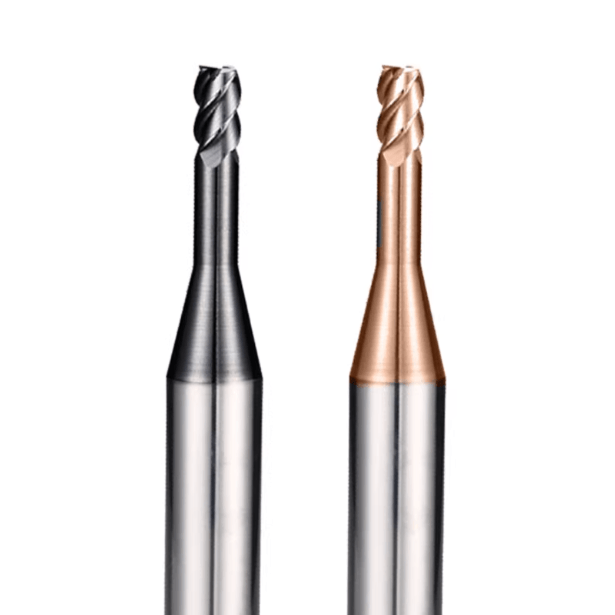
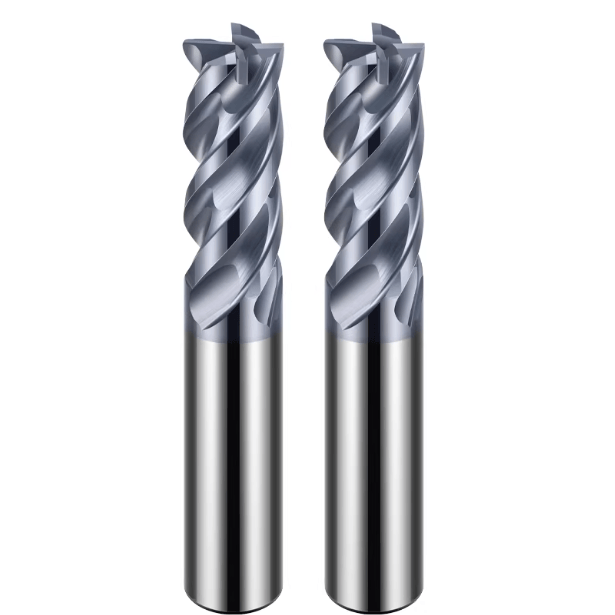
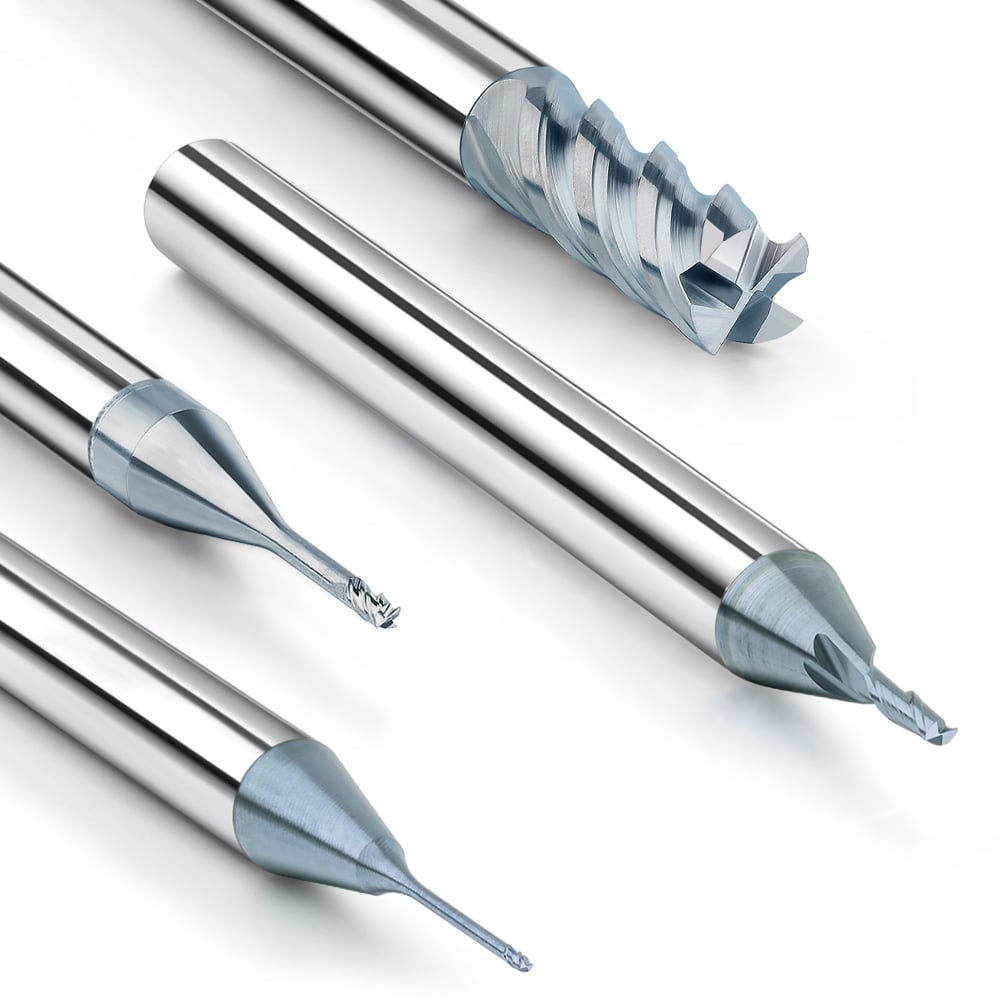
Accurate inspection and measurement of T-slot end mill accuracy is essential for achieving high-quality machining results. Whether using a carbide T-slot end mill for high-hardness materials or a T-slot slotting end mill for precision grooves in molds, the tool’s geometric accuracy, slot dimensions, and cutting edge quality directly affect surface finish and final part accuracy. A systematic measurement process can detect minor deviations that occur during production and use, preventing the accumulation of errors, extending tool life, and improving overall efficiency.
For manufacturers and shops, partnering with a reliable OEM T-slot end mill cutter manufacturer provides access to high-precision, custom tools along with professional inspection and maintenance guidance, ensuring stable machining performance. By understanding the structural features of the T-slot cutting tool and using appropriate measurement methods and equipment, slot width, bottom angle, helix angle, and cutting edge sharpness can be accurately assessed. This approach helps optimize cutting parameters, reduces burr formation, minimizes vibration, and controls tool wear, ensuring the final machined component meets design specifications.
In short, inspecting T-slot end mills for accuracy is not merely a quality control task—it is a critical step in achieving efficient, stable machining and extending tool life. By applying scientific measurement methods and professional techniques, each tool can perform at its optimum level, providing reliable assurance for machining complex slot shapes.

Preparing Your T Slot Cutting Tool for Accurate Measurement
Proper preparation of the tool is the first step in accurate T-slot end mill inspection. Whether using a carbide T-slot end mill or a standard T-slot slotting end mill, the tool’s condition directly affects measurement results. Preparation involves selecting the right tool, thorough cleaning, stabilizing the tool, and choosing suitable measurement equipment. Systematic preparation reduces measurement errors, provides reliable data for CNC machining, and sets the foundation for precise parameter evaluation and tool longevity.
Selecting the Right Carbide T Slot End Mill for Inspection
Selecting the appropriate carbide T-slot end mill is critical. Choose tools with complete cutting edges and uniform wear, taking into account the material being machined, slot size, and usage conditions. For manufacturing facilities, collaborating with a professional OEM T-slot end mill cutter manufacturer ensures access to high-precision, custom-made tools with superior geometric accuracy, cutting edge sharpness, and slot consistency. Choosing the right tool eliminates errors from inherent defects and ensures a reliable basis for precision machining.
Cleaning and Stabilizing the Tool Before Measurement
Before measurement, thoroughly clean the tool to remove surface oil, debris, or oxidation, and deburr the cutting edges for uniform sharpness. Secure the T-slot cutting tool with an appropriate clamp or tool holder to prevent vibration or offset during measurement. Proper cleaning and stabilization are essential prerequisites for high-precision measurement and long-term tool performance.
Choosing Suitable Measurement Equipment
Selecting the right measurement equipment is crucial. A coordinate measuring machine (CMM) is ideal for evaluating slot geometry and dimensions, while microscopes or image measuring systems are suited for assessing edge sharpness and surface quality. For quick inspections, high-precision vernier calipers and plug gauges are effective. Choosing the right method based on tool type and measurement goal improves efficiency and ensures consistency between measured results and machining performance.

Key Accuracy Parameters to Measure in T Slot End Mills
Understanding key measurement parameters is crucial when inspecting T-slot end mills. The performance and accuracy of different types of tools, such as carbide T-slot end mills or T-slot slotting end mills, heavily depend on geometric parameters, cutting edge quality, and slot dimension consistency. Systematic measurement ensures the tool meets design specifications and provides essential data for CNC machining. This helps optimize cutting parameters, reduce errors, and extend tool life. Partnering with a professional OEM T-slot end mill cutter manufacturer ensures access to high-precision tools, further stabilizing performance during measurement and machining.
Flute Geometry and Pitch Accuracy
The number of cutting edges, pitch, and helix angle directly affect cutting performance. Uneven helix angles or an incorrect number of edges can cause uneven cutting forces, vibration, and difficulty with chip removal, impacting slot quality. Use a coordinate measuring machine (CMM) or optical imaging system to check the consistency of each cutting edge’s pitch and angle. This is especially important for high-precision machining, such as mold or hard material applications, where carbide T-slot end mills require exact geometric accuracy to achieve optimal surface finish and tool life.
Shank and Neck Diameter Consistency
Shank and neck diameters are key indicators of tool rigidity and machining stability. Deviations can cause wobbling or vibration, reducing slot accuracy and surface quality. High-precision vernier calipers, inside gauges, or CMMs should be used to verify dimensions, ensuring each tool meets design tolerances and enhancing CNC machining consistency.
T Slot Profile and Width Measurement
Accurately measuring slot profile, bottom angle, top width, and overall slot width is critical. Use a video measuring instrument or CMM to obtain precise slot parameters. Accurate measurement ensures the T-slot cutting tool produces the required dimensions during machining. For molds, machine guides, or high-precision components, slot errors directly affect assembly accuracy and part functionality, making this step essential.
Surface Finish and Edge Quality
Edge sharpness and surface roughness are vital for cutting performance and tool longevity. After manufacturing or extended use, carbide T-slot end mills or T-slot slotting end mills may experience minor chipping or coating wear, increasing burrs and surface roughness. Measure using microscopy, video inspection, or roughness testers. Early detection allows timely resharpening or replacement, ensuring the machined parts meet design specifications.

Measurement Techniques for T-Slot Slotting End Mills
Choosing the right measurement techniques is key to ensuring T-slot end mill accuracy. Tools such as carbide T-slot end mills or T-slot slotting end mills require precise control of slot dimensions, edge sharpness, and geometry. Scientific measurement methods provide accurate tool condition assessment, optimize CNC cutting parameters, reduce machining errors, and improve surface quality. Collaborating with professional OEM T-slot end mill cutter manufacturers ensures access to high-precision, custom cutters that have undergone precise measurements, guaranteeing performance from the start. Common measurement techniques include CMMs, optical/laser-based methods, and manual measurement tools, each offering distinct advantages depending on accuracy, efficiency, and application.
Using CMM for High-Precision Measurement
A coordinate measuring machine (CMM) is essential for high-precision inspection of slot profiles, helix angles, edge count, and slot width. For carbide T-slot end mills, especially in molds and hard material machining, CMMs provide micron-level measurements to verify compliance with design specifications. CMM data also supports tool wear analysis and cutting parameter optimization.
Optical and Laser-Based Methods
Optical and laser methods enable non-contact, high-precision measurement. Scanning the cutting edge or slot profile of a T-slot slotting end mill can quickly reveal dimensional deviations or surface defects. These methods are ideal for edge sharpness, coating wear, and slot consistency checks, and they support rapid batch inspection. Compared to contact measurements, optical and laser methods reduce human error and improve repeatability.
Manual Measurement Tools for Quick Checks
Manual tools remain valuable for daily production and on-site inspections. Using vernier calipers, plug gauges, or micrometers, you can quickly check shank diameter, slot width, and cutting edge dimensions of T-slot cutting tools. While slightly less precise than CMM or optical methods, manual measurements are easy to perform and provide fast feedback. Ensure the tool remains stable during measurement, avoid reading errors, and use batch inspection data to evaluate tool condition.
Maintaining Accuracy for Long-Term Tool Performance
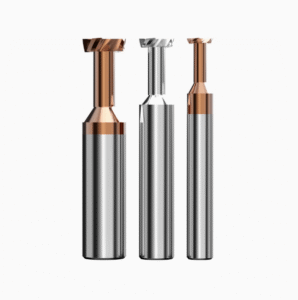
After accurate measurement, maintaining T-slot end mill performance is critical for long-term precision and stable machining. Even high-performance carbide T-slot end mills or T-slot slotting end mills can experience accelerated wear and increased slot profile deviations without systematic inspection, proper storage, and standardized operation. Such issues can negatively affect CNC machining accuracy and reduce production efficiency. Establishing a structured maintenance system—including regular inspections, proper storage, and collaboration with a reliable OEM T-slot end mill cutter manufacturer—maximizes tool life, reduces machining errors, and ensures consistent high-precision machining.
Regular Inspection Schedules for Carbide T-Slot End Mills
Regular inspections are essential for maintaining machining accuracy. A detailed plan should include checks on cutting edge wear, slot profile, shank and neck diameters, and more. Recording inspection data allows tracking of wear trends, enabling timely resharpening or tool replacement. Adjust inspection intervals based on tool usage and material hardness to optimize production efficiency. Collaborating with an OEM T-slot end mill cutter manufacturer ensures access to technical guidance and precision tools for reliable long-term performance.
Proper Storage and Handling of T-Slot Cutting Tools
Proper storage prevents damage and ensures tool accuracy. T-slot cutting tools should be stored in shockproof, moisture-proof, and dustproof racks or dedicated boxes. For carbide T-slot end mills, rust prevention and controlled temperature and humidity further extend tool life. During handling, tools must be securely fixed to avoid edge damage or deformation. Good storage and handling practices are fundamental to maintaining long-term tool performance and machining precision.
Working with a Reliable OEM T-Slot End Mill Cutter Manufacturer
Partnering with a reputable OEM T-slot end mill cutter manufacturer provides access to high-precision custom tools and professional support. Reliable manufacturers offer guidance on tool design, coating selection, and custom slot profiles, ensuring accurate machining performance from the start. Supplier recommendations also help establish a systematic tool management process, extending tool life and improving production efficiency and part quality.

Common Measurement Errors and How to Avoid Them
Measurement errors can significantly affect the accuracy of T-slot end mills and CNC machining quality. Errors may arise from operator procedures, measurement equipment, or the tool itself. Identifying these sources and taking preventive measures is essential for reliable results. Working with a professional OEM T-slot end mill cutter manufacturer also provides access to high-precision tools and technical support, minimizing errors at the source.
Operator-Related Errors
Improper operator procedures are the most common error source. Examples include insecure tool fixation, inaccurate readings, or inconsistent measurement methods. Operators should receive professional training, follow standardized procedures, fix the tool properly, calibrate instruments, and repeat measurements to verify results. Standardized operation significantly improves the measurement accuracy of carbide T-slot end mills or T-slot slotting end mills.
Equipment-Related Errors
Measurement accuracy depends on instrument calibration and environmental stability. Uncalibrated CMMs, optical systems, or laser equipment can produce errors in groove profile, helix angle, or cutting edge geometry. Temperature, humidity, and vibration can further affect stability. Use reliable instruments and maintain a stable measurement environment to ensure precise results.
Tool-Related Factors
Tool condition affects measurement accuracy. Prolonged use or machining hard materials can cause edge wear, coating degradation, or groove deformation. Regular inspections, combined with measurement data, determine whether tools need resharpening or replacement. Partnering with a trusted OEM T-slot end mill cutter manufacturer ensures access to high-precision tools and technical support, reducing errors from the source.
Best Practices for Ensuring Accurate T-Slot End Mill Measurements
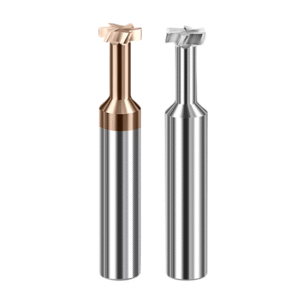
Ensuring the accuracy of T-slot end mills is critical for efficient, high-quality CNC machining. From tool preparation to key parameter measurement, measurement technology selection, long-term maintenance, and error management, each step impacts final machining accuracy.
Proper preparation—selecting suitable tools, cleaning and stabilizing them, and using appropriate measuring equipment—lays the foundation for accurate measurement. Measuring key parameters, such as cutting edge count, pitch, shank diameter, slot width, and edge quality, provides a scientific basis for evaluating tool condition. Measurement technologies—including CMMs, optical/laser systems, and manual inspection tools—should be chosen based on tool type, accuracy requirements, and production environment.
Maintaining long-term accuracy requires regular inspections, standardized storage and handling, and collaboration with a reliable OEM T-slot end mill cutter manufacturer. Identifying and avoiding operator, equipment, and tool-related errors further ensures consistent machining results.
In summary, achieving high-precision measurement and stable machining with T-slot end mills requires a systematic approach: from tool selection and preparation, key parameter assessment, and measurement technology application to long-term maintenance and error control. By following this process, companies can improve efficiency, product quality, and tool life, fully capitalizing on the performance benefits of carbide T-slot end mills, T-slot slotting end mills, and other T-slot cutting tools, providing reliable support for molds, mechanical guides, and high-precision components.