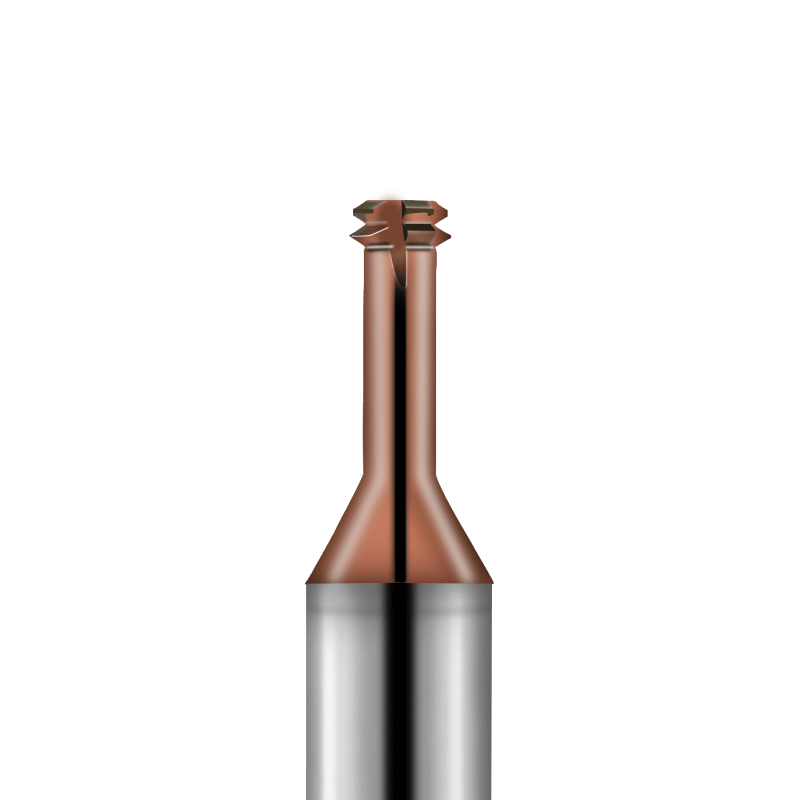
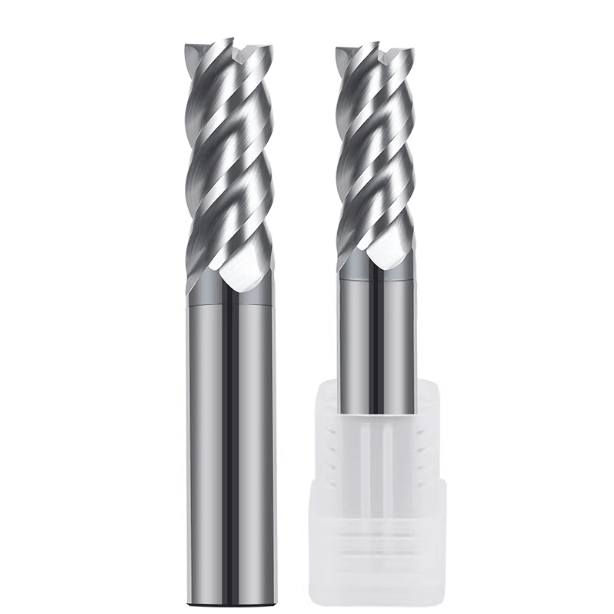
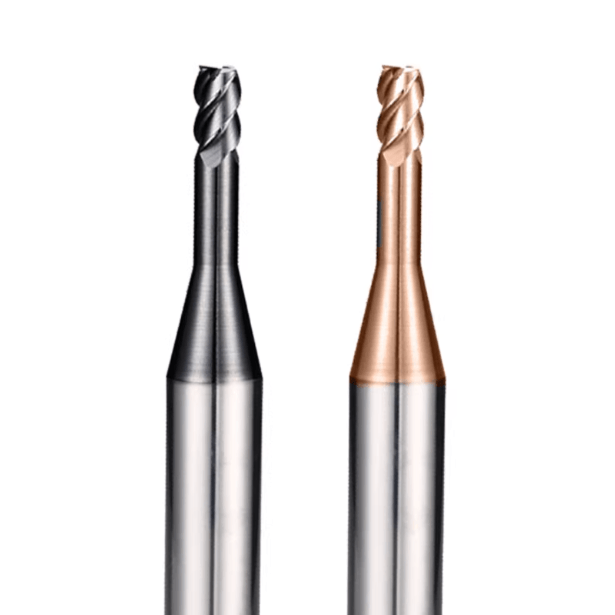
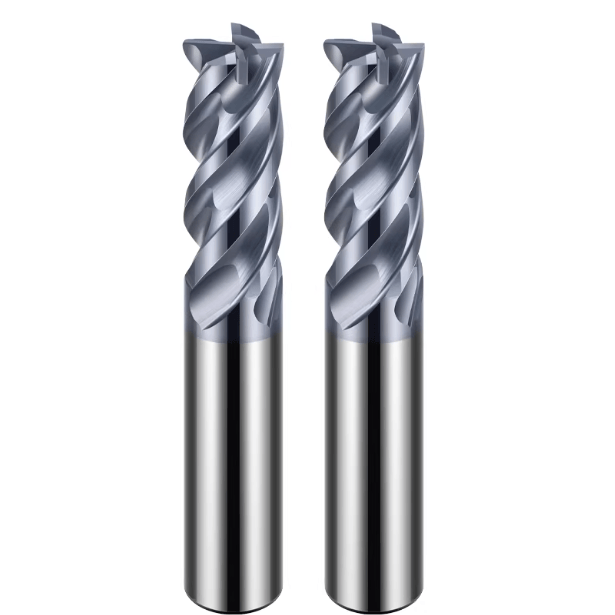
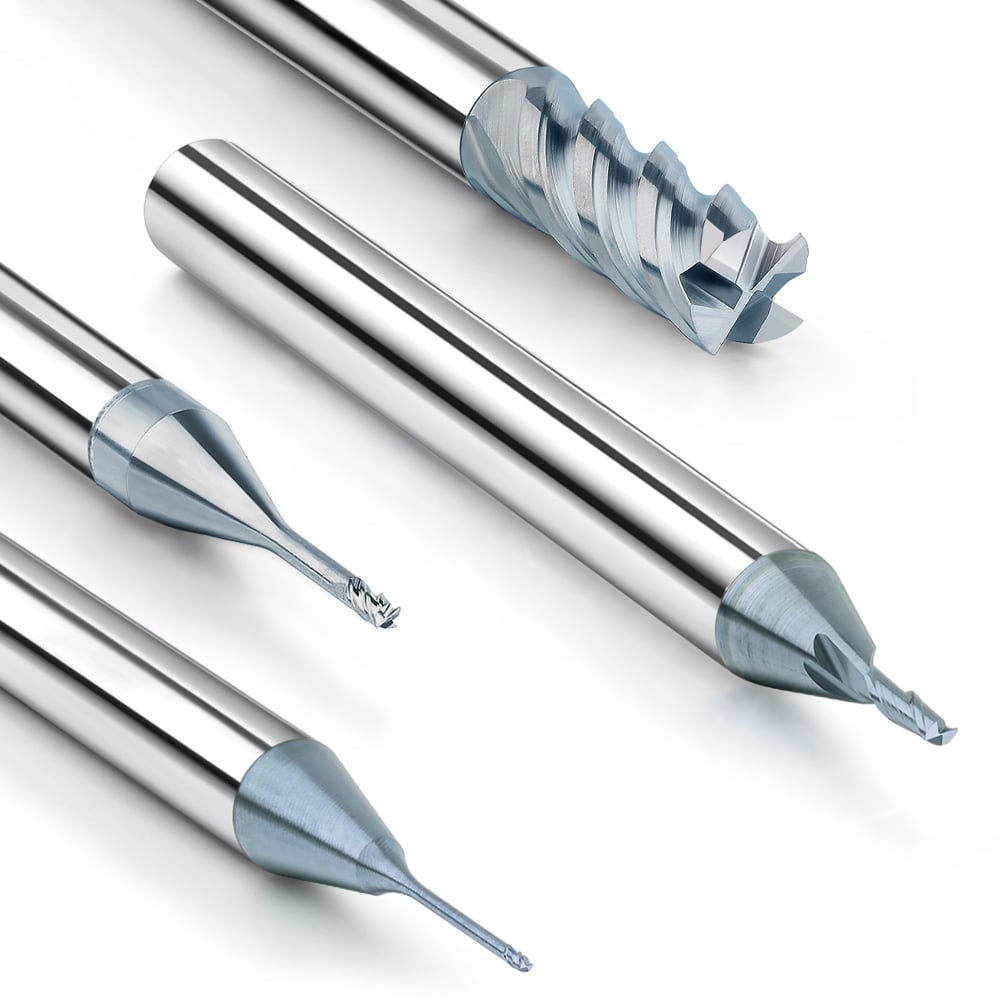
Efficient utilization of diamond coated milling bits has become essential for improving processing efficiency, stability, and cost control in precision manufacturing. These tools are widely used in high-precision cutting of graphite electrodes, composite materials, and high-hardness non-metals due to their high wear resistance, low surface friction, and ability to maintain dimensional consistency during prolonged machining. Achieving maximum efficiency requires a deep understanding of tool coating structure, geometry, cutting parameters, and process planning. These factors directly influence the performance of diamond coated end mills, especially in complex shapes and continuous high-load conditions.
When machining materials prone to rapid wear, such as graphite molds and electrodes, using diamond coated end mills for graphite significantly reduces edge dulling, resulting in smoother surface finishes and more stable dimensions. Compared with ordinary carbide tools, tool life can be several times longer under the same conditions, making production cycles more predictable and overall manufacturing efficiency higher. To further optimize productivity, many companies collaborate with custom CNC diamond milling bit suppliers, customizing tool geometry, coating layers, and edge reinforcement techniques to achieve higher efficiency and stability in specific applications.
From process planning and parameter optimization to tool selection, every aspect is highly correlated with efficiency improvement. Fully integrating tool characteristics with material properties, processing paths, and equipment performance is essential to maximize the advantages of diamond coated milling bits while ensuring precision.

Key Factors in Choosing High-Efficiency Diamond Coated Milling Cutters
Selecting high-efficiency diamond coated milling cutters requires a comprehensive evaluation across multiple dimensions, including material characteristics, tool structure, coating process, and intended application. Different materials and parts have distinct requirements, while coating quality, edge shape, and tool wear resistance directly affect processing rhythm, cutting stability, and overall operating costs. Matching tool performance precisely to processing needs ensures stable cutting in high-hardness materials, graphite electrodes, and composites, improving continuous processing capabilities and reducing downtime caused by tool wear.
Matching the Right Diamond Coating Type Based on Machining Material
Different materials require different coating wear resistance and adhesion properties. Non-metallic or highly abrasive materials benefit from surface treatments with high wear resistance and low friction to maintain cutting edge sharpness. When machining graphite, electrodes, or ceramics, the appropriate coating reduces abrasive wear from dust, enhances tool durability, and prevents premature failure. For high-hardness composites, coatings with reinforced bonding layers and high heat resistance are needed to maintain stability during high-speed cutting.
The Impact of Tool Geometry on Machining Efficiency
Tool geometry—including cutting edge design, flute shape, helix angle, and end mill profile—affects cutting resistance and surface integrity. Sharper edges reduce cutting load and increase spindle efficiency, while optimized flutes improve dust and chip evacuation, particularly in graphite or brittle materials. A well-designed geometry ensures stability during high-speed machining, creating smoother tool paths and contributing to overall automated machining efficiency.
Performance Differences Between Single-Layer and Multi-Layer Coatings in Different Scenarios
Single-layer coatings offer low friction and are suitable for high-precision surfaces or light cuts, maintaining sharpness on small features. Multi-layer coatings excel in prolonged, continuous machining, providing superior wear resistance and micro-crack prevention. Coating structure differences impact dimensional consistency in high-volume production and the stability of the production rhythm.
Reasons for Choosing Dedicated Diamond Coated End Mills for Graphite Machining
Graphite is highly abrasive, causing ordinary tools to wear, dull, or chip quickly. Tools optimized for graphite maintain longer lifespan in high-dust environments, reduce tool replacement frequency, and control machining defects such as chipping or corner breakage. Specialized geometry improves chip evacuation, delivering smoother surfaces. These tools are ideal for electrode machining, mold corner cleaning, and high-speed contouring, minimizing dimensional variation across part batches.
Advantages of Custom Tools in Precision Machining
Standard tools may not balance efficiency and precision for complex or strict-tolerance parts. Customization with experienced suppliers allows adjustment of cutting edge geometry, coating thickness, shank structure, or flute design to match material, equipment, and cutting path conditions. Customized solutions improve machining consistency, reduce tool testing time, and provide a reliable foundation for mass production, especially for graphite electrodes, high-precision molds, and high-end non-metallic components.

Cutting Parameter Optimization to Improve Machining Efficiency
Rational cutting parameter configuration is essential for improving efficiency and extending tool life. Adjusting spindle speed, feed rate, cutting depth, and side cutting load reduces tool wear, enhances surface quality, and minimizes heat and vibration effects on accuracy. Parameter optimization based on material hardness and thermal conductivity ensures stable, continuous machining. Combined with precise fixture clamping and cutting fluid management, these strategies improve both efficiency and surface finish.
Rational Matching of Spindle Speed and Feed Rate
Efficiency and cutting quality rely on proper spindle speed and feed rate matching. Different materials have specific tolerances; balancing speed and feed reduces friction, heat, and premature tool wear. For high-hardness or brittle materials, increasing spindle speed with lower feed maintains stability. For graphite or composites, moderate speed reduction and uniform feed control reduce dust dispersion and particle clogging.
Optimization Strategies for Cutting Depth and Side Edge Load
Cutting depth impacts chip thickness and tool stress. Excessive side load leads to chipping or vibration. Layered or stepwise cuts reduce stress while maintaining efficiency. Fine-tuning depth and side load ensures dimensional accuracy, surface finish, and reduces vibration impact on stability.
How to Improve Surface Quality by Reducing Tool Friction
Friction increases energy consumption and surface roughness. Selecting proper coatings, controlling speed, and using coolant or dry cutting reduce friction, improve efficiency, and protect tool edges. Intermittent cutting and lubrication strategies reduce heat accumulation, enhancing surface quality and preventing microcracks.
Dedicated Parameter Adjustment for High-Speed Machining
High-speed cutting introduces heat and centrifugal force. Adjusting spindle speed, feed rate, and depth, combined with coolant strategies, stabilizes cutting, reduces wear, and ensures high-efficiency machining. For brittle or hard materials, careful path planning prevents chip clogging and breakage.
Correct Methods to Reduce Dust Impact in Graphite Machining
Graphite dust affects cutting stability and accuracy. Adjusting parameters, using dust extraction, or wet cutting reduces interference. Proper feed and depth, combined with multi-edge tools, maintain chip flow, reduce wear, and ensure surface finish and dimensional stability.

Methods to Extend Tool Life Using Diamond Coated Milling Bits
In high-precision machining, tool life directly impacts production efficiency and part quality. Scientifically managing cutting conditions, optimizing machining strategies, and selecting appropriate cooling methods can significantly reduce tool wear. This also minimizes the risk of breakage during machining of high-hardness, brittle, or graphite-like materials. Maintaining stable cutting and reducing thermal stress accumulation are key factors for prolonging tool life. Additionally, combining program optimization, cutting path planning, and tool monitoring systems ensures that diamond coated milling bits maintain efficiency, while reducing production costs and downtime.
Selecting the Right Cooling Method for Optimal Tool Life
Cooling strategies directly influence tool wear and surface finish. For materials with high thermal conductivity or long continuous cuts, liquid cooling or minimum quantity lubrication (MQL) lowers tool temperature and prevents coating delamination. In contrast, dry cutting is preferable for graphite and other water-absorbent materials, as it prevents material swelling, reduces dust adhesion, and lowers the risk of corrosion. Selecting the correct cooling method in combination with optimized cutting parameters extends tool life while ensuring stable machining conditions.
Reducing Tool Chipping and Surface Microcracks
Chipping and microcracks are often caused by overload, vibration, or thermal stress concentration. By controlling cutting depth and side edge load, and optimizing tool paths and feed strategy, instantaneous forces on the tool can be minimized. Uniform cutting and multi-layer machining further reduce stress concentration and prevent breakage. For brittle materials, moderating spindle speed and balancing cutting forces are also effective strategies to extend tool life.
Monitoring Wear and Planning Replacement Cycles
Tool wear varies with material properties. High-hardness materials are prone to edge chipping, while graphite machining may cause localized coating delamination. Regular inspection of cutting edges, monitoring surface quality, and using a tool life management system enable rational planning of replacement cycles. This ensures consistent machining accuracy and prevents part rejection, improving overall production efficiency.
Reducing the Impact of Graphite Dust on Coating Wear
Graphite dust adheres to tool coatings and accelerates wear. Implementing efficient dust extraction systems, optimizing cutting parameters, and adjusting cutting depth and feed rate help maintain smooth chip evacuation and reduce dust accumulation. Multi-edge tool designs and intermittent cutting techniques further minimize localized friction and extend coating lifespan, especially when machining graphite electrodes.
Minimizing Tool Wear Through Program Optimization
Cutting path, sequence, and feed strategy directly influence tool load and stress distribution. Optimizing programs prevents excessive stress, reduces repetitive cutting, and minimizes heat and vibration effects. Additionally, using machining simulation and tool life prediction models allows pre-adjustment of tool paths, ensuring that diamond coated end mills remain in optimal condition for high-efficiency machining, significantly extending service life.

Technical Techniques for Improving Machining Consistency and Stability
In high-precision machining, consistency and stability directly affect part dimensional accuracy, surface quality, and overall production efficiency. Optimizing fixture design, controlling machine tool vibration, and adjusting tool paths and cutting sequences can significantly reduce machining deviations and scrap rates. For brittle materials like graphite, maintaining stable cutting conditions reduces edge chipping and microcracks while extending tool life. Using advanced CAM software and precise tool compensation strategies ensures consistent, high-precision results during the machining of complex parts.
Improving Milling Stability Using Rigid Fixtures
Fixture rigidity is critical for uniform tool forces and minimizing vibration. High-rigidity, precision-positioning fixtures prevent workpiece movement or micro-vibrations during high-speed cutting and deep machining, improving cutting efficiency and surface quality. For thin-walled or brittle materials, rigid fixtures reduce stress concentration, preventing localized cracking and defects.
Controlling Diamond-Coated Tool Sensitivity to Spindle Runout
Spindle runout or vibration can significantly affect diamond-coated tools, causing edge damage and surface scratches. Regular spindle checks, proper maintenance, and high-precision spindle selection reduce uneven tool forces and machining deviations. When combined with optimized cutting parameters and tool path planning, this improves process stability.
Optimizing CAM Parameters for Smooth Tool Paths
Smooth tool paths are essential for machining consistency. Optimizing cutting paths, controlling angle changes, and maintaining feed continuity reduce tool force fluctuations and vibration effects. For complex contours, smooth movement enhances accuracy, extends tool life, and ensures uniform surface finish.
Maintaining Stable Dimensions Using Precise Tool Setting and Compensation
Precise tool setting and compensation correct deviations in real time, ensuring accurate cutting positions. Combined with machine coordinate systems and simulation verification, this controls dimensional errors and improves part consistency. For graphite or brittle materials, compensation prevents localized overcutting and maintains high-precision output.
Reducing Edge Breakage During Graphite Machining
Edge breakage often results from vibration, chip clogging, and uneven tool forces. Adjusting cutting speed, feed rate, and depth, along with layered cutting and optimized tool geometry, ensures smooth chip evacuation and reduces force fluctuations. High-rigidity fixtures, precise tool settings, and cooling management further minimize edge breakage, improving surface integrity and consistency.

Exclusive Application Strategies for Diamond Coated End Mills for Graphite
Graphite machining is brittle, prone to particle shedding and dust dispersion, demanding stable cutting and optimized tool paths. Adjusting tool geometry, cutting parameters, and chip evacuation strategies improves efficiency while reducing edge wear and breakage. In mold manufacturing, graphite electrode machining, and high-precision part cutting, dedicated strategies ensure stable cutting, extend tool life, and enhance part accuracy and surface finish.
Understanding Graphite Particle Structure and Tool Wear
Graphite’s loose particle structure and uneven hardness can cause localized wear and microcracks. By analyzing particle density and size, cutting speed, feed rate, and depth can be adjusted to maintain stable tool forces. This approach reduces rapid edge wear, improving machining continuity and surface quality.
Implementing Machining Path Strategies to Reduce Edge Chipping
Edge chipping is often caused by vibration and uneven forces. Smooth transition tool paths, layered cutting, and multi-stage depth adjustments reduce chipping and corner breakage. Combined with proper cutting speed and feed rate, these strategies maintain edge smoothness and enhance part accuracy.
Performing High-Speed Corner Cleaning in Graphite Mold Machining
Corner cleaning ensures part accuracy and assembly fit. High-speed cutting and optimized angles allow rapid edge removal while minimizing tool load and vibration. Multi-edge tool designs and proper feed rates maintain sharpness, extend tool life, and improve surface finish and dimensional consistency.
Designing Rational Chip Evacuation Paths to Extend Tool Life
Graphite chips can stick to tools, affecting cutting stability and edge wear. Designing smooth chip evacuation paths prevents accumulation, reduces localized wear and heat, and extends tool life. Intermittent cutting and controlled depth further enhance machining stability.
Customizing Tool Specifications for Electrode Machining
Electrode machining requires high accuracy and surface finish. Selecting tools based on diameter, edge type, and coating thickness, combined with optimized cutting parameters and chip evacuation strategies, ensures stability and longevity. For dense graphite electrodes, this dedicated configuration reduces edge wear, improves consistency, and guarantees high-precision outcomes.

How to Choose a High-Quality Custom CNC Diamond Milling Bit Supplier
Choosing the right tool supplier is critical for high-precision machining, ensuring efficiency, part quality, and production stability. High-quality suppliers provide tools with uniform coatings, precise geometry, and high wear resistance. They also offer custom design, sample testing, and comprehensive after-sales support. Evaluating a supplier’s manufacturing process, material verification capabilities, and communication practices helps reduce tool scrap rates, improve machining consistency, shorten new product development cycles, and achieve efficient production.
Evaluating Supplier Coating Uniformity and Adhesion Standards
The uniformity and adhesion of tool coatings directly impact tool life and cutting performance. Inspect coating integrity, perform microscopic adhesion tests, and review coating thickness and hardness data provided by the supplier. High-quality coatings with strong adhesion reduce edge wear and maintain consistent performance during high-load machining.
Checking Tool Geometric Accuracy and Edge Machining
Tool geometry and edge quality are essential for processing consistency and surface finish. Measure tool diameter, tolerances, edge angles, and sharpness, and cross-check with supplier-provided inspection reports. Precise geometry and high-quality edge machining reduce vibrations and material chipping, improving overall machining stability.
Verifying Supplier Machining Material Test Reports
Reliable suppliers provide performance data for different materials, including wear characteristics, cutting forces, and surface quality metrics. Reviewing these reports ensures tools meet the requirements for specific materials. For graphite, high-hardness, or brittle materials, referring to material test reports minimizes trial-and-error and improves production efficiency.
Managing Custom Tool Design and Communication
Custom tools require careful specification of diameter, edge type, coating, and length. Suppliers must have a structured design process and technical support. Clear communication about part materials, machining requirements, and cutting conditions ensures optimal tool design. Confirming sample results and adjusting edge geometry or coating thickness is key to achieving the best performance.
Leveraging Supplier After-Sales Support and Sample Testing
High-quality suppliers offer sample testing, pre-production verification, and technical support. Test-cutting samples, monitoring tool life, and adjusting cutting parameters reduce production risks and ensure part accuracy. Comprehensive after-sales service provides tool replacement guidance, technical training, and troubleshooting support for long-term production stability.

Improving Overall Machining Efficiency from a Production Management Perspective
Tool and machine optimization alone cannot maximize production efficiency. Scientific production management integrates tool life, cutting parameter optimization, machining stability, and custom tool application to improve consistency, reduce scrap, and shorten production cycles. Establishing a systematic tool management system, optimizing tool combinations for batch processing, and controlling production fluctuations through standardization and inventory management are key. Proper tool testing and process planning reduce debugging time and ensure stable, efficient machining.
Establishing a Tool Usage Database for Life Tracking
Track cutting life, usage conditions, and material processed for each tool. This allows scientific prediction of tool replacement cycles, avoiding premature scrapping or excessive wear. Combining coating uniformity, edge accuracy, and graphite-specific wear characteristics helps standardize tool usage, maximize life, and improve production stability.
Selecting the Best Tool Combination for Batch Processing
Different materials, part sizes, and complexities require tailored tool combinations. Analyze batch characteristics, tool performance, and cutting paths to select the optimal combination. Coupled with parameter optimization and chip removal strategies, this reduces tool wear and machining deviations while maintaining efficiency.
Reducing Costs and Machining Fluctuations Through Standardization
Standardizing tools reduces inventory pressure, setup time, and machining inconsistencies. Unifying tool specifications, coatings, and edge parameters minimizes performance variations. Combined with custom tool strategies and graphite-specific solutions, standardization lowers costs while ensuring high-precision results.
Managing Inventory to Prevent Tool Performance Degradation
Storage conditions directly affect coating and edge quality. Implement temperature and humidity control, first-in-first-out management, and sample testing to prevent performance degradation. When combined with supplier support, proper inventory management ensures optimal cutting performance and consistent machining.
Shortening Process Planning Time Using Tool Testing
Tool testing validates machining plans, optimizes cutting parameters, and adjusts tool paths. Systematic records and data analysis allow rapid process adjustments, shortening part debugging. Using high-rigidity fixtures, optimized tool paths, and graphite-specific strategies ensures reduced production risks and consistent part quality, improving overall machining efficiency.