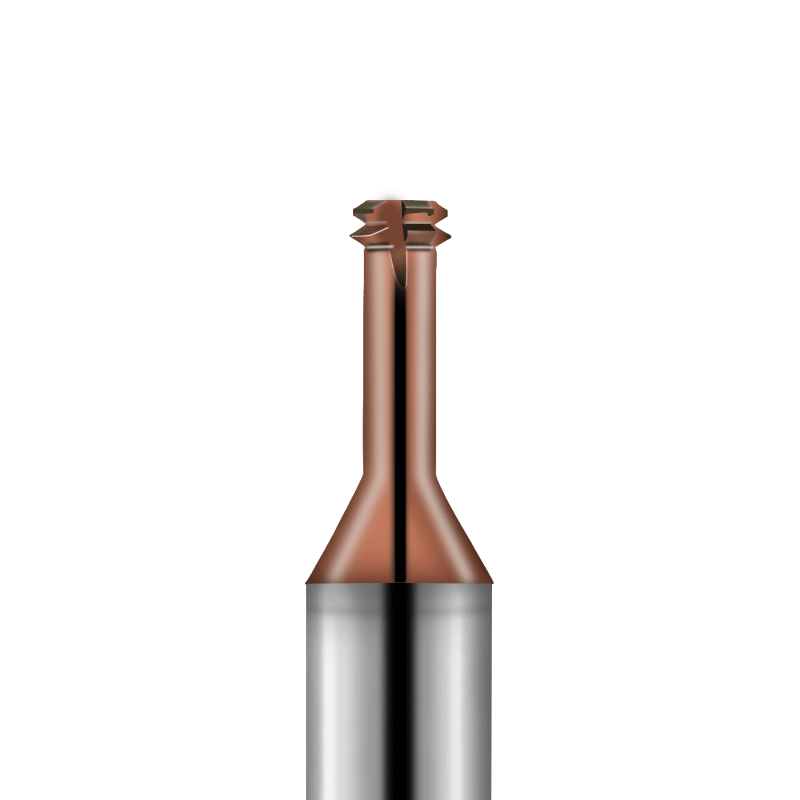
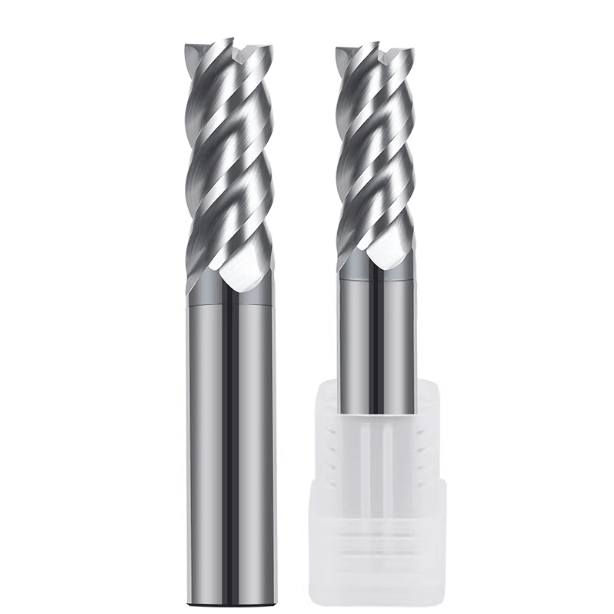
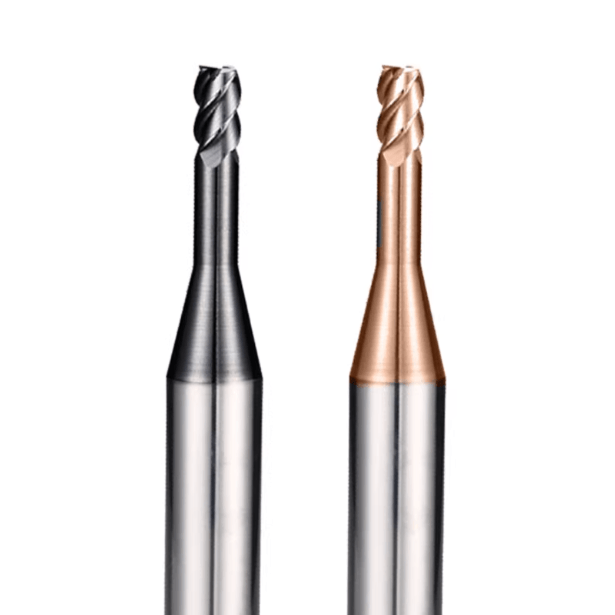
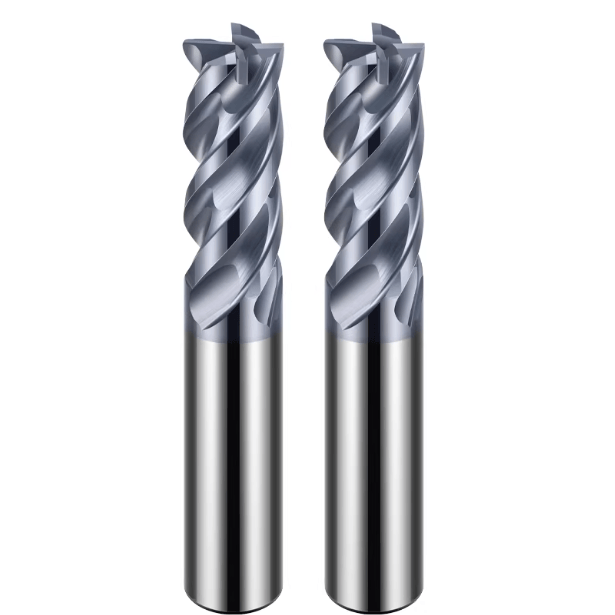
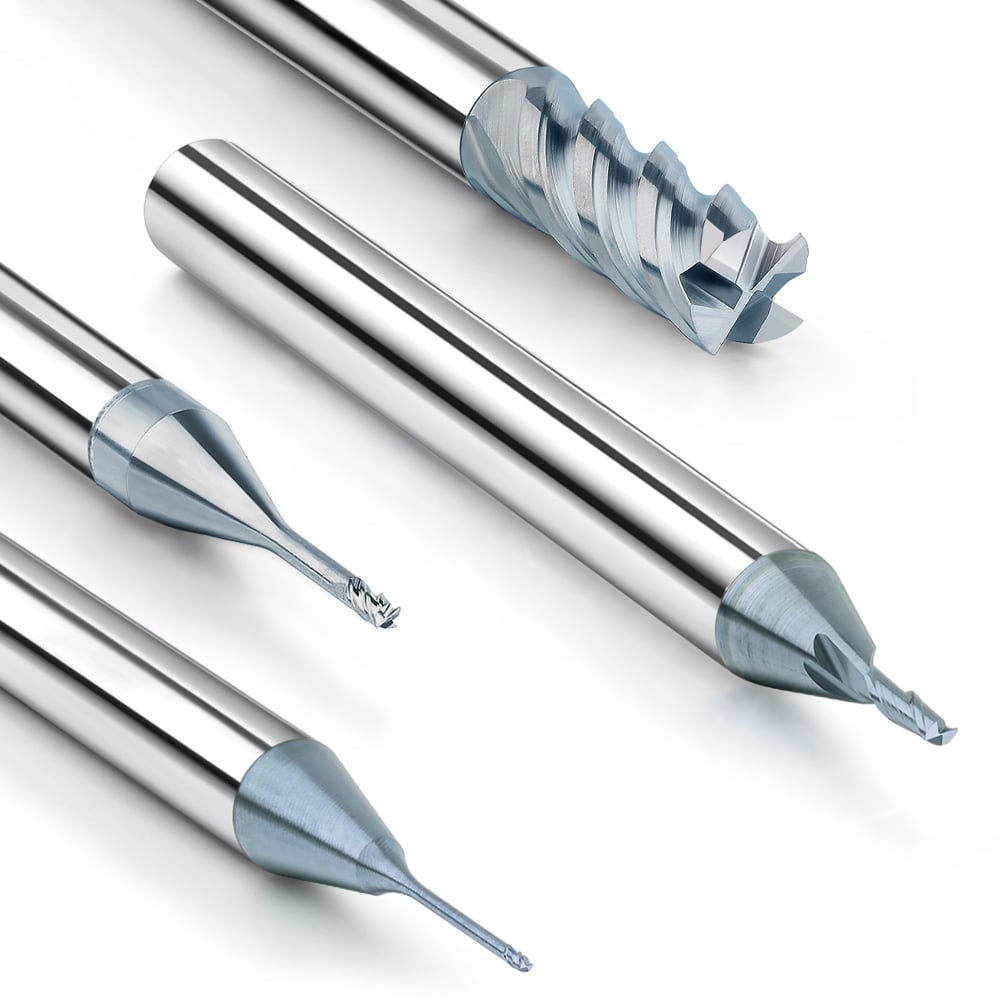
In the field of high-precision parts manufacturing, demands for processing dimensions, contour details, and surface quality are constantly increasing. Controllable machining of micro-features has become a critical benchmark for overall manufacturing capabilities. Against this backdrop, micro end mills have emerged as indispensable tools in precision manufacturing. Their stable performance and consistent machining directly affect part pass rates and repeatability.
Compared to conventional tools, micro end mills are more sensitive to diameter, edge strength, and cutting conditions. When used with high-precision equipment, micro end mill bits must maintain a stable cutting state under extremely small material removal volumes. This places higher demands on tool materials, edge design, and manufacturing tolerances. As a result, more precision machining projects are choosing mature, reliable micro end mill solutions.
In practical applications, micro carbide end mills are widely used for precision machining of stainless steel, mold steel, and high-hardness materials due to their excellent wear resistance and dimensional consistency. The carbide substrate effectively reduces edge wear during micro-machining. This provides reliable assurance for continuous machining and high repeatability. When machining 3D contours and complex curved surfaces, micro carbide ball end mills, with their ball-head design, are particularly effective in controlling surface finish and reproducing fine details.
As precision manufacturing requirements become increasingly segmented, the stable supply and manufacturing capabilities of micro tools have also become a key consideration. A China micro ball nose carbide end mill manufacturer with a mature production system provides micro end mill products that combine performance and consistency. Strict raw material selection, precision grinding processes, and comprehensive quality control ensure reliability. Such professional capabilities, based on years of manufacturing experience, are increasingly validated in high-precision machining applications.
Core Requirements of Micro End Mills for High-Precision CNC Machining
In high-precision parts machining, micro tools perform complex contour and fine-feature milling tasks. These operations demand extremely high consistency in every cut. Micro end mills are susceptible to vibration, clamping accuracy, and cutting force fluctuations. Therefore, strict requirements are placed on tool rigidity and stability. Only with sufficient rigidity and stable cutting conditions can the accuracy and surface quality of small-diameter machining be guaranteed.
Moreover, careful selection of micro carbide end mills and optimized cutting parameters can significantly improve machining stability and part consistency. For micro-hole, micro-groove, and fine-profile machining, micro carbide end mills maintain edge integrity and ensure repeatability under high-speed and high-feed conditions. Combined with precise clamping and experienced cutting strategies, miniature end mills achieve a balance of efficiency and precision, ensuring results meet tight tolerances.
Challenges of Tool Rigidity and Stability in Micro-Diameter Machining
Miniature end mills have extremely small diameters, making the tool body susceptible to cutting force fluctuations and spindle vibrations. Insufficient rigidity can lead to tool deflection, vibration, or even breakage. This issue is particularly critical in deep-hole, micro-profile, and complex surface machining. Reducing cutting depth and feed rate, along with using high-precision collets, can minimize the impact of cutting vibrations on miniature tools.
Tool edge design also plays a crucial role in stability. Micro end mill bits with optimized rake angles and gradually changing tip geometries improve chip evacuation while distributing cutting forces evenly. This reduces tip wear and micro-cracks, enhancing overall machining stability and part accuracy. High-rigidity clamping and matching tool holder systems are essential for maintaining consistent machining performance.
The Practical Impact of Dimensional Consistency on Micro End Mill Bits
Even slight variations in tool diameter can directly affect tolerances and surface finish in miniature precision machining. Manufacturing tolerances, grinding accuracy, and material uniformity all have cascading effects on final results. Ensuring the dimensional consistency of each batch of micro end mill bits is fundamental for repeatable machining and part quality.
Dimensional consistency also impacts feed control and cutting force distribution in complex contours. For micro ball end mills and micro carbide end mills, minor variations in tip diameter or edge geometry can result in surface defects, contour deviations, or reduced accuracy. Selecting micro carbide ball end mills that undergo strict quality control and have a stable supply is critical for ensuring that machined parts meet design specifications.
The Decisive Role of Tool Runout on High-Precision Machining Results
Even minimal tool runout during spindle rotation can cause dimensional deviations and increased surface roughness in micro-part machining. Tool runout remains a key factor in micro-hole, micro-groove, and fine-profile operations. High-precision clamping systems and optimized spindle calibration can significantly reduce runout, ensuring stable machining results.
Additionally, choosing micro carbide end mills with uniform material and sharp edges reduces vibration during cutting. Runout not only affects accuracy but also accelerates tool wear and crack formation. Regular measurement and maintenance, combined with proper cutting parameters, are necessary to achieve consistent results and extend tool life.
Advantages of Micro Carbide End Mills in Precision Machining
Micro carbide end mills, due to their excellent material properties and precise edge design, offer exceptional machining stability and consistency in high-precision operations. Compared to high-speed steel or other tool steels, carbide maintains sharp edges at extremely small diameters, reduces cutting force fluctuations, and ensures dimensional accuracy in micro-hole, micro-groove, and complex contour machining. Especially when working with high-hardness steel, stainless steel, and titanium alloys, micro carbide tools provide superior wear resistance and rigidity, ensuring reliable precision machining.
In addition, micro carbide end mills offer superior heat resistance and shape stability during cutting. This reduces edge deformation during continuous or high-speed machining, effectively minimizing machining errors and surface roughness. For high-volume production requiring repeatable precision, using precision-ground and coated micro carbide end mills improves machining efficiency, part yield, and overall process reliability.
The Improvement of Cutting Performance of Micro End Mills by Carbide Materials
Carbide materials possess high hardness, excellent wear resistance, and thermal stability, allowing micro end mills to maintain sharp edges and consistent performance in small-diameter cutting. When machining high-strength materials, carbide tools withstand higher cutting forces, preventing edge chipping or tool breakage. Optimizing carbide grain size and coating technology further enhances cutting stability, improving part accuracy and surface finish.
Carbide also contributes to effective chip evacuation and temperature control. High thermal stability at the tool tip minimizes dimensional deviations caused by heat, ensuring repeatable precision in micro-feature cutting. These properties make micro carbide end mills the preferred choice for high-precision molds, electronic components, and micro-structured parts.
Wear Resistance Performance of Micro Carbide End Mills in Continuous Precision Machining
In continuous machining or long-duration cutting processes, tool wear resistance is critical for machining efficiency and part consistency. Micro carbide tools, with highly uniform material structure and optimized coatings, delay edge wear and maintain dimensional accuracy in long-batch or continuous operations. Wear resistance is especially important in micro-hole drilling and micro-groove milling, directly affecting surface roughness and part repeatability.
High wear resistance also reduces tool replacement frequency and production downtime, improving overall process efficiency. In machining small precision parts, mold cavities, and high-hardness materials, micro carbide end mills provide reliable performance for continuous high-precision operations. Combined with optimized cutting parameters and cooling strategies, tool life and machining quality are simultaneously enhanced.
The Impact of Micro-Grain Alloy Structure on Machining Consistency
The internal grain structure and uniformity of micro carbide tools directly affect machining stability. Excessively large or uneven grain sizes can cause fluctuating cutting forces, microcracks, or edge chipping, compromising dimensional accuracy and surface quality. Micro carbide ball end mills with refined micro-grain alloy structures maintain cutting edge stability under high-intensity operations, ensuring consistent repeatability for every part.
A uniform micro-grain cemented carbide structure balances thermal expansion and cutting stress, maintaining stable cutting performance even after prolonged use. For high-volume precision machining, this ensures tool life, consistent part quality, and reliable support for micro-feature cutting projects.
Application Performance of Micro End Mill Bits in Different Machining Scenarios
Micro end mills are used for a wide range of precision machining tasks, from micro-grooves and micro-holes to complex contours. Each scenario demands high cutting stability and dimensional repeatability. Selecting micro end mill bits with optimized geometry, cemented carbide material, and coatings enables a balance between precision and efficiency while reducing tool breakage and machining errors.
Furthermore, micro tools require high surface quality. Proper tool diameter, flute length ratio, and edge design, combined with experienced cutting parameter settings, allow adaptation to various machining scenarios. Whether drilling micro-holes, milling micro-grooves, or machining fine contours, micro carbide end mills provide stable cutting, ensuring part consistency, high surface finish, and improved production efficiency.
Key Application Points in Micro-Groove, Micro-Hole, and Fine Contour Machining
In micro-groove and micro-hole machining, tool diameters are extremely small, and cutting forces are prone to vibration. High-rigidity micro end mills, combined with appropriate cutting depths and feed rates, reduce the risk of tool runout and breakage. Optimized tool geometry and chip evacuation designs enhance smooth machining and surface finish. Micro carbide ball end mills excel at reproducing complex curved surfaces, achieving smooth finishes and dimensional accuracy.
Cutting parameters are closely linked to tool material. Cemented carbide micro end mills withstand high spindle speeds and cutting pressures, preventing edge chipping during continuous machining. By controlling feed rate and cutting speed precisely, micro end mills maintain consistent performance across different materials and machining depths, ensuring each part meets design specifications.
Tool Selection Logic in Small-Batch High-Precision Parts Machining
For small-batch high-precision production, tool selection must balance cutting performance, efficiency, and cost. Diameter, flute length, flute type, and material must match part size, material hardness, and machining depth. Precision-ground, coated micro end mill bits ensure part consistency and reduce downtime caused by tool changes or adjustments.
Small-batch machining requires higher tool stability, as even slight deviations impact part acceptance. Cemented carbide tools provide wear resistance and thermal stability, maintaining high-precision cutting even in short-run production. By combining proper clamping and cutting strategies, manufacturers achieve high efficiency, precision, and minimal scrap rates in micro-part machining.
Requirements for Micro End Mill Bit Cutting Edge Quality in Complex Parts Machining
Cutting edge quality determines surface accuracy and contour reproduction. Minor defects or uneven wear can cause deviations or rough surfaces. Micro carbide end mills with uniform cemented carbide and precision-ground edges provide sharp, wear-resistant cutting surfaces, meeting high-precision machining demands.
Complex parts often involve multiple micro-cuts or deep cavities. Tool stability and cutting edge durability are critical. Edge design, coatings, and chip evacuation must consider cutting direction and material properties to ensure surface and contour consistency. This is essential for mold cavities, micro-structured parts, and precision electronics, directly influencing final part performance and yield.

The Role of Micro Carbide Ball End Mills in 3D Precision Machining
Micro carbide ball end mills play an essential role in machining complex 3D surfaces. The ball-shaped geometry evenly distributes cutting forces, reducing localized stress at the tool tip and maintaining surface consistency in high-precision operations. For mold cavities, aerospace components, and precision medical parts, micro carbide ball end mills with uniform carbide structure sustain stable cutting even at small depths, improving contour accuracy and machining efficiency.
Additionally, the ball-end geometry enables smooth and continuous tool path movement in 3D micro-feature machining. This reduces surface marks and minimizes roughness. By carefully selecting tool diameter, edge length, and cutting parameters, micro carbide ball end mills can handle deep cavities, complex surfaces, and fine structures, providing reliable solutions for high-precision projects. Their versatility and performance make them widely used in precision 3D micro-machining.
Advantages of Micro Ball End Mills in 3D Surface Finishing
Micro carbide ball end mills reduce pressure concentration at the contact point between tool and workpiece, minimizing deformation and machining errors. Their spherical tip allows smooth multi-directional cutting, resulting in superior surface finish while preserving contour accuracy. Coated carbide micro ball end mills enhance wear resistance and thermal stability, ensuring consistent performance during prolonged high-precision machining.
Optimized cutting paths further reduce tool path overlap and vibrations, improving the machining of fine structures and complex contours. In the continuous cutting of micro-holes, micro-grooves, and precision contours, the stability and accuracy of micro carbide ball end mills significantly lower rework rates and ensure consistent surface quality.
Performance of Micro Carbide Ball End Mills in Mold Cavity Machining
In mold cavity machining, tools must provide stable, continuous cutting while maintaining smooth surfaces. The spherical tip of micro carbide ball end mills distributes cutting forces evenly, reducing wear and vibration and enhancing part consistency. High-uniformity carbide material ensures stable dimensional accuracy and excellent surface finish in complex cavities.
Micro carbide ball end mills allow smaller step sizes during cavity machining, increasing precision. Combined with optimized cutting parameters and high-precision clamping systems, they perform continuous cutting in deep cavities or curved surfaces without chatter, making them the preferred end mills for mold manufacturing and micro-structure parts.
The Impact of Ball End Structure on Surface Finish and Machining Accuracy
The ball-end geometry is critical for surface quality and contour accuracy. Its spherical tip supports multi-angle cutting, reducing friction and cutting marks, which improves surface finish. Precision-ground and coated micro carbide ball end mills maintain sharp edges at high speeds, enhancing repeatability in 3D curved surface machining.
Additionally, the geometry optimizes cutting force distribution, reducing tool deflection and vibration in deep or complex cavities. This not only ensures part accuracy but also extends tool life. For high-precision molds, micro-structured components, and electronic parts, micro carbide ball end mills provide stable and reliable support for high-quality results.
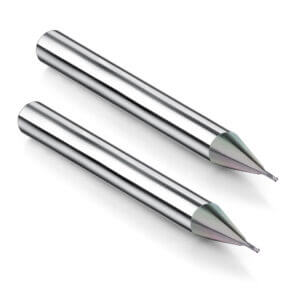
Machining Adaptability of Micro End Mills under Different Material Conditions
Different materials—aluminum alloys, copper, stainless steel, alloy steel, and high-hardness metals—pose varying demands on micro end mills. Tool diameter, flute design, and cutting parameters must be carefully selected for each material to ensure precision. Micro carbide end mills with high wear resistance and optimized flute geometry maintain stable cutting across material types, ensuring dimensional accuracy and surface finish.
Matching micro tools with suitable equipment, clamping rigidity, and processing environments is also critical. Materials generate varying heat, cutting forces, and chip characteristics. Micro tools must resist wear and maintain rigidity to reduce errors. In both high-volume and complex part machining, rational selection and use of micro end mill bits improve efficiency, reduce rework, and extend tool life.
Parameter Control of Micro End Mills in Precision Machining of Aluminum Alloys
Aluminum alloys are relatively easy to machine, but micro-machining can cause chip adhesion, burring, or surface scratches. Controlling depth of cut, feed rate, and spindle speed reduces heat buildup and chip adhesion, ensuring surface finish and dimensional stability. Micro carbide end mills withstand high-speed cutting while maintaining sharp edges and repeatable accuracy.
Optimizing tool geometry, tip angles, and edge length ratios further improves stability. In micro-groove, micro-hole, and fine contour machining, precise cutting parameters prevent tool breakage and enhance efficiency, ensuring each part meets specifications.
Requirements for Micro Carbide End Mills in Stainless Steel and Alloy Steel Machining
Stainless and alloy steels are hard materials that generate high cutting forces and heat, accelerating tool wear and potential chipping. Micro carbide end mills must possess high rigidity, wear resistance, and thermal stability. Using micro-grain cemented carbide with optimized coatings keeps edges sharp during continuous cutting, achieving high-precision parts.
Effective chip evacuation is essential. In deep-hole or micro-groove operations, poor chip removal leads to force fluctuations and reduced accuracy. Controlling feed, depth, and cooling maximizes tool life and maintains dimensional consistency and surface quality.
Practical Approaches to Addressing Tool Wear in High-Hardness Materials
High-hardness materials cause rapid edge wear and micro-cracks, affecting part accuracy. Selecting micro carbide end mills with fine-grained uniform carbide and precision grinding extends tool life. Controlling cutting speed, feed, and depth reduces stress and wear.
Regular inspection and timely replacement prevent abnormal tool wear or breakage. Coupled with high-precision clamping and optimized cutting strategies, this ensures surface finish and consistency in micro-holes, micro-grooves, and complex contours, maximizing micro tool performance for high-precision machining.

Matching Requirements of High-Precision CNC Equipment for Micro End Mills
Tool performance depends on both design/material and equipment precision. Micro end mills are highly sensitive to vibration, runout, and clamping stability. High-precision CNC machines with rigid spindles reduce tool deflection and vibration, extending micro end mill life and ensuring consistent machining.
Dynamic response and control accuracy of equipment are critical. In 3D surfaces, micro-grooves, and deep-hole operations, precise CNC control maintains sharp edges and accurate cutting. Combined with stable clamping and optimized cutting strategies, micro carbide end mills achieve efficient, reliable machining for hard and complex materials.
The Impact of Spindle Accuracy on Micro End Mill Life
Spindle accuracy directly affects runout and cutting stability. Runout causes uneven stress, accelerates wear, and can break tools. In micro-hole, micro-groove, and deep contour machining, small spindle deviations increase surface roughness and dimensional errors. High-precision, rigid spindles and regular checks of concentricity and vibration extend micro tool life and maintain repeatable performance.
Spindle speed and feed rate also influence cutting efficiency and stress. For small-diameter tools, stable spindles ensure even force distribution, proper chip evacuation, and consistent surface finish.
The Importance of Clamping System Stability in Micromachining
Micro end mills are sensitive to clamping rigidity and concentricity. Insufficient clamping increases runout, vibration, and reduces accuracy. Using high-precision collets, micro-tool-specific holders, and optimizing clamping and edge length ratios improves stability and reduces breakage.
Stable clamping ensures even force distribution and consistent tool performance in deep cavities, micro-structures, and complex contours. Combined with precision CNC and optimized cutting strategies, clamping stability ensures high-precision results and repeatable machining.
The Critical Role of Reasonable Cutting Parameters in Preventing Tool Breakage
Cutting parameters directly affect tool life and machining quality. Small-diameter micro end mills have limited load capacity; excessive depth or feed causes chipping or breakage. Precisely controlling depth, feed, and spindle speed while accounting for material characteristics minimizes wear and avoids breakage.
Reasonable cutting parameters also optimize chip evacuation and heat distribution, improving surface quality and dimensional consistency. In high-hardness and deep-hole machining, micro carbide end mills with optimized cutting parameters achieve continuous, precise cutting, reduce failure rates, and enhance efficiency and part quality.

Common Problems and Experience Summary in Micro End Mill Machining
During micro-part machining, even high-quality carbide tools may encounter issues such as tool breakage, excessive wear, or unstable surface finish. Micro end mills have small diameters and short cutting edges, making them highly sensitive to localized forces and heat. Improper cutting conditions, inadequate clamping systems, or inefficient chip evacuation can all cause machining abnormalities. Practical experience shows that tool selection, process optimization, and equipment matching are key factors in maintaining the stability and consistency of micro end mill machining.
Applying micro tools to various materials, complex contours, and high-precision components places high demands on operator skill and process control. By carefully setting cutting parameters, optimizing tool paths, and regularly monitoring tool condition, the risk of breakage and machining errors can be reduced. Combining micro carbide end mills and micro ball end mills enables controllable, long-term high-precision machining.
Analysis of Common Causes of Micro Tool Breakage
Micro end mill breakage is primarily caused by excessive cutting forces, spindle runout, insufficient tool rigidity, or unstable clamping systems. In micro-hole, micro-groove, and deep cavity machining, the small tool diameter and high aspect ratio create stress concentration at the cutting edge. Improper cutting parameters can easily result in chipping or breakage of micro carbide ball end mills. Optimizing cutting depth, feed rate, and spindle speed is critical to reduce this risk.
Tool material and edge design also influence breakage probability. High-uniformity carbide and precision-ground tools improve durability and impact resistance, allowing micro tools to maintain stability during continuous cutting and high-hardness material machining. With proper clamping and maintenance, micro end mill lifespan can be extended, reducing downtime and rework costs.
The Impact of Improper Cutting Parameter Settings on Machining Quality
Cutting parameters directly affect machining stability and surface quality. Excessive feed, deep cuts, or mismatched spindle speeds accelerate tool wear, increase surface scratches, and may cause breakage. Proper control of cutting parameters is essential for high-precision machining with micro carbide end mills.
Incorrect parameters also impair chip evacuation and heat distribution, causing localized tool overheating, accelerated wear, and micro-cracks. Integrating workpiece material characteristics, tool design, and optimized tool paths allows precise parameter adjustments that ensure dimensional accuracy and superior surface finish.
Enhancing Micro End Mill Lifespan Through Process Optimization
Extending micro end mill life relies on systematic process optimization, including controlled cutting parameters, optimized tool paths, rigid clamping, and improved chip evacuation and cooling. Uniform cutting force distribution reduces wear and breakage risk.
Using high-uniformity carbide tools and micro ball end mills with precision grinding and appropriate coatings enhances wear resistance and thermal stability. Regular inspection, timely tool replacement, and process refinement can significantly extend tool life while ensuring surface quality and dimensional consistency in high-precision parts.

China’s Actual Capabilities in Micro End Mill Manufacturing for High-Precision Machining
With growing global demand for high-precision manufacturing, China’s micro end mill production demonstrates notable technological and manufacturing advantages. Leveraging mature carbide supply chains, precision grinding, and high-standard quality management, Chinese-made micro end mills maintain stability and repeatability in micro-hole, micro-groove, and complex 3D contour machining. These tools support both domestic and international high-precision manufacturing.
Chinese manufacturers also have extensive experience in small-batch customization, micro ball end mill production, and high-wear-resistant coatings. By combining precision CNC equipment, advanced measurement technologies, and strict process standards, they offer solutions ranging from standard to customized micro carbide end mills, supporting high efficiency and yield in complex machining operations.
Manufacturing Advantages of China Micro Ball Nose Carbide End Mill Manufacturers
Chinese micro ball nose carbide end mill manufacturers excel in technology maturity, production capacity, and customization. Using uniform carbide materials and precision grinding, they produce micro carbide ball end mills with ultra-small diameters, sharp edges, and high wear resistance, meeting high-precision micro-structure and 3D surface machining needs. Experienced process control in chip evacuation, coatings, and heat treatment ensures stable performance in continuous machining.
Flexible production management enables customized tool designs based on part characteristics. For small-batch or complex mold machining, Chinese manufacturers provide stable micro tools, reducing breakage and improving machining consistency.
Quality Control Key Points from Raw Materials to Grinding Process
High-precision micro end mill performance depends on strict quality control throughout production. Raw materials must have uniform hardness and fine grain structure to prevent chipping or excessive wear. Precision grinding ensures sharp tips, uniform edges, and consistent edge profiles. Dimensional inspections, edge testing, and helix angle verification guarantee high-precision standards.
Coatings, heat treatments, and surface finishes further enhance wear resistance and thermal stability, ensuring dimensional consistency during continuous machining. Comprehensive quality management gives China-made micro carbide end mills international competitiveness in performance and lifespan.
Current Application Status of China-Made Micro Carbide End Mills in the International Market
China-made micro carbide end mills are widely used in aerospace, precision molds, electronics, and medical devices. Their cost-effectiveness, consistent performance, and customization capabilities are recognized in Europe, America, Southeast Asia, and the Middle East. Suppliers provide standardized and customized solutions for various materials, meeting strict international precision and wear-resistance requirements.
Chinese manufacturers also offer rapid delivery and technical support in global supply chains. Collaborating with high-end international clients, they provide comprehensive services—from tool selection and parameter recommendations to after-sales support—ensuring competitive, reliable solutions for high-precision machining.
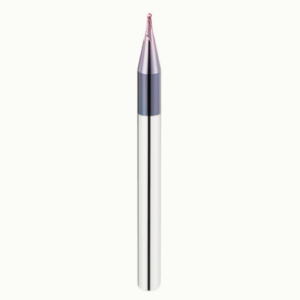
How to Choose the Right Micro End Mill Supplier for High-Precision Projects
In high-precision machining, micro end mills affect dimensional accuracy, surface quality, and production efficiency. Choosing a reliable supplier is critical. A top supplier provides micro end mill bits with uniform material, sharp edges, stable manufacturing, and tailored solutions for different materials and machining requirements.
Supplier expertise directly impacts tool consistency and lifespan, especially in high-hardness material and 3D surface machining. Stable micro carbide end mills maintain sharp edges and dimensional consistency. Coupled with high-precision CNC equipment and optimized processes, they reduce breakage risks and improve repeatability. Working with experienced suppliers ensures long-term efficiency and reliability for high-precision projects.
The Importance of Product Consistency in Micro End Mill Procurement
Tool size and cutting edge consistency directly affect machining results. Even small differences can cause dimensional deviations, increased roughness, and cumulative errors. Stable micro carbide end mill supply ensures consistent sharpness, diameter tolerance, and edge profiles, improving repeatability and yield in micro-hole, micro-groove, and contour machining.
Consistency also influences tool life and efficiency. Standardized micro tools maintain stable cutting during continuous operations and high-hardness machining, reducing breakage and rework. Prioritize suppliers with strict quality control and stable batch supply capabilities.
Practical Application Value of Customized Micro Carbide Ball End Mills
For complex contours or special materials, standard tools may not meet precision requirements. Customized micro carbide ball end mills optimize diameter, edge design, and coatings for part shape, depth, and material, ensuring stable, precise micro-cutting.
Customized tools enhance machining flexibility, supporting small-batch high-precision parts and complex molds. With optimized cutting parameters and precision clamping, micro ball end mills deliver superior performance in continuous cutting and 3D surfaces, reducing rework, improving efficiency, and maintaining part consistency.
Key Considerations for Collaborating with a Professional China Micro Ball Nose Carbide End Mill Manufacturer
Collaborating with experienced China micro ball nose carbide end mill manufacturers provides end-to-end support, from tool design and material selection to grinding and after-sales services. Professionals ensure consistent, wear-resistant, high-precision micro end mills suitable for diverse machining scenarios.
When selecting a supplier, consider customization capabilities, quality systems, and technical support. The supplier should advise on material, tool diameter, machining depth, and process parameters, offering stable delivery and ongoing technical guidance. Partnering with experienced manufacturers ensures controlled, stable, and efficient tooling solutions for high-precision projects.