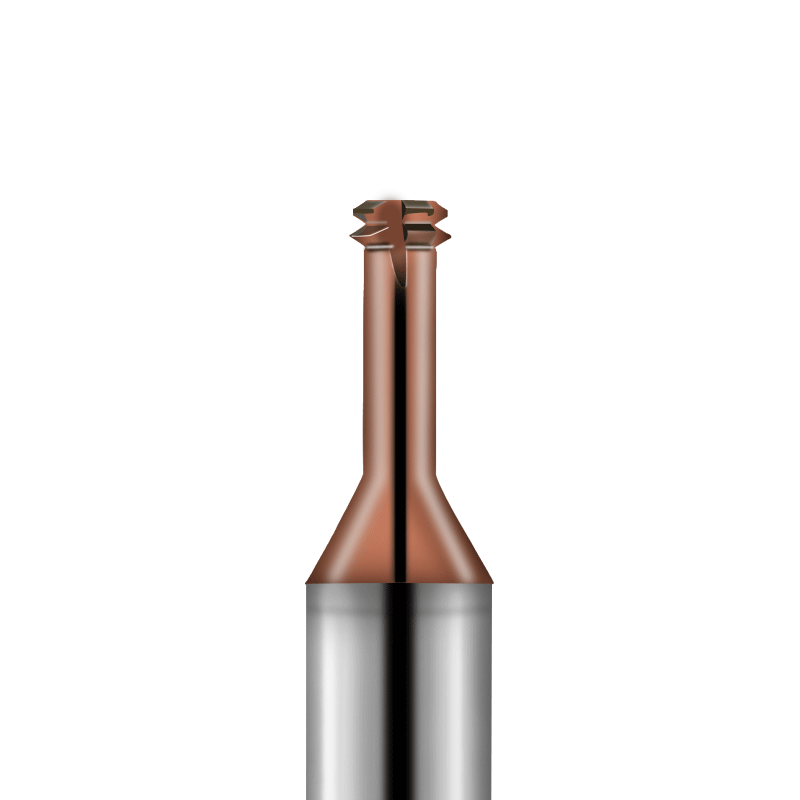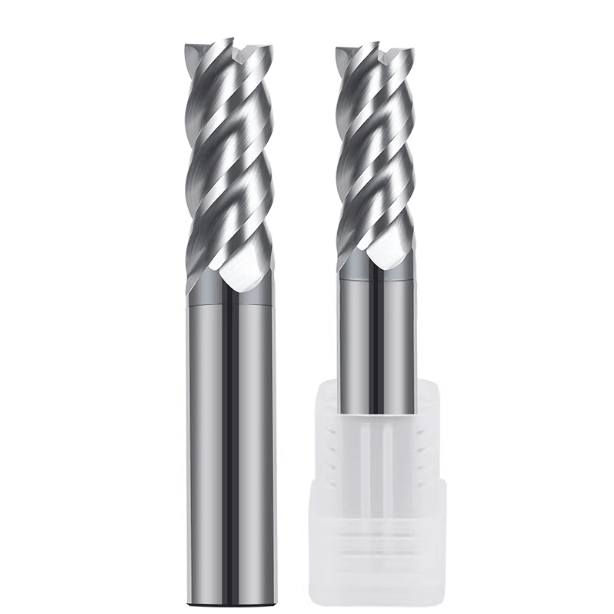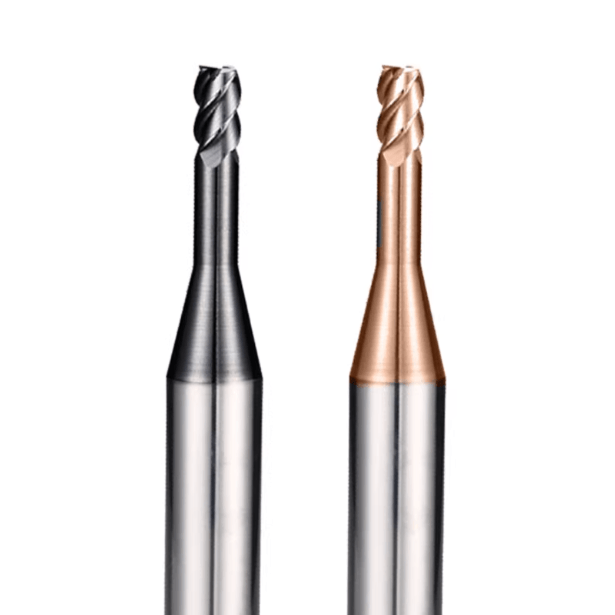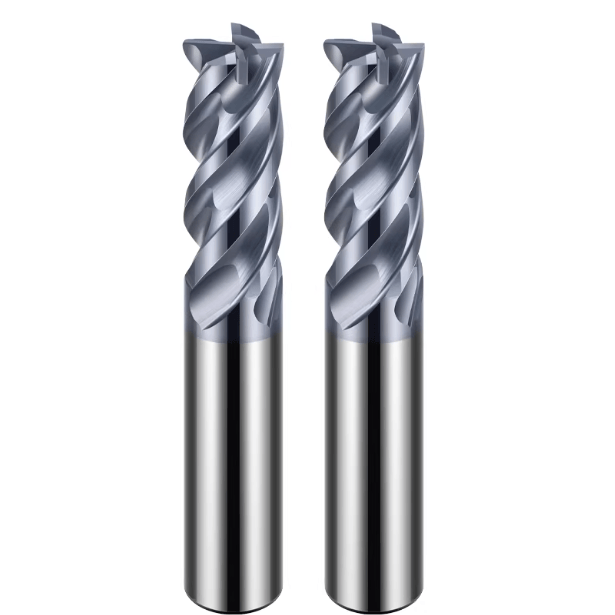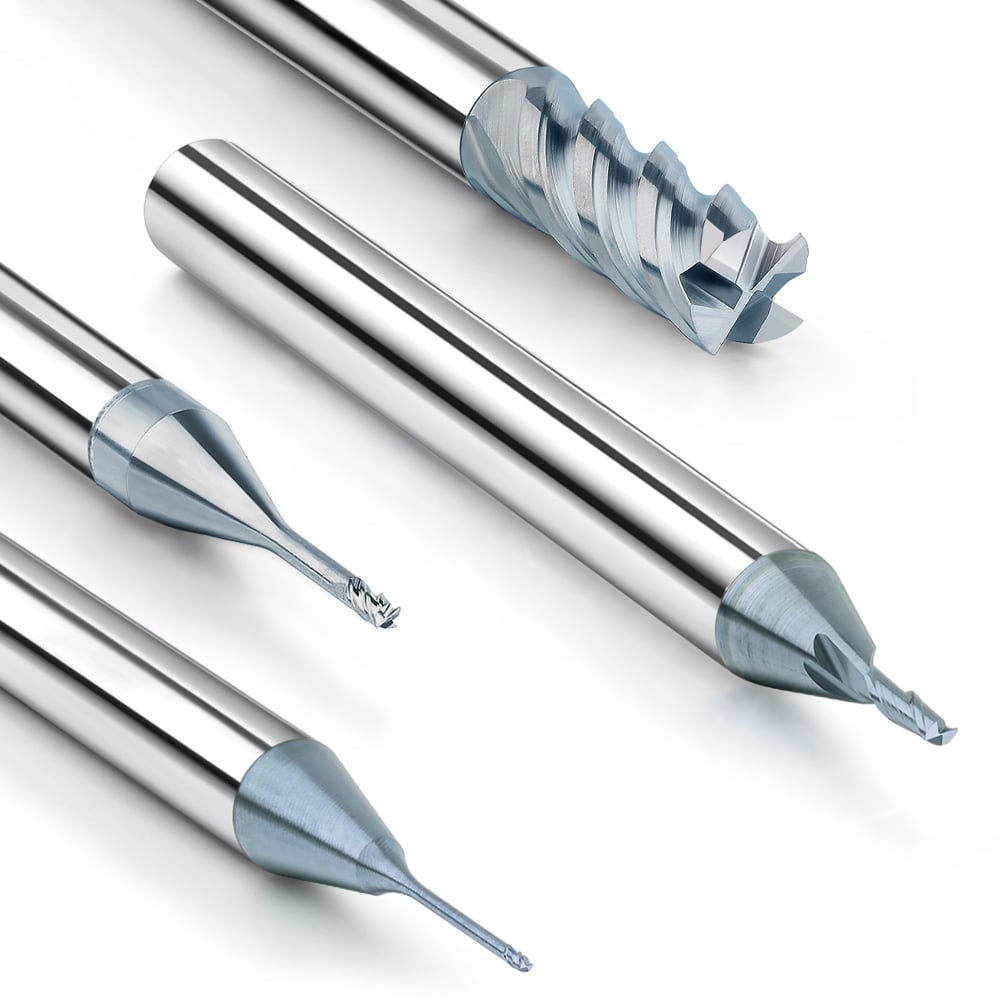
In metalworking processes, appropriate feed rates are crucial for both cutting efficiency and the lifespan of milling cutters. Whether using standard metalworking cutting tools, end mills, or custom mill cutting tools, selecting the right feed parameters can significantly improve machining quality, reduce tool wear, and lower production costs. By optimizing the feed rate of these cutting tools, a smoother cutting process can be achieved. This improves surface finish while managing cutting forces and heat generation, increasing overall machining efficiency.
Different materials, tool geometries, and cutting depths directly affect the optimal feed rate. In high-speed cutting and finishing operations, precise control of each feed prevents tool chipping or excessive wear while maximizing tool lifespan. Custom mill cutting tools, particularly for complex workpieces, require targeted feed optimization based on workpiece characteristics, cutting conditions, and machining stages to ensure cutting stability and accuracy.
Scientific feed rate optimization not only enhances the efficiency of metalworking cutting tools but also provides greater flexibility and consistency in multi-process and multi-material machining. Tailoring feed rates to the tool type and machining conditions is essential for improving overall productivity and reducing manufacturing costs.
Understanding the Impact of Feed Rate on Machining Efficiency
Machining efficiency largely depends on precise control of each feed during cutting. Material hardness, toughness, and thermal conductivity affect the forces and temperature rise experienced by the tool, directly influencing machining speed and surface finish. Properly adjusting the feed for each tool improves cutting efficiency, reduces wear, and extends the lifespan of end mills and custom milling cutters.
In multi-process machining, optimizing feed rates helps reduce vibration, enhance surface finish, and increase overall production efficiency.
Requirements for Feed Rate Based on Material
When machining aluminum, its low hardness and ease of cutting allow for higher feed rates. Controlling cutting depth and width prevents burr formation. Steel requires matching the feed rate with tool material and coating to avoid excessive wear and heat buildup. Harder alloys like stainless steel usually require reduced feed rates to ensure stable cutting and prevent tool edge chipping. Correctly adjusting feed maximizes tool performance while maintaining surface quality and dimensional accuracy.
Matching End Mill Geometry and Feed Rate
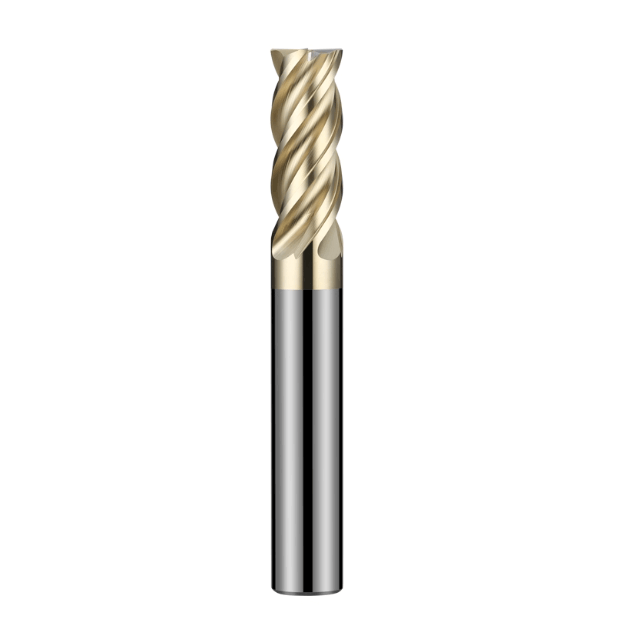
The helix angle and cutting edge geometry of end mills affect chip evacuation, cutting force distribution, and optimal feed rate. Tools with larger helix angles are ideal for high-speed cutting, effectively evacuating chips and reducing vibration. Smaller helix angles are better for precision operations, requiring finer feed control. The number of flutes, tip radius, and cutter diameter also influence force distribution. Matching tool geometry to machining conditions ensures smoother cutting, reduces wear, and improves surface quality.
Practical Strategies for Optimizing Milling Cutter Feed Rate
In metal machining, rationally adjusting feed rates is crucial for processing efficiency and tool longevity. Cutting depth, tool type, and machining stage directly impact feed requirements. Fine-tuning feed rates based on these factors reduces wear, minimizes vibration, and maintains dimensional accuracy. In complex or multi-process operations, adjusting feed rates for each tool type and condition enhances both efficiency and tool life.
Adjusting Feed Rate Based on Cutting Depth
Roughing requires larger cutting depths and higher feed rates to quickly remove material. Excessively high feed rates, however, can overload the tool, causing accelerated wear or chipping. Finishing requires smaller depths and precise feed control to ensure surface finish and accuracy. For multi-flute end mills, cutting load should be distributed evenly based on flute count, cutter diameter, and helix angle. This reduces vibration and improves stability, achieving an efficient balance between roughing and finishing.
Influence of Tool Coating and Material Hardness on Feed Rate
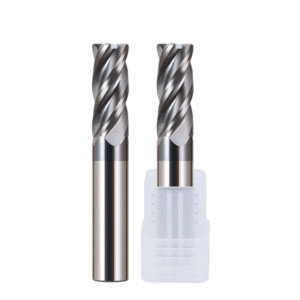
Tool coatings reduce friction, heat buildup, and wear. High-performance coated tools maintain sharp edges during high-speed cutting, extending end mill and custom milling cutter lifespan. Feed rates should be optimized based on material hardness: harder alloys require lower feed rates to prevent premature wear, while aluminum and softer steels can use higher rates to improve efficiency. Combining tool coating characteristics with material hardness ensures stable cutting, higher efficiency, and better surface finish.
Balancing Processing Efficiency and Tool Life
In practice, there is often tension between maximizing efficiency and extending tool life. Excessively fast feeds increase cutting load and heat, leading to chipping or premature wear. Extremely slow feeds reduce efficiency and may cause uneven wear due to localized heat buildup. Controlling feed rates according to material properties and processing conditions is essential to balance efficiency and tool longevity.
Avoiding Common Mistakes Leading to Premature Tool Wear
Premature wear often results from improper feed settings, excessive cutting depth, or mismatched conditions. High feed rates can overload the cutter, causing edge chipping, while low feed rates may lead to chip clogging, heat buildup, and localized wear. Common end mill and custom mill cutting tool damage includes tip chipping, blunted edges, and scratches or hot spots on the tool body. Regular tool checks and adjusting feeds based on material hardness and cutting conditions minimize these risks and improve stability and accuracy.
Multi-Tool Combination and Feed Optimization Strategies
Using multiple metalworking cutting tools in sequence improves efficiency and distributes cutting load. Optimizing feed rates according to tool type, flute count, and depth ensures each cutter works under ideal conditions, extending tool life. Coordinating feeds across multi-process operations evenly distributes cutting forces and heat, reducing vibration and stress concentration. Thoughtful tool combination and feed coordination enhance both production efficiency and workpiece surface quality.
Practical Case Analysis of Feed Rate Optimization
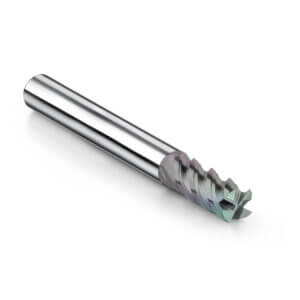
In actual production, reasonable feed rate parameters not only determine processing efficiency but also directly affect tool life and workpiece surface quality. By optimizing feed rates for different materials and machining processes, efficient machining and stable cutting can be achieved.
In aluminum part machining, high-hardness steel machining, and complex part machining, adjusting feed rates along with tool type, cutting depth, cutting width, and machining speed is essential for improving production efficiency and reducing tool wear. Case studies illustrate the optimal matching of materials, tool geometries, and feed rates, providing valuable operational guidance for multi-process production.
High-Efficiency Aluminum Part Machining Example
Aluminum’s low hardness and ease of machining allow higher feed rates to improve processing efficiency. When using multi-flute milling cutters for roughing, calculate the chip load per tooth based on cutting depth and tool diameter to avoid cutting vibrations and uneven tool stress.
During finishing, reduce feed rates and optimize tool paths and cutting strategies to improve surface finish and dimensional accuracy. This feed rate adjustment not only increases milling efficiency but also extends the service life of end mills and custom milling cutters, providing stable support for mass production.
Stainless Steel and Hard Material Machining Example
Hard materials such as stainless steel are prone to tool overheating and edge wear under high-speed cutting. Optimizing the feed rate is critical in these operations. Using high-performance end mills with appropriate helix angles and cutting depths disperses cutting forces and reduces stress concentration on the tool.
Adjust the feed rate and cutting sequence to balance cutting forces and heat generation. This approach improves machining stability and surface quality while preventing premature tool damage. Feed rate optimization based on material properties and tool geometry provides practical guidance for machining complex parts and high-hardness materials.
Summary and Operational Suggestions
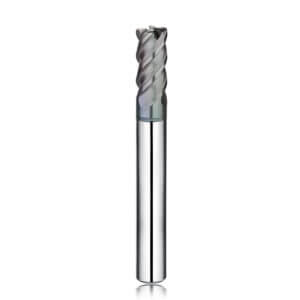
Optimizing feed rates is crucial for achieving high-efficiency machining while extending tool life. By adjusting feed rates according to material properties, tool geometries, and machining stages, production efficiency and workpiece quality can be improved while maintaining cutting stability.
-
Aluminum machining: Use higher feed rates to increase material removal. Multi-flute milling cutters help distribute cutting loads evenly.
-
High-hardness materials: Use lower feed rates. End mills with suitable helix angles and cutting edge geometry help balance cutting forces and control heat.
Differentiate between roughing and finishing stages: roughing prioritizes high material removal rates and tool load capacity, while finishing focuses on surface finish and dimensional accuracy.
Tool coatings reduce wear and friction in high-temperature, high-speed cutting. Custom mill cutting tools further optimize cutting performance through tailored designs for complex workpieces. Coordinated feed strategies across multi-tool and multi-process operations extend tool life, reduce vibration, and maintain machining efficiency.
Key points for feed optimization:
-
Adjust feed speed based on material hardness, tool type, and cutting depth.
-
Differentiate feed strategies between roughing and finishing stages.
-
Utilize tool coatings and tool geometry to minimize wear and heat.
-
Coordinate feed speeds in multi-tool and multi-process machining to balance cutting forces.
Implementing these scientific and systematic feed optimization methods extends the lifespan of end mills, custom mill cutting tools, and other metalworking tools, while ensuring stable, efficient performance. This provides reliable guidance for machining different materials and complex workpieces.