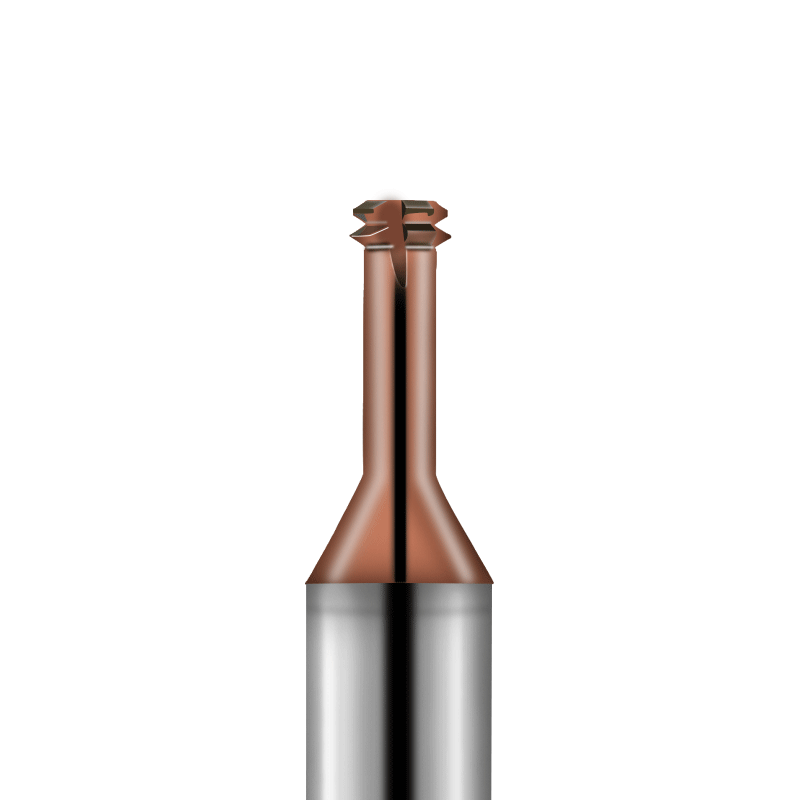
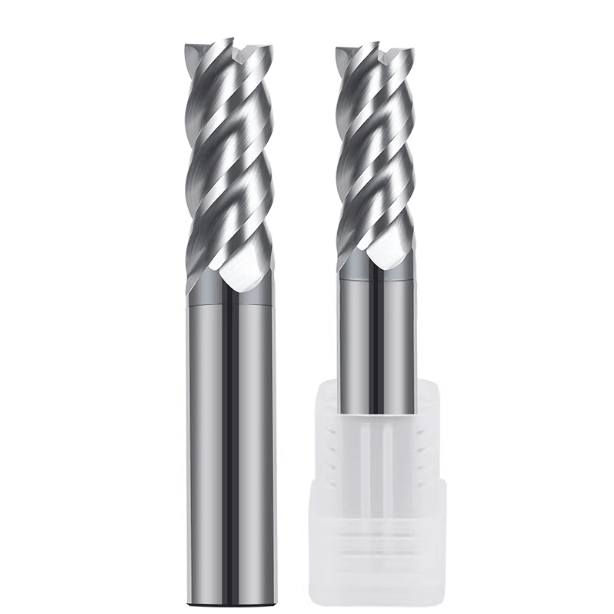
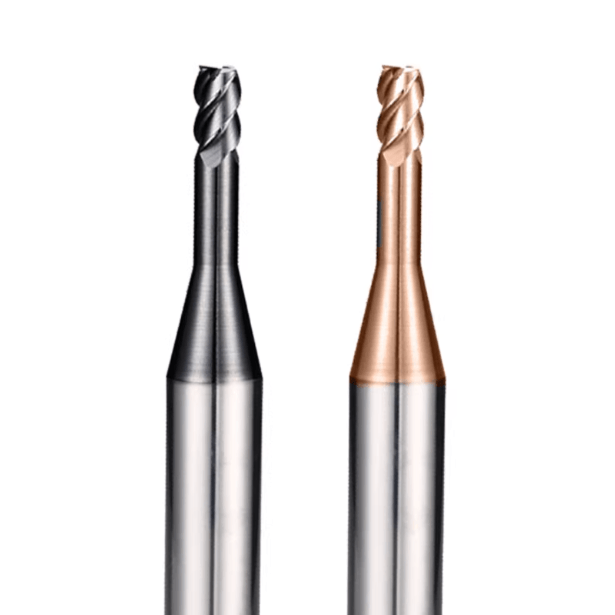
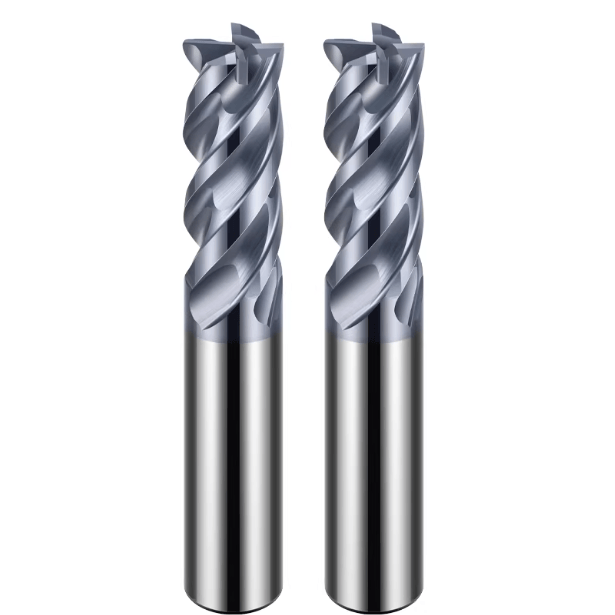
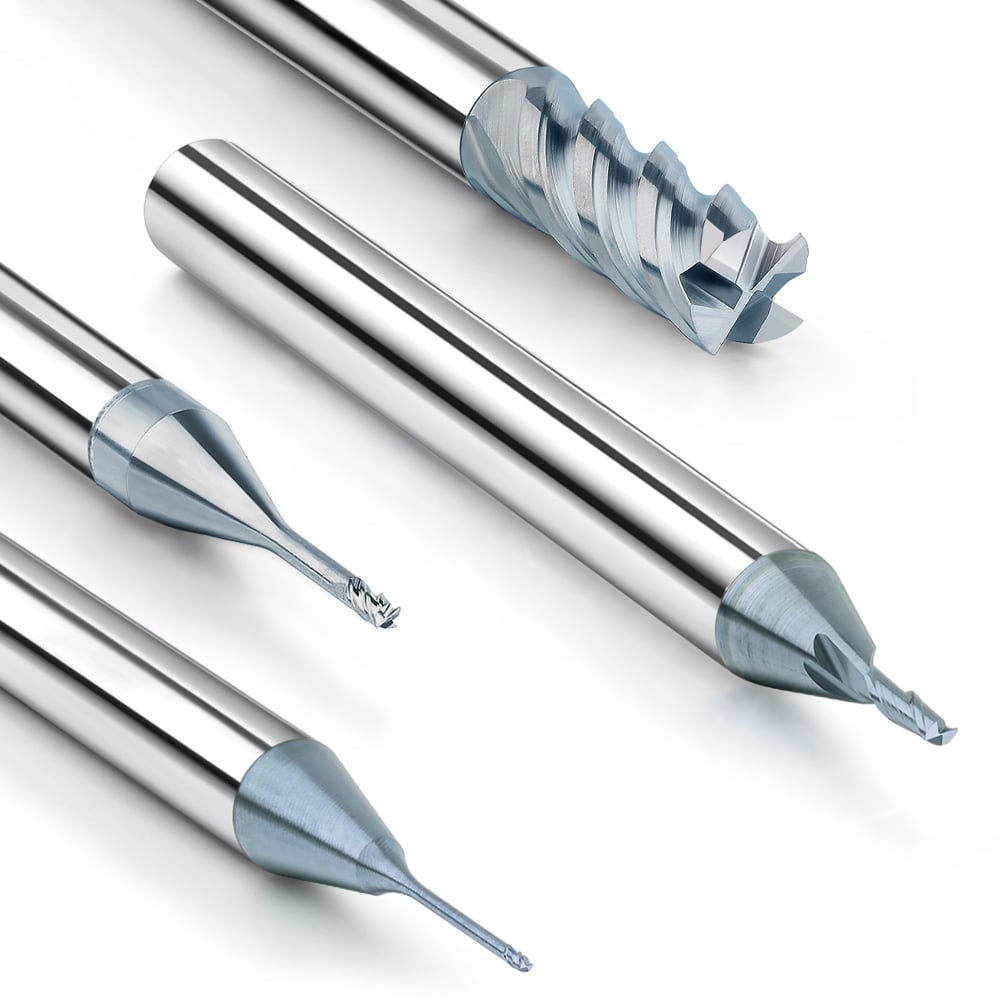
Against the backdrop of continuously increasing demands for precision machining and high-performance cutting, PCD cutting tools have become essential equipment for many manufacturing companies seeking to improve productivity and process stability. With growing demand for machining lightweight materials, non-ferrous metals, and composite materials, the use of high-hardness tools such as PCD end mills, PCD milling cutters, and PCD turning tools is steadily rising, making the competitive landscape among global PCD cutting tool manufacturers in 2026 particularly noteworthy.
For companies seeking high-quality metal cutting tool solutions, choosing the right supplier is crucial. It impacts tool life, surface quality, overall processing costs, delivery reliability, and the long-term stability of the production line. Differences among manufacturers in PCD sintering technology, edge grinding capabilities, tool geometry design, and batch consistency directly affect machining efficiency and finished part quality.
When evaluating manufacturers, users typically prioritize tool performance for aluminum alloys, high-silicon aluminum, copper, carbon fiber, and glass fiber reinforced composite materials. Suppliers that offer customized PCD cutting tools, process parameter recommendations, and comprehensive technical support are better positioned to meet the practical demands of modern production lines.

Global PCD Cutting Tools Market Overview
In recent years, the global high-performance cutting tool market has shown continuous growth due to rising demand for precision manufacturing. PCD tools, with their excellent wear resistance and high cutting efficiency, have become indispensable in machining aerospace, automotive, mold, and electronic parts. These tools deliver exceptional stability and long cutting life when machining hard aluminum alloys, copper alloys, and carbon fiber reinforced materials, significantly reducing tool replacement frequency and production downtime.
In terms of market structure, PCD cutting tool manufacturers in Europe, America, and Asia excel in product innovation, precision manufacturing, and customized services. Emerging markets mainly demand cost-effective PCD end mills and versatile metal cutting tools. As industrial manufacturing increasingly prioritizes efficiency and precision, high-performance cutting tools continue to penetrate the market, creating new growth opportunities for manufacturers.
The Core Value of PCD Cutting Tools in Precision Machining
PCD cutting tools are valued for their high hardness and wear resistance, providing exceptional surface finish and machining accuracy. Whether machining complex aerospace components or producing high-gloss automotive molds, PCD tools enable stable and continuous cutting, reducing defects and rework. Compared to traditional carbide tools, they offer significant advantages in machining non-ferrous metals and composites, maintaining tool life at high cutting speeds while minimizing workpiece thermal deformation.
Advanced PCD end mills, combined with optimized tool geometry and coating technologies, deliver outstanding cutting efficiency and precision, making production processes more controllable and efficient. They have become core tools in high-precision manufacturing.
Current Application of PCD Cutting Tools in Metal Machining
In metal machining, PCD cutting tools are widely used for aluminum alloy parts, copper components, and composite materials. Their high wear resistance and low cutting forces allow stable high-speed cutting while maintaining low surface roughness and high dimensional accuracy. For complex contours and multi-surface machining, PCD tools with precise edge design and heat resistance ensure high-efficiency and consistent results.
Modern production lines increasingly rely on customized PCD cutting tool manufacturers to meet special material cutting and high-intensity production requirements. These tools, often featuring advanced coatings and high-rigidity shanks, improve tool life and reduce production costs, making them a preferred choice in the pursuit of high efficiency and low maintenance in metal processing.
The Importance of PCD End Mills in High-Efficiency Machining
PCD end mills are critical for mass production and precision cutting due to their wear resistance and high cutting speed capabilities. They excel in machining materials sensitive to tool wear, including aluminum alloys, copper alloys, and carbon fiber composites. During high-speed milling and continuous cutting, PCD end mills maintain stable cutting forces, reducing workpiece deformation and tool vibration, thereby improving efficiency and surface quality.
Their long lifespan reduces tool changes and equipment downtime. With optimized cutting parameters and strategic tool layouts, high-performance PCD cutting tools enable low-energy, high-precision metal machining, meeting the dual requirements of speed and consistency in modern manufacturing.
Key Points for Evaluating PCD Cutting Tool Manufacturers
Selecting a high-performance PCD cutting tool manufacturer requires comprehensive evaluation, including material quality, tool design, processing stability, and the technical depth of the product line. High-quality tools improve efficiency and ensure surface accuracy and dimensional consistency of complex parts. Customized services and diverse tool options are essential for addressing different materials and machining conditions.
By assessing a manufacturer’s R&D capabilities, production process control, and after-sales support, companies can ensure tools maintain long-term stability and reliability, reducing costs and increasing overall productivity.
Manufacturer’s PCD Material Quality and Tool Crystallization Stability
The core performance of PCD cutting tools depends on particle uniformity and crystallization stability. High-quality PCD materials withstand high-speed and high-temperature cutting without chipping or microcracks, extending tool life. In precision aluminum and copper machining, crystallization stability directly affects surface finish and dimensional accuracy.
Top PCD cutting tool manufacturers adhere to strict standards in raw material selection, sintering, and post-processing, ensuring consistent hardness and wear resistance, providing reliable support for efficient production.
Processing Precision Control Capabilities
Processing accuracy is a key metric for evaluating tool performance. PCD cutting tools achieve precise cutting and minimal vibration through optimized edge geometry, rigid tool bodies, and advanced coatings. In complex contour, multi-sided, or precision hole machining, tool precision directly affects consistency and surface quality. When paired with high-speed CNC centers and precision clamping systems, high-performance PCD end mills maintain stable cutting parameters, reducing errors and rework while boosting productivity.
Performance in Non-Ferrous Metals and Composite Materials
PCD cutting tools perform exceptionally in aluminum alloys, copper alloys, titanium, and carbon fiber composites. They enable high-speed cutting with low resistance and excellent wear performance, without excessive heat or tool wear.
In aerospace, automotive, and electronics manufacturing, high-performance PCD tools maintain dimensional stability and surface quality during continuous cutting while minimizing chip adhesion and machining defects, making them ideal for high-efficiency metal machining.
Reliability of PCD End Mills under High-Speed Cutting
High-speed cutting demands wear resistance, thermal stability, and edge integrity. PCD end mills maintain stable cutting forces even under high-speed, high-feed conditions. This ensures consistent surface finish, dimensional accuracy, and reduced downtime. Their long-term performance in machining various complex materials makes them essential for mass production and high-precision operations.
Technical Depth and Adaptability of Metal Cutting Tool Lines
Leading manufacturers offer complete metal cutting tool product lines, including PCD end mills, drills, milling cutters, and specialty composite tools. Technical depth encompasses tool geometry, material selection, coating technologies, and compatibility with different machines and clamping systems.
Broad adaptability allows manufacturers to meet diverse materials, processes, and production cycles. Optimized tool combinations and cutting parameters improve overall efficiency and machining stability.

Key Characteristics of PCD Cutting Tool Manufacturers to Watch in 2026
With increasing demand for high-precision manufacturing, production efficiency, processing stability, and tool performance are core criteria for selecting manufacturers. Notable manufacturers typically excel in tool material research and development, processing technology optimization, and customized service capabilities, meeting the stringent requirements of high-precision, high-efficiency machining in industries such as aerospace, automotive, and electronics.
These companies focus not only on tool wear resistance and cutting stability but also on batch consistency. By optimizing tool geometry, edge treatment technology, and mass production processes, they ensure that tools perform reliably under high-speed cutting and complex workpiece machining, providing stable and efficient production guarantees for downstream CNC operations.
Companies with Advanced Tool Grinding and Edge Treatment Technologies
The production of high-performance PCD cutting tools relies heavily on precision grinding and edge treatment technologies. Manufacturers with advanced processes improve cutting efficiency, reduce vibration, and extend tool life through micron-level grinding accuracy and optimized edge geometry. This advantage significantly enhances surface finish and machining accuracy for aluminum alloys, copper alloys, and carbon fiber composite materials.
Precision edge treatment also allows the tools to maintain stable cutting forces under high-speed milling and continuous cutting conditions. This minimizes workpiece thermal deformation and chip adhesion, making the machining process more controllable and efficient.
Manufacturers Capable of High-Consistency Mass Production
Tool consistency is critical in mass production, as it directly affects production efficiency and yield. Leading manufacturers maintain strict process control, automated inspection systems, and material batch management to ensure consistent hardness, dimensions, and edge quality across each batch of PCD cutting tools.
High consistency reduces tool replacement frequency, minimizes downtime, and lowers rework risk. This capability is particularly important in aerospace, automotive, and electronics production, guaranteeing stable processing quality across different processes and batches.
Suppliers with Aerospace, Automotive, and Electronics Experience
Manufacturers with extensive industry experience can deliver optimized tool solutions and custom products to meet diverse needs. Their PCD end mills and other metal cutting tools perform reliably under high-strength, high-precision conditions, handling complex contours, thin-walled structures, and demanding surface finishes.
These suppliers often have comprehensive technical support teams to provide cutting parameter recommendations and tool layout optimization based on customer requirements, significantly improving production efficiency and workpiece yield.
Service Systems Providing Process Support and Parameter Optimization
Top manufacturers provide not only high-performance tools but also systematic process support services. These include cutting parameter optimization, machining program recommendations, and tool life management. By collaborating closely with CNC operations, they develop optimized cutting solutions for different materials and processes, improving efficiency and reducing risks.
This comprehensive service system helps manufacturers adapt quickly to complex machining tasks, achieve high-speed, high-precision, and cost-effective production, and enhance tool utilization, creating substantial economic benefits.
How to Choose the Right Brand of PCD Cutting Tools for the Machining Workshop
Choosing the right high-performance PCD cutting tool brand is critical in production. Proper selection impacts machining efficiency, surface quality, production costs, and equipment stability. Companies should consider workpiece material characteristics, machine rigidity, spindle capacity, and tool life performance, combining different tool series to make informed purchasing decisions.
Brands with mature R&D and after-sales systems can provide cutting parameter optimization, tool layout suggestions, and process support, ensuring stable tool performance in mass production, reducing downtime, and improving overall machining efficiency.
Selecting PCD End Mills and Other Tool Shapes Based on Material
Different materials require specific tool performance. For non-ferrous metals like aluminum and copper alloys, high-hardness, wear-resistant PCD end mills deliver high-speed, precision machining while maintaining tool life and surface finish. Special materials such as carbon fiber composites require tools with low cutting resistance and anti-chipping properties. Matching tool shape to material enhances cutting efficiency, minimizes chip adhesion and thermal deformation, and reduces defects, achieving high-precision, high-quality production.
Matching Tool Specifications to Equipment Rigidity and Spindle Capacity
Machine rigidity and spindle power directly affect tool performance. Under high-speed, high-feed conditions, tool specifications must match equipment capabilities to prevent vibration, chipping, or workpiece deformation. High-rigidity machines suit large-diameter or long-edge PCD cutting tools, while machines with lower spindle power benefit from smaller tools with reduced feed rates. Proper matching extends tool life, improves stability, and ensures consistent workpiece quality in mass production.
Evaluating Brand Value from Tool Life and Stability
Tool life and machining stability are key indicators of brand reliability. High-performance PCD cutting tools maintain geometry and surface quality during continuous cutting, high-speed milling, or complex contour machining, reducing replacement frequency and downtime. Evaluating wear resistance, thermal stability, and cutting consistency allows companies to assess cost-effectiveness and long-term value, supporting reliable tool selection.
Cost-Effectiveness Analysis of Different Metal Cutting Tool Series
Modern manufacturing requires a diversified tool portfolio for various materials and processes. Different metal cutting tool series vary in cutting efficiency, tool life, and stability. High-performance PCD end mills are ideal for high-speed, high-precision work, while economical tools suit lower-intensity or non-critical processes. Analyzing tool consumption, processing efficiency, and workpiece quality helps optimize costs while maintaining results, boosting overall production efficiency and competitiveness.

The Importance of Choosing the Right PCD Cutting Tool Manufacturers
In high-precision metal and composite machining, tool performance, stability, and manufacturer service capabilities directly influence production efficiency and product quality. Choosing reputable PCD cutting tool manufacturers ensures reliable tool performance in high-speed and complex machining, extends tool life, reduces costs, and improves surface finish and dimensional consistency.
Every aspect—from material quality and tool geometry to edge treatment, mass production capability, and process support—is critical for stable and efficient machining. Selecting a manufacturer with advanced R&D, extensive industry experience, and comprehensive after-sales service provides reliable tool support and optimized production processes, enhancing overall competitiveness and economic benefits.
Direct Impact on Machining Efficiency, Tool Life, and Quality Consistency
Stable PCD end mills and other cutting tools directly affect machining efficiency and lifespan. High-quality tools maintain consistent cutting forces under high-speed, continuous cutting, reducing vibration and chipping, ensuring dimensional accuracy and surface quality. Consistent, wear-resistant tools reduce downtime and rework, enabling efficient mass production. Evaluating lifespan and machining stability allows companies to optimize procurement strategies and achieve high-volume, high-precision goals.
The Value of a Stable Supply Chain for Mass Production
In aerospace, automotive, and electronics mass production, a reliable tool supply chain is crucial. Dependable PCD cutting tool manufacturers ensure timely delivery and consistent specifications, reducing production delays and downtime risks. Combined with process support and cutting parameter guidance, companies can maintain production continuity and consistent quality across materials and processes. A stable supply chain forms a foundation for large-scale, high-precision production and helps maintain efficiency and cost advantages in competitive markets.