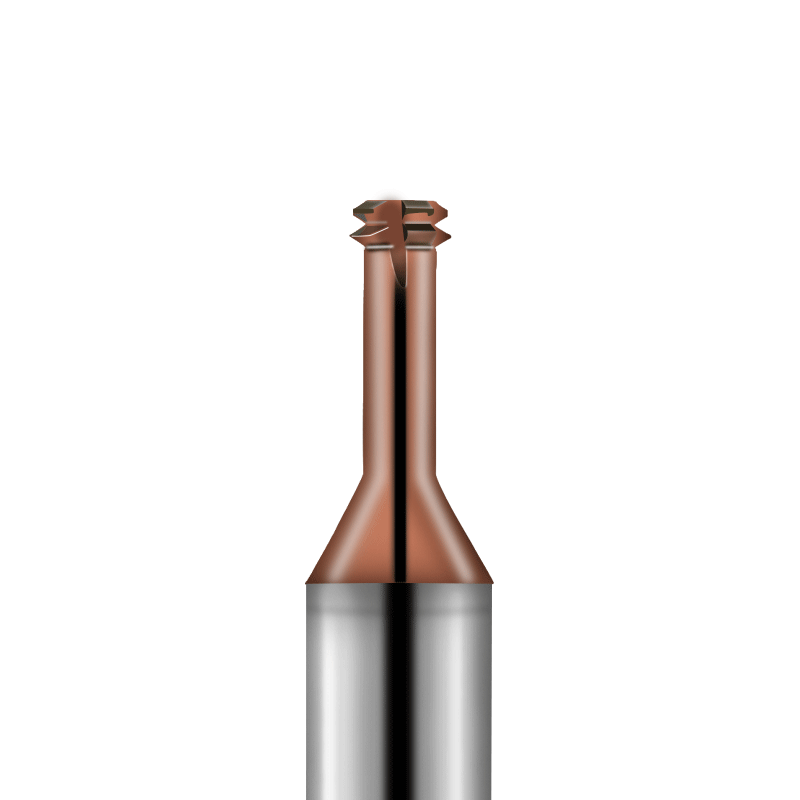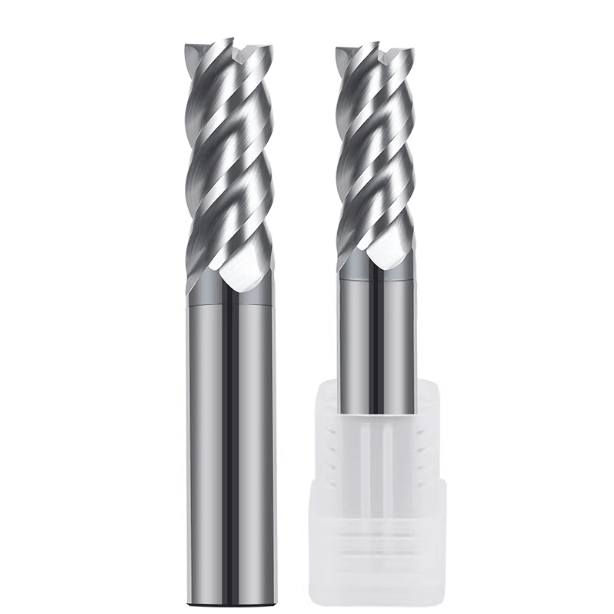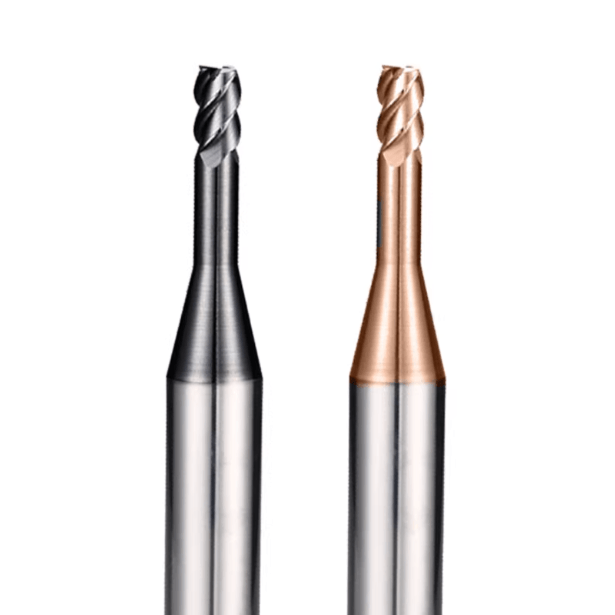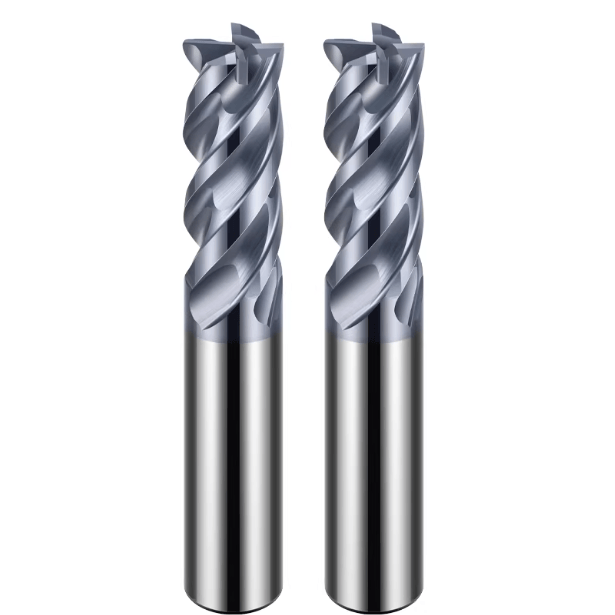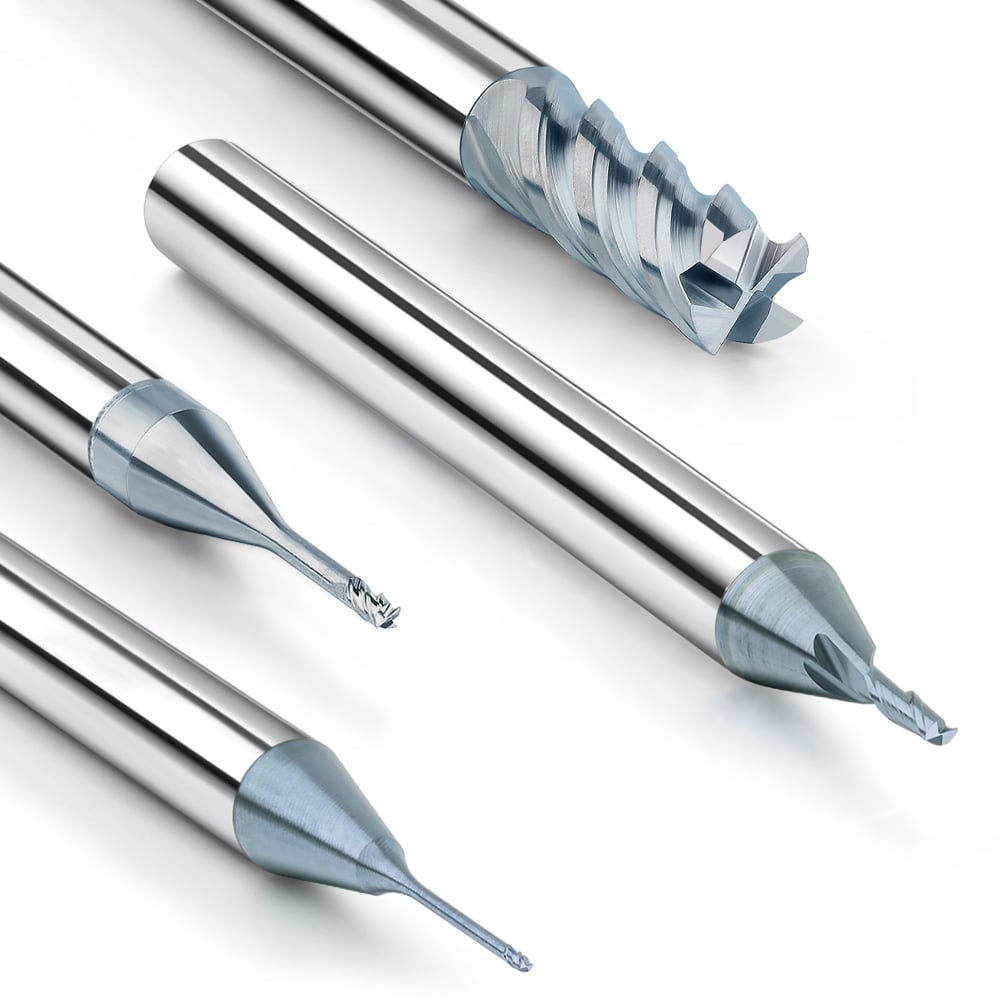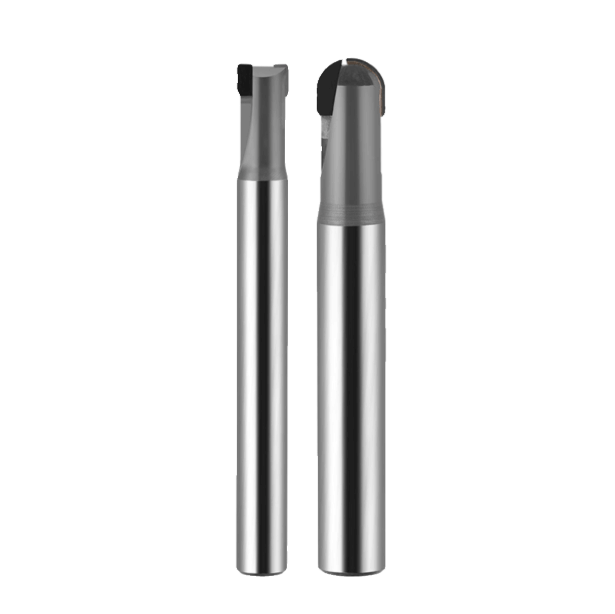
When machining highly ductile materials such as copper and brass, selecting the right cutting tools significantly impacts surface finish, dimensional accuracy, and overall production efficiency. PCD diamond tools, with their extreme hardness, wear resistance, and stable cutting characteristics, are increasingly recognized as essential solutions for enhancing machining consistency and performance. Whether aiming for mirror-finish precision components or high-speed mass production of structural parts, PCD cutting tools effectively reduce built-up edge, minimize cutting-generated heat, and limit tool wear, significantly improving overall machining outcomes.
In practical production, PCD diamond milling tools excel in high-speed milling, finishing, and batch processing of copper and brass. Their sharp, stable cutting edges maintain dimensional accuracy under high spindle speeds, enabling consistent quality in complex cavities, thin-walled structures, and critical functional surfaces. Meanwhile, PCD tools for metal cutting retain their geometry over extended use, improving repetitive machining consistency and reducing rework and scrap.
For components with unique structures, micro-features, or tight tolerances, customized solutions from custom PCD diamond tools manufacturers can further optimize efficiency. Tailored tool geometry, cutting-edge design, and process-specific configurations allow manufacturers to achieve superior cutting stability, extended tool life, and smoother production line operation.

Why PCD Diamond Tools Are Ideal for Copper and Brass Machining
Machining copper and brass requires careful attention to surface quality, dimensional stability, and process efficiency. These metals are highly ductile, soft, and thermally conductive. While relatively easy to cut, they are prone to built-up edge formation, material tearing, and surface drag marks if machining conditions are unstable. Tools with high wear resistance and sharp cutting edges improve stability, maintain smooth cutting processes, and increase both productivity and consistency.
Cutting Challenges Due to Material Ductility
Copper and brass’s high ductility makes them susceptible to adhesion and tearing, affecting cutting-edge penetration. Increased cutting speeds or unstable conditions can quickly form built-up edge (BUE) on the tool tip, making the process uncontrollable. High-speed milling of thin-walled structures, precision grooves, or small features is particularly sensitive: excessive BUE can lead to vibration marks, scratches, and dimensional deviations.
Hard, low-friction cutting edges with high sharpness reduce material adhesion, enabling smoother, more stable cutting. Moreover, PCD tools retain geometric integrity after prolonged use, which is essential for continuous operations and mass production.
Surface Finish and Dimensional Accuracy Requirements
Copper and brass components often serve as conductive parts, structural connectors, hydraulic system components, or decorative elements, demanding high surface finish and tight dimensional tolerances. Achieving mirror-like finishes or superior surface quality requires uniform cutting forces and minimized heat buildup. Unstable cutting edges can cause micro-scratches, dragging, and dimensional variation.
High-precision cutting edges with wear-resistant materials create consistent surface textures, reducing subsequent polishing steps and enhancing machining efficiency. For complex structural parts or critical functional surfaces, stable cutting edges ensure repeatable accuracy for every batch.
Limitations of Conventional Tools
While traditional tools may handle general cutting, their wear resistance and edge retention often fall short under high-precision, high-finish, or high-speed conditions. Prolonged cutting may result in micro-chipping, causing drag marks or surface inconsistencies on copper or brass.
Additionally, conventional tools are prone to built-up edge formation. Continuous material adhesion changes cutting forces, leading to irregular ripples on the workpiece and potentially premature tool failure. In mass production, this instability increases processing costs, reduces yield, and adds setup time.
Core Advantages of PCD Diamond Tools in Copper and Brass Machining
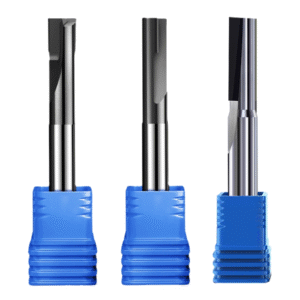
PCD diamond tools outperform traditional high-speed steel and carbide tools in wear resistance and cutting performance. Their extreme hardness maintains stable geometry even under prolonged cutting, extending tool life. Optimized tool geometry and coatings reduce cutting resistance and lower operating temperatures, preventing material overheating and built-up edge formation. This stability is crucial in high-precision machining, ensuring consistent dimensions and excellent surface finish while supporting high-speed and high-volume production. For precision hole, groove, and contour machining, PCD diamond milling tools and PCD cutting tools improve efficiency and reduce production costs.
Achieving Ultra-High Surface Finish
Surface roughness directly impacts assembly and electrical performance. PCD diamond tools’ high edge hardness and stability minimize burrs and micro-vibrations, producing mirror-like surfaces. Precision milling with PCD tools distributes cutting forces evenly, avoiding localized overcutting and material tearing, achieving consistently smooth finishes.
Reducing Cutting Temperature and Built-up Edge Formation
Copper and brass’s high thermal conductivity can accelerate tool wear during localized heating. PCD diamond tools’ optimized cutting-edge angles and material structure reduce cutting-generated heat and chip adhesion, preventing built-up edge. Stable cutting prolongs tool life and lowers the risk of rework or surface defects.
Maintaining Tool Stability Under High-Speed Cutting
High-speed cutting enhances efficiency but introduces vibration and deflection risks. PCD tools for metal cutting maintain stability under high-speed conditions, ensuring dimensional accuracy. Tool stability is critical for hole diameters, groove widths, and complex contours, particularly in mass production, boosting overall efficiency.
Improving Machining Efficiency and Consistency
Custom PCD cutting tools and solutions from custom PCD diamond tools manufacturers enable continuous, stable machining with fewer tool changes and reduced downtime. Optimized cutting parameters and machine tool adjustments support high-volume, high-precision, and high-finish machining, reducing scrap rates and production costs.
Types and Applications of PCD Cutting Tools for Copper and Brass
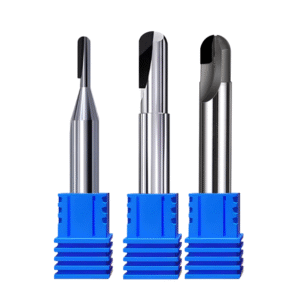
Tool shape and function significantly influence machining quality and efficiency. PCD cutting tools cover drilling, turning, boring, and milling. Their geometry and material properties offer superior wear resistance and stability when cutting ductile metals. They handle micro-hole machining of small parts and high-speed milling of large, complex contours. Custom PCD diamond tools optimize geometry for specific materials and processes, enhancing tool life and productivity.
Workpiece Adaptability of PCD Drills, Turning Tools, and Boring Tools
PCD drills provide minimal diameter deviation and smooth hole walls. PCD turning and boring tools maintain stable cutting edges and consistent quality during extended copper and brass cutting. Custom PCD diamond tools can be tailored to workpiece hardness, thickness, and geometry, ensuring optimal tool-workpiece compatibility.
Performance in Small Features and Thin-Walled Parts
Thin-walled and small-feature components risk deformation or vibration. PCD milling tools, with high rigidity and wear resistance, machine these parts stably under low cutting forces. Precise tool geometry ensures accurate machining of intricate details, improving yield and overall consistency.
Advantages in Mass Production
In high-volume production, wear resistance and tool stability are essential. PCD tools for metal cutting maintain long tool life under continuous high-speed cutting, reducing changeover frequency and downtime. Stable performance ensures consistent dimensions and surface finishes, lowering scrap rates. Customized PCD diamond tools can optimize geometry and parameters for production needs, enabling efficient, precise mass machining.

The Role of PCD Diamond Milling Tools in Precision Machining of Copper and Brass
In precision machining of copper and brass, workpiece accuracy and surface finish are critical quality indicators. PCD diamond milling tools, with their ultra-high hardness and wear resistance, offer exceptional stability and cutting performance in high-speed milling and complex contour operations. Whether machining thin-walled parts, micro-cavities, or intricate details, these tools maintain a stable geometric shape during processing, effectively minimizing vibration and deformation to ensure dimensional accuracy and surface consistency. Custom PCD diamond tools, optimized for specific tool geometries and cutting parameters, enable high-volume, high-precision machining while reducing scrap and rework costs.
Stable Tool Performance During High-Speed Milling
High-speed milling of copper and brass often introduces tool vibration due to cutting force fluctuations or localized heat buildup, which can compromise surface quality. PCD diamond milling tools, thanks to their high material hardness and structural stability, maintain precise cutting edges at high speeds, preventing dimensional deviations and surface ripples. This stability not only ensures superior surface finish but also extends tool life, making these tools ideal for continuous, efficient production environments.
Advantages in Milling Thin-Walled Parts, Micro-Cavities, and Intricate Features
Thin-walled parts and micro-cavities are highly sensitive to deformation and vibration, making machining accuracy difficult to maintain with conventional tools. PCD Milling Tools, with high rigidity and low cutting force characteristics, reduce material stretching and vibration, preserving shape accuracy and dimensional consistency. Their precise geometric design allows accurate machining of small grooves, chamfers, and detailed contours, consistently achieving high-quality standards.
Enhancing Consistency of Mold and Functional Surfaces
For molds, surface finish and dimensional stability of functional areas directly affect performance and lifespan. PCD diamond milling tools evenly distribute cutting forces, reducing burrs and micro-defects, producing mirror-like surfaces while ensuring dimensional consistency. Using customized tools and optimized parameters improves assembly accuracy, wear resistance, and overall machining consistency, providing reliable results in high-precision mold work.

Key Parameter Settings Affecting PCD Diamond Tools Performance
Machining efficiency and surface quality depend not only on tool material and geometry but also on cutting parameters and machine rigidity. Correct parameter settings maximize the advantages of PCD diamond tools, lowering cutting temperatures, minimizing built-up edge formation, and maintaining dimensional accuracy. Tool geometry, clamping method, and machine rigidity are critical for tool stability. Optimizing cutting speed, feed rate, and depth of cut, along with proper tool holders and fixtures, supports high-precision, high-efficiency machining and extends the lifespan of custom PCD diamond tools.
Recommended Cutting Speed, Feed Rate, and Depth of Cut
Cutting speed, feed rate, and depth of cut are central to stable machining and high surface quality. Excessive cutting speeds may cause overheating and vibration, shortening tool life; too low feed rates increase cycle time and risk material adhesion. Proper adjustment of these parameters allows PCD tools for metal cutting to maintain stable cutting forces during high-speed and precision operations, reducing chip adhesion and built-up edge, and ensuring optimal surface finish and dimensional accuracy.
Influence of Tool Geometry Angles on Machining Results
Tool geometry angles affect cutting force distribution, chip evacuation, and surface quality. PCD diamond milling tools are designed with precise cutting edge, rake, and relief angles to reduce cutting resistance, optimize chip flow, and minimize deformation in thin-walled or micro-feature machining. Proper geometry also controls cutting temperature and enhances surface consistency during high-speed operations, providing reliable precision machining.
Importance of Tool Holders, Clamping, and Machine Rigidity
Even with high-performance tools, unstable mounting or low machine rigidity can cause vibration, deflection, and dimensional errors. Selecting high-rigidity tool holders and appropriate clamping reduces vibration and ensures even cutting force distribution. Machine rigidity supports high-speed milling and deep-hole drilling, maximizing the benefits of PCD Cutting Tools and custom PCD diamond tools, ensuring precise and efficient machining.
Common Issues and Optimization Strategies in Copper and Brass Machining
Even with high-performance tools, copper and brass machining may face burrs, tool wear, or chatter, impacting dimensional accuracy and assembly performance. Addressing these issues requires optimization of cutting parameters, improved tool geometry, and controlled machine rigidity. Using custom PCD diamond tools and PCD Cutting Tools, along with proper speed, feed, and clamping adjustments, reduces defects, extends tool life, and supports reliable high-volume, high-precision production.
Solutions to Minimize Burrs
Burr formation results from uneven cutting forces or dull edges. Sharp, stable cutting edges of PCD diamond milling tools minimize tearing and burrs. Controlling feed rate, speed, and sequencing further reduces burrs. For thin-walled or micro-featured parts, custom tools enhance surface finish and machining consistency.
Measures to Control Tool Wear
Extended copper and brass machining can lead to wear, affecting accuracy and surface quality. PCD tools for metal cutting, with high hardness and wear resistance, significantly extend tool life. Combining proper cutting parameters, intermittent cutting, and cooling measures slows wear, preventing edge chipping or dulling. Regular inspection and timely replacement or resharpening maintain consistent high-volume production.
Adjustments for Chatter or Resonance
Chatter arises from insufficient rigidity in the tool, workpiece, or machine. High-rigidity holders, optimized clamping, and proper cutting parameters reduce vibration. PCD Cutting Tools distribute forces evenly, minimizing tool vibration. Strategic tool path planning and high-rigidity machinery eliminate resonance, improving surface finish, dimensional accuracy, and overall efficiency.

Value of Custom Tools in Copper and Brass Machining
Standard tools sometimes fall short for high-precision, complex, or high-volume machining. Custom PCD diamond tools optimize design for specific materials and conditions, improving stability and surface quality. They adapt to high-speed milling, precision drilling, and thin-walled parts, enhancing efficiency and consistency. For mass production or automated lines, custom tools reduce tool changes, extend life, and ensure consistent dimensions and surface finish, supporting high-precision machining.
Tool Structure Optimization by Custom PCD Diamond Tools Manufacturers
Custom tool optimization includes adjusting cutting edge angles, tip shape, tool body strength, and edge length. These improvements reduce cutting forces, vibration, and heat buildup. Optimized PCD Cutting Tools maintain stability in long-term high-speed machining, extending life while ensuring surface finish and dimensional accuracy. Manufacturers provide solutions tailored to material, complexity, and production volume, improving efficiency and quality.
Customized Cutting Edge Design for High-Precision Parts
High-precision parts require precise cutting edge geometry. Custom tooling allows design of edge angles, radii, and rake to ensure smooth chip evacuation and reduce burrs or scratches. PCD diamond milling tools enable precise machining of micro-holes, thin-walled parts, and complex contours, ensuring dimensional consistency and surface quality, ideal for molds, precision hardware, and electronics components.
Customized Solutions for Automation and High-Speed Production
In automated or high-speed environments, tool stability and life are critical. Custom PCD diamond tools optimize body structure and cutting edge for continuous, automated, and high-speed operations, reducing vibration and heat accumulation. Combined with rigid holders and precise clamping, they enable high-efficiency machining with consistent surface quality and dimensional accuracy, lowering downtime and maintenance costs, and improving overall line efficiency.
Key Considerations for Choosing the Right PCD Diamond Tools Supplier
In copper and brass machining, cutting tool performance and supplier service capabilities directly affect production efficiency, machining quality, and cost control. Selecting the right supplier requires evaluating not only tool material and manufacturing precision but also their ability to provide design optimization, resharpening services, and customized solutions. A reliable supplier delivers consistent PCD diamond tools, tailored solutions for specific workpiece materials and machining requirements, and proven industry experience, supporting high-speed milling, precision drilling, and thin-walled part machining. This ensures consistent dimensional accuracy and surface quality while minimizing production downtime and tool replacement frequency.
Manufacturing Precision and Tool Consistency Capabilities
High-precision manufacturing and consistent tool quality are critical for reliable machining. Producing PCD Cutting Tools demands strict control over cutting edge angles, tool body dimensions, and overall geometry to ensure stable cutting performance in copper and brass applications. Suppliers should provide precise manufacturing and rigorous quality inspections to guarantee that batch tools maintain uniform cutting forces, tool life, and surface finish during high-speed milling and continuous operations, thereby reducing scrap rates and rework.
The Necessity of Tool Sharpening and Resharpening Services
Even the highest-performing tools wear over time. Supplier-provided sharpening and resharpening services extend the lifespan of PCD diamond milling tools while maintaining cutting edge sharpness and machining accuracy. Timely resharpening and optimization address wear issues in high-speed or high-volume production, ensuring surface finish and dimensional stability, lowering tool replacement frequency, and reducing overall production costs.
Copper and Brass Machining Cases and Industry Experience
Suppliers with extensive industry experience can offer proven machining cases and solutions, helping companies match tools to specific processes efficiently. By analyzing copper and brass material properties, part structures, and machining requirements, suppliers can recommend suitable PCD diamond tools, customized cutting edge designs, and cutting parameter optimizations. This expertise ensures stable processing, reduces trial-and-error setups, and provides efficient guidance for new projects, supporting high-speed milling, precision drilling, and thin-walled part operations.
Achieving Stable Production and Cost Optimization with PCD Diamond Tools
Achieving high-efficiency, high-precision, and stable production is crucial for reducing manufacturing costs and enhancing competitiveness in copper and brass machining. PCD diamond tools, with superior wear resistance and geometric stability, provide consistent machining performance during high-speed milling, thin-walled part processing, and complex contour operations. This reduces tool change frequency, minimizes downtime, and lowers production costs. Optimizing cutting parameters, tool geometry, and using customized tools further ensures consistent surface finish and dimensional accuracy while decreasing scrap and rework. Combined with high-rigidity clamping and automated production lines, PCD Cutting Tools maintain stable machining quality in continuous operations, balancing high output with cost efficiency.
Increasing Tool Life and Reducing Tool Change Costs
The high hardness and wear resistance of PCD diamond milling tools enable them to maintain sharp edges and geometric stability during extended high-speed cutting. Setting proper cutting speeds, feed rates, and depths of cut, along with customized tool optimization, further extends tool life, reducing tool changes and downtime. Supplier-provided grinding and regrinding services maintain tool performance over time, allowing for cost-effective, efficient production management.
Improving Machining Consistency and Reducing Scrap Rate
Stable cutting forces and precision tool geometry ensure consistent dimensional and surface quality for every workpiece. Utilizing PCD Cutting Tools and customized tools minimizes burrs, chatter, and deformation in thin-walled parts, micro-holes, and complex contours, reducing scrap rates. Optimized tool structures and machining parameters ensure part consistency across mass production, enhancing overall productivity and yield.
Maintaining Stable Machining Quality in Automated Production
In automated production environments, tool stability, machine rigidity, and proper cutting parameter matching are essential. PCD diamond tools maintain cutting stability during high-speed, continuous operations, delivering consistent surface finish and dimensional accuracy. Combined with rigid tool holders, precise clamping, and optimized machining strategies, they support efficient automated lines, achieving high productivity, reduced costs, and superior quality, providing a competitive advantage in copper and brass parts manufacturing.