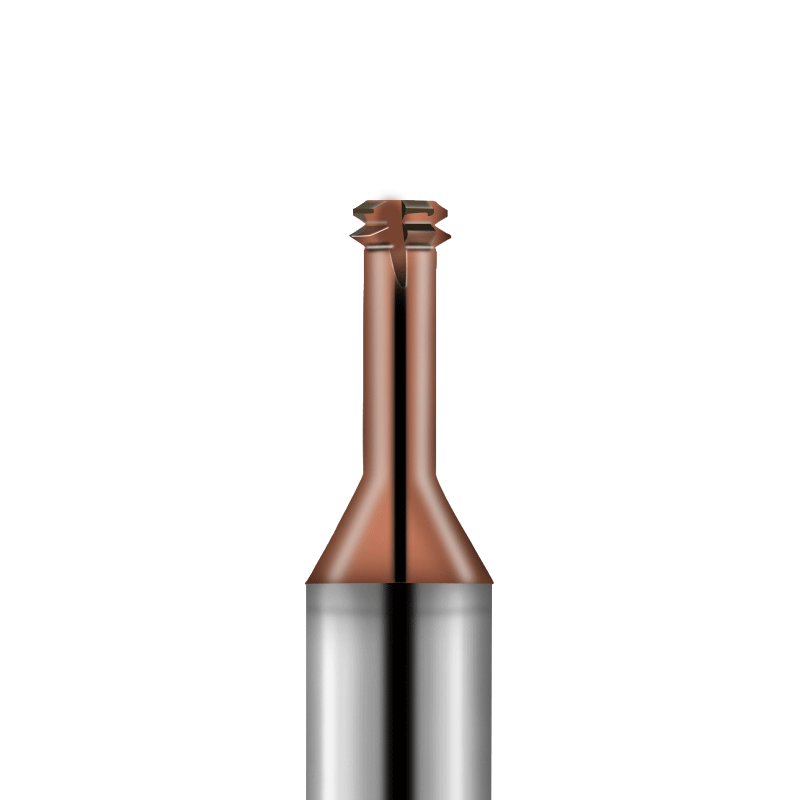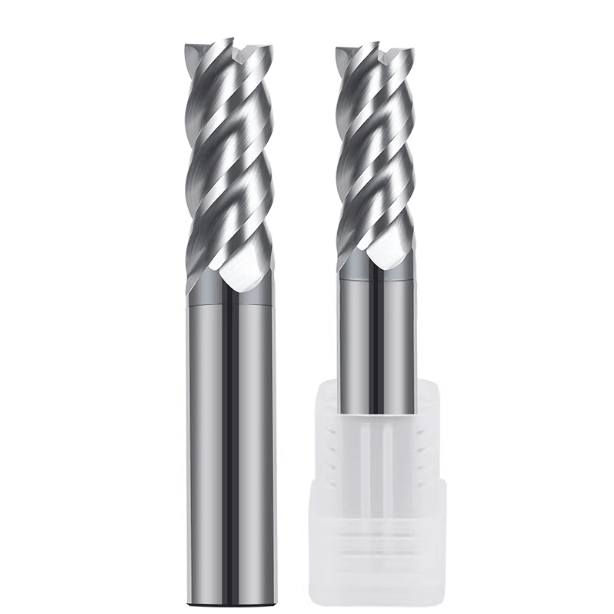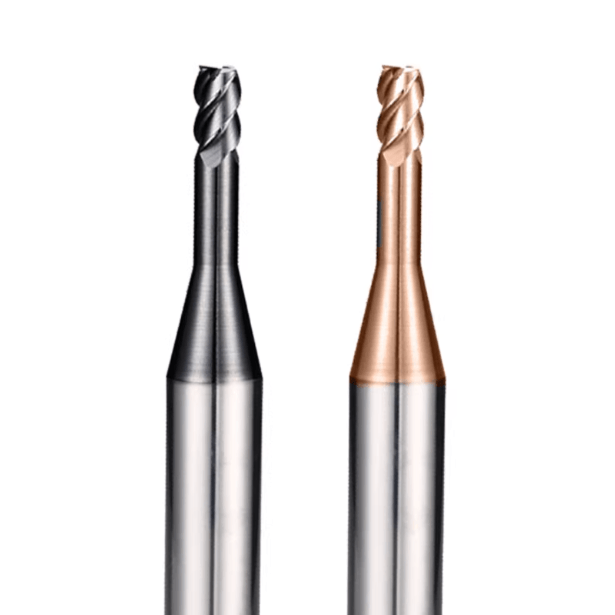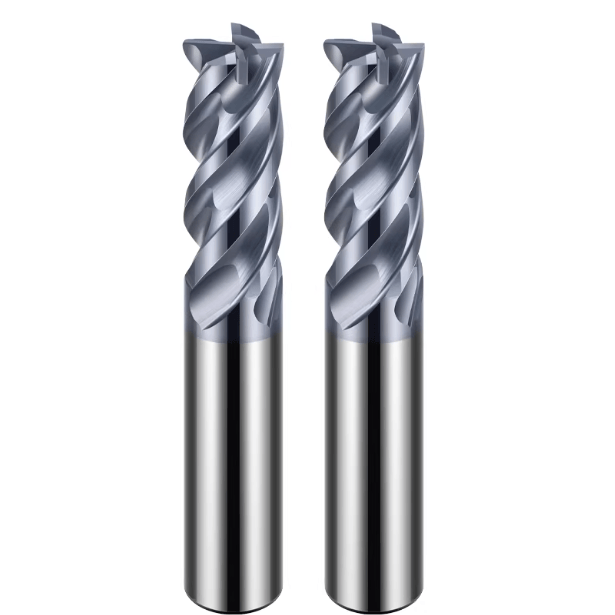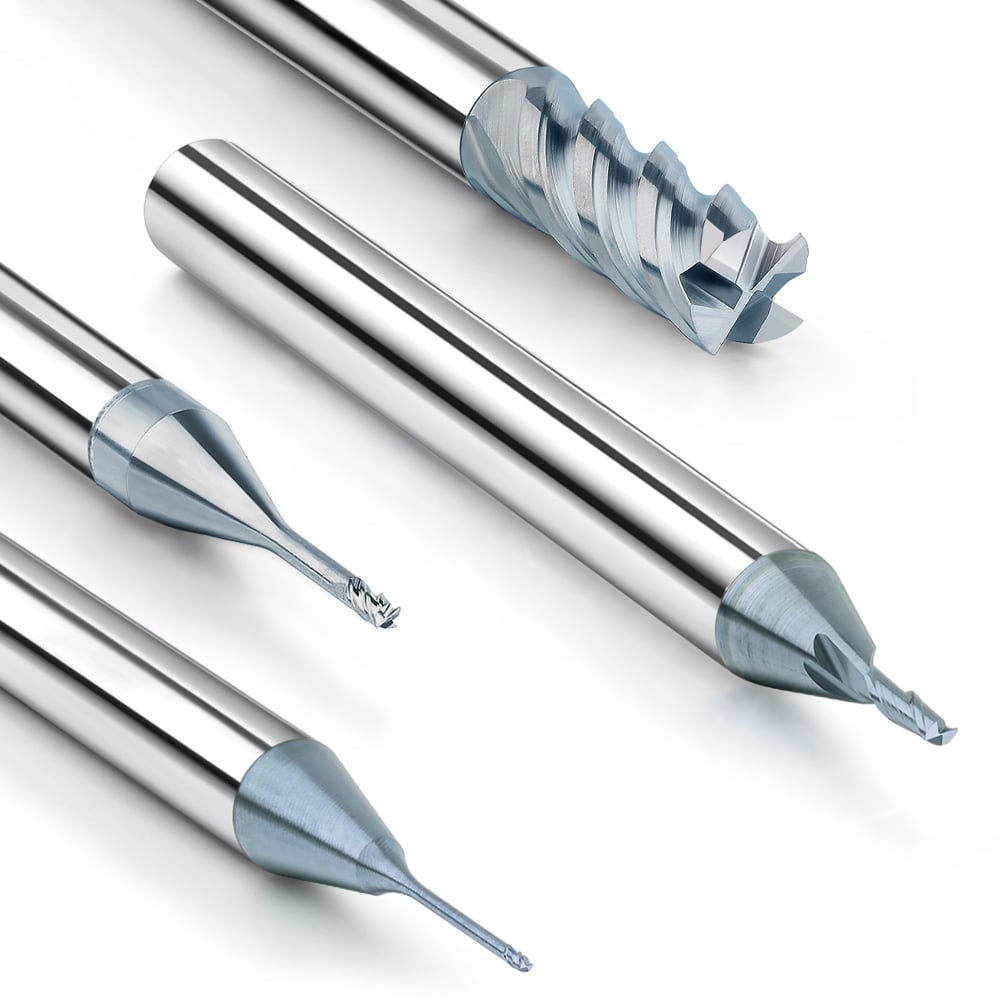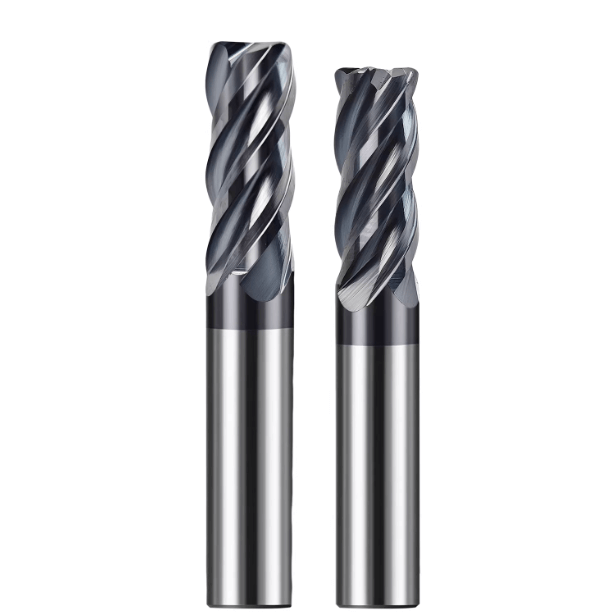
Over the past few years, we have repeatedly encountered a challenging problem in multiple clients’ mold and precision parts machining projects: when material hardness exceeds 50 HRC, conventional roughing strategies and tools cannot consistently guarantee stable cutting. Even with high-performance carbide rougher end mills, issues such as tool tip chipping, abnormal edge wear, and sudden tool breakage occur frequently. From our experience, the problem is not just the tool material—it’s often related to incorrect selection, geometry design, and parameter matching of roughing end mills for hardened steel.
Through years of field experience, we have learned that cutting edge design, tooth pitch arrangement, and the performance of a 4-flute roughing end mill under deep groove or high cutting force conditions directly determine machining stability. A recurring observation from clients is that tools from the same batch can perform very differently on different machine tools, forcing repeated on-site verification. As a CNC roughing end mill manufacturer, we focus not only on material hardness and coating reliability but also on optimizing effective cutting length, chip evacuation, and thermal stability for each tool based on actual cutting scenarios.
In roughing hardened steel, we typically monitor peak cutting forces, tool wear patterns, and machining noise to determine whether the tool is approaching instability. These judgments are based on accumulated experience rather than theoretical parameters alone. Therefore, we conduct small-batch verification with our clients before each project to ensure that the roughing end mills for hardened steel are truly suitable for their workpieces and machining rhythm.
Faced with such demanding machining environments, have you experienced situations where even high-performance tools struggle to maintain stable cutting?
50 HRC and Above: Cutting Stability Over Tool Brand
In our long-term experience handling high-hardness mold steel and tool steel, a recurring phenomenon is that the same batch of tools exhibits significant performance differences across production lines or machine tools. Even with premium carbide rougher end mills, improper cutting conditions can quickly lead to tip chipping or accelerated middle-section wear. From our field observations, cutting stability is far more critical than brand reputation. We prioritize vibration control, chip removal efficiency, and cutting force fluctuations over blindly pursuing high-performance models.
Minor adjustments in machining sequence, depth of cut, and feed rate often improve stability more effectively than changing the tool. We frequently verify tool performance on-site by observing wear patterns, cutting noise, and surface finish. These observations help determine if adjustments to transverse cutting depth or reductions in feed rate are necessary. This approach allows us to maximize material removal while protecting tool life and preventing premature failure caused by vibration or overheating.
Actual Load Differences Across Hardness Ranges (50–55 HRC, 55–60 HRC, 60+ HRC)
We adjust cutting strategies according to material hardness. At HRC 50–55, tool load is relatively stable, and standard roughing end mills can maintain high efficiency. Between HRC 55–60, depth of cut and feed must be controlled carefully to prevent accelerated tip wear. For materials above HRC 60, even small vibrations or slight feed rate increases can cause edge chipping. We conduct small-batch tests at project startup, recording peak cutting forces and monitoring chip evacuation to determine the most suitable tooth profile and pitch for each material.
Even the same carbide rougher end mills can behave differently at different hardness levels. Comparing cutting curves and wear patterns allows us to select the optimal tool length and number of cutting edges, balancing machining stability and efficiency. This method avoids blindly increasing tool cost while reducing the risk of breakage and rework.
Why the Same Carbide Rougher End Mills Perform Differently on Different Machines
Clients often report that tools perform well on Brand A machines but have reduced life on Brand B machines. This is usually due to spindle rigidity, transmission accuracy, and tool holder compatibility. Our on-site observations show that machine tool vibrations and tool holder looseness can amplify peak cutting forces, leading to rapid edge wear or sudden chipping. We advise small-batch parameter verification before switching machines, adjusting feed rate, spindle speed, and depth of cut to identify the optimal combination.
Machining deep grooves or complex cavities increases the demand on machine rigidity. Even with a well-designed tool, minor spindle or fixture errors concentrate cutting force at the tool tip. Longer tool overhang reduces stability. On-site, we monitor vibration and chip evacuation to assess suitability, ensuring abnormal wear or breakage does not occur during continuous high-hardness machining.
Spindle Rigidity and Clamping Accuracy Often Overlooked
Many customers focus on tool material and coating but neglect spindle rigidity and fixture accuracy. High-hardness materials generate significant cutting forces; even a 4-flute roughing end mill can suffer rapid wear if clamping is loose or the holder is misaligned. We check clamping accuracy and adjust cutting parameters via trial cuts to achieve more stable machining than merely swapping tools.
Tool overhang directly affects vibration amplification. Short-edge tools with low overhang cut more stably, while long-edge tools are prone to irregular wear even on ideal machines. We advise adjusting tool overhang and optimizing depth of cut based on workpiece structure to reduce tip chipping and mid-section wear.

Key Tool Structures When Selecting Carbide Rougher End Mills
Even tools of the same material can perform differently depending on geometry. We often see clients using standard tools on high-hardness steel, only to experience tip chipping or reduced tool life. By analyzing vibration, chip evacuation, and peak cutting forces, we have identified four structural factors that strongly influence stability: tooth depth, core diameter, rake angle, and edge chamfering. We combine these factors with workpiece size, machining depth, and machine rigidity to select tools, rather than relying solely on nominal tool specifications.
Matching these structural features is critical. Even tools from the same batch can experience obstructed chip removal or amplified vibration if tooth profile or core diameter is unsuitable. Small-batch field verification, observing chip morphology, machining sound, and wear location, is more reliable than selecting tools based only on hardness or coating.
Tooth Depth and Its Effect on Chip Removal and Chipping Resistance
In deep-groove or high-load machining, shallow tooth depth results in poor chip removal, heat accumulation, and rapid edge chipping. Excessive tooth depth improves chip removal but increases peak cutting forces, promoting vibration. We typically select medium tooth depth based on material hardness and depth of cut, balancing chip removal efficiency and chipping resistance.
We often judge tooth depth suitability by chip color and shape: accumulated or shortened chips indicate insufficient removal; overly long or curled chips may increase vibration. We adjust parameters based on cutting edge profile rather than changing tools, which aligns with real production conditions.
Core Diameter Determines Vibration Resistance
Tool core diameter significantly affects vibration and stability. Small core diameters warp under large depth of cut and feed, accelerating mid-section wear or causing breakage. We select larger core diameters based on workpiece size and overhang to improve vibration resistance while maintaining material removal rate.
Field verification uses vibration monitoring and tool tip wear patterns. Tip chipping or abnormal middle wear usually indicates insufficient core diameter or excessive overhang. Proper matching of core diameter and overhang extends carbide rougher end mill life while maintaining cutting efficiency.
Rake Angle: Too Large Can Cause Problems
Excessively large rake angles concentrate cutting force at the tool tip, causing rapid heat accumulation and micro-chipping, especially in deep cuts. We choose medium rake angles to stabilize the tool tip under peak cutting forces while maintaining smooth chip removal.
We test different rake angles on-site, observing cutting sound, tool wear, and surface quality to select the most suitable for the workpiece and machine, rather than pursuing a sharp edge blindly.
Micro-Beveling Over Sharp Edges
Micro-beveled cutting edges distribute cutting forces, reducing concentrated load on the tip and lowering chipping probability. In deep-groove and continuous cutting tests, micro-beveled tools significantly extend life at high feed rates and cutting depths.
On-site, we observe tool wear and chip removal. Concentrated wear or micro-cracks indicate insufficient beveling. Proper chamfering makes roughing end mills for hardened steel more stable while maintaining cutting efficiency and reducing downtime risk.
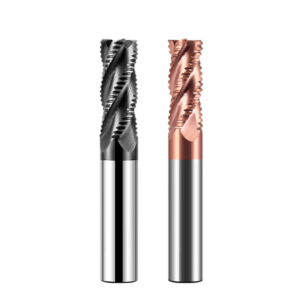
Applicability Boundaries of 4-Flute Roughing End Mills in Hardened Steel Roughing
In our experience roughing high-hardness steel parts, 4-flute roughing end mills demonstrate the most stable performance in medium depth-of-cut, continuous machining scenarios. Batch machining tests on 50–60 HRC materials such as SKD11 and H13 show that 4-flute tools distribute cutting forces more evenly during continuous cutting, resulting in less vibration and easier control of tip wear compared to two- or three-flute tools.
We typically adjust feed rate and depth of cut to maintain a high material removal rate without amplifying tool vibration. This allows for high-volume machining while maintaining stability. However, 4-flute tools are not a universal solution. Excessive overhang, deep cuts, or complex workpiece cavities can still cause vibration and chip removal issues. Small-batch verification is essential, using chip morphology and tip wear to define machining boundaries rather than relying solely on tool specifications.
Why 4-Flute Roughing End Mills Are More Suitable for Medium Depth-of-Cut Continuous Machining
On-site observations show that under medium depth-of-cut conditions, each tooth of a 4-flute tool achieves stable cutting force distribution. This reduces vibration and extends tool life. Continuous cutting of high-hardness materials generates even heat distribution and smooth chip evacuation, making 4-flute tools particularly suitable for mold cavity machining and batch production.
Depth of cut and feed rate remain key variables. Excessive values can still lead to edge chipping and mid-section wear. We increase depth gradually on-site, optimizing parameters based on machine rigidity, tool holder type, and workpiece structure rather than relying on theoretical values alone. This ensures stable machining while protecting the life of roughing end mills for hardened steel.
Chip Removal Risks Associated with 4-Flute Structures in Deep Grooving
While 4-flute tools provide cutting stability, deep flutes can lead to chip buildup, increased heat, tip chipping, and vibration. We mitigate this by adjusting helix angle, tooth pitch, and feed direction, while monitoring cutting noise and chip morphology to assess potential risks.
We advise against simply choosing larger diameters or higher tooth counts. For deep flutes or complex cavities, slightly reduced diameters or medium tooth pitch, combined with high-pressure cooling or segmented cuts, more effectively extend tool life than theoretical formulas. These adjustments are crucial for maintaining the performance of carbide rougher end mills under challenging conditions.
How We Determine Whether a Customer Should Use a 4-Flute or Variable Helix Tool
Tool selection begins with assessing workpiece structure, depth of cut, and machine rigidity. For medium-depth, continuous machining, 4-flute tools are generally stable. For deep grooving, intermittent cuts, or high cutting loads, we often prefer variable helix tools. This design breaks the periodic superposition of cutting forces, reducing vibration and the risk of tip chipping.
We conduct small-batch trial cuts to observe tool wear distribution, cutting noise, and chip morphology. This method quickly identifies the most reliable tool structure under real conditions, optimizing both stability and service life without relying solely on specifications.
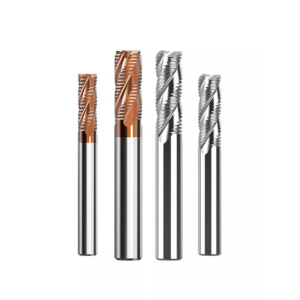
The Most Common Failure Modes of Roughing End Mills for Hardened Steel
In long-term projects involving high-hardness steel, the three most common failures are: tool tip chipping, abnormal mid-section wear, and sudden tool breakage. These failures are rarely due to tool material alone and are closely linked to cutting parameters, overhang, chip evacuation, and machine rigidity. We analyze cutting force distribution and chip flow, then correlate with wear patterns to identify the root cause.
Most failures can be mitigated by adjusting depth of cut, feed rate, tool overhang, and cooling strategy. Observing tip wear, mid-section thermal wear, and cutting vibration during small-batch validation allows us to predict tool life and prevent issues. Experience shows proactive identification is more effective than simply relying on harder or coated tools.
Tool Tip Chipping: Usually Not a Material Issue
Tip chipping typically occurs when cutting forces concentrate or chips are not evacuated efficiently, especially in deep grooves or continuous cutting of 50–60 HRC steel. Peaks in cutting force often concentrate at the tip, leading to micro-chipping. We adjust feed rate or depth of cut based on chip morphology and machining sounds, rather than immediately replacing the tool.
Tool tip chipping serves as an indicator of cutting stability. Frequent chipping prompts checks of chip flow, machine vibration control, and overhang length. This approach optimizes carbide rougher end mill usage without misattributing the failure to tool material.
Abnormal Mid-Section Wear: Mostly Due to Heat Accumulation
Prolonged cutting of high-hardness materials can cause mid-section wear due to heat accumulation, even with conservative parameters. Excessive overhang or poor chip removal exacerbates the issue. We monitor temperature and wear patterns, then adjust depth, feed, and cooling strategies.
Tool wear correlates directly with machine rigidity, fixture accuracy, and tool holder type. Severe mid-section wear often requires reducing overhang, optimizing parameters, or using high-pressure cooling, which prolongs tool life more effectively than simply choosing harder roughing end mills for hardened steel.
Sudden Tool Breakage: Often Occurs When Parameters Seem Conservative
Sudden breakage is usually linked to machine vibration, chip jamming, or accumulated micro-cracks at the tip, not overload. Intermittent cutting or deep grooves can impose sudden impact, increasing breakage risk. On-site inspections of micro-cracks, cutting force, and chip flow help identify risks.
We emphasize proper overhang length, tool holder tightening, and logical cutting sequence. Even with conservative parameters, improper setup can cause breakage. Small-batch trials and wear pattern observations help us adjust 4-flute or variable helix tools to minimize breakage probability.
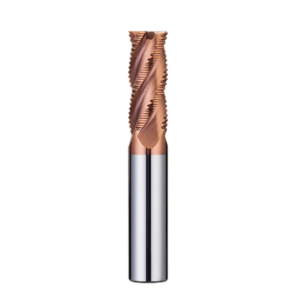
Our Common Roughing Parameter Adjustment Logic for SKD11, H13, and D2
Cutting behavior varies significantly across high-hardness steels. Parameters for ordinary steel cannot be directly applied. We adjust depth, feed, and overhang based on small-batch testing, monitoring vibration and chip removal to preempt tool issues.
Higher material hardness increases the impact of peak cutting force on tool life. Gradual parameter adjustment—starting with lower depth and feed, and observing sound, chips, and wear—ensures stable cutting while maintaining material removal rates.
Why Ordinary Steel Parameters Cannot Be Applied Above HRC 50
Using roughing parameters for ordinary steel often causes tip chipping or accelerated mid-section wear in hardened steel. Peak cutting forces and heat are greater, and overhang amplifies vibration and thermal accumulation. On-site monitoring of vibration amplitude, chip evacuation, and wear patterns allows us to adjust parameters effectively.
Even carbide rougher end mills can fail without proper tuning. Step-by-step optimization based on hardness, workpiece structure, and machine rigidity ensures efficient removal while extending tool life. Experience-based judgment is more reliable than theoretical references alone.
First Effect of Excessive Depth of Cut
Excessive depth of cut immediately increases vibration and peak cutting force. Early signs include slight tip chipping, followed by mid-section wear and noticeable tool vibration. We observe chip morphology and sound to adjust transverse depth or feed rate.
Overhang length and machine rigidity are especially sensitive. Even with a 4-flute roughing end mill, excessive overhang or low rigidity triggers vibration. Segmented cuts and fine-tuned feed adjustments maintain stability and reduce rework risk.
Using Sound to Detect Approaching Instability
We use cutting sound as an intuitive indicator. Stable cutting produces rhythmic, uniform sound; increasing vibration causes intermittent sharp tones and higher frequency. Combined with chip observation and machine feedback, this signals when to reduce depth or adjust feed.
We advise customers to rely on ears and eyes alongside instruments. Especially in deep groove or high-hardness machining, sound changes often precede visible wear, allowing early detection of instability and safer, more efficient use of roughing end mills for hardened steel.
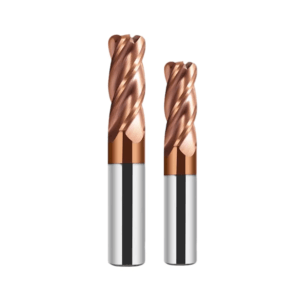
Coating Selection for Carbide Rougher End Mills Has a Direct Impact on Materials Above HRC 50
In our years of machining high-hardness steels, we found that coating selection often impacts tool stability and lifespan even more than the base material itself. When cutting materials with a hardness above HRC 50, friction and cutting heat concentrate on the tool surface. If the coating cannot withstand these conditions, tip chipping or accelerated mid-section wear is common.
Even within the same batch of carbide rougher end mills for hardened steel, differences in coating can lead to significant tool life variations. We usually combine observations of chip morphology and cutting sound to determine the most suitable coating for each workpiece and machine tool.
Harder or thicker coatings are not always better. Excessive hardness or thickness may lead to cracking or peeling under continuous cutting, increasing vibration and chipping risk. We select coating types based on material hardness, depth of cut, feed rate, and tool overhang rather than choosing the most expensive coating by default.
Stable Performance of AlTiN in Continuous Cutting
AlTiN-coated carbide rougher end mills have consistently shown stable performance in continuous cutting of steels above HRC 50. Their low friction at high temperatures disperses cutting heat effectively, reducing tip chipping and mid-section wear.
This is especially important in deep grooving or high depth-of-cut operations, where smooth chip removal and minimal vibration are essential. We monitor cutting sounds and chip shape on-site to confirm coating integrity. Fine-tuning parameters such as feed rate and spindle speed is always necessary, even with high-performance coatings, to ensure tool longevity and machining stability.
Lifespan Differences of Nanocoatings in High-Temperature Regions
In multiple customer projects, nanocoated tools showed significant lifespan variation between batches and coating thicknesses. Despite their theoretical heat resistance and low friction, prolonged cutting of steels above HRC 50 can still cause tip chipping or faster mid-section wear if cutting heat accumulates or chip evacuation is insufficient.
We evaluate effective coating life based on observed tool wear and cutting noise rather than nominal specifications. Under deep groove or high overhang conditions, nanocoated tools may have shorter life than traditional coatings if the depth of cut or feed rate is excessive. Fine-tuning these parameters ensures carbide rougher end mills are stable and durable in high-hardness machining.
Why Expensive Coatings Sometimes Have Shorter Lifespans
We often see customers experiencing shorter tool life with expensive coatings. Thick, high-hardness coatings can crack during continuous cutting and deep grooving, concentrating cutting forces on the tip and mid-section. This amplifies vibration and reduces tool life.
We advise customers to consider tool geometry and machining parameters alongside coating type. Observing chip morphology and tip wear on-site allows adjustments to depth of cut, feed rate, or cooling, or switching to a thinner coating. This practical approach maintains stability and avoids unnecessary waste from costly coatings.
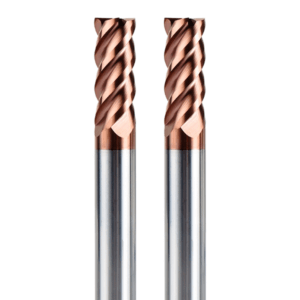
Preference for Short-Edge Roughing End Mills in Hard Steel
In machining steels above HRC 50, short-edge roughing end mills consistently perform more stably than long-edge tools. Long edges are prone to vibration amplification, particularly in deep grooves or complex cavities. Cutting forces concentrate at the tip and mid-section, accelerating wear and even causing breakage.
Short-edge tools reduce vibration and improve chip removal efficiency. They allow heat to dissipate more effectively, minimizing localized overheating and edge chipping. In practice, we select short-edge roughing end mills based on workpiece depth, tool overhang, and depth of cut to balance tool life and surface quality.
Why Long Overhangs Rapidly Amplify Vibration
Long-overhang tools bend more under cutting forces, quickly amplifying vibration. In deep grooving or intermittent cuts, even conservative feed rates can cause tip chipping or mid-section wear. We assess vibration risks through cutting sound and chip morphology, adjusting overhang or cutting strategy as needed.
On-site verification often leads us to select the shortest practical cutting edge length, considering machine rigidity and tool holder compatibility, ensuring stable machining beyond theoretical recommendations.
Matching Effective Cutting Edge Length to Workpiece Structure
Excessively long cutting edges increase vibration and heat accumulation, while overly short edges reduce depth of cut efficiency, requiring multiple passes. We choose edge length based on cavity depth, tool overhang, and depth of cut to maintain each cut within the tool’s stable range.
We verify this by observing chip shape and tool tip wear. Rapid mid-section wear or poor chip evacuation usually indicates a mismatch, prompting adjustment of depth of cut or replacement with a more suitable carbide rougher end mill.
Feed Rate Control Is Not the Priority in Deep Cavities
In deep cavity machining, customers often focus on feed rate while neglecting depth of cut, overhang, and chip evacuation. Excessive depth or improper overhang can still cause tip chipping or mid-section wear, even at conservative feeds.
We prioritize controlling depth and overhang first, then adjust feed rate based on machining feedback. This approach minimizes vibration and tool wear more effectively than simply reducing feed rate, ensuring continuous, stable roughing of steels above HRC 50.
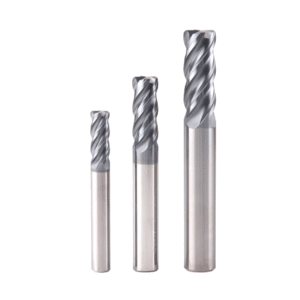
Why Many Customers Ultimately Choose Custom Carbide Rougher End Mills Instead of Standard Stock Tools
From our long-term experience supplying roughing end mills for hardened steel to European and American customers, we have found that standard stock tools often have limitations under real working conditions. When machining materials above HRC 50, deep cavities, or complex mold parts, standard tooth profiles, cutting edge lengths, and rake angles may not provide sufficient cutting stability or tool life.
We often observe vibration, tool tip chipping, or abnormal mid-section wear during continuous machining. On-site observations of chip formation and cutting sounds reveal that these issues frequently result from a mismatch between the tool’s structure and the workpiece geometry, rather than from the tool material itself.
If you are machining high-hardness steel, deep cavities, or complex molds, you can consider custom roughing end mills. By tailoring cutting edge length, tooth profile, rake angle, and coating, we can maximize tool stability, extend tool life, and maintain material removal and chip evacuation efficiency. You can discuss specific working conditions, drawings, or materials with us at any time, and we will provide practical guidance based on our field experience.
Different Materials Mean Standard Tooth Profiles May Not Be Suitable
In practice, steels with different hardness levels and alloy compositions require significantly different cutting force distributions and vibration control. Standard stock tooth profiles may work well on medium-hardness steels, but in steels above HRC 50—such as D2, H13, or SKD11—they often cause poor chip evacuation or localized cutting force concentration, leading to tip chipping or mid-section wear.
We usually adjust tooth depth and helix angle to match the workpiece material, ensuring uniform cutting force distribution across each tooth. If you are using standard stock tools and notice unstable cutting or short tool life, you can consider custom tooth profiles tailored to the material hardness, depth of cut, and feed rate. Experience shows this adjustment is usually more effective than simply increasing coating or tool hardness.
The Necessity of Special Extension Dimensions in the Mold Industry
In mold machining, deep or complex cavities often require tools with specific extension dimensions. Standard tools with excessive overhang can cause amplified vibration, tip chipping, or rapid mid-section wear. By customizing a shorter cutting edge or suitable overhang length, we maintain cutting stability while reducing heat buildup and vibration amplification.
If you are machining deep-cavity or complex mold parts, you can adjust cutting edge length and tool overhang based on cavity depth and machine tool rigidity. We recommend small-batch on-site verification of cutting sounds, chip patterns, and tool wear to ensure each cut remains within a stable range. You can share your specific workpiece geometry with us, and we can provide experience-based references and cutting edge length matching suggestions.
Small-Batch Customization Can Actually Reduce Overall Costs
Although many customers initially perceive custom cutting tools as more expensive, small-batch customization can reduce overall machining costs. Custom tools extend tool life, reduce rework and downtime, and ensure batch-to-batch stability.
By precisely matching cutting edge length, tooth profile, coating, and overhang, customers can maintain high efficiency and stability when machining deep grooves or high-hardness materials, lowering overall machining risks. If you are considering tooling cost optimization, you can view custom tools as a one-time investment for long-term stable machining. Evaluate cost-effectiveness based on machining conditions and batch size, while verifying performance via cutting force, vibration, chip removal efficiency, and tool tip wear. You can share drawings or material details at any time, and we will provide reference solutions grounded in on-site experience.
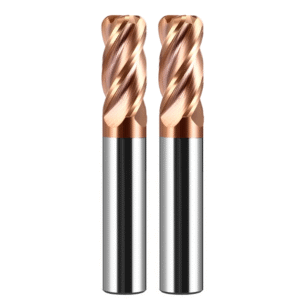
As a CNC Roughing End Mill Manufacturer, Several Details Most Frequently Verified by Customers When Making Hard Steel Tools
In our long-term supply of roughing tools for hardened steel to European and American customers, we have found that their main concern is not single-cycle tool life, but batch stability and machining repeatability. Customers often perform repeated checks on peak cutting forces, tip wear, and chip evacuation for 50–60 HRC materials to verify consistent performance across batches.
As the end mill manufacturer, we have learned that in roughing high-hardness steel, substrate grain size, edge treatment, and tool dimensional consistency have a greater impact on machining stability than coating type or tool hardness alone. We typically conduct batch testing before tools leave the factory, including cutting trials and edge wear analysis. This approach allows customers to quickly verify tool suitability while providing us with valuable production data to optimize carbide rougher end mill manufacturing. Field experience shows that customers are only confident in using our tools long-term when they can see controllable dimensional and edge stability in small-batch verification.
Substrate Grain Size Has the Greatest Impact on Hard Steel Roughing Life
When machining materials above HRC 50, we have found that substrate grain size significantly affects tool life. Coarse grains create uneven stress on the cutting edge, concentrating cutting forces and making the tool tip prone to chipping. Conversely, very fine grains provide uniform surface hardness but reduce toughness, increasing the risk of breakage during deep grooving or high-overhang machining.
We usually select grain sizes that balance hardness and toughness based on machining conditions and tool diameter. On-site, we verify grain size suitability by observing cutting sounds, chip morphology, and tool wear location. Frequent tip chipping or mid-section wear indicates insufficient grain uniformity or heat treatment. Through this empirical approach, we can optimize base material selection in carbide rougher end mill manufacturing, extending actual tool life.
Edge Treatment Consistency Determines Batch Stability
In collaboration with customers, we have observed that edge consistency often drives satisfaction more than the performance of a single tool. Even with uniform coatings, variations in edge sharpness or chamfer depth can cause fluctuations in peak cutting forces and chip removal behavior. We conduct optical inspections and cutting trials on edges before shipment to ensure consistent batch performance on high-hardness steel.
Field experience shows that mass-production customers prioritize repeatable tool performance over the maximum lifespan of a single tool. During manufacturing, we strictly control grinding, chamfering, and coating uniformity to maintain batch consistency across carbide rougher end mills. This approach ensures predictable cutting stability during continuous machining of materials above HRC 50.
Why Customer Repurchases Usually Stem from Dimensional Stability Rather Than Single-Batch Lifespan
We often find that repeat purchases are driven not by the lifespan of a single tool, but by the repeatability of dimensions, cutting edge, and batch performance. Even if one tool lasts slightly longer, large batch fluctuations can lead to vibration, tip chipping, or mid-section wear in deep grooves or high-load machining, impacting production schedules.
We conduct rigorous batch inspections before shipment, allowing customers to observe tool stability in small-batch testing, building confidence for repeat purchases. In practice, customers are more willing to use our 4-flute roughing end mills or other hard steel tools for extended periods when dimensional and edge consistency is controllable. Predictable machining results from batch stability provide greater peace of mind when continuously machining high-hardness steels, compared to minor improvements in a single tool’s lifespan.