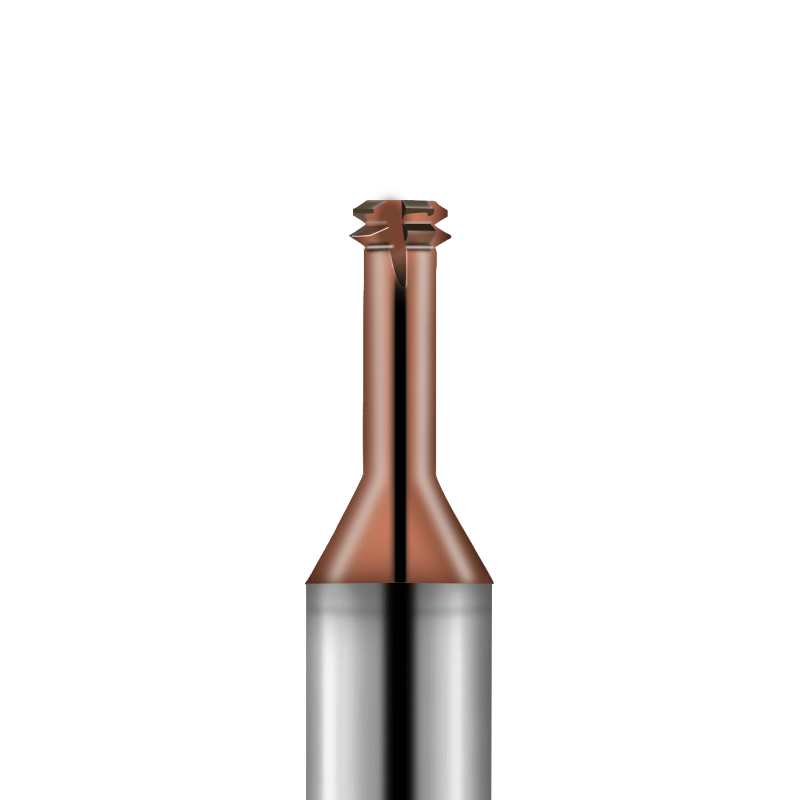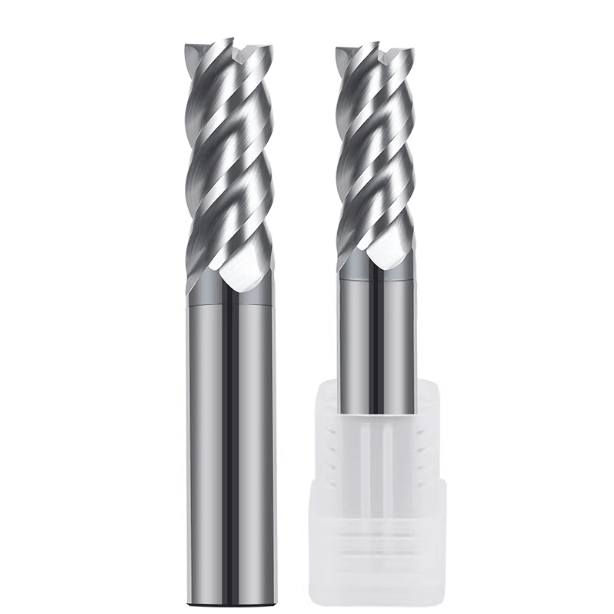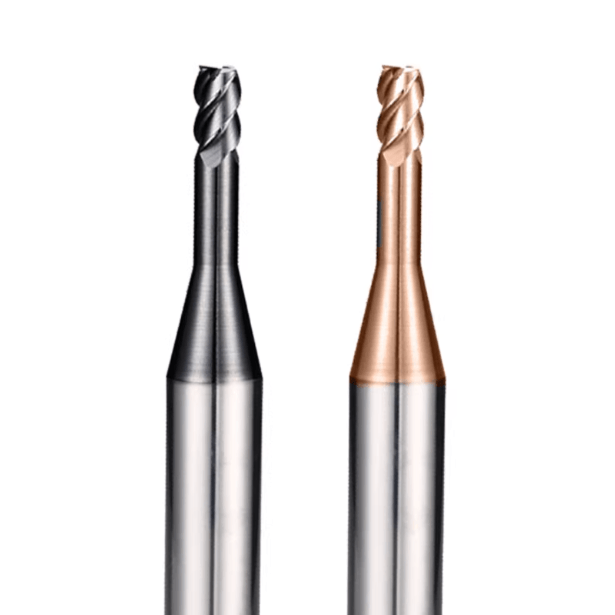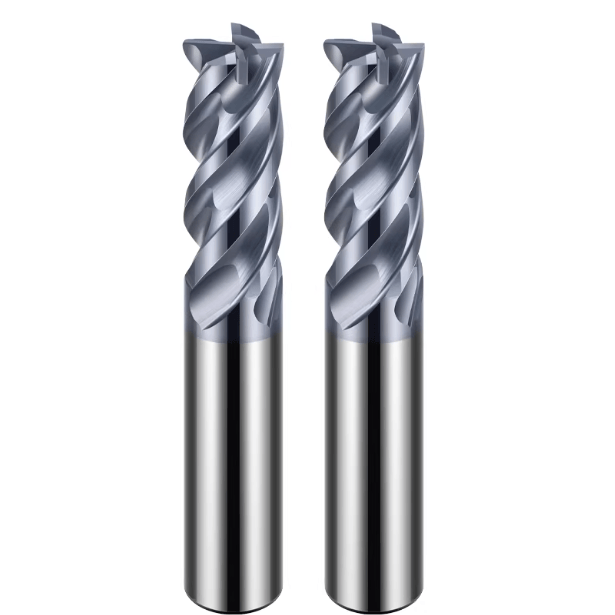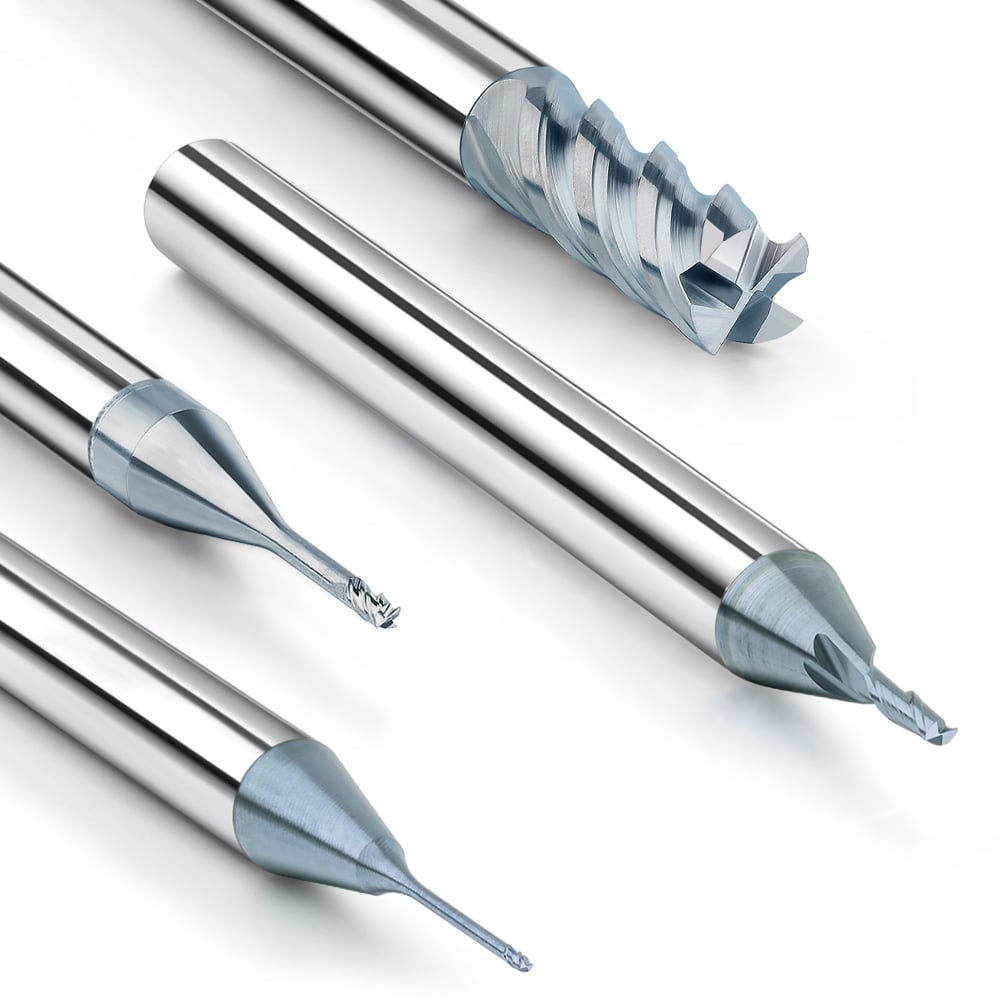
In the precision manufacturing of aluminum alloy parts, surface finish directly affects assembly accuracy, service life, and overall quality stability. Even if the dimensions meet specifications, noticeable tool marks, scratches, or uneven cutting traces can increase subsequent finishing costs and affect production efficiency. Therefore, achieving consistent surface quality while maintaining processing efficiency has become a central concern in machining operations.
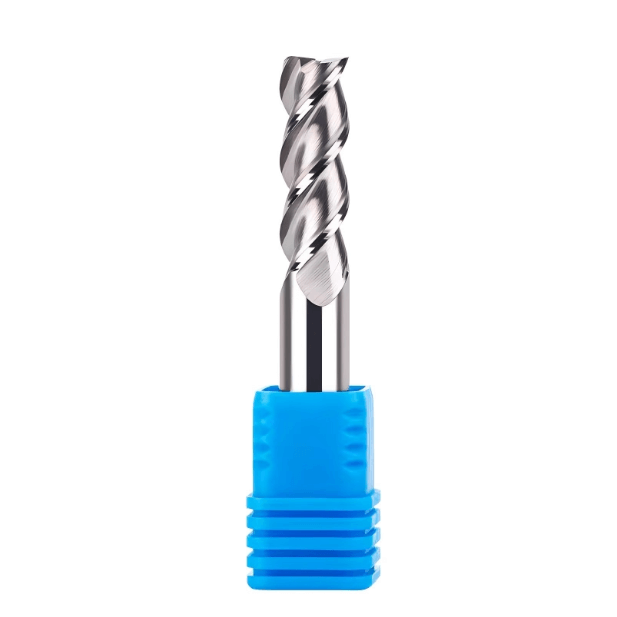
Among various milling tool options, the 3-flute end mill cutter is increasingly recognized as an effective solution for improving surface finish in aluminum machining. Compared to traditional two- or four-flute designs, the 3-flute end mill provides a balanced combination of cutting load distribution, tool stability, and chip evacuation efficiency. This design enables smoother cutting, reduces vibration, and produces more uniform cutting marks, especially under medium to high-speed milling conditions. As a result, machined surfaces exhibit enhanced consistency and improved aesthetic quality.
For aluminum materials, 3-flute end mills are specifically optimized in cutting edge sharpness, helix angle, and tool body rigidity. These features reduce the likelihood of built-up edge formation and maintain stable cutting performance during side milling, cavity machining, and finishing operations. For aluminum parts requiring high surface quality or minimal post-processing, these tools provide significant practical advantages.
In high-volume production environments with strict cost requirements, selecting consistent wholesale carbide end mills 3 flute is crucial. High tool uniformity ensures stable surface finish throughout long machining cycles, preventing inconsistencies caused by tool performance variations. By combining careful tool selection with optimized cutting parameters, manufacturers can improve surface quality and processing efficiency simultaneously, without adding extra finishing steps.
The Core Impact of Surface Quality in Aluminum CNC Machining
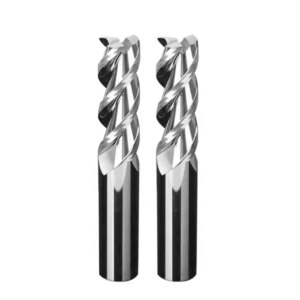
Surface condition in aluminum parts affects not only aesthetics but also assembly reliability, dimensional stability, and long-term performance. Even with precise dimensions, inadequate surface roughness control can lead to assembly issues, localized interference, or accelerated wear during service. Maintaining a stable machined surface is therefore a fundamental requirement for high-quality manufacturing.
Several factors influence surface quality during aluminum cutting, including cutting method, feed rate, spindle speed, tool rigidity, and chip evacuation. Among these, the stability and continuity of the tool during cutting are key determinants of surface consistency. A well-designed tool structure reduces vibration, enabling more uniform cutting trajectories and providing reliable surface conditions for downstream assembly and use.
The Impact of Surface Roughness on Assembly, Tolerances, and Appearance
Surface roughness directly influences part fit. In high-precision aluminum components, excessive waviness can result in poor localized contact, causing deviations from intended tolerances. Rough surfaces also increase friction in sliding fits or repeated assembly, reducing part longevity.
For aluminum parts with high aesthetic requirements, uneven textures, visible cutting marks, or localized discoloration reduce perceived quality and increase post-processing costs. Optimizing cutting strategies and tool operation can produce finer, smoother surfaces, minimizing the need for secondary finishing.
Common Surface Defect Problems in Aluminum Machining
Aluminum is prone to tearing, chip buildup, irregular tool marks, and localized bright or dark patches. These defects often result from unstable cutting, poor chip evacuation, or dull cutting edges. In continuous or mass production, these issues can worsen over time due to tool wear, causing surface quality variations between batches.
Medium-to-high-speed milling and side milling are particularly sensitive. Uneven cutting forces or insufficient tool rigidity can induce micro-vibrations, forming fine ripples that affect surface consistency. Analyzing and mitigating surface defects is essential for maintaining machining quality.
The Decisive Role of Tool Structure on Final Surface Finish
Tool structure extends beyond material removal. Flute count, helix angle, and cutting edge sharpness directly influence cutting smoothness. Optimized tools distribute cutting load evenly, minimizing vibration and surface irregularities.
Tools with efficient chip evacuation and stable cutting conditions produce continuous and uniform cutting trajectories. Optimizing cutting performance through tool design provides more reliable surface consistency than parameter adjustments alone, particularly for long-term or high-volume production.
Working Mechanism of 3 Flute End Mills in Improving Surface Finish
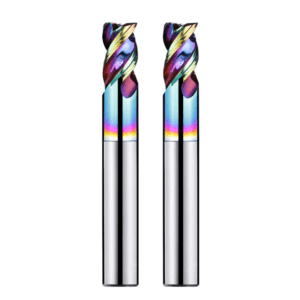
In aluminum alloy machining, improving surface finish depends not only on optimizing cutting parameters but also on the tool’s geometry and cutting characteristics. Three-flute end mills, with their unique number of cutting edges and helix angle configuration, offer significant advantages in cutting stability, vibration reduction, and chip evacuation efficiency.
During high-speed milling and finishing, these tools maintain balanced cutting forces. They reduce surface ripples and cutting marks, enhancing surface consistency and fineness. The three-flute design allows high feed rates while minimizing impact on the aluminum surface, improving both machining efficiency and part finish. Tool rigidity and edge geometry ensure stable load distribution, further reducing irregular surface textures. Through careful control of the cutting process, aluminum machining can achieve simultaneous improvements in surface quality and productivity.
Contribution of Three-Flute Structure to Cutting Stability
The three-flute design distributes cutting loads evenly across all edges, reducing vibration and tool chatter. Compared to two-flute end mills, three-flute tools maintain higher stability when machining thin-walled parts or complex cavities. This results in a more continuous cutting path and uniform surface texture.
Under high-speed milling, three-flute tools minimize localized tearing and cutting marks, producing smooth and consistent surfaces. For precision aluminum components, particularly those with strict aesthetic requirements, maintaining a stable cutting state is essential for high-quality finishes.
Cutting Load Distribution and Tool Vibration Control
Uneven cutting loads can amplify vibrations, causing tool marks and surface ripples. The three-flute end mill, with its optimized flute count and helix angle, distributes cutting forces evenly, lowering peak loads on individual flutes and suppressing vibration.
Stable load distribution not only improves surface consistency but also reduces tool wear, ensuring uniform quality throughout the machining cycle. This capability is critical for finishing and medium-to-high-speed operations, directly influencing both surface quality and production efficiency.
The Impact of Chip Evacuation Smoothness on Surface Consistency
Aluminum tends to adhere to cutting edges, forming built-up edges that can block chip evacuation. Three-flute end mills, with moderate flute count and optimized helix angles, provide wider chip channels. This ensures smooth chip removal and prevents tool sticking or blockage.
Efficient chip evacuation improves cutting continuity and reduces friction between chips and the workpiece, minimizing tearing or localized roughness. In mass production or precision aluminum machining, maintaining stable chip evacuation is vital for consistent surface quality.
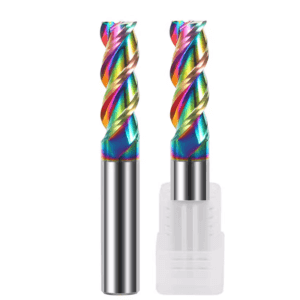
Surface Comparison of 3-Flute End Mill Cutter with Other Flute Number End Mills
End mills with different flute counts produce varying results in surface quality and machining efficiency. Three-flute end mills strike a balance between cutting stability, chip evacuation, and machining accuracy. Compared to two- or four-flute tools, three-flute designs excel in surface finish, cutting continuity, and vibration control.
Choosing the right flute number affects surface uniformity, tool life, and batch-to-batch consistency. For high-precision aluminum machining, three-flute end mills provide a stable transition from roughing to finishing, reducing waviness and tool marks while improving overall workpiece quality.
Differences in Surface Finish Compared to Two-Flute End Mills
Two-flute end mills carry higher per-flute loads, which can induce vibration during high-speed or high-feed machining, resulting in surface waviness and localized tearing. This is especially problematic in thin-walled parts or complex cavities.
The three-flute structure balances cutting forces, lowering peak load per flute and smoothing the cutting process. Superior chip evacuation further minimizes interference, producing more uniform and refined surfaces.
Comparison of Surface Flatness with Four Flute End Mills
Four-flute end mills can remove material faster and create tighter tool mark spacing. However, in aluminum machining, they are more prone to chip adhesion and poor evacuation, which can lead to local roughness and uneven flatness.
Three-flute end mills balance flute count and chip channel width, allowing smooth chip removal and maintaining cutting trajectory continuity. This ensures stable surface flatness while retaining efficient material removal.
Advantages of the 3 Flute Structure in Combined Roughing and Finishing
During roughing, three-flute end mills handle larger loads while maintaining stability, reducing vibration effects on the workpiece surface. In finishing, their continuous cutting and balanced forces minimize tool marks and waviness, improving surface finish.
This makes three-flute end mills cost-effective for medium-to-high-speed machining, thin-walled components, and complex cavities. By carefully selecting parameters, the tool achieves a smooth transition between roughing and finishing, ensuring both high efficiency and excellent surface quality.

Key Structural Elements of the 3 Flute Aluminum Cutting End Mill
Machining aluminum alloy parts places high demands on the tool’s geometry and cutting edge characteristics. Three flute end mills balance cutting stability and chip evacuation efficiency through optimized helix angles, cutting edge sharpness, and coordinated design of the end and peripheral edges. This structure improves surface finish while increasing machining efficiency.
A well-designed tool structure reduces vibration and tool marks while lowering the risk of built-up edge formation. These features enhance stability during batch processing. In high-speed or high-precision machining, these design elements directly influence surface texture uniformity and overall part quality.
The Impact of Helix Angle Design on Surface Cutting Marks
The helix angle plays a crucial role in cutting force distribution and surface texture. A moderate helix angle distributes forces evenly along the tool, reducing local stress peaks, vibration, and cutting impact. The result is a finer, more uniform surface texture.
During medium-to-high-speed or complex cavity machining, the helix angle also improves cutting continuity and chip guidance. Optimizing the helix angle can significantly reduce cutting marks and enhance the flatness and surface finish of aluminum parts.
Cutting Edge Sharpness and Control of Aluminum Adhesion
Cutting edge sharpness directly affects aluminum adhesion and built-up edge formation. A sharper edge reduces cutting force, lowers friction between chips and the tool, and minimizes material adhesion.
Sharp edges also stabilize the cutting trajectory during high-speed operations, reducing tool vibration impact on surface texture and further improving surface finish.
The Role of End and Peripheral Cutting Edge Coordination on Surface Quality
The coordinated design of end and peripheral edges is critical. End edges handle fine finishing and surface contouring, while peripheral edges remove material and machine sidewalls. Proper coordination distributes cutting forces evenly, ensuring flatness and continuity while reducing vibration and tearing, especially in thin-walled or complex cavity machining.
This synergy improves surface consistency during combined roughing and finishing while enhancing overall machining efficiency.
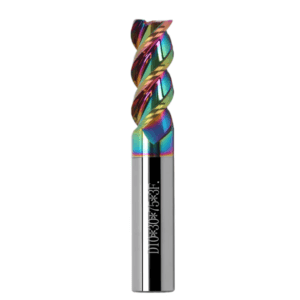
Direct Impact of Cutting Parameters on the Surface Finish of 3-Flute End Mills
Surface finish is influenced by both tool structure and cutting parameters. Spindle speed, feed rate, and depth of cut directly affect tool vibration, cutting marks, and machining efficiency. Optimizing these parameters ensures finer, more consistent surfaces.
Scientific adjustment of cutting parameters also improves chip formation and evacuation, reduces surface tearing and uneven marks, and extends tool life, making it essential for stable mass production.
Relationship Between Spindle Speed and Surface Finish
Spindle speed determines the tool’s cutting frequency and stress distribution. Increasing speed appropriately ensures continuous cutting, reducing surface impact and producing finer textures.
Too low a speed may cause intermittent cutting and localized vibrations, resulting in ripples or tearing. Too high a speed can increase cutting temperature and promote built-up edge formation. Selecting the proper speed is critical for smooth, uniform surfaces.
Impact of Feed Rate on Cutting Texture Consistency
Feed rate affects the density and continuity of tool engagement on the workpiece. Excessive feed can produce uneven marks, while a too-slow feed reduces efficiency and increases friction, potentially causing chip buildup.
Matching feed rate to tool geometry maintains balanced cutting load, ensuring consistent surface texture, reduced roughness, and improved overall finish.
Influence of Axial and Radial Cutting Depth
Axial and radial cutting depths control the load on each cutting edge. Excessive depth can cause vibration and surface ripples, while too shallow a depth increases cycle time and reduces efficiency.
Optimized depths balance load distribution, minimize vibration, reduce aluminum adhesion, and prevent chip buildup. Proper adjustment stabilizes surface quality while balancing efficiency and tool life in mass production.
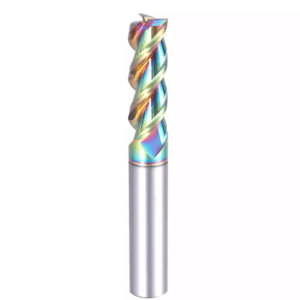
Surface Machining Performance of Different Aluminum Alloy Materials
Differences in the chemical composition and mechanical properties of aluminum alloys directly affect cutting forces, chip formation, and surface finish. Variations in hardness, plasticity, and thermal conductivity among alloys result in significant differences in surface texture, tool mark depth, and processing stability. Therefore, selecting the appropriate tool geometry and cutting parameters based on the specific aluminum material is essential for maintaining consistent surface quality.
Material properties also influence chip evacuation, tool wear, and vibration. In high-precision or mass production scenarios, adjusting processing strategies for different aluminum alloys reduces surface defects, improves tool life, and enhances overall machining efficiency.
Surface Performance of 6061 Aluminum Alloy Using a 3-Flute Aluminum Cutting End Mill
6061 aluminum alloy offers good machinability and medium hardness. Machined with a three-flute end mill, it produces a uniform and fine cutting texture. The balanced load and stable cutting characteristics minimize vibration and enhance surface flatness.
During finishing and cavity operations, optimizing spindle speed and feed rate reduces localized tool marks and chip accumulation. This approach achieves a balance between surface finish and productivity. For parts demanding high-quality surfaces, a three-flute end mill ensures consistency and lowers secondary processing costs.
Surface Machining Differences Between 6063 and 7075 Aluminum Alloys
6063 aluminum alloy has slightly lower hardness, generating smooth chips, slower tool wear, and uniform surface texture. However, it is prone to minor tool sticking under high feed rates or deep cuts.
7075 aluminum alloy is harder, increasing cutting forces and tool vibration, which can lead to deeper tool marks and higher surface roughness if cutting parameters are not optimized.
Adjusting spindle speed, feed rate, and selecting tools with the proper flute count and helix angle ensures a consistent surface finish across different aluminum alloys.
The Impact of Material Hardness Variation on Tool Marks and Surface Finish
Material hardness directly influences cutting load and chip formation. Harder alloys concentrate forces on the tool, increasing vibration and the risk of surface irregularities. Softer alloys are easier to machine, but tool sticking can cause localized roughness or chip buildup.
Matching tool sharpness, helix angle, and cutting parameters allows for uniform surface texture and high surface finish. Additionally, controlling axial and radial depths of cut minimizes the effect of hardness variations on surface quality.
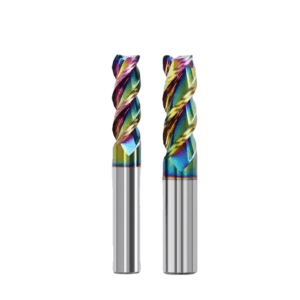
Application Methods for Improving Surface Quality in Actual Machining Scenarios
In real production, surface stability directly affects assembly accuracy and visual consistency. Different machining methods and workpiece geometries have distinct effects on surface quality. Optimizing tool selection, cutting parameters, and chip evacuation strategies improves surface finish and consistency while maintaining high efficiency.
During side milling, grooving, cavity machining, or thin-walled part operations, tool cutting stability, vibration suppression, and chip evacuation efficiency play a decisive role in surface quality. Proper tool design and parameter selection reduce vibration, tool marks, and localized roughness, ensuring consistent results in mass production.
Surface Control with 3 Flute End Mill Cutters in Side Milling
Side milling frequently contacts the workpiece sidewall, which can create tool marks and vibration ripples. Using a three-flute end mill distributes the load evenly and maintains cutting stability, minimizing the impact on the workpiece surface.
Adjusting spindle speed and feed rate ensures continuous, balanced cutting. In long grooves or complex cavities, smooth chip evacuation is critical for controlling surface texture and maintaining consistency in precision aluminum machining.
Surface Consistency in Slotting and Cavity Machining
Slotting and cavity machining involve frequent changes in tool entry angles and depths, which can produce uneven textures or localized roughness. Selecting geometrically optimized tools and controlling cutting parameters maintain stable cutting conditions, prevent tool vibration and chip interference, and reduce the need for post-processing.
In mass production, stable cutting states significantly enhance surface consistency, balancing material removal efficiency and surface smoothness.
Vibration Suppression and Surface Stability in Thin-Walled Aluminum Part Machining
Thin-walled aluminum parts have low rigidity, making them prone to vibration, ripples, and tool marks. Three-flute tools balance cutting forces, reducing vibration amplitude and improving stability.
By combining optimized axial and radial depths, spindle speed, and feed rate adjustments, surface flatness and finish can be significantly improved while preserving workpiece integrity. This approach is critical in precision and mass-production machining, achieving the best balance of efficiency and surface quality.
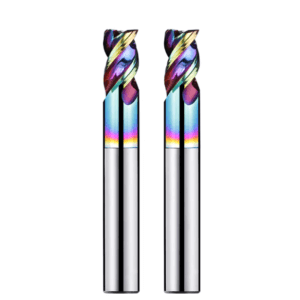
The Impact of Tool Condition and Maintenance on Surface Finish
The surface finish of machined aluminum parts is influenced not only by tool geometry and cutting parameters, but also by the condition and daily maintenance of the cutting tool. Tool wear, edge dulling, and chip evacuation blockage can directly cause surface ripples, visible tool marks, or localized roughness. Through proper tool maintenance and timely replacement, high-quality surface finish can be maintained while improving machining efficiency and extending tool life.
In continuous machining or high-volume production, even small changes in tool condition can amplify surface defects and reduce part-to-part consistency. Establishing a structured inspection and maintenance system is therefore essential to ensure surface stability and process reliability during batch production.
The Impact of Tool Wear on the Surface Quality of Aluminum Parts
During aluminum cutting, friction, cutting forces, and heat accumulation gradually dull the cutting edge or cause micro-chipping. This results in uneven cutting forces and increased vibration, leading to visible tool marks and surface scratches.
Worn tools also increase the likelihood of chip adhesion, which can cause localized roughness and negatively affect overall surface flatness. Regular inspection of edge wear and timely tool replacement based on machining volume and surface requirements are critical to maintaining consistent surface quality.
When to Replace a 3 Flute End Mill to Ensure Surface Stability
Tool replacement timing should be determined by a combination of surface finish requirements, dimensional accuracy, and accumulated cutting time. When tool marks become deeper, surface finish degrades, or vibration increases during machining, replacement should be considered.
In high-precision aluminum machining or mass production environments, implementing tool life management and scheduled replacement strategies helps prevent surface inconsistency caused by tool wear. This approach improves batch uniformity and reduces rework or secondary finishing costs.
The Impact of Cooling Methods and Cutting Fluids on Surface Finish
Cooling methods and cutting fluids play a critical role in aluminum machining surface quality. Effective cooling reduces tool and workpiece temperature, minimizes material adhesion, and stabilizes chip formation, resulting in smoother surfaces.
Spray cooling, internal coolant delivery, or continuous cutting fluid flow improves chip evacuation, reduces vibration, and enhances machining consistency. In thin-walled parts or complex cavities, an optimized cooling strategy helps suppress vibration while maintaining both surface quality and machining efficiency.
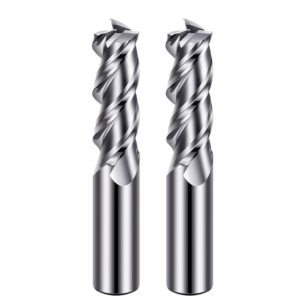
Tool Selection Strategies for Maintaining Surface Consistency in Batch Processing
In high-volume aluminum machining, surface consistency directly affects assembly accuracy, appearance quality, and overall production efficiency. Maintaining uniform surface finish requires careful consideration of tool material, geometry, and batch-to-batch performance stability to ensure consistent cutting forces, reliable chip evacuation, and effective vibration control.
A well-planned tool selection strategy reduces surface defects under high-speed and high-feed conditions, improves consistency across production batches, and extends tool life. By matching appropriate tool types with optimized cutting parameters, manufacturers can control costs while maintaining surface quality and productivity.
Advantages of Using Wholesale Carbide End Mill 3 Flute in Batch Production
Carbide end mills 3 flute provide high rigidity, excellent wear resistance, and stable cutting performance in batch production. Their balanced flute design distributes cutting loads evenly, reduces vibration, and helps maintain consistent surface finish across aluminum parts.
During long-term continuous machining, carbide tools withstand high temperatures and cutting speeds, reducing wear rates while ensuring smooth chip evacuation. This stability minimizes surface fluctuations, lowers rework rates, and improves production efficiency in high-volume operations.
The Impact of Tool Consistency on Surface Quality of High-Volume Aluminum Parts
Tool consistency is a key factor in achieving uniform surface quality during batch machining. Variations in geometry, edge sharpness, or material quality can cause uneven cutting forces, leading to surface ripples, tool marks, or localized roughness.
By selecting high-precision tools with consistent quality and performing regular inspections, manufacturers can maintain stable surface finish, reduce production variation, and improve overall yield.
Balancing Cost Control and Surface Quality
Although high-performance cutting tools often have higher initial costs, their stability and durability significantly reduce rework, downtime, and secondary finishing expenses. Evaluating tool life, machining efficiency, and surface quality requirements together allows for an optimal balance between cost and performance.
Optimizing cutting parameters, selectively using high-consistency carbide tools, and scheduling tool replacement cycles effectively help control production costs while maintaining surface quality and machining efficiency.
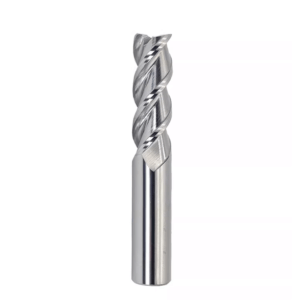
Common Surface Problems and Solutions with End Mills 3 Flute
Even with appropriate tool selection and optimized cutting parameters, aluminum machining can still produce surface defects such as tool marks, tearing, or localized roughness. These issues not only affect part appearance but can also increase assembly difficulty and post-processing costs.
By analyzing the root causes of surface defects and leveraging the balanced cutting characteristics of three-flute tools, surface quality can be significantly improved. Optimizing tool geometry, edge sharpness, helix angle, and cutting parameters enables stable, high-quality machining in mass production environments.
Analysis of the Causes of Surface Tearing and Noticeable Tool Marks
Surface tearing and tool marks are typically caused by excessive vibration, uneven cutting loads, or tool edge wear. Under high feed rates or deep cuts, excessive load on a single cutting edge can induce chatter, resulting in irregular surface patterns.
Dull or worn edges further hinder smooth chip removal, exacerbating tearing and surface irregularities. Enhancing tool rigidity, maintaining sharp cutting edges, and optimizing cutting parameters effectively reduce these defects.
The Impact of Built-Up Edge on Surface Finish and How to Address It
Built-up edge formation interferes with chip evacuation and increases friction between the tool and workpiece, leading to localized roughness and surface defects. Aluminum is particularly prone to adhesion, especially during high-speed machining or thin-walled part processing.
Effective solutions include using three-flute tools with optimized chip evacuation, adjusting cutting parameters, controlling cutting temperature, and applying appropriate cooling or cutting fluids. These measures significantly reduce built-up edge and improve surface finish.
Improving Surface Finish by Adjusting Tools and Parameters
Surface finish can be effectively improved by optimizing tool geometry and machining parameters. Three-flute tools enable stable cutting at higher speeds and feed rates while maintaining balanced cutting forces.
Adjusting helix angle, edge sharpness, axial and radial depths of cut, spindle speed, and feed rate ensures smooth, continuous cutting. This approach minimizes tool marks and tearing, improves surface uniformity, and supports consistent quality in mass production.
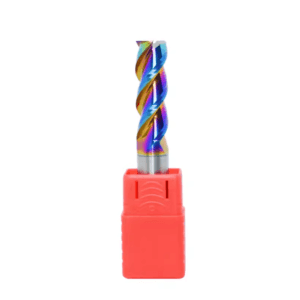
Processing Example Summary: Comprehensive Performance of End Mill 3 Flute in Surface Improvement
Practical machining results demonstrate that three-flute end mills offer significant advantages in improving aluminum surface finish. In side milling, grooving, cavity machining, and thin-walled part processing, optimized tool geometry combined with appropriate cutting parameters delivers stable cutting, minimal vibration, and smooth chip evacuation, producing uniform and refined surfaces.
Across different aluminum alloys such as 6061, 6063, and 7075, three-flute tools adapt effectively to material hardness variations, reducing tool marks, tearing, and localized roughness. Proper tool maintenance and cooling strategies further enhance surface stability in high-volume production. By optimizing spindle speed, feed rate, and cutting depths, three-flute end mills achieve high efficiency while maintaining surface quality.
In production environments, three-flute end mills successfully balance efficiency, tool life, and surface finish, making them a reliable solution for aluminum machining applications requiring consistent and high-quality surfaces.
A Comprehensive Balance of Stability, Efficiency, and Surface Quality
Three-flute milling cutters achieve an optimal balance of cutting stability and productivity through even load distribution, effective vibration control, and efficient chip evacuation. Their design supports both material removal and surface refinement, reducing the need for secondary finishing operations.
By precisely matching tool geometry with cutting parameters, manufacturers can achieve consistent surface results under high-speed and high-feed conditions, optimizing both machining quality and throughput.
Why Three Flute Milling Cutters Are a Common Choice for Aluminum Machining Surface Control
The three-flute design combines the chip evacuation advantages of two-flute tools with the surface flatness benefits of four-flute tools. This balance allows stable machining in medium- to high-speed operations and complex cavities.
Optimized flute count, helix angle, and edge sharpness ensure balanced cutting forces, reduced vibration, and minimal built-up edge formation. As a result, three-flute milling cutters are widely used for surface quality control in aluminum machining, meeting the demands of precision, consistency, and cost-effective mass production.