cutting tools

“Discover the intricacies of cutting tools with SAMHO’s detailed guide. Define their functionalities, compare their effectiveness, and make an informed choice today.”

PCD Cutting Tool

PCD Cutting Tool Manufacturers to Watch in 2026

Against the backdrop of continuously increasing demands for precision machining and high-performance cutting, PCD cutting tools have become essential equipment for many manufacturing companies seeking to improve productivity and process stability. With growing demand for machining lightweight materials, non-ferrous metals, and composite materials, the use of high-hardness tools such as PCD end mills, PCD milling […]

PCD Cutting Tool Manufacturers to Watch in 2026 Read More »
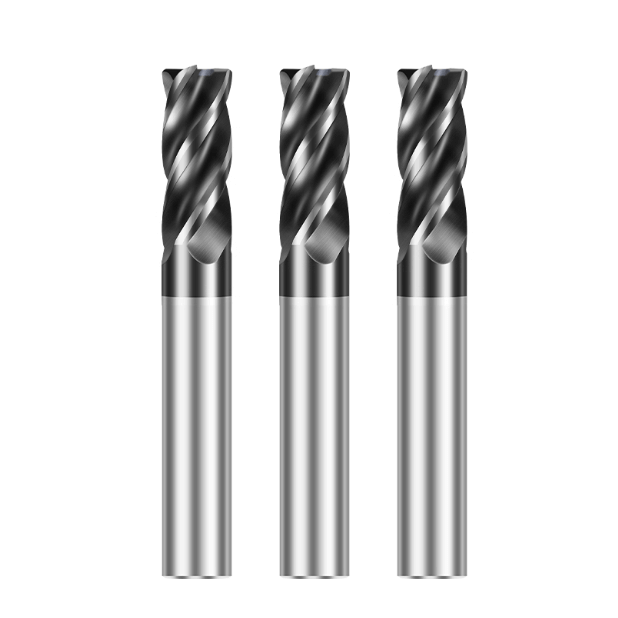
types of cutting tools

Types of Cutting Tools for Hard-to-Machine Materials

Hard-to-machine materials occupy a crucial position in modern manufacturing. Their high strength, toughness, and heat resistance place significant demands on cutting tools. When working with titanium alloys, heat-resistant superalloys, hardened steel, and high-strength stainless steel, selecting the right types of cutting tools not only influences processing efficiency but also directly determines surface quality and tool

Types of Cutting Tools for Hard-to-Machine Materials Read More »

Carbide Cutting Tool

Tips to Extend the Life of Carbide Cutting Tools

Extending the lifespan of carbide cutting tools is crucial for improving metal processing stability and reducing overall production costs. As demands for processing high-hardness materials, high-speed cutting, and continuous batch production increase, many manufacturers focus on keeping metal cutting tools and carbide cutting bits sharp, wear-resistant, and consistent in high-intensity operations. Tool life is influenced

Tips to Extend the Life of Carbide Cutting Tools Read More »

CNC Aluminum Cutting

How to Avoid Chip Welding in CNC Aluminum Cutting

Avoiding chip welding during aluminum cutting is critical for improving the stability and quality of CNC aluminum cutting. Due to aluminum’s high ductility and low melting point, high-speed CNC cutting of aluminum is more prone to chip adhesion, which can result from heat concentration, poor chip evacuation, or improper tool selection. This adhesion can negatively

How to Avoid Chip Welding in CNC Aluminum Cutting Read More »

carbide cutting tool

Optimizing Feed Rates for Mill Cutting Tools

In metalworking processes, appropriate feed rates are crucial for both cutting efficiency and the lifespan of milling cutters. Whether using standard metalworking cutting tools, end mills, or custom mill cutting tools, selecting the right feed parameters can significantly improve machining quality, reduce tool wear, and lower production costs. By optimizing the feed rate of these

Optimizing Feed Rates for Mill Cutting Tools Read More »

PCD Cutting Tool

PCD Diamond Tools for Copper and Brass Machining

When machining highly ductile materials such as copper and brass, selecting the right cutting tools significantly impacts surface finish, dimensional accuracy, and overall production efficiency. PCD diamond tools, with their extreme hardness, wear resistance, and stable cutting characteristics, are increasingly recognized as essential solutions for enhancing machining consistency and performance. Whether aiming for mirror-finish precision

PCD Diamond Tools for Copper and Brass Machining Read More »

mold cutting tools

How Mold Cutting Tools Enable Mirror-Finish Mold Surfaces

Achieving a mirror-finish surface on molds requires precise control over cutting stability, tool geometry, and material removal methods, all of which depend heavily on high-performance mold cutting tools. Whether machining deep cavities, inclined surfaces, or high-hardness steel mold parts, the sharpness of the cutting edge, wear resistance of the coating, and cutting path strategy directly

How Mold Cutting Tools Enable Mirror-Finish Mold Surfaces Read More »

Metal Milling Bits

Common Mistakes When Choosing Metal Milling Bits

Common mistakes when selecting metal milling bits often arise from misjudging processing requirements, tool structure, and material characteristics. Many users, when choosing carbide mill bits, mill cutting bits, or other types of milling cutter bits, focus primarily on price or general specifications, overlooking key factors like tool coating, edge treatment, chip evacuation structure, and material

Common Mistakes When Choosing Metal Milling Bits Read More »

Carbide Cutting Bits

Selecting Carbide Cutting Bits for Automotive Manufacturing

In the modern automotive manufacturing industry, precision machining quality and high production efficiency are core factors that determine manufacturing standards. Whether it’s engine parts, body frames, or complex metal components, selecting the right cutting tools is crucial for ensuring machining accuracy and extending tool life. Carbide cutting tools, with their high hardness, wear resistance, and

Selecting Carbide Cutting Bits for Automotive Manufacturing Read More »

Face Milling Tools

Face Milling Tools for Aerospace Grade Metals

In aerospace manufacturing, the machining accuracy and surface quality of metal structural components directly impact the overall safety and performance of aircraft. When working with aerospace-grade metals such as titanium alloys, nickel-based superalloys, and aluminum-lithium alloys, selecting efficient and stable face milling tools for aerospace grade metals becomes critical to achieving precision and reliability. As

Face Milling Tools for Aerospace Grade Metals Read More »