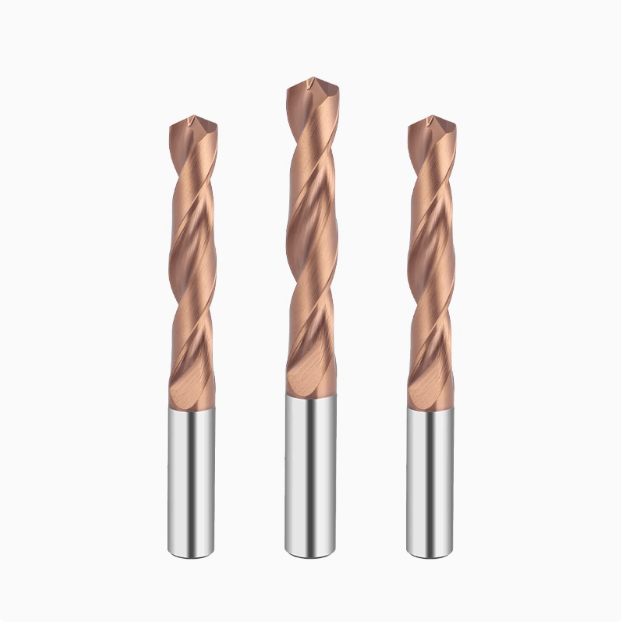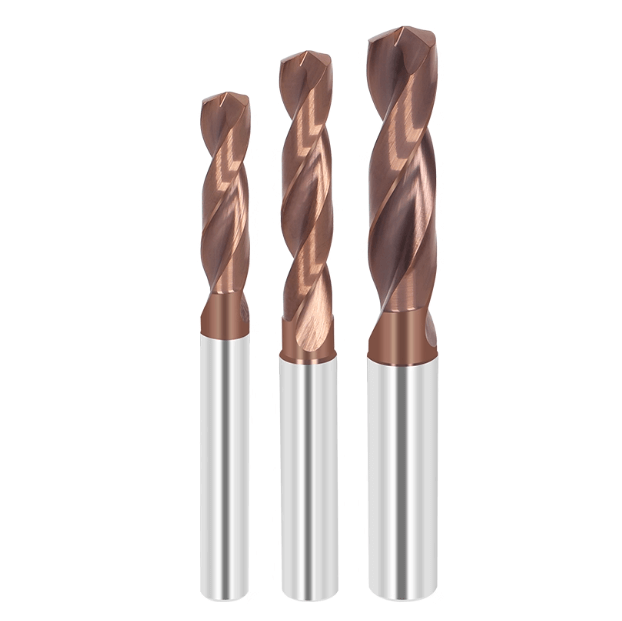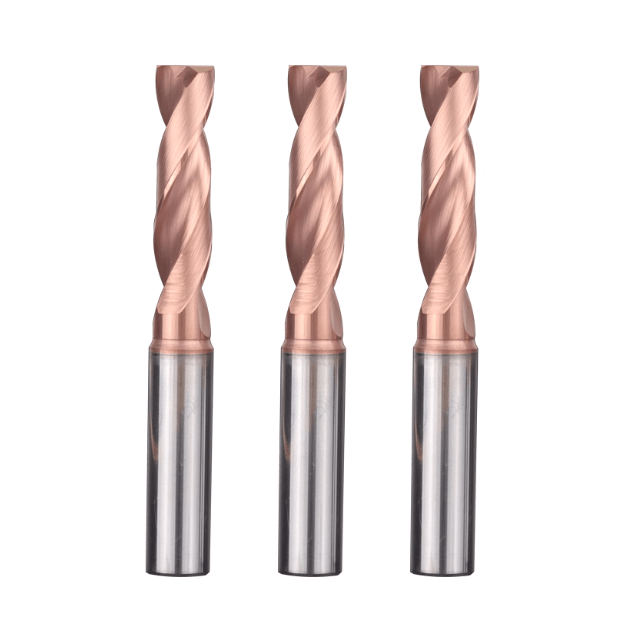
drill bit

flat bottom drill

Troubleshooting Common Flat Bottom Drilling Problems

In mechanical processing and precision manufacturing, the quality of hole machining directly affects product performance and service life. Flat bottom drills are widely applied because they produce bottoms with consistent flatness, but in actual operation, common issues such as diameter deviation, uneven hole bottoms, and burr formation still occur frequently. These problems not only lower […]

Troubleshooting Common Flat Bottom Drilling Problems Read More »
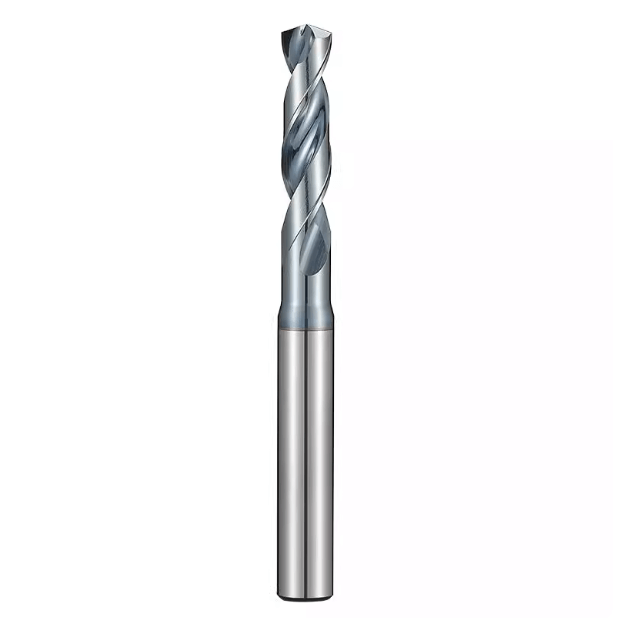
carbide drill bit

Reducing Burrs When Using Side Cutting Drill Bits on Metal

When performing lateral cutting with side cutting drill bits in metal machining, burrs frequently appear along edges, affecting dimensional accuracy, surface finish, and subsequent assembly. This is especially true during combined drilling and milling of materials such as steel, stainless steel, and aluminum alloys. The cutting force distribution and chip evacuation path of side cutting

Reducing Burrs When Using Side Cutting Drill Bits on Metal Read More »

drill-bits-for-titanium

CNC Drill Bits for Titanium: Choosing the Right Geometry

In titanium alloy drilling, selecting the appropriate drill bit geometry is critical for machining efficiency, hole quality, and tool life. Titanium alloys are hard, strong, and exhibit poor thermal conductivity, which makes them challenging to machine. Using an unsuitable drill bit often leads to chipping, burr formation, excessive friction, and premature tool wear. Understanding geometric

CNC Drill Bits for Titanium: Choosing the Right Geometry Read More »

drill hardened steel

How to Identify High-Quality Carbide Bits for Metal

In the metalworking industry, identifying high-quality carbide bits for metal is essential for maximizing machining efficiency, achieving superior surface finish, and extending tool life. High-performance carbide tools not only maintain stable performance under heavy cutting conditions but also reduce wear, lower machining costs, and ensure consistency in large-scale production. Many manufacturers, when selecting metalworking carbide

How to Identify High-Quality Carbide Bits for Metal Read More »

Steel Drill Bits

Optimizing Feed Rate and Speed for Steel Drill Bits

In the metalworking industry, the performance of steel drill bits directly influences machining efficiency and hole quality. Selecting the proper feed rate and spindle speed not only reduces tool wear but also significantly extends the lifespan of steel cutting tools. In high-precision applications, optimized cutting parameters ensure smooth hole surfaces, stable dimensional accuracy, and prevent

Optimizing Feed Rate and Speed for Steel Drill Bits Read More »

Metal Cutting Drill Bits

High-Precision Metal Cutting Drill Bits for Deep Hole Drilling

High-precision metal cutting drill bits play a crucial role in deep hole machining, especially when consistent hole diameter, stable surface finish, and uninterrupted machining efficiency are required. With increasing demand for machining high-strength metals, heat-resistant metal alloys, and stainless steel, drill bits designed specifically for deep hole drilling have become essential for ensuring reliable production.

High-Precision Metal Cutting Drill Bits for Deep Hole Drilling Read More »

drill hardened steel

Best Drill for Drilling Metal in 2025

In the metalworking industry, choosing the right drill for drilling metal is essential for ensuring efficiency and machining quality. When working with different types of metals such as carbon steel, stainless steel, and alloy steel, the drill bit’s material, geometry, and coating performance directly affect drilling stability and hole accuracy. Entering 2025, whether using general-purpose

Best Drill for Drilling Metal in 2025 Read More »

Metal Cutting Drill Bits

How Carbide Milling Drill Bits Improve Machining Productivity

High-efficiency production depends heavily on the performance and stability of cutting tools. Carbide milling drill bits continue to dominate various machining environments due to their ability to significantly improve cutting efficiency, dimensional consistency, and machining cycle time. For manufacturers pursuing higher throughput—whether in batch metal processing, long-term continuous cutting, or machining high-hardness materials—carbide tools offer

How Carbide Milling Drill Bits Improve Machining Productivity Read More »

bull end mill

End Mill Drill Bit Selection for Deep Hole Machining

Deep hole machining places high demands on tool stability, chip evacuation efficiency, and wear resistance. Therefore, selecting the right end mill drill bit requires simultaneously evaluating hole depth, material type, machining method, and tool structure. Because deep holes have confined spaces and poor heat dissipation, using an inappropriate tool can easily result in chip blockage,

End Mill Drill Bit Selection for Deep Hole Machining Read More »

drill hardened steel

Top Hard Metal Drill Bits for Precision Machining

When machining high-strength metals, selecting the right hard metal drill bits is essential for ensuring both machining quality and overall efficiency. These tools deliver stable cutting performance even in extremely demanding environments, providing reliable support for precision hole-making applications. As the use of difficult-to-machine materials—such as hardened steel, titanium alloys, heat-resistant alloys, and high-strength stainless

Top Hard Metal Drill Bits for Precision Machining Read More »