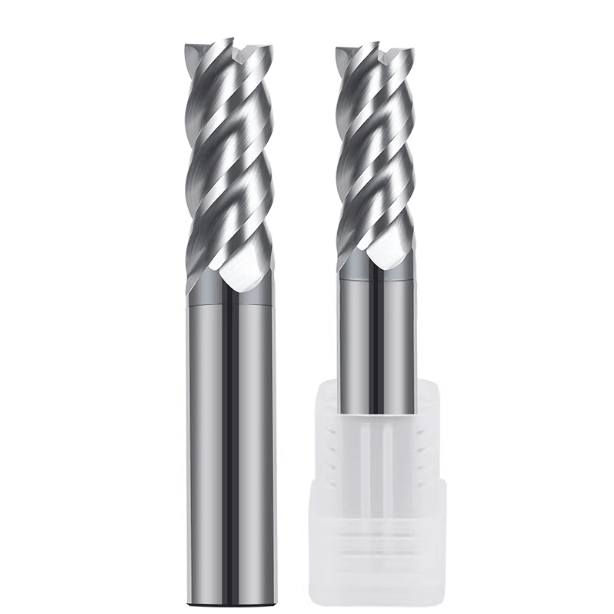
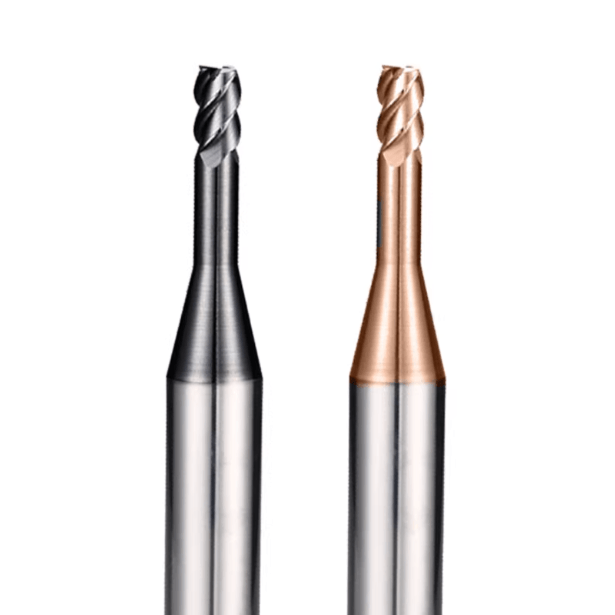
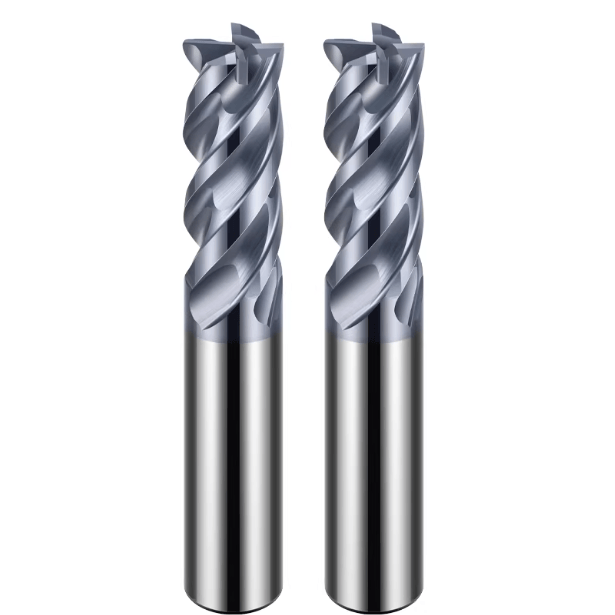
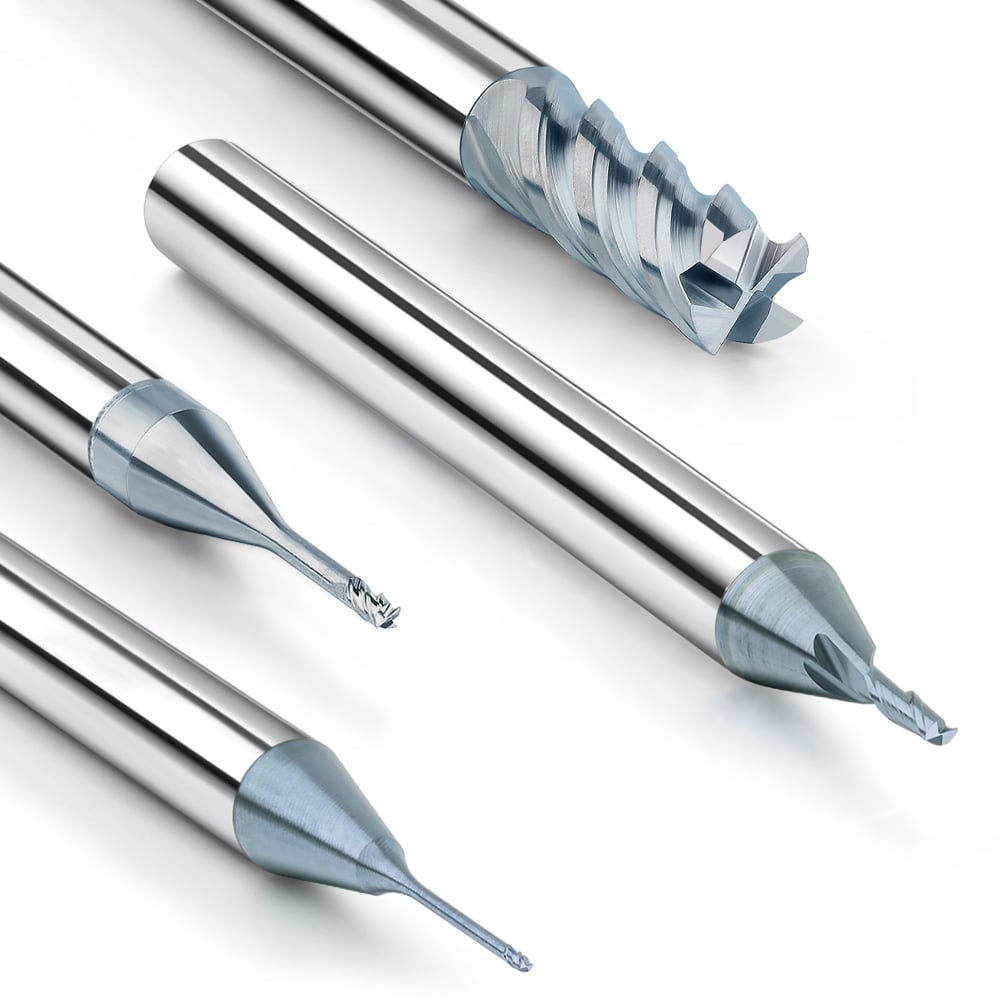
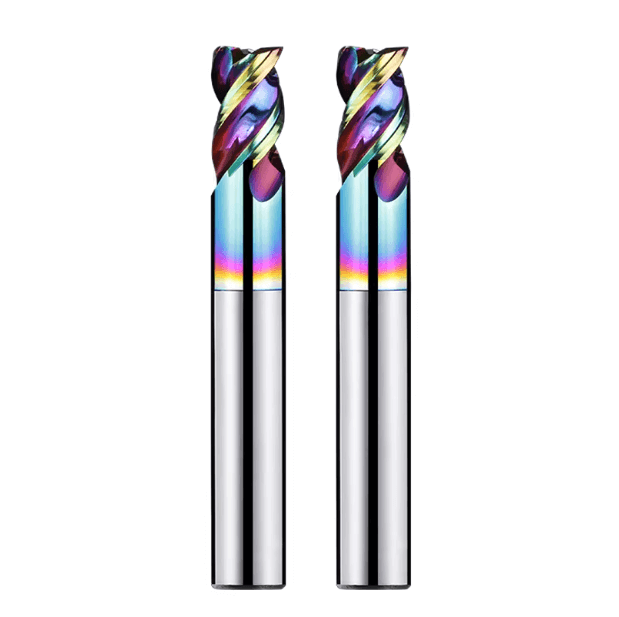
In our long-term experience providing parts machining solutions to European and American clients, we have repeatedly encountered a problem: even end mill cutters of the same specifications can show significant differences in machining performance depending on the batch and manufacturer. These differences not only affect tool life but also directly impact part surface quality and production cycle time. Especially in precision batch machining, selecting the right solid carbide end mill cutters becomes a key factor in determining both efficiency and cost.
We frequently observe clients encountering issues such as cutting vibration, built-up edge, or abnormal tool wear when using conventional end milling cutters. These problems often cannot be solved by relying solely on tool parameter manuals. In actual projects, the surface machining results, cutting path optimization, and tool radius compensation of ball nose end mill cutters directly influence the surface accuracy of molds and parts.
Through long-term cooperation with multiple China end mill cutter manufacturers, we have accumulated extensive experience in tool material selection, cutting edge design, and coating matching. This not only helps us stabilize production but also reduces downtime and rework rates for our clients in batch machining. Every tool test and practical verification has shown us that selecting the right manufacturer and tool combination is far more important than simply focusing on price or brand.
With this experience, we ask ourselves: faced with numerous suppliers and tool options, can you truly guarantee stable machining every time and that every part meets specifications?

Our Real Experience in Choosing Chinese End Mill Manufacturers
Through years of parts machining projects, we have come to understand that choosing the right end mill supplier is not only about the tool itself but also directly impacts the entire production rhythm. We have seen clients requiring batch machining of high-hardness steel parts, and solid carbide end mill cutters from different manufacturers perform drastically differently in actual cutting: some tools maintained stable cutting edges and smooth cutting, while others were prone to chipping or built-up edge. This made us realize that simply looking at tool specifications and pricing is far from enough; actual long-term machining performance is the most reliable reference.
Moreover, we have noticed that a supplier’s responsiveness in technical communication and machining parameter support often determines how well a tool performs in the first batch of trial cuts. We frequently collaborate with European and American clients to adjust the cutting parameters of end milling cutters—determining spindle speed, feed rate, and toolpath through real testing—experience that manuals alone cannot fully cover. Establishing stable partnerships with manufacturers improves part surface quality and reduces the risk of unexpected downtime during subsequent mass production.
The Importance of Delivery Time Stability to Production Scheduling
In our projects, even a one-day delivery delay can halt an entire production batch. We encountered this situation during a precision mold machining project: the client urgently required a batch of mold parts, but the scheduled ball nose end mill cutters were delayed by a day due to production scheduling, leaving the five-axis machining center idle. This experience forced us to consider delivery time stability as one of the primary criteria for selecting suppliers.
If you are managing high-intensity production cycles, you can prioritize manufacturers with stable production records and guaranteed batch delivery. In practice, we plan tool ordering times in advance and create contingency plans based on supplier capacity and logistics, ensuring tasks are completed on schedule. This approach minimizes downtime and delivery risks even during peak production periods.
Consistency and Batch Performance Differences of Tooling
In multiple projects, we observed significant differences in cutting performance between batches of the same model of solid carbide end mill cutters. European and American clients often reported that tools sometimes performed perfectly when cutting steel or aluminum alloys, while at other times they exhibited vibration or inconsistent surface roughness. Testing revealed the main causes: subtle differences in tool material hardness, edge grinding precision, and coating thickness.
If you are facing similar issues, you can request batch testing reports and conduct small-scale trial cuts. We typically record cutting life, chip morphology, and machining temperature for each batch and adjust parameters accordingly. Long-term communication with manufacturers and establishing a data feedback mechanism is far more effective for ensuring stable results than relying solely on tool specifications.
Response Speed of After-Sales Technical Support
We understand that timely technical support is crucial to avoiding production delays when tool malfunctions occur. For instance, a client performing deep grooving on high-hardness aluminum alloy experienced slight chipping with their end milling cutters. We immediately contacted the supplier’s technical engineers, who provided toolpath optimization and cutting parameter adjustments, allowing us to restore stable machining within hours.
If you are handling high-volume or high-precision production, you can consider a supplier’s engineering responsiveness as critical as the tool performance itself. Fast and targeted advice helps maintain tool life and ensures consistent part quality. Sharing your actual machining conditions, drawings, and material types can further improve their recommendations.

Machining Performance and Application of Solid Carbide End Mill Cutters
In our years of working with European and American clients, solid carbide end mill cutters have consistently been a core choice for high-efficiency machining. We have found that their performance varies significantly across different materials. Even the same model can feel and behave differently when cutting aluminum alloys versus flat-bottom steel. We verify each batch’s stability during trial cuts by adjusting spindle speed, feed rate, and depth of cut, ensuring subsequent batch machining maintains quality and efficiency.
Moreover, tool material, edge grinding precision, and coating compatibility often affect performance more than the numbers in specifications. Many clients encountering chipping or built-up edge issues were actually affected by tool-material mismatches rather than machine limitations. Through practical experience, we have developed tool-matching strategies for different materials and depths of cut, making machining more controllable and reducing rework or scrap.
Machining Experience with Materials of Different Hardness
For aluminum alloys, we prefer sharp-edged solid carbide end mill cutters with light coatings to ensure smooth chip removal and clean surfaces. For high-hardness steel or stainless steel, tools require greater wear resistance and appropriate cutting radius; otherwise, chipping or vibration occurs. In one project, by fine-tuning cutting parameters and selecting appropriate edge types, we increased tool life for high-hardness steel parts by nearly 30% while maintaining dimensional accuracy.
If you are working with various materials, you can adjust feed rates and depth of cut according to part structure and machining depth. Shallow grooves can handle higher feed for efficiency, but deep or complex contours may require multi-stage passes to protect tool life and surface quality. These optimizations have been repeatedly verified in real projects.
The Actual Impact of Tool Life on Cost and Efficiency
We are acutely aware that tool life directly affects overall cost. In a batch of mold parts, comparing different batches of solid carbide end mill cutters revealed life differences exceeding 40%. Short-life tools increase replacements and cause downtime, raising production costs. By recording wear and cutting temperature during trial cuts, we can predict tool life and plan batch production to avoid delays.
Additionally, when clients seek higher efficiency by increasing feed rates, tool life is directly affected. We provide practical parameters based on project experience, rather than simply pursuing theoretical maximum cutting rates. This ensures efficiency while controlling tool consumption and production cost.
Coating Selection and Cutting Performance
We have repeatedly tested coatings in high-temperature and high-hardness material machining, particularly TiAlN and AlTiN. TiAlN cuts smoothly on medium-hardness steels but may show localized wear at high speeds or temperatures. AlTiN, while slightly more costly, performs stably in high-hardness steels and under high-temperature conditions, with uniform wear and minimal force fluctuation.
For specific projects, we select coatings based on material, machining depth, and tool life requirements. Sometimes we even combine different coatings in the same batch to ensure critical areas withstand demanding cutting conditions. This approach is proven effective in practice, rather than being theoretically ideal.

End Milling Cutters in Precision Machining Practices
Through years of machining parts for European and American clients, we have observed that even end milling cutters of the same model can perform very differently in precision machining. Variations in the number of cutting edges, helix angle, and tool size all influence cutting stability. We often select tools with different flute counts based on part contour and machining depth to balance cutting forces and maintain efficiency. Repeated testing has helped us optimize tool selection for small-batch precision parts, maximizing tool life while ensuring dimensional accuracy.
Equally important are clamping methods and tool rigidity. We have seen clients face vibration and surface texture issues when machining small parts with standard chucks. By switching to high-precision fixtures and optimizing tool extension, we solved vibration issues and significantly improved surface finish. This reinforces our belief that tool performance is only part of the equation; clamping and machine tool rigidity are crucial in precision machining.
Experiences with Different Numbers of Flute and Helix Angles
For grooving, we often prefer 2-flute solid carbide end mill cutters because they generate lower cutting forces, allow smoother chip evacuation, and work well with aluminum alloys or mild steel. For contouring or finishing, 4-flute tools are more stable, reduce vibration, and improve surface finish, especially when machining high-hardness steels or stainless steels. By recording chip morphology and surface quality during trial cuts, we quickly determine the optimal flute count for each part.
Helix angle also matters. High helix angle tools improve chip removal in aluminum but can increase radial cutting forces in deep grooves or hard materials, causing vibration. Low helix angle tools are more stable in hard steel but remove chips slightly slower. We select the helix angle by considering depth of cut, material hardness, and machine rigidity rather than blindly chasing maximum efficiency.
Solutions to Vibration and Built-up Edge Problems
Vibration and built-up edge are frequent challenges in high-speed aluminum or deep grooving operations. Adjusting cutting parameters, selecting appropriate ball nose end mill cutters, and optimizing helix angles and flute count often mitigate these issues. Trial cuts with gradual feed and depth adjustments allow us to achieve stable, efficient machining.
Built-up edge is especially problematic in stainless steel. Coated tools, careful temperature control, and light-cutting strategies in the toolpath design help minimize material adhesion and tool wear. We continuously observe chip formation in real time to refine cutting parameters. These practical approaches are verified in repeated projects, not merely theoretical.
The Influence of Tool Size and Clamping Method on Accuracy
Excessive tool extension often causes vibration and rough surfaces. Shortening the tool extension, using high-precision chucks, and ensuring clamping rigidity significantly improves accuracy. In five-axis or deep hole machining, these adjustments reduced part deviations from 0.02 mm to within 0.005 mm.
Tool diameter and clamping also affect cutting forces and tip wear. Selecting the right end mill diameter and adjusting clamping precisely helps extend tool life, maintain surface quality, and minimize vibration during machining.
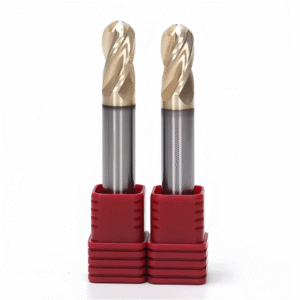
Application Experience of Ball Nose End Mill Cutters in Curved Surface Machining
Over years of machining complex curved surfaces for European and American clients, we have learned that selecting the right ball nose end mill cutters is critical for surface quality and dimensional accuracy. Complex molds and aerospace parts are prime examples. If tool radius and path are not optimized, uneven surface texture or localized overcutting occurs, even with high-precision machines. We developed path planning strategies that combine part geometry and tool radius to improve efficiency while ensuring accuracy.
We also noticed that ball end mills wear differently from standard end mills. Observing tip wear and chip morphology allows us to predict potential surface defects and adjust cutting parameters or replace tools in advance. This experience ensures stable machining for complex geometries without relying solely on theoretical guidelines.
Toolpath Optimization in Five-Axis Machining
For parts with multiple curved surfaces, poor toolpath planning can cause localized skipping or excessive cutting forces. We employ a path layering strategy based on tool tip radius, adjusting feed direction and tilt angle to ensure smooth chip removal and reduce vibration. Using this method, we consistently achieve Ra0.4 μm surface roughness in aerospace parts while reducing secondary resharpening workload.
Cutting step distance and tool tilt angles are adjusted for surface slope and geometry. In our experience, precise toolpath and tip-radius matching is more reliable than simply increasing spindle speed and feed, and it extends tool life significantly.
Surface Roughness and Tool Selection
Diameter, flute count, and helix angle of ball end mills affect curved surface roughness. In mold machining, ball nose end mill cutters with more flutes and proper tip radius reduce surface steps. Too few flutes or mismatched tip radii increase the likelihood of uneven textures. Real measurements help us determine optimal tool combinations and cutting parameters.
Material hardness is critical. High-hardness steel or titanium alloy requires careful speed selection and sufficient tool rigidity to avoid rough surfaces. We weigh cutting depth, material, and coating to balance efficiency with surface quality.
Tool Wear Monitoring and Replacement Strategy
Monitoring ball nose end mill wear predicts potential issues. Slight chipping or uneven coating wear prompts immediate parameter adjustments or tool replacement, preventing dimensional errors. Tool wear records help schedule replacements accurately and reduce downtime.
Wear monitoring extends tool life and stabilizes batch machining. Ignoring tip condition in long runs can increase rework or scrap. Our experience demonstrates that observation and replacement strategies are essential for reliable output in precision curved surface machining.
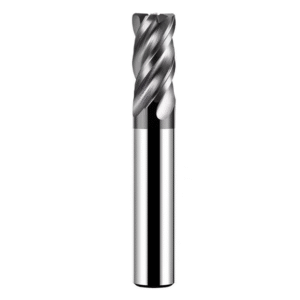
Performance of Our Collaborated Chinese End Mill Cutters Manufacturers
Through long-term batch projects for European and American clients, we partnered with several Chinese end mill manufacturers. We learned that tool quality depends not only on design parameters but also on manufacturing process, material control, and technical support. Comparative tests on solid carbide end mill cutters—including stability, tool life, surface quality, and batch consistency—allowed us to develop a reliable supplier evaluation system. This ensures production schedules and minimizes unexpected downtime.
When processing complex or hard materials, you can assess a supplier’s material stability and process control by test-cutting different batches and observing wear and chip conditions. Practical verification is more reliable than specs or quotes alone. Sharing working conditions, drawings, or materials with suppliers allows targeted advice and reduces production risks.
Case Study on Manufacturing Process and Material Control
Even identical models can vary by batch. We test carbide composition, edge grinding, and coating uniformity to assess manufacturer stability. For high-hardness steel, one batch showed shorter edge life due to uneven tungsten carbide distribution.
If you machine high-precision parts, small-batch trial cuts recording chip morphology, forces, and tool wear help identify potential issues and provide reliable feedback to suppliers. Sharing part details with peers or suppliers enables more accurate problem-solving.
Custom Tool Response Speed and Technical Compatibility
Custom tools require fast technical cooperation. Delays in design confirmation or trial-cut feedback can extend production cycles. Providing drawings, material, coatings, flute count, and helix angle upfront ensures ideal results on the first trial cut.
When considering customized tools, clearly defining machining conditions allows suppliers to provide feasible solutions quickly, optimize cutting parameters, and reduce unnecessary wear or defects. Sharing part drawings, material, and machine conditions with peers or suppliers can provide valuable references.
The Contribution of Long-Term Supplier Partnerships to Production Efficiency
Reliable China end mill cutters manufacturers stabilize production efficiency. Batch consistency affects dimensional accuracy and surface quality. Timely technical support allows quick adjustments, avoiding downtime from tool malfunctions. Long-term partners are more reliable in batch consistency, tool life prediction, and customization response.
For long-term production, incorporating supplier delivery history, trial-cut records, and tool wear data into your evaluation improves planning reliability. Sharing machining conditions and tool usage with suppliers or peers provides practical insights to enhance output control.