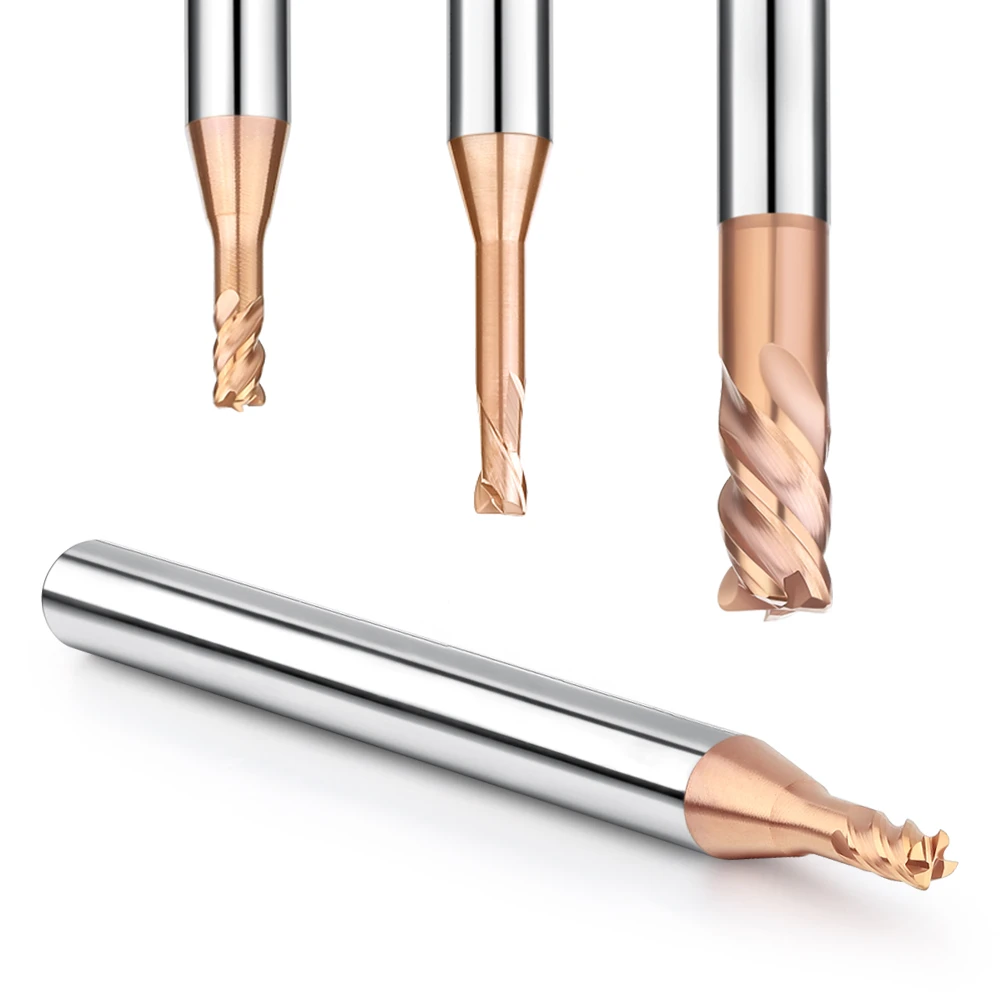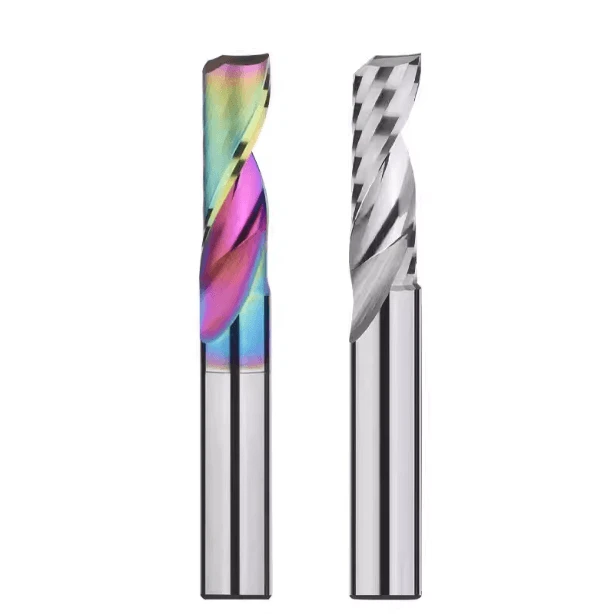
end mills

“Discover the cutting-edge efficiency of SAMHO’s end mills. Perfect your machining tasks with superior quality tools.”

corner-radius-end-mill-cutters

HRC65 Corner Radius End Mills for Tool Steel Applications

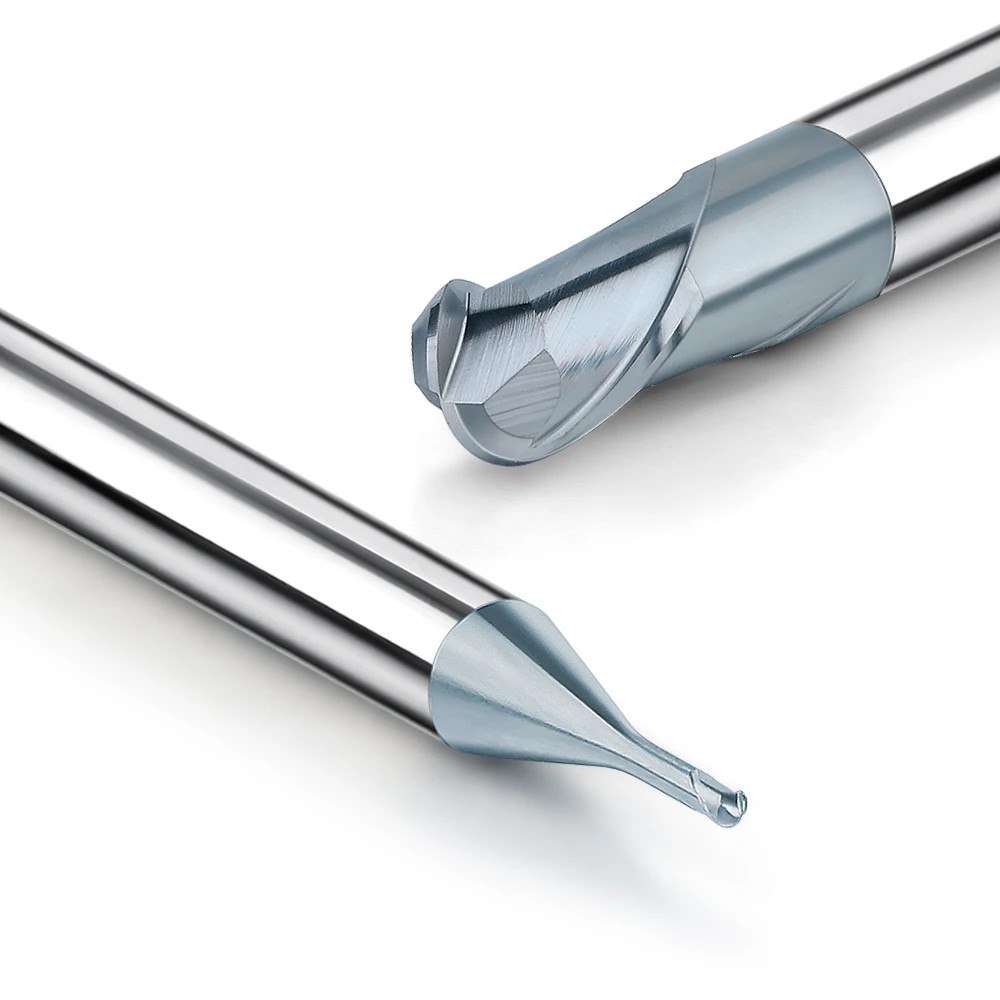
HRC65 corner radius end mills are widely used in high-hardness tool steel machining due to their rounded edge design, which effectively distributes cutting forces and improves tool life and machining stability. Compared to traditional flat-bottom end mills, corner radius end mills reduce the risk of chipping while providing higher precision and better surface quality when […]

HRC65 Corner Radius End Mills for Tool Steel Applications Read More »

carbide ball nose end mill​s

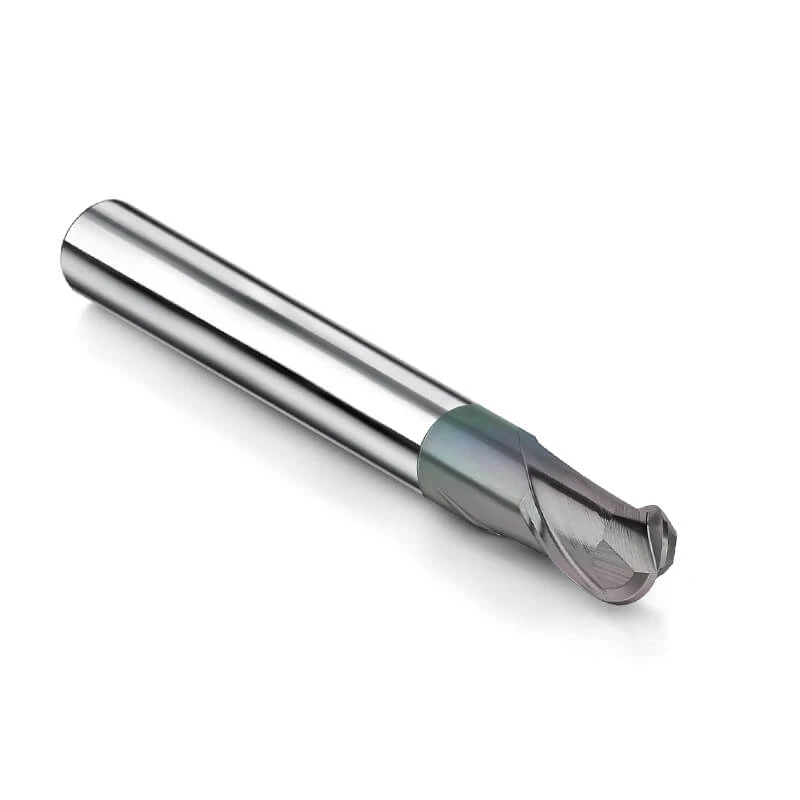
Best Ball Nose Milling Cutter for Mold and Die Making

In mold and die manufacturing, the choice of cutting tools directly affects processing efficiency, cavity accuracy, and subsequent polishing costs. Among these tools, ball nose milling cutters have become indispensable due to their stable performance when machining complex curved surfaces and deep cavities. Whether working on plastic molds, die-casting molds, or precision stamping molds, there

Best Ball Nose Milling Cutter for Mold and Die Making Read More »

ball nose end mill

HRC65 Ball Nose End Mill for Hardened Steel Machining

In precision machining of hardened steel, tool performance directly impacts machining stability, surface finish, and overall production efficiency. When workpiece hardness reaches or exceeds HRC60, conventional tools often fail to meet the demands for long-term continuous machining in terms of wear resistance, edge strength, and thermal stability. This makes the HRC65 ball nose end mill

HRC65 Ball Nose End Mill for Hardened Steel Machining Read More »

end mill machining

How to Choose Reliable Flat Milling Cutter Manufacturers

When selecting a tool supplier, the reliability of flat milling cutter manufacturers directly affects machining stability, cost control, and delivery assurance. Manufacturers differ significantly in raw material selection, production processes, quality management, and technical support. Without a systematic evaluation, issues such as inconsistent tool life, dimensional deviations, or poor batch consistency can occur in production.

How to Choose Reliable Flat Milling Cutter Manufacturers Read More »

corner-chamfer-end-mills

Corner Chamfer End Mill vs Corner Radius End Mill: Key Differences Explained

In precision parts machining and mass production, the choice of tool geometry directly impacts edge quality, assembly reliability, and overall processing costs. Corner chamfer end mills and corner radius end mills are both commonly used for edge finishing. While they appear similar and serve related purposes, they differ significantly in cutting methods, processing outcomes, and

Corner Chamfer End Mill vs Corner Radius End Mill: Key Differences Explained Read More »

CNC milling tools

How Micro End Milling Improves Tolerance Control in Micro Parts

In the field of micro-part manufacturing, dimensional tolerances often directly determine assembly feasibility and functional reliability. When part features reach sub-millimeter or even micron levels, even minor processing fluctuations are magnified, and traditional machining methods gradually reveal limitations in dimensional consistency and repeatability. In this context, micro end milling has become an essential method for

How Micro End Milling Improves Tolerance Control in Micro Parts Read More »

3 flute end mill for aluminum

Surface Finish Improvement Using 3 Flute End Mill Cutters

In the precision manufacturing of aluminum alloy parts, surface finish directly affects assembly accuracy, service life, and overall quality stability. Even if the dimensions meet specifications, noticeable tool marks, scratches, or uneven cutting traces can increase subsequent finishing costs and affect production efficiency. Therefore, achieving consistent surface quality while maintaining processing efficiency has become a

Surface Finish Improvement Using 3 Flute End Mill Cutters Read More »

3-flute-end-mills

Slotting vs Side Milling with 3 Flute End Mills for Aluminum

In aluminum alloy machining, different milling methods place distinct demands on tool performance. While slotting and side milling are both milling processes, they differ significantly in cutting load, chip evacuation, tool force direction, and machining stability. As efficiency and surface quality requirements increase, 3 flute end mills for aluminum have become a common choice for

Slotting vs Side Milling with 3 Flute End Mills for Aluminum Read More »

chamfer-mills

Chamfer Mills in Mold and Die Manufacturing

In mold and die manufacturing, the quality of part edges directly affects assembly accuracy, service life, and overall delivery quality. Chamfering is a critical step that not only ensures smooth assembly but also impacts subsequent polishing, mold fitting, and maintenance. Chamfer mills have become essential tools for mold shops seeking stable and consistent chamfering results.

Chamfer Mills in Mold and Die Manufacturing Read More »

carbide end mills

How to Avoid Melting Plastic with a 2 Flute End Mill

During the milling of plastic parts, material melting, tool sticking, edge whitening, or surface streaking are common yet often overlooked problems. When using a 2-flute end mill for high-speed or extended cutting, if heat cannot dissipate quickly, plastic may soften, stretch, or even re-adhere to the cutting edge and workpiece surface, directly affecting dimensional accuracy

How to Avoid Melting Plastic with a 2 Flute End Mill Read More »