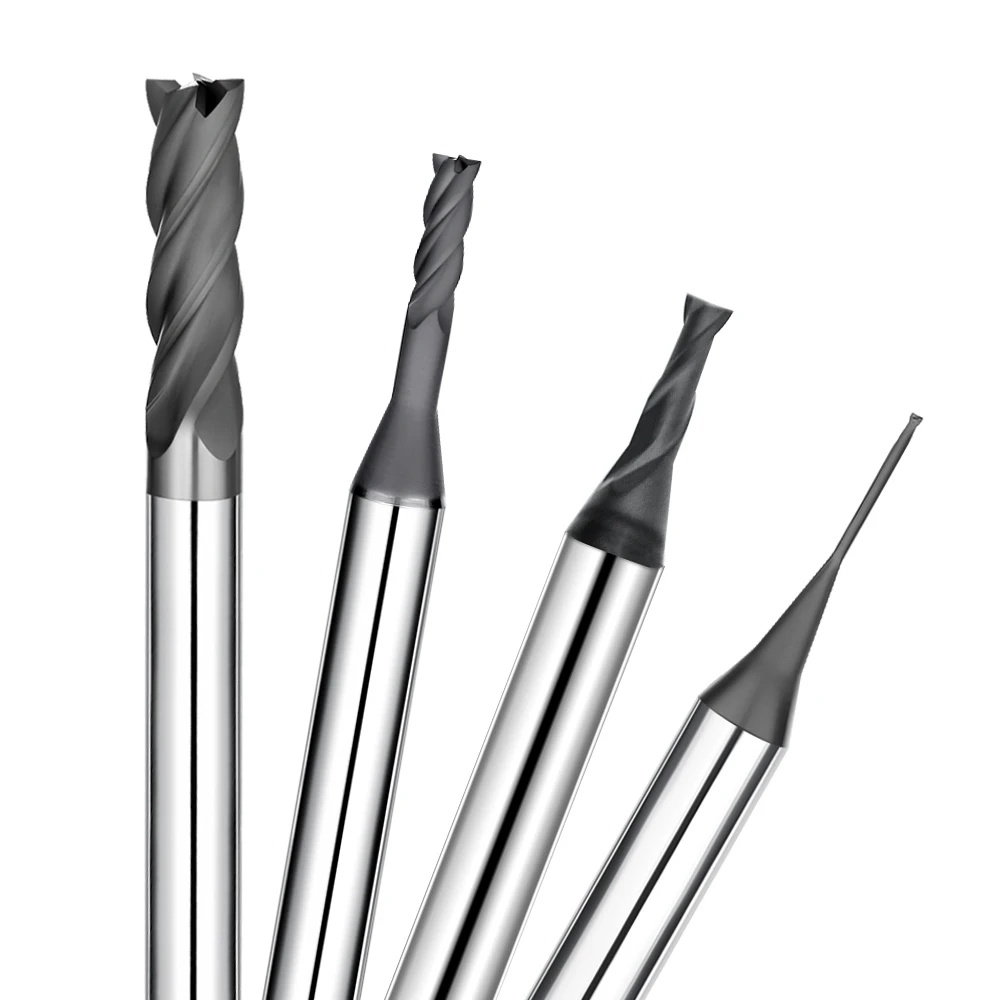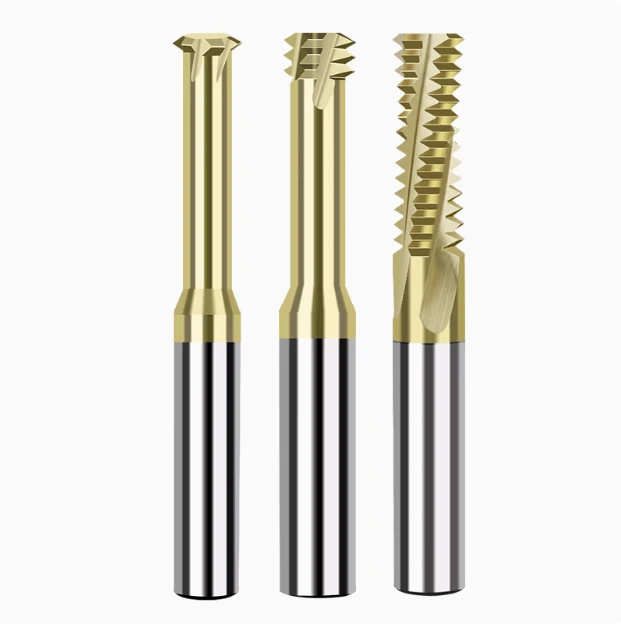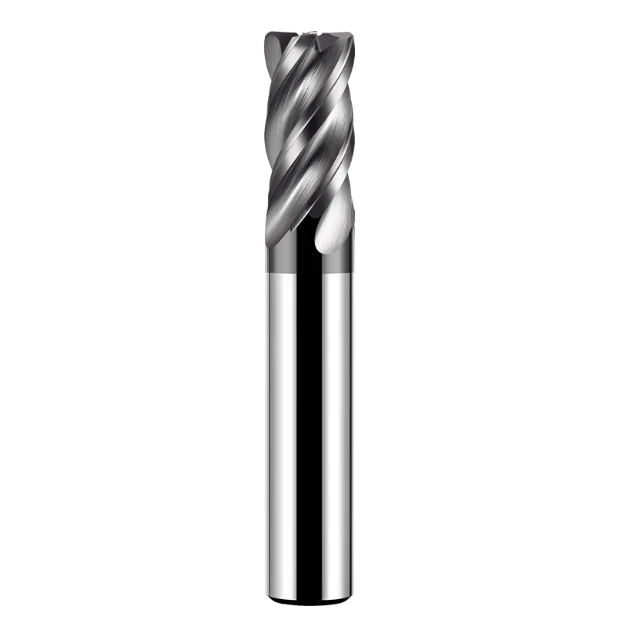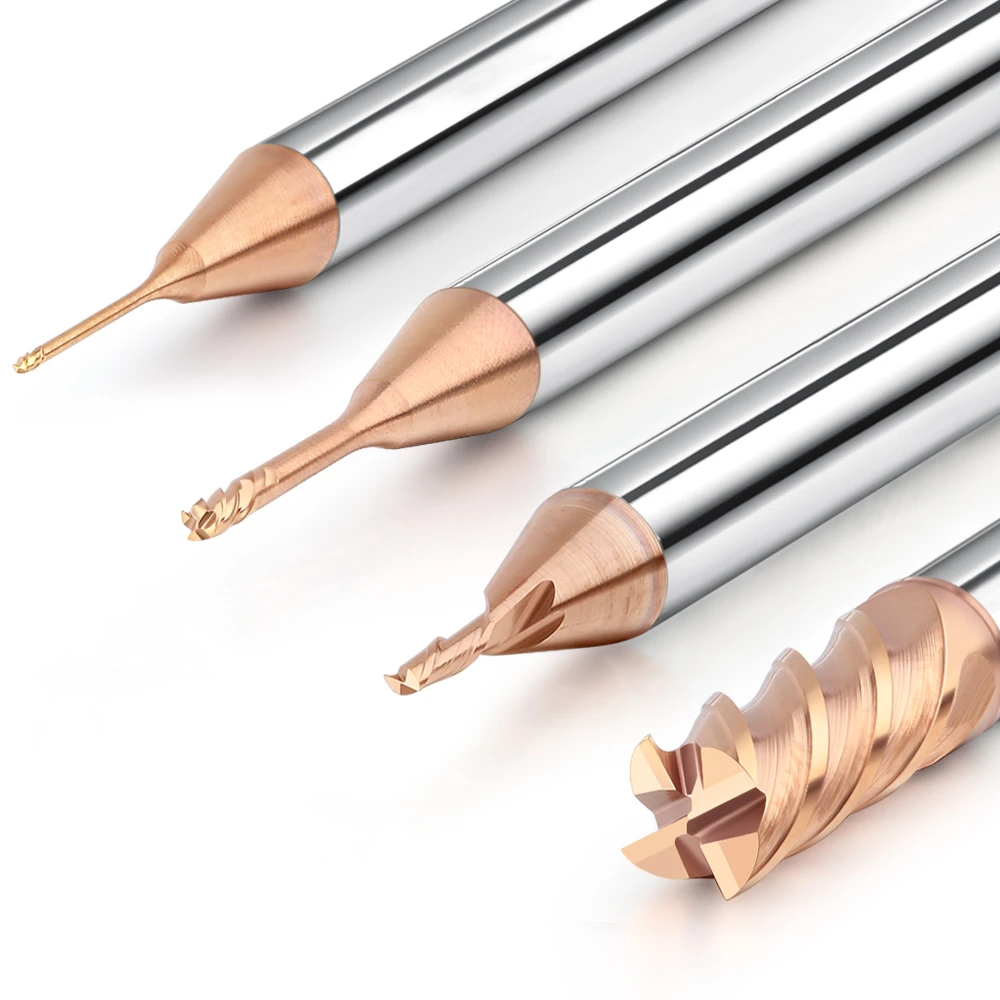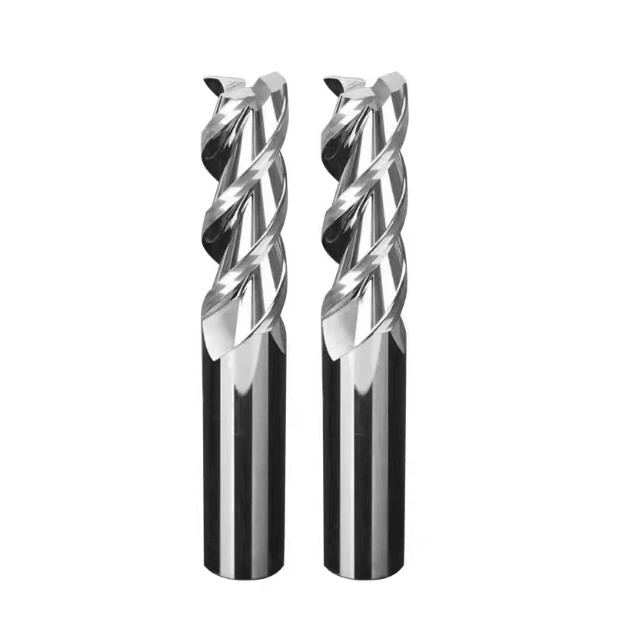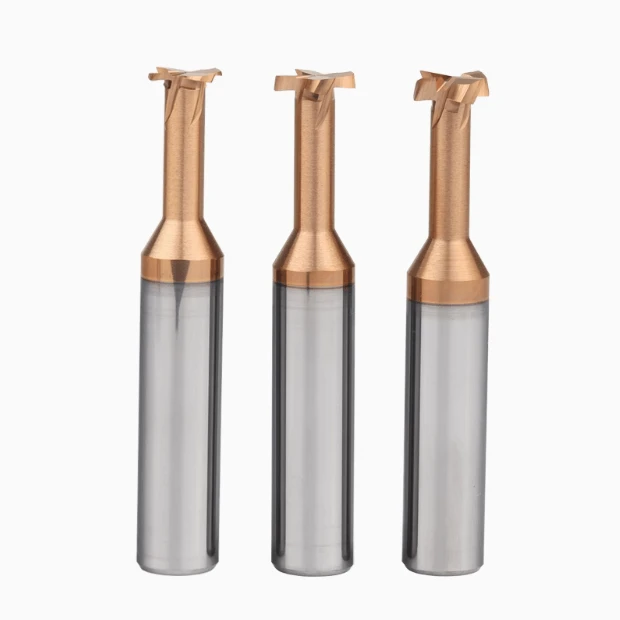
Types of CNC Milling Tools

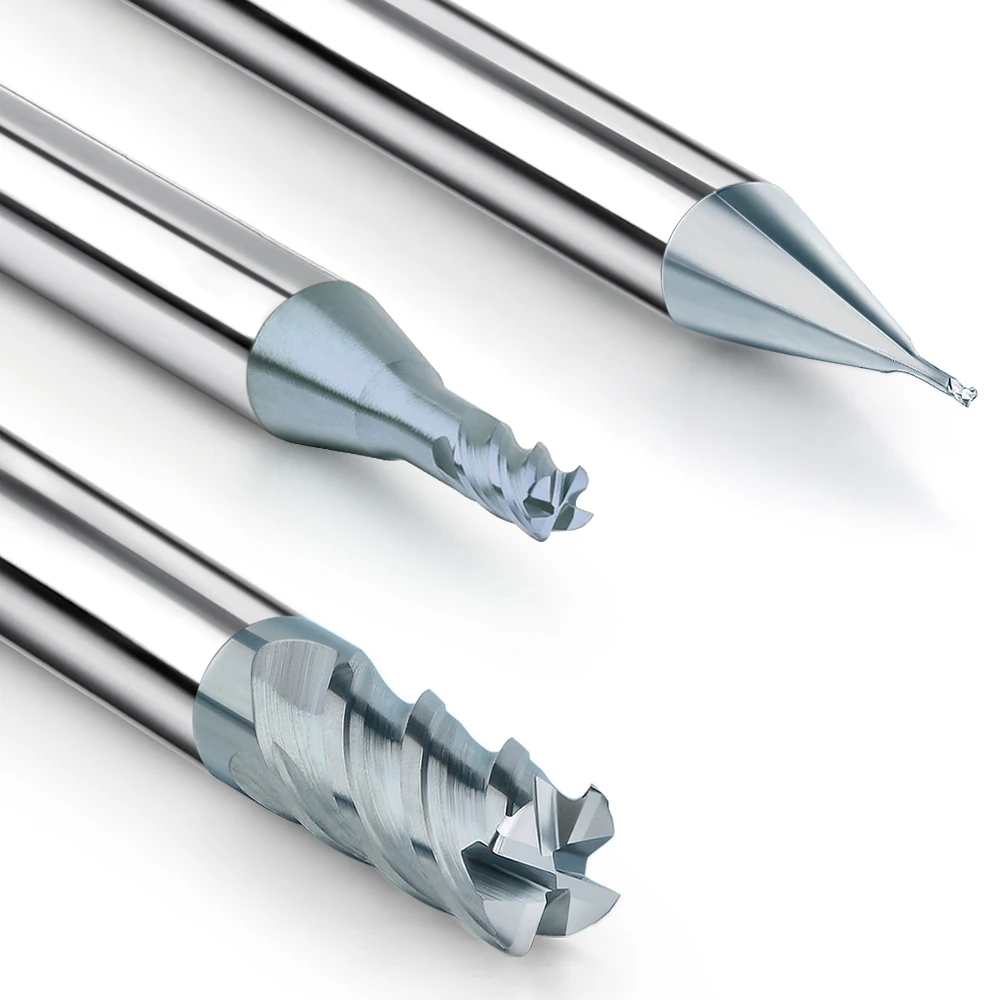
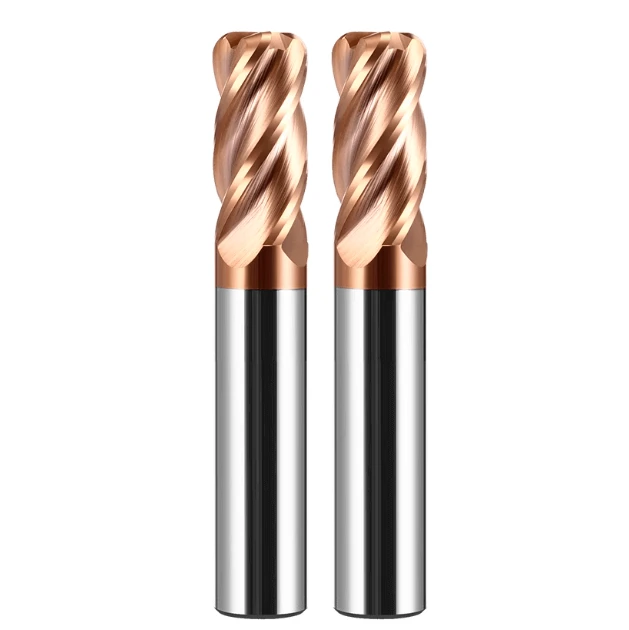
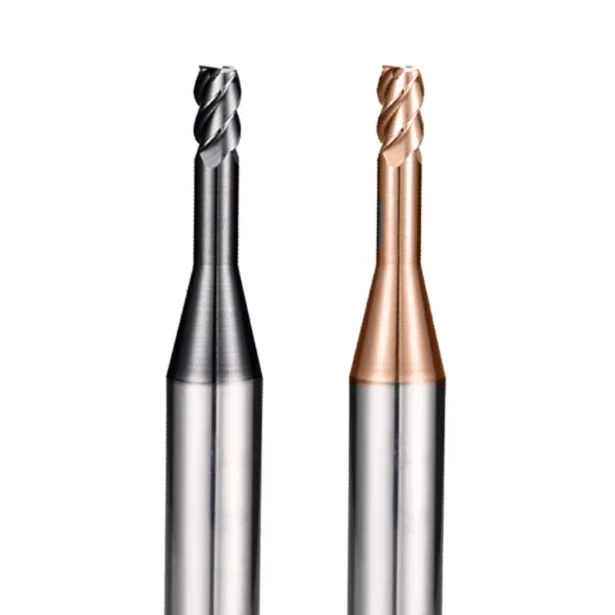
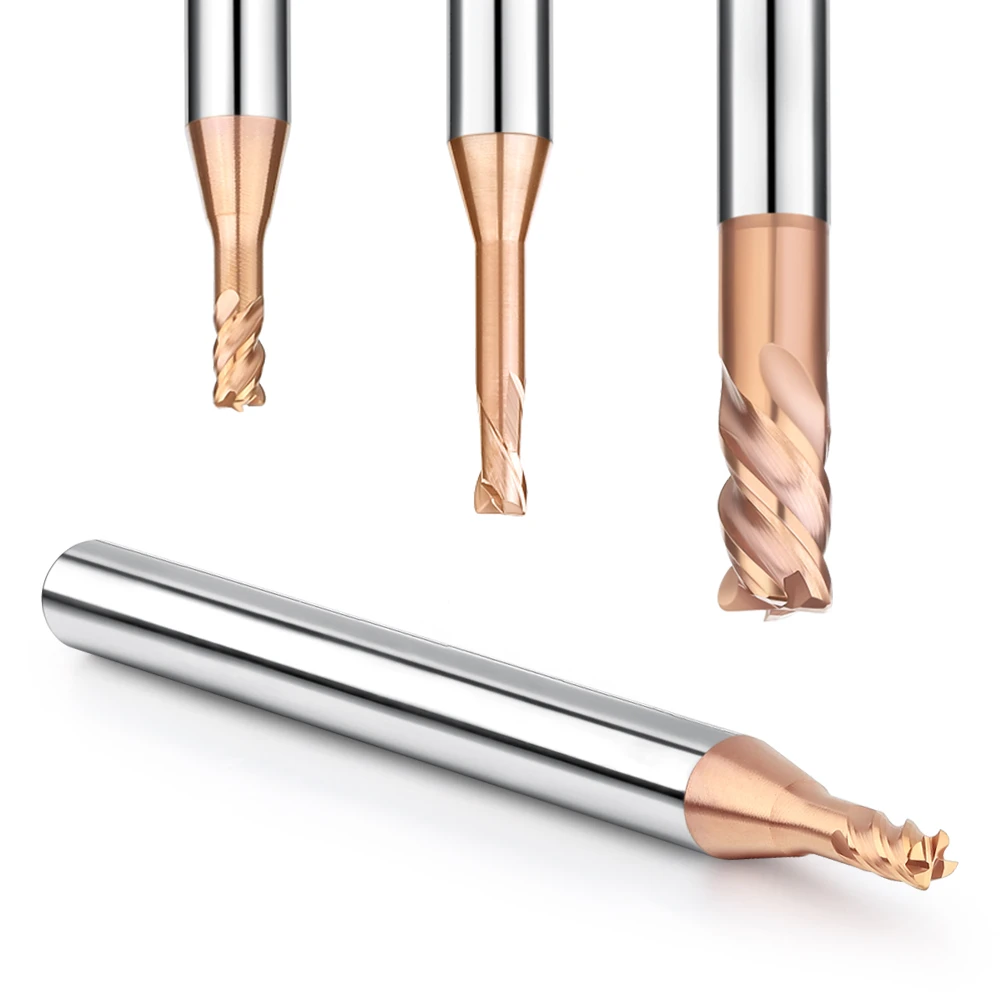
Introducing our high-performance End Mill, the perfect cutting tool for precision machining. Crafted from premium quality materials, this tool is designed to deliver exceptional performance and durability in various industrial applications.
Featuring a unique design with sharp, multi-flute edges, our End Mill delivers precise and efficient cuts on a variety of materials such as steel, aluminum, and more. Its advanced coating enhances wear resistance and prolongs the life of the tool for prolonged use.
Our End Mill is available in different sizes and styles to suit your specific machining needs. With its outstanding cutting capabilities and superior finish, it is the go-to choice for professional machinists and engineers.
Trust our End Mill to provide you with unmatched precision and efficiency in your machining operations. Upgrade your toolkit with our top-of-the-line End Mill today.

4 flute carbide end mill

Mastering Hardened Steel: Tips for Using HRC65 Square End Mills

After 15 years split between carbide tool manufacturing and customer machining floors, one question haunts our technical support line more than any other: “Why does your carbide square end mill stay rock-solid on HRC65 hardened steel while other ‘rated’ tools chip out in minutes?” Last week, a long-standing U.S. client specializing in precision molds sent […]

Mastering Hardened Steel: Tips for Using HRC65 Square End Mills Read More »

end mill machining

How AI-Driven Toolpath Optimization Extends End Mill Tool Life

Over the past 15 years of working with top-tier machine shops across North America and Europe, we’ve noticed a frustrating trend. Many shop owners gladly drop $500,000 on a precision 5-axis machining center, yet they agonize over a $5 difference in the unit price of an end mill tool. In reality, procurement price is rarely

How AI-Driven Toolpath Optimization Extends End Mill Tool Life Read More »

3-flute-end-mills

Top 5 Reasons Your Aluminum End Mill is Recutting Chips

When discussing high-efficiency milling of aluminum alloys, the fear that haunts machinists most isn’t gradual tool wear—it’s that heart-stopping “screeching” sound. The moment you hear it, you know exactly what’s happening: your aluminum end mill is recutting chips. We’ve witnessed this scenario all too often while providing technical support to precision shops across North America.

Top 5 Reasons Your Aluminum End Mill is Recutting Chips Read More »

end mill machining

Types of End Mills for Deep Cavity Milling

Over the past decade, we have often encountered customers complaining about short tool life, unstable machined surfaces, or recurring dimensional deviations in deep cavity mold projects. Whether working with high-hardness mold steel or complex-profile deep-cavity aluminum alloys, we’ve found that selecting the right types of end mills is not just about following manual recommendations. It

Types of End Mills for Deep Cavity Milling Read More »

end mill diameter for steel

Why End Mill Solid Carbide Breaks During Machining

In our project experience over the past decade, breakage of end mill solid carbide has consistently been one of the most common problems our clients face. Whether using solid carbide end mill cutters for side milling high-hardness mold steel or solid carbide roughing end mills for deep roughing cuts, we frequently observe sudden chipping at

Why End Mill Solid Carbide Breaks During Machining Read More »

4-flute-carbide-end-mills

Why Aluminum CNC End Mills Require Specialized Geometry

In our experience providing batch machining solutions for aluminum components to clients in Europe and North America, we frequently encounter a recurring problem: even when using high-quality CNC end mills, aluminum machining often suffers from issues such as chip clogging, severe material adhesion (“tool sticking”), and rough surface finishes. We’ve repeatedly worked with clients to

Why Aluminum CNC End Mills Require Specialized Geometry Read More »

carbide ball nose end mill​

2-Flute vs 4-Flute Ball Carbide End Mills: Which One to Choose?

In the projects we handle for clients in Europe and the US, we often face the same recurring question: Should we use a 2-flute ball carbide end mill or a 4-flute carbide ball nose end mill? This choice is especially critical when finishing mold surfaces or machining deep-cavity parts, as it directly affects machining stability,

2-Flute vs 4-Flute Ball Carbide End Mills: Which One to Choose? Read More »

4 flute roughing end mill

The Best 4-Flute End Mills for Stainless Steel Machining

Over the past decade, while machining stainless steel parts for clients in Europe and North America, we have repeatedly encountered the same challenges: excessive tool vibration and unstable cutting conditions. This is especially true when working with thick plates or complex contours, where traditional 2-flute end mills often struggle with chip evacuation and edge chipping.

The Best 4-Flute End Mills for Stainless Steel Machining Read More »

2 flute roughing end mills

Can a 2-Flute End Mill Cut Steel Effectively?

We frequently receive the question: “Is it really reliable to use a 2-flute end mill on steel workpieces?” This is a recurring concern, especially when customers who are accustomed to 2-flute end mills for aluminum attempt to use the same tool on medium-to-low carbon steel or stainless steel. In deep-slot or small-diameter applications, they often

Can a 2-Flute End Mill Cut Steel Effectively? Read More »

chamfer milling tools

How Coating Improves Corner Radius End Mill Performance

In our process of customizing machining solutions for European and American clients, we frequently encounter a recurring challenge: even when using high-precision corner radius end mill cutters, tool life often falls short of expectations, and surface quality can become inconsistent during continuous high-speed machining of stainless steel or high-hardness alloys. From years of hands-on experience,

How Coating Improves Corner Radius End Mill Performance Read More »