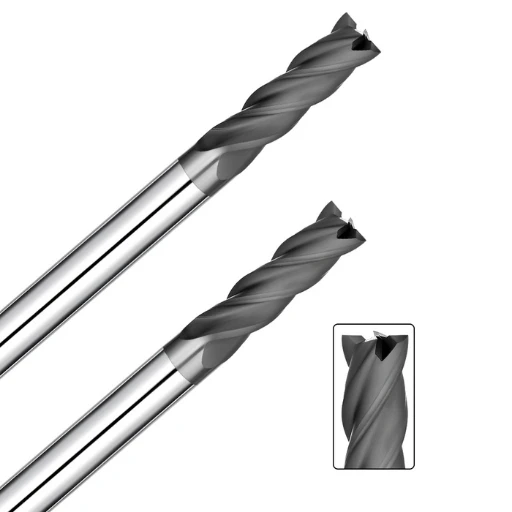
While optimizing a graphite electrode setup for a European mold manufacturer, we faced a classic challenge. The client was using wet machining to lower temperatures, but suffered from inconsistent surface finishes. Even worse, graphite dust mixed with coolant formed a sticky sludge inside the machine, severely reducing the service life of their graphite milling cutters.
After analyzing the operational data, we re-evaluated their complete graphite machining process. The real issue was not simply whether to apply coolant. Instead, it was about understanding the core engineering logic of dry vs. wet graphite machining, including material behavior, tool geometry, and graphite dust control.
In our 20+ years of managing CNC graphite applications, we often see engineers apply metal-cutting habits to graphite. However, high-density graphite is extremely brittle and low in thermal expansion, producing micro-particles rather than continuous chips. Treating it like traditional metal usually leads to poor tool performance and higher operational costs.
For precision graphite electrodes and EDM components, choosing between dry and wet processing depends on system compatibility. Dry graphite machining relies on strong dust extraction, optimized feeds and speeds, and diamond-coated cutters. Conversely, wet graphite machining demands specialized coolant filtering to prevent abrasive slurry build-up.
Successful graphite milling is never about a single setting; it requires a holistic machining system. Matching tool geometry, spindle parameters, and machine protection is what truly guarantees tight tolerances, superior surface quality, and longer tool life.
So, in your current CNC graphite setup, what is driving your final output—the cooling method alone, or the synergy of your entire machining system?
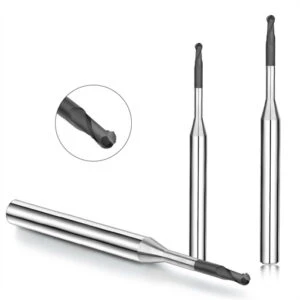
Graphite Machining Method Analysis: Why Is Choosing the Right Strategy Crucial for Graphite CNC Machining?
Through years of manufacturing precision graphite components, we have seen many production issues that appear to be tool defects actually stem from selecting the wrong process strategy. Different graphite grades and workpiece geometries demand tailored cutting parameters and specialized setups. Properly planning your overall strategy for graphite CNC machining is the single most critical factor for ensuring long-term operational stability.
We once assisted a toolmaker struggling with micro-chipping, poor dust collection, and inconsistent finishes on large EDM electrodes. The root cause was applying standard metal-cutting feeds and speeds to brittle non-metals. By recalibrating their pathing strategies, vacuum evacuation, and cutting parameters, we restored stable production while drastically extending tool life across their machine shop.
How Do Graphite Material Characteristics Influence the Choice of CNC Machining Methods?
Analyzing graphite material characteristics—such as particle size, shore hardness, density, and flexural strength—is our required first step before starting any job. While high-density graphite excels in thermal stability and electrical conductivity, its grain matrix fractures into fine abrasive dust during milling rather than formed metal chips. Selecting an improper cutting method can severely degrade accuracy and compromise machine guide rails.
We never apply a one-size-fits-all setup for diverse graphite grades. High-density ultra-fine electrode grades require precise edge retention during finishing passes, whereas structural graphite parts prioritize high material removal rates and wear resistance. Matching your cutting strategies directly to specific material properties ensures optimal edge quality while minimizing costly downtime.
Differences Between Dry and Wet Machining in the Graphite Machining Process
Neither dry nor wet processing is universally superior; each serves distinct production demands. In a complete dry and wet machining evaluation, engineers must balance air quality control, precision tolerances, overall tool longevity, and post-process washing costs. Dry processing relies on specialized vacuum extraction, whereas wet operations require multi-stage fluid filtration systems to capture microscopic particles.
Our shop tests show that wet cutting can reduce airborne dust, but poorly managed coolant turns fine particles into an abrasive sludge. This fluid slurry quickly clogs filtration units and accelerates wear on internal ball screws. Consequently, evaluating the entire machine environment is far more vital than simply choosing whether to turn the coolant pump on or off.
Why Is Dry Machining the Preferred Strategy for Most Graphite Electrodes?
In mold making and EDM electrode fabrication, graphite dry machining remains the global industry standard. Vacuum extraction captures dry particulates instantly at the tool tip, keeping workpieces clean and avoiding secondary contamination from fluid residue. Eliminating coolant exposure helps preserve strict dimensional tolerances and protects fragile thin-rib electrode features during fine finishing passes.
However, dry cutting requires more than just turning off liquid supply lines. Successful execution demands diamond-coated graphite milling cutters, high-velocity vacuum hoods, and optimized step-over distances. Without a balanced setup, thermal accumulation and severe tool wear will occur. True process stability relies on the harmonious integration of tooling, machine protection, and dust collection systems.
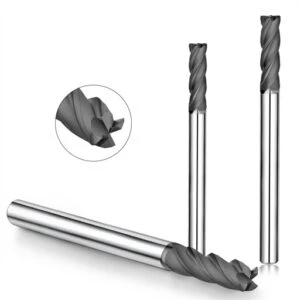
Analysis of Graphite Dry Machining Advantages: Why is Dry Machining Typically Used for Graphite?
In our extensive experience optimizing precision component production, dry machining consistently ranks as the top inquiry among mold shop engineers. Many operators worry that eliminating liquid coolant causes severe heat build-up, rapid edge wear, or loss of dimensional accuracy. However, thermal dissipation is rarely the primary constraint; the real challenge lies in managing abrasive dust while maintaining stable cutting forces.
We recently retrofitted an EDM electrode manufacturing cell that previously relied on liquid coolant to dampen fine particles. The wet process created a dense sludge that fouled machine enclosures, tripled cleaning cycles, and required extensive post-wash operations on finished parts. Switching to a dry process with dedicated vacuum units immediately stabilized production while significantly reducing machine maintenance overhead.
How Does Graphite Dry Machining Reduce the Risk of Dust Contamination?
Managing fine particulates in graphite dry machining relies on directional airflow rather than liquid flushing. In high-speed milling setups, we focus on positive-pressure machine seals, custom spindle vacuum shrouds, and chip-flute geometries that eject dust upward into extraction ducts. This approach prevents abrasive micro-particles from entering linear guideways, ball screws, and sensitive control cabinets.
Dry processing prevents airborne micro-dust from mixing with liquid coolants to form stubborn, abrasive slurries inside the machine enclosure. Keeping the work environment dry eliminates sticky residue on finished workpieces, streamlining quality inspection. However, maintaining a clean workspace requires proper alignment between vacuum air volume, hood placement, and operator clearing protocols.
The Impact of Dry Graphite Machining on Graphite Milling Cutter Lifespan
Tool wear analysis reveals that premature failure in dry operations stems from poor chip evacuation or improper substrate selection, not the absence of coolant. Because brittle graphite generates powder rather than continuous chips, traditional metal-cutting geometries often suffer from severe micro-chipping along the primary relief angle. Correct tool selection is essential for preserving sharp cutting edges.
Extending graphite milling cutter life requires matching flute geometry and diamond coatings to specific material densities. Roughing passes require rugged core strength and wide chip pockets, whereas high-precision finishing demands razor-sharp edges to prevent workpiece corner breakout. Proper feeds, speeds, and vacuum-assisted chip removal ensure consistent tool life without liquid coolants.
Advantages of Dry Graphite Machining in High-Speed CNC Operations
In modern high-speed CNC operations, high spindle speeds combined with light radial engagement achieve maximum material removal rates. Because graphite possesses high thermal conductivity and low thermal expansion, high-speed cutting generates minimal thermal stress on the workpiece. Process optimization focuses primarily on dynamic stability, dust extraction efficiency, and edge retention.
When configuring high-speed parameters, we balance peripheral cutting speeds, feed per tooth, and step-over depths against workpiece rigidity. Tailored toolpaths minimize mechanical shock when entering thin-walled sections or delicate rib features. The true value of dry graphite machining lies in establishing a predictable, repeatable process supported by a robust machine system.
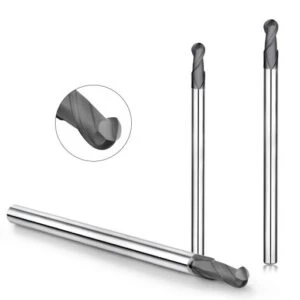
Analysis of Graphite Wet Machining Applications: When Is Coolant Needed for Graphite Machining?
While dry cutting dominates the industry, wet processing remains a relevant strategy for specialized shop requirements. When dealing with extreme component depths, prolonged continuous cycles, or tight-tolerance mold inserts, shop managers often ask if fluid flushing improves stability. However, adopting wet methods requires evaluating your shop’s fluid management capabilities rather than following standard metal-cutting habits.
We once consulted for a shop milling massive structural graphite blocks over long continuous runtimes. To control thermal creep across the large workpiece, they experimented with liquid cooling. The fluid stabilized ambient temperatures, but fine particles created a dense slurry that rapidly clogged standard sump strainers. This proved that using coolant for graphite machining requires heavy-duty filtration upgrades.
What Machining Issues Can Graphite Wet Machining Address?
In specific production scenarios, graphite wet machining effectively suppresses fine dust clouds without relying on high-volume vacuum hoods. Liquid flushing stabilizes temperatures across long tool paths, preventing minor spindle growth and thermal expansion in sensitive setups. This tempers dimensional drift during multi-hour finishing passes on deep-cavity molds.
However, wet cutting is not a universal solution for increasing feed rates. We treat fluid delivery strictly as a process control tool for difficult chip evacuation or thermal isolation. Deciding whether to run wet depends on part geometry, graphite density, and available fluid filtration, rather than treating wet milling as a default operational mode.
The Impact of Wet Graphite Machining on Surface Quality and Dimensional Accuracy
Achieving consistent surface finishes and tight tolerances requires predictable cutting conditions. Controlled fluid delivery washes micro-particles out of deep pockets, preventing chip re-cutting during continuous contouring. When properly executed, wet graphite machining reduces microscopic surface tearing along intricate wall features.
However, improper fluid management can actively harm surface quality. If low-pressure pumps fail to flush abrasive micro-particles from the cut zone, graphite paste forms under the cutter, accelerating flank wear and leaving dark stains on the workpiece. Thorough testing of coolant flow, filtration micron ratings, and nozzle placement is essential before committing to production.
What Should Be Considered When Using Coolant for Graphite Machining?
Implementing liquid coolant demands strict attention to machine maintenance and fluid separation. Unlike metallic chips that settle quickly, graphite powder stays suspended, forming an abrasive paste that damages seal wipers and way covers. Without multi-stage centrifuges or sub-micron paper filters, contaminated fluid rapidly destroys internal high-speed spindle bearings.
When helping clients evaluate precision graphite machining strategies, we calculate total operating expenses, including fluid maintenance and disposal fees. While dry vacuum systems remain ideal for standard EDM electrodes, a properly engineered wet system can succeed in specialized environments. The final decision must rely on empirical shop data rather than personal preference.
Optimizing Graphite Machining Strategies: How to Choose Between Dry and Wet Machining?
In our years of troubleshooting graphite electrode lines and EDM mold shops, we find that most shop floor failures trace back to flawed process planning. A method that delivers ultra-precise features on one machine can cause chatter or corner breakout on another. Successful manufacturing requires evaluating material grades, workpiece geometries, tolerance bands, and machine tool capabilities simultaneously.
Rather than forcing a rigid dry-or-wet rule across every job, we construct custom graphite machining strategies tailored to specific production goals. Balancing cutter geometries, spindle speeds, feeds, and dust extraction creates a stable manufacturing system. Aligning these elements early eliminates trial-and-error costs and prevents unexpected tool failure during automated runs.
Selecting a Graphite Machining Strategy Based on Material Grade
Analyzing grain size, shore hardness, flexural strength, and bulk density dictates how a specific grade responds to cutting forces. High-density, fine-grained isostatic graphite provides exceptional detail retention for thin-rib EDM electrodes, but increases mechanical tool wear. Conversely, coarse-grained extruded graphite machine faster, but suffers from severe corner chipping during light finishing passes.
We customize feeds, speeds, and pass depths to match specific material properties across diverse graphite grades. Executing precision graphite machining requires adjusting axial and radial engagements based on matrix density. Tailoring step-over values to the material’s grain structure prevents edge chipping, extends tool life, and ensures part-to-part consistency.
Choosing Machining Methods for Roughing vs. Finishing
Roughing and finishing passes require distinct strategy adjustments rather than uniform settings. Roughing operations prioritize maximum volumetric material removal rates, high-capacity vacuum evacuation, and rigid cutter shanks to withstand high chip loads. Selecting a robust roughing path removes heavy stock quickly while isolating the workpiece from thermal spikes.
Conversely, finishing passes focus entirely on surface texture, edge crispness, and tight tolerances. Reducing chip loads during final passes prevents micro-fracturing along delicate workpiece margins. Transitioning from aggressive roughing paths to high-speed finishing strategies ensures optimal surface quality without risking premature tool failure or feature breakage.
How Can Machining Parameters Be Optimized to Improve Graphite Machining Quality?
Optimizing feed rates, spindle speeds, step-overs, and axial cut depths directly dictates surface finish quality and cutter longevity. An unbalanced parameter set accelerates tool wear and degrades tolerances, regardless of whether you use dry extraction or liquid flushing. Maintaining a stable cutting load prevents high-frequency chatter and extends diamond coating life.
In advanced CNC graphite machining, maintaining dynamic parameter stability yields better accuracy than pushing maximum feed velocity. We validate parameter combinations by monitoring spindle load, dust clearance, and tooth pass frequencies on test coupons. Integrating precise parameters, rigid tooling, and efficient dust control establishes a reliable, long-term graphite machining system.
Analysis of Graphite Wet Machining Applications: When Is Coolant Needed for Graphite Machining?
While dry processing dominates the industry, wet cutting remains a relevant strategy for specialized shop requirements. When dealing with extreme component depths, prolonged continuous cycles, or tight-tolerance mold inserts, shop managers often ask if fluid flushing improves stability. However, adopting wet methods requires evaluating your fluid management capabilities rather than following metal-cutting habits.
We once consulted for a shop milling massive structural graphite blocks over long continuous runtimes. To control thermal creep across the large workpiece, they experimented with liquid cooling. The fluid stabilized ambient temperatures, but fine particles created a dense slurry that rapidly clogged standard strainers. This proved that using coolant for graphite machining requires heavy-duty filtration upgrades.
What Machining Issues Can Graphite Wet Machining Address?
In specific production scenarios, graphite wet machining effectively suppresses fine dust clouds without relying on high-volume vacuum hoods. Liquid flushing stabilizes temperatures across long tool paths, preventing minor spindle growth and thermal expansion in sensitive setups. This tempers dimensional drift during multi-hour finishing passes on deep-cavity molds.
However, wet cutting is not a universal solution for increasing feed rates. We treat fluid delivery strictly as a process control tool for difficult chip evacuation or thermal isolation. Deciding whether to run wet depends on part geometry, graphite density, and available fluid filtration, rather than treating wet milling as a default operational mode.
The Impact of Wet Graphite Machining on Surface Quality and Dimensional Accuracy
Achieving consistent surface finishes and tight tolerances requires predictable cutting conditions. Controlled fluid delivery washes micro-particles out of deep pockets, preventing chip re-cutting during continuous contouring. When properly executed, wet graphite machining reduces microscopic surface tearing along intricate wall features.
However, improper fluid management can actively harm surface quality. If low-pressure pumps fail to flush abrasive micro-particles from the cut zone, graphite paste forms under the cutter, accelerating flank wear and leaving dark stains on the workpiece. Thorough testing of coolant flow, filtration micron ratings, and nozzle placement is essential before committing to production.
What Should Be Considered When Using Coolant for Graphite Machining?
Implementing liquid coolant demands strict attention to machine maintenance and fluid separation. Unlike metallic chips that settle quickly, graphite powder stays suspended, forming an abrasive paste that damages seal wipers and way covers. Without multi-stage centrifuges or sub-micron paper filters, contaminated fluid rapidly destroys internal high-speed spindle bearings.
When helping clients evaluate precision graphite machining strategies, we calculate total operating expenses, including fluid maintenance and disposal fees. While dry vacuum systems remain ideal for standard EDM electrodes, a properly engineered wet system can succeed in specialized environments. The final decision must rely on empirical shop data rather than personal preference.
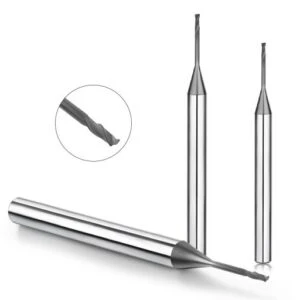
Choosing Graphite Milling Cutters: Which Cutters Suit Different Machining Methods?
Across hundreds of EDM electrode and mold jobs, shop owners often ask why identical tool specs produce completely different results on different machines. Tool life and edge retention rarely depend on outer diameter alone. Instead, performance hinges on aligning cutter geometry, core strength, and coating specs with your specific cutting environment.
We once helped a mold shop struggling with severe corner wear during high-volume electrode runs. They were using standard uncoated carbide tooling, which degraded rapidly as cutting volumes surged. Replacing those tools with engineered end mills featuring optimized edge preparation and tailored flute profiles immediately stabilized cutter performance and reduced overall tool spend.
What Type of Graphite Milling Cutter Is Best for Dry Machining?
Operating in a dry cutting environment requires cutter geometries designed specifically for powder evacuation. Because brittle graphite fractures into fine micro-particles rather than formed ribbon chips, flute capacity, helix angles, and rake clearance directly dictate dust removal rates. Poorly designed flutes trap abrasive dust, increasing cutting resistance and tool deflection.
Selecting the right graphite milling cutter depends on whether you are executing roughing or fine finishing passes. Thin-rib electrode finishing demands razor-sharp cutting edges and minimal tool pressure to avoid part breakout. Conversely, bulk stock removal requires heavy core thickness and wide gullets to clear volume fast without clogging the tool path.
How Do Diamond Coated Graphite Milling Cutters Extend Tool Life?
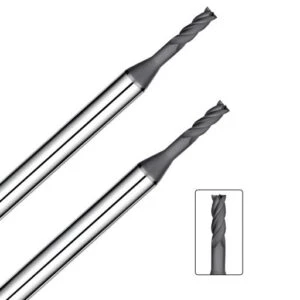
High-precision electrode milling relies heavily on CVD diamond coatings to combat the extreme abrasiveness of fine-grained graphite. Diamond coated graphite milling cutters maintain their sharp cutting edges significantly longer than micro-grain carbide tools. This exceptional wear resistance prevents dimensional drift and preserves sharp corner radii over multi-hour finishing operations.
However, a diamond coating is only as effective as the underlying carbide substrate and cutting parameters. Poor adhesion, improper edge honing, or excessive spindle vibration will cause premature coating delamination. Maximizing tool longevity requires matching step-over depths, chip loads, and surface speeds to the specific diamond layer thickness.
How Do You Select a Reliable Supplier of Graphite Milling Cutters?
Evaluating potential tooling partners requires looking beyond unit catalog prices to analyze real-world engineering support. Graphite processing presents unique challenges involving dust management, abrasive wear, and edge chipping. A vendor that offers custom parameter optimization provides far more value than a supplier that simply ships off-the-shelf end mills.
When choosing a graphite milling cutter supplier, look for manufacturers with proven expertise in non-metallic CNC applications. Reliable partners understand how different graphite densities impact flank wear and can recommend tailored geometries. Partnering with an experienced vendor ensures consistent tool quality, lower scrap rates, and long-term machining stability.
Optimizing the Graphite Machining System: Establishing a High-Efficiency Solution
Throughout hundreds of shop floor optimizations, we have learned that process stability is never driven by a single component. While operators often blame cutter wear or material inconsistencies for poor yield, the primary bottleneck usually lies in system misalignment. True productivity requires seamless integration between machine rigidity, cutter geometry, parameter selection, and vacuum evacuation capabilities.
To optimize your production line, evaluate the complete machine environment rather than simply swapping end mills. Verifying suction velocity, matching cutter flutes to specific material grades, and balancing feed rates with part rigidity directly dictate overall yield. A robust graphite machining system is a fully synchronized ecosystem designed to guarantee reliable, long-term precision.
How Can CNC Machine Tools, Cutting Tools, and Dust Extraction Systems Work in Harmony?
Even top-tier 5-axis CNC centers struggle when machine tools, cutters, and dust collectors operate in silos. Micro-particles generated during dry milling require high-velocity suction hoods and positive-pressure enclosure protection. Concurrently, cutter flute design dictates how efficiently dust clears the cut zone before entering vacuum ducts.
Executing high-precision CNC graphite machining requires auditing three core operational hardware areas: Does your spindle offer dynamic high-speed stability? Does tool geometry accelerate dust evacuation? Does your filtration unit maintain constant air volume? Harmonizing machine performance, cutter design, and dust collection minimizes unscheduled downtime and stabilizes production.
How Can Machining Parameters Be Optimized to Enhance Graphite Machining Performance?
When troubleshooting shop floor issues, parameter miscalibration remains the leading cause of premature tool breakdown. Even when utilizing premium diamond-coated cutters, an imbalance between RPM, feed per tooth, and depth of cut induces excessive vibration. This accelerates flank wear, degrades surface finishes, and compromises tight dimensional tolerances.
Improving overall graphite machining performance requires observing real-time cutting conditions and wear patterns. Adjusting axial engagement and feed rates based on chip clearance and spindle load yields better long-term results than pushing maximum surface speeds. The ideal parameter strategy balances volumetric removal rates against tool life and surface finish quality.
How Can a Stable Graphite Machining System Be Established?
Building a stable graphite machining system requires continuous, data-driven optimization rather than a static setup. Because machine specs, graphite densities, and part geometries vary across applications, no universal parameter set exists. Establishing a predictable workflow relies on reviewing real-world production metrics and fine-tuning cutting conditions over time.
Whether designing a new cell or resolving dust, wear, and efficiency bottlenecks on an active line, audit your material specs, tool geometries, and cutting parameters holistically. Analyzing operational data helps isolate root causes—determining whether issues stem from cooling strategies, cutter selection, or system-wide misalignment—to build a truly reliable manufacturing process.
FAQ: Dry vs Wet Graphite Machining Frequently Asked Questions
In our technical consultations with shop owners, choosing between dry and wet processing is a constant topic of discussion. Engineers frequently attempt to apply traditional metalworking habits to non-metallic materials. However, selecting the right approach requires evaluating graphite material grades, workpiece tolerances, dust extraction capabilities, and machine tool specs.
Over 20+ years of optimizing graphite electrode lines, we have learned that no single process fits every factory floor. For most CNC graphite machining projects, a successful strategy relies on matching cutter performance with your specific operating environment. Below are the most common questions we address when helping clients optimize their shop floor routines.
Should Graphite Be Machined Dry or Wet?
In our practical experience, dry processing remains the preferred choice for most EDM electrode manufacturing. Vacuum extraction captures dry particulates instantly at the cutting edge, preventing the messy secondary cleaning problems caused by mixing liquid coolants with micro-powder. However, the final choice depends on part geometry and machine enclosure capabilities.
Evaluating dry vs. wet graphite machining requires analyzing your vacuum efficiency, air volume, and target surface finish. While graphite dry machining covers standard high-speed milling needs, specialized deep-cavity components may occasionally benefit from liquid flushing if advanced multi-stage filtration systems are installed.
Can Graphite Be Machined with Coolant?
Yes, graphite can be machined with coolant, but we evaluate this strategy cautiously in real-world production. While graphite wet machining can reduce localized thermal drift during continuous heavy cutting, it introduces significant maintenance overhead regarding fluid filtration, slurry removal, and machine way cover wear.
Before adopting liquid coolant, carefully inspect your shop’s fluid filtration capabilities. When fine powder mixes with cutting fluid, it forms a sticky paste that rapidly clogs standard sump pumps and fouls internal guide rails. Using liquid coolant requires dedicated centrifuges to ensure long-term machine stability.
Why Is Graphite Usually Machined Dry?
Graphite is primarily machined dry because of its unique material structure and dust collection requirements. Unlike steel or titanium, graphite fractures into micro-particles without accumulating excessive cutting heat in the workpiece. Pairing high-speed spindles with localized vacuum extraction keeps the machining zone clean, cool, and highly visible.
Furthermore, eliminating liquid coolant prevents oil contamination on high-precision EDM electrodes, ensuring clean spark erosion performance downstream. A reliable dry process requires calibrated feeds, speeds, dynamic spindle protection, and specialized tooling, rather than simply turning off the coolant supply line.
Which Graphite Milling Cutter Is Best for Dry Graphite Machining?
Selecting the optimal tool requires analyzing material density, step-over depths, and required dimensional tolerances. For dry operations, a graphite milling cutter must feature generous flute volume, sharp cutting edges, and optimized helix angles to clear abrasive powder rapidly without inducing tool deflection or corner chipping.
For demanding high-precision runs, a diamond coated graphite end mill is the premier choice for extending tool life and preserving tight corner radii. However, coating performance relies heavily on matching feed rates, spindle speeds, and vacuum clearance. Partnering with a skilled tool vendor ensures your cutter geometry aligns with your machine capabilities.