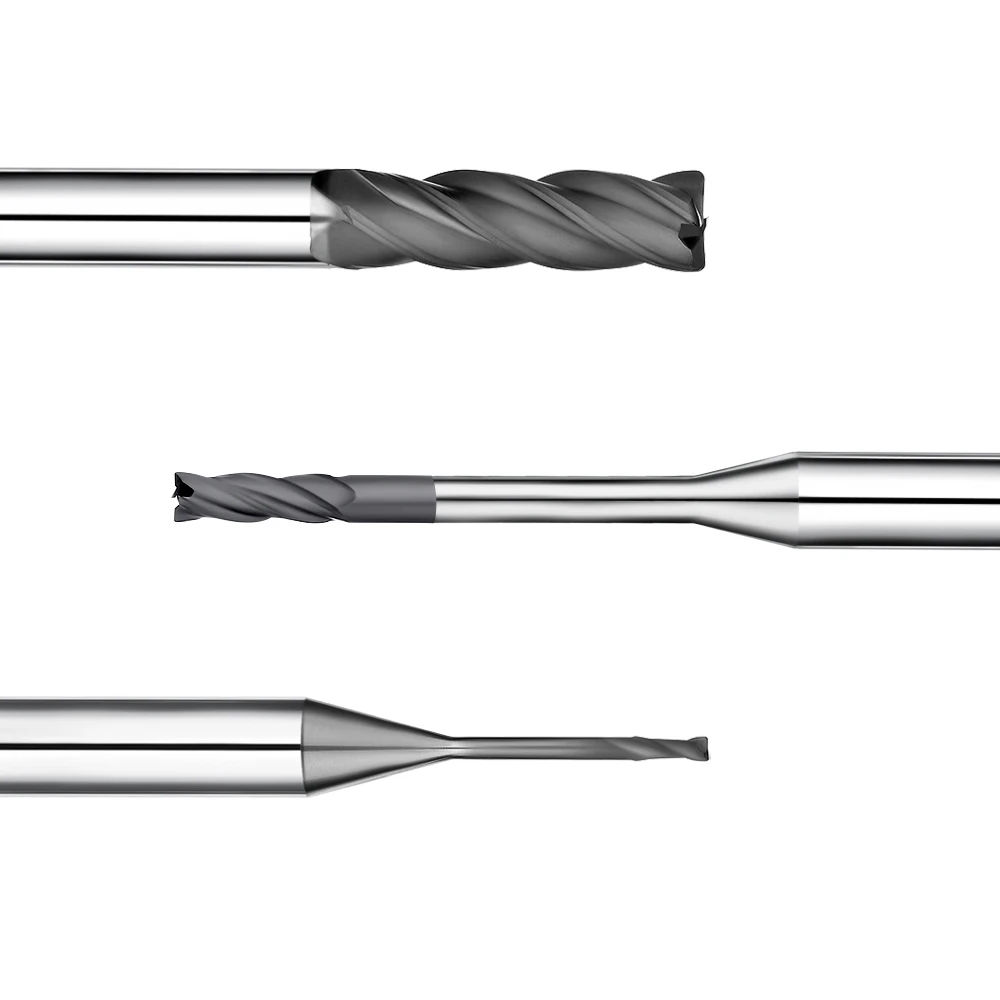
When providing graphite electrodes and precision graphite component machining solutions, we often see a critical issue that shop managers overlook. Even after optimizing cutting dimensions, surface finish, and tool life, large amounts of graphite dust still accumulate inside the equipment during long production runs. Over time, this uncontrolled dust environment severely compromises overall machining stability.
We recently served a mold-making customer specializing in EDM graphite electrodes. During high-volume batch production, the initial results were excellent. However, as fine dust built up on machine internals, fixtures, and linear guideways, cutting conditions deteriorated. Consequently, the wear rate of their graphite end mills accelerated, causing dimensional fluctuations in micro-features and ruining electrode consistency.
Our engineering analysis shows that dust control in graphite machining is far more than a simple housekeeping issue. Because graphite is extremely brittle, high-speed milling pulverizes the material into vast quantities of fine airborne particles. Without targeted dust management, this fine powder coats the cutting zone, impairs tool engagement, and causes frequent equipment maintenance.
To solve this, we integrate dedicated graphite dust extraction systems into the core machining setup. Optimizing milling parameters—such as spindle speed, feed rate, depth of cut, and toolpath strategy—drastically cuts down dust generation at the source. When paired with high-performance carbide end mills, this holistic approach accelerates chip evacuation and extends tool life significantly.
Achieving reliable results in graphite machining requires more than just buying a sharp cutter or a high-speed machine. True process stability demands a balanced integration of material properties, end mill geometry, cutting parameters, and active dust control systems. As experienced CNC engineers, our goal is helping shops build repeatable, long-term production workflows rather than fixing one-off errors.
Therefore, when choosing a supplier for graphite end mills, look beyond basic specs like diamond coating hardness or tool tolerance. It is equally essential to evaluate whether the partner offers real-world experience in optimizing complete graphite machining systems. A trusted supplier should deliver actionable, application-specific recommendations that keep your operations clean, precise, and profitable.
Have you noticed shortened tool life, dimensional drift, or heavy dust accumulation inside your CNC equipment during daily operations? These subtle issues can silently undermine your shop’s overall throughput and precision over time.
By upgrading your dust control setup and refining your tooling parameters, you can eliminate environmental interference and protect your equipment. Partnering with experienced graphite machining specialists ensures your shop maintains consistent tolerances while maximizing the lifespan of every cutting tool.
The Importance of Graphite Dust Control in CNC Graphite Machining
In our engineering practice with EDM electrode manufacturers, graphite dust control continuously proves to be a decisive factor for stable production. We once assisted a mold shop struggling with batch production issues. Although their graphite end mills and cutting parameters initially met tolerances, accumulated dust gradually fouled the machine internals. This environmental degradation led to severe dimensional drift and accelerated tool wear on micro-features.
Effective dust management is far more than routine housekeeping; it directly governs overall CNC graphite machining stability. Drawing from years of shop-floor experience, high-quality results depend on a clean operating environment and efficient chip evacuation just as much as premium tooling. Incorporating dust mitigation into process design protects machine accuracy and ensures long-term process repeatability for complex components.
Graphite Dust Generation: Primary Causes During Machining
Through extensive testing, we found that dust volume depends heavily on material properties, cutter engagement, and feed rates. Because graphite is extremely brittle, high-speed milling inherently shatters the material into micro-particles. This continuous fine powder generation is especially severe during deep-cavity roughing and high-speed contouring passes, where particles quickly saturate the cutting zone.
Optimizing CNC graphite machining processes requires balancing spindle speeds, feed rates, chip loads, and toolpath strategies. Excessive cutting forces increase micro-cracking and generate higher volumes of airborne dust. Rather than relying on rigid, off-the-shelf speeds and feeds, we custom-tune cutting parameters for specific graphite grades to reduce dust generation right at the source.
The Impact of Graphite Dust on Precision, Surface Quality, and Machine Stability
In high-precision graphite component projects, shops often experience surface roughness spikes and dimensional instability despite using premium diamond-coated cutters. Field analysis usually reveals that airborne dust is the real culprit. Fine graphite particles stick to workpieces, zero-point fixtures, and linear guideways, causing subtle positioning errors that ruin tight-tolerance work over time.
For precision graphite electrode and semiconductor applications, uncontrolled dust directly impairs part quality and shortens equipment life. A heavy dust layer acts as an abrasive, dulling sharp cutting edges prematurely and increasing spindle wear. A successful graphite machining strategy must account for surface finish, tool longevity, and preventive machine maintenance simultaneously.
Why Graphite Machining Systems Require Integrated Dust Extraction
Relying solely on manual blow-downs or vacuuming is ineffective for continuous batch production. Modern graphite machining systems require high-efficiency dust extraction units directly integrated with the CNC machine enclosure. Capturing airborne particles right at the cutting interface prevents dust from settling on sensitive machine components, preserving both accuracy and shop air quality.
Optimal dust extraction configurations vary based on machine enclosure style, graphite density, and production cycle times. High-speed roughing demands maximum suction volume, whereas ultra-precision finishing requires smooth airflow that does not disturb delicate thin-walled structures. Implementing a robust dust management system is the final step in ensuring maximum machine uptime and consistent part quality.
How Graphite Dust Affects Graphite End Mill Performance and Machining Efficiency
In high-precision graphite component and electrode production, early tool failure is rarely caused by poor tool quality alone. During a recent optimization project for an EDM mold maker, the customer reported surface chatter and frequent tool replacements after continuous runs. Our on-site inspection revealed that accumulated fine dust was clogging the cutting zone, exposing the cutting edges to severe, abnormal abrasion.
For highly abrasive materials like graphite, tool selection and dust control must be optimized together. When fine particles remain trapped in the cut, they cause secondary cutting and increase thermal friction along the tool flanks. In practical CNC graphite machining, we adjust flute geometry, clearance angles, and feed rates holistically rather than simply switching to a harder substrate.
The Impact of Graphite Dust on Graphite End Mill Wear Mechanisms
Our shop floor testing shows that graphite end mill wear stems from continuous micro-abrasion as much as cutting speeds or material hardness. During deep-cavity roughing or micro-electrode milling, stagnant dust lingers in the pocket. This abrasive slurry accelerates side-margin wear and dulls sharp cutting edges prematurely.
Optimizing dust evacuation paths and air-blast cooling drastically improves tool life and process stability. When selecting end mills for high-speed graphite machining, we prioritize polished flute designs and high-rake edge geometries. These features promote fast chip evacuation, preventing fine powder from recirculating and damaging the tool’s primary relief angle.
How Diamond Coated Graphite End Mills Enhance Wear Resistance and Machining Stability
For high-purity graphite electrodes requiring tight tolerances, diamond coated graphite end mills are essential. Standard carbide cutters dull rapidly under continuous abrasive friction, leading to dimensional drift. In contrast, premium CVD diamond coatings withstand heavy particle abrasion, maintaining razor-sharp edges and consistent cutting forces throughout long automated runs.
However, advanced coatings are not a silver bullet if dust extraction is ignored. Even the best diamond-coated end mills will degrade if trapped dust increases friction and cutting temperatures. We always pair coated tooling with optimized chip loads and tailored dust collection to ensure maximum tool longevity and immaculate surface finishes.
How a Graphite Milling Cutter Supplier Helps Optimize Tool Selection
In our engineering practice, we often find that machining failures stem from misaligned tool geometry rather than defective cutters. Roughing operations require maximum flute space for high-volume material removal, whereas fine micro-contouring demands specific helix angles to eliminate vibration. Selecting the right cutter requires matching tool geometry to actual machine dynamics.
A knowledgeable graphite milling cutter supplier must offer practical application engineering rather than just catalog parts. By evaluating material density, spindle capabilities, pocket depth, and target tolerances, we help clients establish repeatable machining recipes. Partnering with experienced tooling specialists ensures you choose the right cutter for your exact operating conditions, avoiding costly trial-and-error.
Graphite Dust Extraction Solutions for Graphite Machining Systems
In our experience machining graphite electrodes, mold components, and semiconductor parts, many production bottlenecks stem from poor environmental control rather than failing tooling. We once assisted a shop running long-batch CNC graphite machining runs where initial accuracy was high, but accumulated dust quickly fouled the enclosure. This forced constant shutdowns for cleaning and created frustrating batch-to-batch dimensional inconsistency.
To solve this, we engineer graphite machining systems that treat dust collection, cutting dynamics, and machine protection as a unified setup. Effective dust management prevents fine particles from contaminating zero-point fixtures and linear guides while keeping cutting performance stable. For continuous production, establishing a customized dust control protocol is far more critical than relying on post-machining cleanups.
Vacuum Dust Removal and Management Strategies for CNC Graphite Machining
On the shop floor, effective dust removal strategies depend on graphite grade, machine enclosure design, and milling intensity. High-speed roughing and deep-cavity milling generate massive volumes of fine powder that standard air blasts cannot handle. For precision graphite machining projects, we integrate high-volume vacuum collection systems directly at the spindle to capture particles before they escape into the work envelope.
However, effective dust management requires more than just high suction volume. Excessive air velocity can cause thermal fluctuations or disturb thin-walled electrodes, while weak suction allows abrasive dust to settle on critical machine ways. When tuning CNC graphite machining processes, we adjust vacuum hood alignment, air velocity, and toolpath motion together to maintain a clean, thermally stable cutting zone.
Reducing Machine Contamination and Maintenance Costs with Graphite Dust Extraction Systems
We optimized a production line for an electrode supplier who previously halted machines every few hours to vacuum out internal dust. These frequent interruptions tanked equipment utilization and drove up labor costs. By integrating a high-efficiency graphite dust extraction system and refining air-blast timing, we drastically reduced internal particle buildup, doubling their machine uptime between maintenance intervals.
In long-term production, an integrated extraction system protects linear guideways, ball screws, and spindle seals from premature abrasive wear. Because every machine enclosure and graphite grade behaves differently, we design customized extraction hoods and suction paths. Tailoring the setup to specific part geometries ensures consistent protection without interfering with automated tool changes.
Enhancing Machining Reliability through Comprehensive Graphite Machining Solutions
Achieving stable graphite machining requires a holistic approach that connects tool selection, cutting parameters, and environmental management. When machining high-precision EDM electrodes, we evaluate diamond-coated end mill geometry alongside dust evacuation efficiency and surface finish specs. Treating these elements as an interconnected system eliminates unpredictable process variables.
When designing custom graphite machining solutions, we start by identifying floor-level bottlenecks—whether that means rapid tool wear, dimensional drift, or high maintenance overhead. A modern machining strategy should give engineers total control over their production workflow rather than solving temporary issues on a single part run.
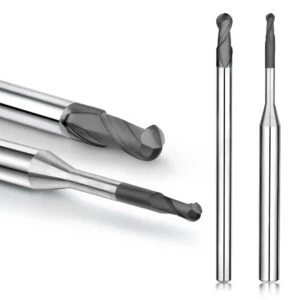
Graphite Machining Process Optimization: Reducing Dust Generation through Process Optimization
In graphite electrode manufacturing, we often observe different shops achieving radically different results using identical machines and tools. While one shop maintains smooth operations, another suffers from severe dust clouds, rapid tool wear, and poor surface finishes. Our field investigations show that beyond tooling hardware, the specific combination of cutting parameters determines overall dust volume and machining success.
Process optimization in graphite machining requires evaluating material density, part geometry, machine rigidity, and cutter specs holistically. Roughing passes must emphasize high material removal rates and fast dust extraction, whereas finishing passes require tight vibration control for fine surface finishes. Suppressing dust generation through smart parameter selection stabilizes the entire process without sacrificing cutting efficiency.
The Impact of Graphite Milling Parameters on Dust Generation and Machining Quality
When auditing shop floor performance, graphite milling parameters are always the first variable we examine. One customer machining large graphite electrodes experienced excessive fine dust and severe corner chipping along part edges. Our analysis revealed that their aggressive step-over and heavy cutting load were crushing the brittle material instead of shearing it cleanly, causing heavy dust buildup.
Spindle speed, feed rate, depth of cut, and toolpath strategy directly dictate cutting forces and chip formation. In precision graphite machining, reducing the chip load slightly can minimize airborne dust and eliminate edge micro-chipping. Rather than using static handbook values, speeds and feeds must be custom-tuned to match specific graphite grades and target tolerances.
Optimizing Spindle Speed, Feed Rate, and Cutting Depth to Enhance CNC Graphite Machining Efficiency
Optimizing spindle speed, feed rate, and axial depth of cut requires balancing tool limits against machine dynamics. While optimizing a precision EDM electrode job, we found the client’s deep axial cuts generated massive dust clouds that choked their vacuum hoods. By reducing axial depth and increasing table feed rates, we maintained overall cycle time while drastically improving process stability and air clarity.
For high-volume production, consistent repeatability is far more valuable than short bursts of aggressive cutting. We fine-tune parameters based on cutter diameter, flute count, diamond coating type, and feature thinness. Small micro-electrodes demand strict chatter control, whereas bulk roughing demands high material removal efficiency paired with high-volume dust collection.
How CNC Graphite Machining Engineers Adjust Strategies Based on Material Characteristics
Different graphite grades behave uniquely under the spindle, even when designed for similar applications. Isostatic, extruded, and semiconductor-grade graphites vary significantly in grain size, shore hardness, and flexural strength. As an experienced CNC graphite machining engineer, relying on material labels alone is never enough—strategies must adapt to real-time cutting feedback.
On the shop floor, we monitor tool flank wear, airborne dust patterns, and dimensional drift to fine-tune operations continuously. A sudden increase in fine dust typically signals edge dulling or poor chip clearance, requiring immediate feed adjustments. Success in complex graphite production comes from refining these subtle process details over time rather than relying on a single initial setup.
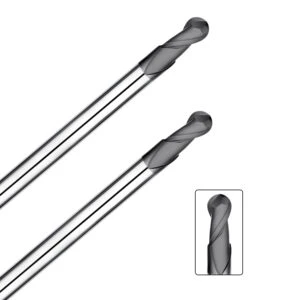
Dust Control Practices Across Various Graphite Machining Applications
In our engineering projects, dust management requirements vary significantly across different industrial sectors. EDM sinker electrode production prioritizes corner radius integrity and dimensional stability, mold machining demands tight tolerances on complex geometries, and semiconductor graphite components require cleanroom-grade environmental control. Rather than applying a blanket approach, we tailor dust collection strategies to specific material grades, part designs, and production volumes.
Effective dust management is an integrated process rather than an isolated housekeeping task. Tool selection, cutting parameters, and machine enclosure airflow must work in harmony to control fine particles. Customizing these variables for specific applications minimizes tool wear, eliminates dimensional drift, and ensures repeatable results across every CNC machining cycle.
Dust Control Strategies for Graphite Electrode Machining
When supporting mold shops with graphite electrode machining, balancing high material removal rates with tight tolerances is a constant challenge. In one high-volume production project, initial electrodes were perfectly within spec, but accumulated airborne dust gradually degraded cutting conditions. This fine powder layer caused microscopic corner erosion on the tools, spoiling delicate electrode features.
To resolve this issue, we optimize tool geometries, cutting parameters, and vacuum extraction methods simultaneously. Selecting sharp, high-clearance graphite end mills combined with balanced feed rates prevents dust accumulation in deep cavities. For electrode manufacturers requiring strict batch-to-batch repeatability, maintaining a pristine cutting environment is far more important than chasing aggressive cycle times.
High-Precision Dust Management Solutions for Graphite Mold Machining
In graphite mold manufacturing, complex feature geometries directly increase the difficulty of dust collection. Deep pockets, tight ribs, and intricate 3D contours create enclosed cutting zones where abrasive particles easily get trapped. If fine dust is not removed immediately, it causes secondary cutting, damaging surface finishes and adding costly manual bench work.
For high-precision mold applications, we combine dynamic toolpath planning with localized vacuum extraction. Strategically programming air-blast paths and cutter step-overs sweeps dust out of tight cavities before it can recirculate. This holistic approach protects delicate mold features, improves surface consistency, and keeps machine guideways free from abrasive particle buildup.
Clean Machining Requirements for Semiconductor Graphite Parts
Manufacturing components for semiconductor processing equipment requires ultra-pure graphite grades and strict contamination control. Beyond achieving tight micron-level dimensions, shops must eliminate surface particle embedment that could compromise downstream processing. Prolonged exposure to airborne dust during milling degrades fine surface finishes and complicates post-machining cleaning protocols.
When producing precision graphite parts for semiconductor applications, environmental management takes center stage. We utilize specialized graphite machining systems equipped with high-efficiency containment hoods and customized vacuum toolpaths to extract particles instantly at the cutting edge. Maintaining strict process stability and environmental cleanliness ultimately guarantees the high quality these demanding applications require.

Optimizing the Graphite Machining Process through Graphite End Mill Selection
In our practical shop-floor experience, inconsistent results during graphite machining rarely stem from machine errors or material defects alone. More often, they trace back to an improper match between tool geometry and the application. While off-the-shelf tools may work fine for shallow milling, deep-cavity work quickly reveals issues like severe dust packing, poor evacuation, and rapid edge wear that compromise stability.
Because graphite shatters into abrasive dust, the cutter acts as both a material removal tool and an evacuation channel. Optimizing the overall process requires evaluating tool diameter, flute count, helix angle, and coating specs together rather than just picking the hardest carbide available. For engineers seeking long-term repeatability, selecting the right graphite end mill is the true foundation for success.
The Impact of Graphite Milling Cutter Structure on Dust Evacuation
Cutter geometry directly dictates how efficiently abrasive particles clear the cutting zone. During heavy roughing passes, narrow flutes trap dust, increasing cutting forces and heat build-up. Conversely, using an overly open flute design on small micro-electrodes reduces core strength, inviting chatter, vibration, and premature edge chipping.
To maintain process control, we match tool structures to specific features, depths, and surface requirements. Open flute geometries with wide gullets excel in roughing by clearing massive dust volumes quickly. For finishing passes, a stiffer core with optimized chip-clearance channels balances vibration damping with dust evacuation, preserving edge sharpness over long runs.
Selecting the Right Flute Count, Helix Angle, and Coating to Enhance Machining Stability
Flute count, helix angle, and surface coatings directly govern cutting forces and dust evacuation efficiency. A customer milling delicate thin-walled electrodes once struggled with chatter and dust pack-up using standard multi-flute end mills. Switching to a customized tool geometry with wider flute valleys immediately stabilized cutting action and improved dust flow.
There is no universal tool specification that covers every graphite application. Lower flute counts provide superior dust clearance, optimized helix angles smooth out entry impact, and premium diamond coatings drastically reduce abrasive flank wear. When selecting a graphite end mill, matching tool geometry to actual cutting dynamics always yields better results than relying on catalog specs alone.
Graphite Milling Cutter Suppliers Providing Customized Machining Solutions
Many shop-floor bottlenecks occur not from a shortage of cutting tools, but from a lack of application-specific engineering. High-speed roughing of large mold blocks demands high material removal rates, whereas thin-rib electrode contouring requires minimal tool deflection and maximum vibration damping. Long tool overhangs in deep cavities further complicate these requirements.
A qualified graphite milling cutter supplier should act as an application engineering partner rather than a simple tool vendor. By analyzing machine rigidity, graphite grade, pocket depth, and shop-floor constraints, we deliver tailored tooling setups and optimized cutting parameters. Partnering with experienced tooling engineers gives shops a distinct competitive edge, ensuring maximum productivity and consistent part precision.

Achieving Highly Stable CNC Graphite Machining with a Graphite Machining System
Through years of machining graphite electrodes, mold cores, and semiconductor components, we know process stability depends on a complete system rather than isolated tools. Problems like dust interference, short cutter life, or accuracy drift require an end-to-end evaluation of your shop’s entire workflow. Building a reliable setup demands integrating dust management, tool selection, parameter tuning, and machine maintenance into a unified strategy.
If your shop faces rapid tool wear, excessive airborne dust, or inconsistent batch quality, review your workflow to ensure it functions as a closed-loop system. Does your graphite machining system feature effective dust capture at the spindle? Are your graphite end mills properly matched to your material grade and feature depths? Addressing these interconnected details guarantees long-term, repeatable production success.
Summary: Enhancing Machining Precision and Efficiency through Graphite Dust Control
In precision manufacturing, graphite dust control is far more than a simple cleanup task; it directly governs part accuracy and machining efficiency. As we have demonstrated, uncontrolled dust degrades tool edges, fouls linear ways, and destabilizes the cutting zone. Implementing targeted dust capture keeps machine internals clean while maintaining optimal cutting conditions for delicate geometries.
If you produce tight-tolerance EDM electrodes or complex mold inserts, audit your current vacuum extraction setups, chip clearing paths, and enclosure airflow. Because dust mitigation varies by part design and material density, tailor your extraction strategy using real shop-floor data. Taking an active, application-specific approach yields far better results than copying generic handbook methods.
Summary: Optimization Logic for Graphite End Mills and Milling Parameters
Tool selection and parameter optimization are inextricably linked in high-performance milling. Even a premium diamond-coated graphite end mill will underperform if flute geometry, helix angles, and cutting speeds are misaligned with your actual setup. Successful process optimization requires evaluating cutter design, material hardness, stock allowance, and tolerance requirements simultaneously.
To boost overall shop throughput, begin by analyzing current floor data—including tool wear rates, surface finish values, dust volume, and dimensional trends. Using these empirical insights, incrementally fine-tune your feed rates, step-overs, and spindle speeds. Data-driven adjustments deliver far more stable, predictable long-term results than simply pushing speeds and feeds to their limits.
Partnering with a Specialized Graphite Milling Cutter Supplier for a Long-Term Machining Solution
A dependable supplier relationship goes beyond ordering standard tools from a catalog; it requires a partner who understands real-world manufacturing challenges. When clients face rapid wear, poor surface finishes, or complex geometric features, we analyze material specs, machine rigidity, and part prints to engineer a complete solution rather than prescribing a one-size-fits-all cutter.
If you are upgrading your production line, gather your current tool life logs, cutting parameters, and material grades for a technical review with an experienced graphite milling cutter supplier. Evaluating actual operating conditions and part blueprints together unveils immediate optimization opportunities. Ultimately, the true goal in graphite machining is establishing a robust system that delivers consistent precision, run after run.
FAQ: Dust Control in Graphite Machining
During client technical consultations, questions about dust control arise at almost every stage of process planning. While machine operators initially focus on cutter grades, spindle speeds, or linear scale precision, airborne dust often becomes the hidden variable undermining process stability over time. This is especially true in batch production of EDM electrodes, semiconductor parts, and mold inserts, where airborne powder directly dictates part consistency and maintenance cycles.
Solving dust challenges requires evaluating the cutting tool, machine enclosure, and parameter strategy as an interconnected system. Simply cranking up vacuum suction capacity will not fix a poor toolpath or an inappropriate cutter design. We compiled these practical FAQs to help engineers in CNC graphite machining quickly pinpoint immediate optimization opportunities.
Why is graphite dust control important in CNC graphite machining?
In our engineering practice, effective dust control is the cornerstone of long-term process repeatability. High-speed milling shatters brittle graphite into fine airborne particles that quickly coat workpieces, zero-point fixtures, and machine guideways. Left unmanaged, this abrasive layer degrades cutting conditions and introduces positioning errors.
For precision electrode production, active dust mitigation maintains tight tolerances across long unattended shifts. Preventing dust accumulation eliminates the need for constant tool-offset adjustments caused by particulate contamination inside the enclosure. Clean operation protects your machine tool while maintaining pristine part accuracy.
How does graphite dust affect graphite end mill tool life?
Graphite dust degrades tool life primarily through continuous micro-abrasion. Although individual particles are minute, they constantly recirculate in the cut during high-speed machining, wearing away the cutter’s relief angles. This abrasive friction accelerates flank wear, especially during deep-pocketing or when using small micro-end mills.
If your tools perform well initially but suffer rapid dimensional drift midway through a production batch, trapped dust is often the primary cause. Rather than blaming tool quality alone, evaluate whether inadequate dust clearance is causing secondary cutting and thermal friction at the cutting edge.
What is the best graphite dust extraction system for graphite machining?
There is no universal, one-size-fits-all vacuum solution for every shop environment. Airflow requirements vary depending on machine enclosure style, cycle times, graphite material density, and feature geometry. High-volume roughing of large mold blocks requires massive suction volume, whereas delicate micro-milling requires smooth, localized capture that won’t disturb thin features.
When choosing a graphite dust extraction system, evaluate pickup hood geometry, filtration efficiency, and ease of filter maintenance. We recommend designing dust collection into your primary CNC setup from day one, rather than treating vacuum containment as an afterthought or manual cleanup step.
How can graphite milling parameters reduce dust generation?
Fine-tuning your speeds and feeds can significantly cut down dust volume at the source. Dust generation is driven by spindle speed, feed per tooth, depth of cut, and step-over strategies. Overloading the cutter causes the brittle substrate to fracture into fine dust rather than shearing into manageable chips.
When tuning CNC graphite machining processes, analyze your current chip load, dust dispersion, and tool wear patterns first. Incrementally adjusting axial depth and feed rates helps identify the sweet spot where material removes cleanly with minimal powder generation. Customizing your graphite milling parameters protects your tooling and keeps your shop environment clean.