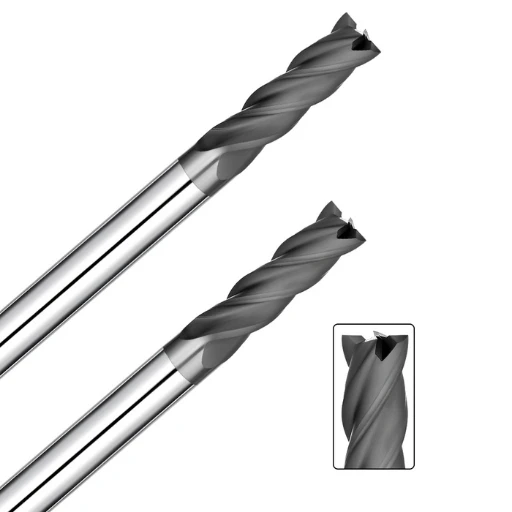
We once solved a classic challenge for a client in the precision injection mold sector. They needed complex graphite electrodes for automotive electronic components. The project demanded high cavity consistency after EDM and a much faster production cycle.
However, shop-floor graphite machining is never as simple as entering theoretical CAM parameters. Tool wear, graphite dust control, surface finish, and dimensional stability directly impact final mold performance.
Many mold manufacturers recognize the unique benefits of graphite. It offers excellent discharge performance, low wear rates, and excels in complex cavity machining. Yet, achieving stable mass production requires more than just high-speed CNC machines. It demands a highly integrated graphite machining system.
Through years of hands-on shop experience, we know that success depends on five pillars. Material selection, machining strategies, tool design, parameter optimization, and dust management are all critical. Among these, choosing the right graphite end mills is the single most important factor for efficiency.
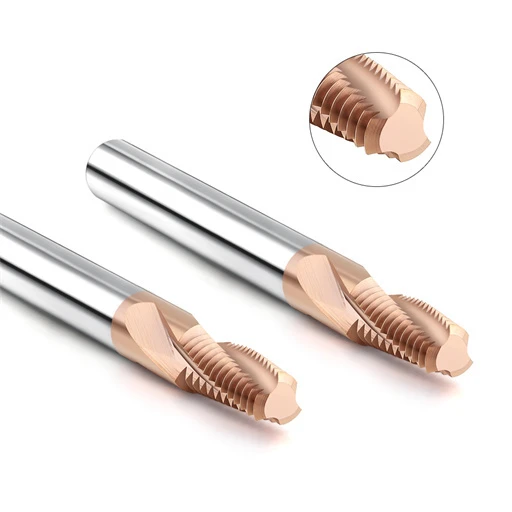
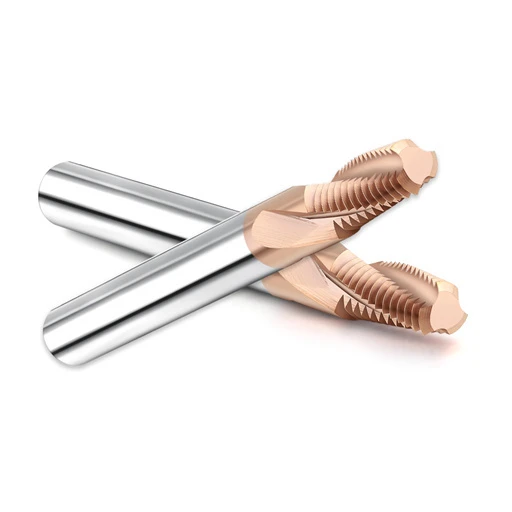
In high-precision mold manufacturing, standard cutters fail quickly. Specially designed diamond-coated graphite end mills are essential to combat the abrasive nature of graphite. These tools dramatically reduce wear, enhance machining stability, and ensure strict electrode tolerances.
For the injection mold industry, these electrodes are the vital link between CNC machining and EDM. Every stage—from heavy roughing to detail finishing—requires dedicated tooling. This setup ensures the strict dimensional consistency demanded by automotive and electronic components.
Drawing on years of collaboration with mold makers and EDM specialists, we developed a proven methodology. Our comprehensive graphite machining systems focus on the entire process, not just selling a tool. We help shops resolve real bottlenecks in cycle times, tool life, and process reliability.
If your shop struggles with low efficiency, unpredictable tool life, or poor electrode precision, let’s talk. You may need more than just a different cutter. Your entire graphite mold machining process might need a systematic upgrade.
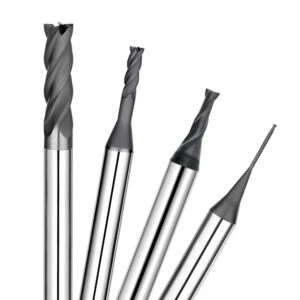
The Value of Graphite Mold Machining in Injection Mold Manufacturing
We once helped an automotive molder struggling with long cycle times for interior trim molds. Their complex cavities made it difficult to balance milling speed with fine detail. By optimizing their graphite mold machining workflow and tooling, we achieved precise, consistent electrode profiles. This upgrade significantly cut down on costly manual adjustments during the sinker EDM phase.
In precision mold making, graphite is more than just a raw material; it is the critical bridge between CNC milling and EDM. For high-tolerance automotive and electronic connector molds, consistent machining quality is vital. It directly reduces mold trial times, minimizes scrap rates, and ensures predictable delivery schedules.
How Graphite Mold Machining Meets the Demands of Precision Injection Molds
In high-precision mold shops, electrode success relies on three metrics: dimensional consistency, sharp edge integrity, and surface finish. Any micro-defect in the graphite electrode will replicate in the steel cavity during EDM. That is why we tailor our milling paths specifically to the electrode’s geometry and the grade of the graphite.
For tight-tolerance projects, process stability must always come before sheer cutting speed. When milling deep, narrow slots, we focus heavily on tool rigidity, overhang, and efficient dust evacuation. Choosing the right cutters designed for graphite electrode machining is essential to prevent part deflection and tool breakage.
The Core Role of Graphite Electrode Machining in EDM Mold Production
Our clients care about the finished steel cavity, which means the graphite electrode must perform flawlessly during EDM. Consistent electrode dimensions are critical, especially when running multi-stage burns with roughing and finishing electrodes. Even minor deviations can ruin a high-value mold core and derail your production schedule.
For a recent multi-cavity electronics mold project, we solved severe edge chipping issues on thin-rib electrodes. We swapped standard tooling for specialized diamond-coated cutters and adjusted the feed rates. For micro-feature molds, optimizing the tool path and matching the tool to the graphite grade is always better than simply changing speeds.
Why More Mold Manufacturers Are Adopting Graphite Machining Systems
Top-tier mold shops are moving away from buying isolated tools and are instead investing in complete graphite machining systems. Graphite milling is a sensitive process where machine rigidity, dust extraction, and tool wear are deeply interconnected. Managing these elements as a single, unified system is the only way to guarantee stable, automated production.
Every shop has different priorities, whether it is maximizing throughput or holding sub-micron tolerances. We analyze your CNC machine capabilities, graphite grades, and part geometries to build a tailored process. If you want to scale up your graphite mold machining capabilities, optimizing your entire system yields a far higher return than just swapping out a single cutter.
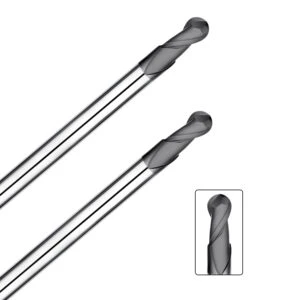
The Complete Workflow of the Graphite Machining System for Injection Mold Graphite Electrodes
We often see machining issues that do not stem from a single setup, but rather from poor transitions between production stages. For example, a connector mold shop struggled with rapid tool wear and dimensional drift during EDM. Our shop-floor analysis revealed the root cause was not just the cutters, but a lack of coordination between material prep, toolpath planning, and finishing.
To prevent these bottlenecks, we optimize the graphite machining system as a unified, holistic process. Every step—from raw material selection and structural analysis to CNC milling and final QC—impacts how the electrode performs during sinker EDM. For shops looking to scale, establishing a stable, repeatable process is far more valuable than simply chasing faster spindle speeds.
The Machining Workflow from Graphite Block to EDM Electrode
We always begin by matching the graphite grade—such as grain size and flexural strength—to the specific mold design and EDM requirements. Transforming a raw block into a finished electrode requires a clear, multi-stage strategy of roughing, semi-finishing, and finishing. Managing stepovers and stock allowances correctly at each stage prevents tool deflection and ensures excellent dimensional stability.
We once optimized deep-cavity electrodes for an automotive molder who was skipping semi-finishing, causing massive spikes in finish tool wear. By introducing a dedicated semi-finishing pass and a strict inspection protocol, we stabilized the entire graphite electrode machining process. For high-tolerance work, managing this block-to-electrode workflow is key to achieving predictable EDM results.
Key Steps in CNC Graphite Machining for Mold Electrodes
When milling mold electrodes, we focus on three core metrics: material removal rate (MRR), detail preservation, and surface finish. Roughing is all about bulk removal, requiring smooth chip evacuation and minimal shock loads on the machine spindle. Finishing, however, demands extreme edge integrity, especially when cutting thin ribs, tight radii, and complex 3D profiles.
Successful graphite electrode machining requires more than high-speed CNC centers; it demands optimized toolpaths and aggressive dust control. Letting highly abrasive graphite dust escape will prematurely wear out your machine guides and ball screws, ruining long-term precision. Therefore, our programming strategies balance cutting efficiency with machine maintenance and overall tool life.
The Impact of High-Precision Graphite Machining Tools on Quality
Years of running production have taught us that cutting tool selection is the ultimate deciding factor in electrode quality. Tool requirements change dramatically depending on the graphite grade, electrode geometry, and the machining stage. Small, detailed electrodes require exceptional cutting-edge sharpness, while large roughing electrodes require maximum abrasive wear resistance.
To meet these demanding tolerances, we carefully match the tool diameter, flute geometry, and specialized diamond coatings to the job. Tool-to-tool consistency is vital for lights-out manufacturing, as it directly impacts your ability to run unattended. When sourcing graphite machining tools, look beyond the initial price tag; prioritize long-term coating adhesion and batch-to-batch consistency.

Key Technical Requirements for Graphite Mold Machining in Injection Molds
We once worked on a high-precision electronic connector mold where the machined electrodes looked perfect on the CNC table. However, the final EDM steel cavities failed to replicate some micro-details. Our post-mortem analysis revealed the issue was not the EDM burn parameters. Instead, subtle micro-chipping and surface degradation during the graphite mold machining stage were to blame.
In injection mold manufacturing, success requires a careful balance between aggressive cutting feeds and strict geometric control. Simple electrodes allow for faster metal removal rates, but complex cavities with thin ribs demand absolute process stability. Every phase of your machining strategy must focus on minimizing tool deflection. This discipline is the only way to avoid costly, time-consuming manual benchwork during mold assembly.
The Impact of Graphite Machining Accuracy on EDM Precision
In precision toolrooms, a graphite electrode can pass basic micrometer checks but still fail to deliver acceptable EDM cavity tolerances. This discrepancy occurs because sinker EDM performance depends heavily on the electrode’s overall 3D profile and edge crispness. Improving your graphite mold machining accuracy is not just about meeting blueprint specs; it is about making your EDM burns highly predictable.
For automotive and medical device molds, even a 5 μm deviation can ruin a seal or flash a plastic part. We combat this by carefully managing finishing allowances and using specialized high-speed toolpaths. Integrating on-machine inspection probes before removing the electrode from the fixture is another excellent way to lock in EDM precision.
The Relationship Between Graphite Surface Quality and EDM Efficiency
Many shops crank up their CNC feed rates to shorten cycle times, only to pay the price later in the EDM department. Poor surface finishes, visible tool marks, and micro-burrs on the electrode act as focal points for unstable electrical discharges. These surface defects trigger frequent EDM arc-overs, forcing the generator to back off and drastically slowing down the burn rate.
When executing high-end graphite mold machining projects, we always tailor our finishing passes to ensure a uniform matte finish. We reduce the chip load per tooth and use high-helix finishing cutters to cleanly shear the abrasive graphite particles. A stable, pristine electrode surface prevents arcing, speeds up EDM cycle times, and eliminates manual polishing.
Minimizing Tool Wear and Machining Errors in Graphite Machining
Rapid tool wear is the primary source of dimensional drift in graphite shops, but it is rarely caused by a single variable. For example, pushing large depths of cut to save time often backfires. Due to graphite’s brittle nature, excessive cutting forces lead to severe tool deflection, accelerated flank wear, and corner chipping on the electrode.
To solve this, we recommend a systemic approach that combines optimized chip loads, aggressive vacuum dust extraction, and premium diamond-coated cutters. Keeping the cutting zone clear of abrasive dust prevents the regrinding of graphite chips, which greatly extends tool life. By stabilizing the machining environment, you can maintain tight tolerances across long, unattended production runs.

Graphite End Mill Selection: Tooling Strategies for Injection Mold Making
We once solved a major bottleneck for a shop milling high-volume connector mold electrodes. They were using standard, uncoated carbide tools that worked fine for short runs but failed rapidly under increased production. This mismatch caused severe dimensional drift, rough surface finishes, and ruined electrode edges. Our shop audit showed the machine was capable, but the cutting tools were completely wrong for the abrasive nature of graphite.
Selecting the right graphite end mill requires analyzing electrode geometry, graphite grade, and your specific tolerance limits. It is never about simply buying the most expensive cutter; it is about matching tool geometry to the cutting stage. Roughing requires maximum material removal rates, while finishing demands ultimate cutting-edge stability. Through years of project management, we have proved that a targeted tooling strategy always yields the lowest cost per part.
Key Factors to Consider When Selecting Graphite End Mills
When optimizing a client’s process, we evaluate the graphite’s grain size, electrode design, cut depth, and spindle capabilities. Different graphite grades have unique abrasive properties and flexural strengths. Without matching the graphite end mills to the material grade, you will run into severe edge chipping and harmonic vibrations, even with perfect CAM paths.
For complex electrodes with deep cavities or micro-ribs, tool rigidity and chip clearance are paramount. Factors like flute count, neck relief, and core diameter directly influence tool deflection during high-feed milling. We advise our peers to look beyond the initial trial of a single cutter. Instead, measure long-term metrics like batch-to-batch tool life and dimensional repeatability.
Carbide vs. Diamond-Coated Graphite End Mills
In daily production, tool material selection depends entirely on your production volume and tolerance requirements. For short runs or low-precision electrodes, budget-friendly uncoated carbide cutters can get the job done. However, when running continuous, lights-out production or holding tight tolerances, tool wear rates become your biggest enemy.
For demanding EDM projects, we exclusively run diamond-coated graphite end mills designed specifically for abrasive carbon. These specialized tools feature thin, ultra-hard diamond coatings that maintain a sharp cutting edge up to 10 times longer than uncoated carbide. While the upfront cost is higher, the massive reduction in machine downtime and scrap parts makes diamond tools the most economical choice.
Selecting Graphite Milling Cutters for Roughing, Semi-Finishing, and Finishing
High-performance graphite machining requires a structured, multi-tool approach. In the roughing phase, your tool must handle high metal removal rates and clear abrasive dust quickly without packing the flutes. Semi-finishing then steps down to establish a uniform stock allowance, preparing the workpiece for the final, critical finishing pass.
We never use a single tool specification to run an entire electrode from start to finish. Roughing calls for strong, corner-radius cutters to withstand high impact forces. Finishing demands high-helix, multi-flute graphite end mills that cleanly shear the material for perfect edge integrity. This logical tool progression minimizes premature wear and guarantees that your electrodes perform flawlessly in the EDM tank.
Diamond Coated Graphite End Mills Boost Graphite Mold Machining Efficiency
We once partnered with a high-precision mold shop where uncoated carbide cutters were wearing out after milling just two or three electrodes. This rapid degradation caused continuous dimensional drift, forcing the operator to constantly adjust CAM offsets. This inconsistent output delayed their sinker EDM scheduling and put the entire project timeline at risk.
True efficiency in graphite mold machining is not about pushing your spindle to its absolute RPM limit. Instead, it relies on matching your cutting tool’s wear resistance to the abrasive nature of carbon dust. Premium diamond coated graphite end mills provide the thermal and physical hardness needed to survive these abrasive environments. They ensure your CNC machines run unattended while holding tight tolerances over long production cycles.
How Diamond Coatings Extend Tool Life in Graphite Machining
On the shop floor, the constant scraping of abrasive graphite particles acts like sandpaper on a tool’s cutting edge. Standard carbide cutters dull rapidly under these conditions, leading to increased cutting forces, vibration, and eventual part deflection. This wear is particularly troublesome during long, continuous runs where consistency across multiple electrodes is critical.
Advanced CVD diamond coatings provide an ultra-hard barrier that dramatically slows down this abrasive wear. For high-volume mold shops, switching to these specialized tools minimizes costly tool changes and stabilizes the entire milling process. However, coatings are only half the battle; you must still pair them with correct tool geometries, proper chip loads, and high-vacuum dust extraction.
Advantages of Diamond Coated Graphite End Mills in High-Precision Electrode Machining
Precision injection molds often require electrodes with intricate rib networks, deep cavities, and complex 3D contours. These thin-walled features demand exceptional cutting-edge sharpness to prevent the graphite from chipping at the corners. If an electrode loses its sharp profile, the subsequent EDM burn will fail to replicate the tight tolerances required by the mold design.
We resolved this issue for an electronics connector mold maker by transitioning their finishing passes to high-performance diamond-coated graphite end mills. By combining these wear-resistant cutters with optimized trochoidal toolpaths, we achieved pristine edge integrity and zero dimensional drift. The true value of a diamond-coated tool lies in this long-term stability, ensuring the tenth electrode is identical to the first.
The Importance of Choosing a Specialized Graphite Milling Cutter Supplier
In our years of consulting, we have learned that choosing a tool vendor is not just about browsing a catalog. The same graphite grade can behave completely differently depending on your CNC machine’s rigidity, spindle speed, and dust collection setup. A tooling partner who understands actual shop-floor physics is far more valuable than a catalog salesman.
When evaluating a graphite milling cutter supplier, look for those who offer deep technical support, custom geometries, and proven coating adhesion data. Partnering with the right specialist reduces your trial-and-error costs and gets your production line optimized much faster. For long-term growth, building a technical relationship with a specialized supplier is always a smarter investment than buying cheap, generic tools.
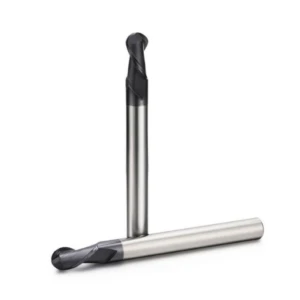
How a Graphite Milling Cutter Supplier Helps Optimize Injection Mold Machining Processes
We frequently meet injection mold makers who own high-end CNC machines but still struggle with dimensional drift and erratic tool life. For instance, an automotive mold maker tried to fix electrode tolerance issues solely by tweaking feed rates, but with no success. Our shop-floor audit revealed the real issue: their tooling geometry was completely mismatched with their graphite grade and CAM toolpaths.
In high-performance graphite electrode machining, a cutter is not just a cheap consumable; it is a critical component of your total machining system. A knowledgeable graphite milling cutter supplier does not just push catalog items. They analyze your machine’s spindle torque, dust extraction capacity, and part geometry to recommend custom solutions. Our primary goal is to align your cutting tools with your shop’s physical environment to ensure process stability.
Tooling Solutions from a Professional Graphite Milling Cutter Supplier
When consulting for mold-making shops, we customize tooling solutions for their specific part mix. For example, large automotive molds require maximum material removal rates and heavy-duty tool substrates. On the other hand, tight-tolerance electronic connector molds demand micro-tools capable of milling intricate details with zero edge chipping. A single tool series can never cover both of these extremes.
As an engineering-focused graphite milling cutter supplier, we evaluate the entire tool geometry—including flute design, neck relief, helix angle, and diamond coating thickness. We match these variables to the grain size of your raw graphite and your required cutting depths. This application-first approach helps you establish a highly reliable tooling standard rather than chasing a one-size-fits-all solution.
Matching Tool Parameters to the Graphite Machining System
We often find that poor tool performance is not the tool’s fault, but rather a mismatch with the overall CNC setup. The exact same cutter can perform beautifully in one shop and fail instantly in another due to differences in spindle rigidity or CAM strategies. To prevent these failures, we analyze the entire machining process as a single, connected ecosystem.
Optimizing your graphite machining system means balancing machine kinematics, toolpath configurations, and high-speed spindle limits together. For example, we might recommend light-depth trochoidal milling for roughing to protect the spindle, followed by high-helix cutters for finishing. This systemic approach unlocks the full potential of your high-performance cutting tools and guarantees predictable results.
Enhancing Graphite Machining Accuracy through Tool Optimization
We once assisted a precision electronics mold shop that suffered from dimensional deviations during long, unattended night shifts. Our diagnostic showed that gradual abrasive tool wear was continuously changing the cutting forces, causing the thin-walled electrodes to deflect. By implementing a highly wear-resistant tooling strategy and adjusting the CAM stepdowns, we restored absolute dimensional consistency.
Achieving sub-micron accuracy in precision injection molding requires more than just high-end CNC hardware; it demands a stable cutting tool interface. You can effectively eliminate dimensional drift by utilizing specialized tool geometries, optimizing your chip loads, and enforcing strict tool-life management. True machining precision is always the result of a fully optimized graphite machining system, where machines, tooling, and programming work in perfect harmony.
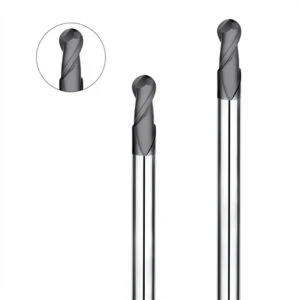
Optimizing Graphite Machining Accuracy for High-Precision Injection Molds
We once tackled a major accuracy issue for a medical-grade injection mold manufacturer. Their molded parts looked within tolerance initially, but subtle EDM dimensional deviations forced them to constantly adjust generator parameters. Our engineering audit showed the problem was not the EDM machine. Instead, it was micro-deflections in the thin-walled graphite electrodes caused by unstable cutting forces during milling.
Achieving high-accuracy graphite mold machining requires much more than simply ramping up spindle speeds. You must systematically control the entire workflow—from choosing the correct graphite density to optimizing toolpath transitions and monitoring spindle thermal expansion. By managing these variables as an integrated process, you lock in electrode consistency. This stability dramatically cuts downstream EDM tuning costs and accelerates your time-to-market.
Key Factors Affecting Graphite Mold Machining Accuracy
On the shop floor, graphite electrode precision is threatened by several key variables. First is the material grade itself; variations in grain size and flexural strength dictate how easily the carbon chips during cutting. Second, the structural geometry of the mold—such as deep cavities, tall ribs, and sharp draft angles—creates severe tooling challenges that demand maximum machine rigidity.
We also pay close attention to machine-spindle thermal drift and dust extraction efficiency during long runs. Even a premium cutter will experience premature edge breakdown if abrasive graphite dust is allowed to pack the cut zone. Therefore, successful graphite mold machining requires continuous monitoring of tool wear. This practice prevents dimensional drift before it ruins a high-value workpiece.
Integrated Optimization of Machining Parameters, Tool Geometry, and Machine Stability
Adjusting feeds and speeds in isolation rarely solves accuracy bottlenecks. If your graphite end mills lack the proper clearance angles, or if your high-speed spindle suffers from excessive runout, even the most advanced CAM paths will fail. We optimize the cutting parameters based on the physical limits of the entire machining setup.
During high-speed finishing, we reduce the radial stepover and chip load to minimize tool pressure and part deflection. During roughing, we focus on balanced chip evacuation to protect the delicate spindle bearings from unbalanced loads. Matching tool geometries to your specific graphite grade is the best way to prevent corner chipping and ensure a perfect surface finish.
Establishing a Stable Graphite Machining System to Enhance Mold Consistency
Long-term success in mold making does not rely on a single heroic effort; it depends on a repeatable, standardized process. We often see two shops run the exact same CAM program on the same machine model, yet get completely different electrode finishes. The variance always comes down to differences in tool pre-setting, dust collection force, and quality control protocols.
For shops producing high-precision injection molds, building a standardized graphite machining system is a highly lucrative investment. We recommend creating an internal machining parameter database, enforcing tool-change schedules, and implementing on-machine inspection probes. Maintaining a highly controlled, predictable process is always more profitable than simply chasing a faster cycle time on a single job.

Achieving Efficient Precision Mold Manufacturing with a Graphite Machining System
Through years of optimizing CNC shops, we know high-quality mold manufacturing is never the result of a single machining step. It is the perfect integration of material science, optimized CAM workflows, and precise tool selection. From initial graphite selection to CNC roughing and final EDM spark inspection, every stage directly impacts your mold’s final precision.
Implementing a robust graphite machining system allows mold manufacturers to eliminate shop-floor variables and stabilize production. This comprehensive system is not just about buying high-speed machines; it requires systematic parameter matching and reliable tooling. If your shop faces long cycle times, high scrap rates, or inconsistent electrode wear, look at your entire workflow rather than tweaking a single spindle speed.
Summary of the Value of Graphite Mold Machining
In modern toolrooms, the true value of graphite mold machining extends far beyond simply milling a carbon block. Consistent electrode quality directly stabilizes the downstream sinker EDM process, ensuring absolute cavity replication. This consistency is vital for automotive, medical, and electronic molds where micron-level details determine final part quality.
By systematically optimizing your graphite milling process, you can control stock allowances, minimize electrode dressing, and reduce benchwork. If you are milling deep-rib electrodes for high-tolerance injection molds, we highly recommend re-evaluating your current machining parameters. Aligning your workflow with your specific graphite grade is the fastest way to ensure long-term manufacturing reliability.
Summary: Graphite End Mill Selection and Machining Efficiency
Tool selection remains the absolute backbone of an efficient graphite machining system. Every phase of the electrode milling process requires distinct cutting tool characteristics to prevent edge chipping and dimensional drift. Roughing demands high tool strength and chip clearance, semi-finishing requires strict dimensional control, and finishing requires ultimate cutting-edge sharpness.
To maximize efficiency, you must avoid the trap of using a single tool specification for the entire job. Selecting the right diamond-coated graphite end mill for each step prevents premature wear and stabilizes your batch-to-batch consistency. Regularly audit your CNC tooling carousels to verify that your cutters are perfectly matched to their specific roughing or finishing roles.
Partnering with a Specialized Graphite Milling Cutter Supplier for Long-Term Success
In our decade of shop-floor experience, we have found that stable machining results come from collaborative engineering, not just catalog purchasing. A vendor who truly understands CNC physics looks beyond tool dimensions to analyze your machine rigidity, dust collection, and cycle times. Establishing this technical dialogue is the most effective way to eliminate costly trial-and-error.
Choosing a specialized graphite milling cutter supplier means investing in a proven, repeatable machining methodology. If your shop struggles with unpredictable tool wear or dimensional fluctuations on the EDM floor, let’s look at the data together. Compile your part drawings, graphite grades, and current CNC parameters, and let our application engineers help you build a high-performance solution.